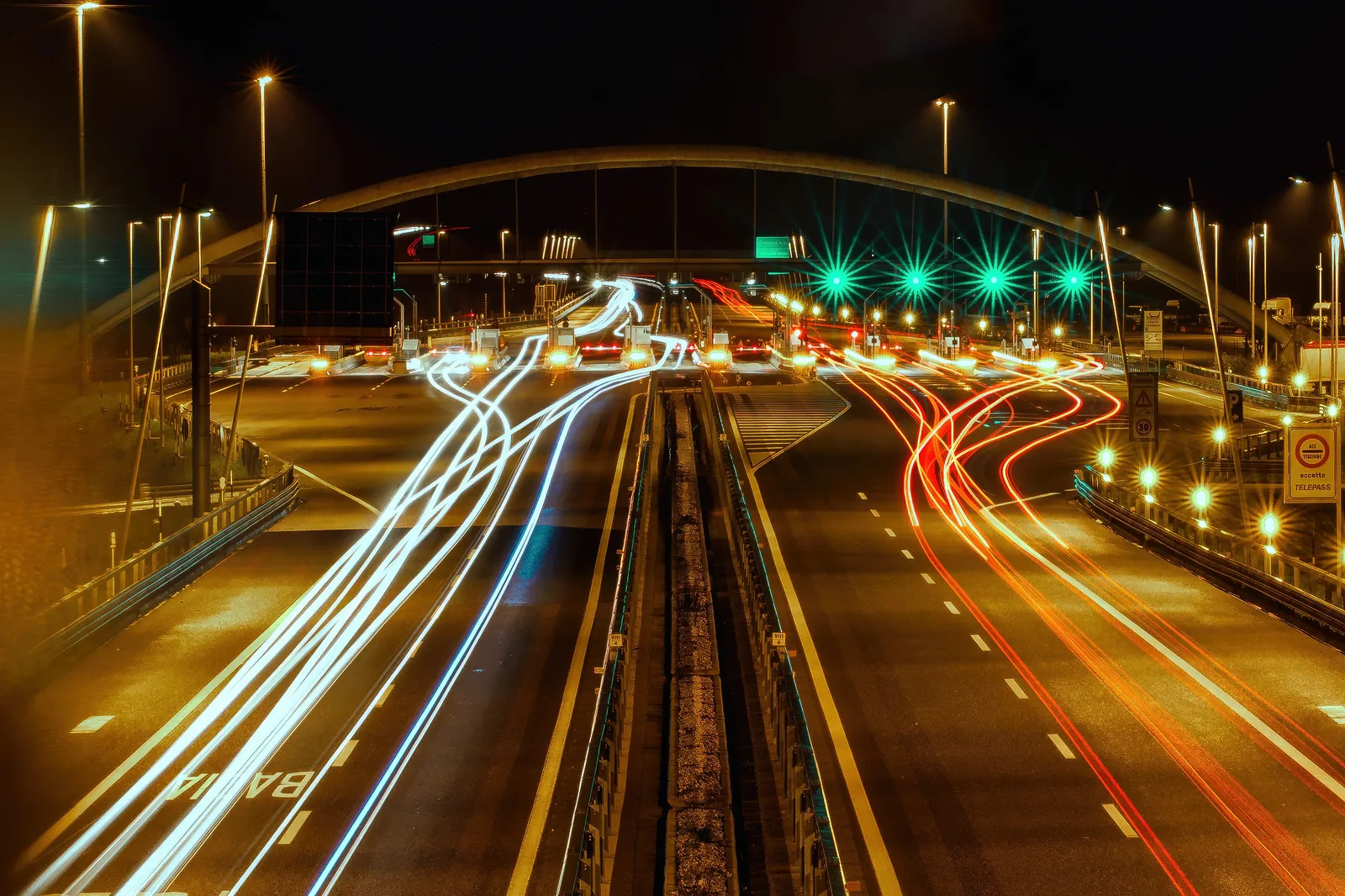
Driving in Italy: What to Know First
Where a car is essential in Italy and where it is a mistake: motorway tolls, the autostrada driving culture, mountain and coast roads, fuel, parking colours and the paperwork you need.
Everything you need to know about Italy, sorted by topic, from Rome and the Vatican to Sicily and Puglia.
Where a car is essential in Italy and where it is a mistake: motorway tolls, the autostrada driving culture, mountain and coast roads, fuel, parking colours and the paperwork you need.
Three days in Rome without a route march: the ancient core, the Vatican early, and a third day of the free city on foot, with the walking distances and booking order that make it work.
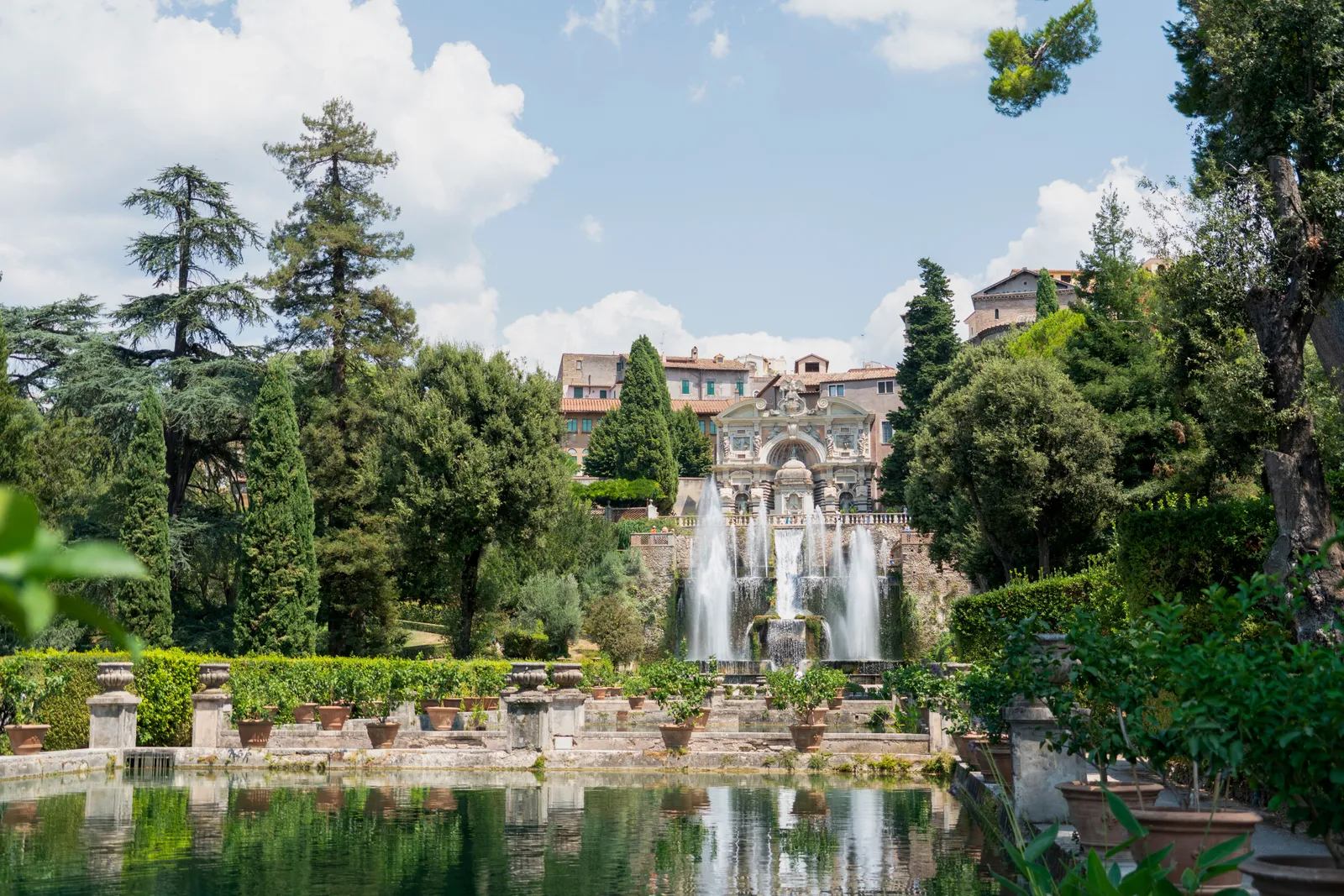
Where to go for a day from Rome: the Roman port town with no crowds, the hill town of villas and fountains, the cathedral on a rock, and the ones that are too far to enjoy.
The most common way visitors lose money in Italy: what a limited traffic zone is, how the cameras work, why the fine reaches you a year later, and how to avoid the whole thing.
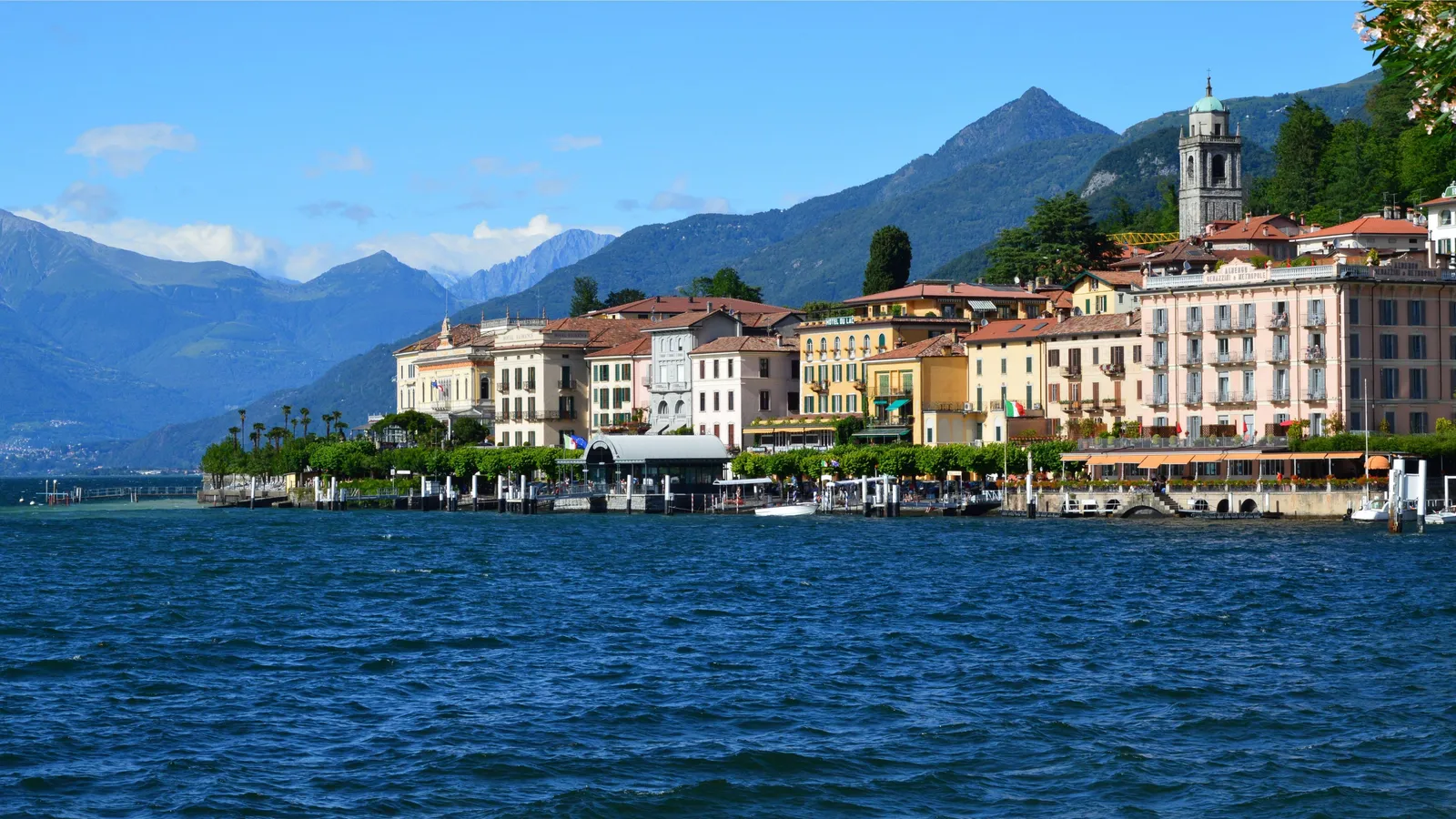
How much time Milan actually needs, why the lakes are closer than you think, and how to combine a working city with three very different stretches of water.
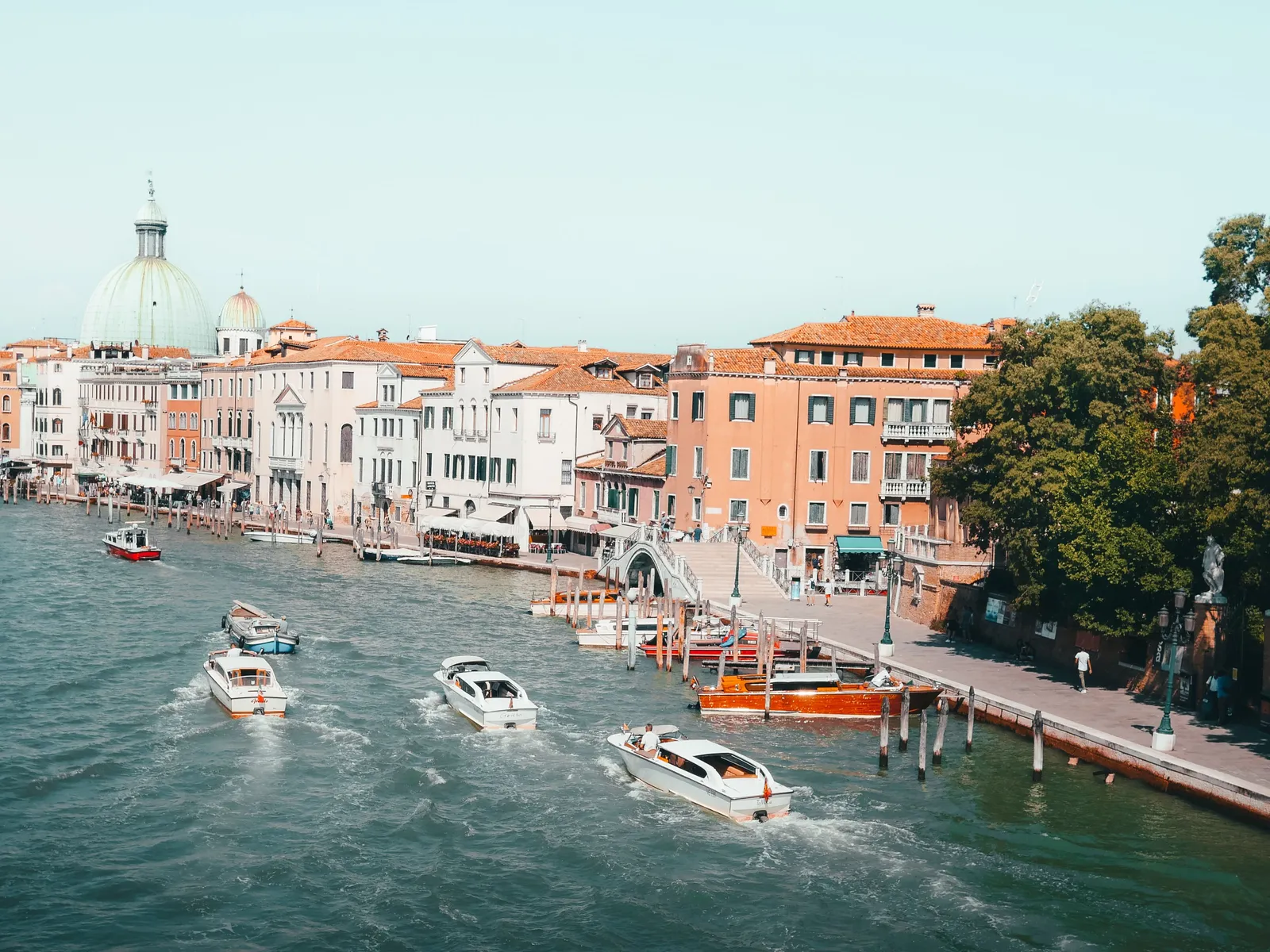
Venice charges day visitors on selected dates: who has to pay, who is exempt, why staying overnight changes your position, and why you must check the current rules yourself.
Who needs a visa for Italy, how the Schengen 90/180 rule works, what the new EES biometric checks mean at the border, and where ETIAS fits in. A clear entry guide for international travelers.
What travel insurance really needs to cover in Italy: private medical costs, rental car gaps and ZTL fines, Dolomites hiking and ski, theft in cities, and flight or train disruption.
Amalfi Coast or Cinque Terre? Scenery, access and transport, hiking, beaches, crowds and cost compared honestly, with a clear verdict for every type of traveler.
A month-by-month guide to Italy weather: what the north, center and south feel like through the year, when the crowds peak, why August is tricky, and the best months for cities, beaches and mountains.
Rome or Florence for your first Italy trip? Ancient empire versus Renaissance art, size and pace, food, day trips and cost, with a clear verdict for every type of traveler.
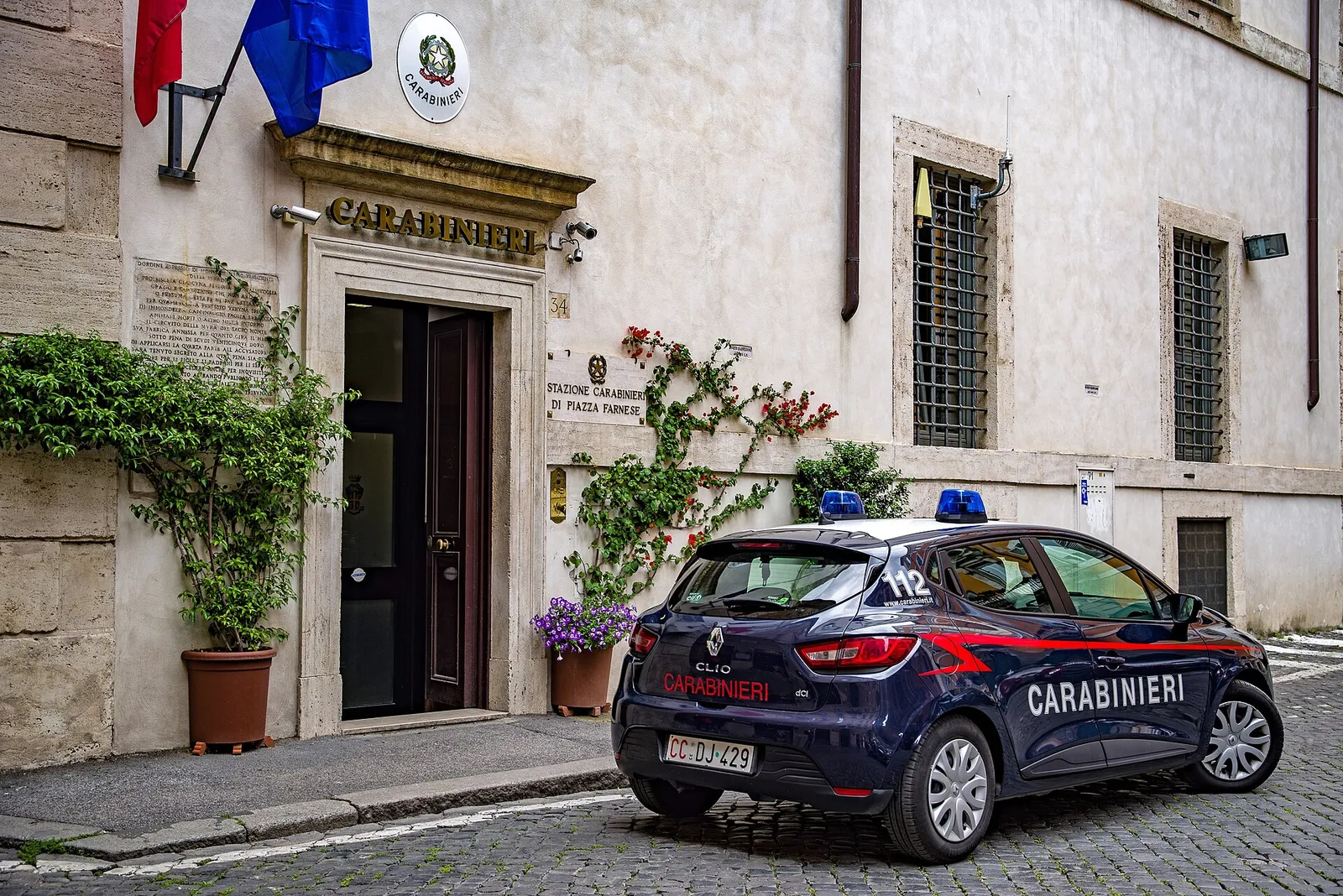
The emergency numbers every visitor to Italy should save: 112 and the classic three, how pharmacies work, what to do about pickpockets and lost passports, and the ZTL driving fines that surprise tourists.
Planning your first trip to Italy? Here is when to go, where to base yourself, how to move between cities, what to book ahead, and how to skip the classic rookie mistakes.
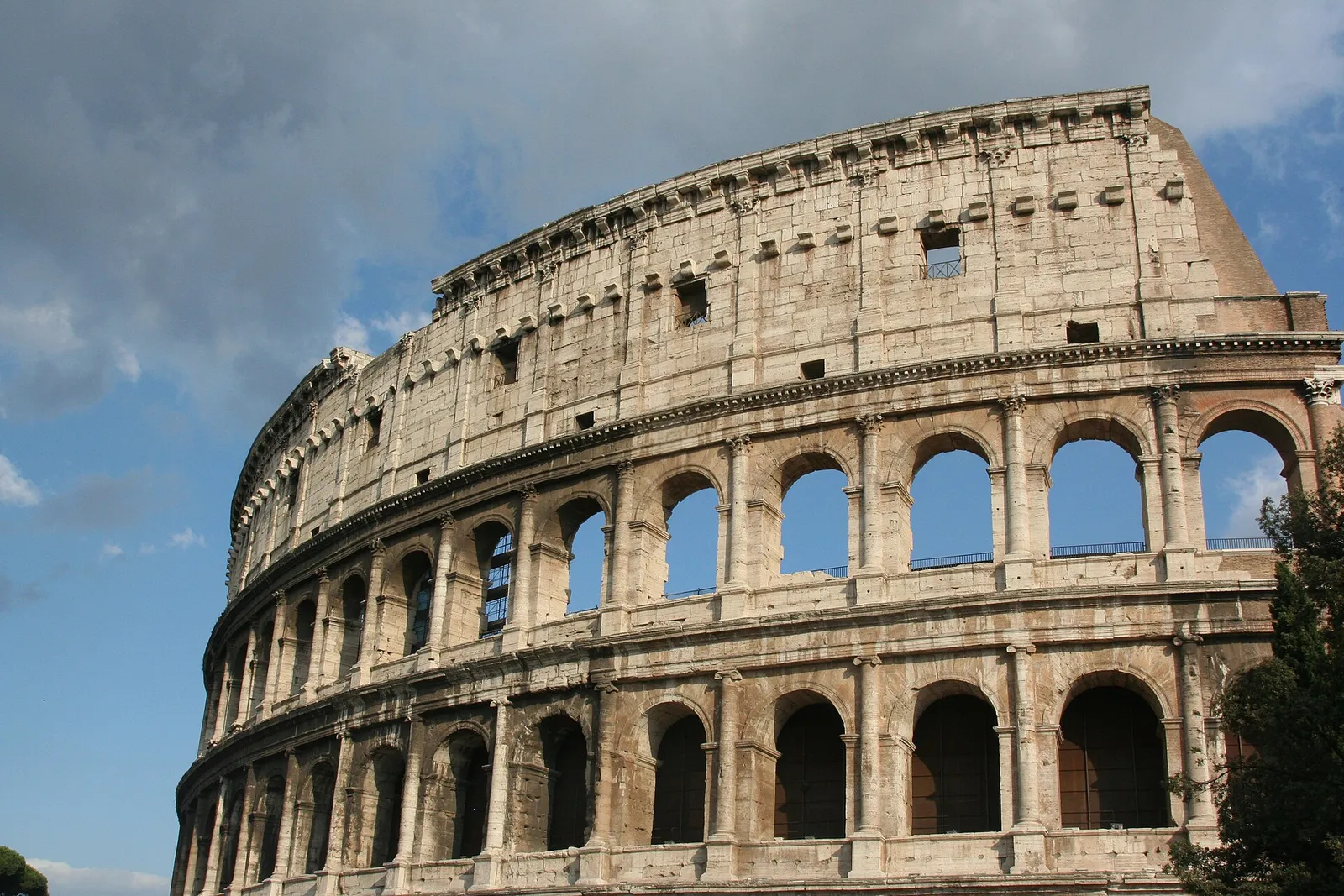
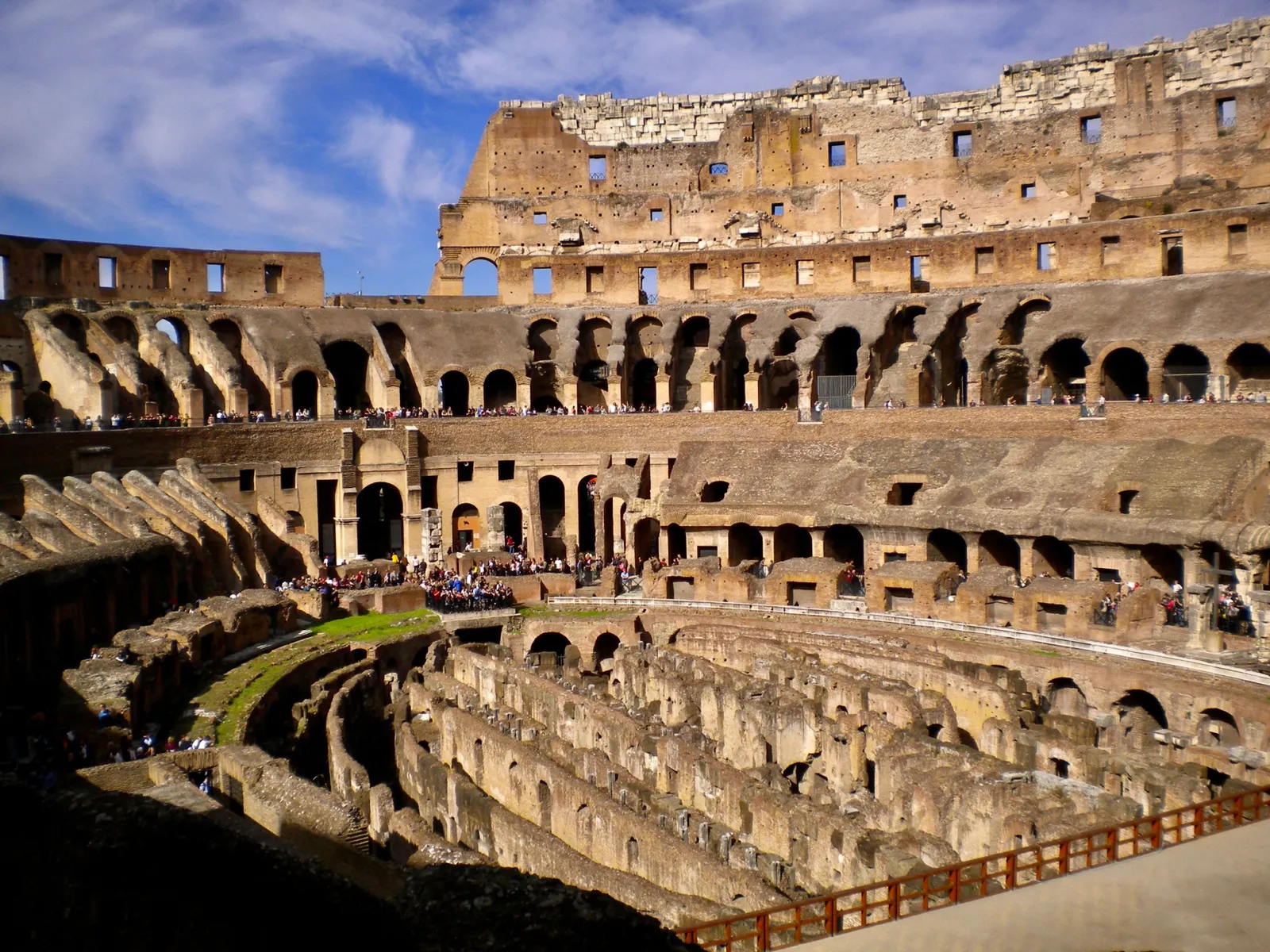
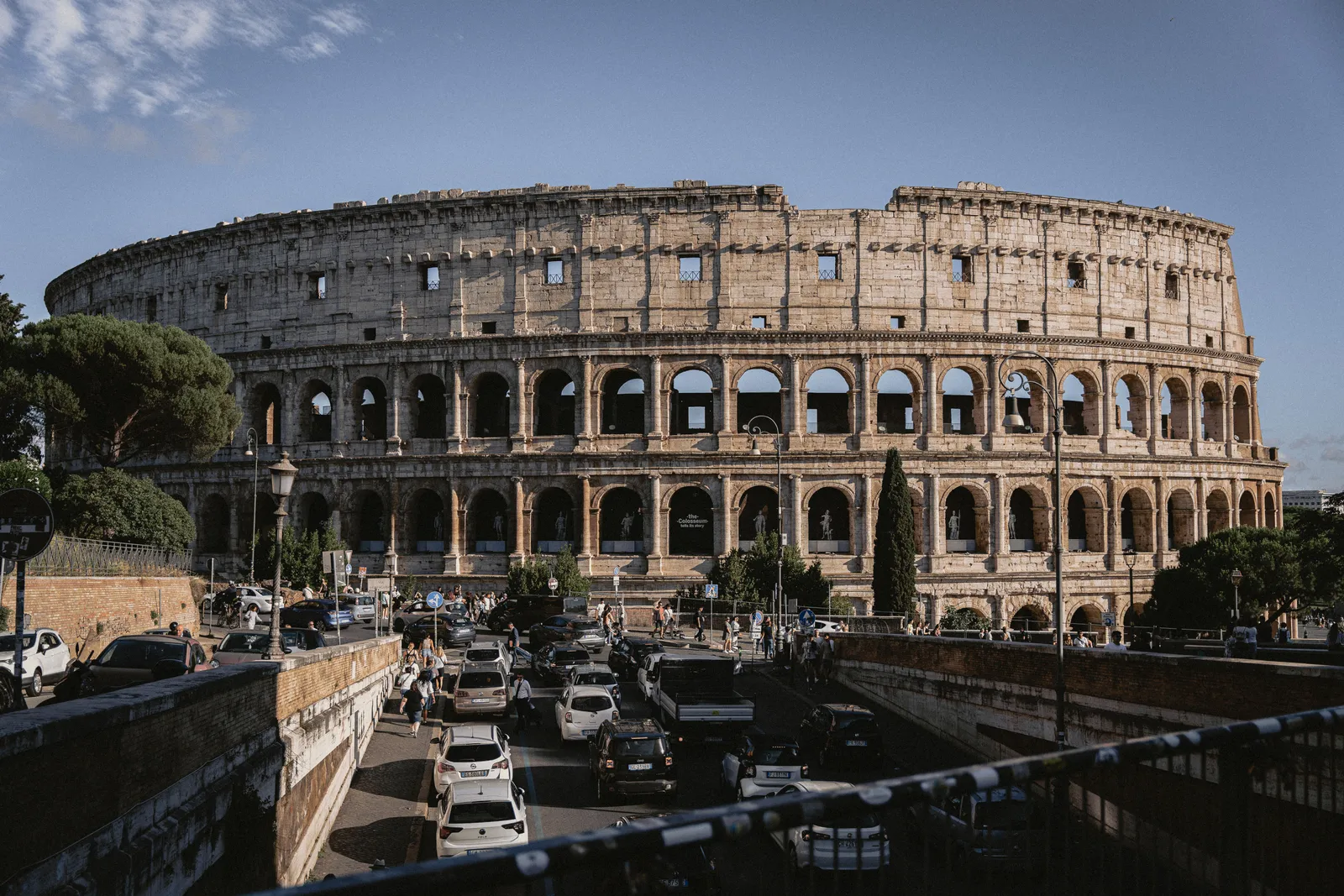
Timed entry, limited release and a lot of resellers: what the standard Colosseum ticket includes, what the arena floor and underground add, and how to avoid paying twice for the same thing.
Three days in Rome without a route march: the ancient core, the Vatican early, and a third day of the free city on foot, with the walking distances and booking order that make it work.
Where to go for a day from Rome: the Roman port town with no crowds, the hill town of villas and fountains, the cathedral on a rock, and the ones that are too far to enjoy.
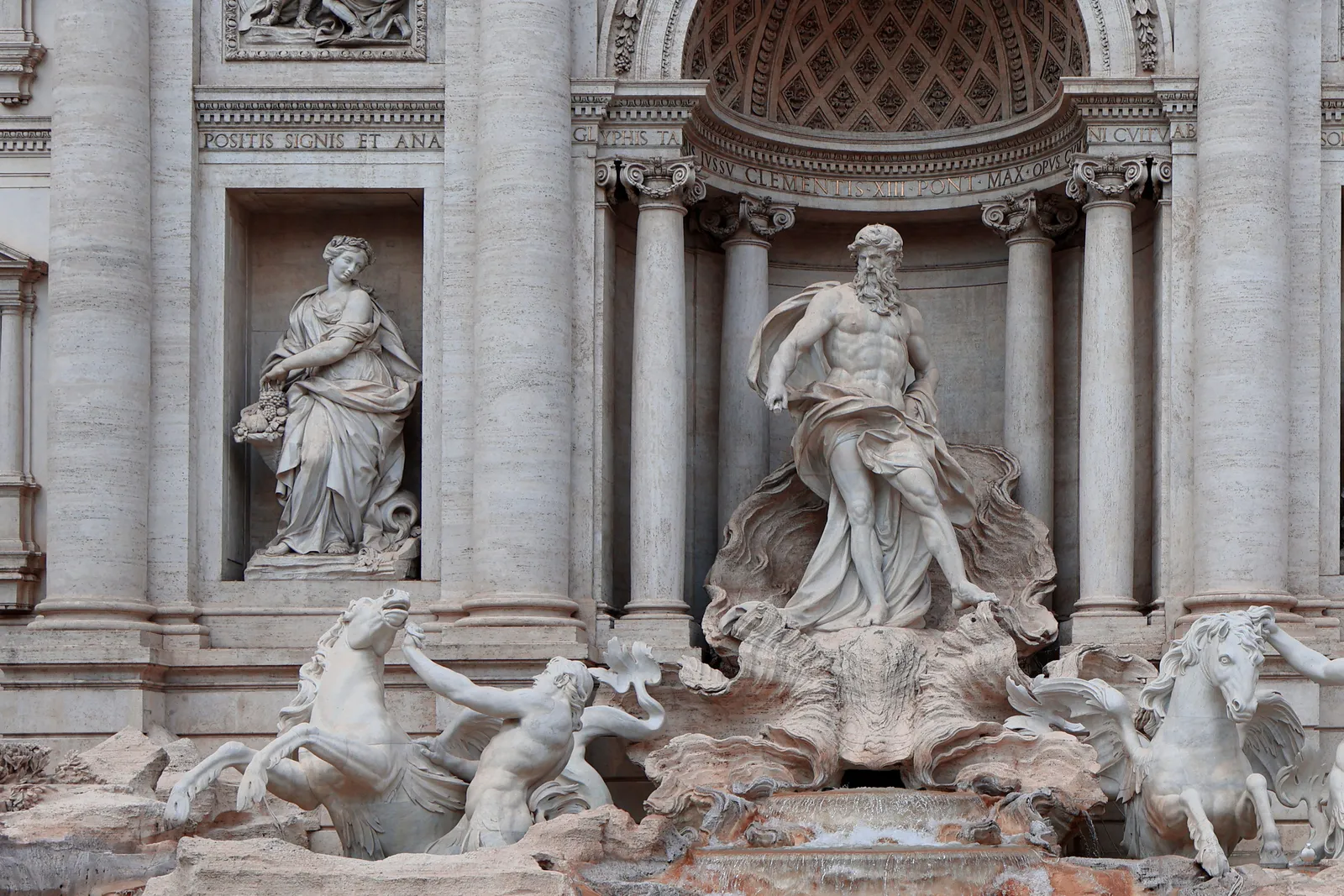
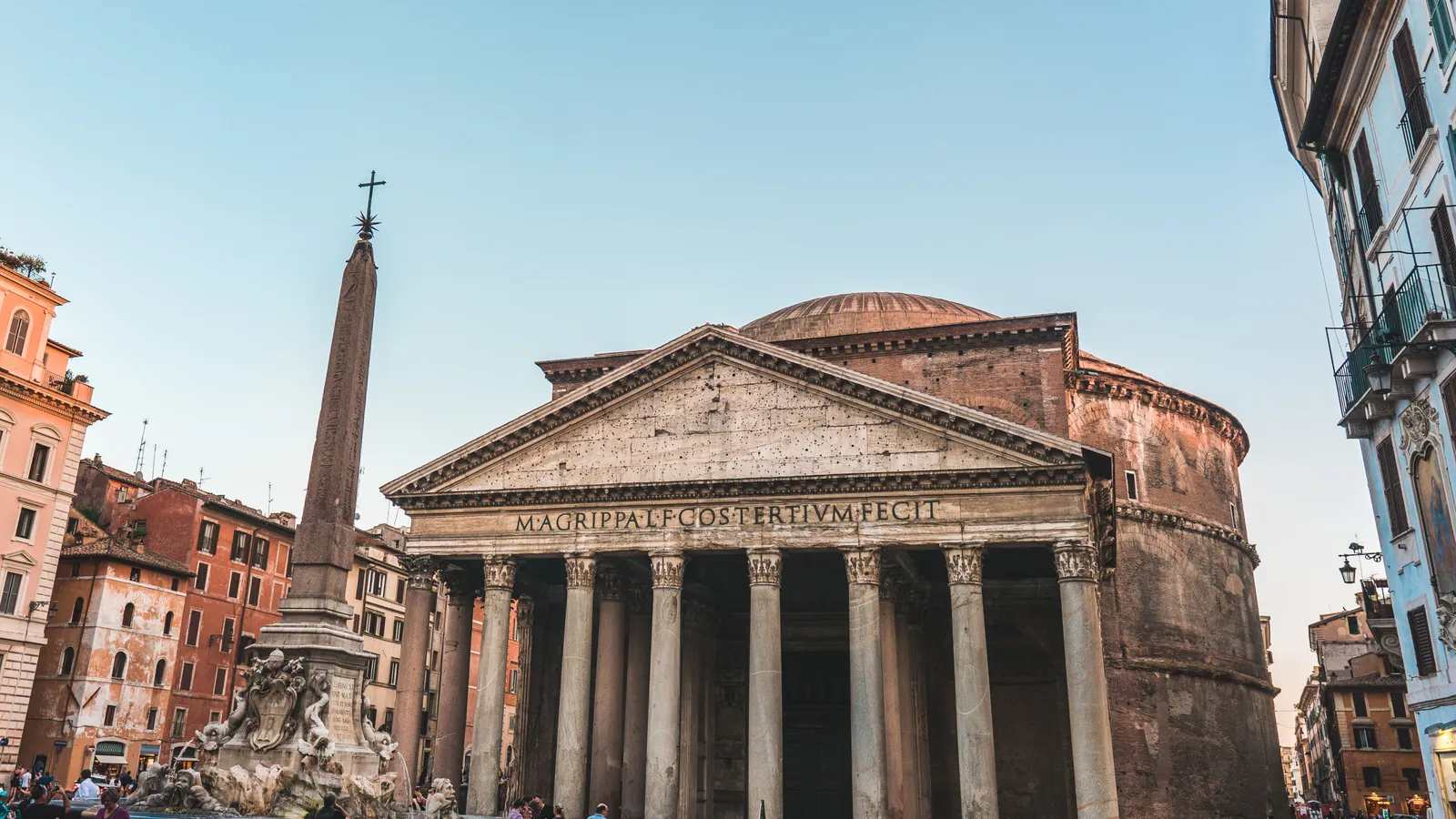
A walking route through the free half of Rome: the Pantheon and its ticket, the Trevi fountain and the hour that makes it bearable, Piazza Navona, and the churches nobody queues for.
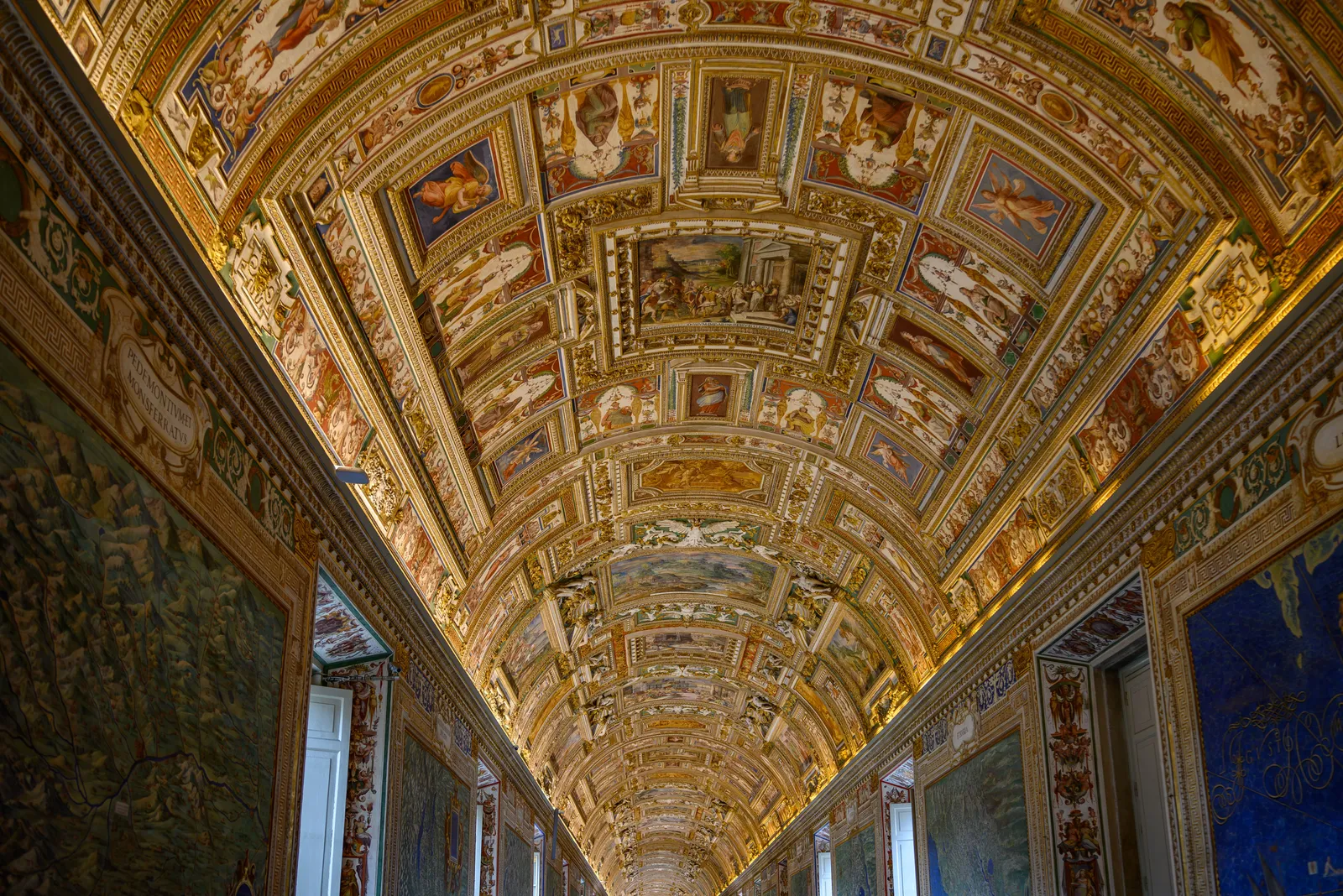
The busiest museum route in Europe: how the one-way circuit actually works, how long it really takes, whether early entry is worth it, and what to know before the Sistine Chapel.
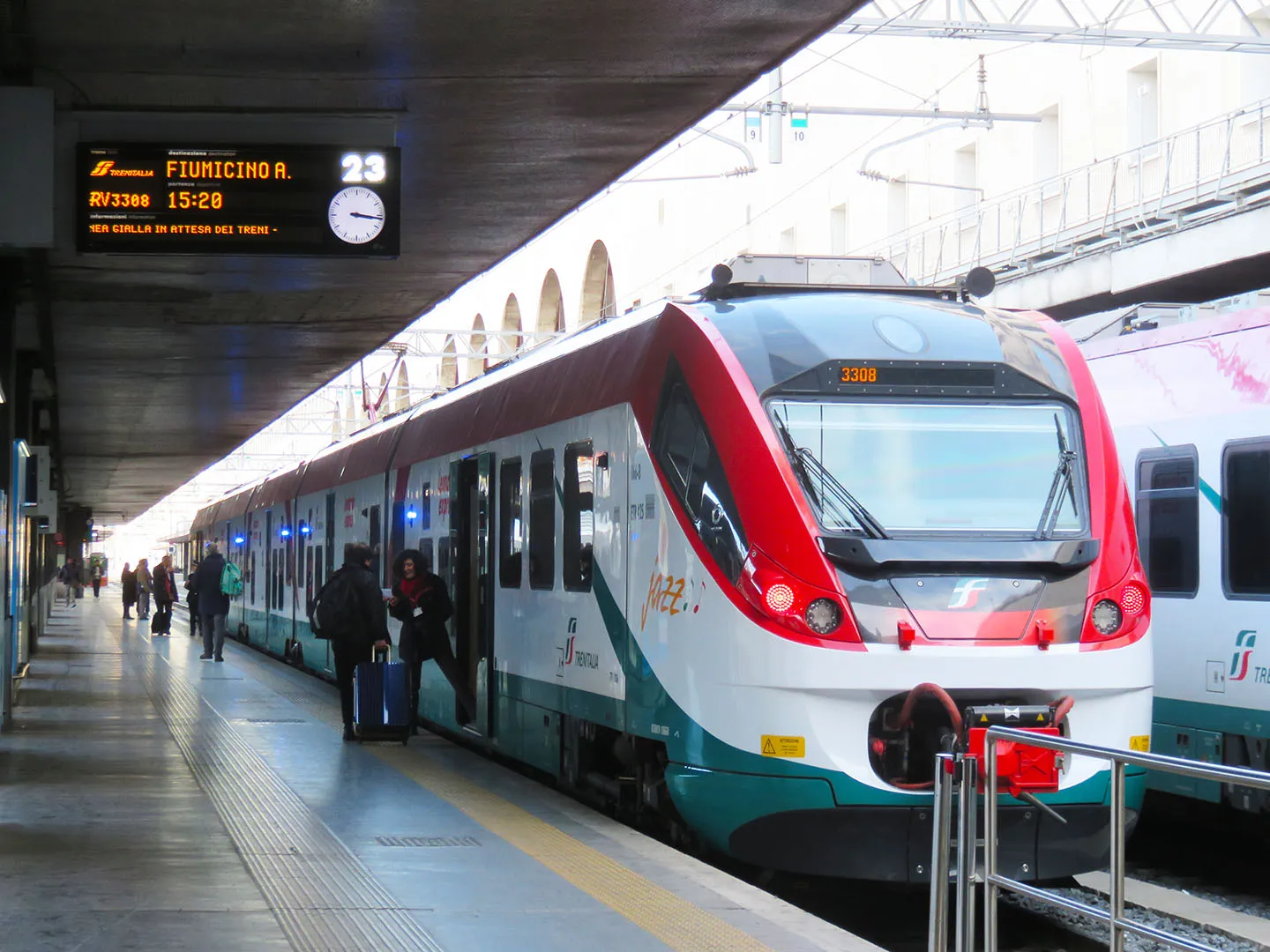
Every way from Rome's airports to the center: the Leonardo Express to Termini, regional trains, budget buses, the official fixed-fare taxi, and how Ciampino works. Prices, times and which option fits your trip.
Rome or Florence for your first Italy trip? Ancient empire versus Renaissance art, size and pace, food, day trips and cost, with a clear verdict for every type of traveler.
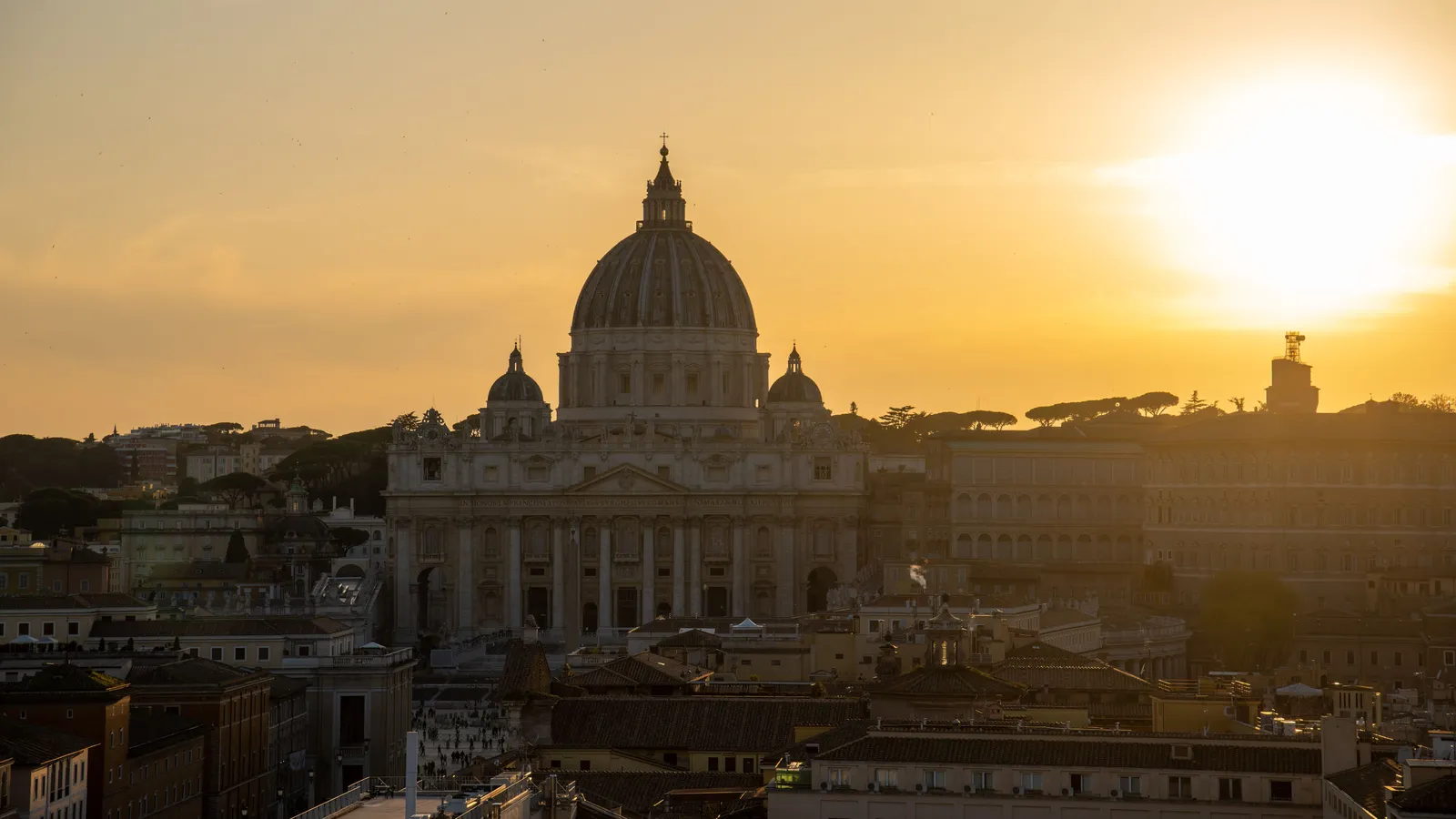
A first-timer guide to Rome: the Colosseum and the Vatican, which neighbourhoods to base in, how to eat like a local, and how to skip the queues and the tourist traps.
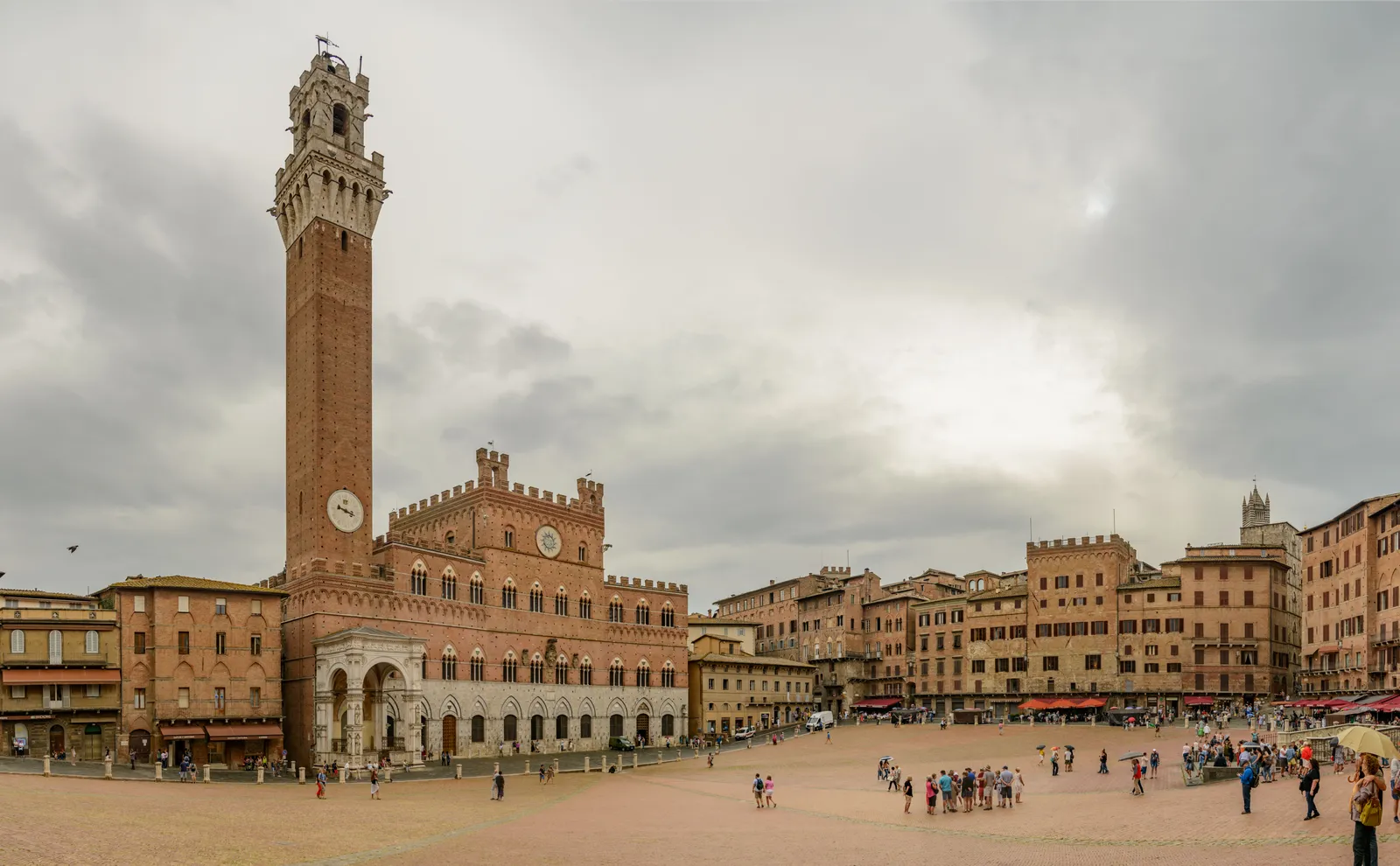
Two hill towns in one day from Florence: the shell-shaped square and the striped cathedral, the town of towers, and why both are transformed the moment the coaches leave.
Timed entry, sold-out slots and a lot of resellers: what each gallery holds, how long they take, which one to skip if you only have a day, and how to avoid paying twice.
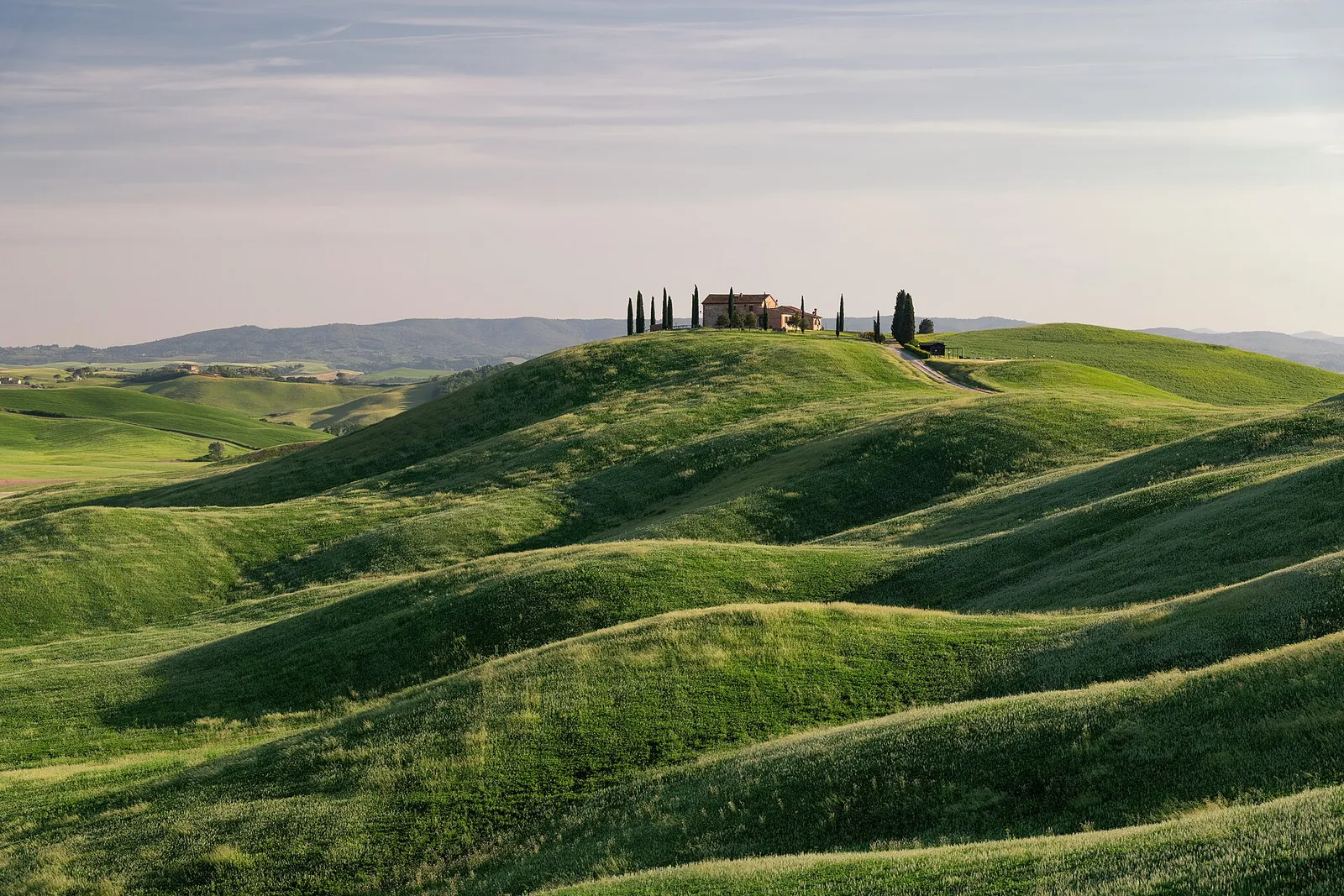
Where the landscape actually is, how many bases you need, when a car earns its keep and when it does not, and which corners of Tuscany suit which kind of trip.
A guide to the Chianti wine road: the best wineries and tastings, how to drive the scenic SR222 between Florence and Siena, and where to base yourself for a Tuscan wine trip.
Rome or Florence for your first Italy trip? Ancient empire versus Renaissance art, size and pace, food, day trips and cost, with a clear verdict for every type of traveler.
A first-timer guide to Florence: the Duomo, the Uffizi, Michelangelo's David, the best neighbourhoods and a walkable day plan through the birthplace of the Renaissance.
Glass on one island and coloured houses on the next: how long the vaporetto really takes, the glass demonstration sales pitch, and why Burano deserves the larger share of the day.
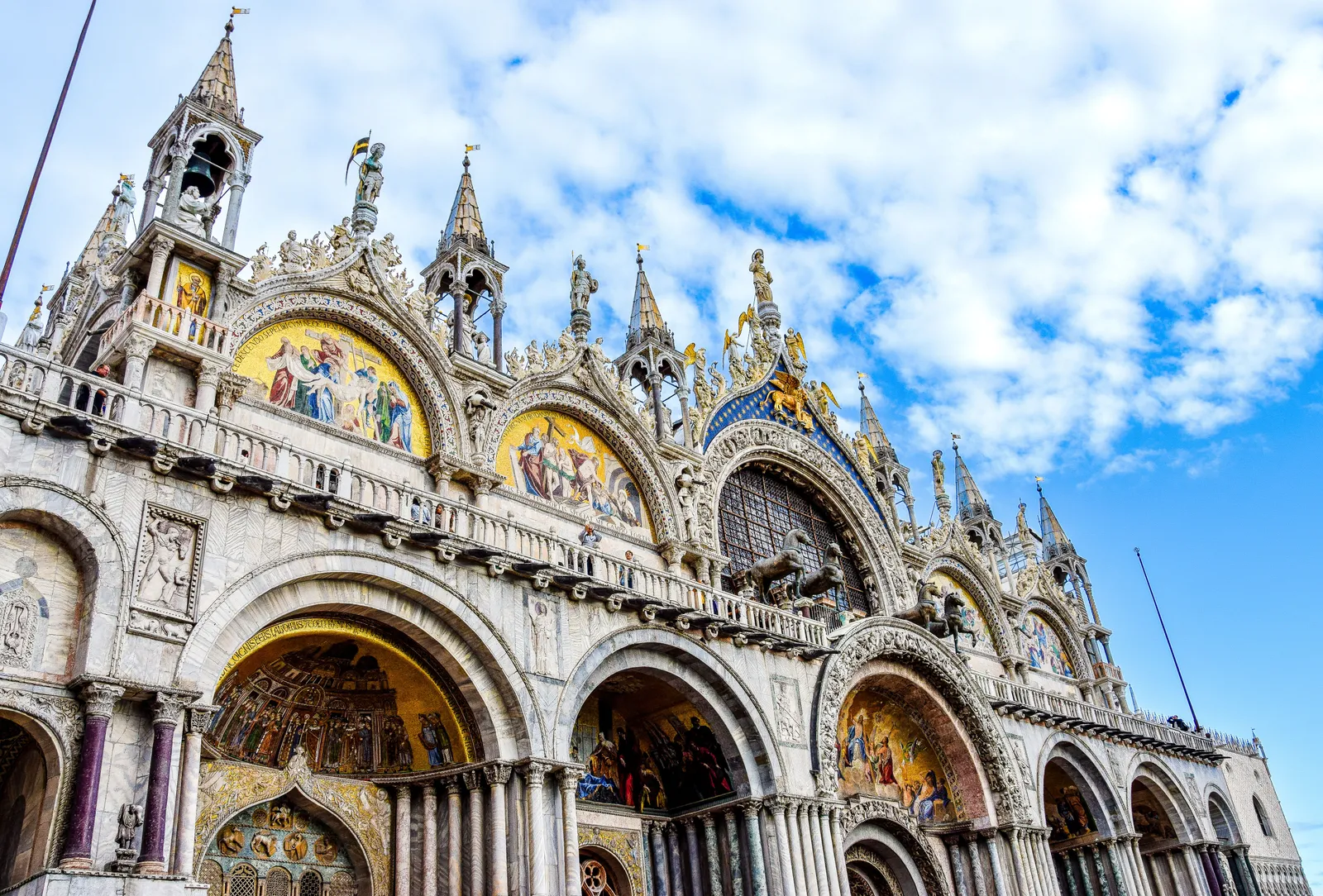
The two ticketed buildings on the square: what each ticket includes, the queue and the dress code, the terrace nobody books, and why the palace deserves more time than the basilica.
Venice charges day visitors on selected dates: who has to pay, who is exempt, why staying overnight changes your position, and why you must check the current rules yourself.
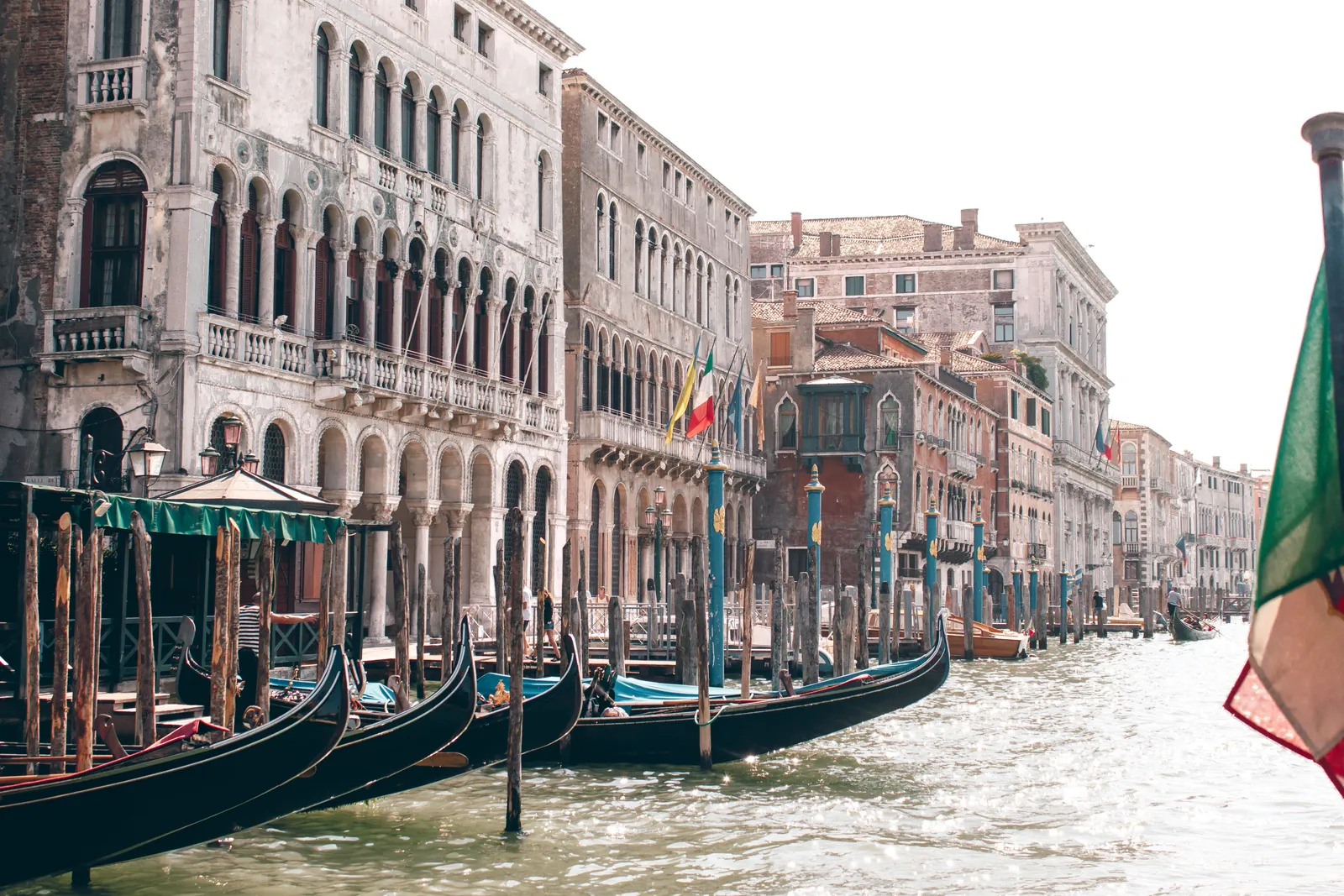
Arriving, getting around and not spending the whole day in a queue: the vaporetto, the sestieri, when the day-tripper crowd comes and goes, and why staying the night changes everything.
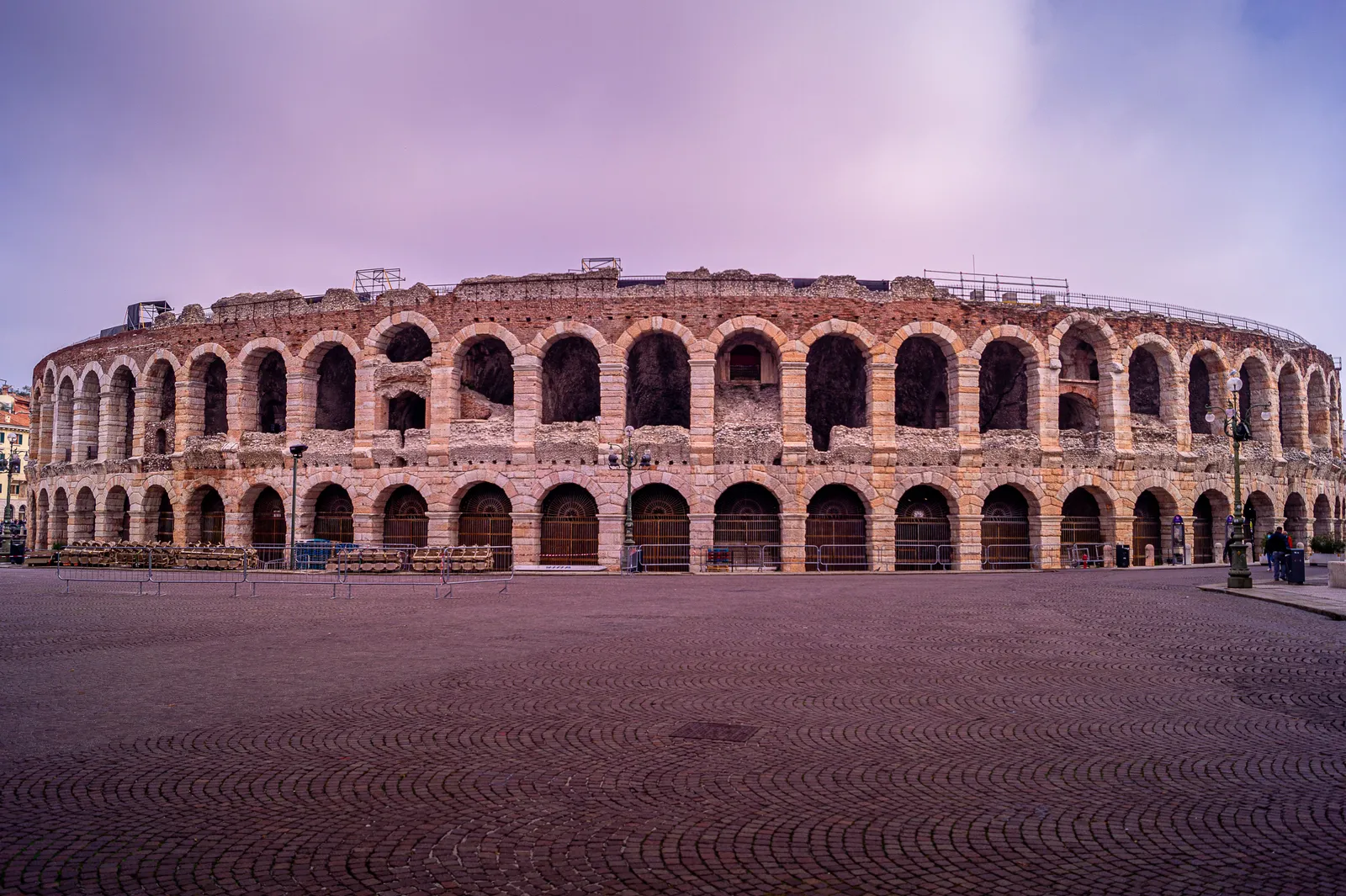
The best short stop in northern Italy: a Roman arena still used for opera, a compact walkable centre, an honest verdict on the Juliet balcony, and how it fits between Venice and the lakes.
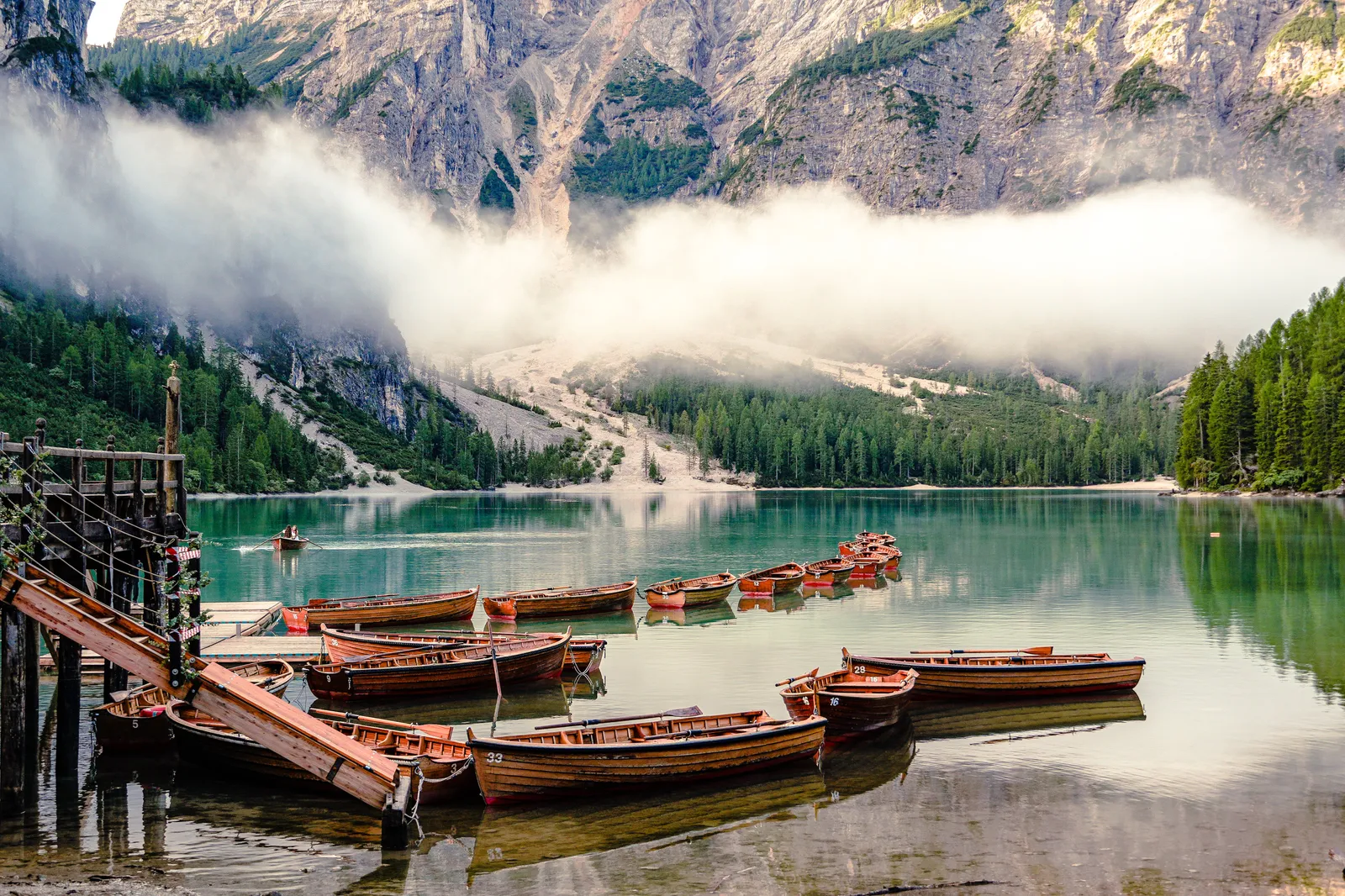
A first trip to the Italian Dolomites: the best hikes, Lake Braies, where to base yourself, how to get around, and when to go for hiking, autumn colour or winter snow.
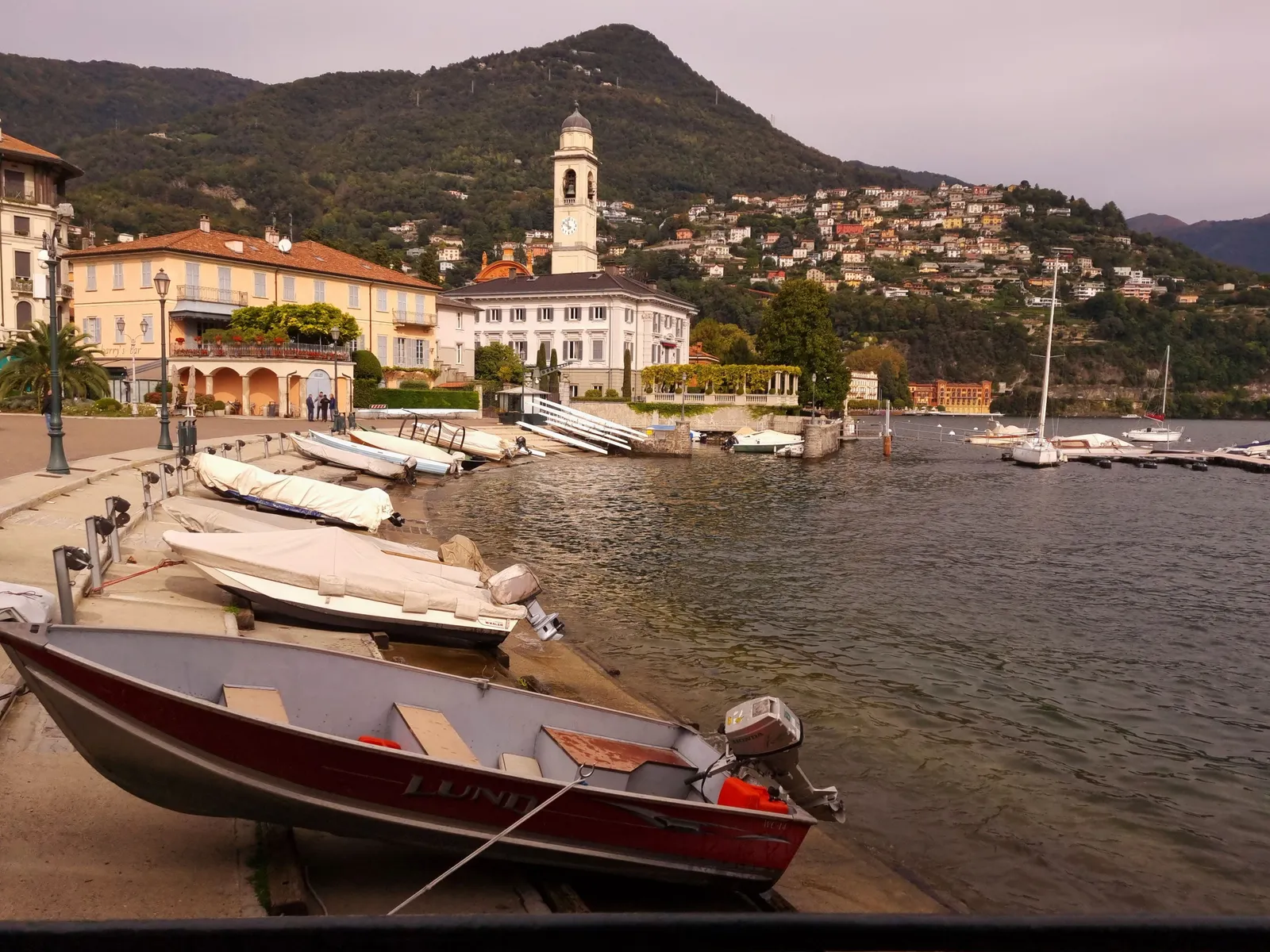
The lake with the villas and the steep valley: how the three arms work, which town to base yourself in, why the ferry is the transport, and what a day actually costs you in travel.
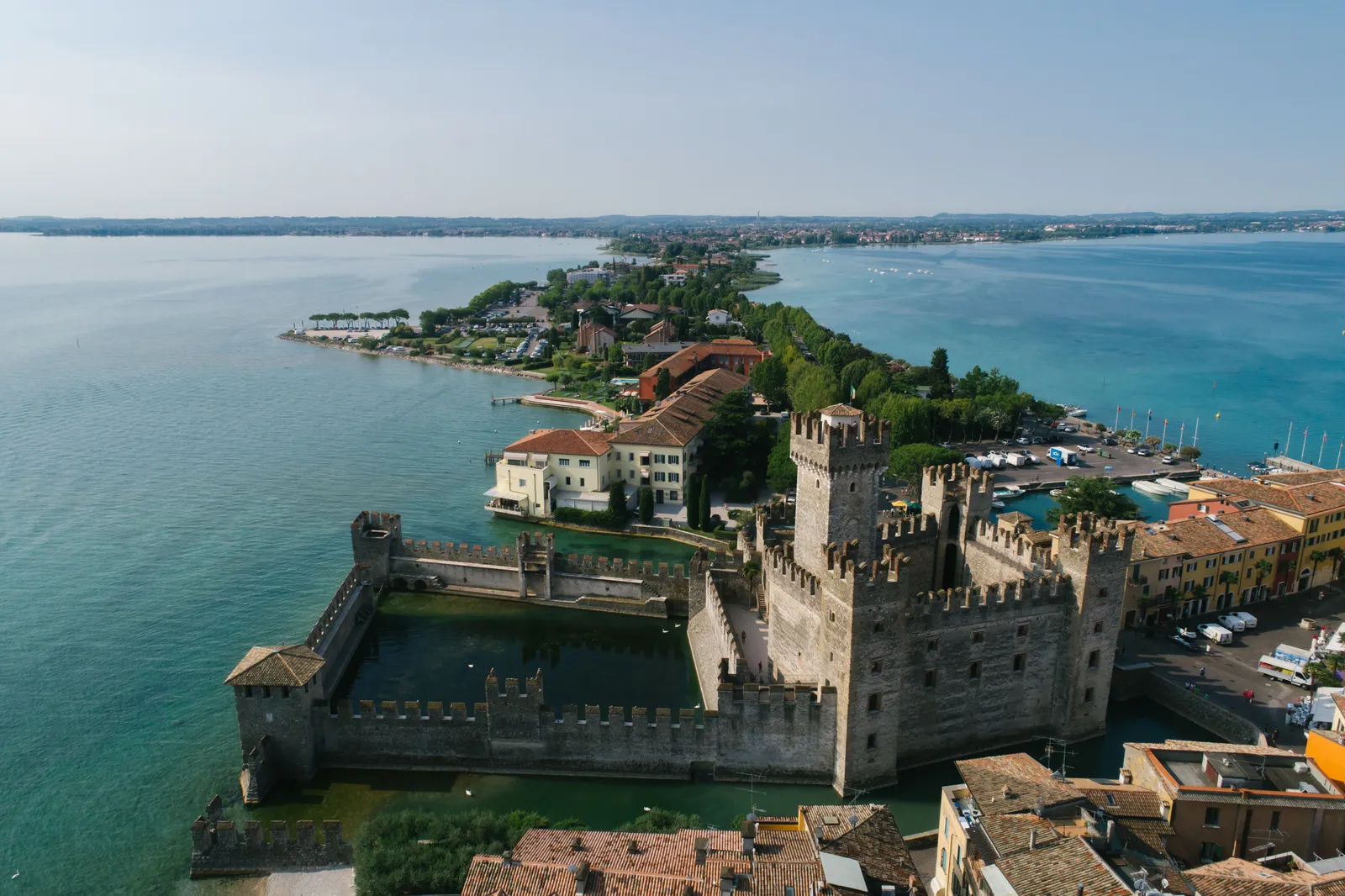
A wide southern basin with beaches, a narrow mountain north with wind and cliffs, and a middle of olive groves: which end of Garda suits which trip, and how to get around it.
One mural seen in fifteen minutes by appointment and one cathedral you can walk on the roof of: how both ticketing systems work and why one of them dictates your travel dates.
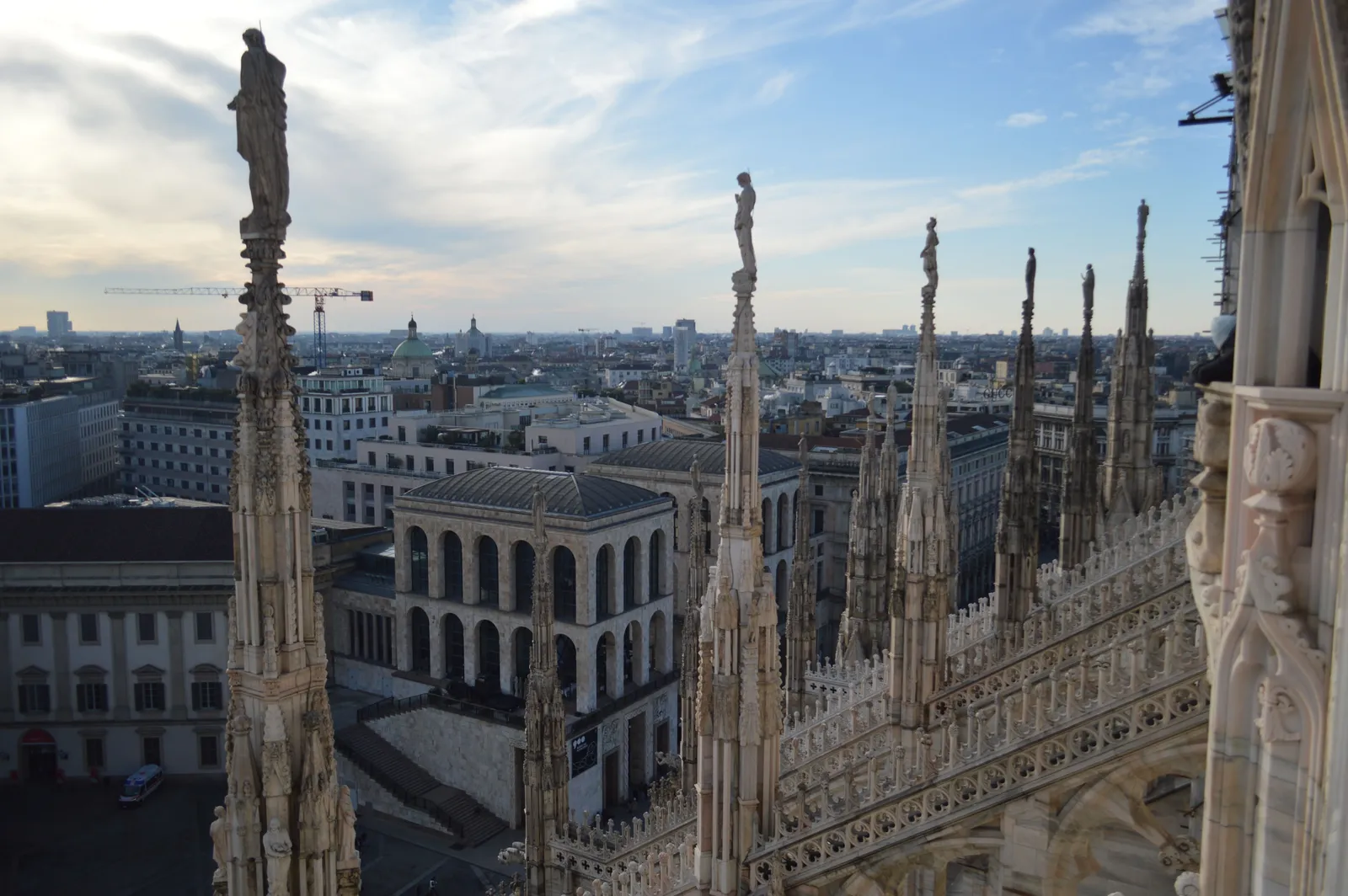
How much time Milan actually needs, why the lakes are closer than you think, and how to combine a working city with three very different stretches of water.
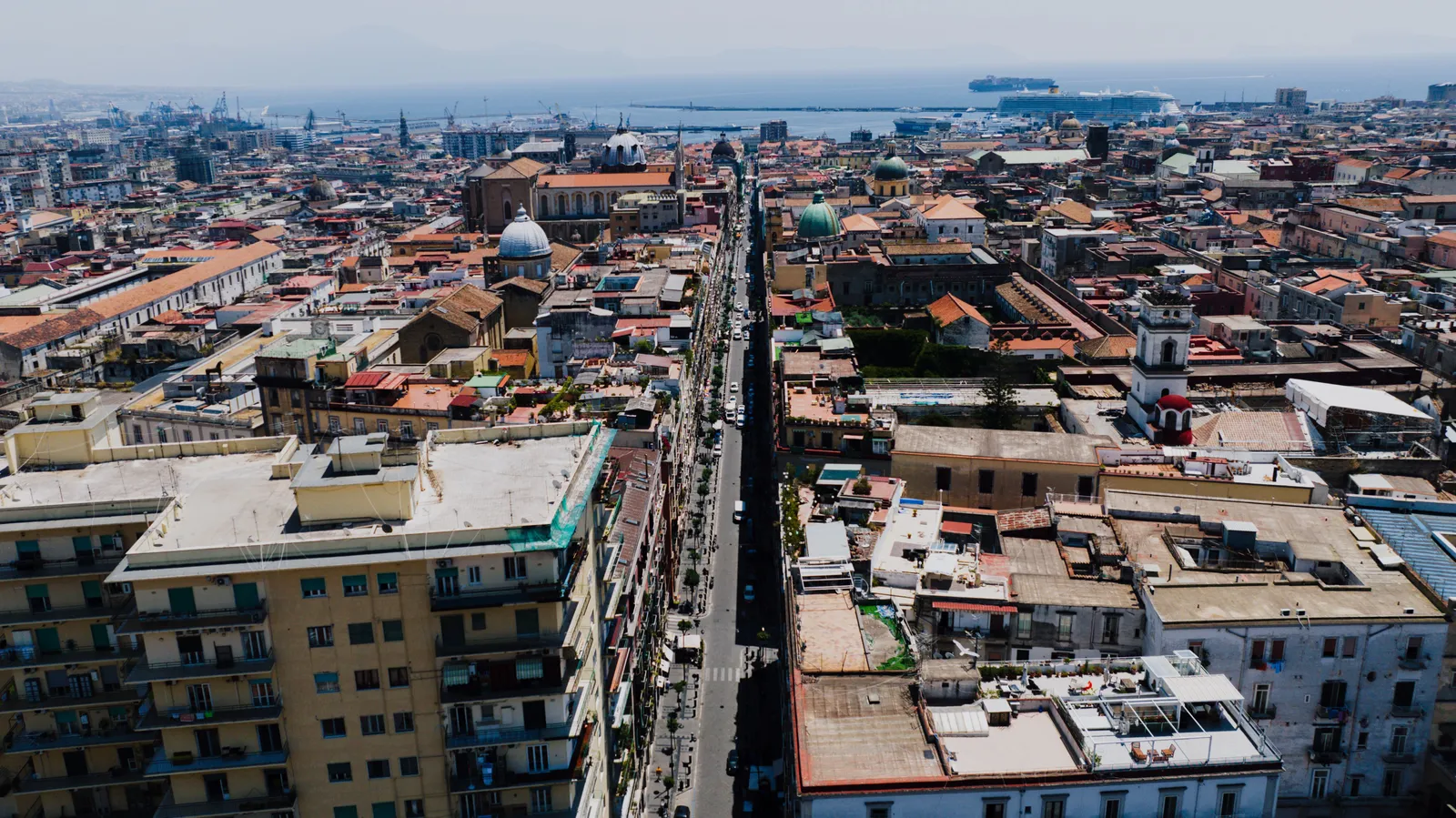
Loud, dense and the best eating in Italy: what to see in Naples, how the neighbourhoods work, what the safety reputation is actually about, and why it deserves more than a night.
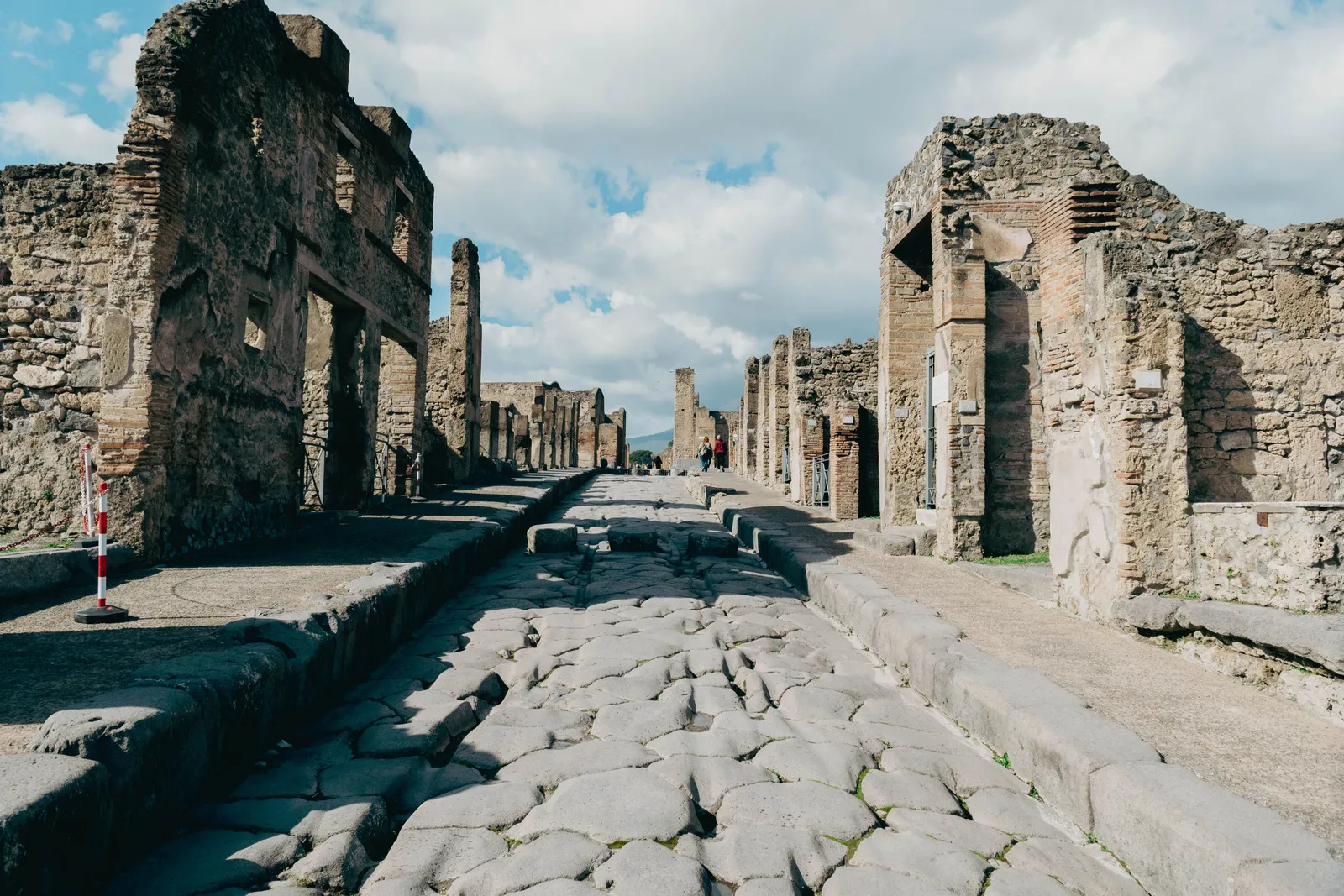
A huge unshaded ruin and a volcano crater above it: how long Pompeii really takes, why the museum in Naples is half the visit, and the order that makes the day bearable.
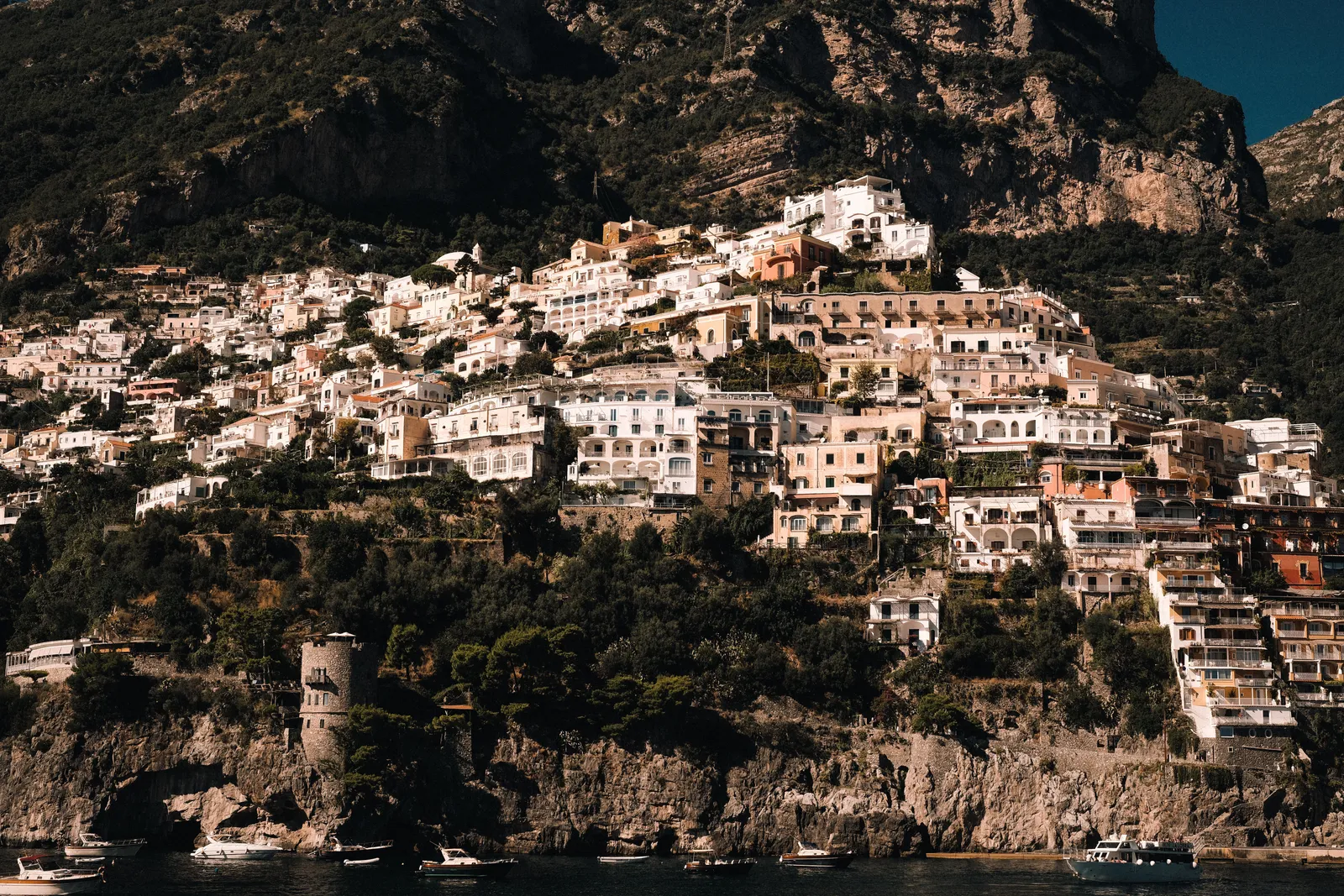
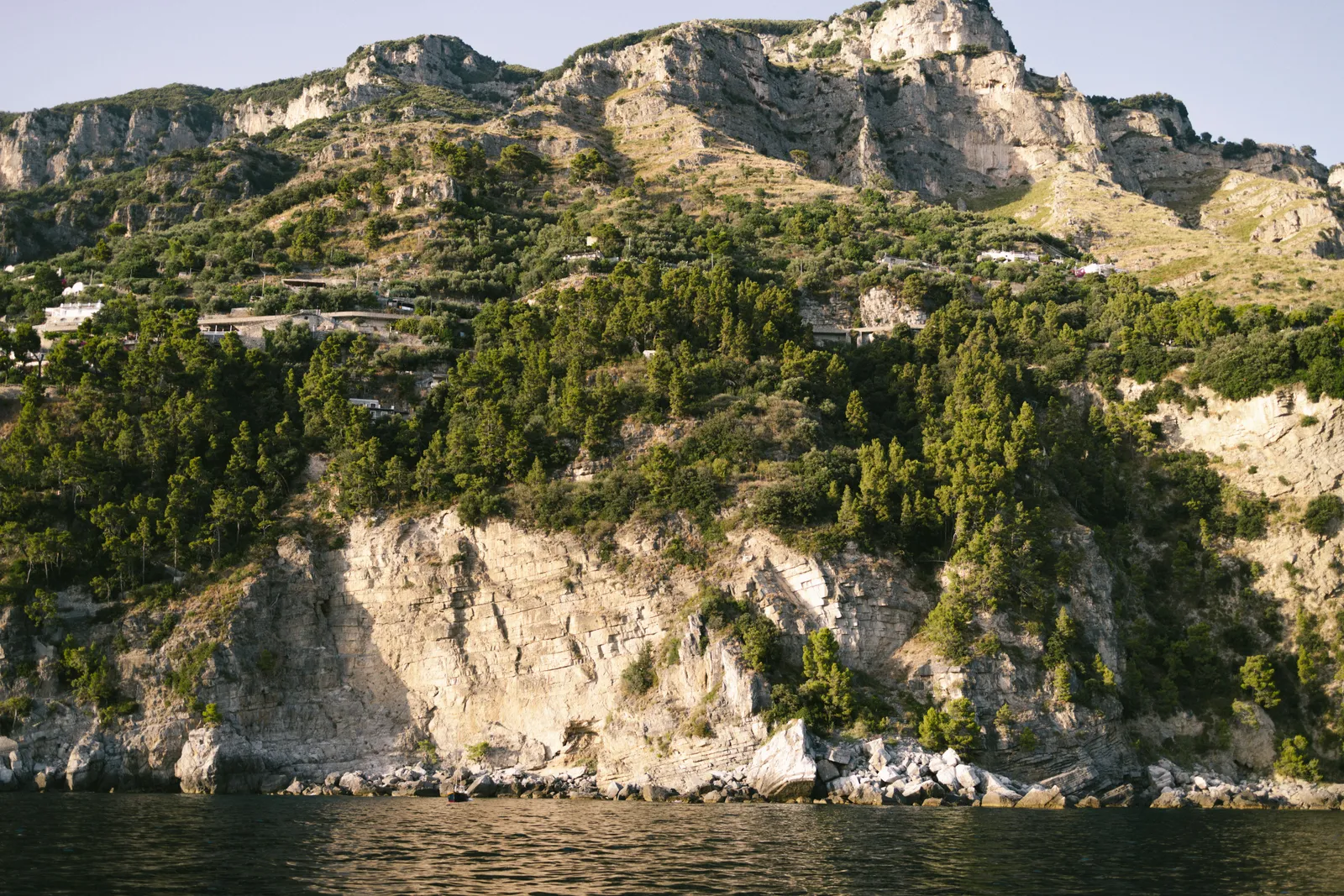
Three towns on the same coast and three different holidays: the steep photogenic one, the practical one with the ferries, and the quiet one high above the sea.
Amalfi Coast or Cinque Terre? Scenery, access and transport, hiking, beaches, crowds and cost compared honestly, with a clear verdict for every type of traveler.
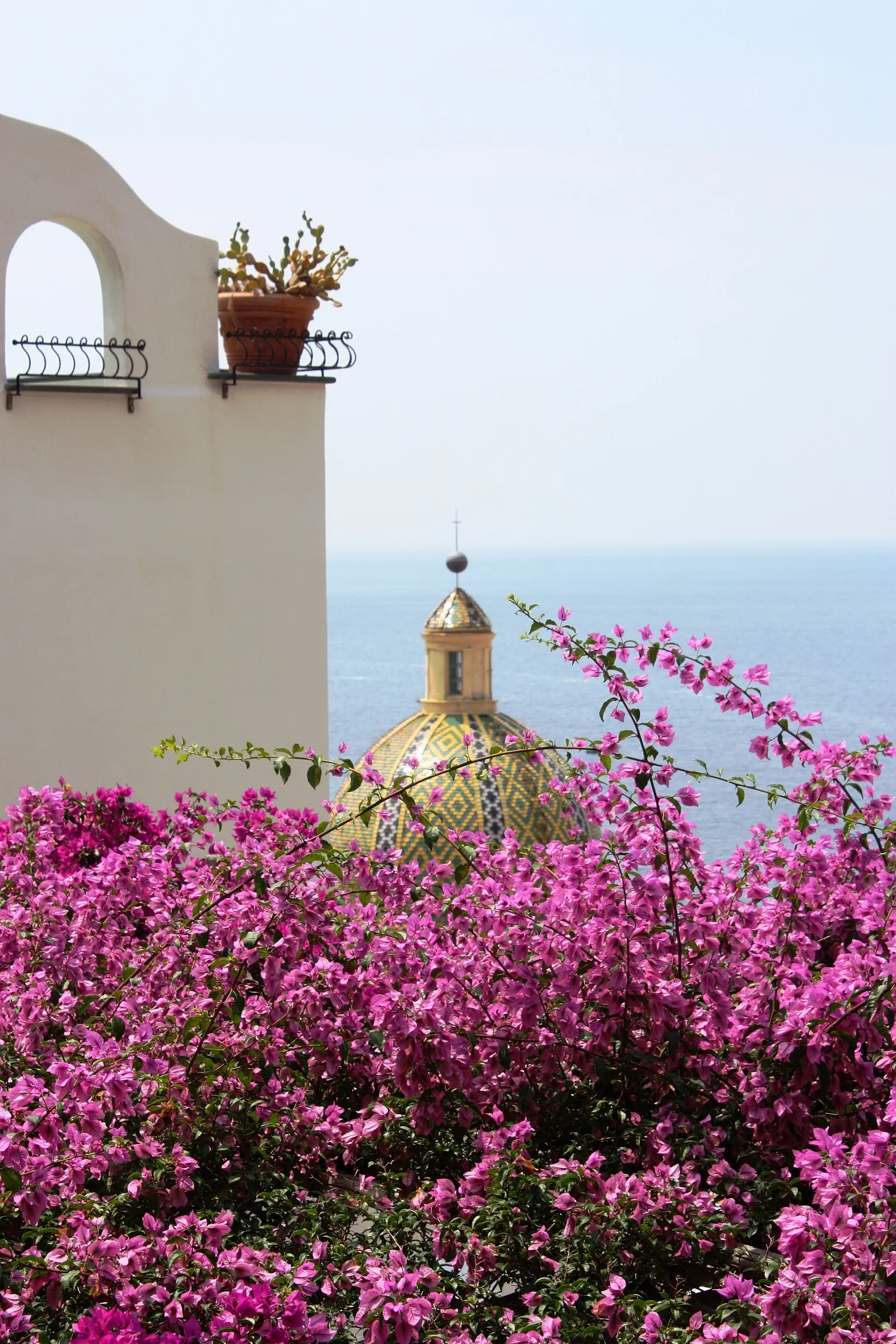
Positano, Ravello, Amalfi and beyond: where to base yourself, how the ferries and buses work, when to go, and how to plan a first trip to Italy's most famous coastline.
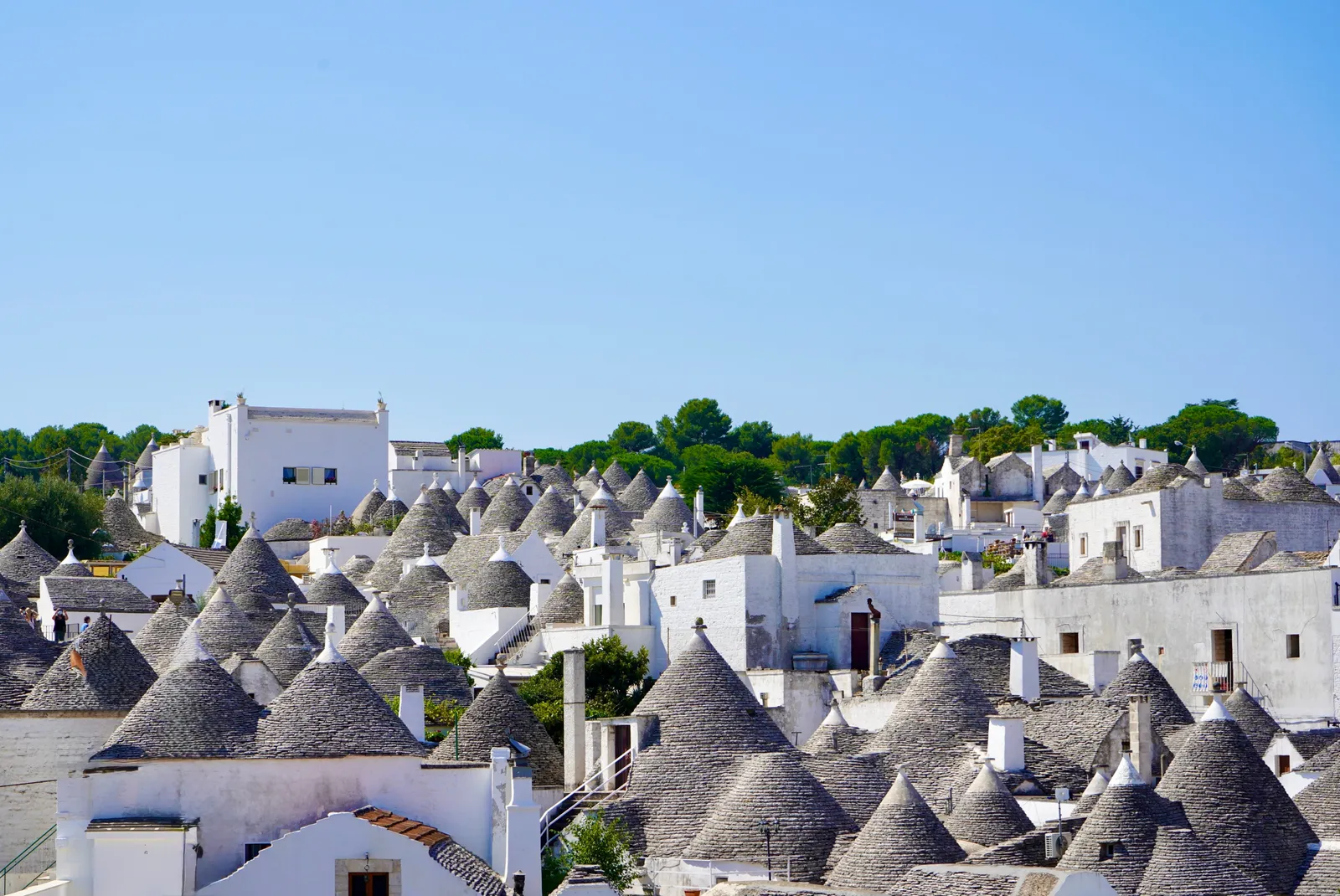
A whole district of conical stone houses: what trulli actually are, why they were built without mortar, how long the town takes, and where to see them without the crowd.
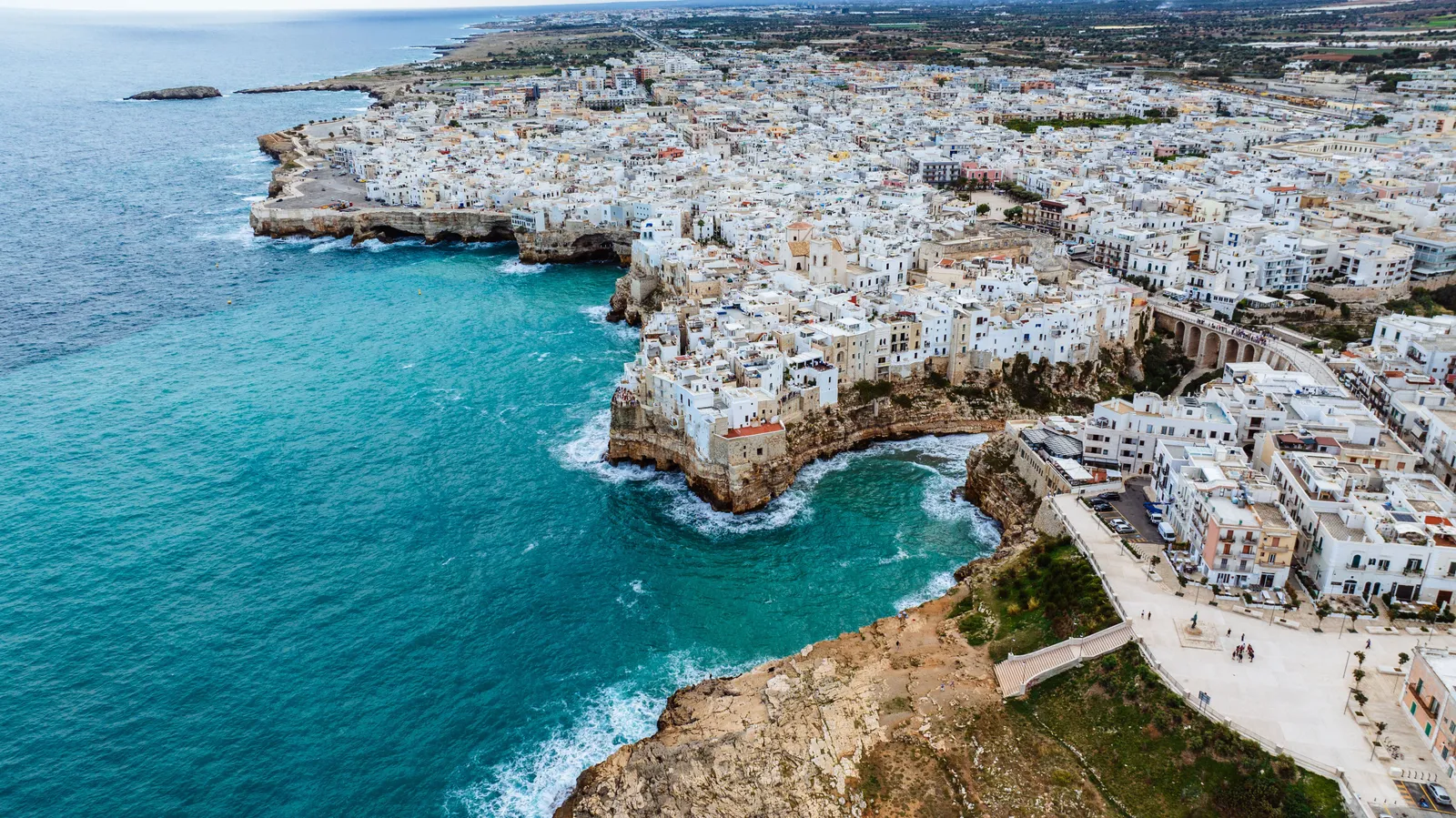
White towns, sea on both sides, short drives and food that costs almost nothing: how to structure a week in the heel of Italy and which bases actually work.
Greek temples, Baroque towns, a live volcano and the best street food in Italy: how to split Sicily, how long the drives really take, and which corner to choose on a first trip.
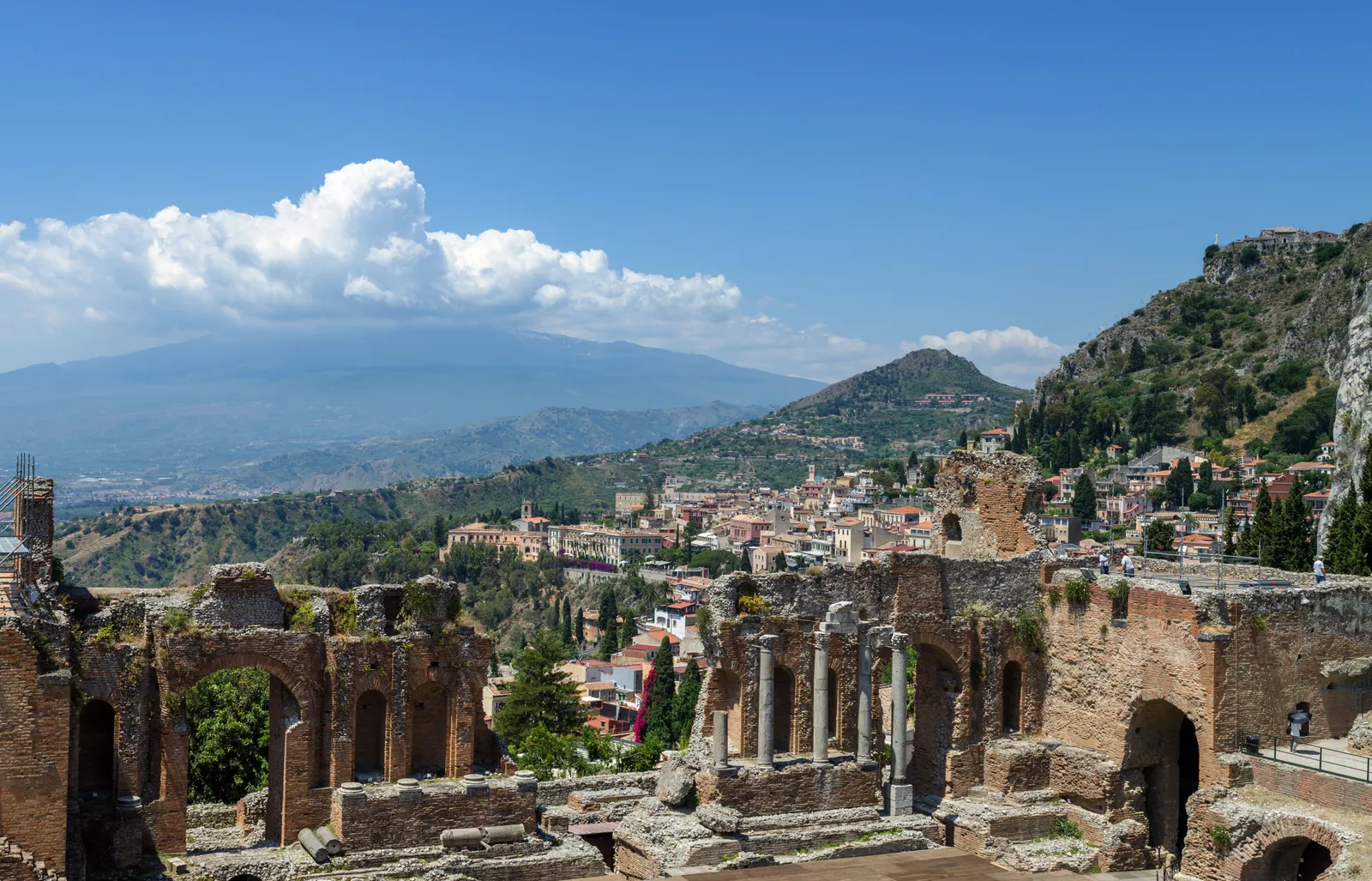
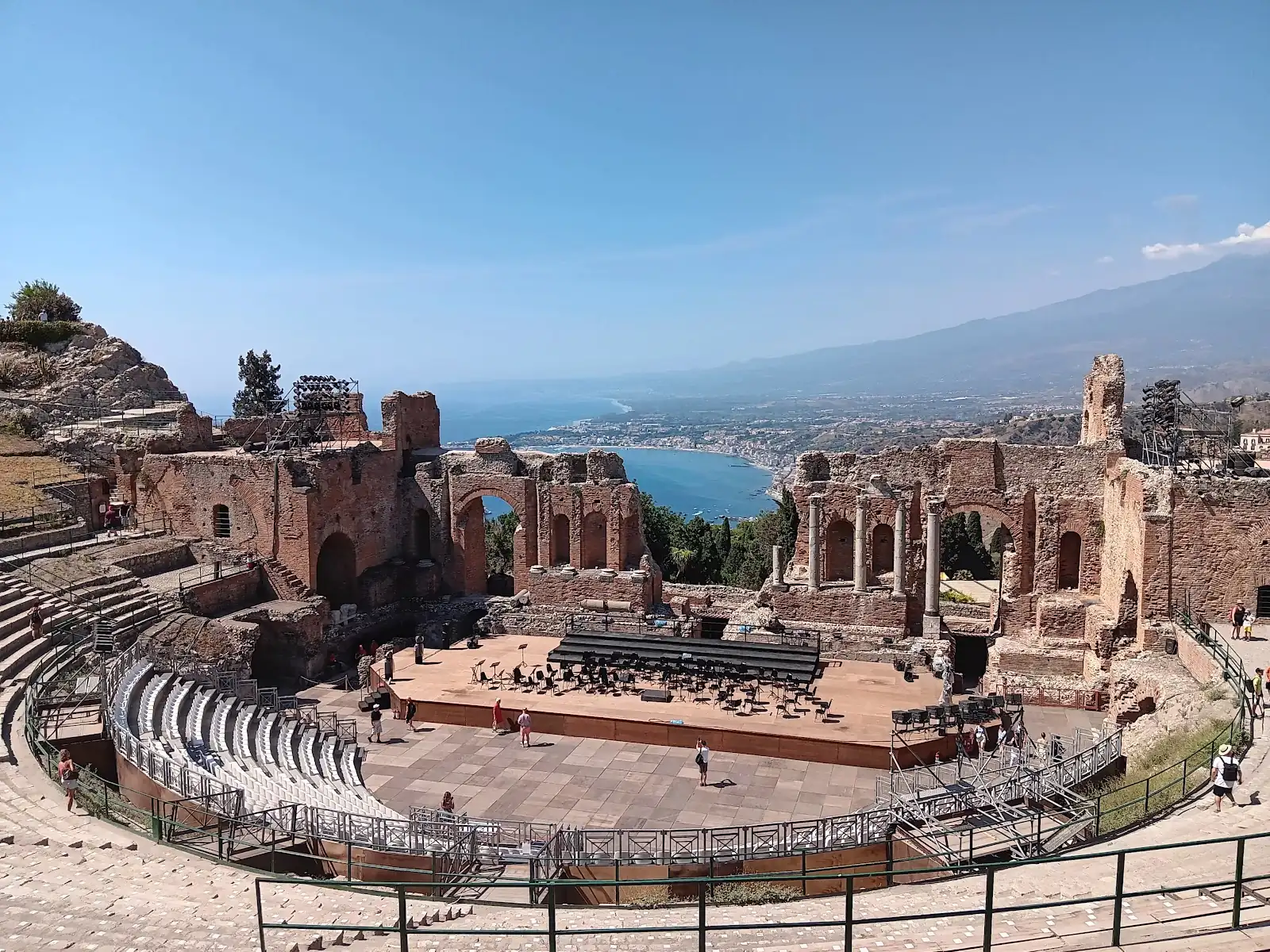
Taormina and Mount Etna in Sicily: the Greek theatre with the volcano framed inside it, the beaches and cable car, Etna tours by level, and slope-grown wine.
Timed entry, limited release and a lot of resellers: what the standard Colosseum ticket includes, what the arena floor and underground add, and how to avoid paying twice for the same thing.
The busiest museum route in Europe: how the one-way circuit actually works, how long it really takes, whether early entry is worth it, and what to know before the Sistine Chapel.
One mural seen in fifteen minutes by appointment and one cathedral you can walk on the roof of: how both ticketing systems work and why one of them dictates your travel dates.
A huge unshaded ruin and a volcano crater above it: how long Pompeii really takes, why the museum in Naples is half the visit, and the order that makes the day bearable.
The two ticketed buildings on the square: what each ticket includes, the queue and the dress code, the terrace nobody books, and why the palace deserves more time than the basilica.
Timed entry, sold-out slots and a lot of resellers: what each gallery holds, how long they take, which one to skip if you only have a day, and how to avoid paying twice.
A first-timer guide to Florence: the Duomo, the Uffizi, Michelangelo's David, the best neighbourhoods and a walkable day plan through the birthplace of the Renaissance.
Where a car is essential in Italy and where it is a mistake: motorway tolls, the autostrada driving culture, mountain and coast roads, fuel, parking colours and the paperwork you need.
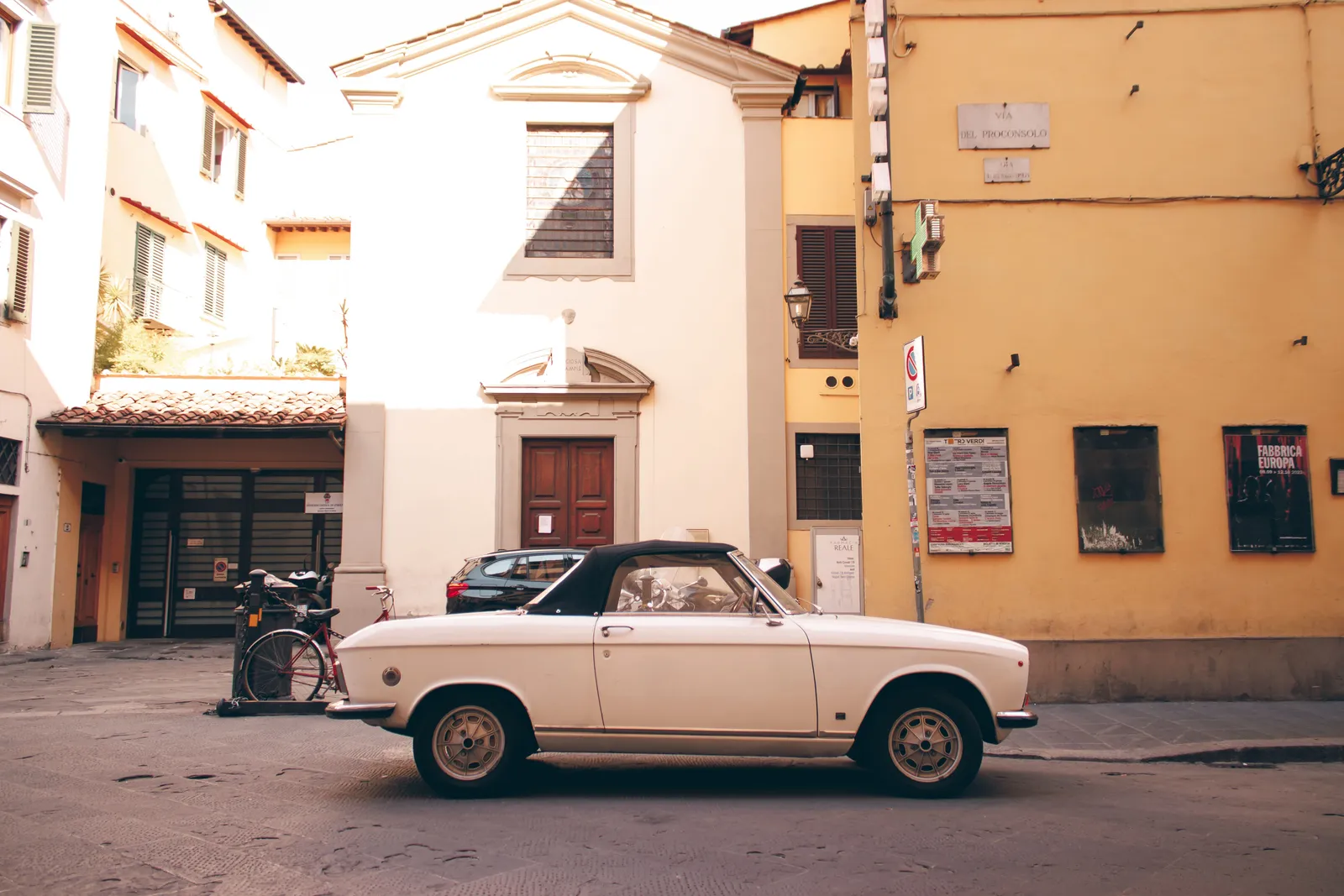
The most common way visitors lose money in Italy: what a limited traffic zone is, how the cameras work, why the fine reaches you a year later, and how to avoid the whole thing.
Every way from Rome's airports to the center: the Leonardo Express to Termini, regional trains, budget buses, the official fixed-fare taxi, and how Ciampino works. Prices, times and which option fits your trip.
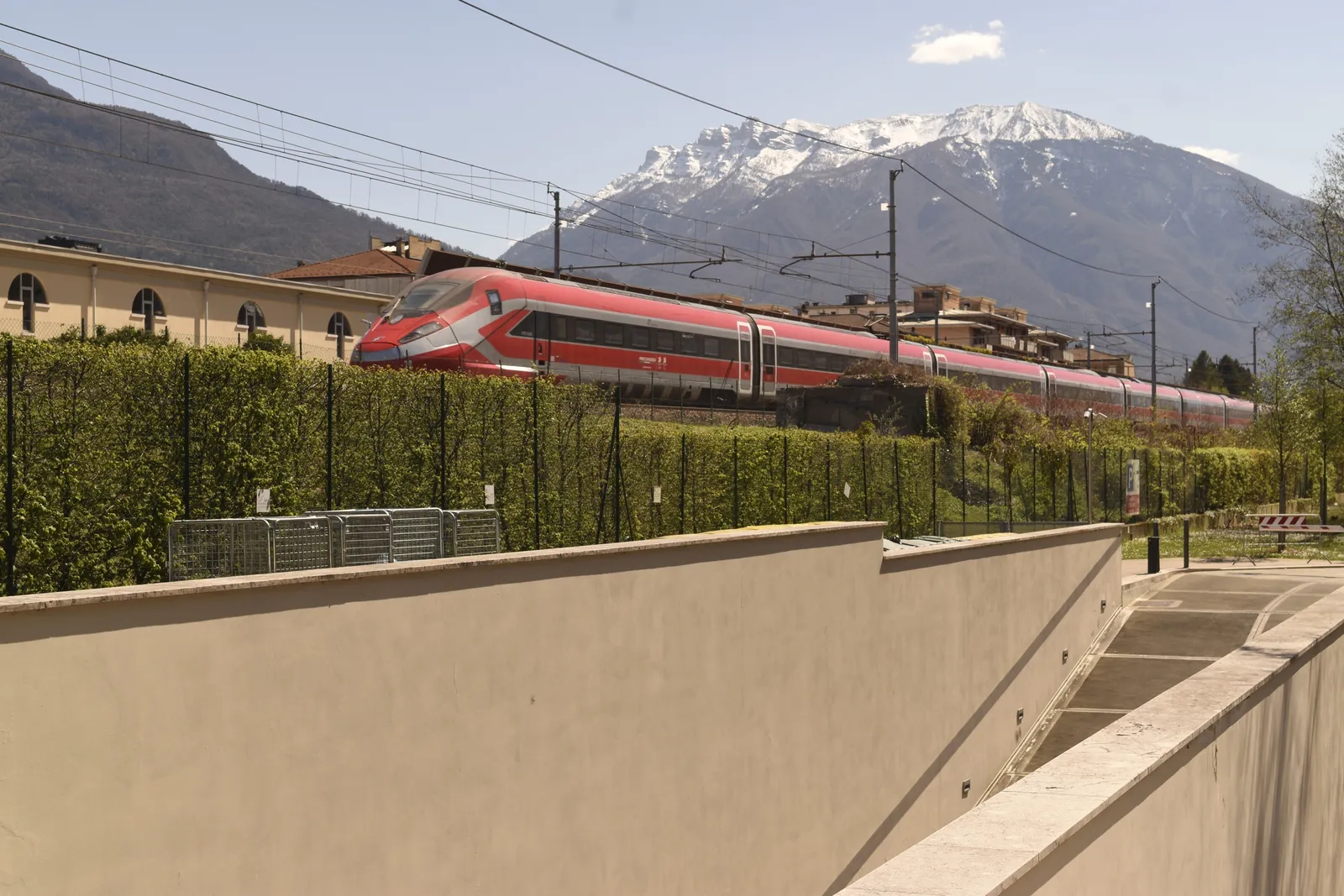
How Italy's trains really work: high-speed Frecce and Italo, cheap regionale services, how and when to book, seat classes, and whether a rail pass is worth it.
The site has 40 guides covering all of Italy: Rome and the Vatican, Florence and Tuscany, Venice and the north, Milan and the lakes, Naples and the Amalfi Coast, Sicily and Puglia, plus food and wine, art and history and practical planning. All are updated regularly.
Start with the general planning guide and "when to visit Italy", then pick the regions that suit you and move on to the city guides and a ready-made itinerary. That way you build the full picture before you get into the details.
Every region has its own signature: cacio e pepe and carbonara in Rome, bistecca and Chianti in Tuscany, cicchetti and Prosecco in Venice, pizza in Naples, and street food in Palermo. Our food and wine guides point you to the markets, trattorias and enotecas locals actually use, so you eat well without the tourist traps.
More than you think if you book ahead. The Colosseum, the Vatican Museums and the Uffizi sell timed tickets that often run out days in advance, so a skip-the-line slot saves hours. Our art and history guides help you pick the highlights that fit your days rather than trying to see everything.