Choose the south of Lake Garda for beaches, families and easy arrivals, the north for mountains and wind sports, and the middle shores for olive groves and quiet. Lake Garda is the biggest lake in Italy and the one that behaves least like the others. Its southern end is a wide open basin with beaches and shallow warm water, its northern end is a narrow fjord between cliffs with reliable wind and serious mountains, and in between are olive groves, lemon terraces and small towns on both shores. That range is why it suits families far better than Como or Maggiore, and it is also why picking the wrong end is the most common mistake people make here.
Which part of Lake Garda is right for you?
The three parts
The south. Wide, shallow, warm, with real beaches, big hotels, campsites, a peninsula with a castle and Roman ruins at the tip, and the closest links to Verona and the motorway. This is the family end.
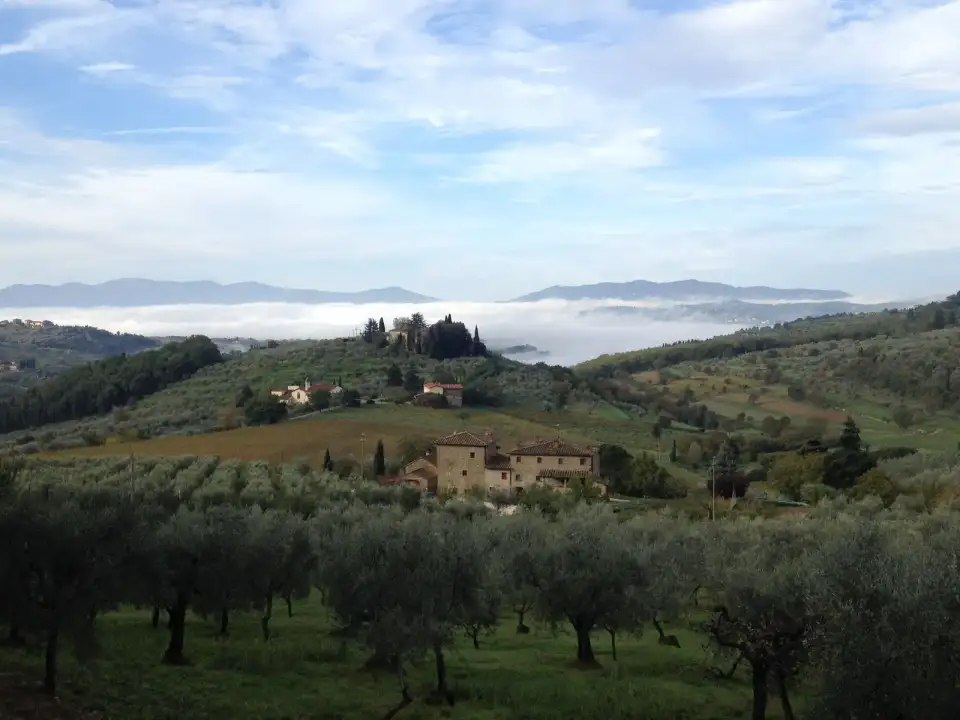
The middle. Both shores narrow, with olive groves, lemon houses, small towns, gardens and the road tunnels the western shore is known for. Quieter and scenic.
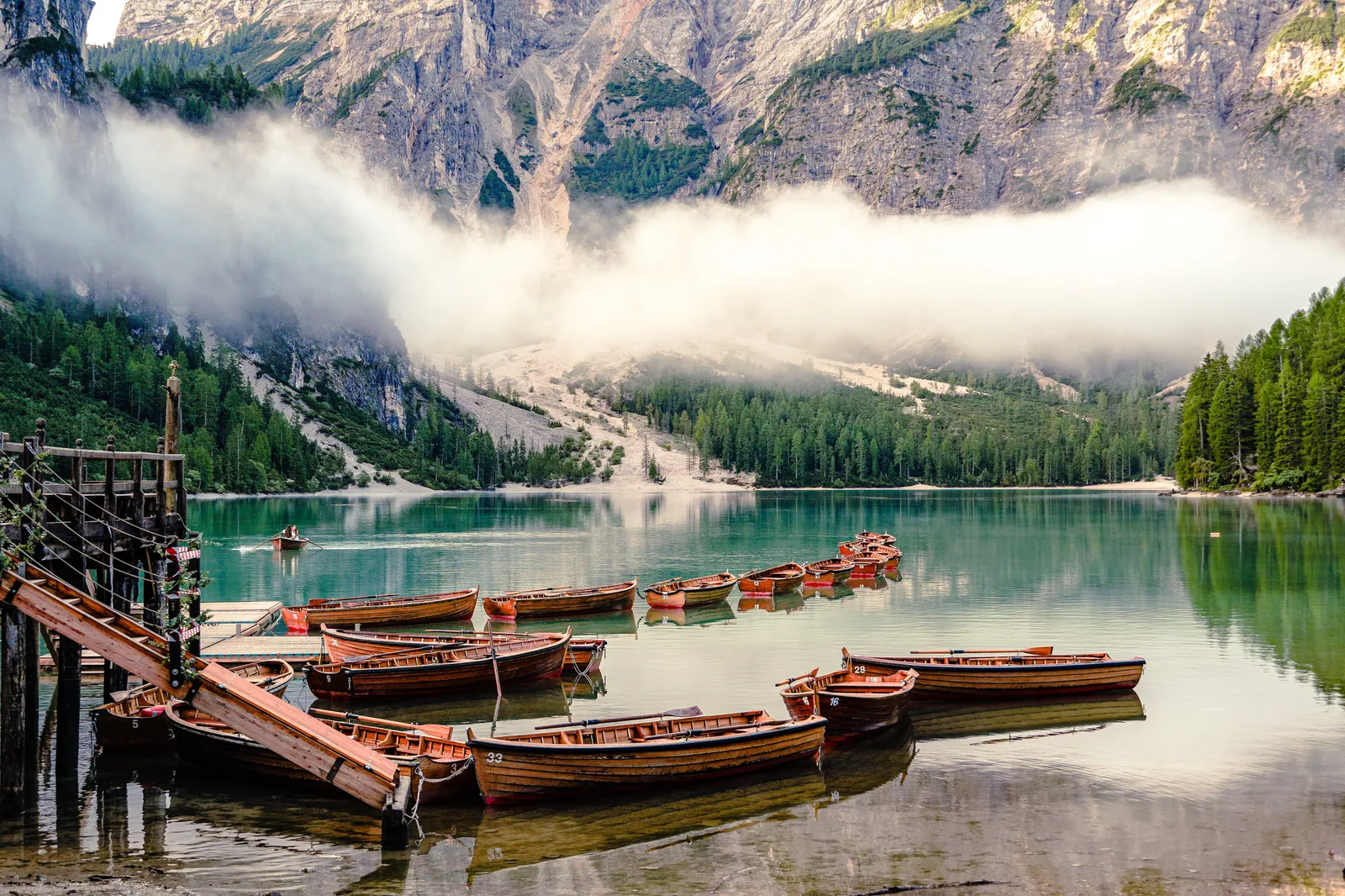
The north. Mountains straight out of the water, deep cold lake, cliffs, and a town at the top that is effectively a wind sports and climbing resort. Dramatic and much less about swimming.
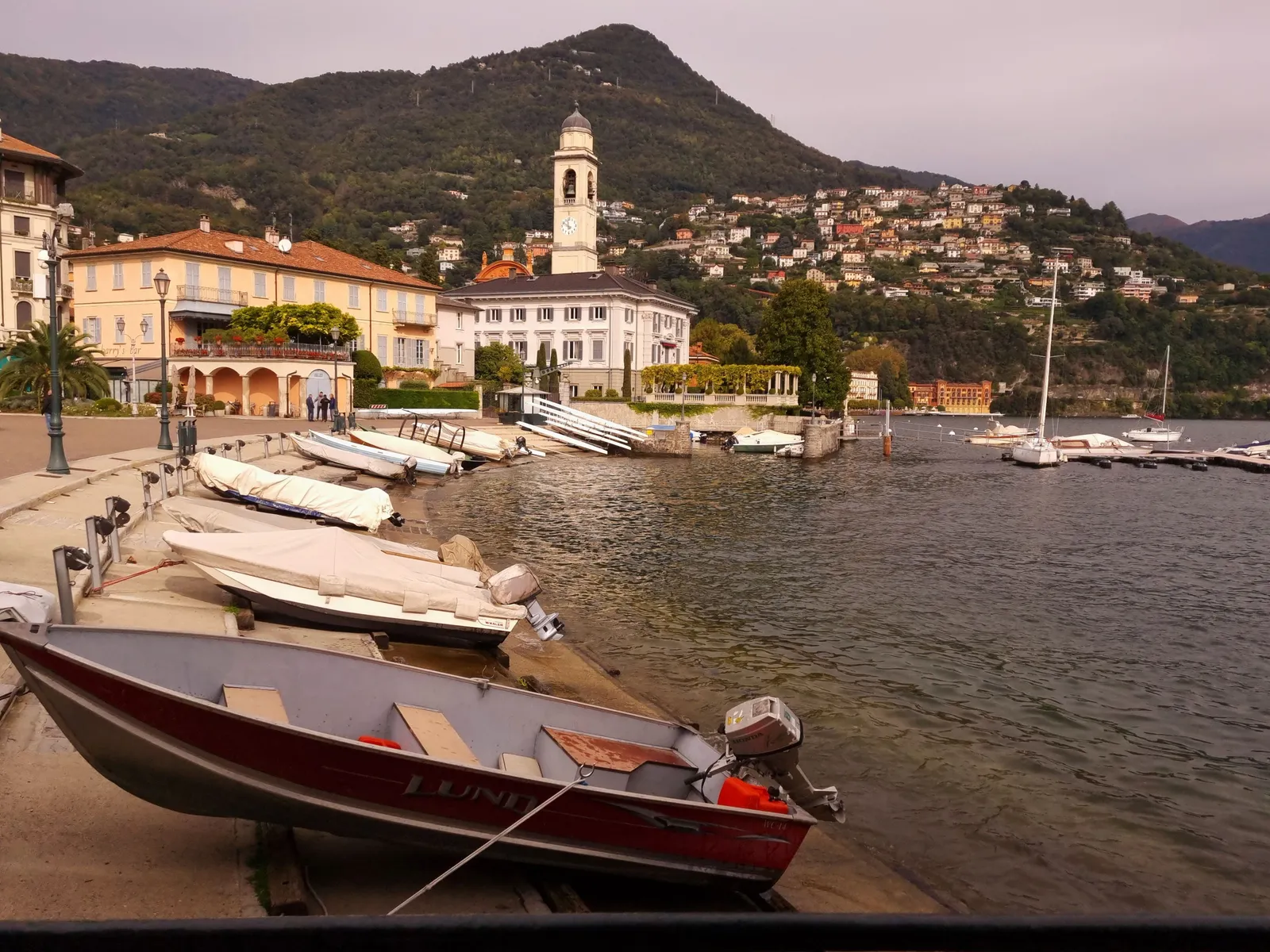
The eastern shore has the theme parks and the gentler hills; the western has the tunnels, the terraces and the villas.
A quick way to decide
| Your priority | Best choice | The trade-off |
|---|---|---|
| Shallow, warm water and beaches for children | The south | Busiest end, especially in August |
| Quiet towns, olive groves and scenery | The middle, either shore | Narrow roads, and tunnels on the western side |
| Wind sports, climbing, mountain biking | The north | Deep, cold water and much less swimming |
| Cheaper rooms and livelier evenings | Verona, off the lake | You are not on the water |
If you are torn between two rows, remember that the lake is long. Splitting a stay between two ends is possible, but it costs real travel time, so for a short trip it is usually better to commit to one.
Where to stay on Lake Garda
On the lake
Sirmione and the southern towns for beaches, families, easy arrivals and the castle.
Malcesine and the eastern shore for a compromise: real towns, a cable car up the mountain behind, ferries and swimming.
Limone and the western shore for lemon terraces and views, with narrow roads.
Riva and Torbole at the top for wind, climbing, mountain biking and mountains.
Off the lake
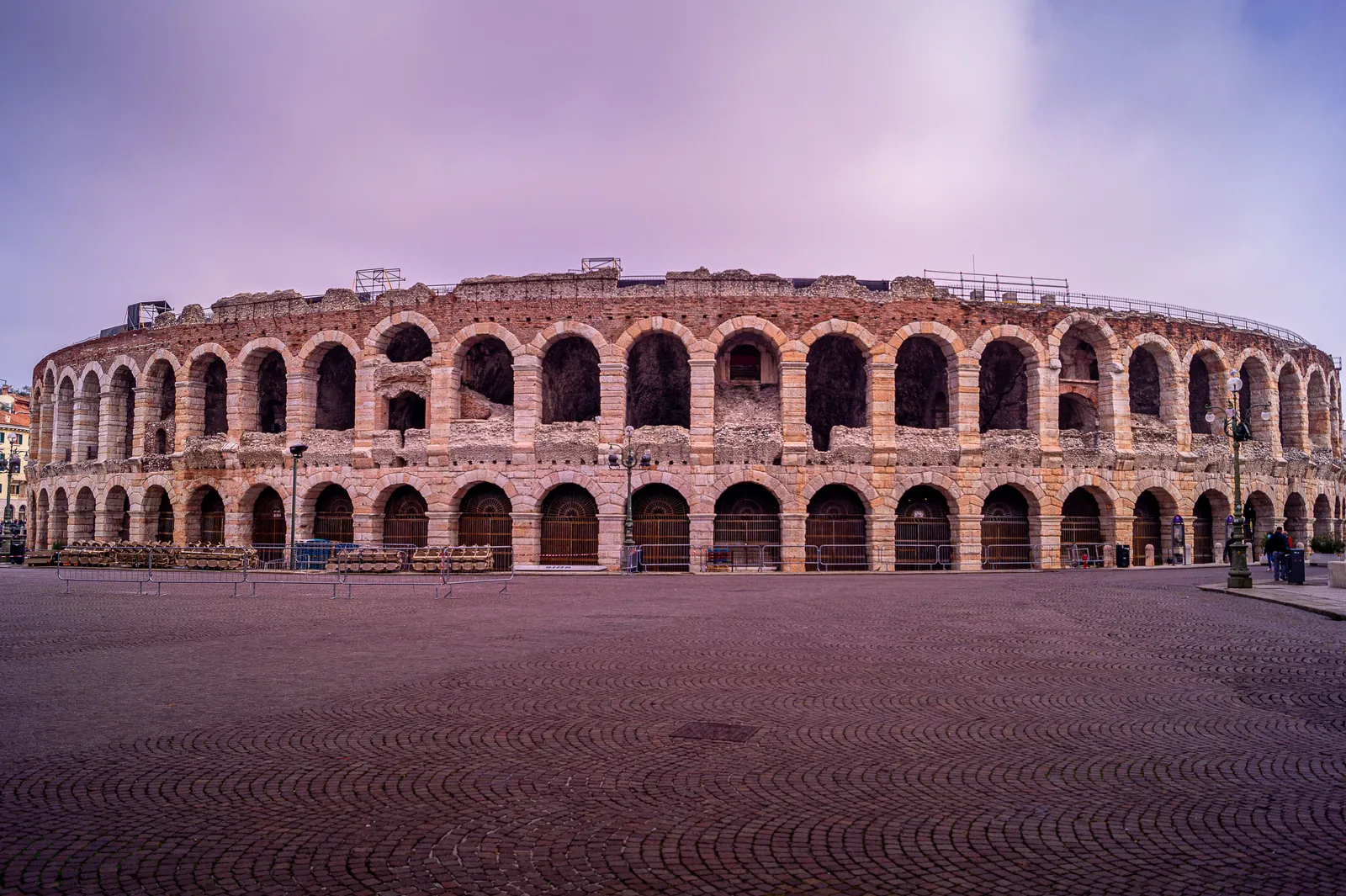
Verona, as a base with cheaper rooms and much better evenings, covered in our guide to Verona. It suits you if you want a city as much as a lake, or if lakeside rooms are booked out or expensive. The southern end is a short drive or bus ride away, but you will give up waking up beside the water, so it works best for shorter lake visits than for a beach holiday.
How the wind shapes your day
The practical upshot is simple. Do the gentle things, such as swimming, paddling with children and photographing the lake, in the morning. Save the sailing, windsurfing and kitesurfing for the afternoon. If you are not on the water at all, the wind is a good reason to head for the mountains or a town instead.
What to do on Lake Garda
Sights and views
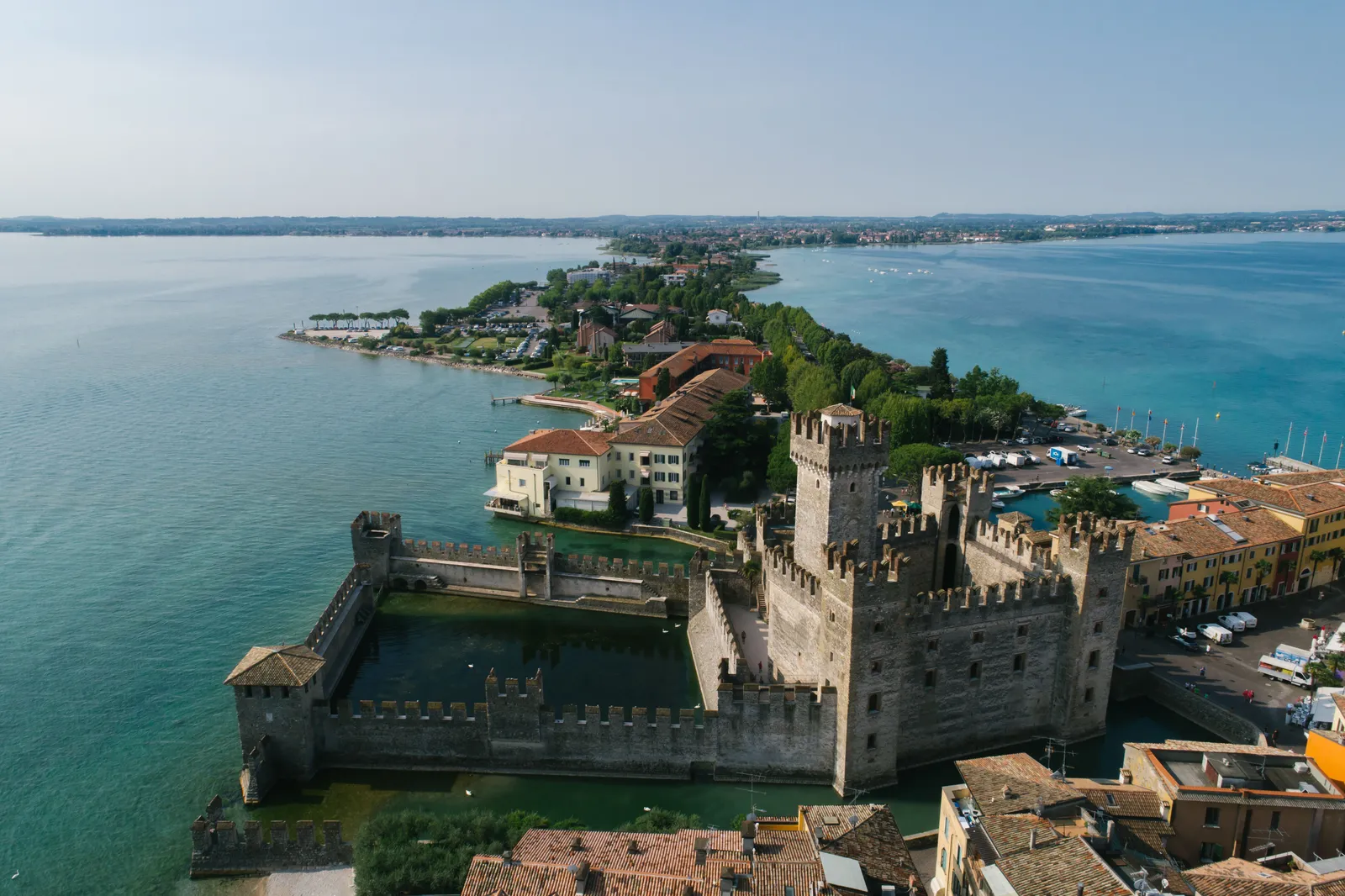
Sirmione, the peninsula at the southern tip, with a moated castle and the remains of a large Roman villa at the end, plus thermal water. It is busy and it earns it.
The cable car on the eastern shore up to the ridge above the lake, which gives a view down the whole length of it.
Boat trips and ferries between the towns, remembering the lake is big and crossings take longer than they look.
Active and family days
Theme and water parks near the southeastern shore, which are a genuine draw for families and are a large part of why Garda is booked out in August.
Wind sports at the north, with schools and rental for windsurfing, sailing and kitesurfing.
Cycling and via ferrata in the mountains behind the northern towns.

Getting here and getting around
Getting here
Verona is the big rail hub for the southern end, and the main line between Milan and Venice also stops at Desenzano and Peschiera on the lake itself, while the northern end is reached from Trento or by the lakeside road. Check current timetables and connections on the official operators’ sites before you travel.
Ferry, bus or car?
A car is more useful here than on Como, because the lake is long and the towns are spread out, though the summer shore road is slow and the western tunnels are narrow.
Ferries link the main towns and are the pleasant way to travel. They are not quick, so treat a crossing as part of the day rather than a shortcut.
Buses run the shore roads and suit you if you are staying in one area and making short hops.
If you have no car, base yourself in a main town with a ferry landing and plan around it. If you do have one, set off early or late in summer and avoid the shore road at peak times.
When to go and how to book
The season runs roughly Easter to October, with the theme parks and many hotels closed outside it.
August is very busy, particularly the southern end, which takes a large domestic and German-speaking holiday crowd.
Book early for the school holidays, since this is a family lake and the good places know it.
The southern basin warms properly in summer, so that is the time for serious swimming. The shoulder months are calmer, but the water will be cooler and some facilities may not be open yet or may have closed for the year, so confirm what you need locally.
Common mistakes to avoid
Choosing the wrong end. A couple wanting quiet will not enjoy the busiest family beaches in August, and a family with small children will find the deep northern water the wrong fit.
Underestimating the size of the lake. Towns that look close on the map can mean a long ferry or a slow drive.
Planning a beach afternoon on an exposed shore. Check which wind is running first.
Turning up outside the season and expecting everything open. The parks and many hotels are not.
Booking late for July and August. The whole lake fills, and the good family places go first.
Garda against Como
They are frequently compared and they are genuinely different products.
| Lake Garda | Lake Como | |
|---|---|---|
| Character | Wide, varied, practical | Steep, narrow, dramatic |
| Swimming | Warmer in the south, with beaches and lidos | Not the main reason to go |
| Families | The best of the Italian lakes by a wide margin | Beautiful but less practical with children |
| Getting around | Car most useful, ferries for pleasure | Villas and ferries as transport |
Como is more beautiful and steeper, narrower and more dramatic, with villas and ferries as transport. Our guide to Lake Como covers it in detail.
Garda is more usable: warmer water, beaches, more to do, better for children and easier to get around.
If you want to look at a lake, Como. If you want to be in one, Garda.
For mountain scenery beyond either, the ranges to the north and east are a different order again, covered in our guide to the Dolomites.

The short version
Choose the end of the lake before anything else: south for beaches, families and easy arrivals, north for mountains and wind, middle for quiet and olive groves. Base near Verona if you want cheaper rooms and better evenings. Expect the daily winds and ask which one is running before you plan the day. Use ferries for the pleasure of it and a car for the distances, avoiding the shore road at peak times. And book well ahead for July and August, which is when the whole lake fills.
Which end of the lake would you pick, and are you coming to swim, sail or simply look?