For most visitors the best way to do Lake Como is to base yourself in Varenna, Bellagio or Menaggio, treat the ferry as your transport, and stay at least two nights. Lake Como is shaped like an upside-down Y, which sounds like trivia and is actually the single most useful thing to know about it. Everything about a trip here, where you stay, how long a journey takes, which ferry you need and why the road is a bad idea, follows from that shape. It is a narrow, deep, steep-sided lake with villages pressed between the water and the mountains, and it is as good as the photographs suggest as long as you do not spend the whole visit in a car.
The shape of the lake
Three arms, one junction
Three arms. The lake splits at its middle into two southern legs, with the town of Como at the foot of one and Lecco at the foot of the other, and a single northern arm above the junction.
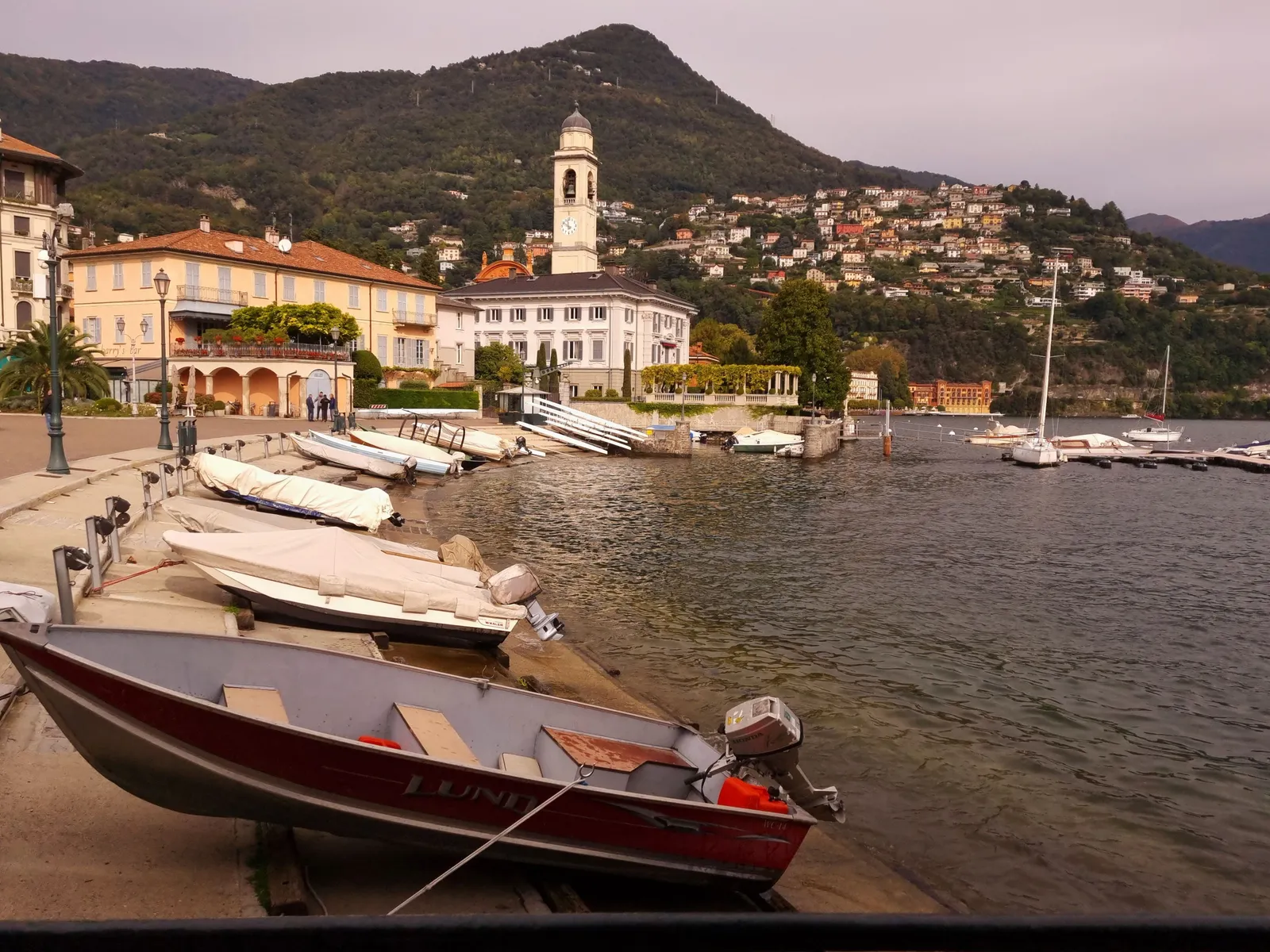
The junction is the centre, and the three towns around it, Bellagio on the promontory, Varenna on the eastern shore and Menaggio on the western, are minutes apart by boat and a very long way apart by road.
The north is wider, quieter, cheaper and windier, and is where the water sports happen.
Como town is at the southern end, is a real town with shops and a cathedral, and has the best transport connections.
Why the shape decides your trip
Because the lake is long and narrow, the shortest line between two places is nearly always across the water, while the road has to follow the shore and loop around the head of an arm. That is why a village that looks close on the map can be an hour away by car and ten minutes away by boat. Plan the trip as a set of crossings rather than a set of drives and the whole lake opens up.
Which town should you base in?
The five options at a glance
| Base | Best for | The catch |
|---|---|---|
| Varenna | Arriving by train, a small pretty waterfront | Steep lanes, small, popular in summer |
| Bellagio | The famous name, central position | Busiest and most expensive |
| Menaggio | Value, western shore, easy ferries | Less of a postcard than its neighbours |
| Como | Evenings, shops, transport links | A town rather than a village |
| Further north | Quiet, cheaper rooms, water sports | Longer ferry rides to the central towns |
The detail on each
Varenna is small, steep, beautiful and has the railway station on the direct line from Milan, which makes it the easiest arrival by train.
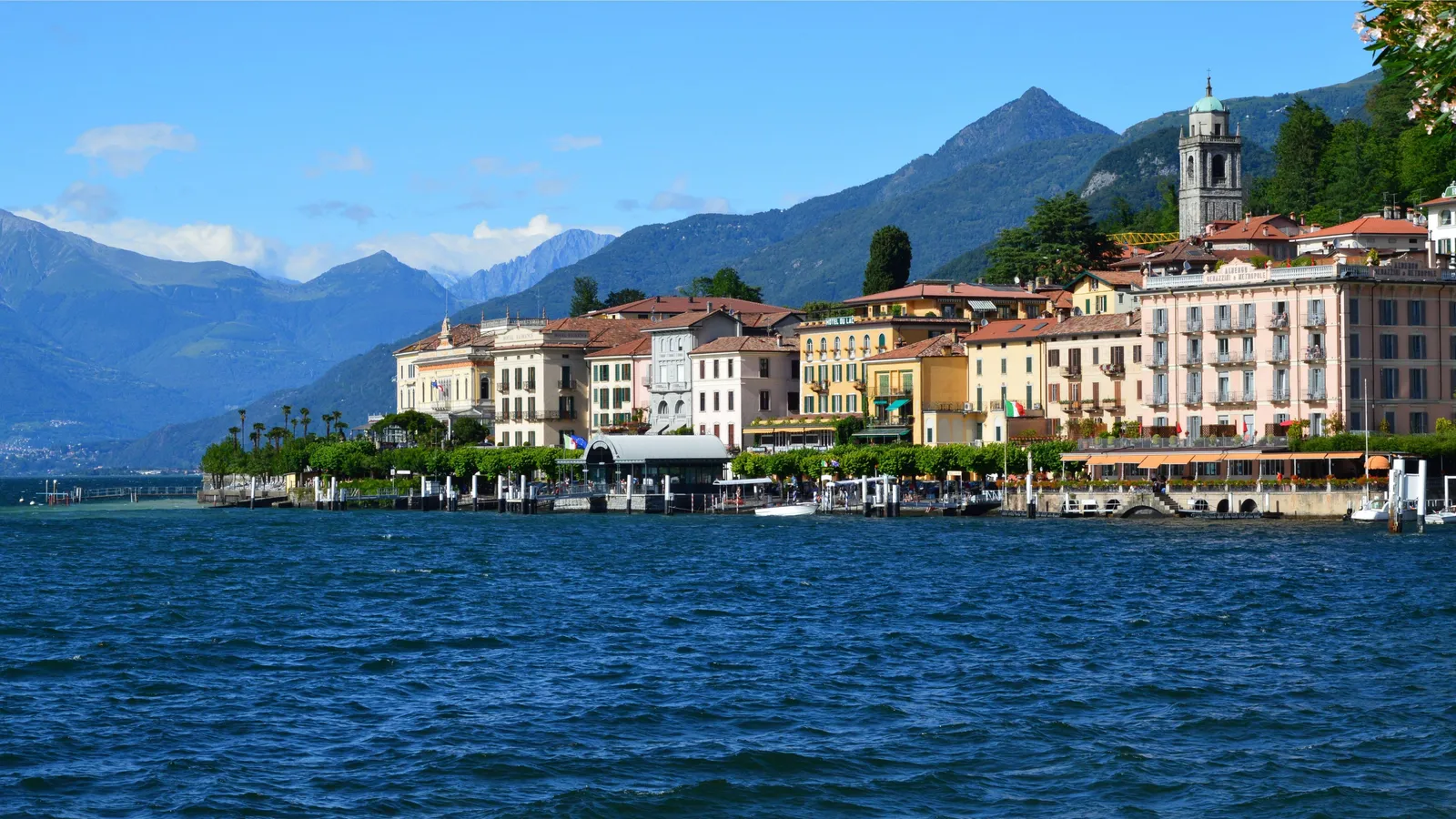
Bellagio sits on the point where the arms meet, is the most famous name on the lake and is correspondingly busy and expensive, and it is genuinely lovely early and late.
Menaggio is the western option, better value, with a good waterfront and easy ferries.
Como is the practical base if you want evenings, shops and connections rather than a village.
Anywhere north is quieter and cheaper, at the cost of longer ferry rides to the postcard towns.
Who should choose what
If you are coming by train and travelling light, choose Varenna. If it is a first visit and the name matters to you, choose Bellagio, and accept the crowds and the price. If you want the central towns on a more ordinary budget, choose Menaggio. If you want a proper evening out, a bit of shopping and the simplest transport back to Milan, choose Como. If you want peace and have the patience for longer boat rides, go north.
How do the ferries actually work?
Reading the timetable
The lake is served by public boats, with slower ferries and faster services on the busier routes, and the timetable changes with the season. Frequencies and times vary, so always confirm on the official operator’s site or at the ticket office on the day. A sensible routine looks like this:
- Decide which two or three towns you want to see, and find them on the central part of the lake.
- Look up the crossings between them, not the distance by road.
- Note the last boat back to your base, and write it down.
- Buy tickets at the landing stage before boarding, and ask whether a multi-journey or day ticket would suit your plan.
- Allow a margin for the final crossing, since a missed last boat means a long and expensive road journey.
Common ferry mistakes
Booking a room by the map. Choosing a town because it looks close to another one, without checking whether a boat actually links them at the times you need.
Cutting the last boat fine. Dinner in a village across the water is lovely until the final crossing has gone.
Ignoring the season. Services thin out outside the main months, so a plan built on summer frequencies can fall apart in spring or autumn.
Taking the car across for no reason. Car ferries exist on some routes, but with the parking problem at the other end you are usually better on foot with a boat ticket.
How long do you need?
One day from Milan
A single day trip gets you one town and the train journey, which is better than nothing and is not the lake. If a day is all you have, pick Varenna or Como for the easy rail link, and add one short ferry crossing so that you at least see the water from the water.
Two nights
Two nights is a proper visit. It covers the central towns, one villa garden and a boat ride, with an evening in a village once the day trippers have left.
Three or four nights
Three or four nights is the right length if you want to walk between villages, ride the funicular for the views or reach the quieter northern end without rushing.
What to do
Take the ferry simply as an activity, since crossing between the central towns is one of the great cheap experiences in Italy.
Visit a villa garden. Several of the great lakeside estates open their terraced gardens seasonally, and the planting, the statues and the views are the point rather than the interiors. Villa Carlotta near Tremezzo, Villa del Balbianello near Lenno, Villa Melzi at Bellagio and the villas in Varenna are among the best known. Opening is seasonal and arrangements can change, so check the villa’s own site before you build a day around one.
Ride the funicular up from Como town for the view down the arm, which is the best free-ish view on the lake.
Walk. There are old mule paths and lakeside footpaths between villages, and a shoreline walk between two towns is a better hour than a drive.
Swim. The water is cold, clean and swimmable in summer, with lidos in several towns.
Eat lake fish, which is the local speciality and appears on menus everywhere in versions that are worth ordering.

Practical notes
Getting here. Direct trains from Milan reach both Como and Varenna in around an hour, which is why the lake works as an extension to a city stay. Our guide to Milan and the lakes covers how to structure both halves.
Season matters. Ferries, villas and many hotels run from roughly Easter to October, and the lake in winter is beautiful, quiet and largely shut.
Parking is the problem, not the driving, and it is worse than you expect in the central villages. If you do bring a car, confirm parking with your accommodation before you arrive rather than hoping to find a space.
Weather turns fast off the mountains, so a warm afternoon can end in rain. Pack a light waterproof even in summer.
Steps everywhere. These are vertical villages and luggage is a real consideration. Pack light, and ask your hotel how far it is from the landing stage and how many steps are involved.
Is it expensive? The waterfront addresses are, and the lake as a whole is not. A room a street back from the water, on the western shore or in a northern town costs a fraction of a Bellagio balcony, and eating away from the main promenades is ordinary Italian value.
Como against the alternatives
Como is the scenic one, and it is not automatically the right one. It is a narrow deep valley with mountains rising straight from the water, which is wonderful for views and less ideal for beaches and long lazy swims.
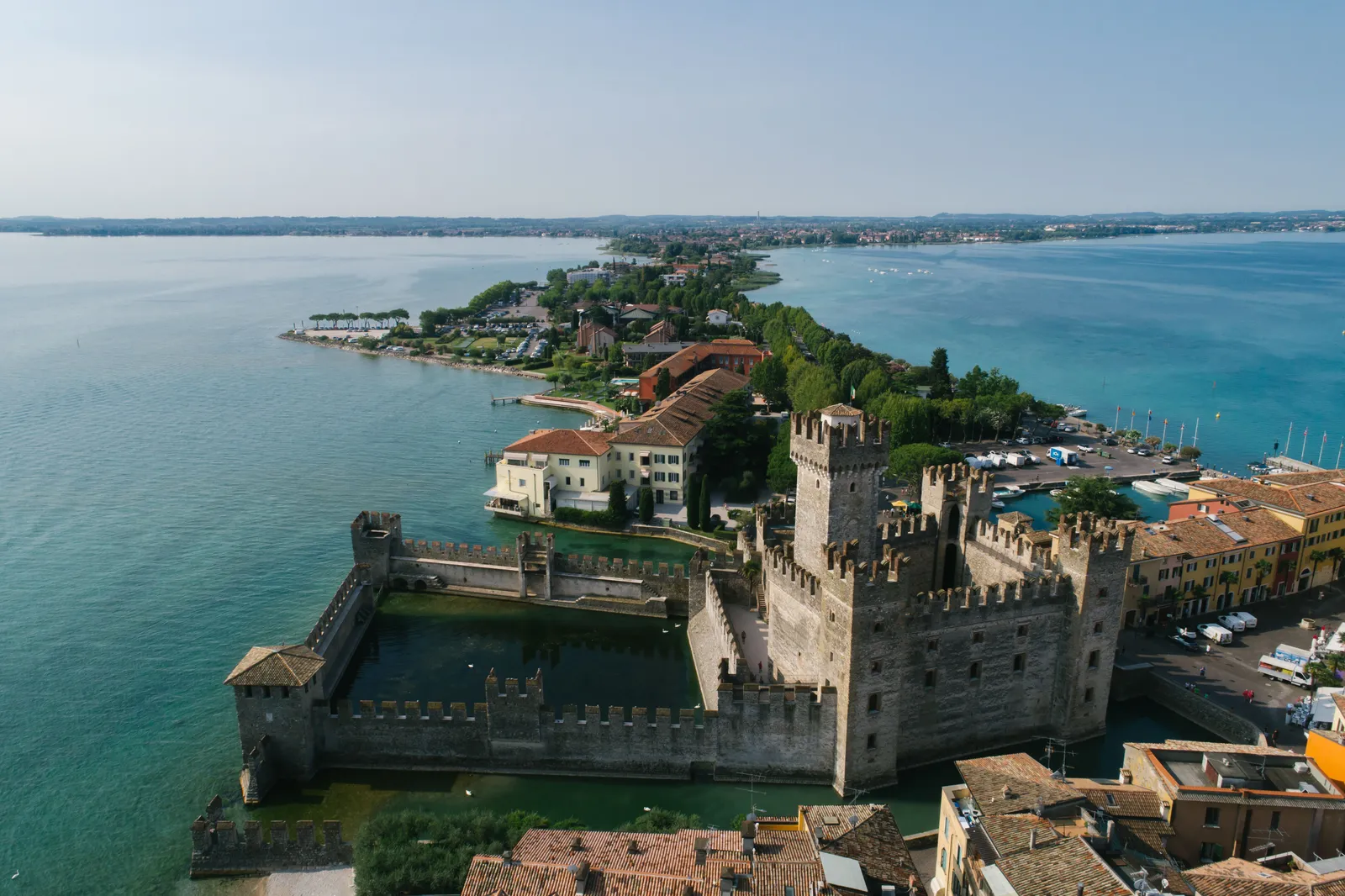
For a bigger lake with beaches, a wide southern basin, family resorts and wind sports at the top, our guide to Lake Garda covers the option that suits swimming and children better. Put simply, Como is the one for the view and Garda is the one for the holiday.
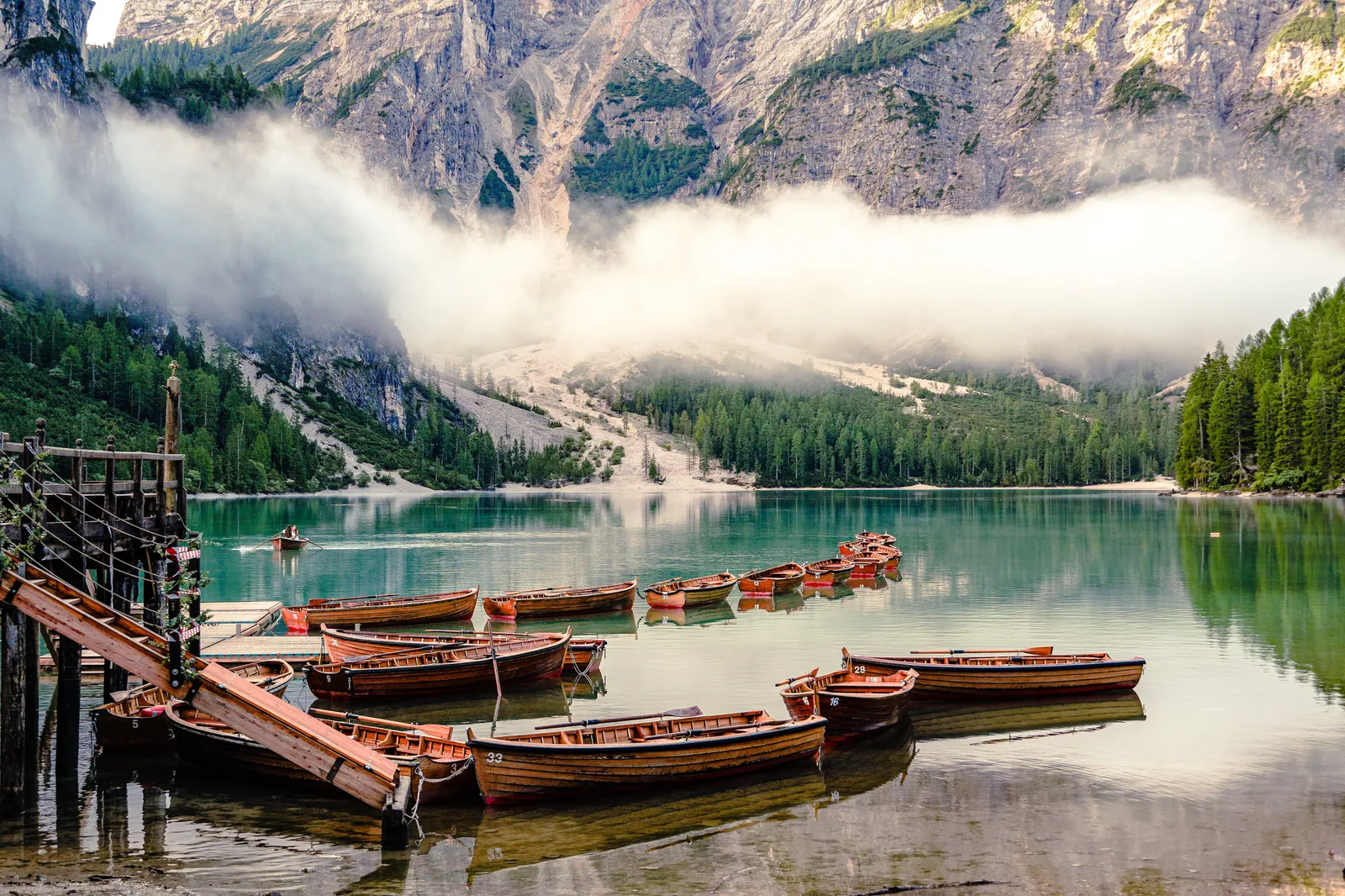
And if what draws you here is mountains rather than water, the ranges further east are a different order of scenery altogether, covered in our guide to the Dolomites.

The short version
Base yourself in one of the three central towns, or a cheaper neighbour, and treat the ferry as your transport rather than the road. Give the lake two nights minimum, since a day trip from Milan buys you one town and a train journey. Visit one villa garden, ride the funicular above Como, walk a shoreline path and eat lake fish. Book a room a street back from the water rather than on it unless the balcony is the whole point of the trip. And check the last ferry before you sit down to dinner across the water.
Which town would you choose as your base, the famous one or the quiet one?