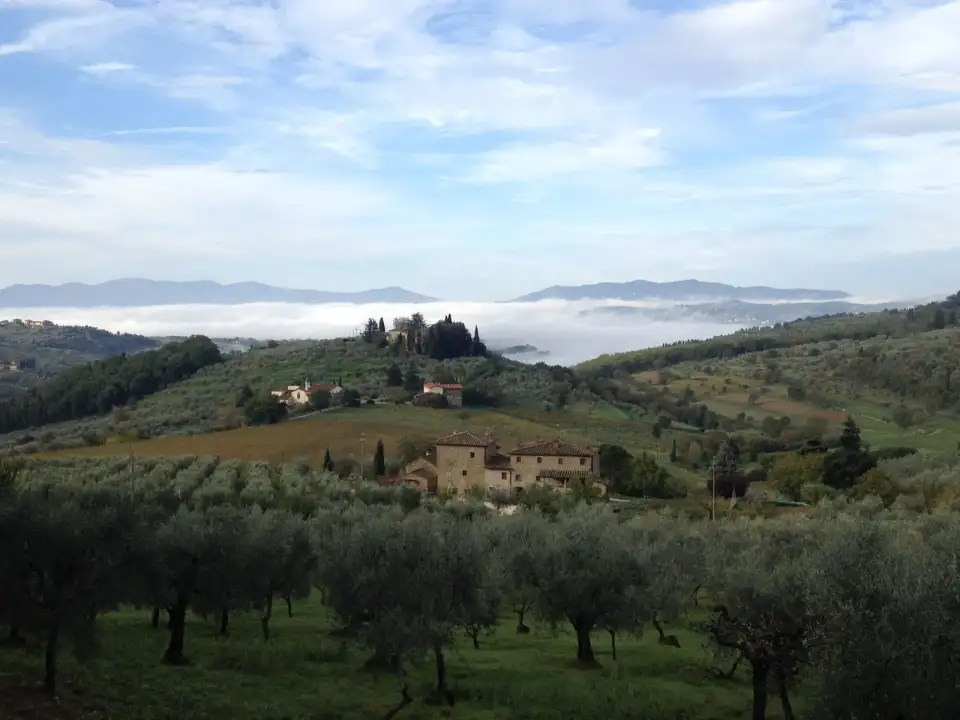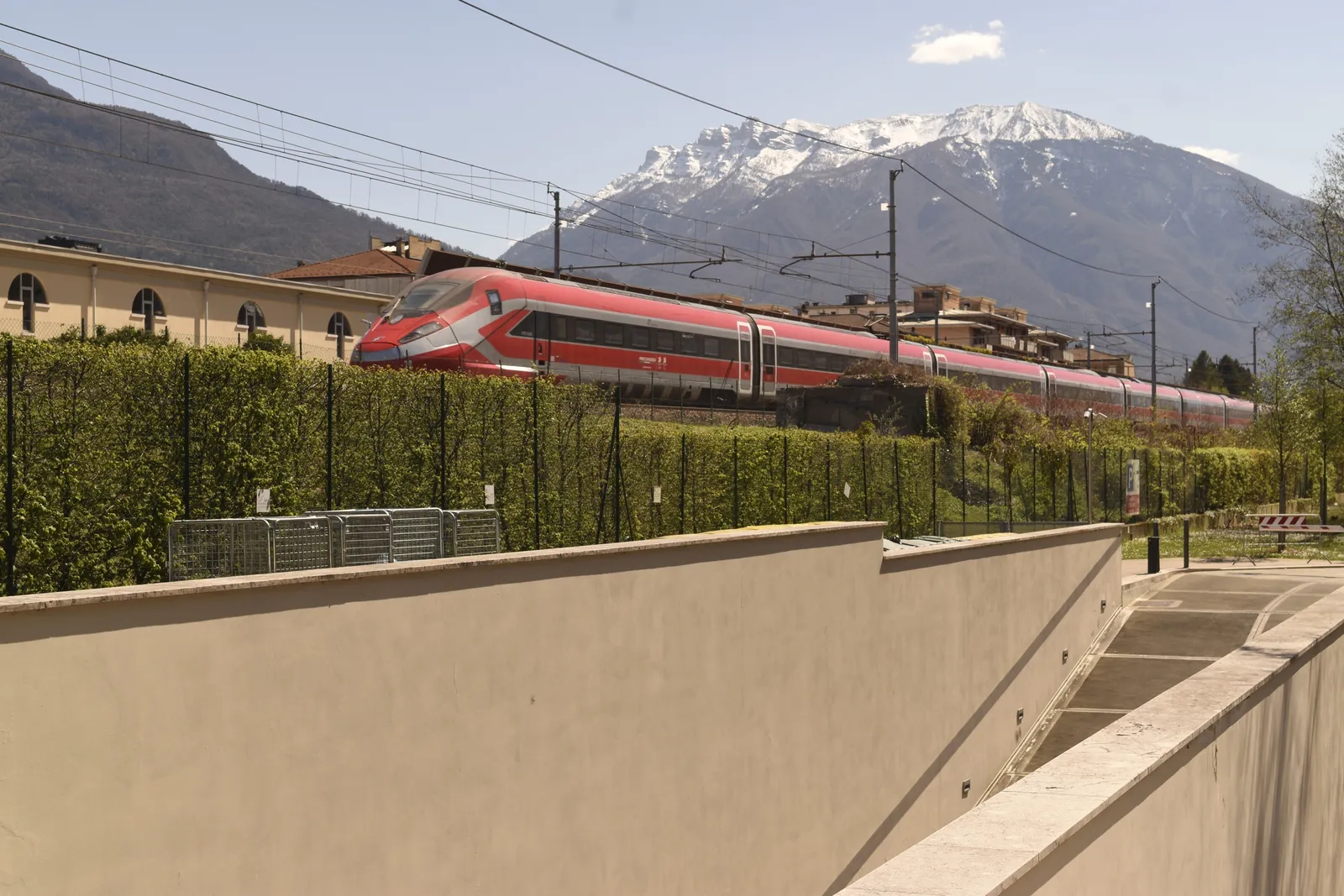
Milan is the part of Italy that behaves like the rest of Europe: a working city that goes to the office, eats at eight and does not exist for visitors. It also has a cathedral unlike any other, a mural that people book months ahead to see for fifteen minutes, and a railway station that puts three of the most beautiful lakes in Europe within an hour. That combination is the argument for the trip, and the mistake is treating the city as the destination and the lakes as an excursion.
What Milan is for
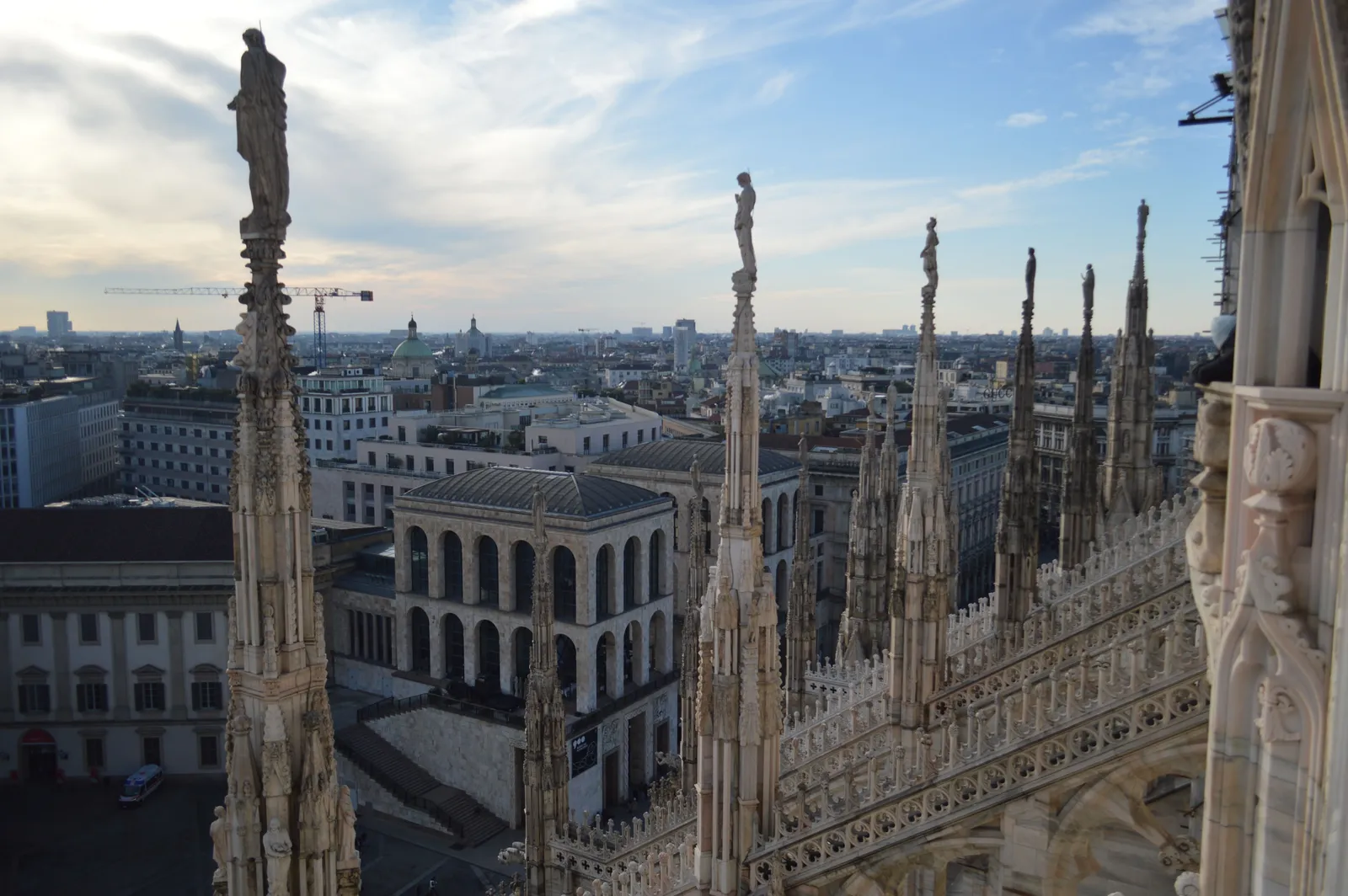
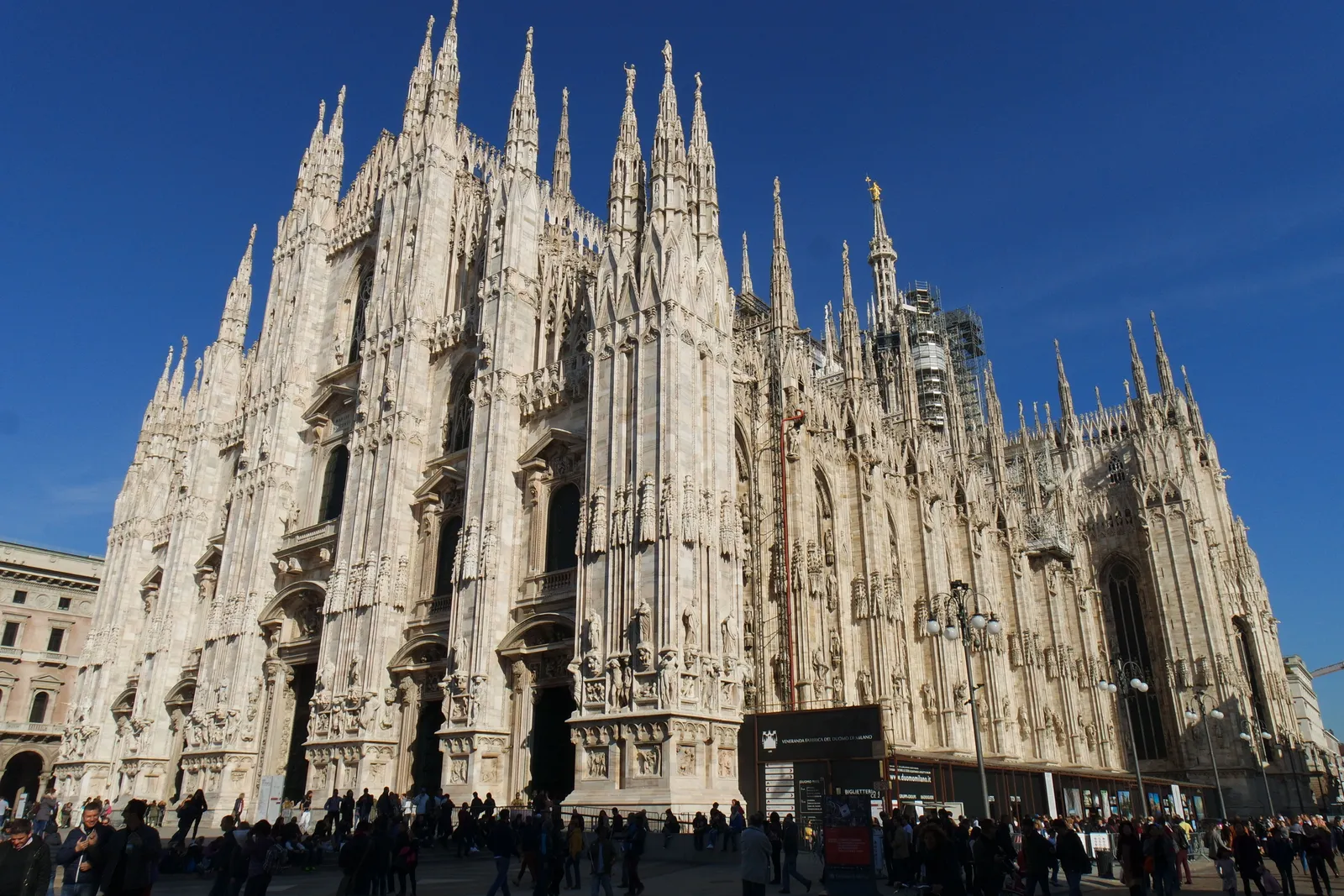
The Duomo, which is the reason to come: a gothic cathedral of white marble and a forest of spires, with a roof you can walk across among them.
The Last Supper, Leonardo’s mural in a refectory across town, seen in small timed groups for a short visit and booked far ahead. Our guide to the Last Supper and the Duomo covers both bookings and how to get them.
Shopping and design, which is genuinely world class and includes looking rather than buying.
Aperitivo, the early evening drink with food that in Milan is close to a meal, and the best value eating in the city.
As a hub. Fast trains from here reach Venice, Florence, Turin and the north, and the airports connect to everywhere.
Two days, honestly
Day one: the Duomo, the roof, the arcade beside it, the castle and a wander through the design district, ending with aperitivo.
Day two: the Last Supper at your booked slot, a gallery or the canal quarter, and an early train out to the lakes.
A third day only if you are shopping, at a trade fair, or genuinely interested in the modern city, which is a real interest and not the default one.
The three lakes
They are close together and they are not interchangeable.
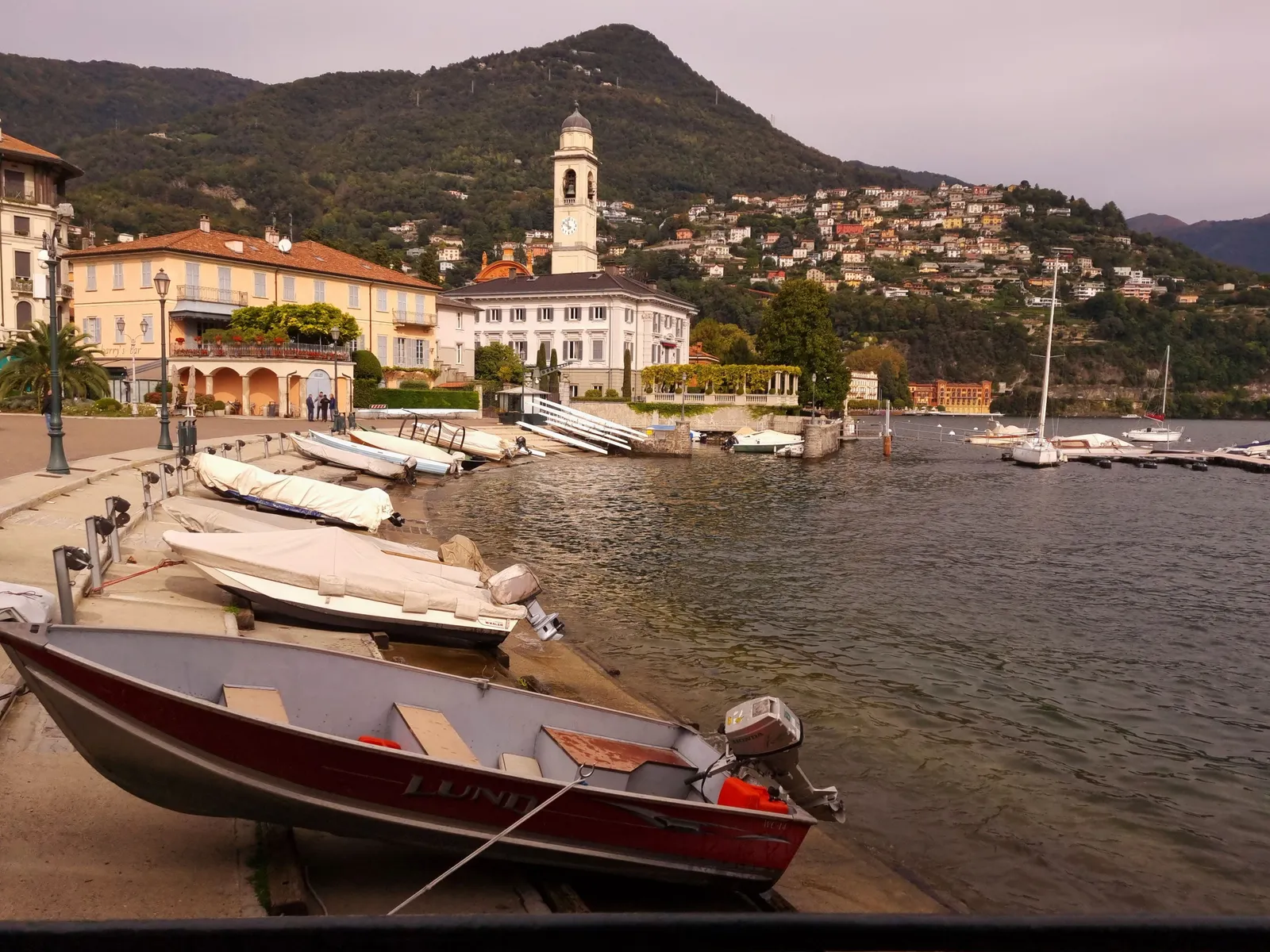
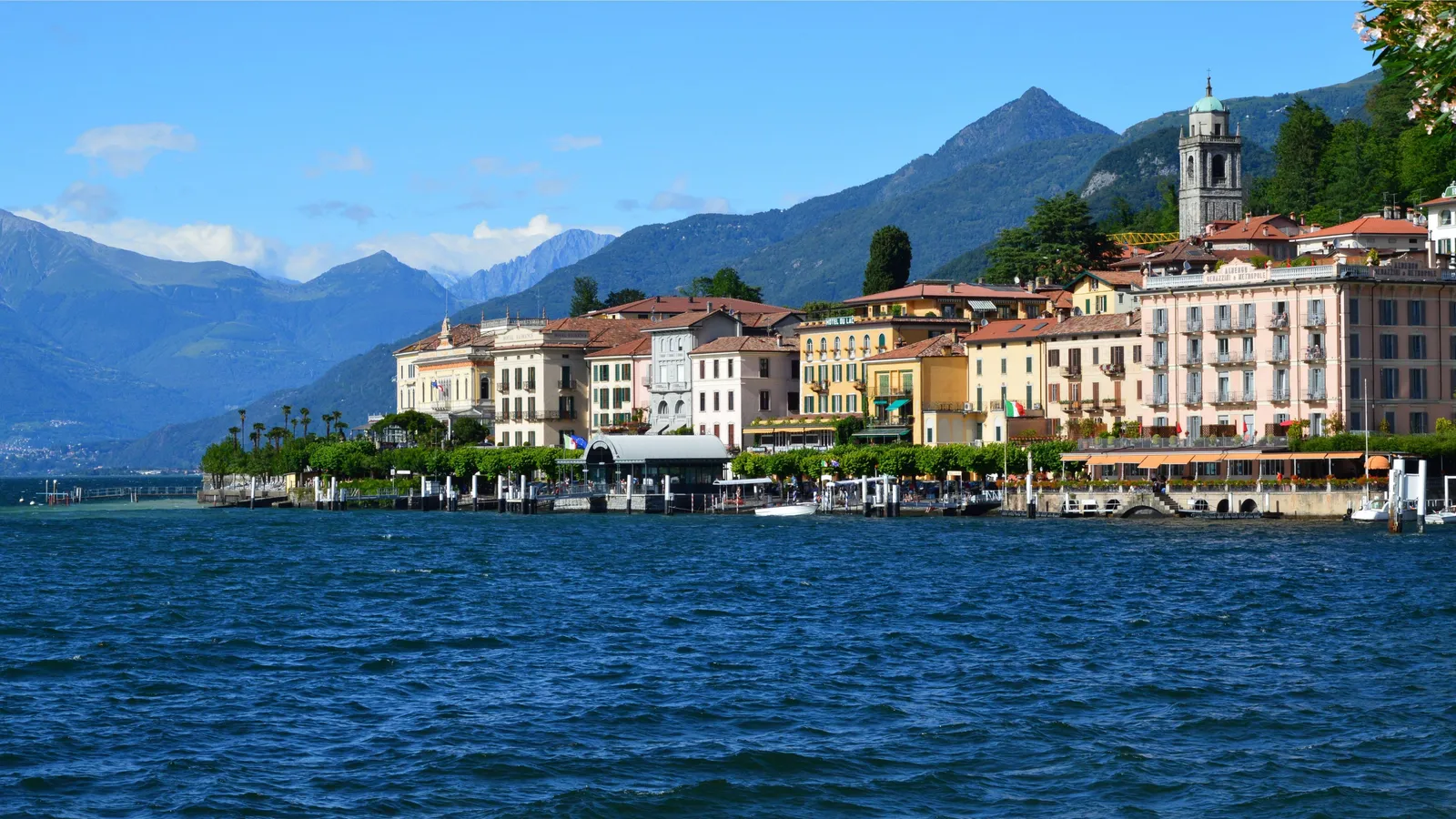
Como is the dramatic one: a narrow deep lake in a steep valley, villages stacked on the shore, villas with terraced gardens, and boats as the sensible transport. It is the most photographed and the most crowded. Our guide to Lake Como covers the towns and how to use the ferries.
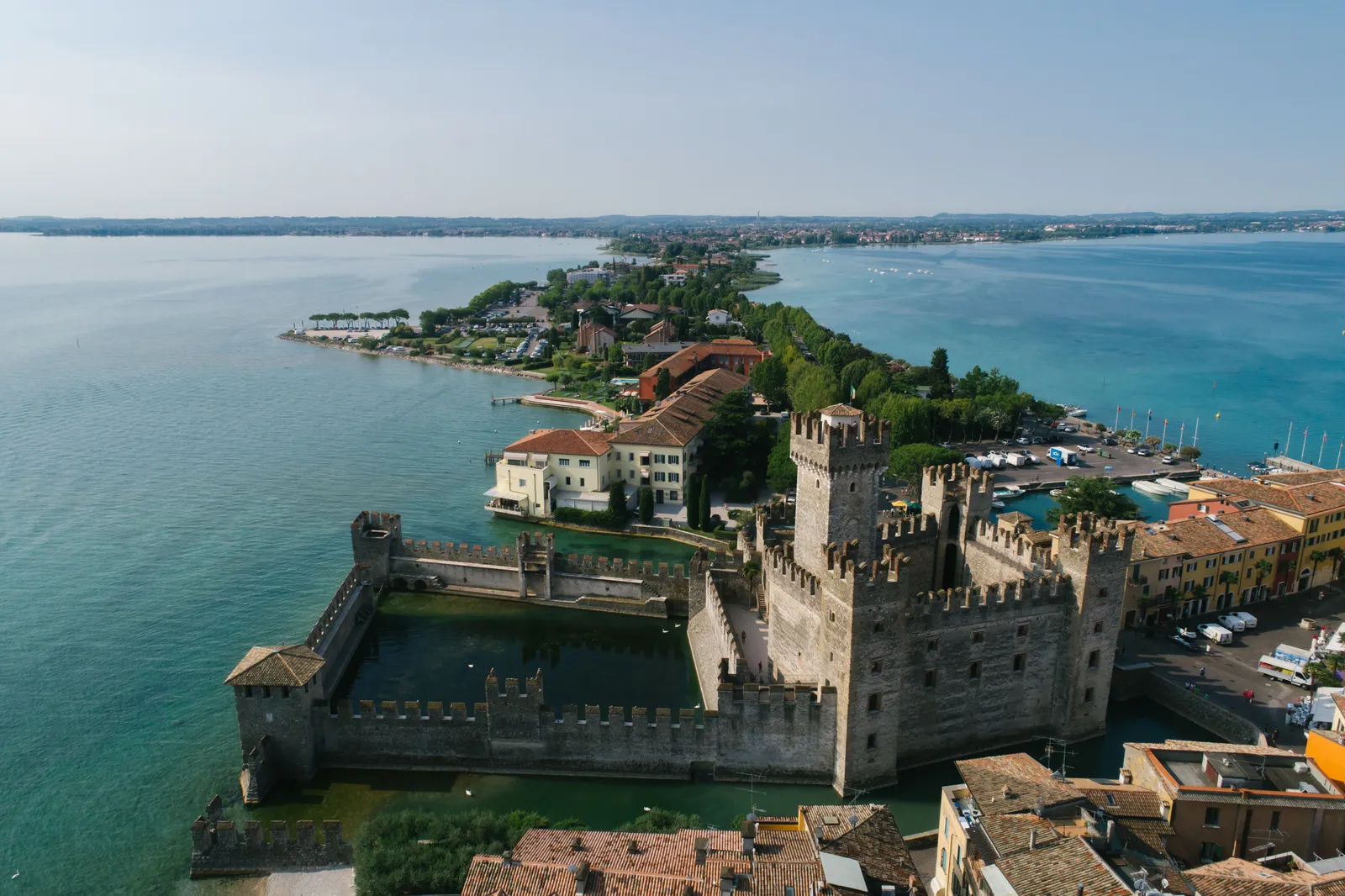
Garda is the biggest, with a wide open southern end that feels almost like a sea, beaches, a castle on a peninsula, wind sports at the mountainous northern tip, and the widest range of family accommodation.
Maggiore is the quiet one, straddling the Swiss border, known for its gardens and for a cluster of small islands with palaces and terraced planting on them.
Iseo and Orta are the small ones that almost no foreign visitor reaches and are lovely for exactly that reason.
Getting between them
By train from Milan to the main lake towns, in around an hour to the southern ends of Como and Maggiore, and slightly longer to Garda via Brescia or Verona.
By boat once you are there. On Como especially, the ferries are the transport rather than a sightseeing extra, and a timetable in your pocket is more useful than a car.
By car if you are doing Garda or moving between lakes, remembering that the lakeside roads are narrow, busy and slow in summer.
Our guide to trains in Italy covers ticket types and the regional services that reach these towns, which are not the same product as the fast intercity network.
Practical notes
The lake season runs roughly Easter to October. Outside it, ferries reduce, gardens close and many hotels shut, and the lakes are beautiful and quiet with far less to do.
August in Milan is hot and half closed, since the city takes its holidays seriously.
Lake weather changes fast, and a bright morning can end in a thunderstorm off the mountains.
Book waterfront rooms early, because there are not many of them and they are the ones everybody wants.
The short version
Give Milan two nights and book the Last Supper before you book anything else, because that slot dictates your dates rather than the other way round. Walk on the cathedral roof, eat your way through an aperitivo, and then take the train north. Choose your lake deliberately: Como for drama, Garda for size and swimming, Maggiore for gardens and quiet. Sleep on the water rather than day-tripping to it, use the ferries instead of a car on Como, and come between April and October when the lakes are actually open.