Italy’s trains are one of the great joys of travelling here, and one of the most misunderstood. Done right, you glide between Rome, Florence, Venice and Milan in a couple of hours, city centre to city centre, watching the countryside blur past for the price of a nice dinner. Done wrong, you overpay, miss the cheap fares, or get fined for a ticket you did not validate. This guide untangles the whole system so you can move around Italy like you have done it a hundred times.
The two networks: fast and slow
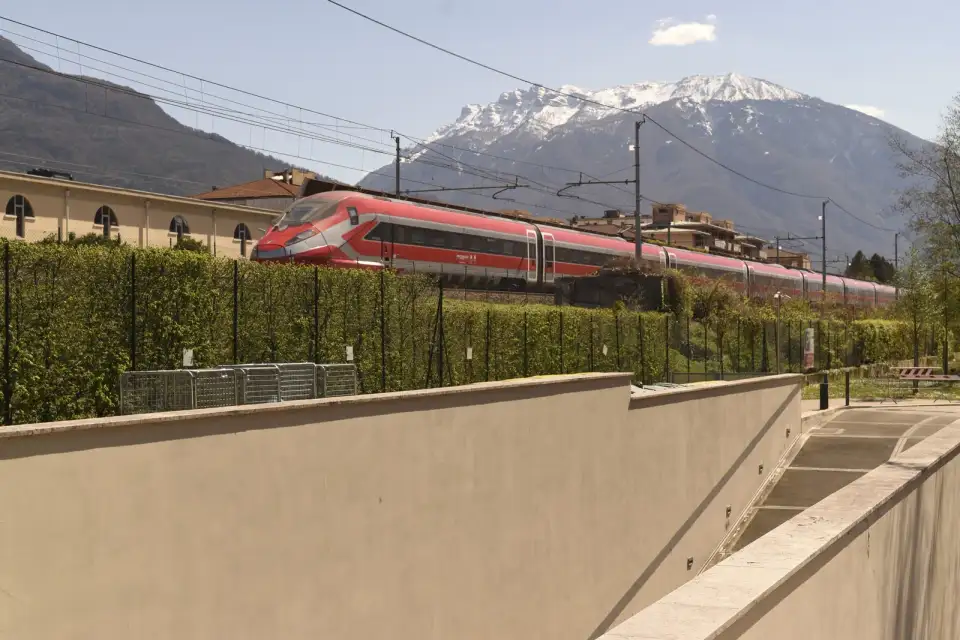
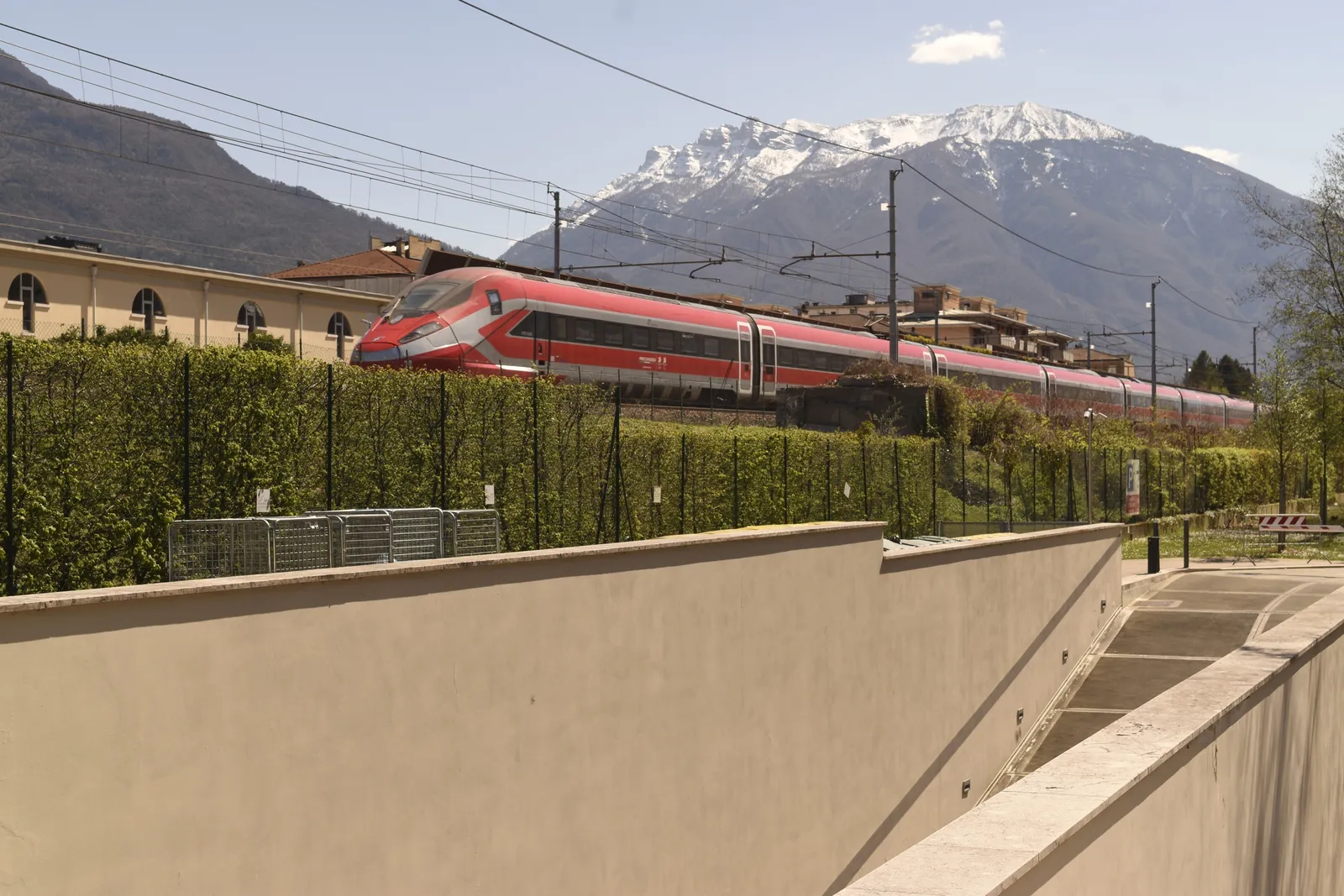
Italy’s trains come in two flavours, and knowing which is which is half the battle. The high-speed trains, Trenitalia’s red Frecce (Frecciarossa, Frecciargento, Frecciabianca) and the private Italo, link the major cities at up to 300 km/h. Rome to Florence takes around an hour and a half, Rome to Venice or Milan roughly three to four hours, all faster and far less stressful than flying.
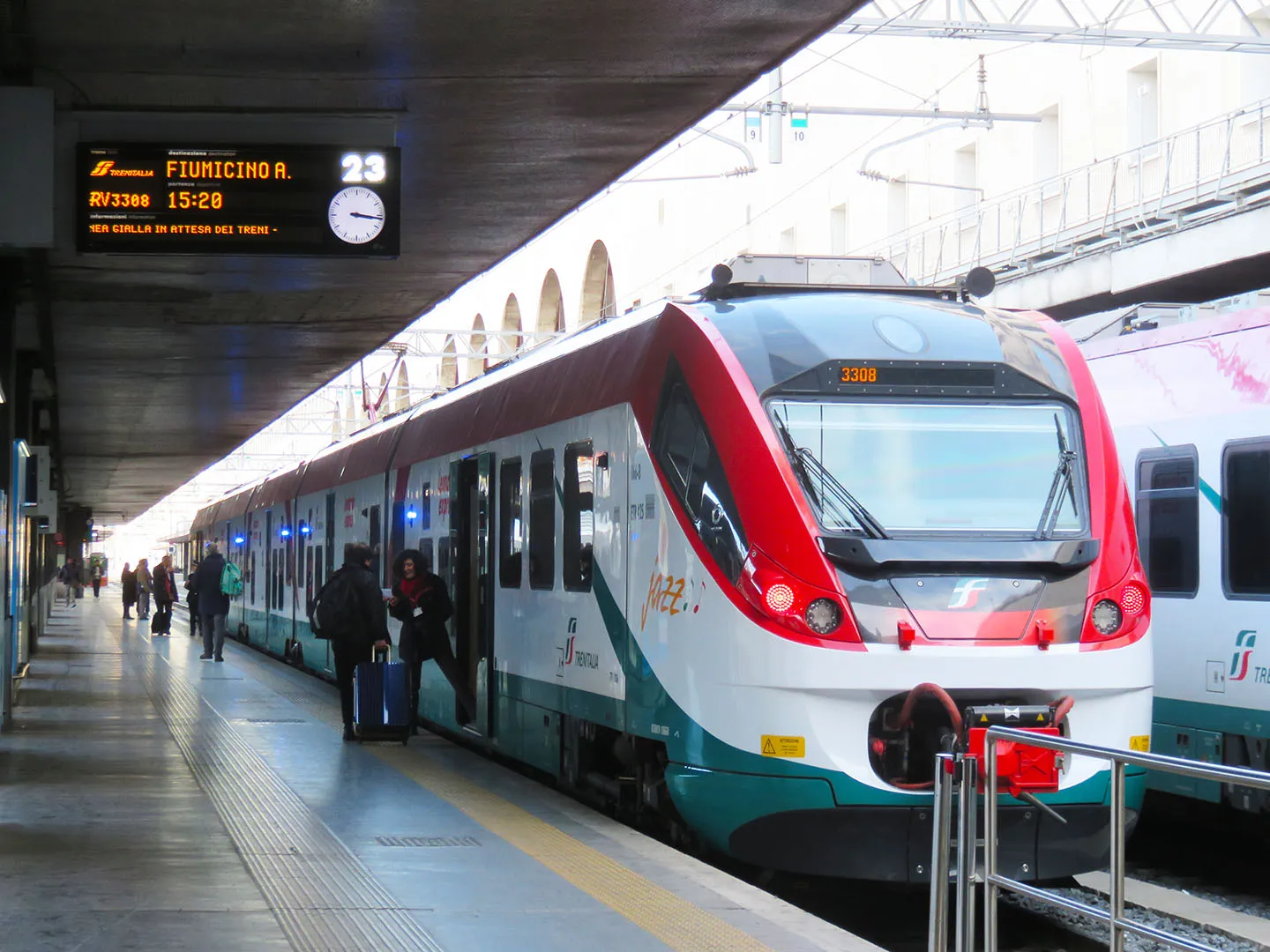
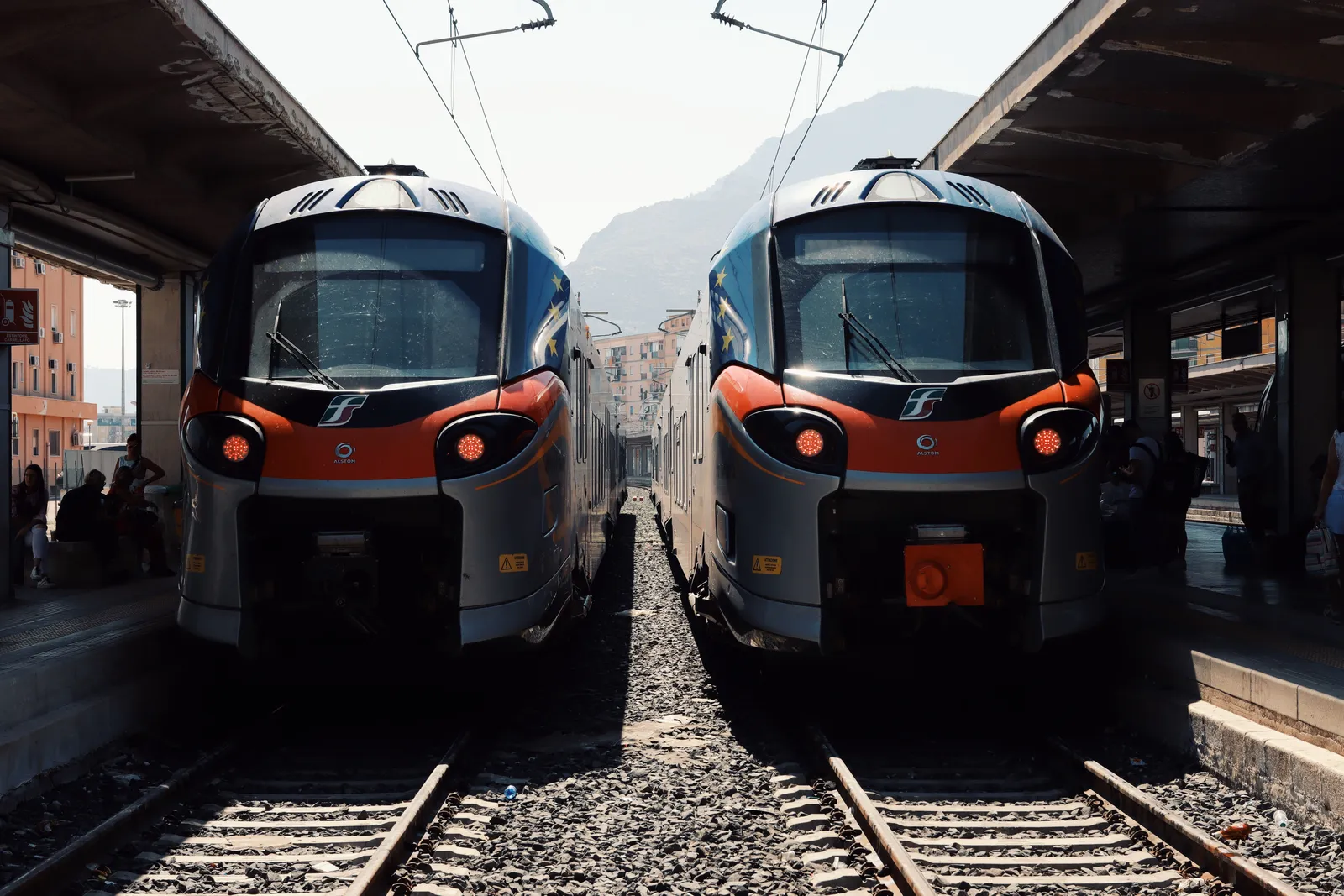
The regionale (regional) trains are the slow, cheap workhorses that connect smaller towns and fill the gaps. They stop everywhere, have no reserved seats, and cost a fixed low fare. You will use the Frecce and Italo for the big city hops, and the regionale for reaching places like Pompeii, the Cinque Terre or Tuscan hill towns.
There is a third category that sits quietly between the two and rescues a lot of itineraries: the Intercity. These are reserved-seat trains that are slower than the Frecce but cheaper, and crucially they serve routes the high-speed line never got built on, such as the Adriatic coast and the long run south. If a journey looks impossible on the high-speed map, check the Intercity timetable before you give up and hire a car.
The four kinds of train, side by side
| Type | Speed | Seat reserved | Fare behaviour | Best for |
|---|---|---|---|---|
| Frecce (Trenitalia) | Fastest | Yes, included | Dynamic, book ahead | Rome, Florence, Venice, Milan, Naples |
| Italo | Fastest | Yes, included | Dynamic, book ahead | The same main corridors, often cheaper |
| Intercity | Medium | Yes, included | Semi-dynamic | Coastal and southern routes off the fast line |
| Regionale | Slow | No | Fixed, buy any time | Small towns, day trips, the Cinque Terre |
The practical reading of that table: only the top three reward planning. The bottom row is the one you can be spontaneous with, which is exactly the opposite of how most visitors treat it.
Trenitalia or Italo?
On the main routes, Trenitalia and Italo compete head to head, and both are excellent: fast, modern, comfortable and using the same central stations. There is no wrong choice, so compare both for your date and time and book whichever is cheaper or better timed. Italo often undercuts on price, Trenitalia runs more departures and reaches more of the country.
Download each operator’s app, or use a booking site that shows both, to see your options side by side. The one asymmetry worth knowing is coverage: Italo concentrates on the profitable spine of the country, so once you leave the Turin to Milan to Bologna to Florence to Rome to Naples corridor, Trenitalia is usually the only game in town.
When and how to book
Here is the money-saving rule that trips up most first-timers: high-speed fares are dynamic, like flights. The cheapest tickets sell first, and prices climb as the train fills, so booking a few days to a few weeks ahead on a busy route like Rome to Florence can roughly halve what you pay on the day.
Regionale tickets are the opposite: the fare is fixed no matter when you buy, so there is no advantage to booking early, and you can grab them at the station on the day. So book your long, fast intercity trips in advance, and leave the short regional hops until you need them. Buy through the official Trenitalia or Italo apps or website to avoid third-party fees.
The fare tiers, and which one to take
Both operators sell the same seat at several prices, and the difference is flexibility rather than comfort. Trenitalia runs roughly Base, Economy and Super Economy; Italo runs Flex, Economy and Low Cost. The cheapest tier is the one that disappears first, and it is also the one that will not let you change your mind: assume little or no refund and no swapping to a different train. The middle tier normally allows a change for a fee. If your dates are locked, take the cheapest. If there is a realistic chance you will shift by a day, the middle tier buys back a lot of stress for a small sum.
Stay near the station on travel daysA hotel a short walk from the central station makes early trains and late arrivals painlessClasses, seats and comfort
High-speed trains offer several classes, and the jump up is often small. Standard and Economy are perfectly comfortable, while Business or Prima adds more space, a quieter carriage and sometimes a snack. On a two or three hour journey the cheaper class is usually all you need, but on a longer Rome to Milan run, a small upgrade can be worth it.
Seats on Frecce and Italo are reserved, so you have an assigned carriage and seat printed on your ticket. Regionale trains have no reservations, so on those you simply board and sit anywhere.
A few small things make the ride better. Carriage numbers are displayed on the outside of each coach and repeated on the platform screens, so find your number before the train pulls in rather than walking the length of it with a suitcase. Seats are arranged both airline style and in facing fours around a table, and the booking map usually lets you pick; the table seats are the ones to grab if you are travelling as a pair and want to spread out a laptop or a picnic.
Validating, and avoiding fines
This one small habit saves you an unpleasant surprise. If you buy an open paper regionale ticket without a fixed time, you must validate it in the green or white platform machines before boarding, or an inspector can fine you even with a valid ticket in hand.
You do not need to validate high-speed tickets, any ticket tied to a specific train and seat, or mobile and print-at-home tickets, which are already valid for their booked departure. When in doubt, stamp it. It costs nothing and removes all risk.
Once validated, a regional ticket is good for a set window rather than indefinitely, so validate as you are about to travel, not when you buy in the morning for an evening train. Inspectors do come through, including on short hops, and the fine is charged on the spot regardless of how honest the mistake was.
Stations: the part nobody explains
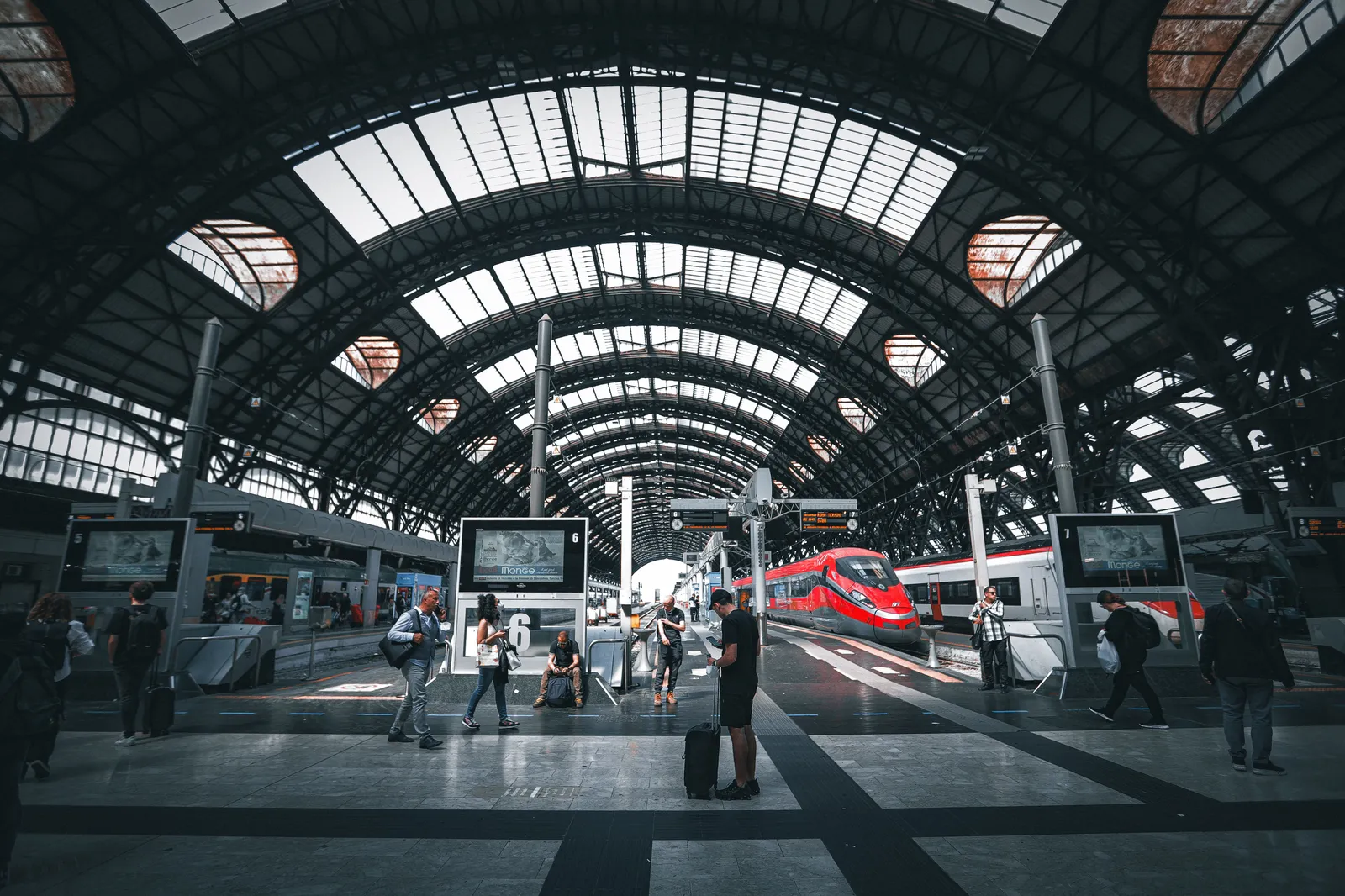
Italian stations are easy once you know their habits. The platform is often announced only a few minutes before departure, so the crowd standing under the big departure board is not being dramatic, it is waiting for a number. Watch the board, then walk.
Some stations have a quirk that catches people out. Venice has two: Venezia Santa Lucia is on the island itself, where you step out onto the Grand Canal, while Venezia Mestre is on the mainland. Both are legitimate stops, but only one of them is Venice as you imagined it, so check which your ticket says. Bologna Centrale is the great junction of the network, and many north to south journeys route through it, which makes it a surprisingly convenient place to break a long day.
Big termini have paid left luggage, usually signed as deposito bagagli, which turns an awkward gap between checkout and departure into a free afternoon. And a word of caution at Roma Termini and Milano Centrale in particular: friendly strangers who offer to help you work the ticket machine will ask for money afterwards. Staffed windows and the official apps exist precisely so you never need that help. If you are arriving from an airport rather than another city, our guide to getting into Rome from its airports covers which train to take and when a taxi wins instead.
Luggage, bikes and what you can actually bring
There is no check-in, no weighing and no security queue on domestic trains, which is the single biggest advantage over a short flight. You carry what you can carry. Racks sit above the seats and at the ends of each carriage, and on a full Friday departure the end racks are gone within a minute of boarding, so board with a plan rather than a hope.
The genuine constraint is the architecture. Plenty of stations, especially the smaller and older ones, involve stairs to reach the platform, and a lift is not guaranteed to exist or to be working. Pack a case you can carry up a flight of steps unaided and the whole trip gets easier. Bicycles are allowed on many regional services with a supplementary ticket and in designated spaces, though the rules vary by region and by train, so check before you turn up with one.
When trains do not run: strikes, delays and what you are owed
Rail strikes, scioperi, are a normal part of Italian life and much less alarming than they sound to a visitor. They are announced in advance rather than called overnight, and a reduced service is protected during set weekday hours, so a strike day is usually a thinner timetable rather than an empty station. The one habit worth building is checking your operator’s app or site the evening before you travel.
If a train is cancelled or badly delayed, you are generally entitled to a refund or to be carried on another service, and the operators publish their compensation thresholds. The practical advice is simpler than the rules: never book the last possible train to an airport. Put a spare service between you and your flight, and a bad day becomes an inconvenience instead of a missed departure. If something goes properly wrong while you are travelling, our guide to emergency numbers and who to call in Italy is worth reading before you need it.
Where the train does not reach
The network is superb between cities and thins out beautifully in the countryside, which is where a lot of plans quietly break. The rule of thumb: the train will get you close, and something else finishes the job.
The clearest example is the mountains. The rail line runs up the valleys to towns like Bolzano and Trento, but the high passes and the famous peaks are served by buses and cable cars from there, so a mountain trip is a train leg plus a local connection rather than a single ride. Our guide to visiting the Dolomites sets out how those last miles actually work. The Cinque Terre is the happy opposite: the coastal regional line threads all five villages and is far better than driving. And journeys to Sicily still include the crossing of the Strait of Messina, which is part of the appeal rather than a problem.
Do you need a rail pass?
Almost certainly not. For a typical Italy trip, point-to-point tickets bought a little in advance beat a rail pass on price, and high-speed trains often add a compulsory seat reservation fee on top of a pass anyway. Passes only pay off for heavy, multi-country rail marathons. Book individual advance tickets and you will spend less with more flexibility.
There is one extra wrinkle that decides it for most people. Italo sits outside the Interrail and Eurail networks, so a pass does not cover it at all, which means a pass holder loses the operator that is frequently the cheapest on exactly the routes a visitor uses most. Add the reservation supplements on the Frecce and the maths rarely comes back.
The short version
Use the fast Frecce and Italo trains for the big cities and the cheap regionale for the rest. Compare both high-speed operators, book long intercity trips a few days to weeks ahead for the low fares, and buy regionale on the day. Validate open paper regional tickets, skip the rail pass, and download the official apps. Check the board for your platform, keep a spare train between yourself and any flight, and pack a case you can lift up a staircase. Do that, and Italy’s railways become the easiest, most scenic way to see the country.
Which leg of your Italy trip are you still undecided about, the train or the road?