Italy is a very safe country to visit. Violent crime against tourists is rare, the healthcare system is excellent, and help is genuinely easy to summon. What trips visitors up is not danger but unfamiliarity: which of the several police forces to call, how the pharmacy system works, and the quiet paperwork traps like ZTL driving fines. Ten minutes with this guide, and you will know exactly what to do in the situations that actually happen.
The one number to remember: 112
Dial 112 for any emergency, anywhere in Italy: police, ambulance or fire. It is the single European emergency number, free from any mobile phone, and it works even without a SIM card or signal from your own carrier. Operators can handle English, either directly or through interpreter support. Give your location first, then the problem, and stay on the line.
The classic national numbers still function and Italians still use them: 113 for the state police (Polizia di Stato), 118 for medical emergencies and ambulances, 115 for the fire brigade (Vigili del Fuoco). You do not need to memorize them; 112 routes to all of the same services.
The numbers at a glance
| Number | Service | When to use it |
|---|---|---|
| 112 | All emergencies (EU-wide) | Any urgent situation, one number for everything |
| 113 | State police | Crime in progress, urgent police matters |
| 118 | Medical emergency | Ambulance, serious injury or illness |
| 115 | Fire brigade | Fire, gas leaks, people trapped |
| 1530 | Coast guard | Emergencies at sea or on beaches |
| 803 116 | ACI road assistance | Vehicle breakdown (paid service) |
| 116 117 | Non-urgent medical line | Out-of-hours doctor advice in many regions |
Save 112 and your travel insurer’s 24-hour assistance line in your phone before you fly, plus the address of your country’s embassy in Rome and the nearest consulate to where you are staying.
Doctors, hospitals and the mighty farmacia
For anything urgent, the pronto soccorso (emergency room) of any public hospital treats everyone, and genuinely urgent care is provided regardless of nationality; non-EU visitors are billed afterwards, which is where travel insurance earns its keep. EU citizens should carry their EHIC/GHIC card for state care.
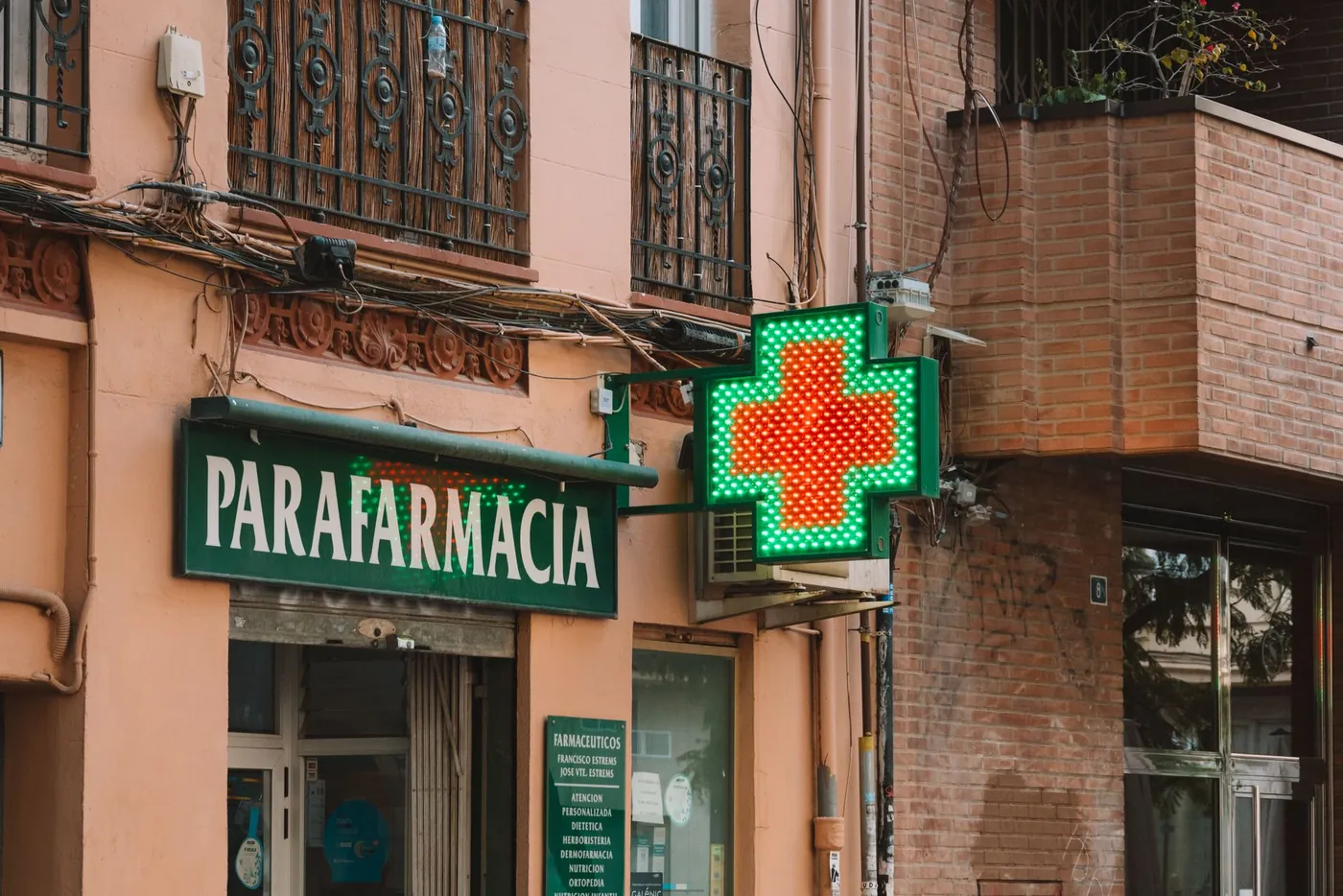
For everything short of an emergency, start at the farmacia, marked everywhere by a glowing green cross. Italian pharmacists are highly trained, dispense many medications over the counter that require prescriptions elsewhere, and will happily advise on a fever, an upset stomach or the blisters your cobblestone mileage earned you. At night and on Sundays, a rotating farmacia di turno stays open in every district; the current list is posted on every pharmacy door and window.
Pickpockets: the one crime to actually plan for
The realistic risk in Italy is not violence but pickpocketing in crowded tourist spaces: busy metro cars and buses (Rome’s route 64 to the Vatican is infamous), train stations like Termini and Milano Centrale, and the scrums around the Trevi Fountain, the Duomo and Venice’s vaporetti. The craft is world-class and you will feel nothing.
Prevention is boring and effective: bags zipped and worn in front in crowds, phone never in a back pocket, nothing valuable in an outer backpack pouch, and only a day’s cash on you. On trains, keep your daypack at your feet or in sight, not in the luggage rack by the doors.
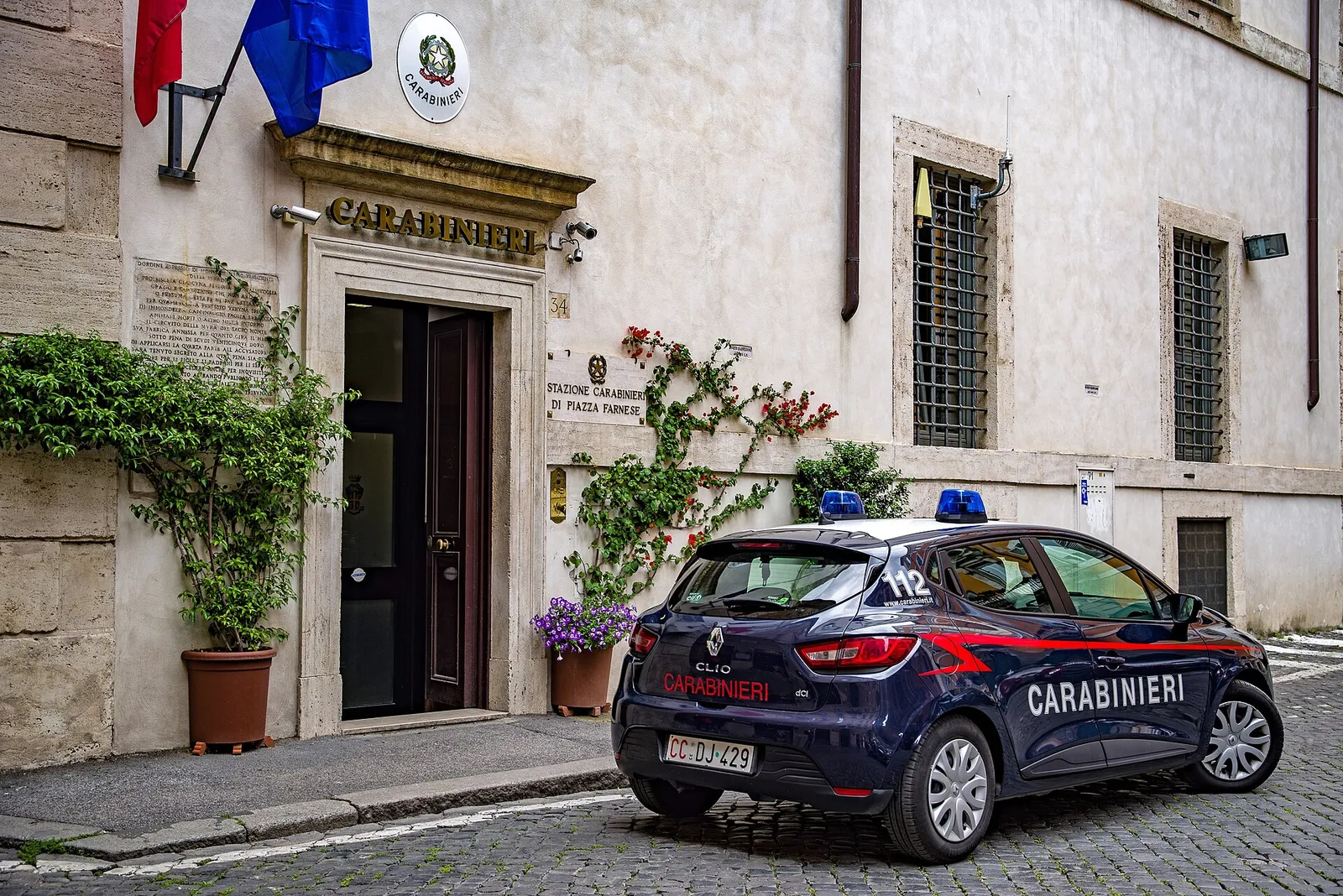
If it happens: freeze your cards in your banking apps within minutes, then report the theft at any Carabinieri or Polizia station and ask for the denuncia, the written report. You will need it for insurance claims and for replacing a stolen passport. For the passport itself, contact your embassy or consulate; they issue emergency travel documents quickly and deal with this every day.
An emergency plan needs a working phoneWith an eSIM you can call 112, freeze cards and reach your insurer the moment something goes wrong, no hunting for wifiDrivers: the fine that arrives by mail
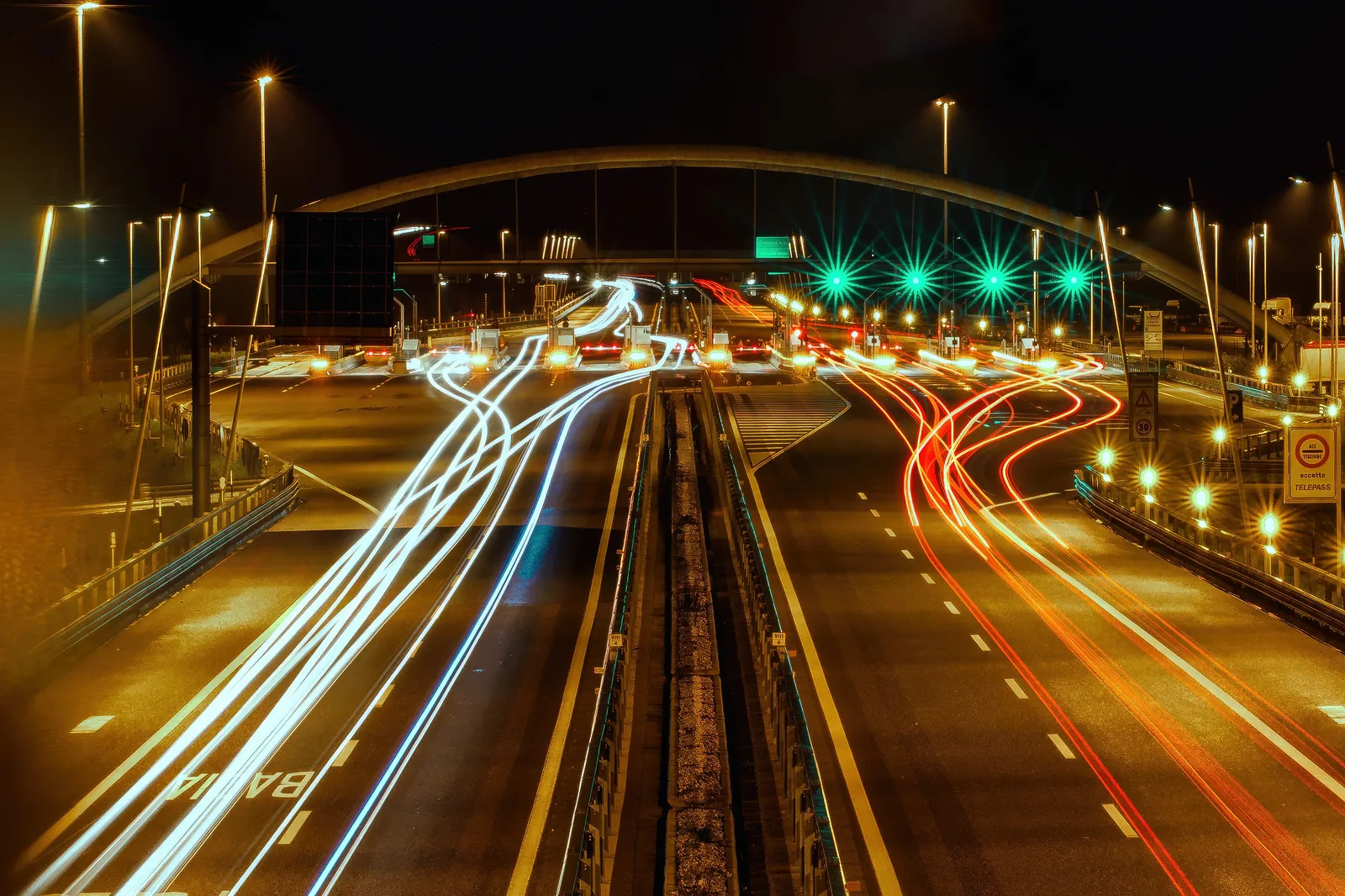
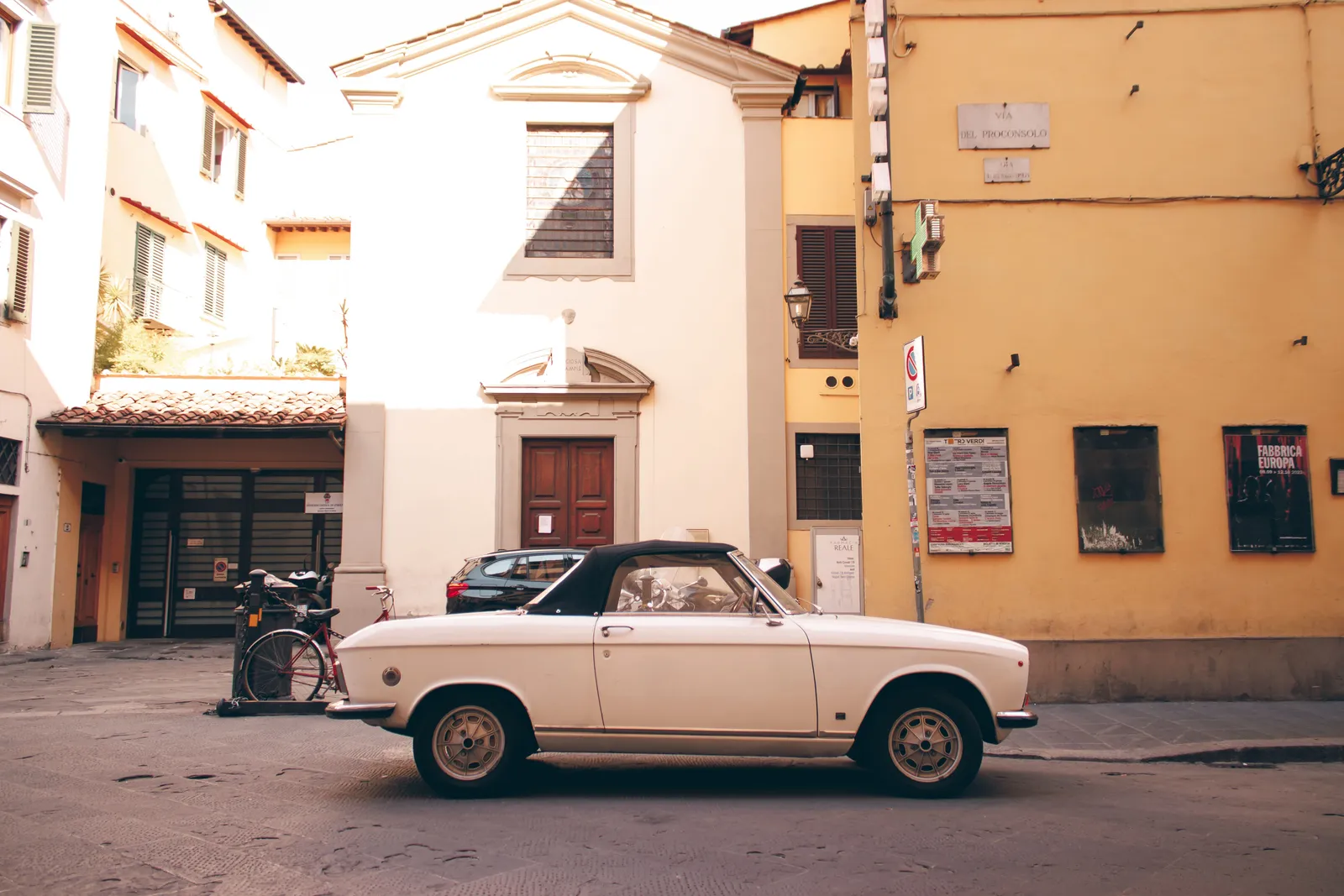
The most common “incident” for visitors in Italy involves no criminals at all. Nearly every historic city center is a ZTL (zona a traffico limitato): a camera-enforced restricted zone where only permit holders may drive. Enter one in a rental car, even briefly, even following your GPS to the hotel, and a fine of roughly 80 to 100 EUR per camera passed arrives months later through your rental company, with their admin fee on top. Multiple cameras in one wrong turn mean multiple fines.
The defense is simple: never drive toward a historic center. Park in the signed lots outside the walls and walk or ride in. If your hotel sits inside a ZTL, call ahead; hotels can often register your plate for a temporary permit. Speed cameras (autovelox) are also common on highways, and headlights are required on main roads even in daylight.
One document to arrange before you fly: an International Driving Permit. Italy expects drivers on non-EU licences to carry one together with their own licence, and rental companies enforce it, refusing the car to US, Australian, Canadian and South African licence holders who arrive without. It is a cheap translation booklet from your national motoring organisation or post office, and you cannot buy one after you land. EU licences need nothing extra.
The everyday safety picture
Beyond the above, Italy asks little of you. Tap water is safe everywhere (Rome’s nasoni fountains are a free gift in summer), food safety standards are high, and walking cities at night in normal tourist areas is fine, as it is in Rome and the other big centers. Classic street scams to brush off: the “free” bracelet tied to your wrist, the rose pressed into your hand, petitions with a donation demand, and unmetered taxis. A firm “no, grazie” and forward motion solves all of them. For broader planning context, our first time in Italy guide covers the practical groundwork.
The short version
Save 112: it covers police, ambulance and fire across Italy and works from any phone. Use the green-cross farmacia for minor ailments, the pronto soccorso for real emergencies, and travel insurance to make the bills someone else’s problem. Guard your pockets in crowds, get the denuncia if something is stolen, contact your embassy or consulate for a lost passport, and never, ever drive into a ZTL. Do that, and the odds are excellent that the only Italian numbers you will use are the ones on a menu.
The number and the policy are two halves of the same preparation: one gets help moving, the other decides who pays and how you get home. Our guide to travel insurance for Italy covers the limits and the exclusions worth reading before you buy.
And if the coast is on your route, it is the part of Italy where these pages get used most, because cliff paths, ferries and the coast road all carry more risk than a city break does. Our comparison of the Amalfi Coast and Cinque Terre covers what each involves.