Three days is what most first visits to Rome actually get, and it is enough if you accept the premise: you are seeing the essentials properly rather than seeing everything badly. The city has more than any itinerary can hold, the surfaces are hard, and the two headline sites both punish improvisation. Here is a three-day shape that works, in the order that works, with the two bookings that make the rest of it flexible.
The shape
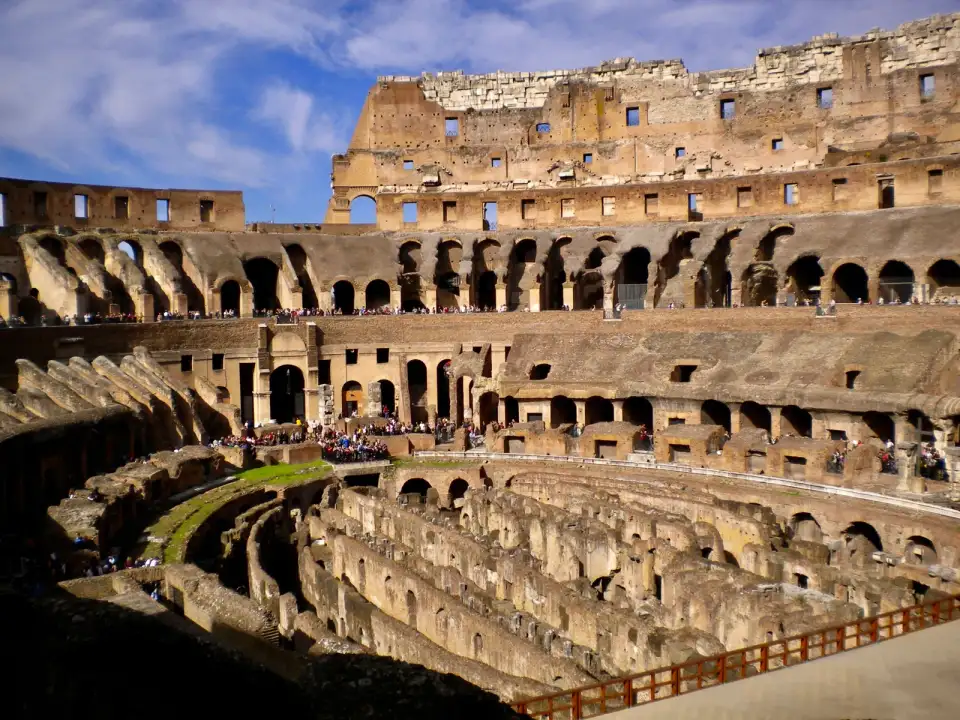
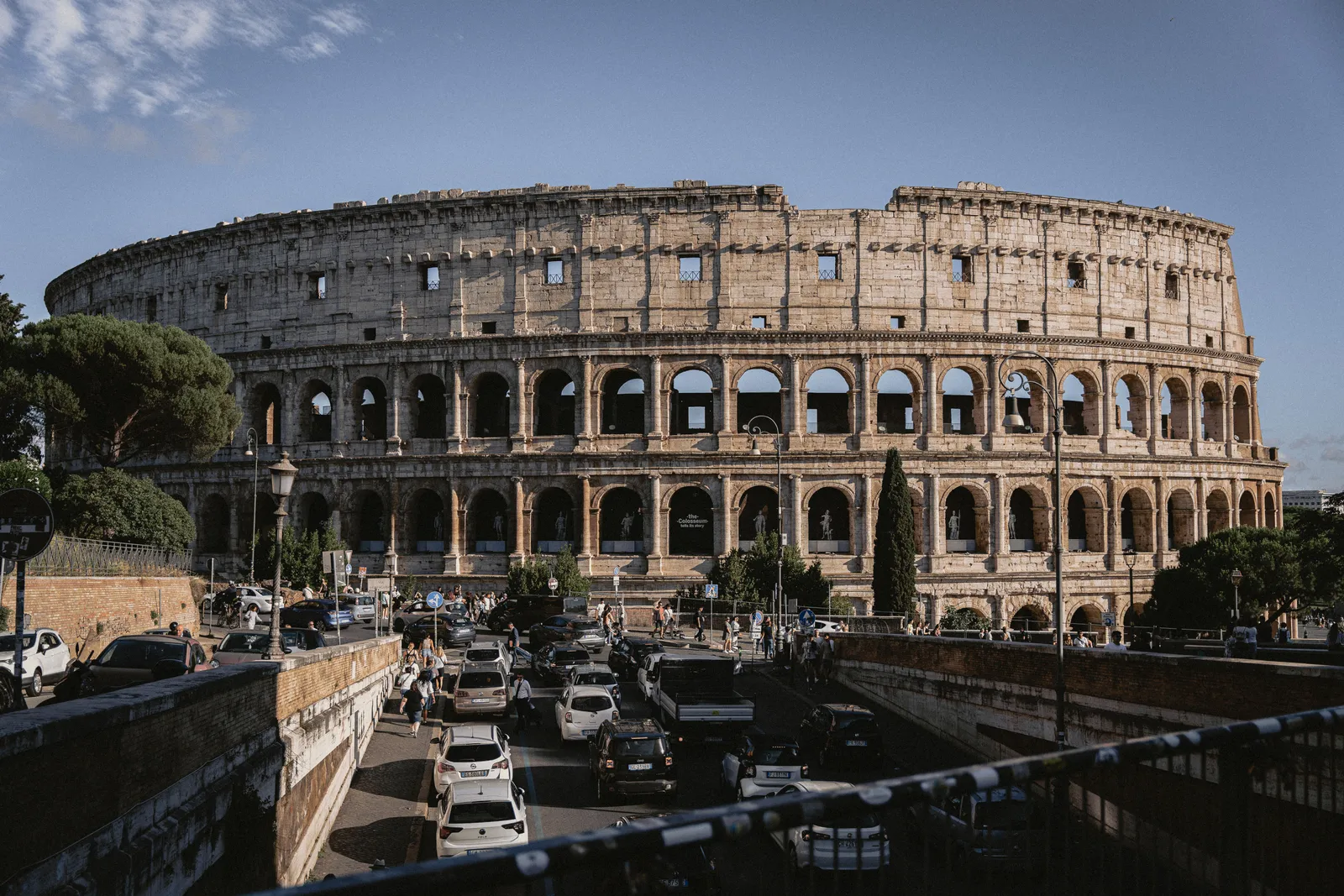
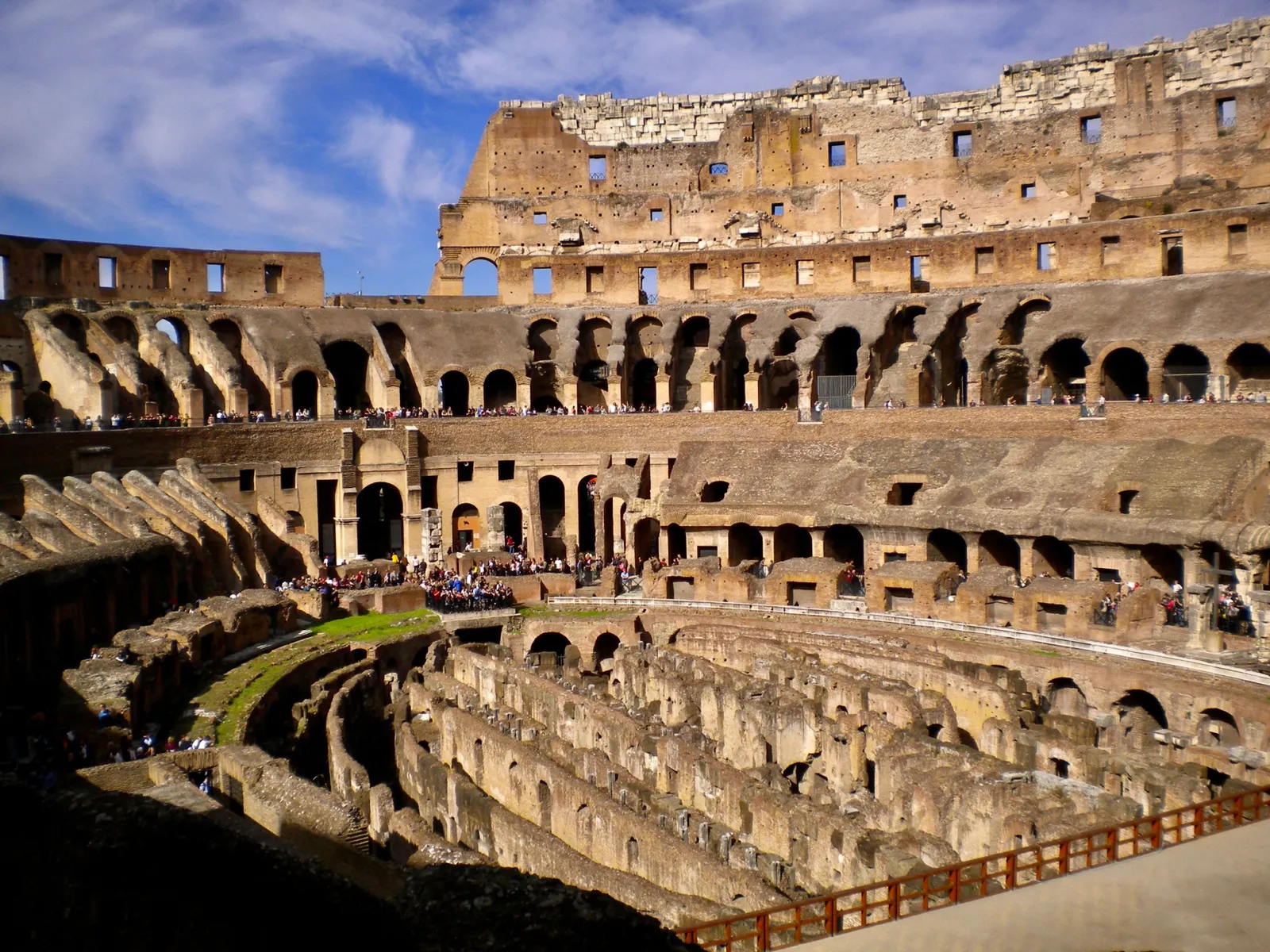
Day one, ancient Rome. The Colosseum, the Forum and the Palatine, which sit together as one walkable cluster, then down into the centre for the evening.
Day two, the Vatican. An early start, the museums, the chapel and the basilica, then across the river in the afternoon.
Day three, the free city on foot. The Pantheon, the fountains, the squares and the neighbourhoods, with nothing booked.
The order is deliberate. Ancient Rome first because it explains everything you see afterwards. The Vatican second because it needs a fresh early morning that a jet-lagged arrival day cannot provide. The free day last because by then you know the city well enough to wander it, and because it absorbs bad weather and tired legs without breaking anything.
Day one: the ancient core
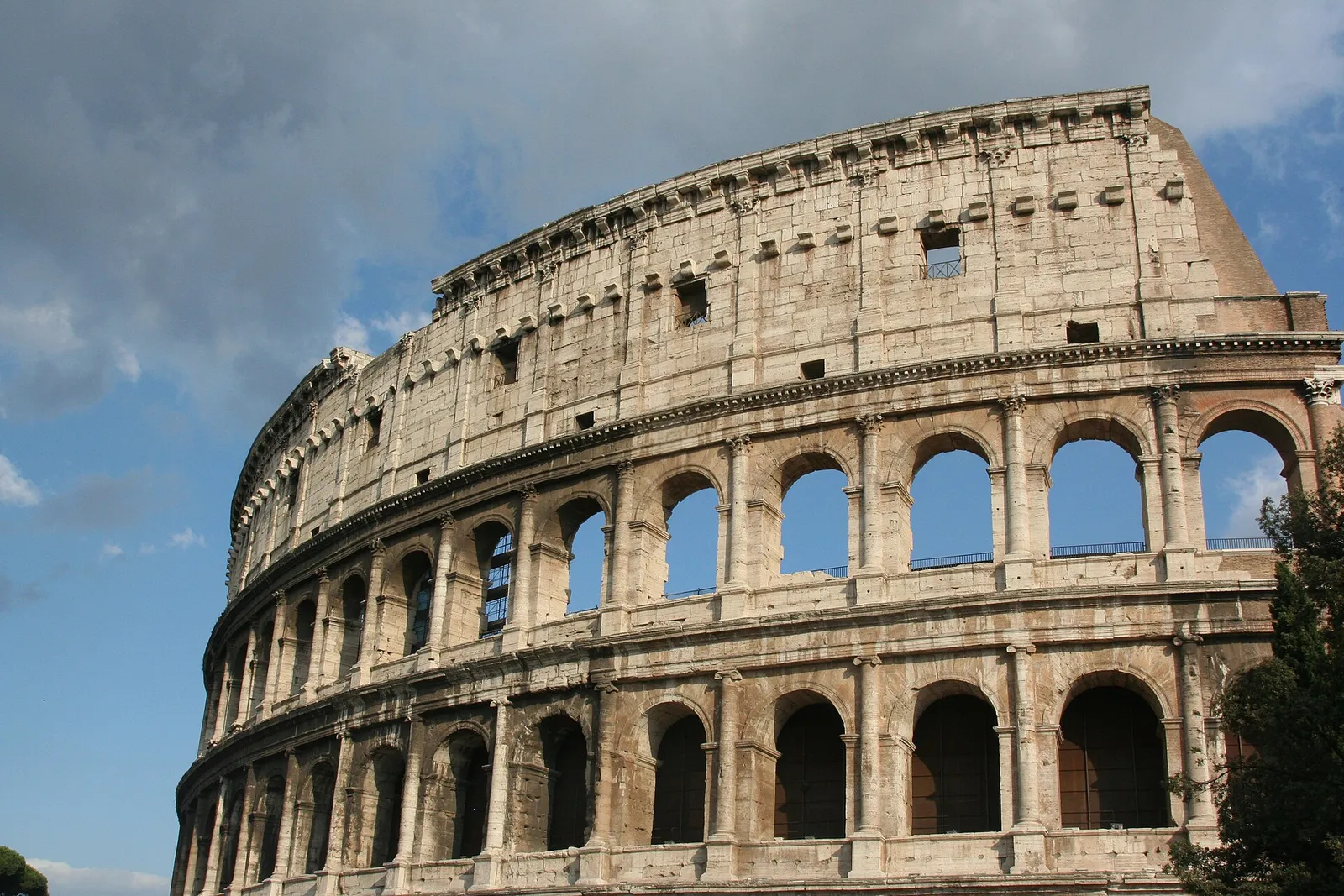
The Colosseum, the Roman Forum and the Palatine Hill are sold together and sit together, and they are a half day rather than an hour.
Go early or late rather than in the middle, which is when the tour groups and the heat coincide. The Forum in particular is exposed, with almost no shade, and in summer it is punishing at two in the afternoon.
Give the Forum more time than you think. It is the least immediately impressive and the most rewarding of the three, and it is where a guide or a good audio guide earns their fee, because without context it is a field of broken columns.
Afterwards, walk down towards the centre, and eat late. Our guide to Colosseum tickets covers the ticket types, what the arena floor and underground add and how far ahead the timed slots go.
Day two: the Vatican
This is the day that rewards discipline.
Start early. The queue at the Vatican Museums is the largest in Europe by some measures and it builds through the morning. A timed entry does not eliminate it entirely but it changes the scale of it.
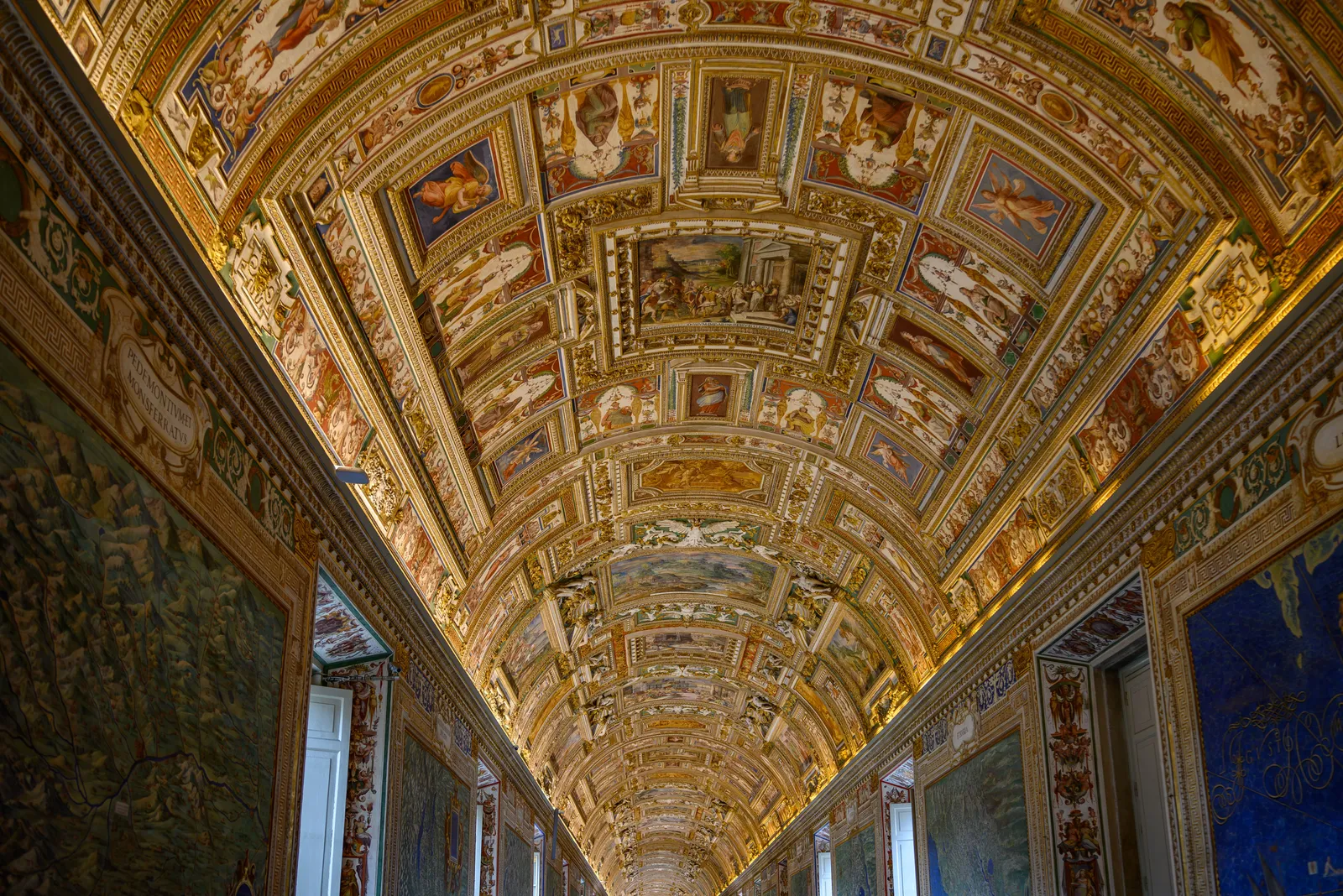
The route is one way and long. You walk a considerable distance through galleries before reaching the Sistine Chapel, and there is no shortcut. Budget two to three hours and expect to be tired at the end rather than energised.
The basilica is separate and free, with its own security queue, and the dome climb is extra and worth it if your knees agree.
Afterwards, cross the river. Trastevere in the late afternoon is the correct antidote to a morning in a crowd.
Our Vatican guide covers how the one-way route works, the early-entry options and what is genuinely worth the extra.
Day three: the free city
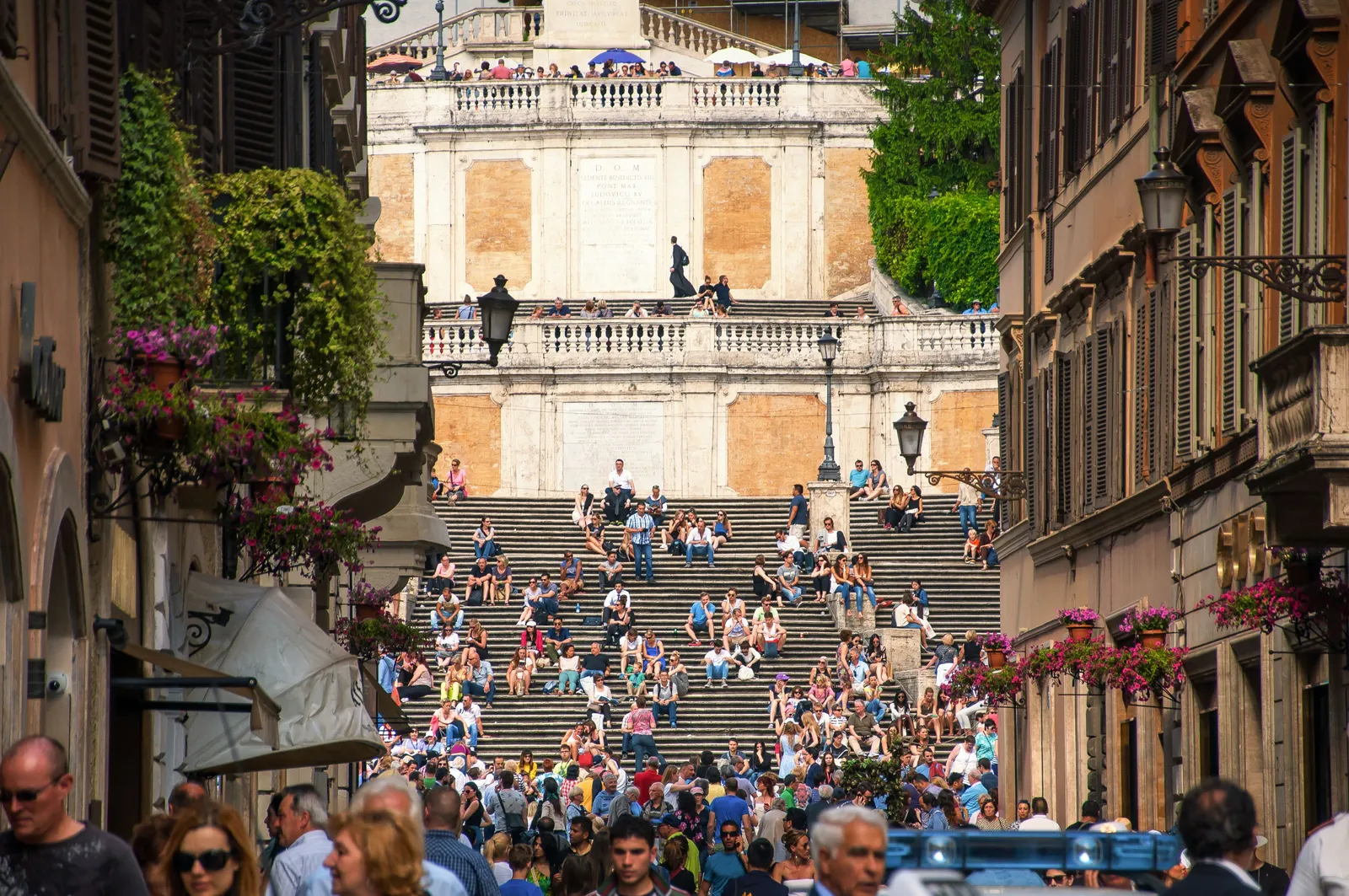
The best day of the three has nothing booked in it.
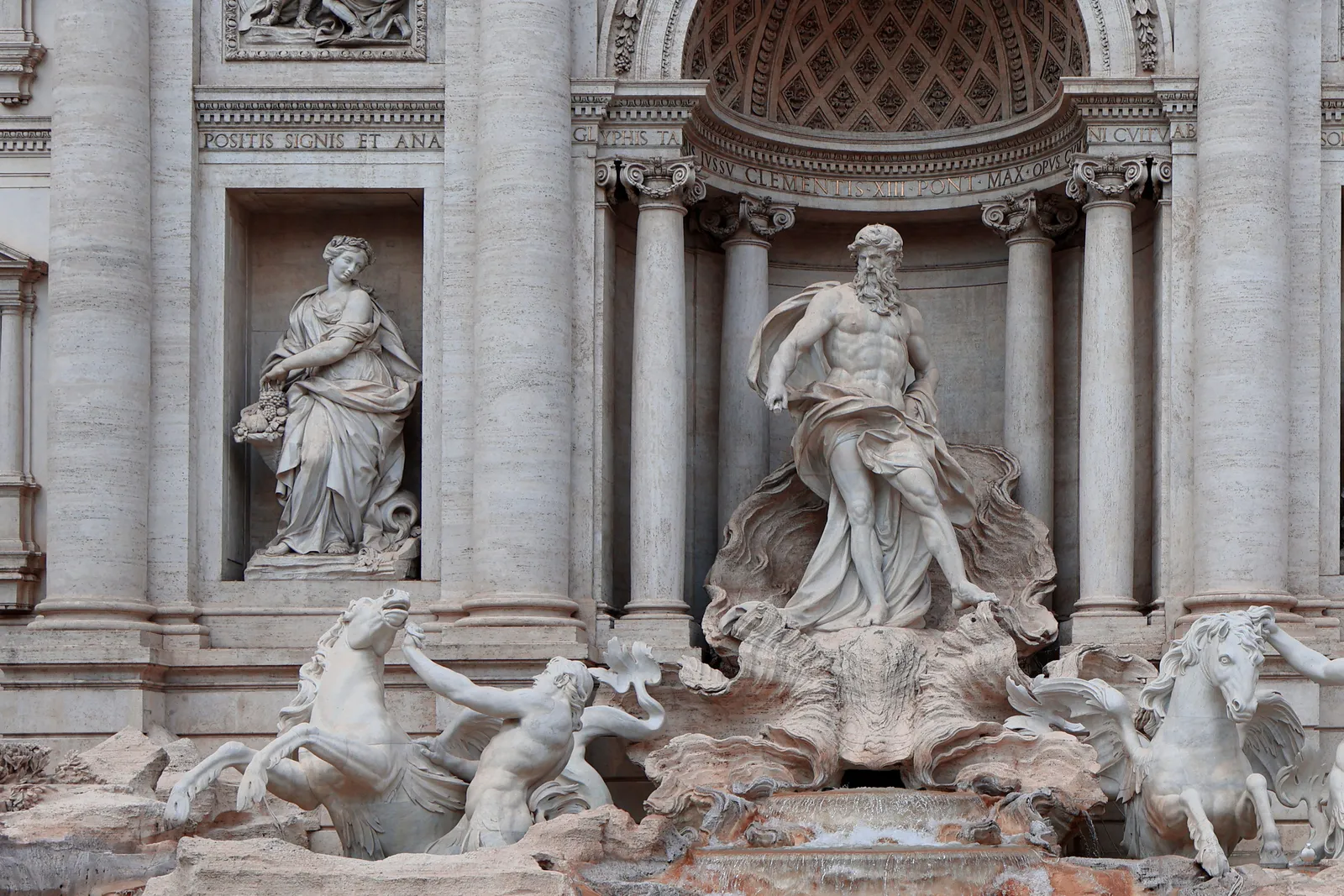
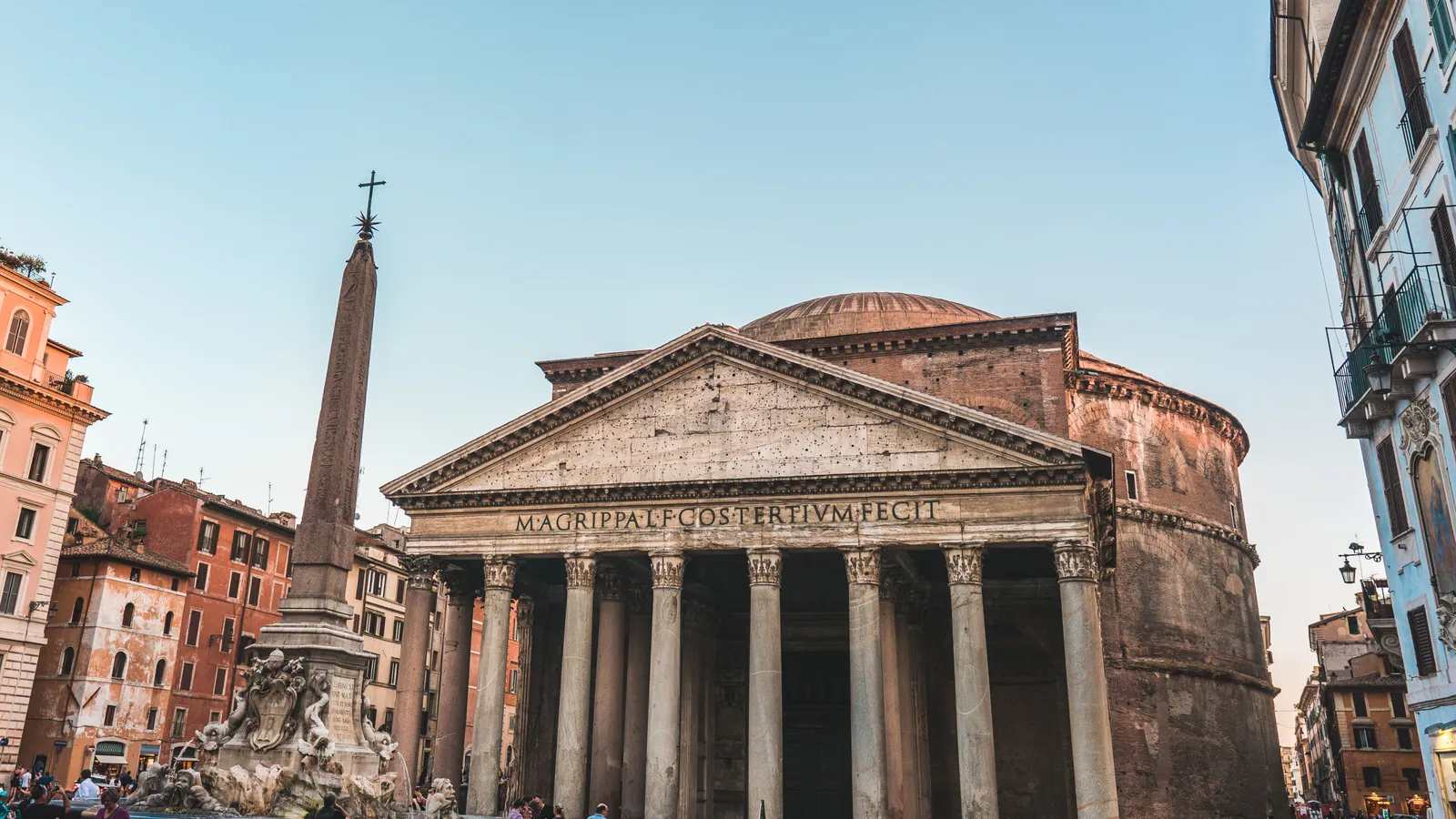
Rome’s centre is dense with things that cost nothing and rank among the finest in Europe: the Pantheon, the fountains and squares, and a set of churches holding paintings that would be the centrepiece of a national gallery elsewhere.
Walk it as a loop rather than a list, eat lunch late, sit somewhere for an hour, and let the afternoon go. Our walking guide to the Trevi Fountain, the Pantheon and central Rome sets out a route that links them without doubling back.
If the weather is poor or your legs have given up, this is the day to swap for something else, which is exactly why it is last.
If you have a fourth day
Three days is enough for Rome and a fourth is better spent outside it than inside.
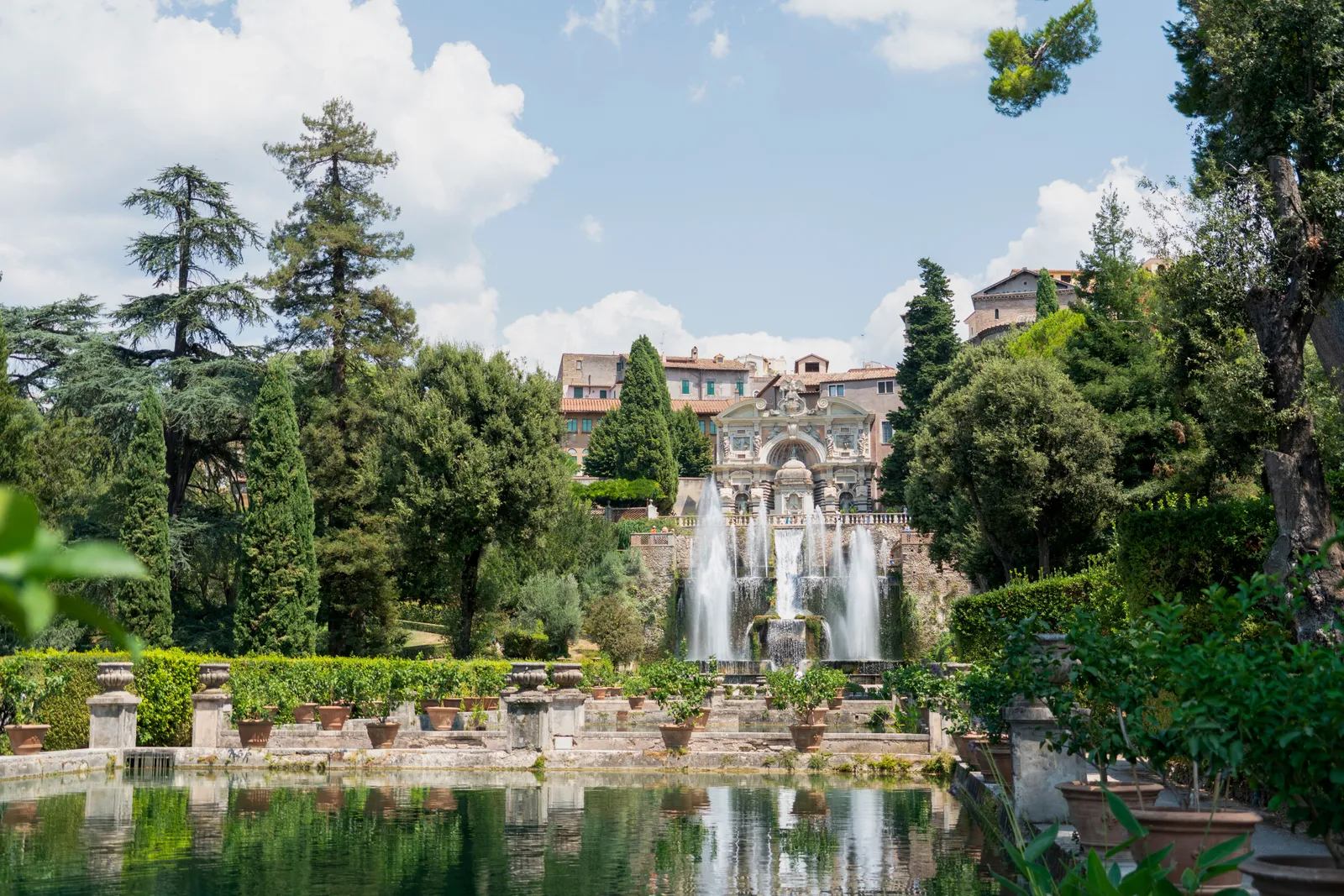
Within an easy reach of the city there is a Roman port town whose ruins are extensive and almost empty, a hill town of villas and water gardens, and a spectacular cathedral town up on a plug of volcanic rock. Any of them is a full and easy day, and each shows a completely different side of the region.
Our guide to day trips from Rome covers where to go, how long each takes and which suits which kind of traveller.
Practical notes
Wear proper shoes. Roman cobbles are uneven and unforgiving, and this is the single most common regret of a short Rome trip.
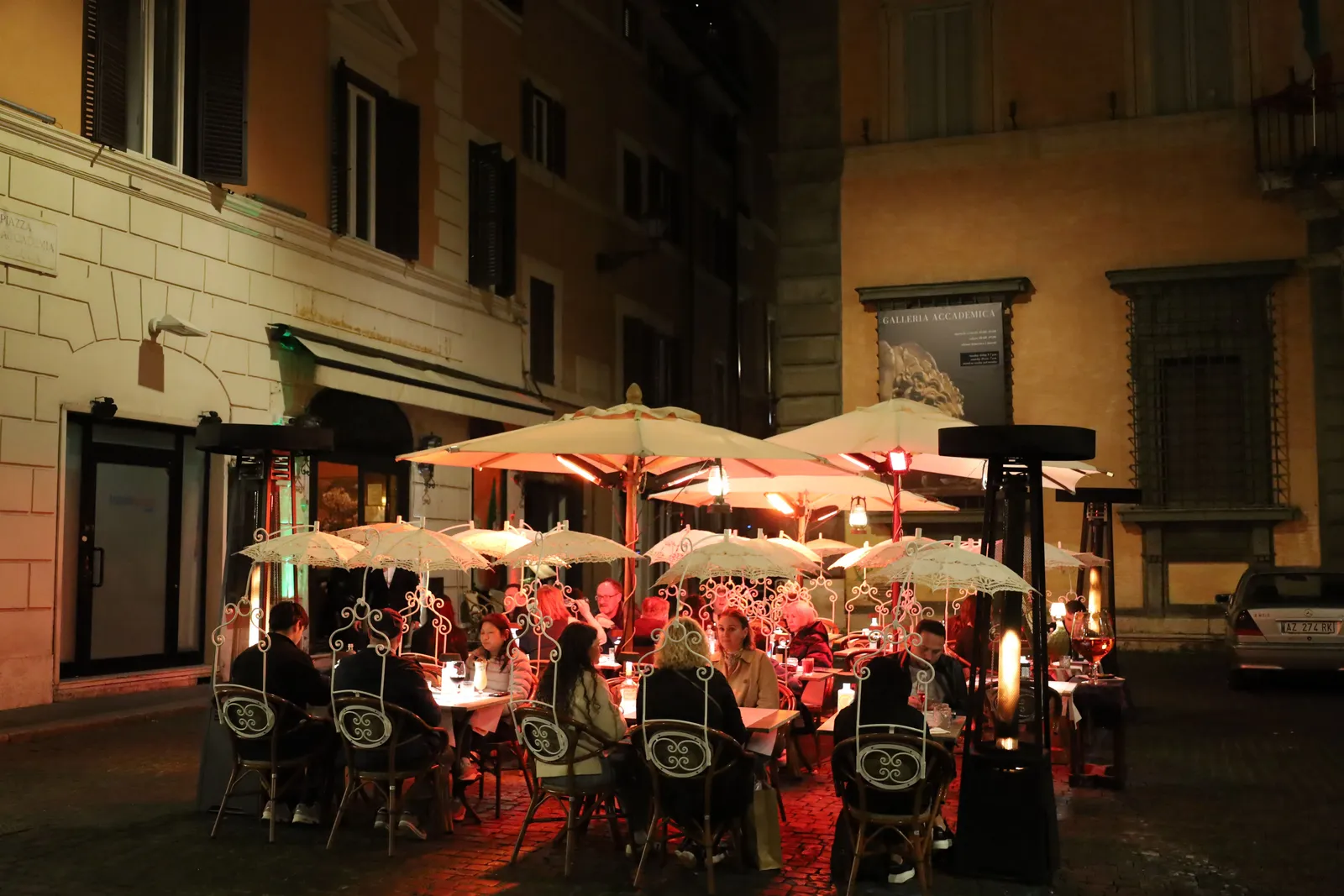
Eat late and long. Lunch at two, dinner at nine, and a break in the middle of the day, which in summer is not optional.
Carry water. The public drinking fountains all over the centre run cold and free and are one of the small pleasures of the city.
Watch your bag in the crowds at the main sites and on the busy bus routes, which is where the city’s one persistent nuisance concentrates.
Do not attempt two headline sites in one day. This is the mistake that turns three good days into three tiring ones.
For the wider groundwork, from tipping and coffee etiquette to how the neighbourhoods fit together, our first-time guide to Rome covers what this itinerary assumes.
The short version
Ancient Rome on day one, the Vatican early on day two, and the free city on foot on day three, in that order. Book the Colosseum and the Vatican Museums the moment your dates are fixed and book nothing else. Give the Forum more time and the middle of the day less. Wear real shoes, eat late, drink from the fountains, and if you find a fourth day, spend it out of town rather than squeezing in one more ruin.