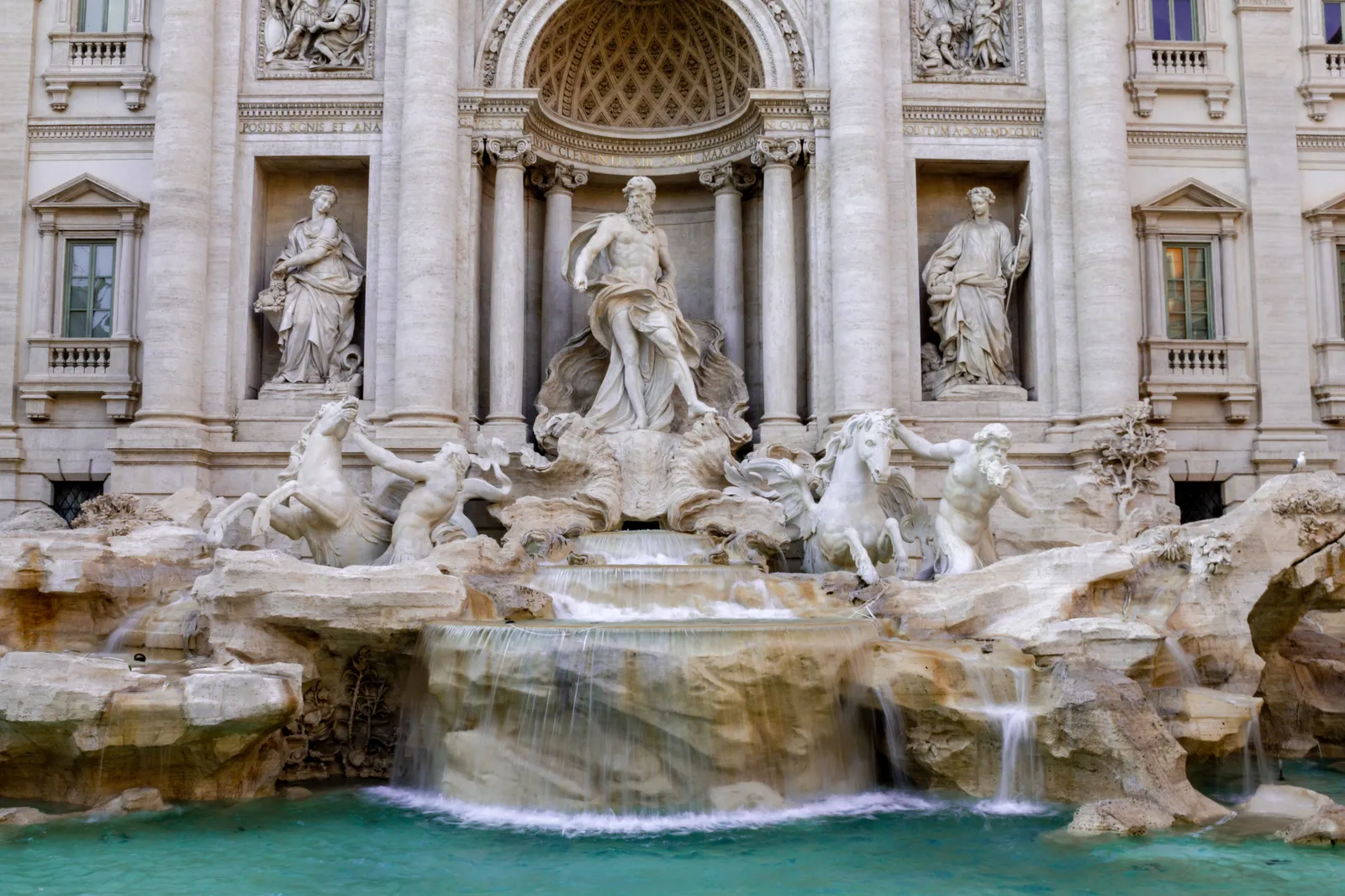
Rome has always divided neatly into the half you pay for and the half you walk through, and the line between them has moved. The Pantheon, free for decades, now sells tickets. The Trevi Fountain, which nobody ever imagined charging for, has an access charge for the area around the basin. Neither is expensive and neither ruins anything, but both catch out visitors working from advice written a few years ago. Here is what actually costs money in Rome now, and how to think about a city pass in a city that keeps adding small separate tickets.
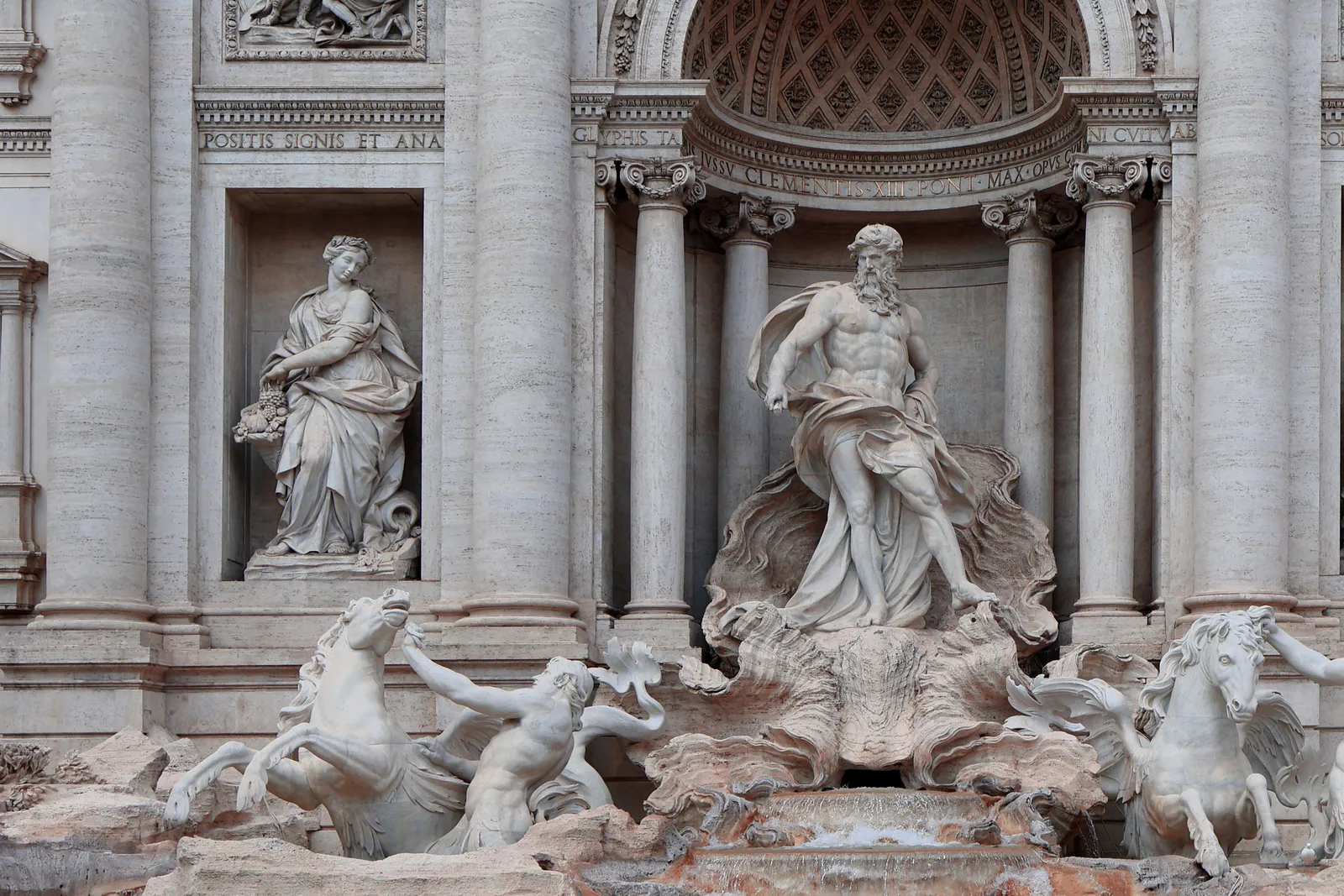
The Trevi Fountain access charge
This is the change people have not heard about, and the details are specific enough to be worth getting right.
The charge is 2 euro for access to the area around the basin, introduced on 1 February 2026 and still in force.
The charged window runs from 09:00 to 22:00 on most days, and from 11:30 to 22:00 on Monday and Friday, when the mornings are reserved for cleaning.
After 22:00 the barriers open and access is free, which makes late evening the dependable no-charge visit and also the version with the fountain lit.
Tickets are undated. They are sold online up to around thirty days ahead or bought at the access point on the day, and payment is electronic rather than cash, so do not plan on handing over coins.
🔴 Exemptions are based on residence and a handful of other defined categories, not on nationality. This is the part that travel articles routinely mangle. There is no exemption for holding an EU passport: a visitor from Ireland or Germany stands in the same queue as one from Canada. If you think a category might apply to your circumstances, check the official municipal information rather than any third-party page.
What has not changed is the street around it. Walking the surrounding lanes, which is most of the pleasure of this part of Rome, involves no ticket at all.
The Pantheon
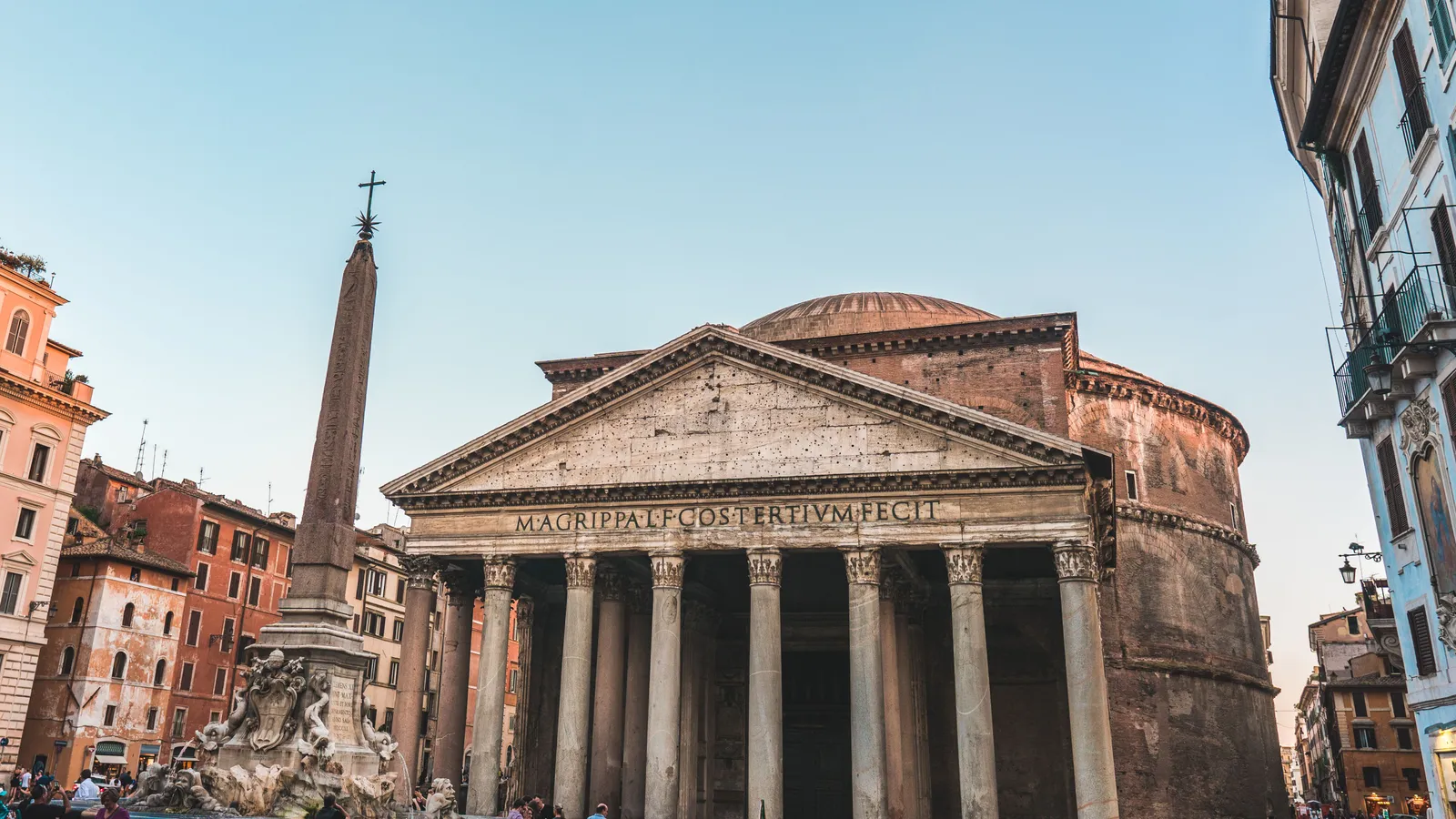
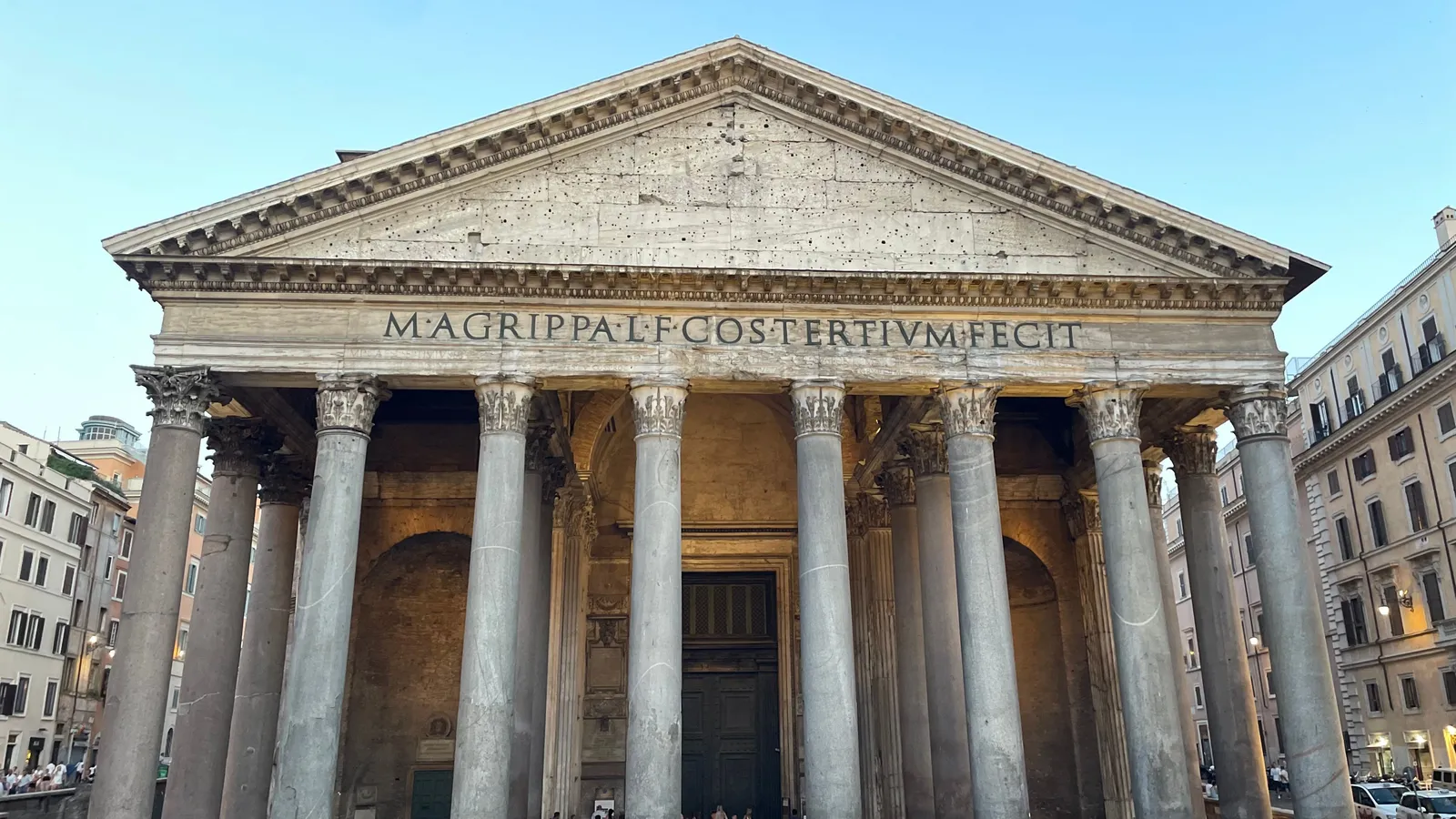
The Pantheon charges most visitors an entry fee, having been free for a very long time, and this is comfortably the most out-of-date fact circulating about the city.
There are exemptions, including for people attending mass, and it is still exceptional value for what it is.
It is a working church, which is why the mass exemption exists and why a dress code applies.
Go early or late. It is smaller inside than photographs suggest and the middle of the day fills it.
Our walking guide to the Trevi Fountain, the Pantheon and central Rome covers the route these two sit on and the hours that make each of them bearable.
Where the small charges are creeping in
The pattern across the city is not a few big new tickets. It is a growing number of small separate ones.
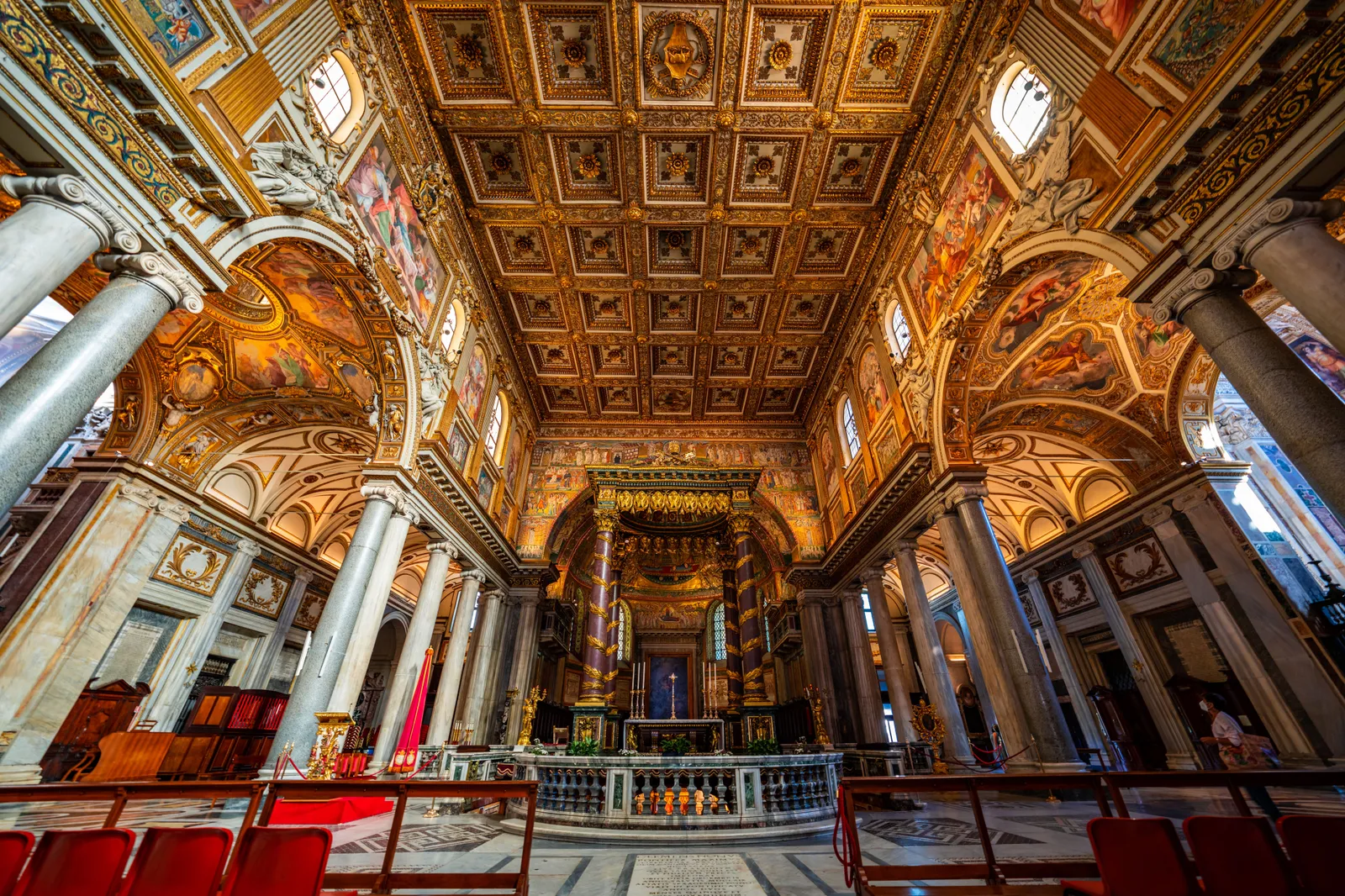
Parts of churches rather than churches. The nave is usually still free while the crypt, the cloister, the treasury, the excavations underneath or the climb up the tower are ticketed separately.
Viewpoints. Terraces and domes with a view over the city increasingly charge, sometimes with a lift fee on top of the entry.
Timed reservations with booking fees, which are technically not the ticket price but are money you hand over all the same.
None of these is large on its own. Together they add up to a day that costs more than the same day did a few years ago, and they are the reason a running list of what you actually intend to enter is worth keeping while you plan.
Does a city pass pay for itself now?
Rome has an official municipal card and a number of commercial bundles sold by third parties, and the honest answer is that it depends on a calculation only you can do.
The method is dull and it works. Write down the places you will genuinely go inside, not the ones you like the sound of. Price each on its own official site. Compare that total with the pass, and remember that a pass validity window is short, so the sites have to be crammed into consecutive days.
Two structural points rarely make it into the marketing.
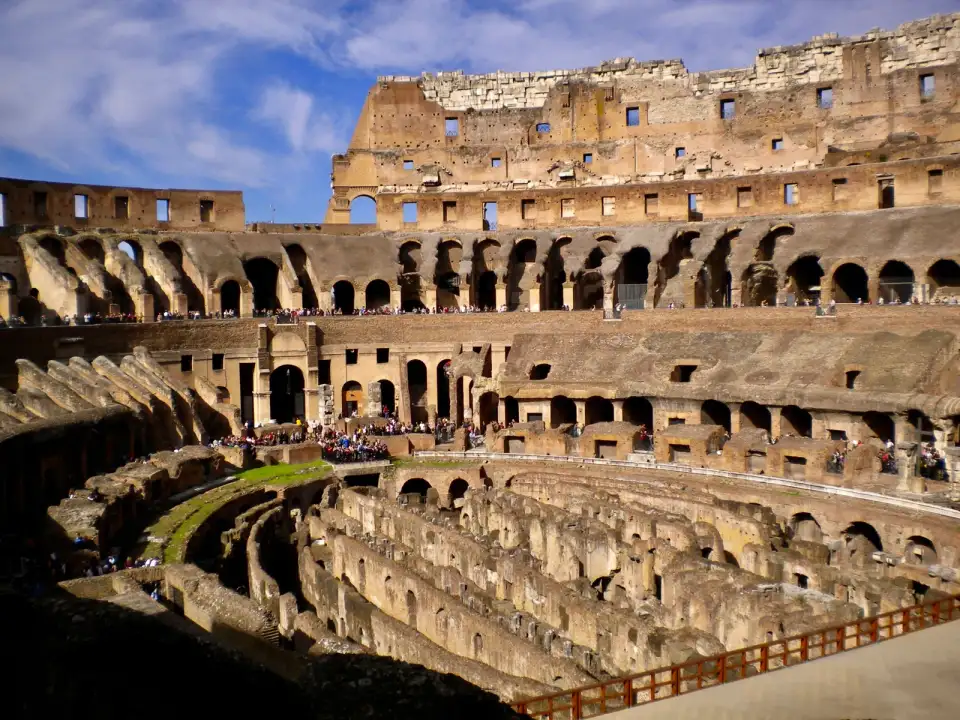
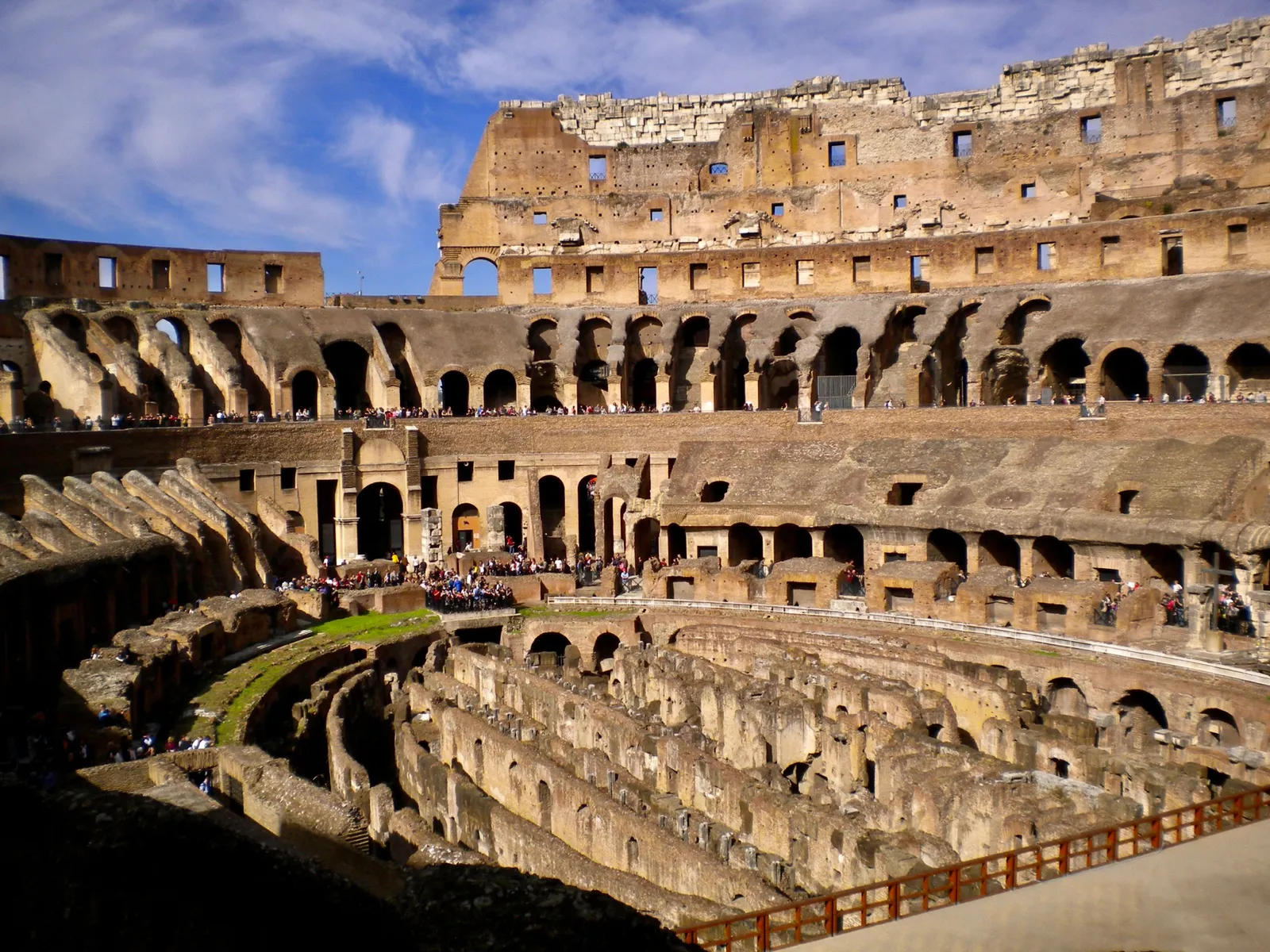
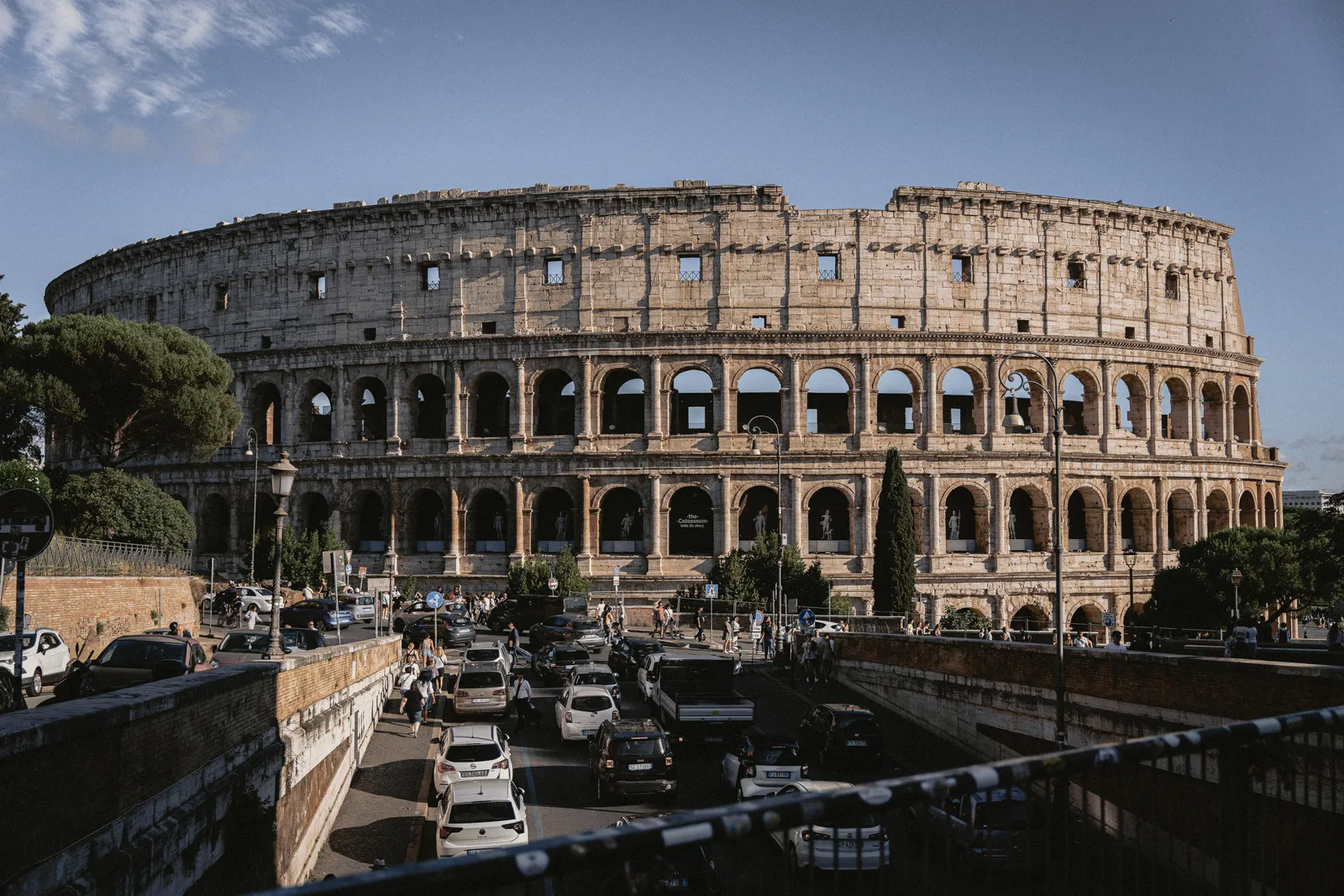
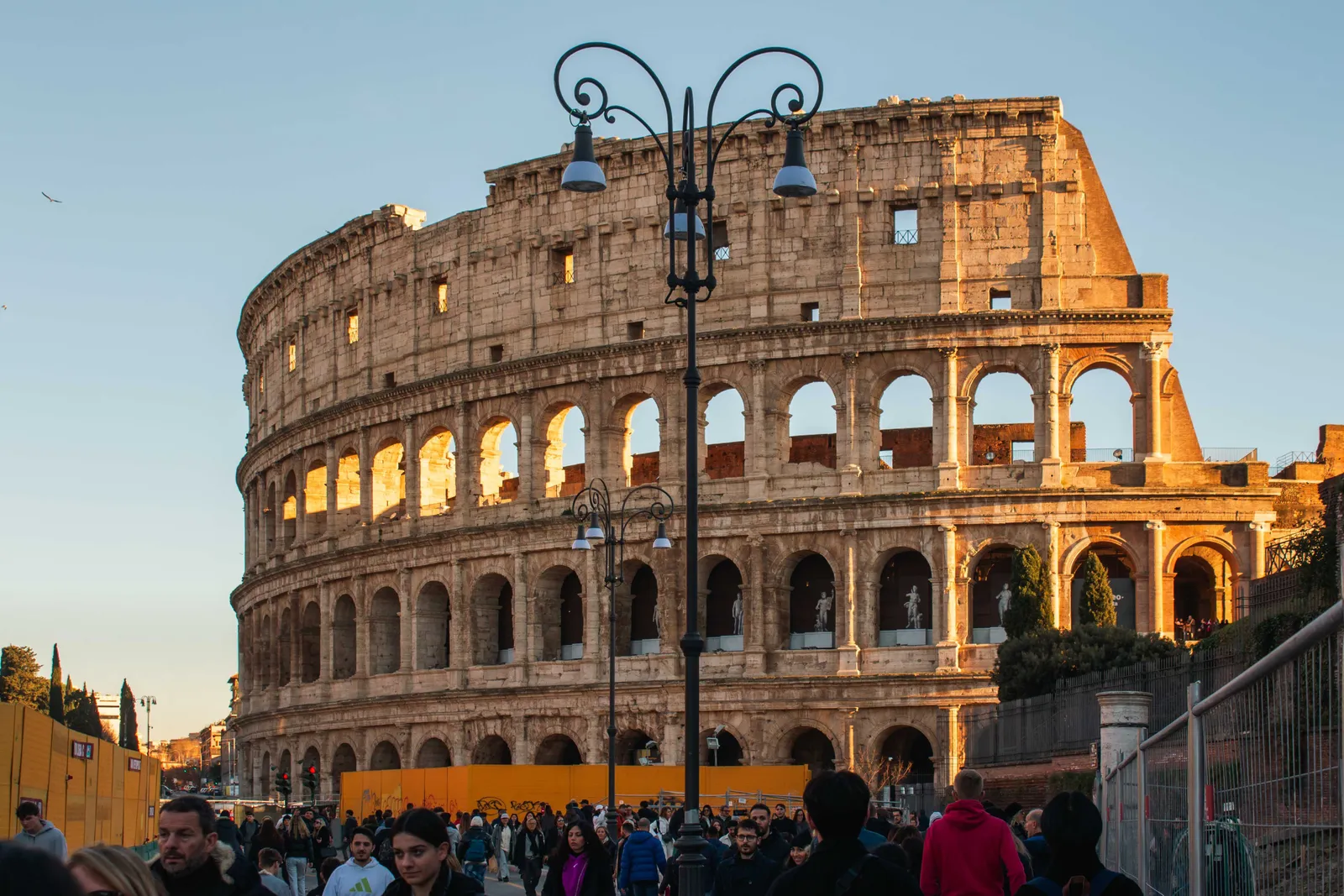
The Vatican Museums are not a Rome city attraction. Vatican City is a separate state with its own ticketing, so a municipal card is not the route in. Our guide to Colosseum tickets explains the separate booking system that governs the archaeological core, which is a different system again.
Included is not the same as booked. On any site running timed entry, a pass that covers the price still leaves you needing a slot, sometimes with its own reservation fee, and a sold-out afternoon is sold out whether or not you are holding a pass.
Where passes tend to earn their keep is for visitors doing several ticketed museums in a short window who also want the public transport element. Where they tend not to is on a first trip built around the Colosseum, the Vatican and a lot of walking, which describes most first trips.
Rather not juggle four ticketing systems?Guided visits bundle the booking and the explanation into one reservationWhat still costs nothing
It is worth saying plainly, because the drift of this article is one direction and the reality is more cheerful.
The squares and the streets, which are the reason to be here.
The great majority of the churches, several of which hold major works by the biggest names in Italian art, hanging in side chapels with a coin-operated light and no queue at all.
The drinking fountains, the small cast-iron ones running constantly across the centre, which are drinkable and cold and will save you the price of a bottle several times a day.
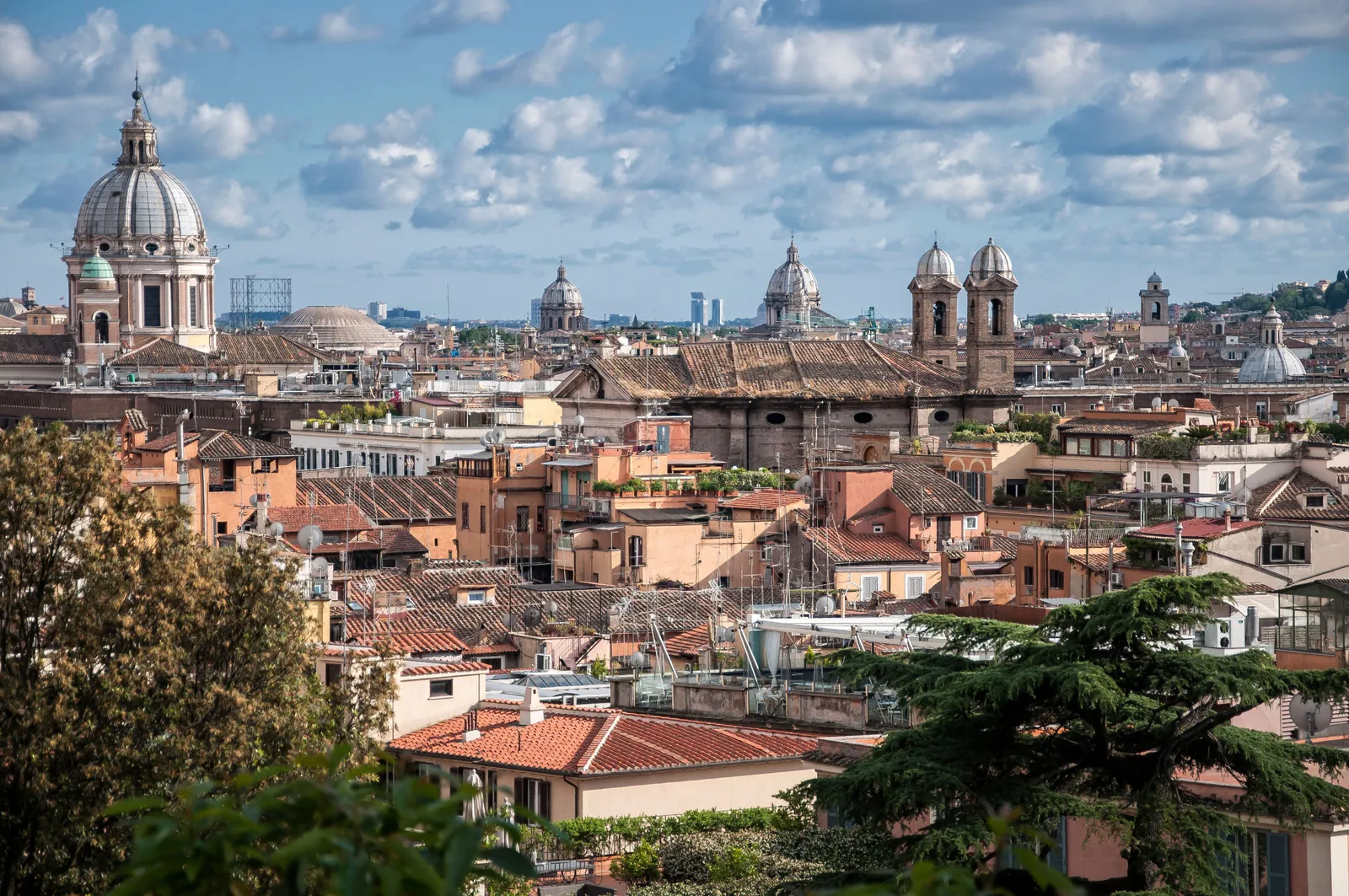
The views, from the Spanish Steps, from the Aventine, from the bridges at dusk.
State museum free days, which exist on certain dates and are correspondingly packed, and are worth taking only if you are flexible and patient.
A day spent this way is still one of the great free experiences in European travel, and the new charges do not touch it.
The short version
Budget 2 euro for the Trevi basin between nine in the morning and ten at night, later on Monday and Friday, and note that after ten it is free and lit. Assume the Pantheon charges and that any page telling you it is free was written a while ago. Expect small separate tickets for crypts, cloisters and towers rather than one big new fee. Do the pass arithmetic against your own list instead of the marketing, and remember the Vatican is not part of it. And do not let any of it distract from the fact that the best day in Rome is still the free one, which our first-time guide to Rome sets out in full.