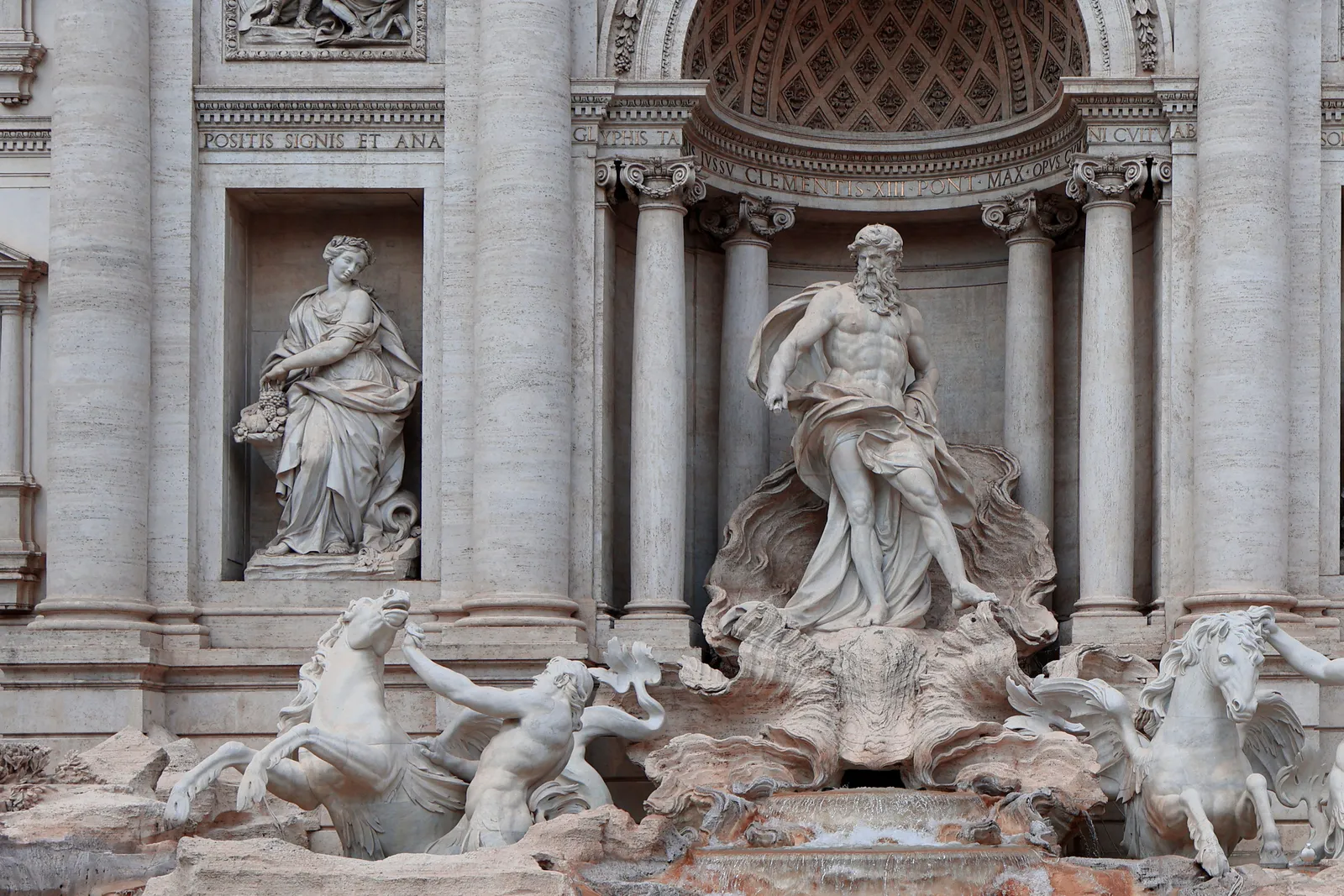
Rome’s two headline sites both need tickets, queues and a plan. The rest of the city needs a pair of shoes. Between the Pantheon, Piazza Navona, the Trevi Fountain and the streets that link them lies an area you can cross in half an hour and could spend a week in, and almost none of it costs anything. This is the day of a Rome trip that people remember, and here is how to walk it.
The route
The centre is compact enough that the order matters less than the timing, but this sequence flows without doubling back.
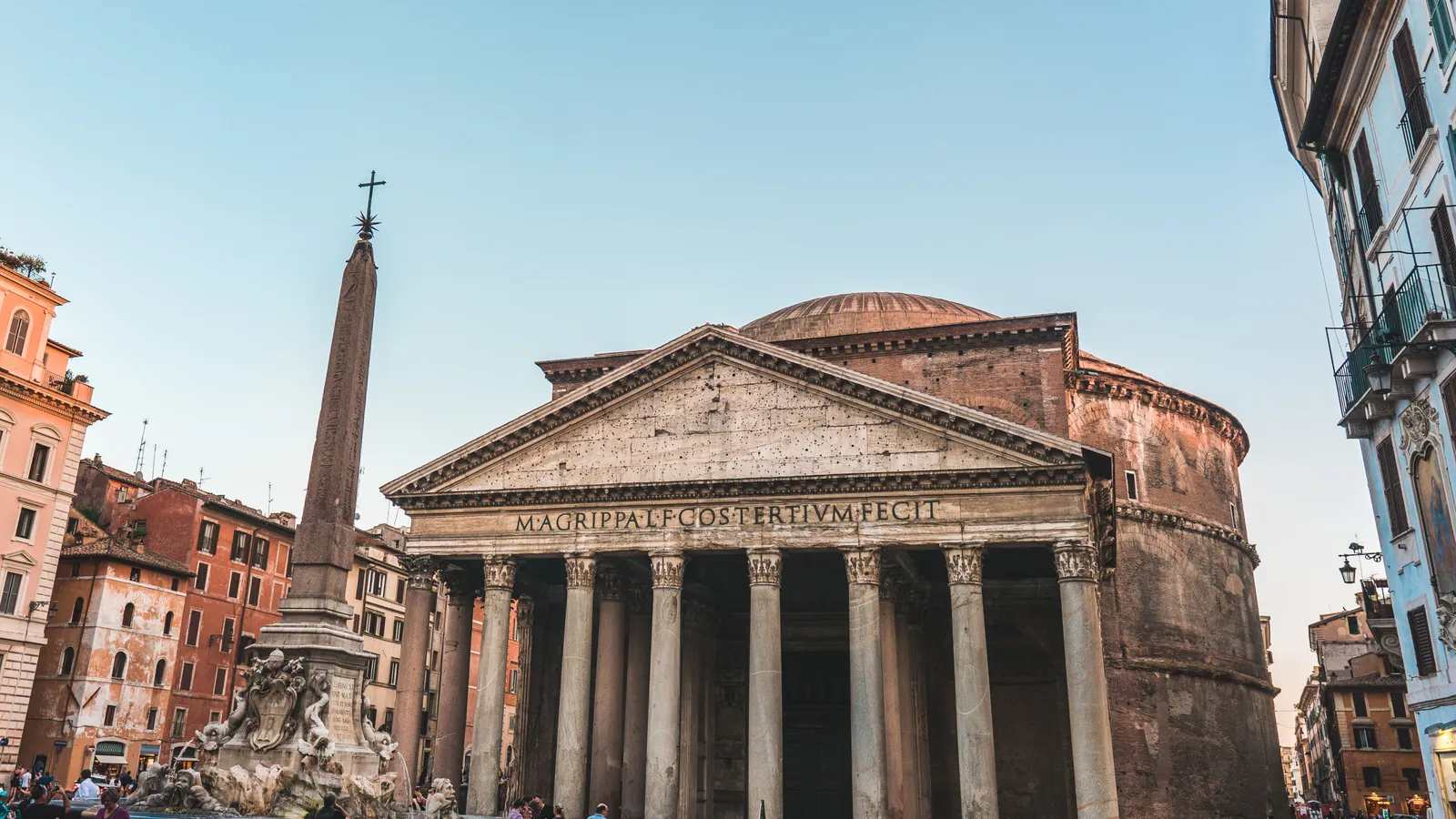
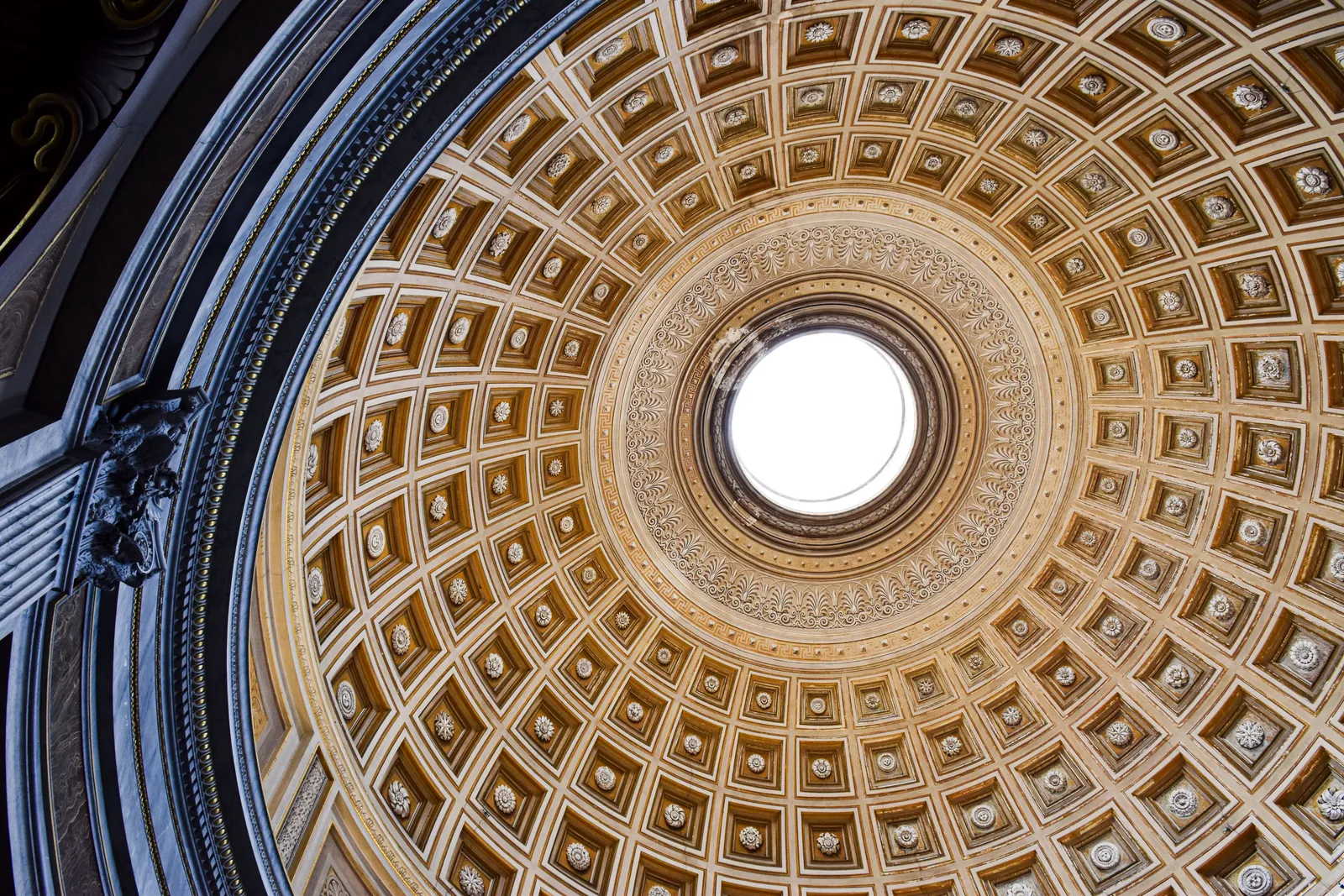
Start at the Pantheon, ideally early. It is the best-preserved building of ancient Rome, it has been in continuous use for two thousand years, and standing under the open oculus is one of the great architectural experiences anywhere.
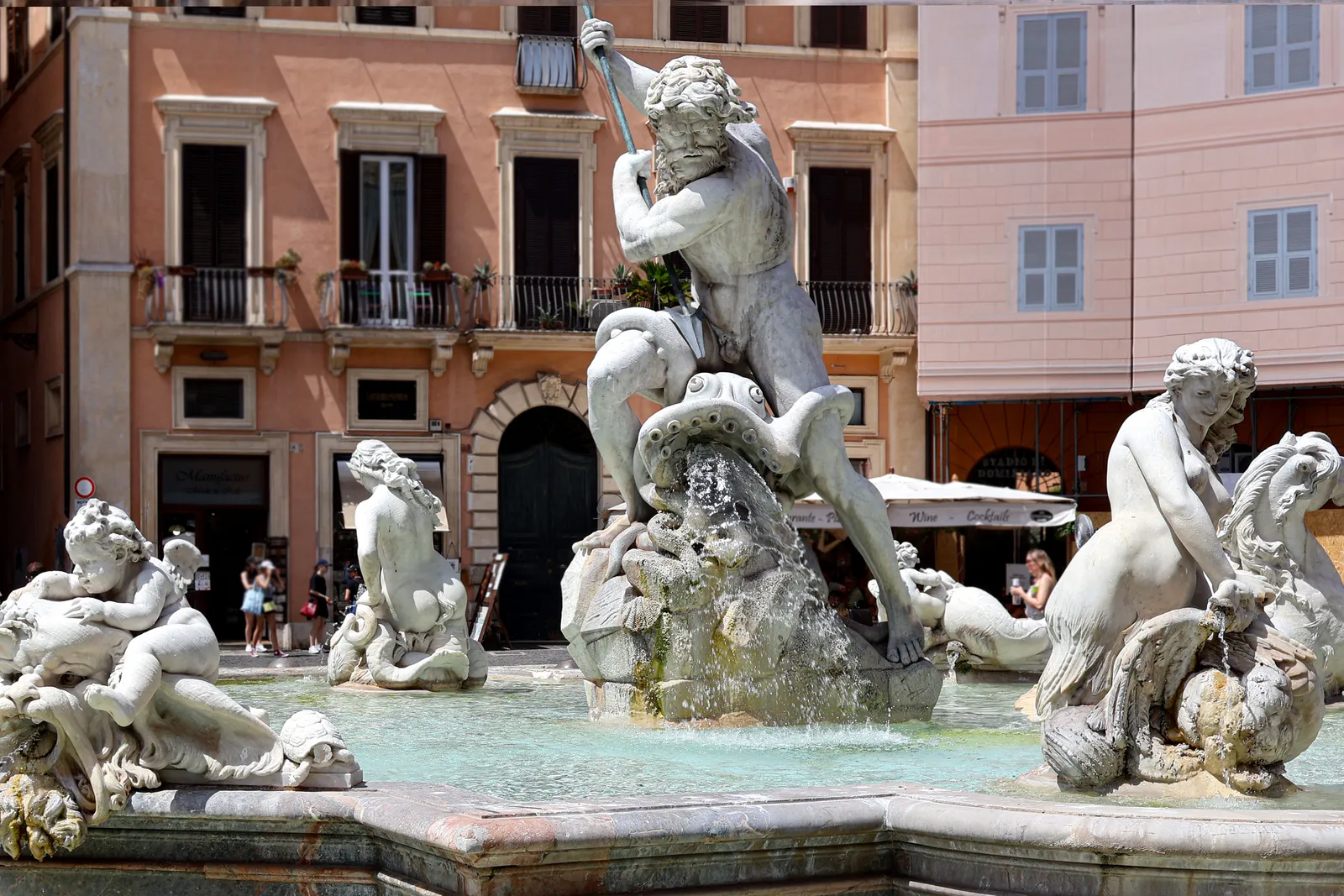
Walk to Piazza Navona, five minutes away, an elongated baroque square built on the shape of a Roman stadium, with fountains, cafes and painters.
Cut east to the Trevi Fountain, through streets that are the reason to walk rather than take a bus.
Continue to the Spanish Steps, and up them for the view back over the rooftops.
End wherever you are hungry, which in this part of Rome is not a difficult problem.
The whole loop is a comfortable morning at a strolling pace, or an entire day if you go into things.
The Pantheon
Two things are worth knowing before you arrive.
It now charges an entry fee for most visitors, having been free for many years. There are exemptions and it remains extremely good value, but a lot of older advice online still describes it as free, which catches people out. Check the current arrangement for your dates.
Go early or late. It is a working church as well as a monument, it is smaller inside than photographs suggest, and in the middle of the day it is full.
Look up, obviously, and then look down. The floor is original and slightly sloped, with drains, because the oculus is genuinely open and it genuinely rains in.
The churches nobody queues for
This is the part of central Rome that visitors miss, and it is the most extraordinary thing about the city.
Scattered through these streets are ordinary-looking churches containing major works by the greatest names in Italian art, hanging in side chapels, free to walk in and see, frequently with a coin-operated light you feed to illuminate them.
There is no queue, no ticket and, usually, no crowd. In most countries any one of these would be the centrepiece of a national collection with a gift shop attached.
The practical advice is simply to go in. If you pass an open church on this walk, step inside for two minutes. The hit rate is remarkably high, and this is where a good walking tour earns its money, because knowing which door to open is the whole skill.
Dress code applies, shoulders and knees covered, and these are working churches with services happening.
Where this day belongs
This walk is the third day of a Rome trip rather than the first, and the reason is that it is the flexible one.
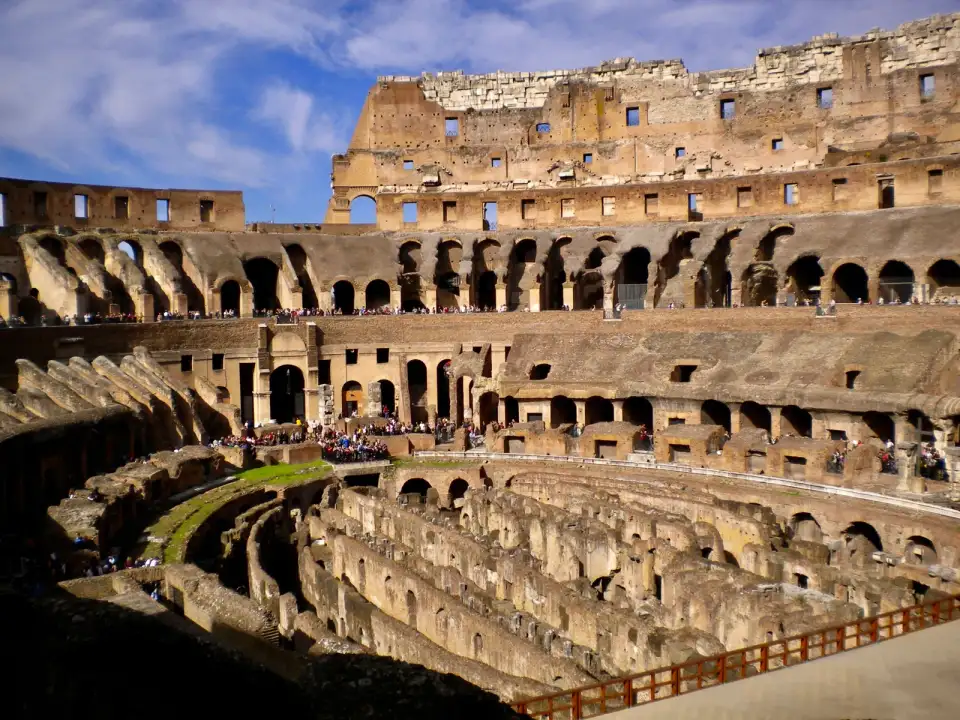
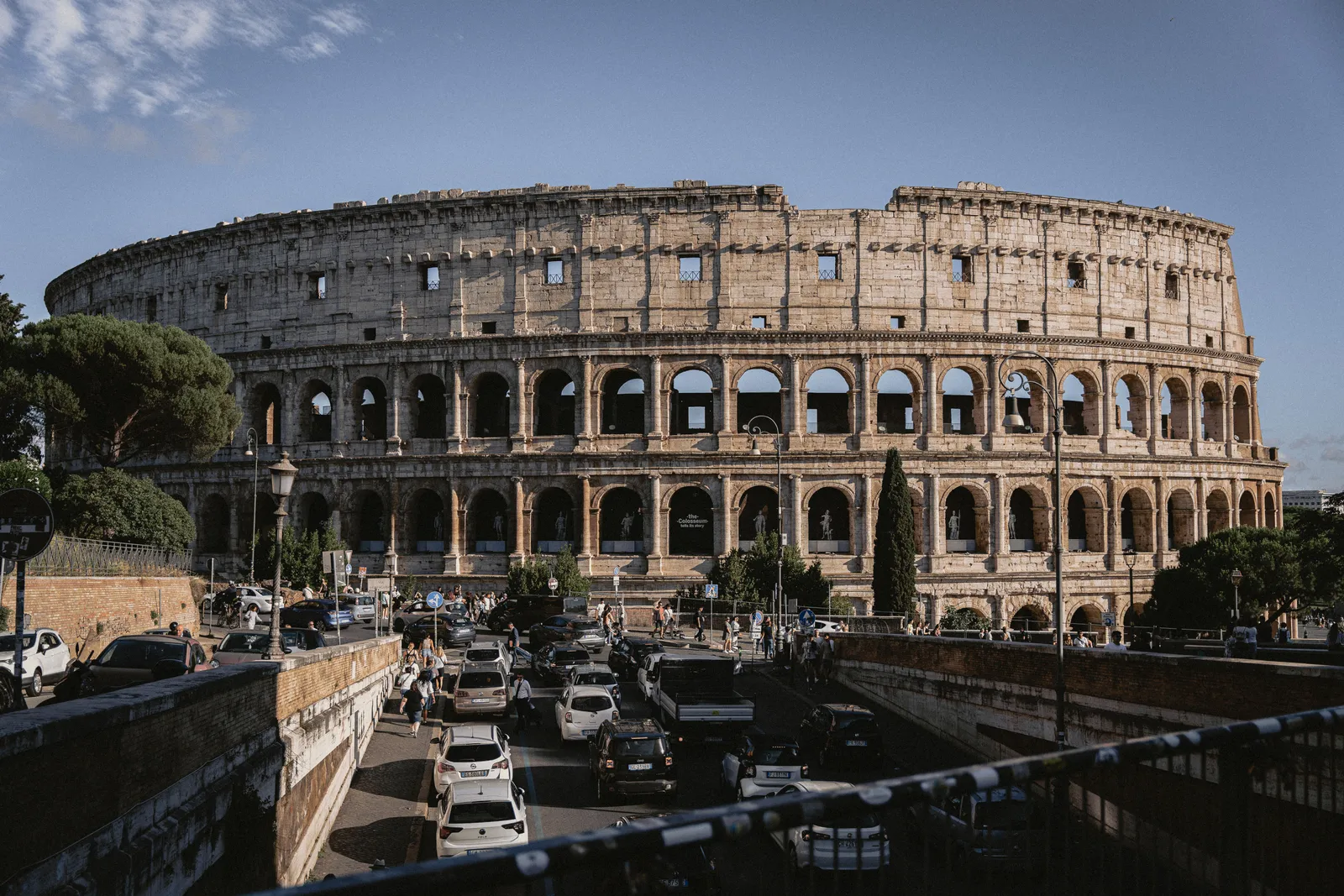
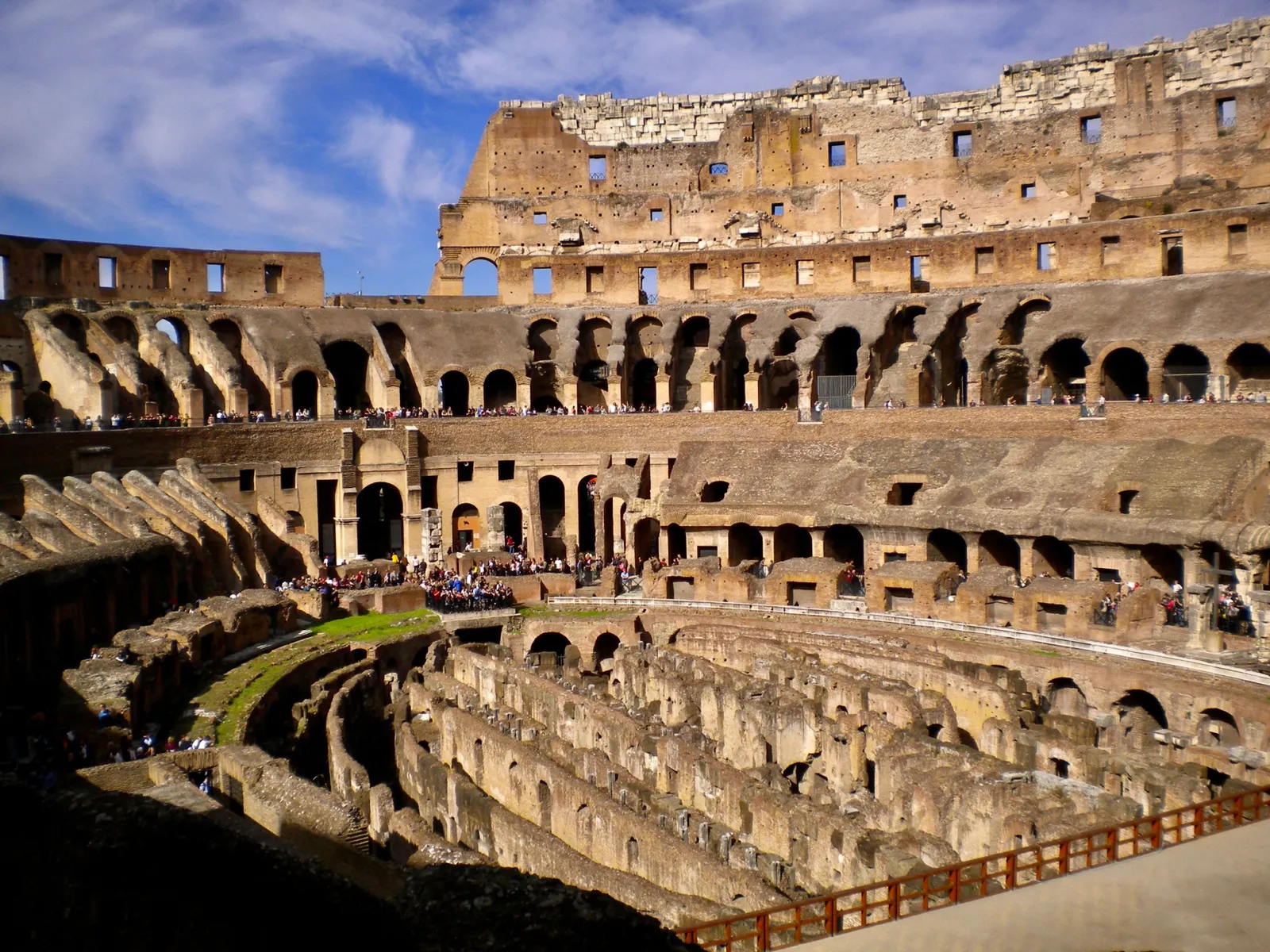
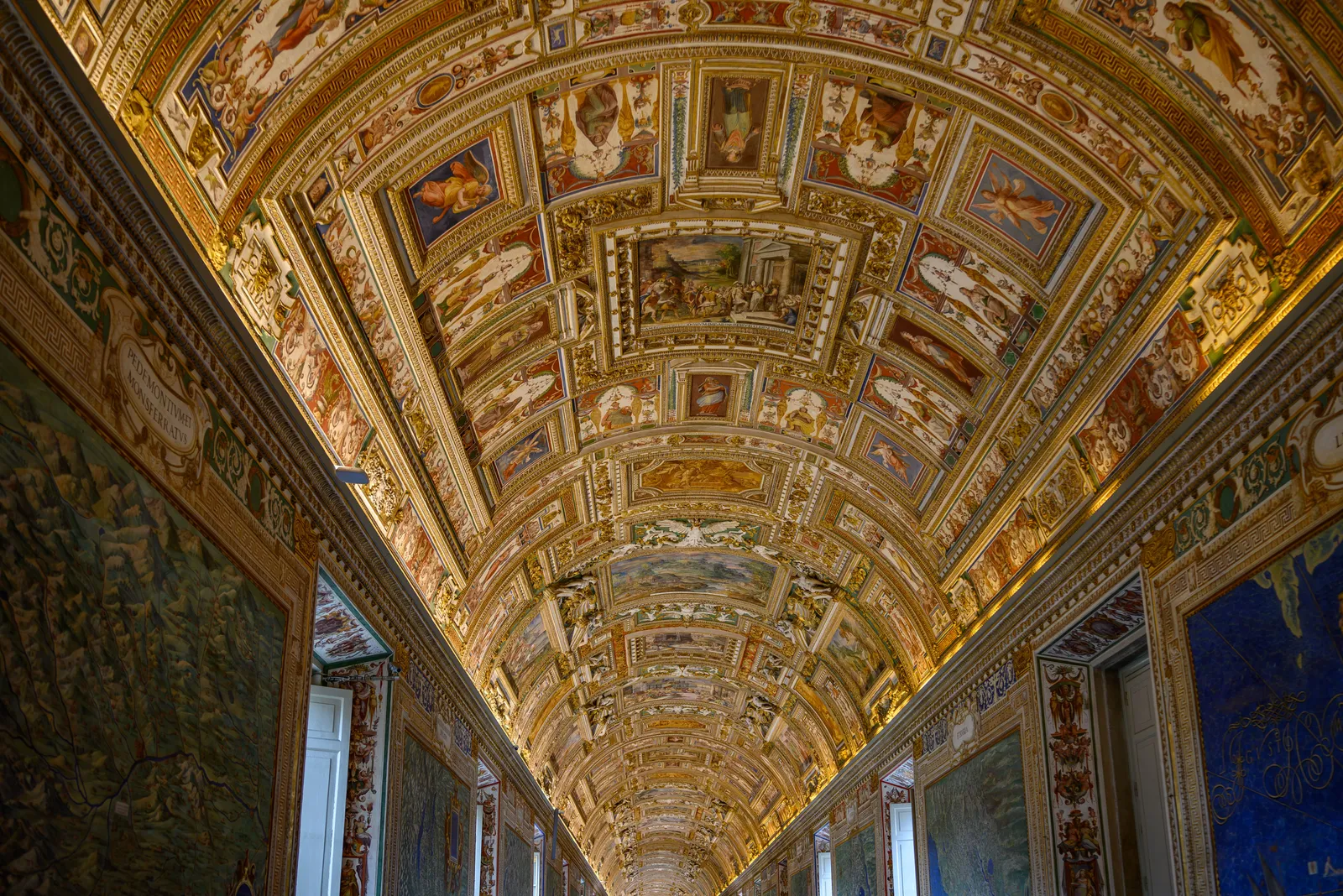
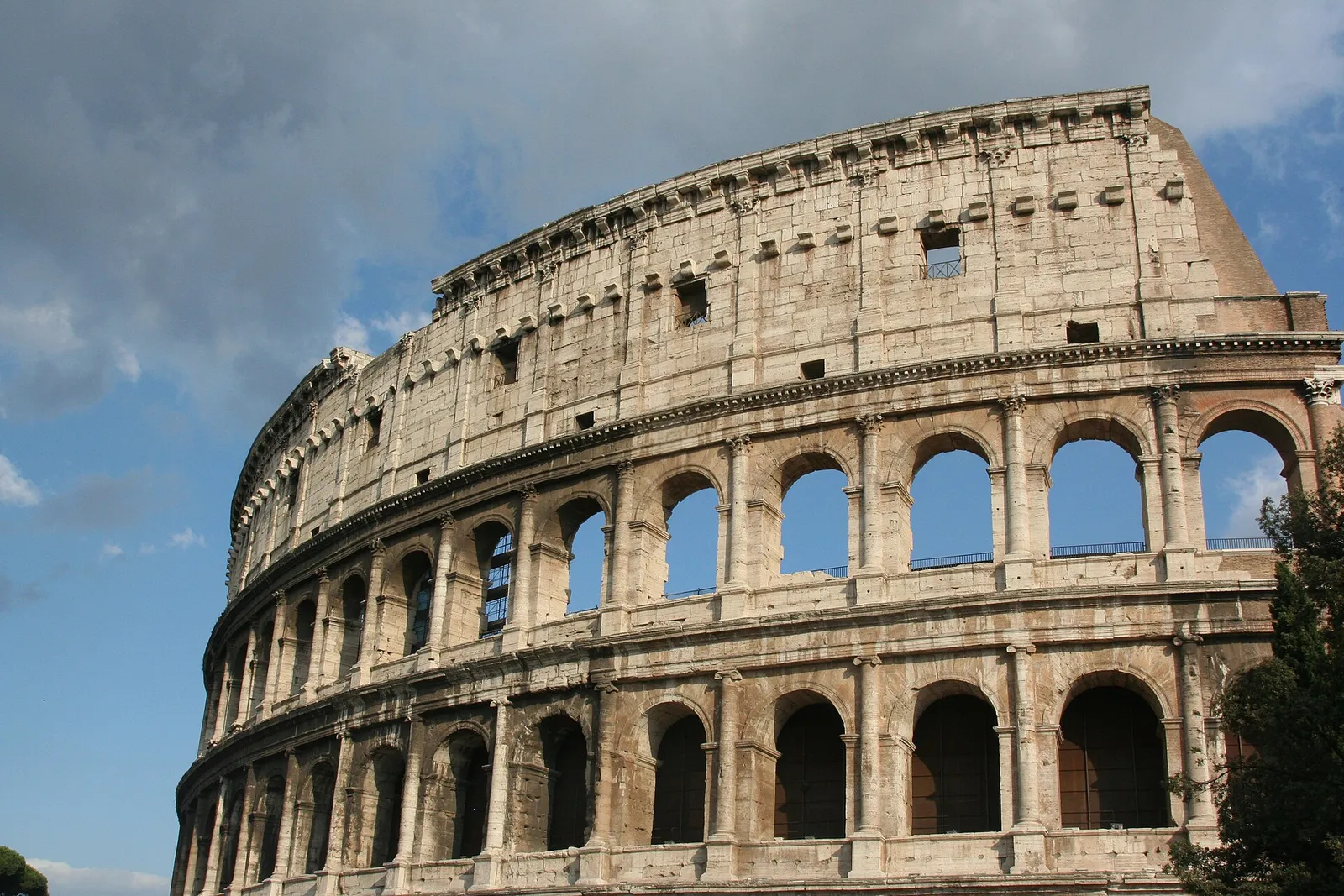
By day three you know the city’s geography, you have earned a day without a schedule, and if the weather turns or your legs give out you can shorten it without losing a booking. It is also the antidote to the two demanding days before it: the ancient core, which our guide to Colosseum tickets covers, and the Vatican, which our guide to the Vatican Museums and the Sistine Chapel covers.
Both of those are morning events that leave you tired. This is a day you can start at ten and finish whenever.
Practical notes
Water is free and everywhere. The small cast-iron street fountains running constantly across the centre are drinkable, cold, and one of the quiet pleasures of the city. Carry a bottle and refill.
Shoes, again. Cobbles, all day.
Coins for the church lights, which is a genuinely useful thing to have in your pocket here.
Watch your bag in the crowd at the Trevi and on the busiest streets. This is where the city’s one persistent nuisance concentrates and it is opportunistic rather than threatening.
Eat two streets off the square, always. The restaurants directly facing the famous sights are the worst value in Rome by a wide margin, and the difference in quality across a hundred metres is remarkable.
Evening is the best time for the squares and the lit fountains, and it is when Romans are out.
For the wider groundwork of a first visit, from the eating hours to how the neighbourhoods fit together, our first-time guide to Rome covers what this walk assumes.
The short version
Walk the Pantheon, Piazza Navona, the Trevi Fountain and the Spanish Steps as one loop, in whatever order suits your morning. See the Trevi before eight, because after that it is a crowd rather than a fountain. Go into every open church you pass, since several hold masterpieces with no queue and no ticket. Carry a bottle for the street fountains and coins for the chapel lights, eat two streets away from the famous squares, and give this day no schedule at all.