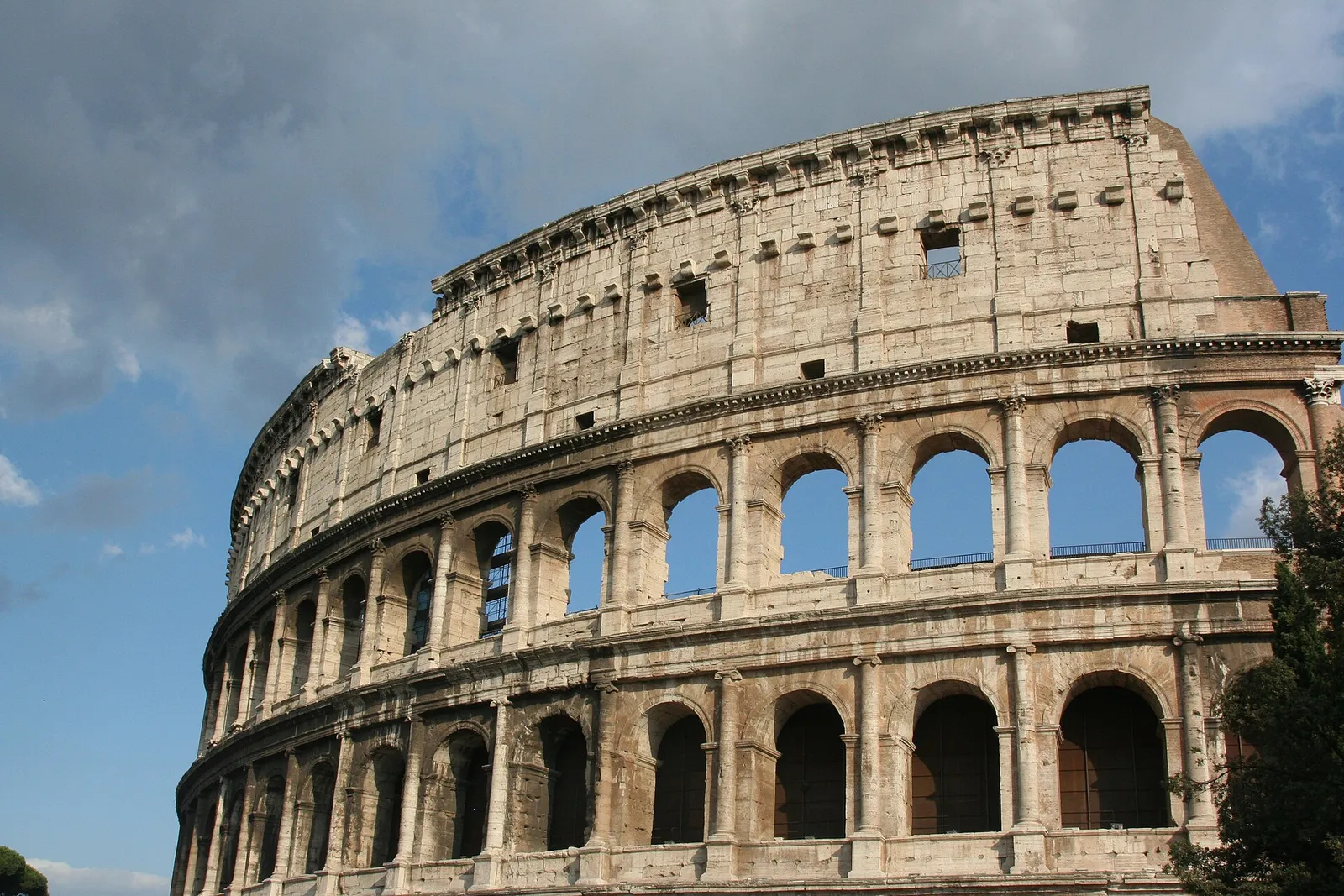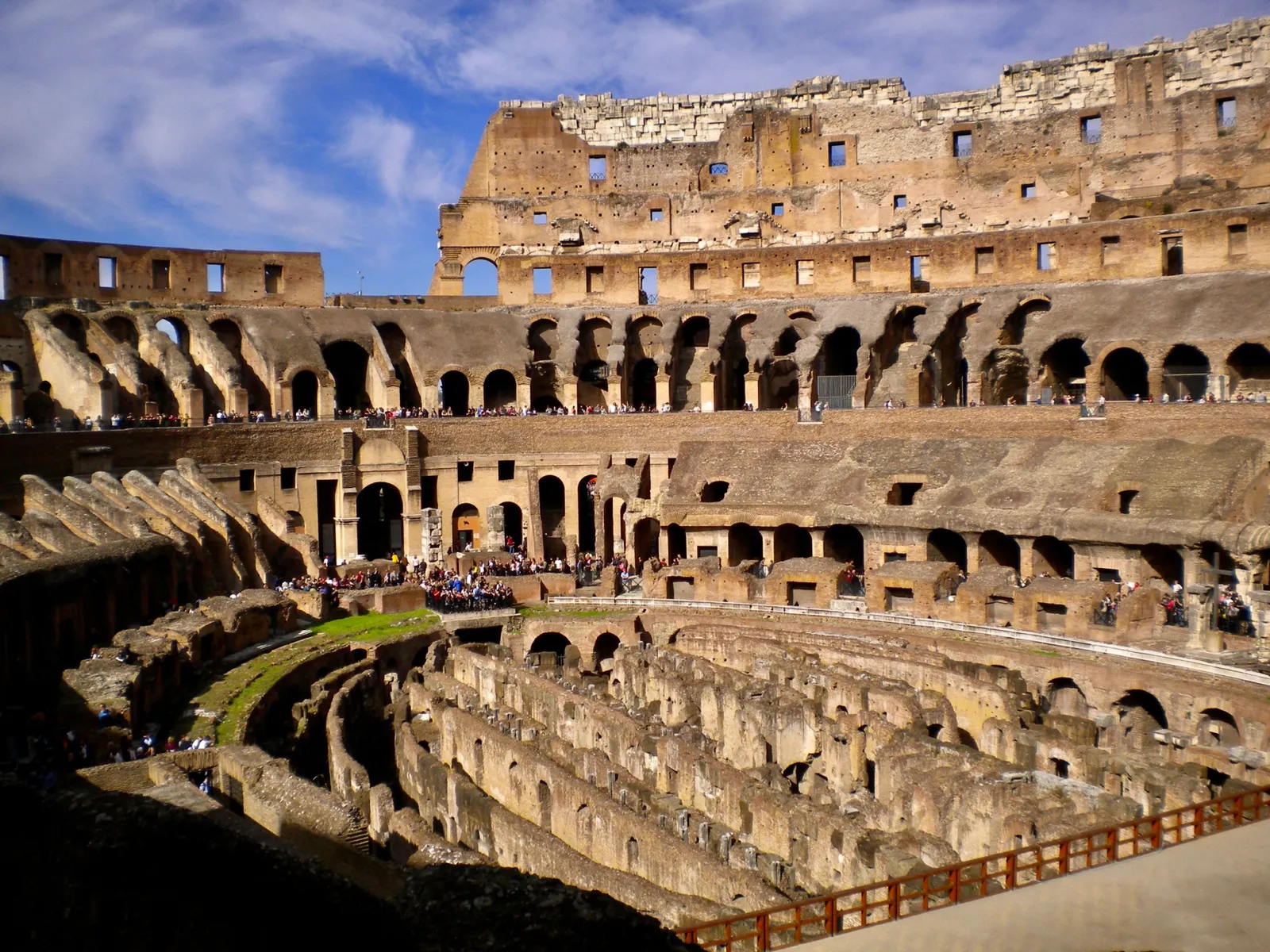
The Colosseum is the most visited monument in Italy and its ticketing is the part of a Rome trip most likely to go wrong. Entry is timed, release is limited, several different tickets cover different amounts of the building, and there is an entire industry between you and the official price. None of it is complicated once you know the shape. Here is the shape.
What you are actually buying
The first thing to understand is that this is one site with three parts, sold together.
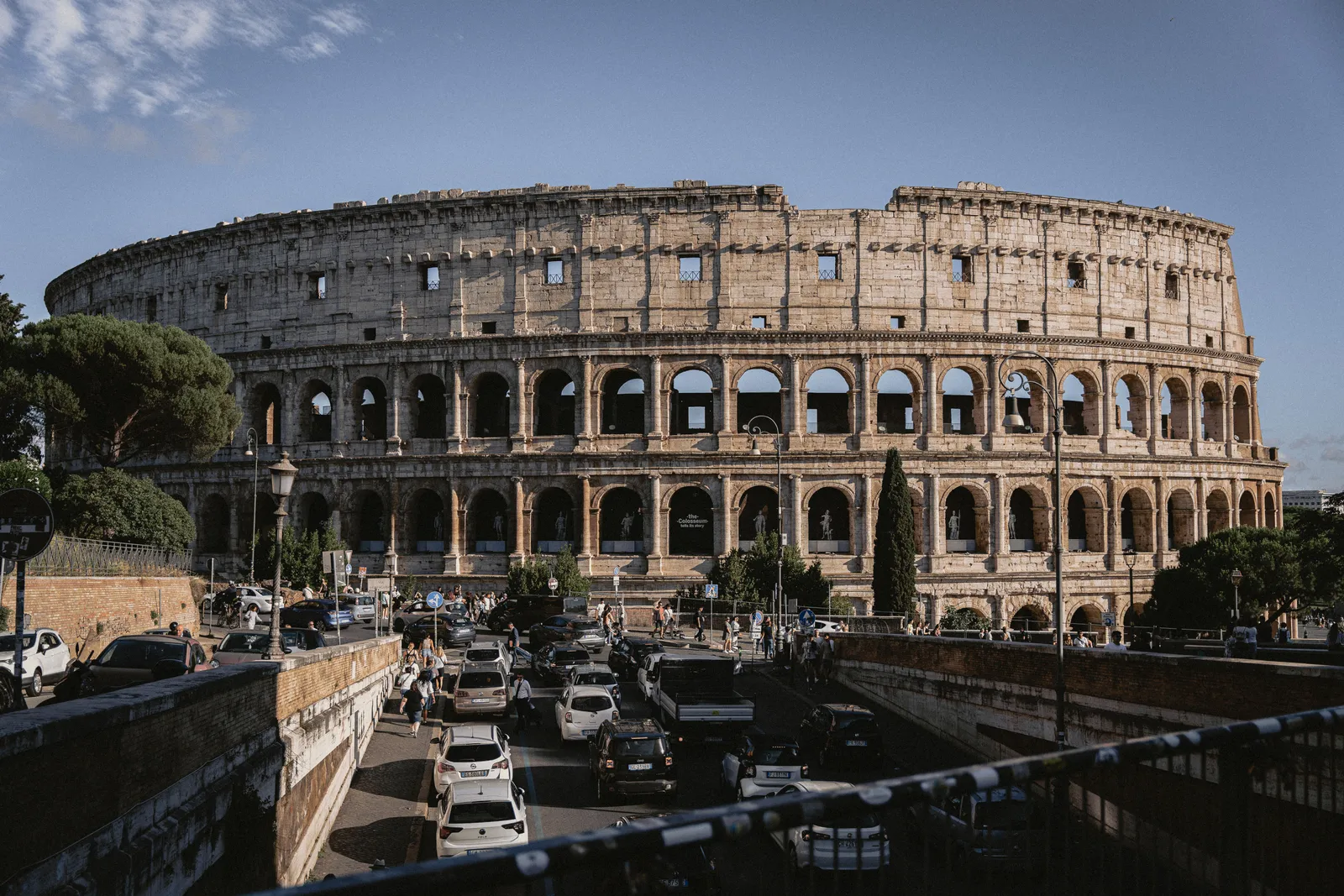
The Colosseum, the amphitheatre itself, where the standard ticket gets you onto the viewing tiers.
The Roman Forum, the civic centre of the ancient city, immediately alongside.
The Palatine Hill, the imperial residential hill above the Forum.
A standard combined ticket covers all three, and they are genuinely a half day together rather than an hour with two extras. Visitors who budget ninety minutes for “the Colosseum” have accounted for a third of what they bought.
The upgrades, and which is worth it
Two additions are sold separately and they are not equivalent.
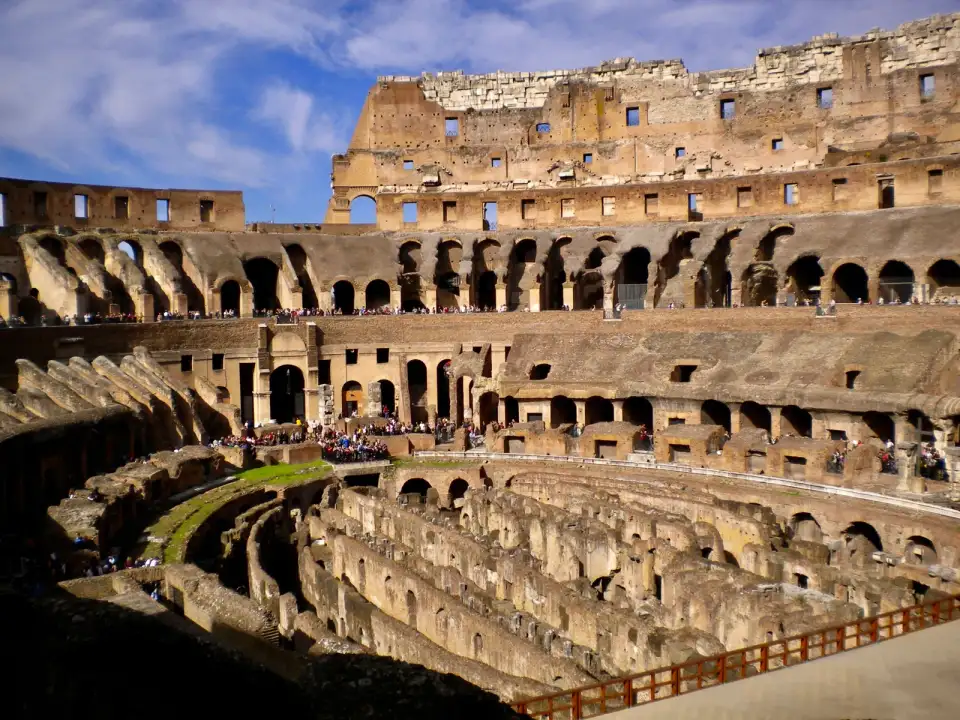
The underground. Beneath the arena is a complex of tunnels, chambers and lift shafts that housed the animals, the machinery and the people. It is the part that explains how the spectacle worked and it is invisible from the tiers above. Most visitors who pay for it say it was the best part of the visit.
The arena floor. A reconstructed platform at the level the combatants stood on, giving the view from the middle. It is a memorable photograph and less of a revelation than the underground.
Both release in much smaller numbers than standard entry and both disappear far earlier, which is the practical difference that matters more than the price.
Timing your visit
The crowds here are predictable, which makes them manageable.
The first slot of the day is the quietest and, in summer, by far the most comfortable.
The middle of the day is the worst on both counts. The Forum has almost no shade, and in July and August it is genuinely punishing between about noon and four.
The last couple of hours before closing thin out again and give the ruins the best light of the day.
Security queues exist on top of your timed slot, so arrive with margin rather than on the minute.
Getting the most from the Forum
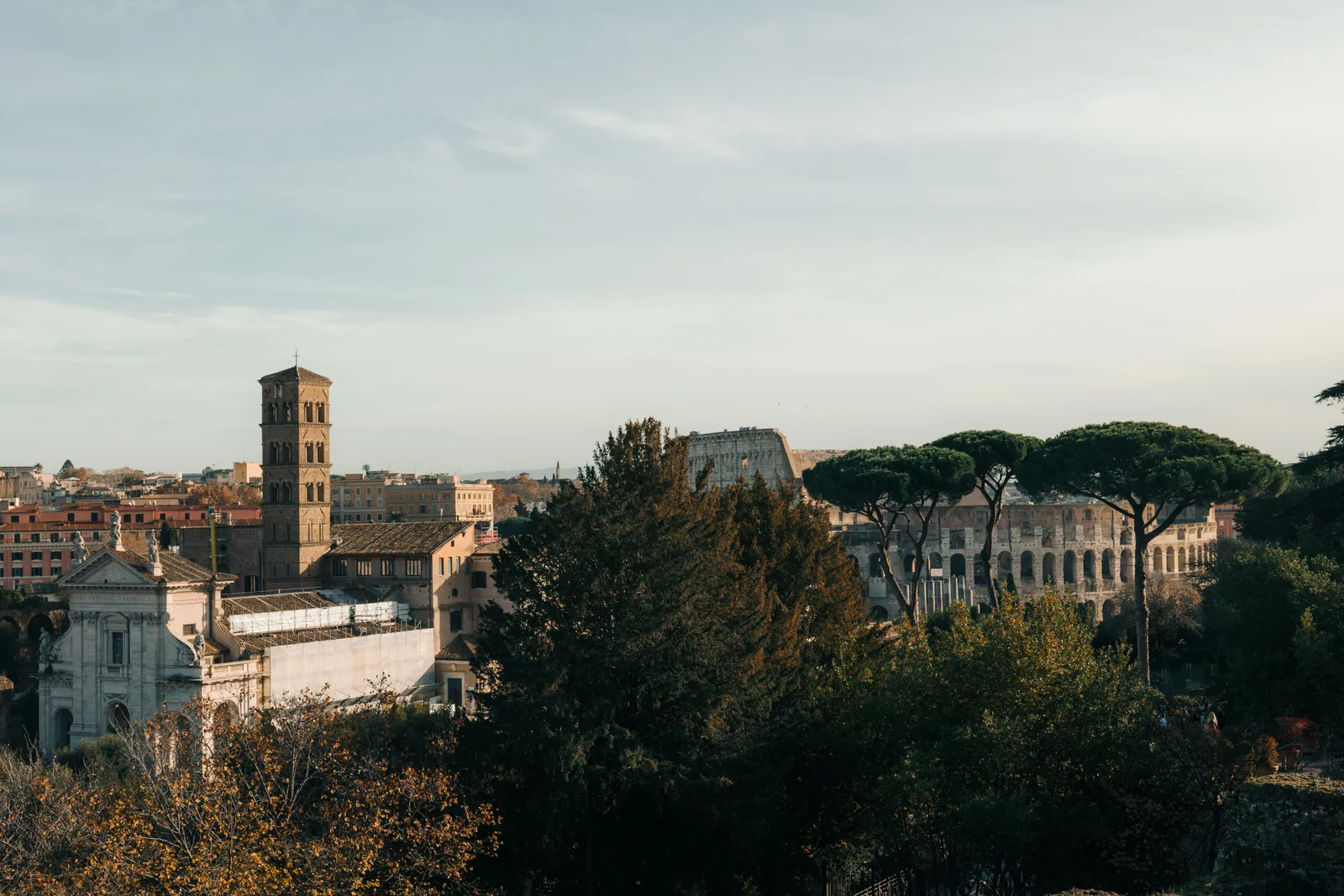
This is the part of the site that visitors consistently underrate, and the reason is simple: without context it is a field of broken columns.
A guide or a good audio guide transforms it. The difference between “some ruins” and the actual civic heart of an empire is entirely in the explanation.
Go up the Palatine for the view down over the Forum, which is the single best way to understand its layout.
Allow two hours, more if the weather is kind, and bring water and a hat, because there is nowhere to hide from the sun.
Fitting it into the trip
The ancient cluster is a half day and it belongs at the start of a Rome trip rather than the end, because it makes sense of everything you see afterwards.
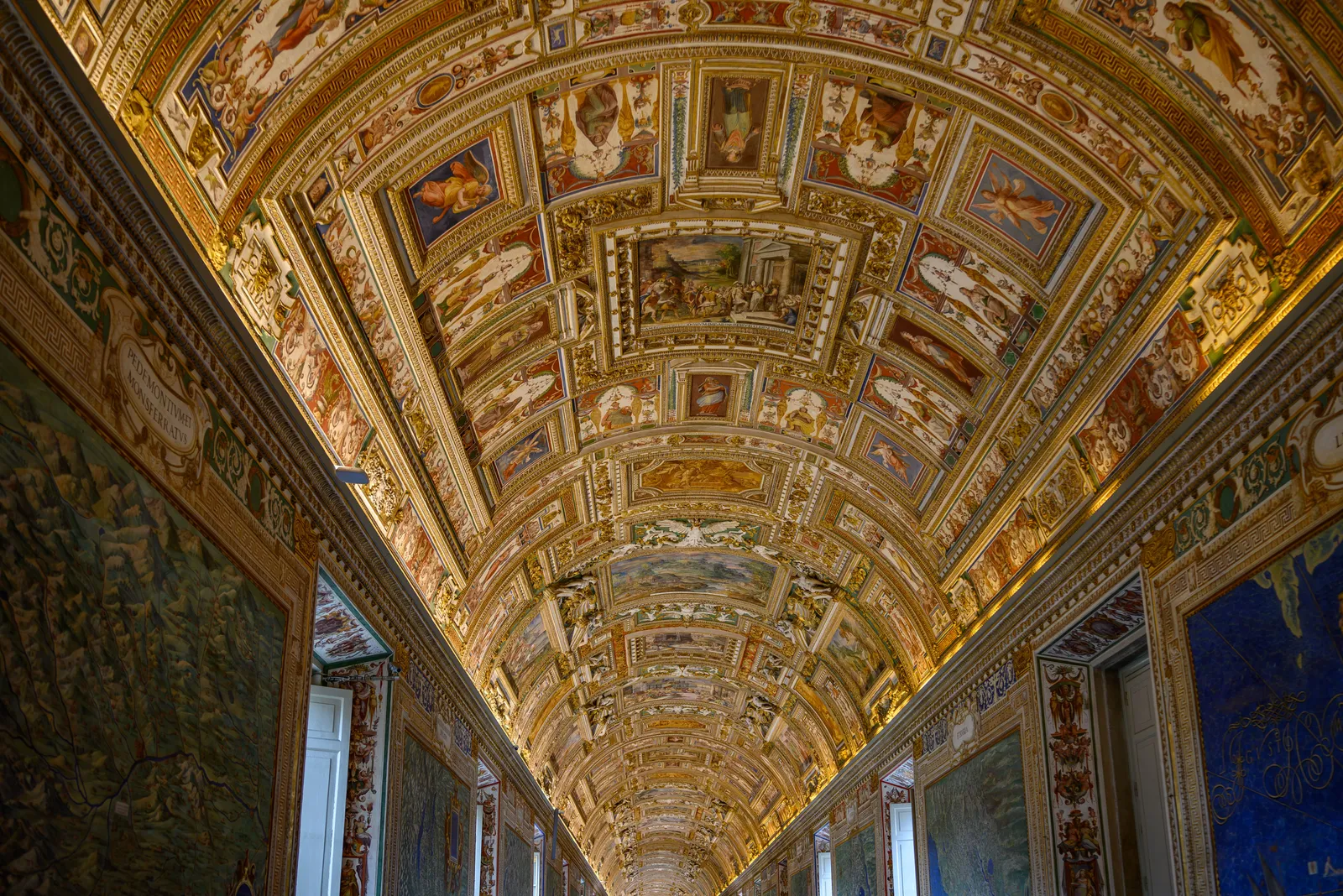
It also should not share a day with the Vatican. Both are on opposite sides of the centre, both involve queues, and both deserve a fresh morning. Our guide to the Vatican Museums and the Sistine Chapel covers the other headline booking and why it needs an early start of its own.
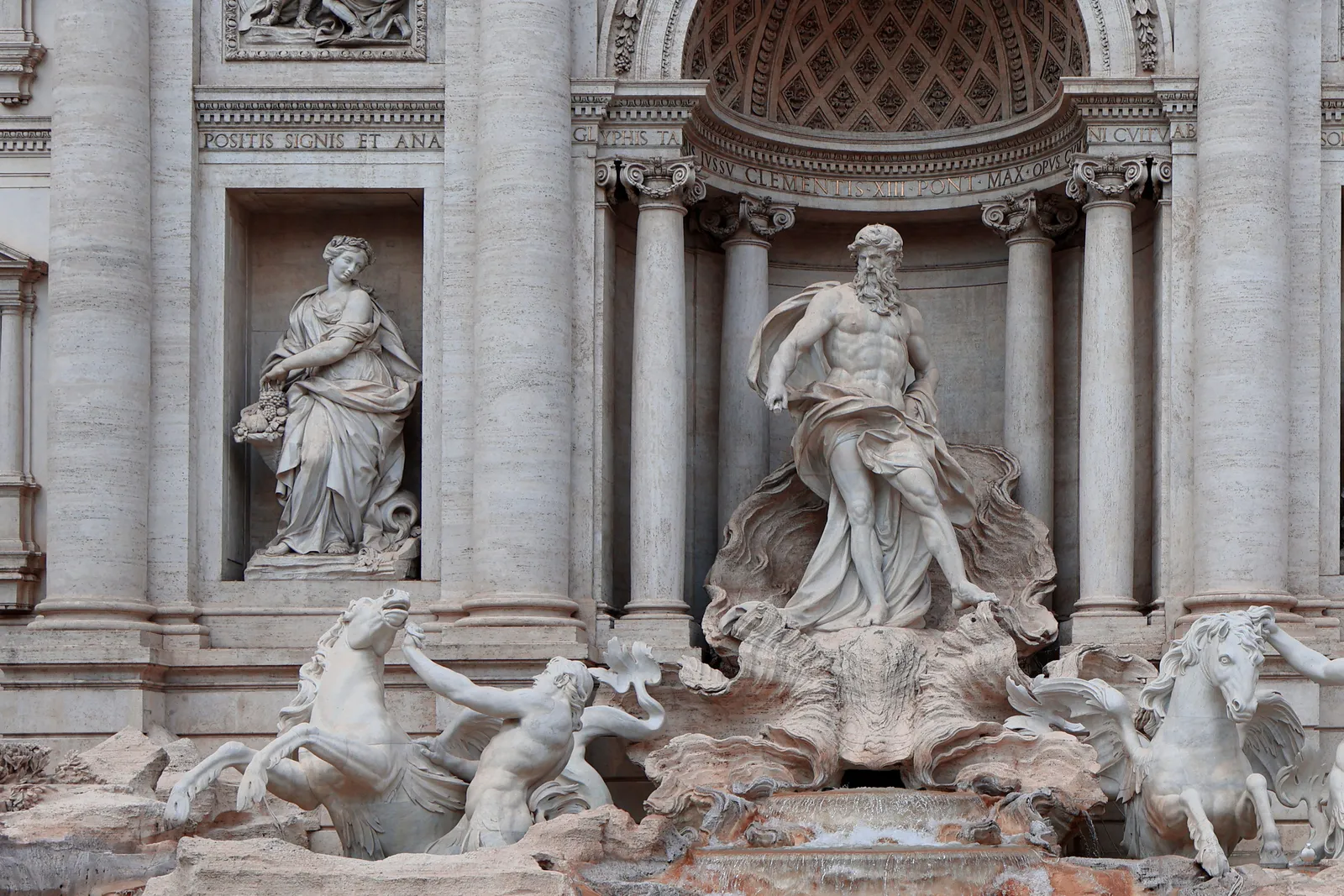
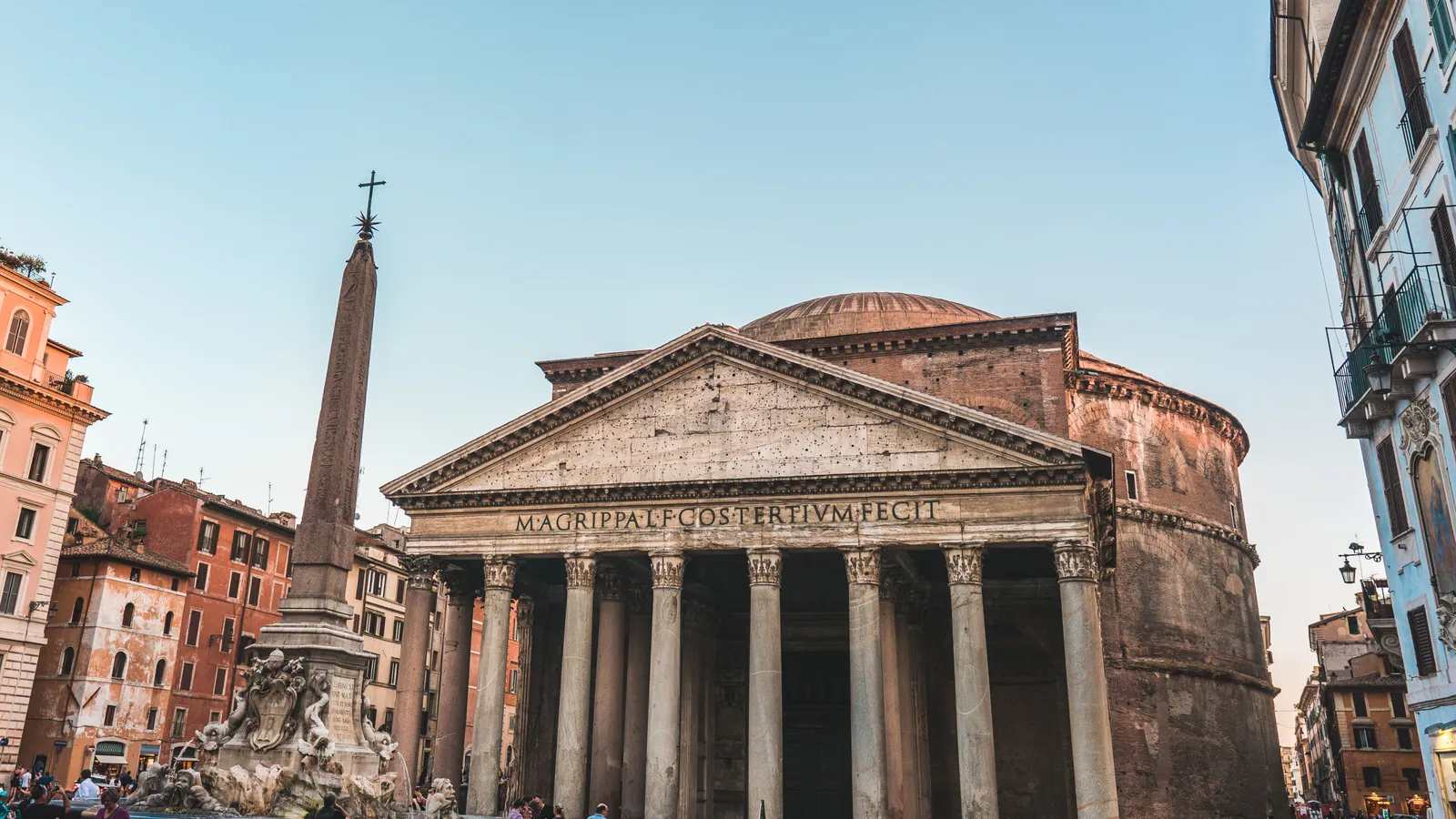
The day after ancient Rome is the right moment for the free half of the city, which needs no tickets at all: our walking guide to the Trevi Fountain, the Pantheon and central Rome sets out a route through it.
Practical notes
Bring the booking on your phone and a backup. Signal around the site is patchy at busy times.
Large bags are not permitted and the cloakroom is limited, so travel light.
Shoes matter. The surfaces inside the Forum are original and uneven.
Free entry days exist at Italian state sites on certain dates, and they are extremely busy, which is a fair trade only if you are flexible.
Concessions apply for various categories including younger visitors, and are frequently unclaimed simply because nobody asks.
For the wider groundwork of a first Rome trip, our first-time guide to Rome covers the neighbourhoods, the eating hours and everything this article assumes.
The short version
Book ahead on the official site, take the earliest slot you can face, and know that your ticket covers the Forum and the Palatine as well, which together are the larger half of the visit. Pay the extra for the underground if it is still available, since that is where the building explains itself. Give the Forum two hours and a guide, bring water and real shoes, and do not put the Vatican on the same day.