Rome is not a museum you visit, it is a city you fall into. Ancient ruins sit next to espresso bars, baroque fountains splash on corners you turn by accident, and dinner is often the best part of the day. It can also overwhelm a first-timer: too many sights, long queues, and the sense that you are missing something around every corner. You are not. A little structure up front, and Rome opens up like nowhere else.
Three days, three Romes
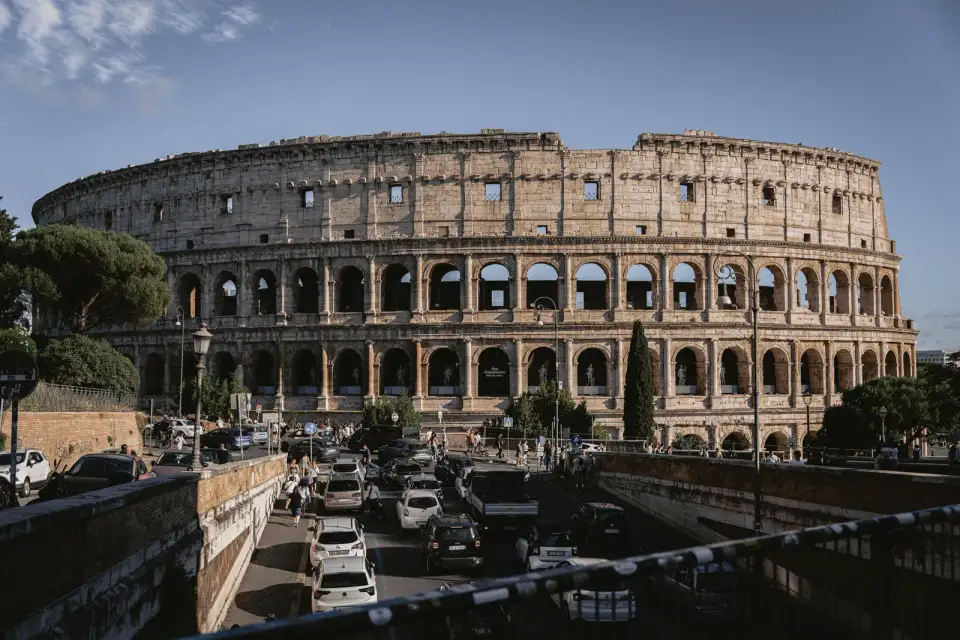
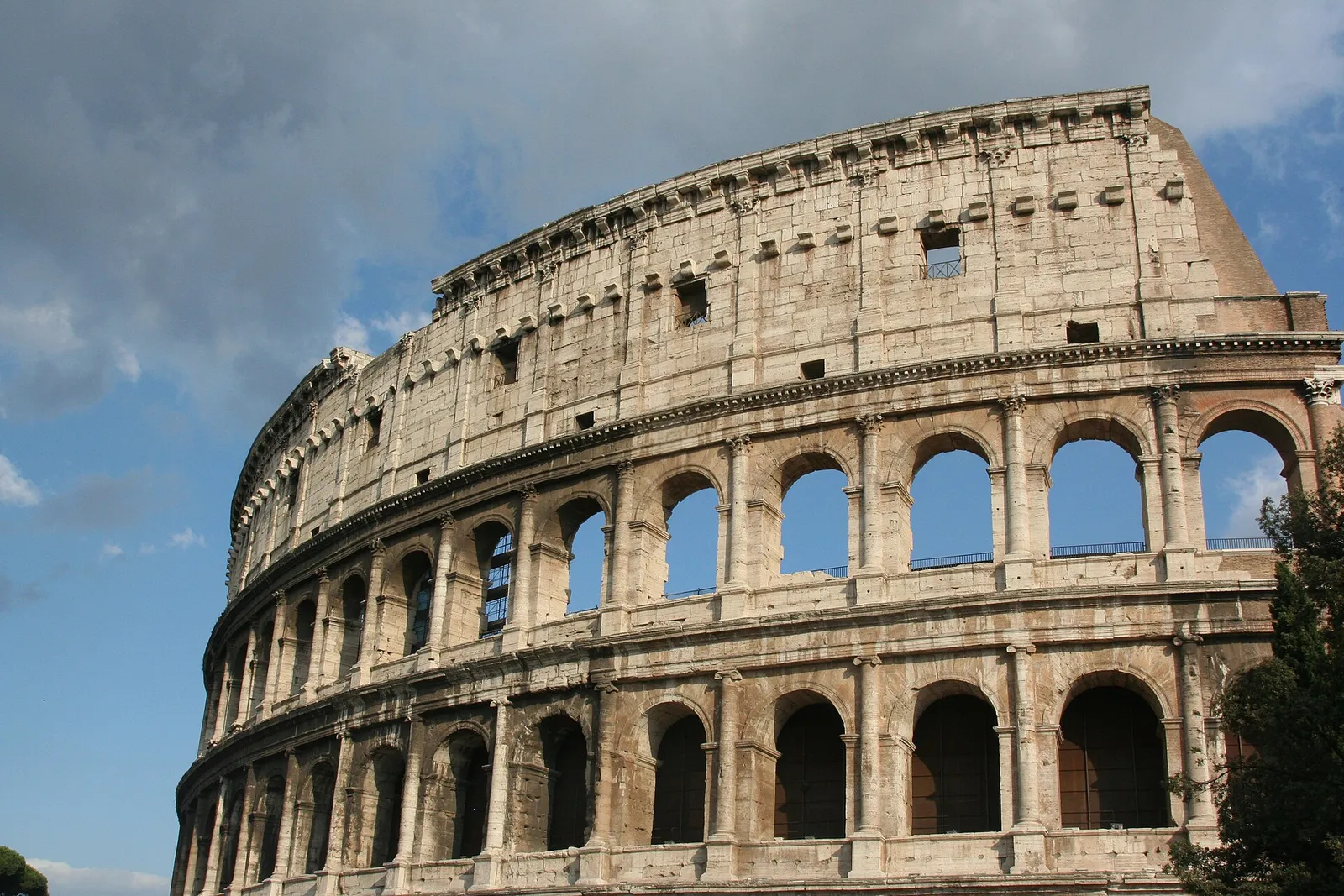
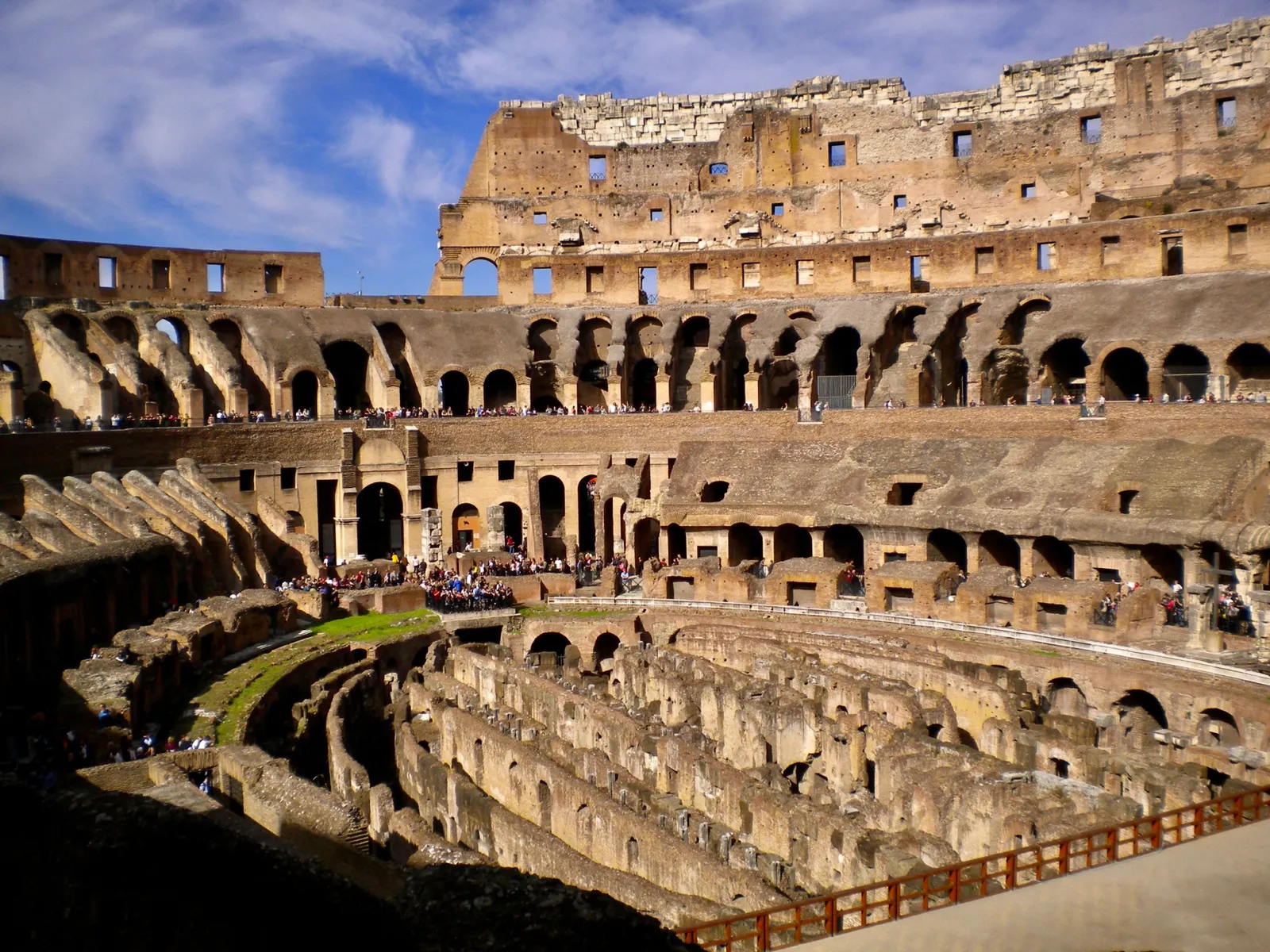
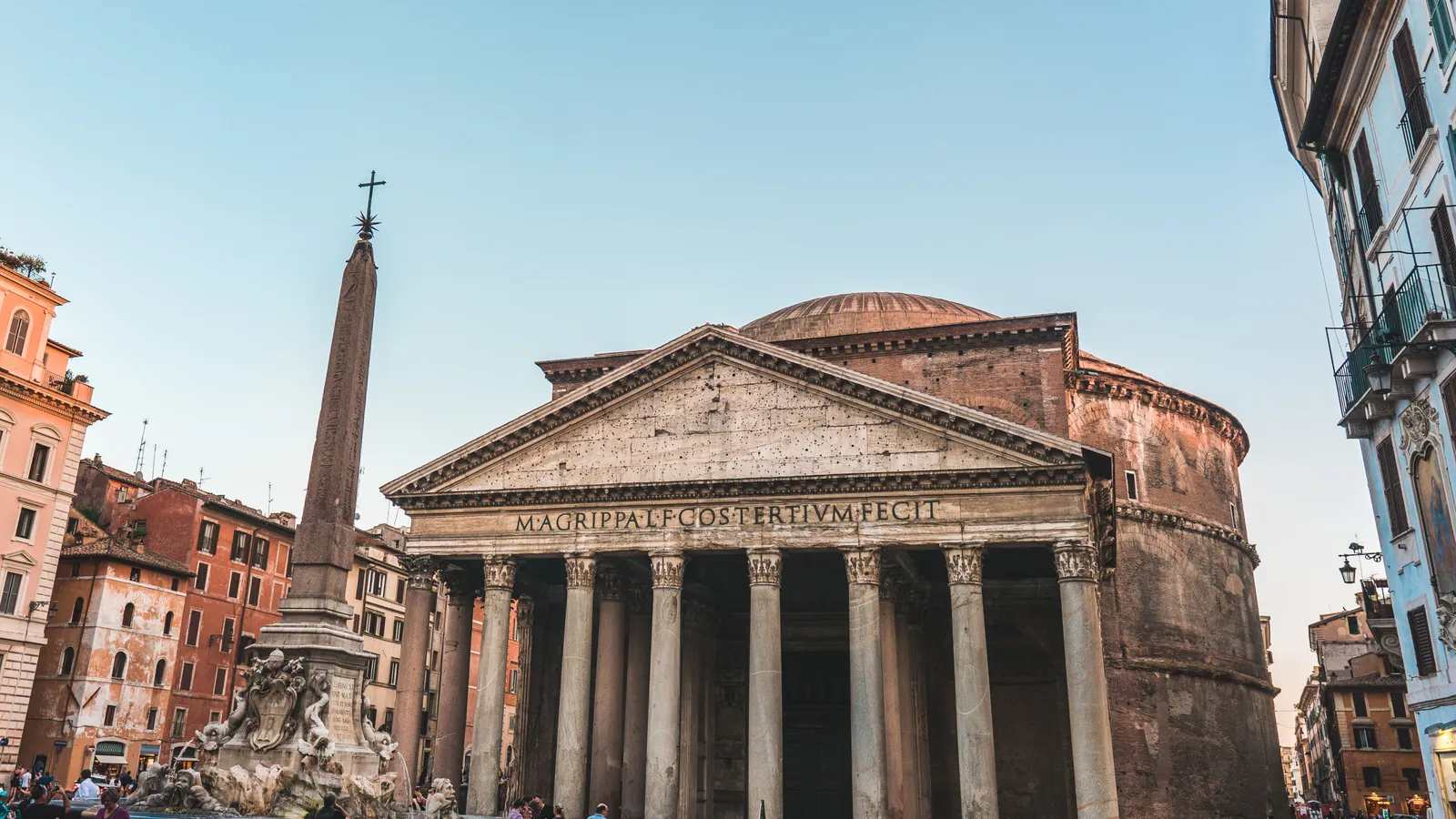
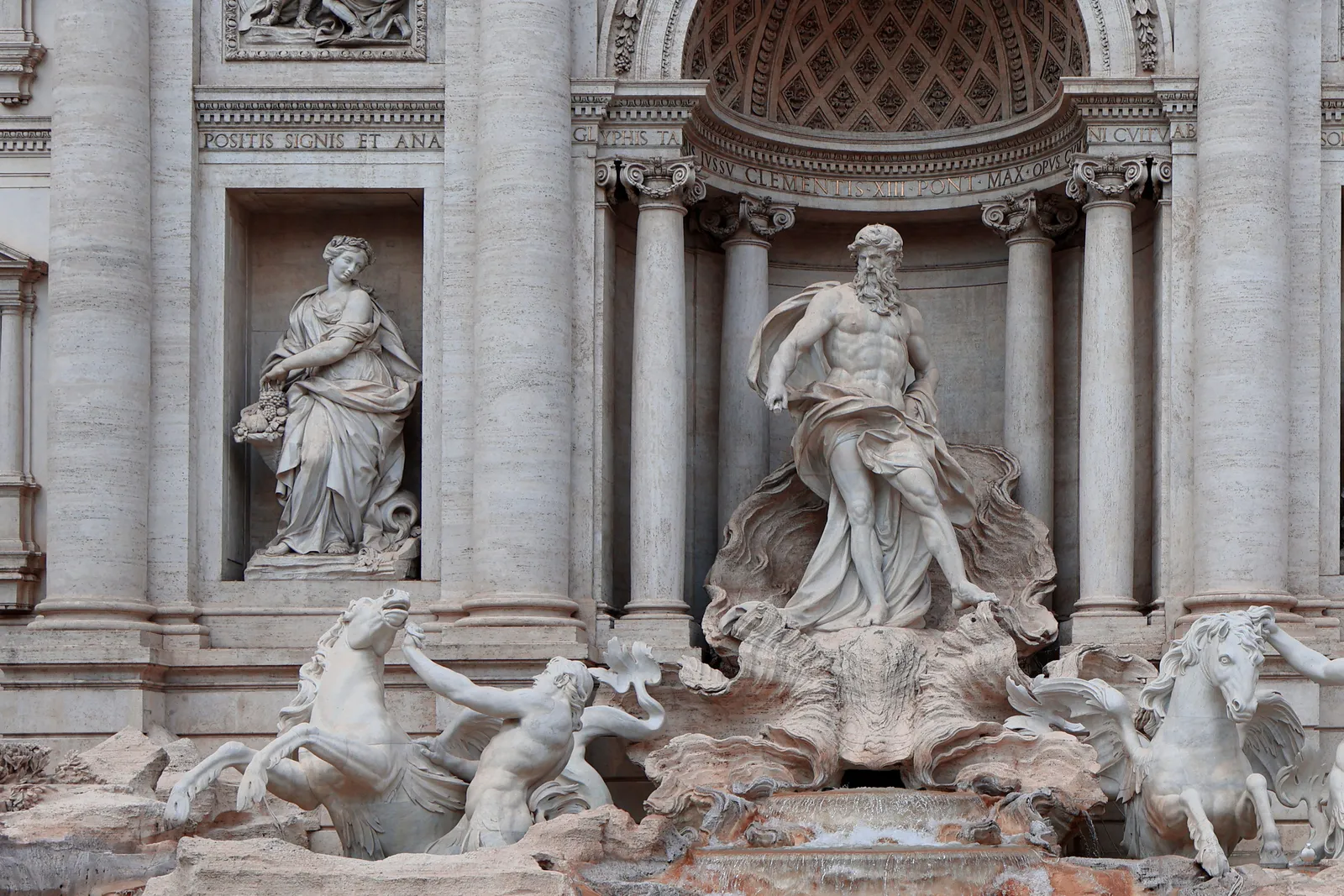
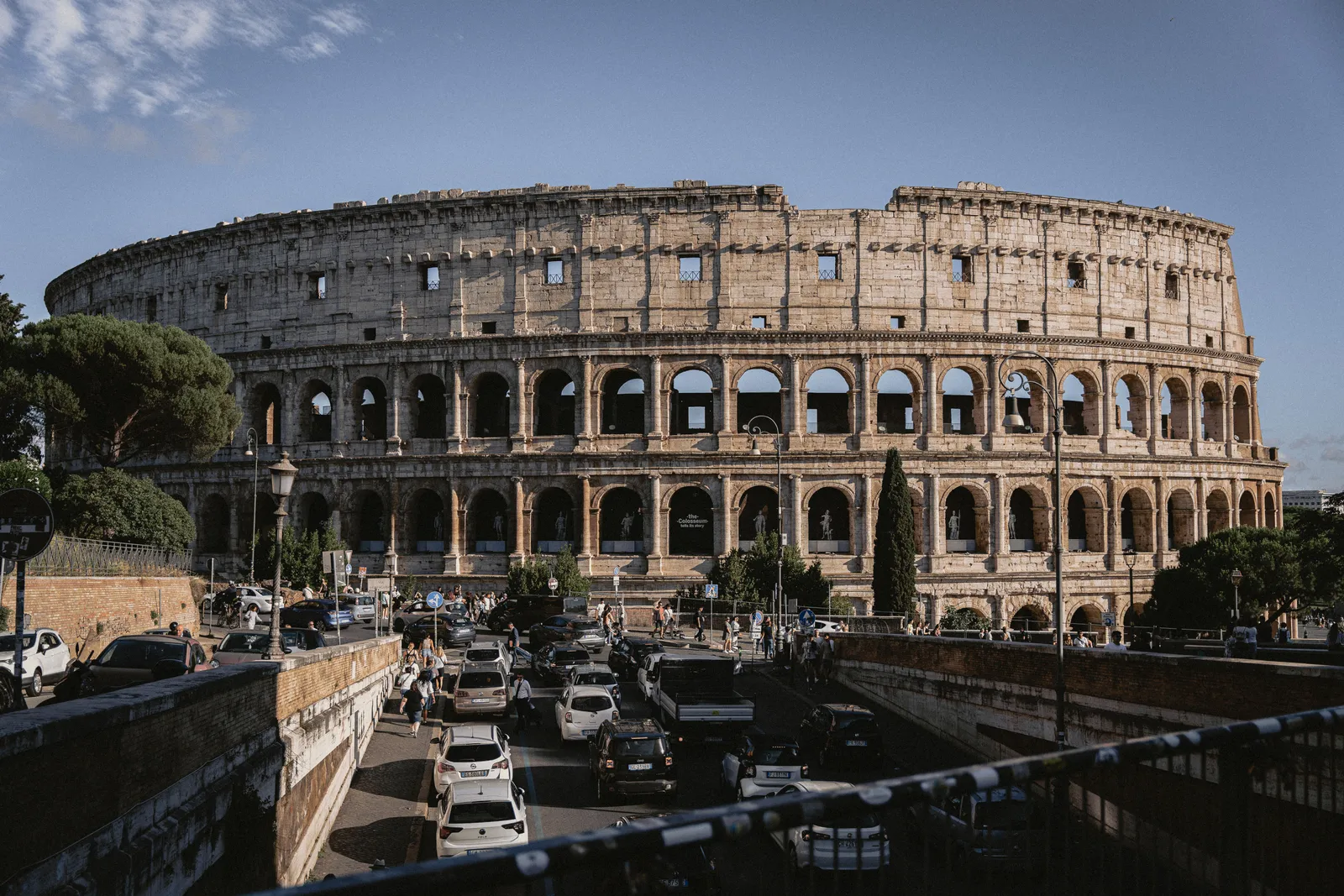
The city sorts neatly into three worlds, and a first visit works beautifully as one day for each. Day one is ancient Rome: the Colosseum, the Roman Forum and the Palatine Hill, ideally in the morning before the heat and the crowds. Day two is the Vatican: St Peter’s Basilica, the Vatican Museums and the Sistine Chapel, a half-day at least. Day three is the baroque heart: the Pantheon, the Trevi Fountain, the Spanish Steps and Piazza Navona, stitched together on foot with plenty of stops.
Three days gives you the essentials without a forced march. If you have a fourth, slow everything down or take a day trip out to Tivoli or Ostia Antica.
Why one big sight a day is the whole trick
The mistake that ruins first visits is stacking two ticketed monuments into the same day. Both the Colosseum complex and the Vatican Museums are genuinely tiring: long, hot, crowded and full of standing. Pair each with a free, wandering afternoon and you finish every day wanting more. Pair them with each other and you will remember the queue rather than the ceiling.
The baroque day is deliberately the loosest of the three, because it is the one that turns into the memory. It has almost no tickets, no timed slots and no queues, just a long walk between fountains with coffee and gelato stops in the gaps.
Arriving, and getting into town
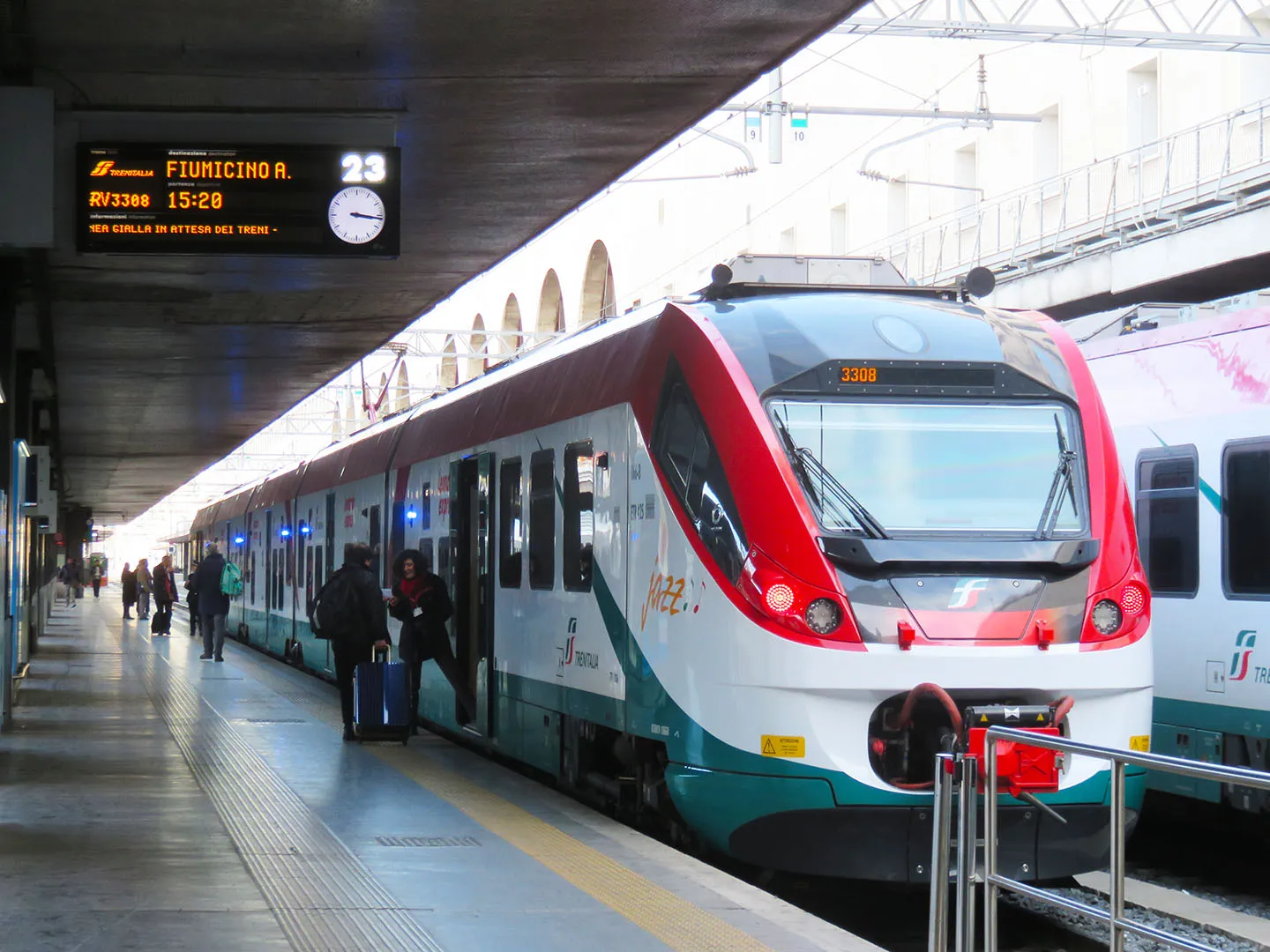
Rome has two airports and they behave very differently. The larger one is linked to the central station by a direct express train that is quick, fixed price and easy with luggage, while the smaller budget airport relies on coaches and taxis. Which one you land at genuinely changes how you should get in, and the wrong choice at the arrivals hall costs either an hour or a lot of money. Our guide to Rome airport transfers sets out the options for each, including when a taxi is the right call.
If you are coming from elsewhere in Italy, the fast train usually beats flying outright, since it drops you at Termini in the middle of the city rather than half an hour outside it.
Booking the big two
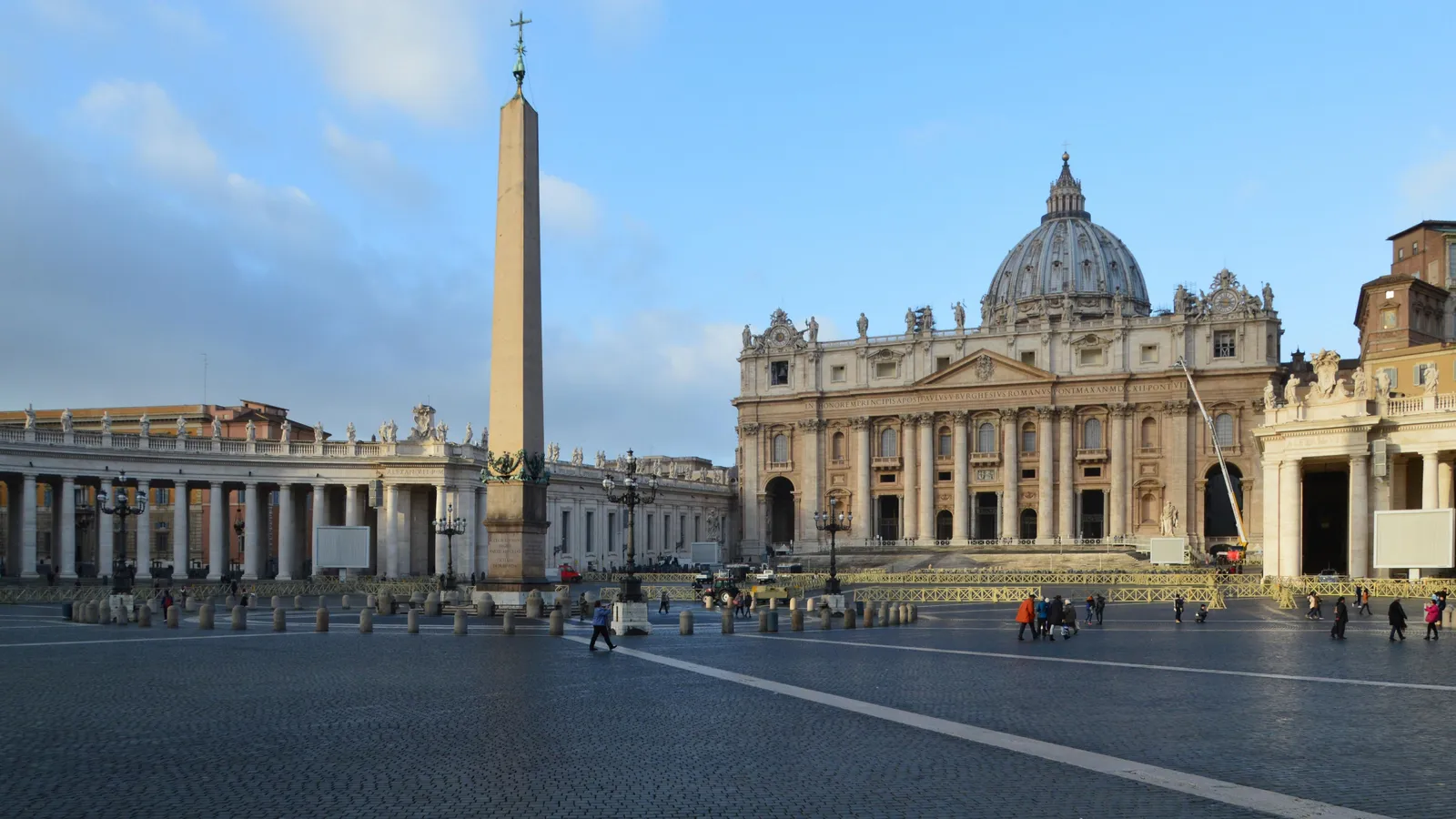
Two sights demand advance planning, and skipping this step is the single most common first-timer mistake. Colosseum tickets are timed-entry and sell out, and the Vatican Museums can mean literally hours in line without a reservation. Book skip-the-line, timed-entry tickets online before you fly for both, and seriously consider a guided tour, since the context turns a pile of ruins into a story you will remember.
Dress modestly for St Peter’s and the Vatican: shoulders and knees covered, or you will be turned away at the door.
The ticket tiers nobody explains
Both sites sell more than one kind of entry, and the differences matter. At the Colosseum, the standard ticket covers the monument along with the Forum and Palatine, while the arena floor and the underground levels are separate, limited and the first to disappear. Decide which experience you actually want before you book, because upgrading on the day is rarely possible.
At the Vatican, note that St Peter’s Basilica is free and separate from the paid museums, with its own security queue, and the dome climb is a further ticket. Early-entry and after-hours museum slots exist and cost more, and they buy you the one thing money can usually not buy in Rome, which is a Sistine Chapel with room to look up.
Where to base yourself
Stay central and you can walk to almost everything, which in Rome is the whole point. The historic centre near the Pantheon or Piazza Navona puts you in the heart of the baroque city, steps from cafes and sights. Monti, just behind the Colosseum, is a hip, villagey neighbourhood of wine bars and boutiques. Trastevere, across the river, is the atmospheric, cobblestoned soul of Rome after dark, all ivy and trattorias.
Avoid basing yourself out near Termini station just to save money: you will spend the difference on taxis and lose the magic of stepping straight out into the city. A central base is worth every euro on a short trip.
Two practical notes on the choice. Trastevere is wonderful and also loud until late, so it suits night owls more than early risers with a Vatican slot booked. And the Prati district beside the Vatican is an underrated first-timer option: residential, calm, well served by the metro, and a short walk from the museums you will be queuing for at eight in the morning.
Central Rome beds book out fastA room within walking distance of the Pantheon turns a busy city into an easy oneEating like a Roman
Rome’s food is gloriously simple and fiercely local. The four pasta classics are cacio e pepe, carbonara, amatriciana and gricia, and every Roman has a favourite spot for each. Eat pizza al taglio by the slice for lunch, supplì (fried rice balls) as a street snack, and finish with gelato from an artisan gelateria, not the neon tubs near the tourist sights.
The rule of thumb: walk a few streets away from the big monuments before you sit down to eat, and look for handwritten menus and Roman regulars. Trastevere, Monti and the Testaccio neighbourhood are all reliable for a genuine meal. Book dinner for popular spots, and eat late, Romans rarely sit down before eight.
How a Roman day of eating is shaped
Breakfast is small and standing: a coffee and a pastry at the bar, not a sit-down affair. Lunch can be as light as a slice of pizza on a wall. The evening is where the day builds, often starting with an aperitivo, a drink with something to nibble, before a late dinner.
Two things on the bill confuse visitors. The coperto is a small per-person cover charge and is entirely normal, listed on the menu rather than sprung on you. Tipping is not expected, so there is no percentage to calculate. What should raise an eyebrow instead is a menu in six languages with photographs, a tout at the door, or a waiter who will not quote a price for the fish.
Getting around and small tips
Rome is walkable and compact, and the historic centre is best on foot. The metro runs on three lines, A, B and C, and is quick for reaching the Vatican or the Colosseum; Line C finally reached Colosseo at the end of 2025, and its station doubles as a small museum of what the diggers found. Buses fill the gaps, though traffic is heavy. Buy tickets before you board, and validate them.
It is worth understanding why the metro is thinner than in other capitals: every attempt to dig here hits something archaeological, which is exactly what slowed Line C for decades. The practical consequence is that walking, not the metro, is your main mode of transport, and a huge share of the famous centre has no station anywhere near it. Budget your energy accordingly, and treat cobblestones as a footwear decision rather than a detail.
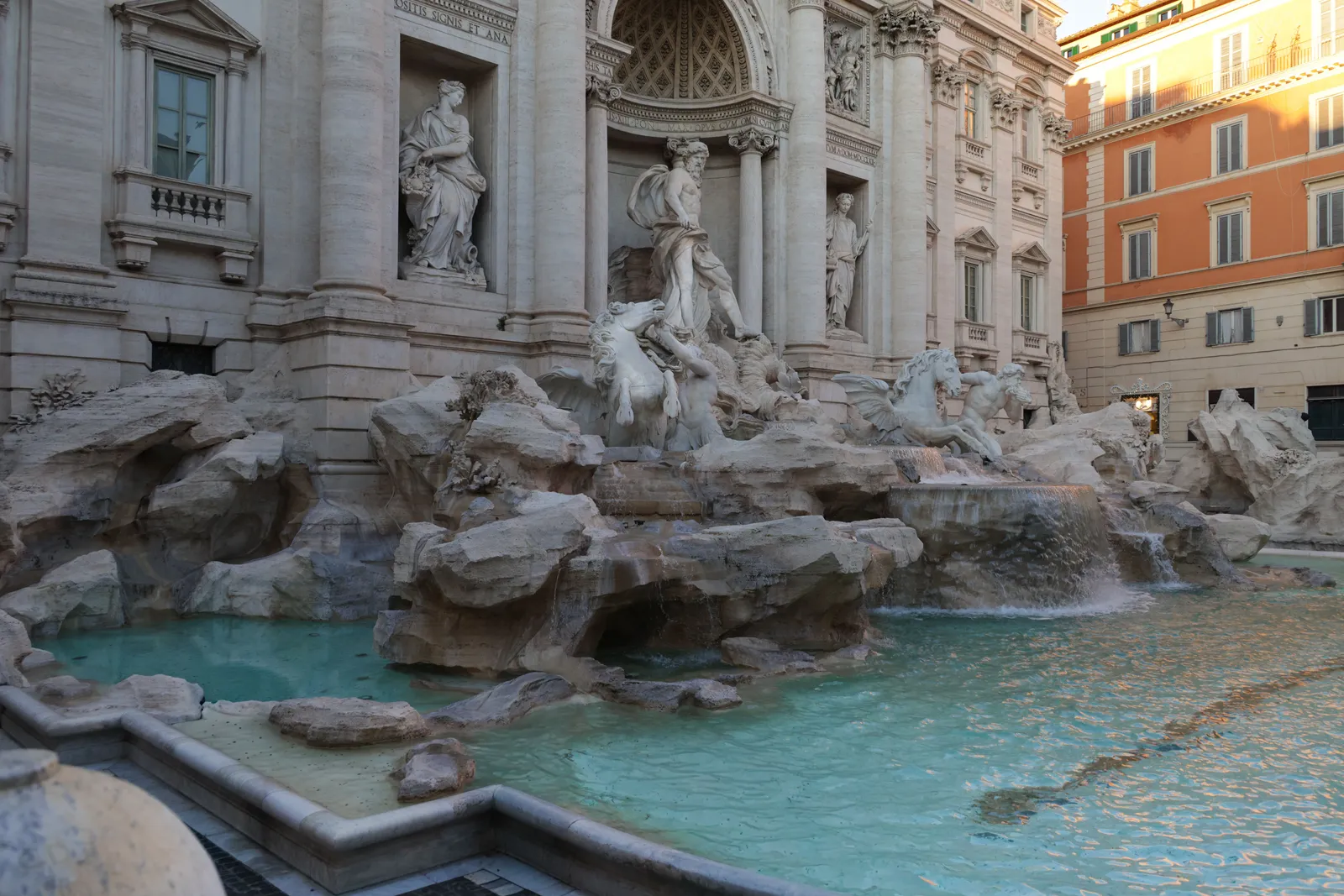
A few small courtesies save you money and dignity: drink coffee standing at the bar to pay a fraction of the table price, refill your bottle at the city’s free nasoni drinking fountains, and never sit down at a cafe on a famous piazza unless you are happy to pay a premium for the view. Beware the friendly strangers who tie a bracelet on your wrist or hand you roses near the Colosseum, they will ask for money.
If you have a fourth day
Three days covers the essentials, but a fourth opens up the Rome that most first-timers miss. Cross the river to Trastevere in daylight, when its cobbled lanes and ivy-clad houses are quiet, then climb the Gianicolo hill for a sweeping panorama over the whole city. Wander Villa Borghese, Rome’s great park, and book ahead for the Borghese Gallery, a jewel-box museum of Bernini sculptures and Caravaggio paintings that limits visitor numbers, so it never feels crowded.
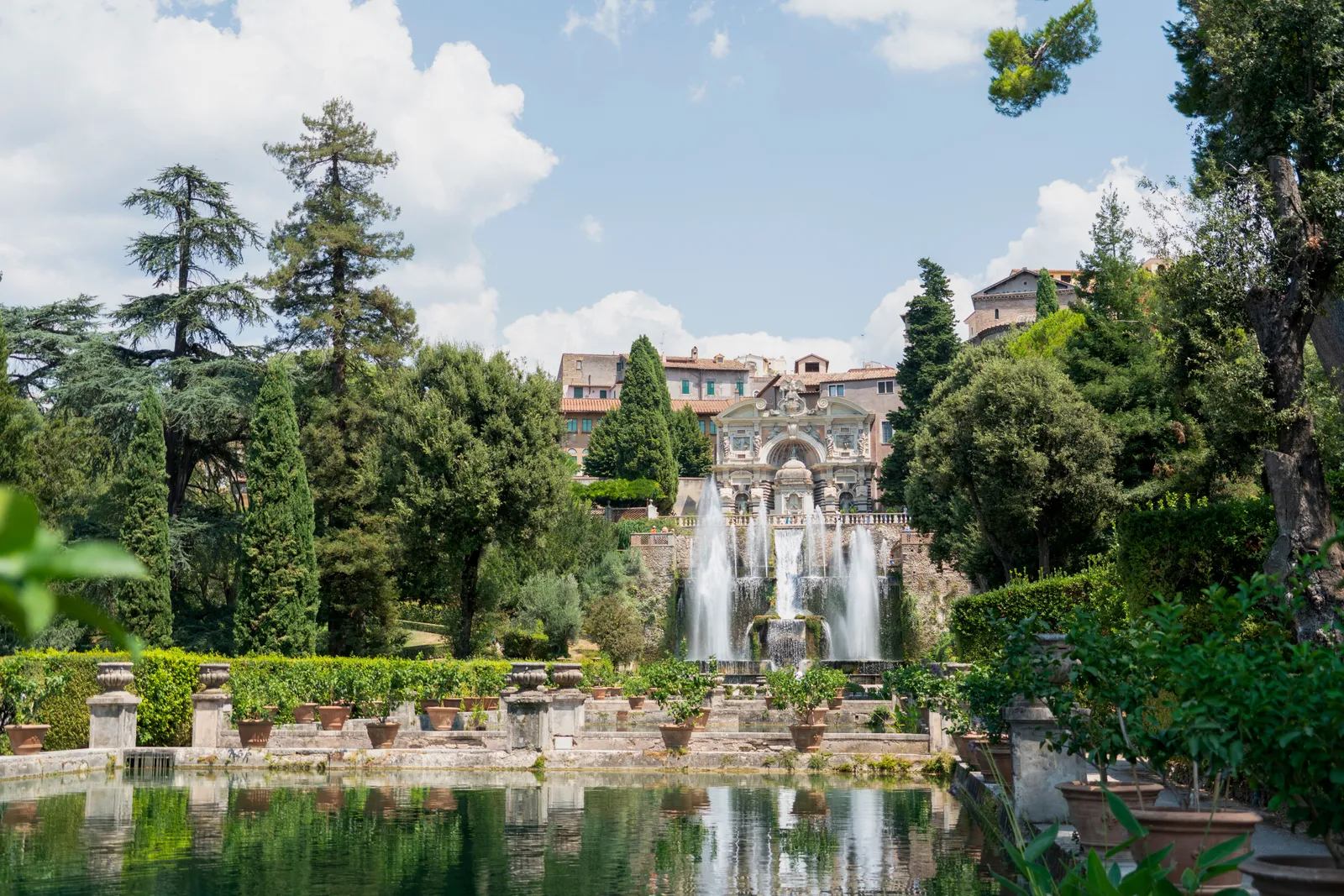
Alternatively, escape the city entirely. Tivoli, an easy train ride out, pairs the fountain-filled gardens of Villa d’Este with the sprawling ruins of Hadrian’s Villa. Ostia Antica, closer and quieter than Pompeii, is a remarkably complete ancient Roman port town you can wander almost alone. Either makes a refreshing half-day change of pace after three days in the city.
Rome as part of a longer trip
Rome is a natural first stop rather than a whole holiday, and it connects beautifully to the rest of the country by fast train. The classic ten-day shape runs Rome, then Florence, then a stretch of countryside, and it works because each leg is roughly ninety minutes from the last and every arrival is city centre to city centre.
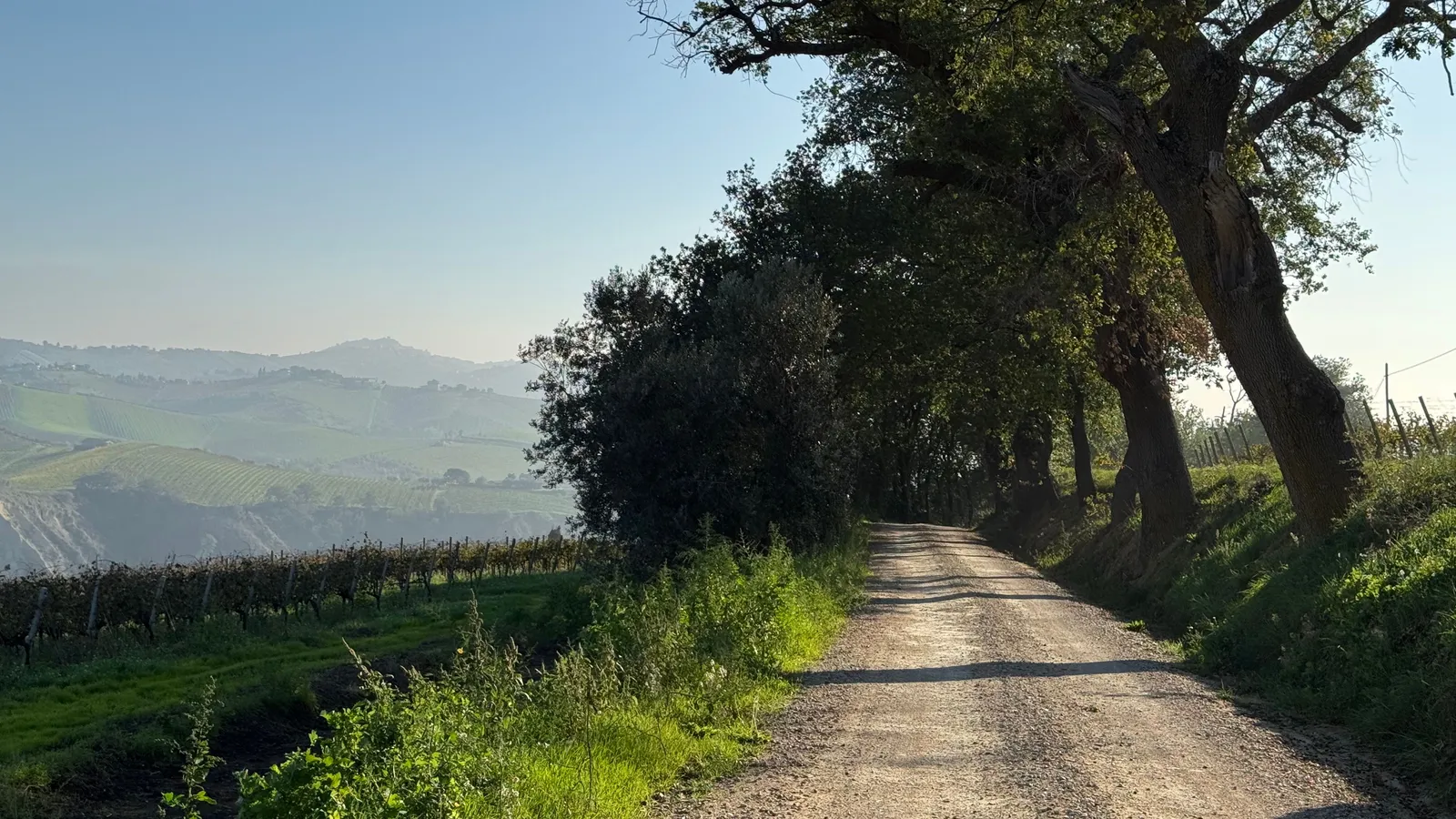
If Tuscany is the second act, give it a proper slow day rather than another monument sprint: the Chianti wine road between Florence and Siena is the antidote to three days of queuing, all vineyards, hill towns and long lunches. And if you are still weighing which of the two great cities deserves the bulk of your days, our comparison of Rome and Florence puts them side by side.
What to skip, and staying safe
Not everything with a queue is worth it. Skip the tourist-menu restaurants with photos of the food and a tout at the door, the overpriced gladiators posing for paid photos outside the Colosseum, and any taxi without a meter, always use the official white cabs or a ride app. Rome is a very safe city, but it has skilled pickpockets on crowded buses (the 64 to the Vatican is notorious) and around the main sights, so keep bags zipped and in front of you, and carry no more cash than you need for the day.
Two more worth knowing. Anyone who approaches you outside a major monument offering to sell you a ticket or fast-track your entry should be ignored, because the real thing is bought online or at the official desk. And in the deep heat of July and August, the biggest risk to your day is not crime but the sun: the ancient sites in particular have almost no shade, which is the real reason locals tell you to go at opening time.
The short version
Give Rome three days, one each for the ancient city, the Vatican and the baroque centre. Book the Colosseum and Vatican before you fly, keep one ticketed monument per day, and check that your Vatican morning is not a Sunday or a Wednesday. Stay central so you can walk, eat a few streets back from the monuments, take your coffee at the bar, and let the free baroque day be the one you do not plan. Do that, and the Eternal City will feel less like a checklist and more like the love affair it is meant to be.
Is Rome the whole of your trip, or the first stop before Tuscany?