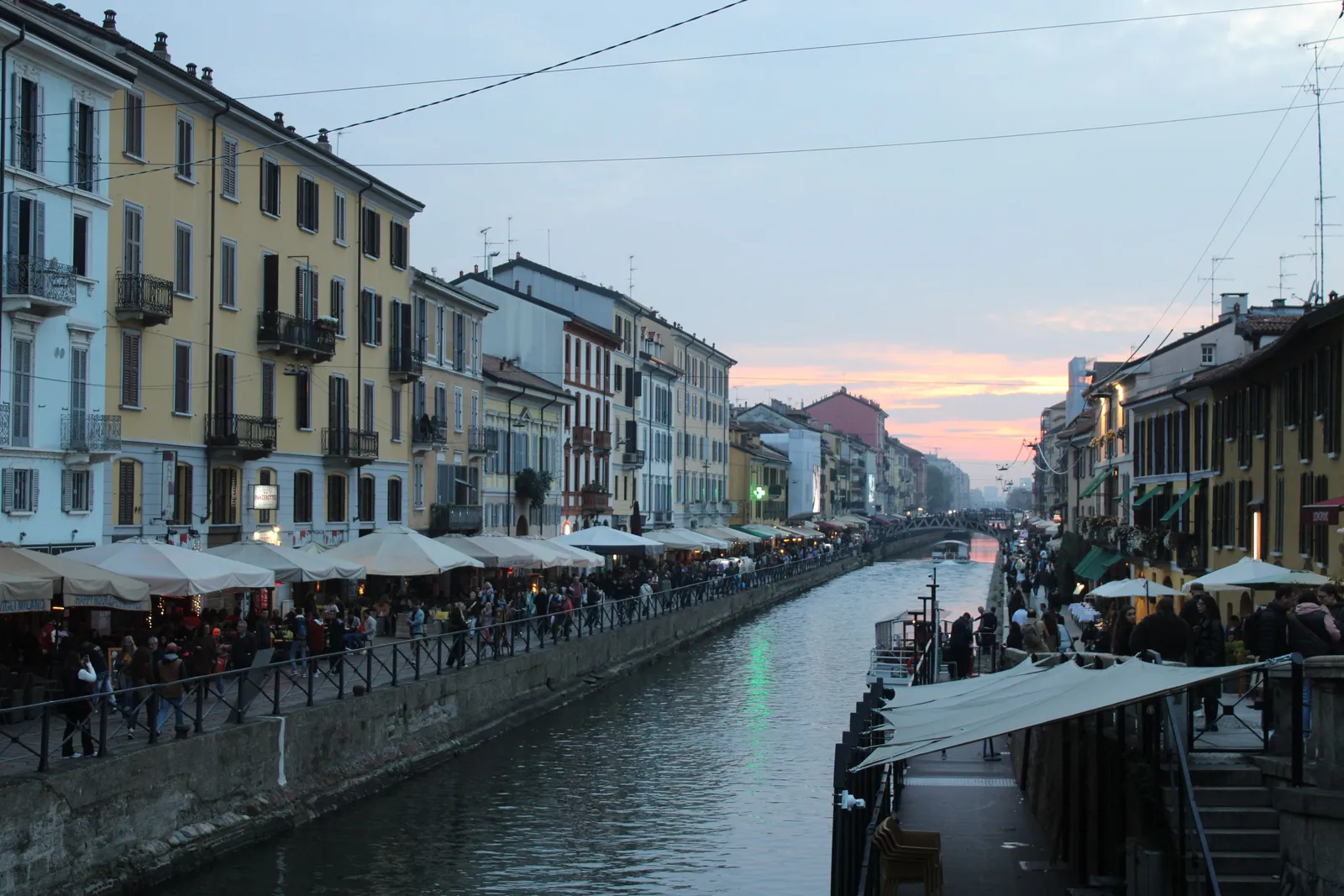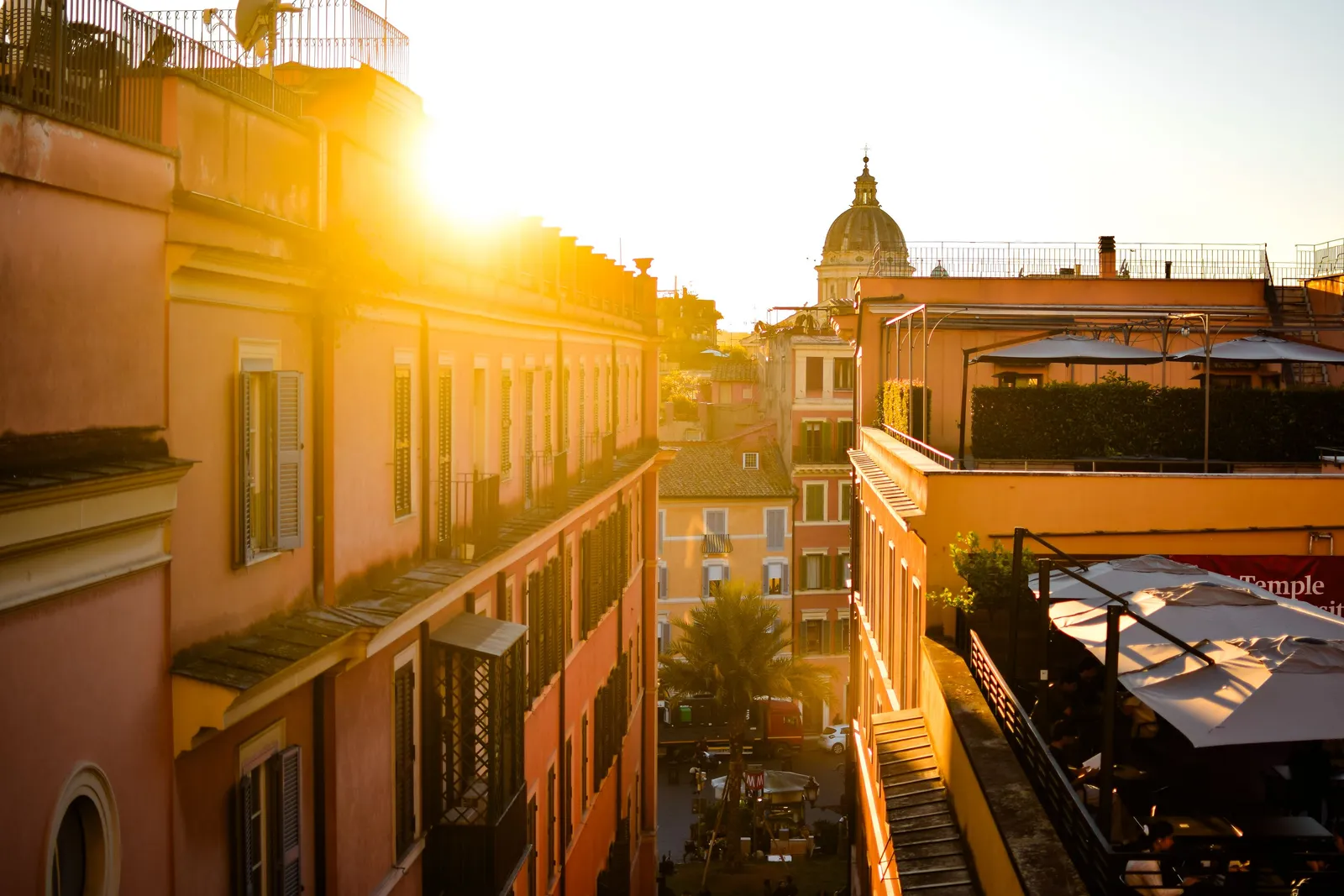
Rome is a low city. There are almost no tall buildings in the historic centre, height restrictions have held for a long time, and the result is that getting four or five floors up is enough to see across the whole thing. That is why the roof terrace here works differently from a rooftop bar in a city of towers: you are not looking at other buildings, you are looking at domes.
It also means the good terraces are limited in number and heavily booked, and that the difference between a memorable evening and an expensive disappointment is mostly timing.
What you are actually paying for
A drink on a Roman roof terrace costs several times what the same drink costs standing at a counter two streets below. That is the deal, and it is worth being clear-eyed about it: you are renting a position for an hour, and the drink is the ticket.
Whether it is worth it depends entirely on what the terrace faces. A roof with a clear line to Saint Peter as the light goes is a genuinely different experience from a roof that technically has a view but looks mostly at the building opposite. Before booking anywhere, look at photographs taken from the terrace rather than promotional images of the bar itself, and check what is in the frame.
The two views, and choosing between them
Roman terraces divide into two broad camps.
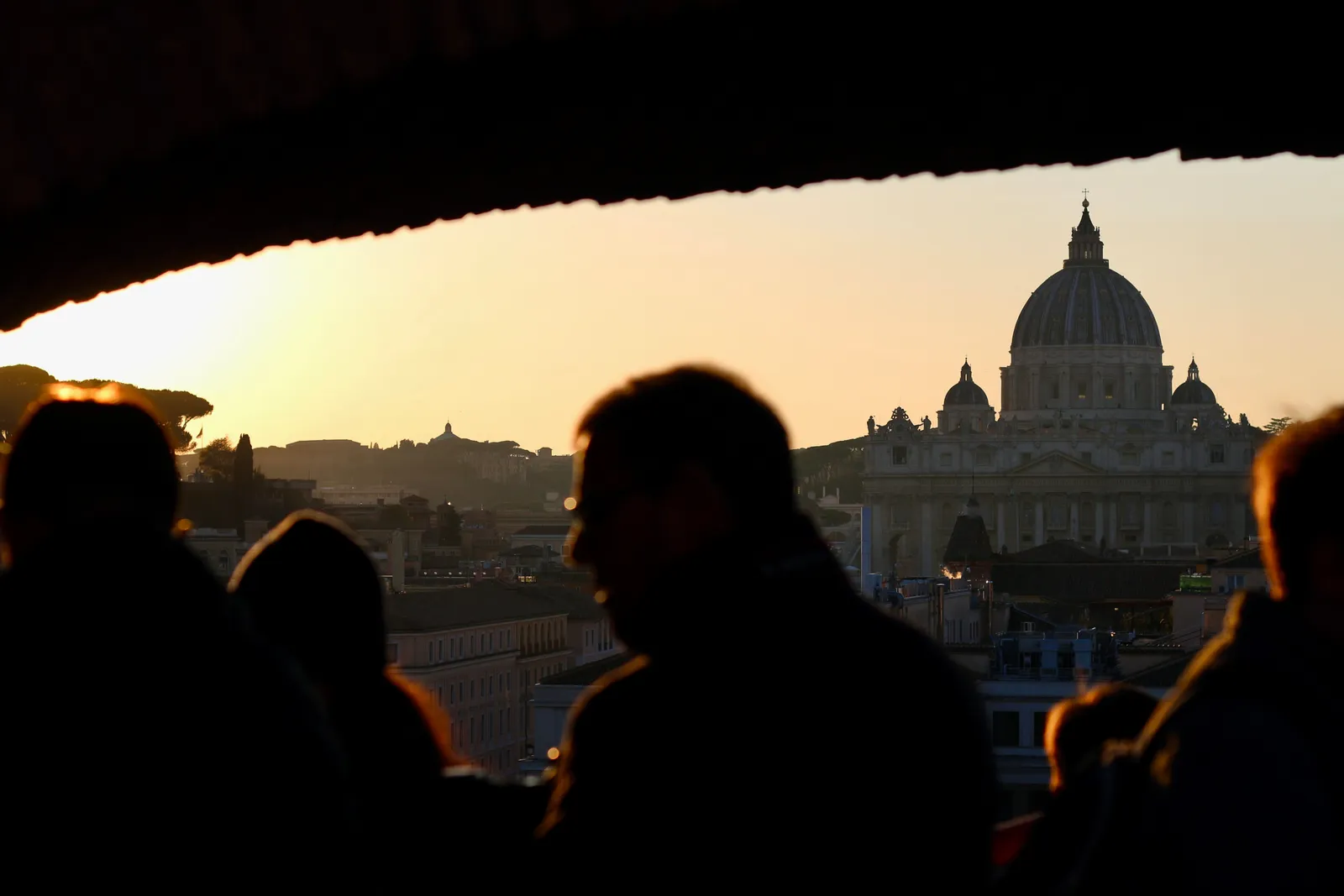
The first looks west towards the Vatican, from the Prati side, from along the Tiber, or from the higher ground above Trastevere. The dome of Saint Peter dominates, and at sunset it sits directly in the light. This is the view people picture when they imagine the evening.
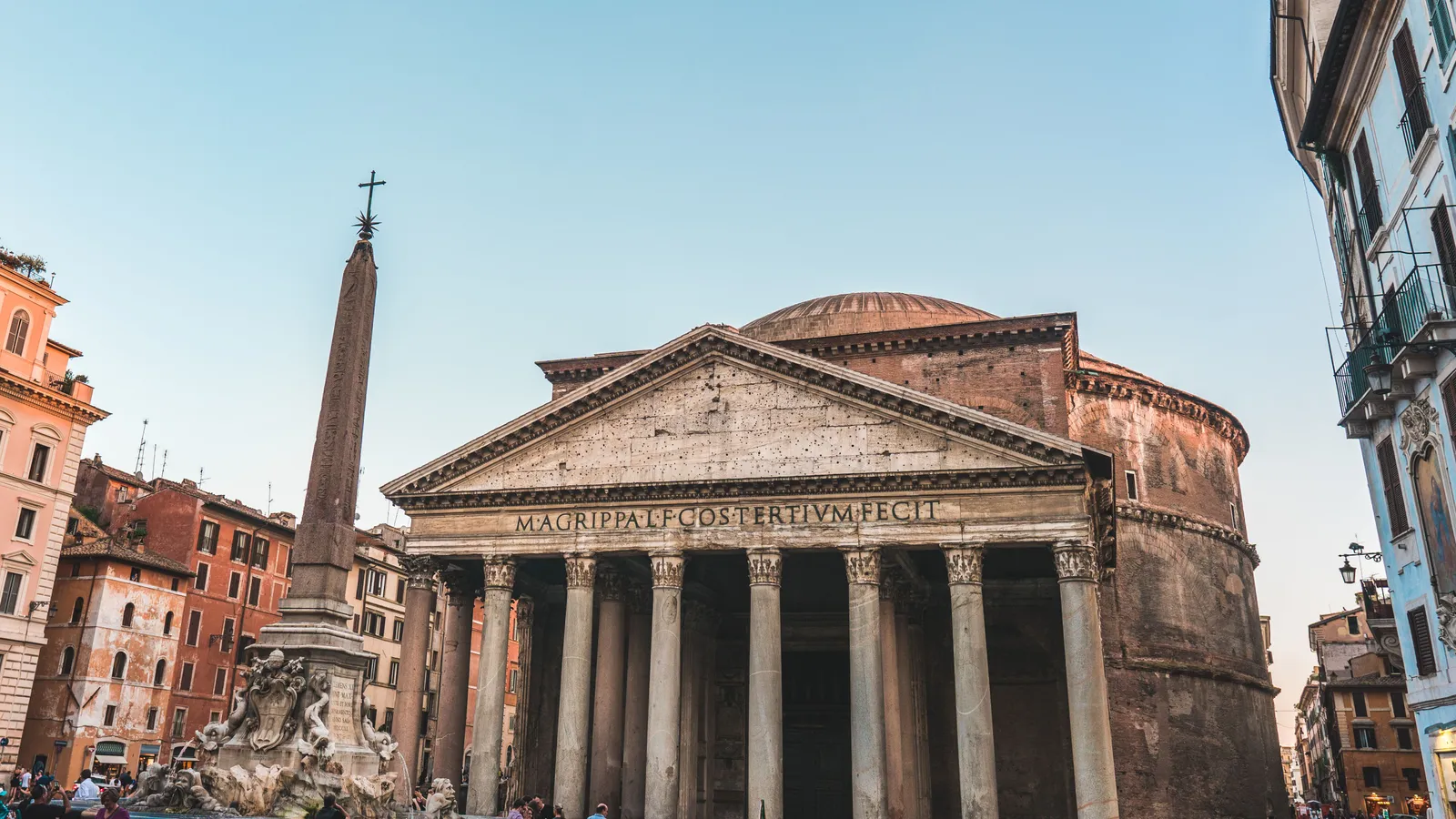
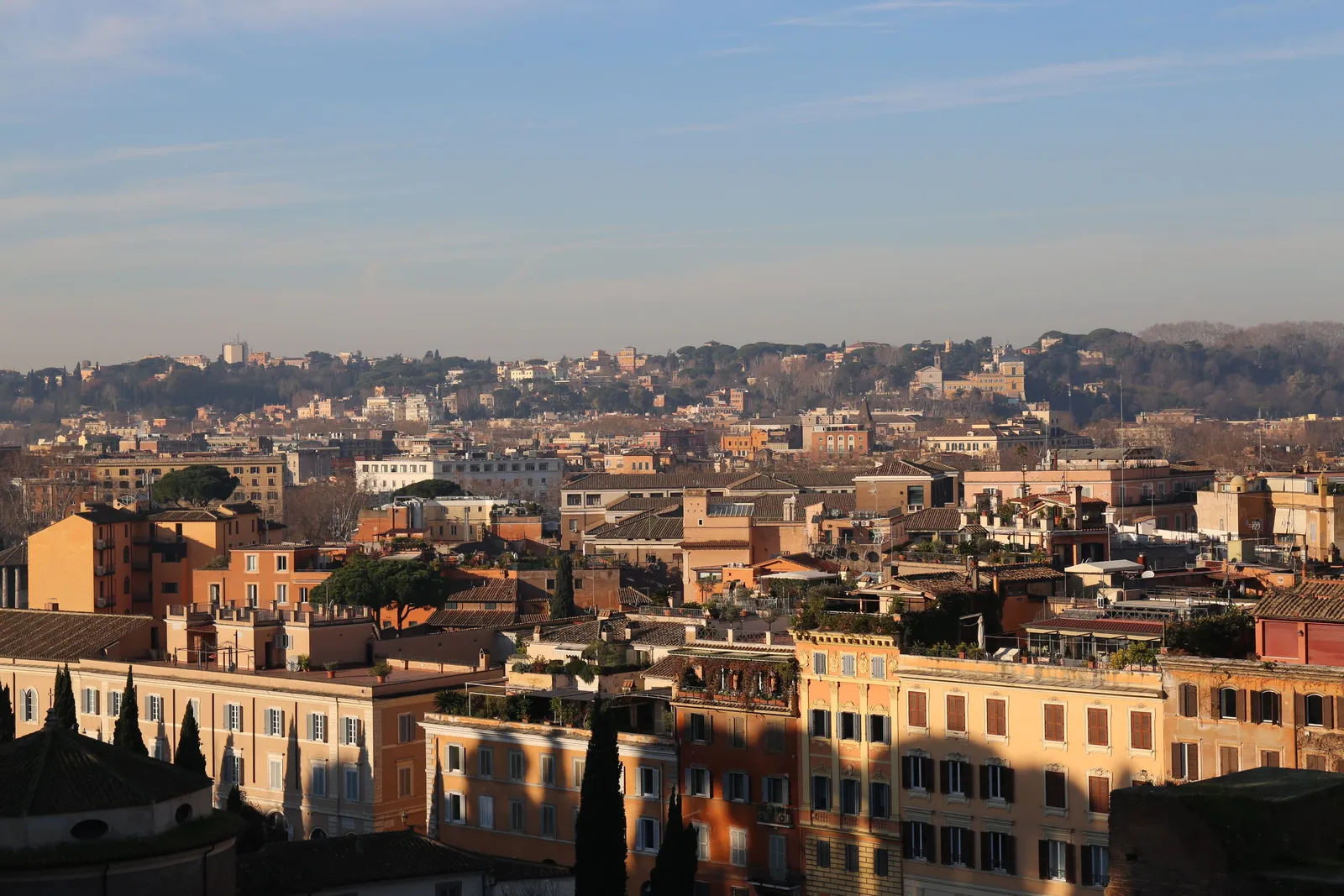
The second looks across the historic centre itself: a dense, uneven field of terracotta, bell towers, roof gardens and the occasional dome rising out of it. From Monti, from around the Pantheon, from the streets above Piazza Navona. It is less of a single postcard image and more of a slow thing to look at, and the light on the rooftops in the last half hour of the day is the reason to be up there.
Neither is better. They are different evenings, and almost no terrace offers both, so decide first and pick the bar second. Our three days in Rome itinerary sets out how these areas connect on foot.
The sunset window and how booking works
Terrace capacity in central Rome is small, and demand concentrates into a window of roughly two hours around sunset. In practice this means that from late spring to early autumn, the best tables at the best-known terraces are booked days in advance, and that a walk-in at seven on a Saturday in July is unlikely to work.
Booking is usually straightforward and often free, sometimes with a minimum spend attached to a table with a view. If you want the sunset specifically, book for around forty-five minutes before it, which gets you seated, served and settled before the light does anything interesting.
If you did not book, the workaround is to go late. From around ten the sunset crowd starts to turn over as people leave for dinner, and terraces that were impossible at seven often have space by half past nine. The view is different, city lights rather than colour in the sky, and the atmosphere is usually better.
Hotel roofs versus independent bars
Most of the well-known terraces sit on top of hotels, which shapes the experience in predictable ways. Service is table-based, the drinks list is long and expensive, the crowd is largely visitors, and there is usually a dress code that excludes beachwear and flip-flops. The advantage is reliability: the view is the product, and they know it.
Independent rooftop bars, and terraces attached to restaurants and museums, are more mixed. Some are excellent and cheaper, some are simply a normal bar with stairs. They are generally more relaxed about what you wear and more likely to take a walk-in.
Wherever you go, one practical detail matters: check whether the terrace is open at all. A large share of Roman roof terraces are seasonal, closing from around late October until spring, and a bar that is famous in July may simply be shut in February.
Fitting it into the evening
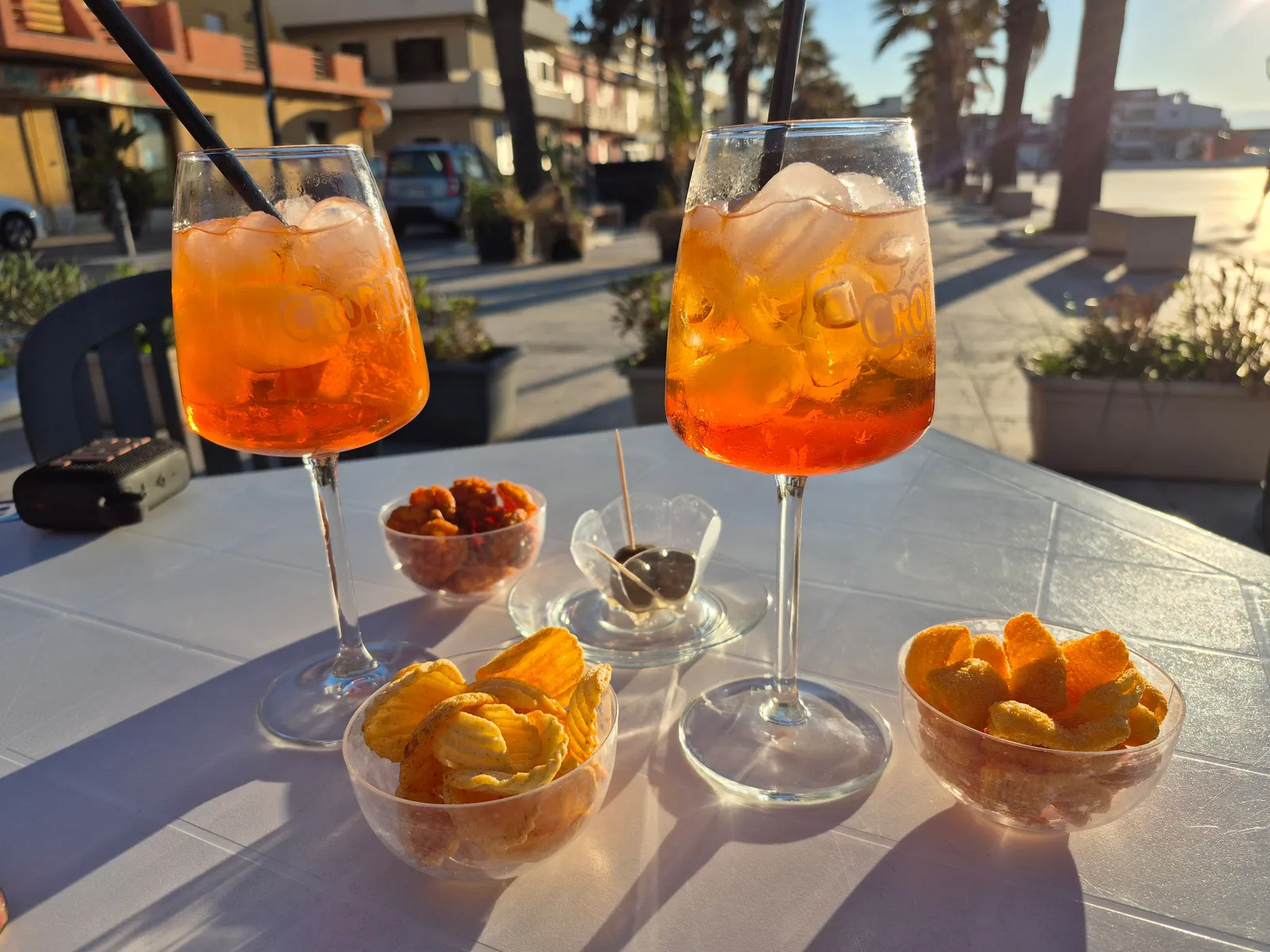
The Italian rhythm helps here. A rooftop drink is an aperitivo, meaning it comes before dinner rather than instead of it, and the food that arrives with the drink is a snack rather than a meal. Romans eat late, so a terrace at eight and a table at half past nine is an ordinary evening rather than a rushed one.
That also solves the price problem. One drink with the view, then dinner somewhere at ground level in a neighbourhood you actually want to eat in, costs far less than an evening spent entirely on the roof, and it is how the evening is designed to work anyway.
If you are staying central, the walk between the two is short. Our guide to the Trevi Fountain and Pantheon area covers the streets most of these terraces look over, and first time in Rome covers where to base yourself so the evening does not end with a long journey back.
Practical points
Terraces are exposed, and an evening in spring or autumn can be considerably cooler four floors up than it felt in the street. Take a layer.
Lifts in old buildings are small and slow, and some terraces are reached by stairs only, which is worth checking if that matters to you.
And the weather closes them. Rain, or wind strong enough to make the terrace uncomfortable, means the roof shuts and the booking moves inside or is cancelled, often at short notice. In unsettled weather it is worth having a ground-floor alternative in mind rather than losing the evening.