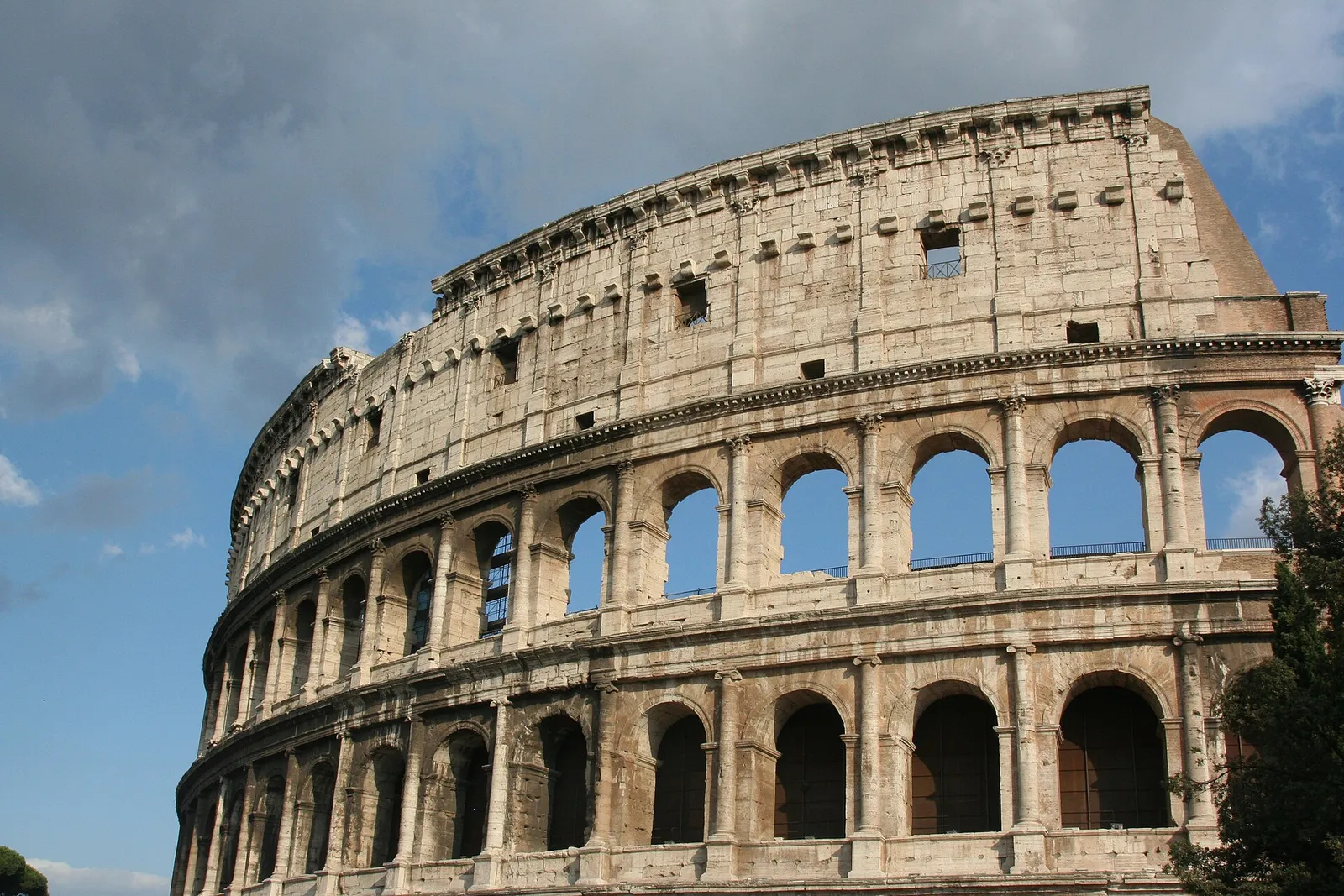
Rome or Florence is the classic first-timer dilemma, and it is a genuinely good problem to have: one city gave the world an empire, the other gave it the Renaissance, and they sit an hour and a half apart by fast train. They are also completely different experiences, in scale, pace, food and mood. Here is an honest comparison of the two, and a clear answer for each kind of traveler, so you can stop deliberating and start booking.
Two cities, two different Italys
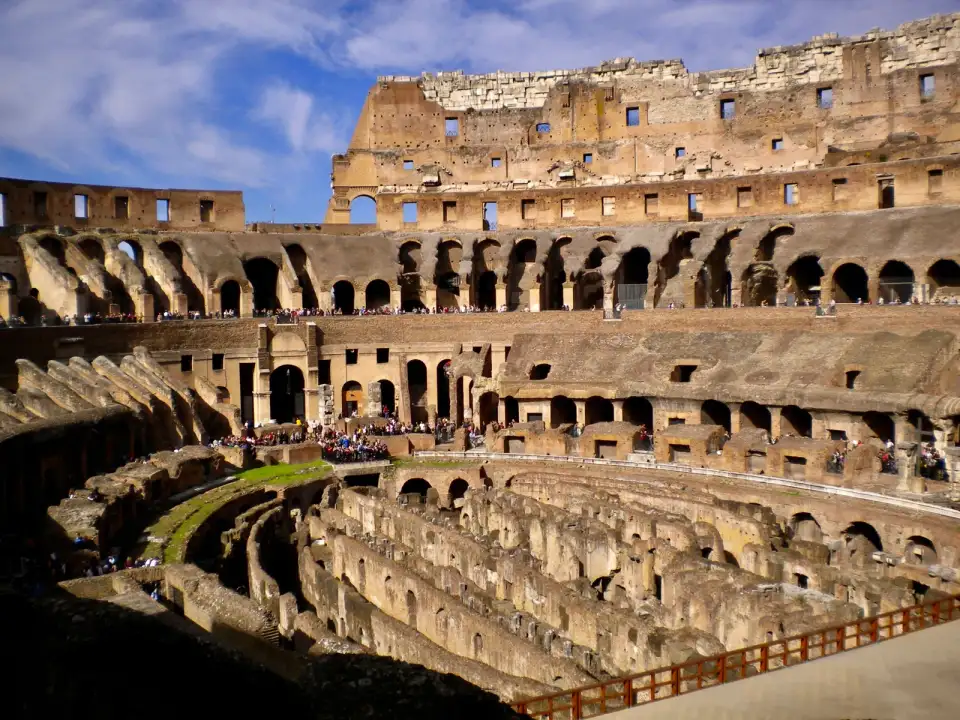
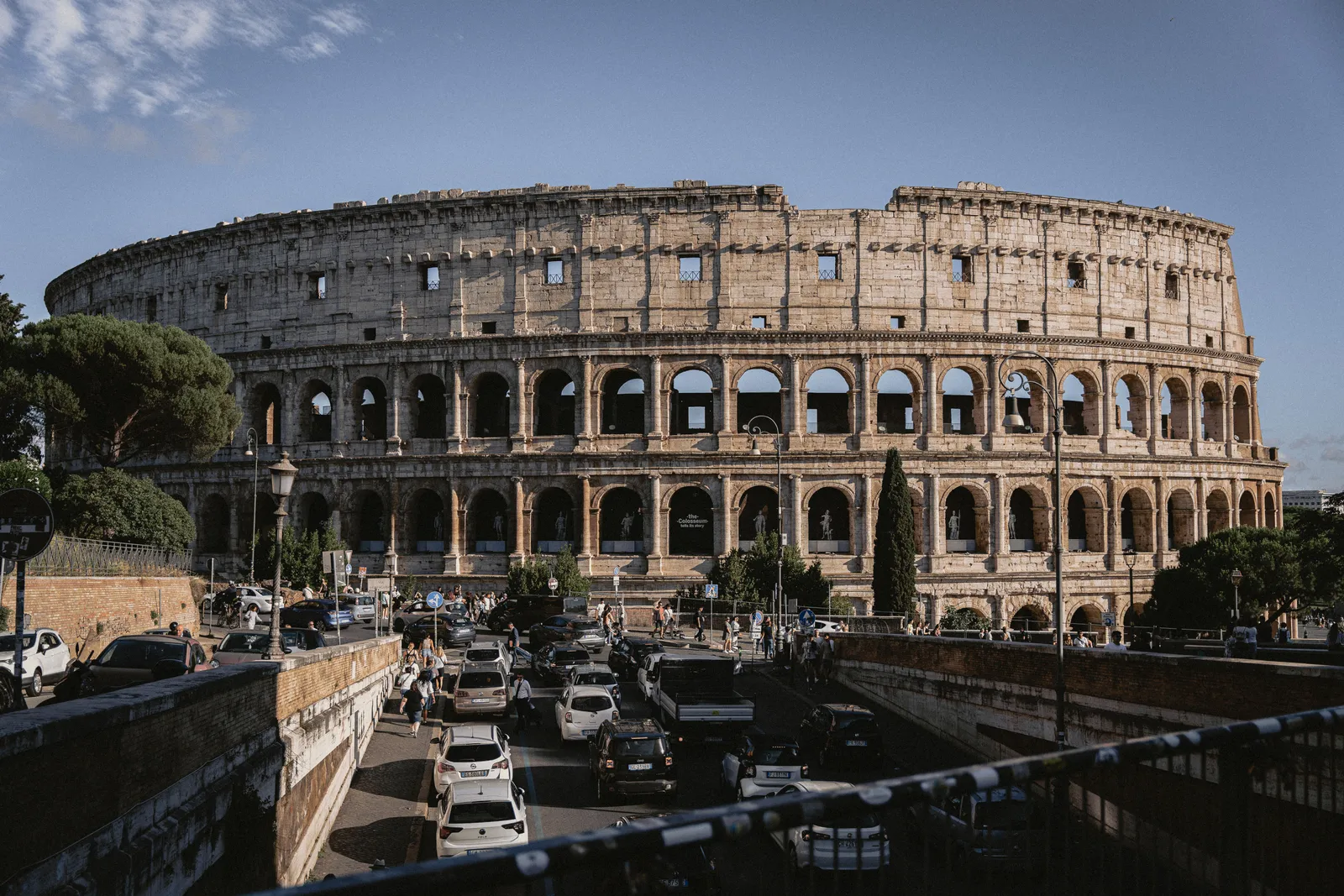
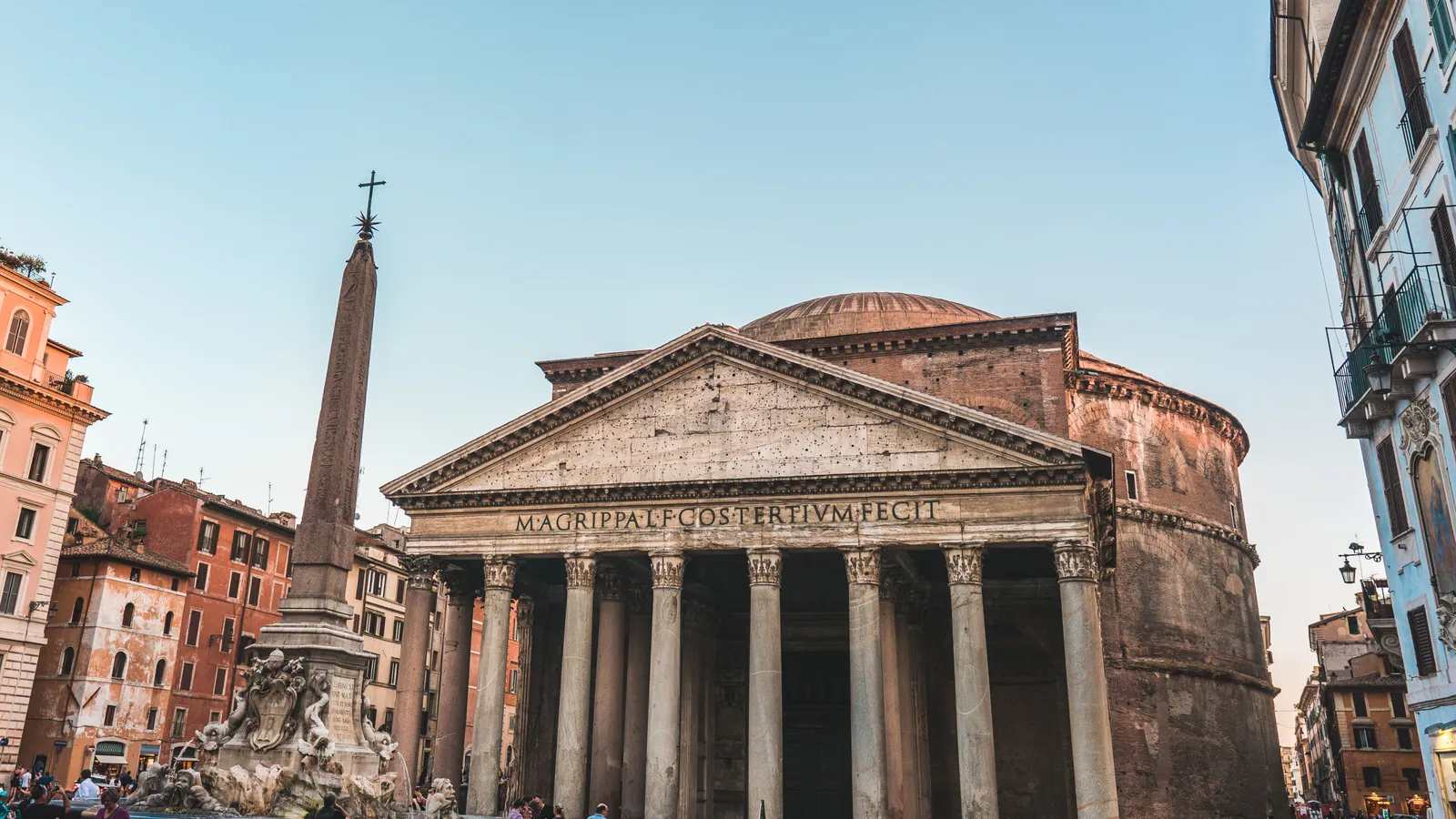
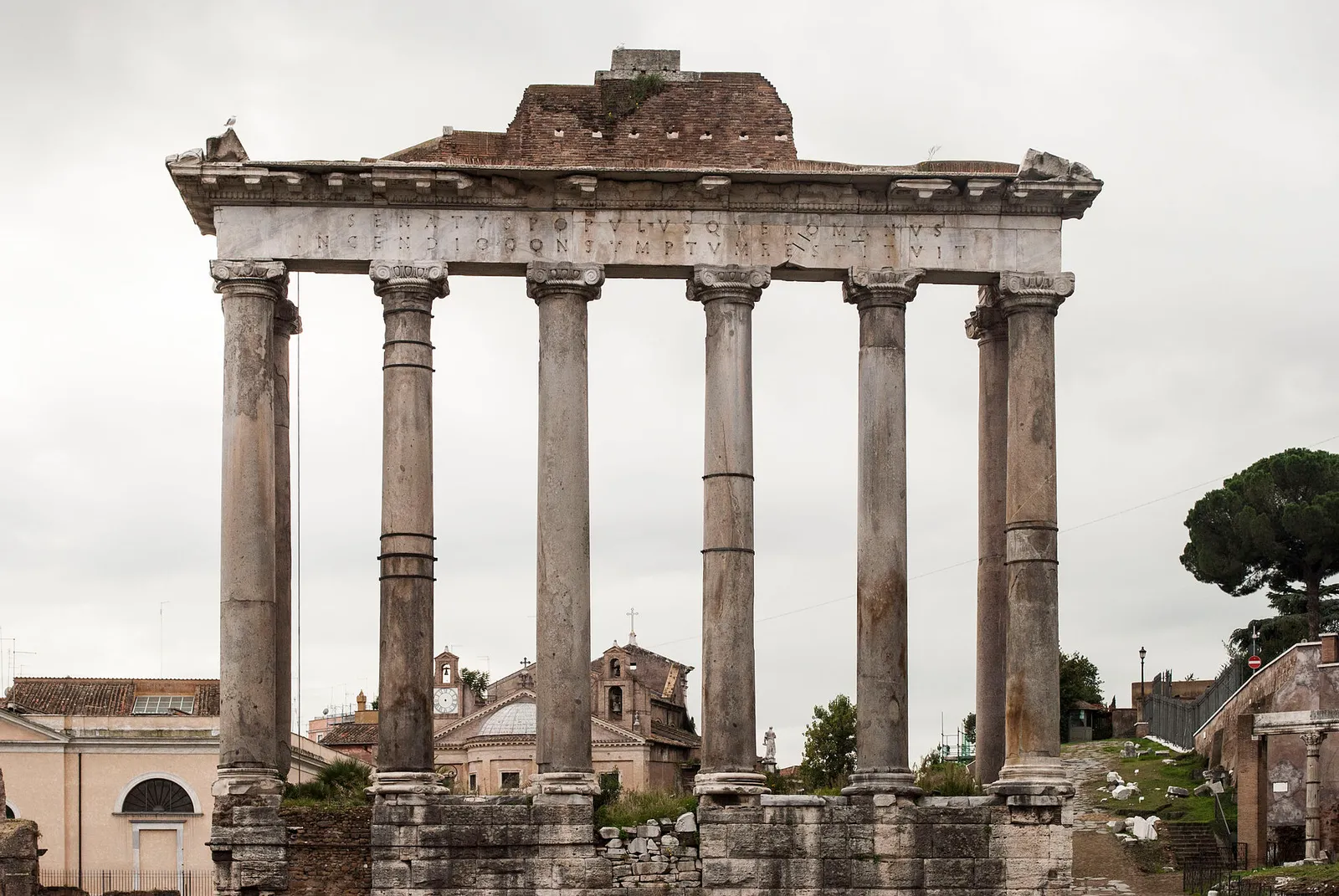
Rome is ancient and enormous. Its signature layer is the empire: the Colosseum, the Roman Forum, the Pantheon with its two-thousand-year-old concrete dome, plus the Vatican, baroque piazzas and fountains stacked on top. It is a loud, living capital of almost three million people where a ruin interrupts every other street.
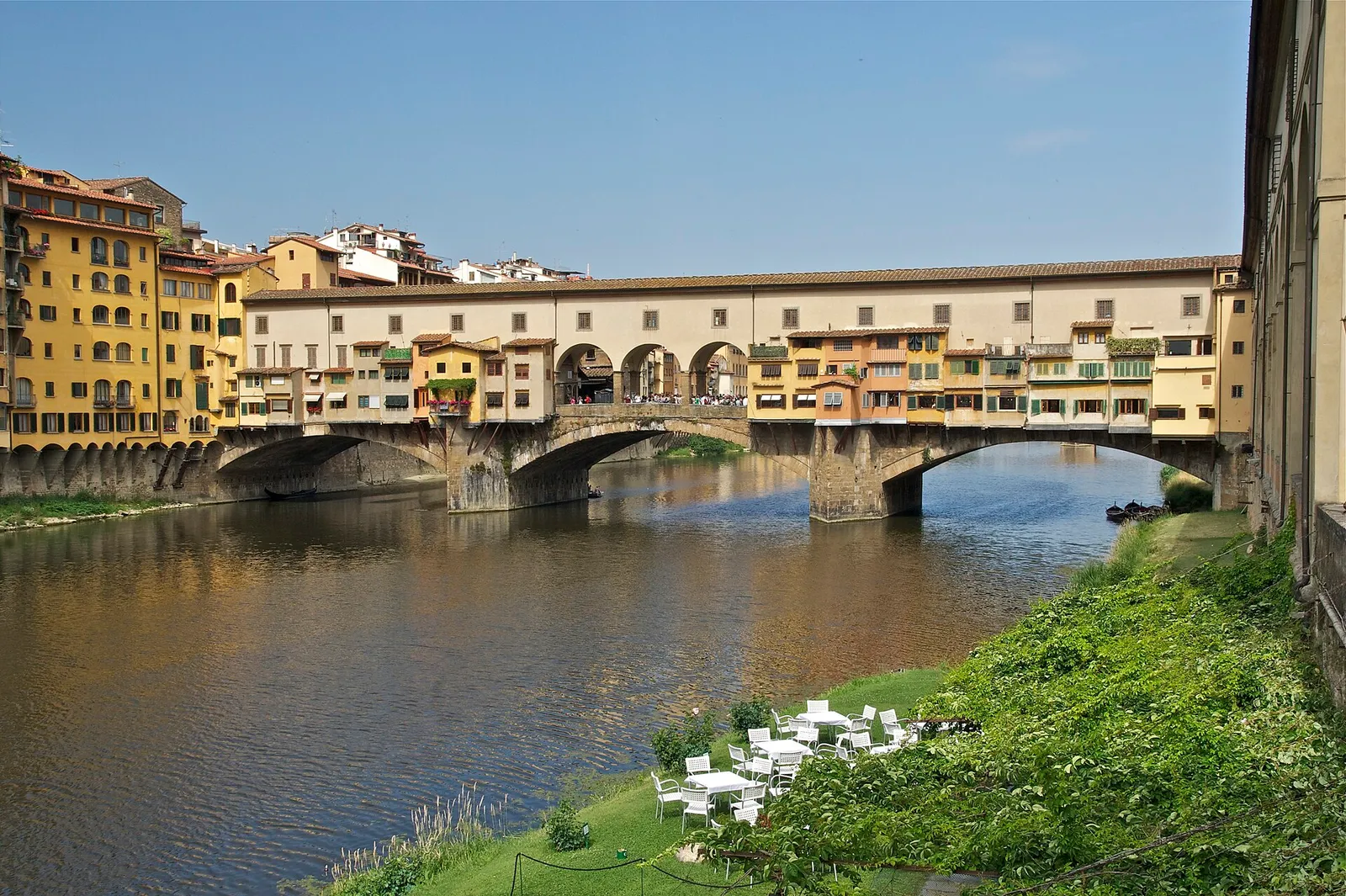
Florence is compact and Renaissance. Its genius years came fifteen centuries later, and the city is essentially a preserved masterpiece of that era: Brunelleschi’s dome, Botticelli and Leonardo in the Uffizi, Michelangelo’s David. You can walk across the entire historic centre in twenty minutes, and the atmosphere is a gallery city rather than a metropolis.
Size and pace
This is the biggest practical difference. Rome demands three to four days just for its greatest hits, spread across real distances, with metro rides, long walks and big crowds; see our first time in Rome guide for how those days fit together. It rewards stamina and a tolerance for glorious chaos. Florence needs two days, everything on foot, no public transport required, as covered in our Florence guide. If you travel slowly, savour cafes and hate rushing, Florence’s scale is a gift. If you want maximum spectacle per trip, Rome’s sheer volume wins.
Food
Both cities eat wonderfully, differently. Rome is the home of the great pastas, carbonara, cacio e pepe, amatriciana, plus Roman pizza and the trattoria culture of Trastevere and Testaccio. Florence answers with Tuscan cooking: the giant bistecca alla fiorentina, ribollita, wild boar pappardelle and some of Italy’s best-value wine, with the Chianti hills starting at the city limits. Street-food lovers and pasta pilgrims lean Rome; steak and wine people lean Florence. Nobody loses.
Stay central in either cityBoth cities reward a walkable base: near the Pantheon or Trastevere in Rome, near the Duomo or Oltrarno in FlorenceDay trips and the bigger trip
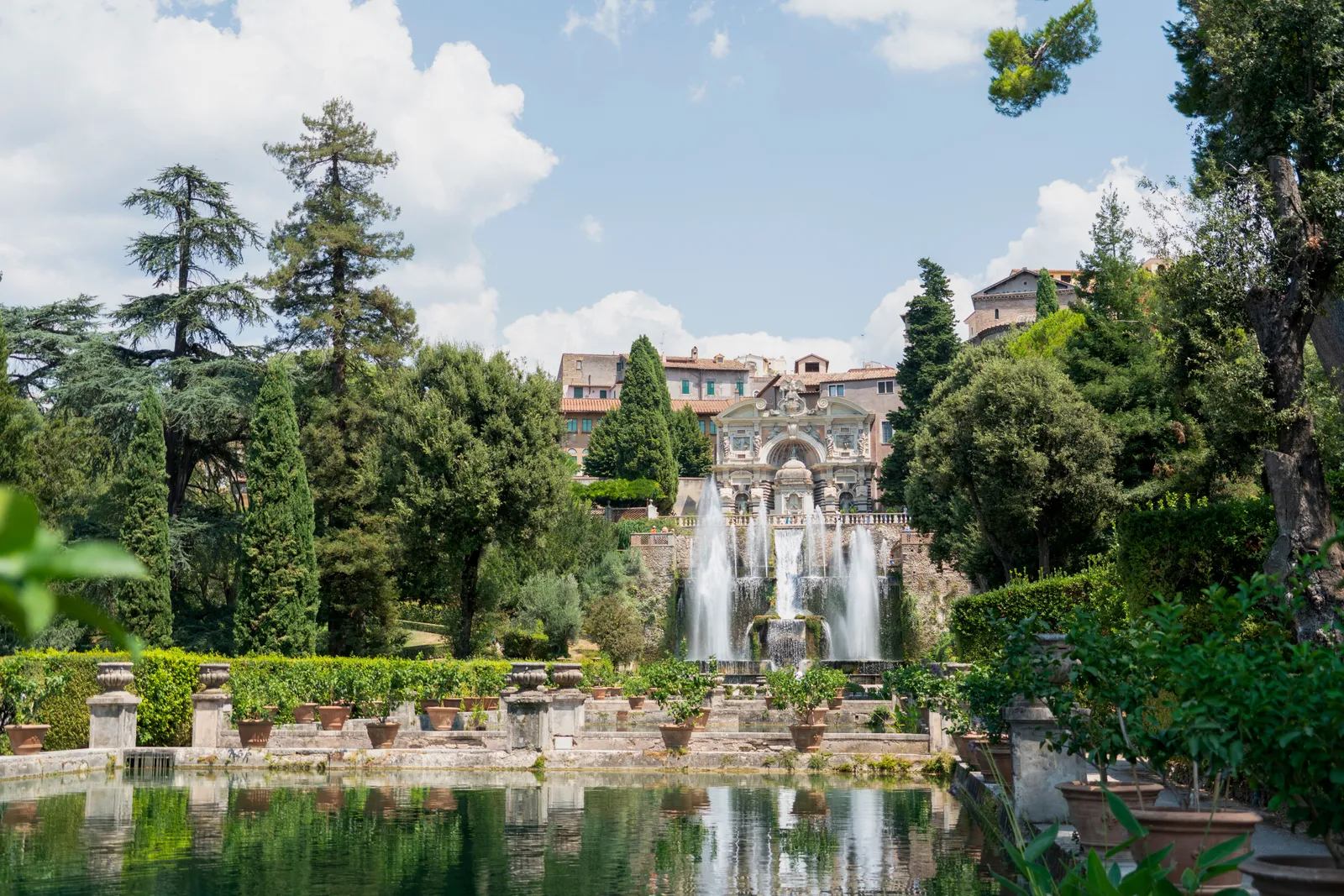
Florence is the better base. Siena, San Gimignano, Pisa, Lucca and the Chianti wine road all make easy outings, so a Florence stay quietly becomes a Tuscany trip. Rome keeps you inside Rome: Ostia Antica and Tivoli are excellent, but the city itself swallows every day you give it. If your dream trip is one city plus countryside, Florence wins this round outright.
Cost
Broadly a draw. Hotels, restaurants and big-ticket museums cost similar money, and both cities have splurges and bargains. Florence’s hidden saving is logistical: two days instead of four, and zero transport spending inside the city. Rome’s saving is choice: more neighbourhoods, more price points, more flight routes into two airports, which often makes the getting there cheaper.
Head to head
| Rome | Florence | |
|---|---|---|
| Signature era | Ancient empire and baroque | Renaissance |
| Headline sights | Colosseum, Vatican, Pantheon | Duomo, Uffizi, David |
| Days needed | 3 to 4 | 2 |
| Pace | Big, loud, energetic | Compact, calm, walkable |
| Food | Pasta, pizza, trattorias | Steak, Tuscan wine |
| Day trips | Decent but optional | Superb, all of Tuscany |
| Crowds | Heavy, spread wide | Heavy, concentrated |
| Getting around | Metro, buses, long walks | Entirely on foot |
So which should you choose?
- First trip to Italy, only one city possible: Rome. It is the bigger, fuller experience, and skipping it first time leaves the larger hole.
- Art lovers: Florence. The Uffizi and David are the densest concentration of Renaissance genius on earth.
- Ancient history fans: Rome, no contest. Nothing in Florence rivals standing inside the Colosseum or the Forum.
- Slow travelers and first-time-in-Europe nerves: Florence. Small, walkable, gentle, impossible to get lost in for long.
- Families with kids: Rome. Gladiators, catacombs and coin-throwing at the Trevi Fountain beat gallery queues for most children.
- Foodies: genuine tie. Pasta and Roman trattorias versus steak and Chianti; let your appetite vote.
- City plus countryside dreamers: Florence, the perfect Tuscany base.
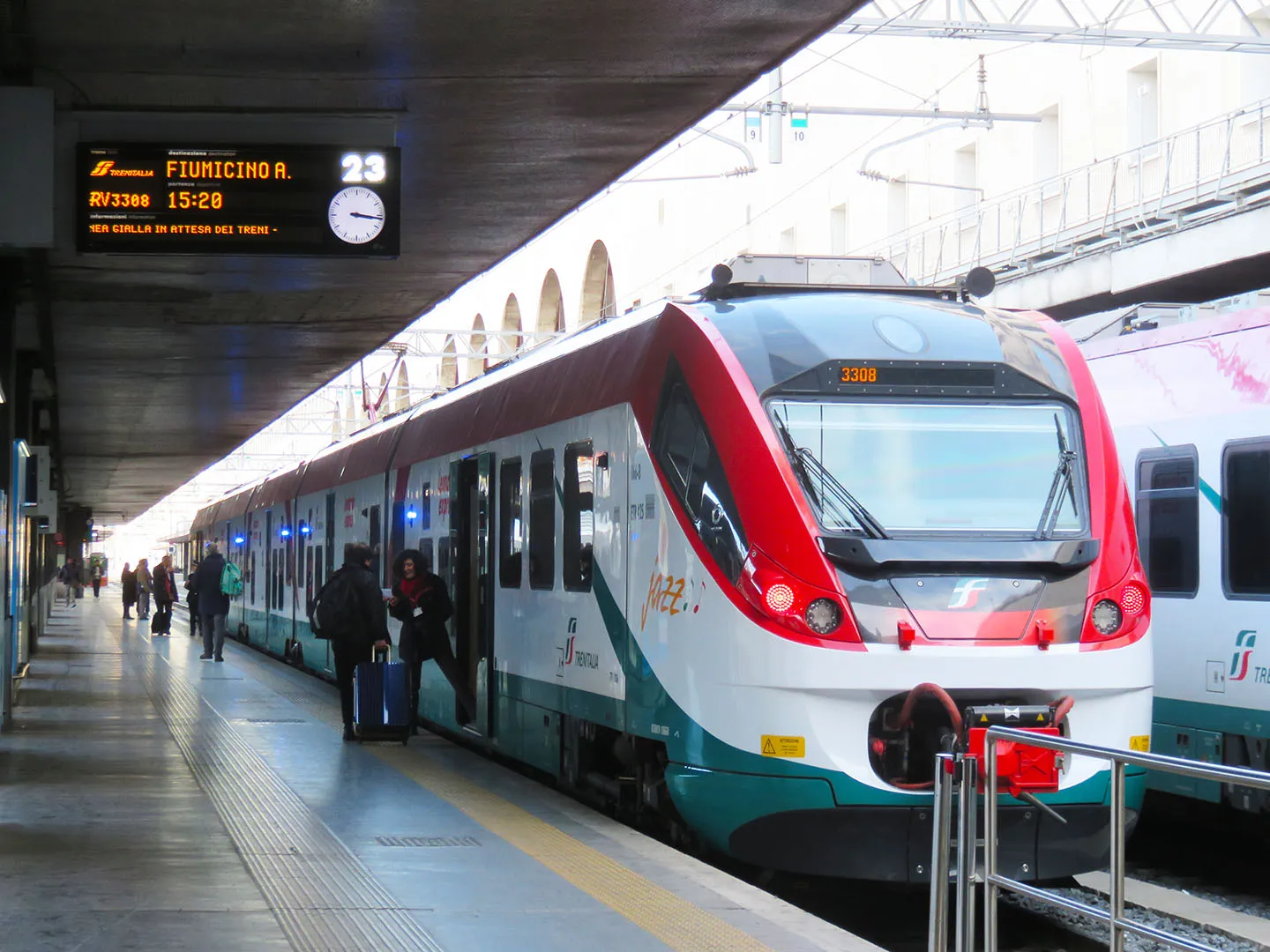
- Five days or more: stop choosing. Do both by fast train, Rome first for three days, then decompress in Florence for two.
The short version
Rome is the empire, the Vatican and big-city adrenaline across three or four days; Florence is the Renaissance in a calm, walkable package that two days cover. Pick Rome for scale, ancient history and family spectacle, Florence for art, pace and Tuscan day trips, and if your trip runs five days or longer, take the ninety-minute train and claim both. Whichever you choose, book the headline sights ahead and the first visit will feel like a triumph, not a queue.
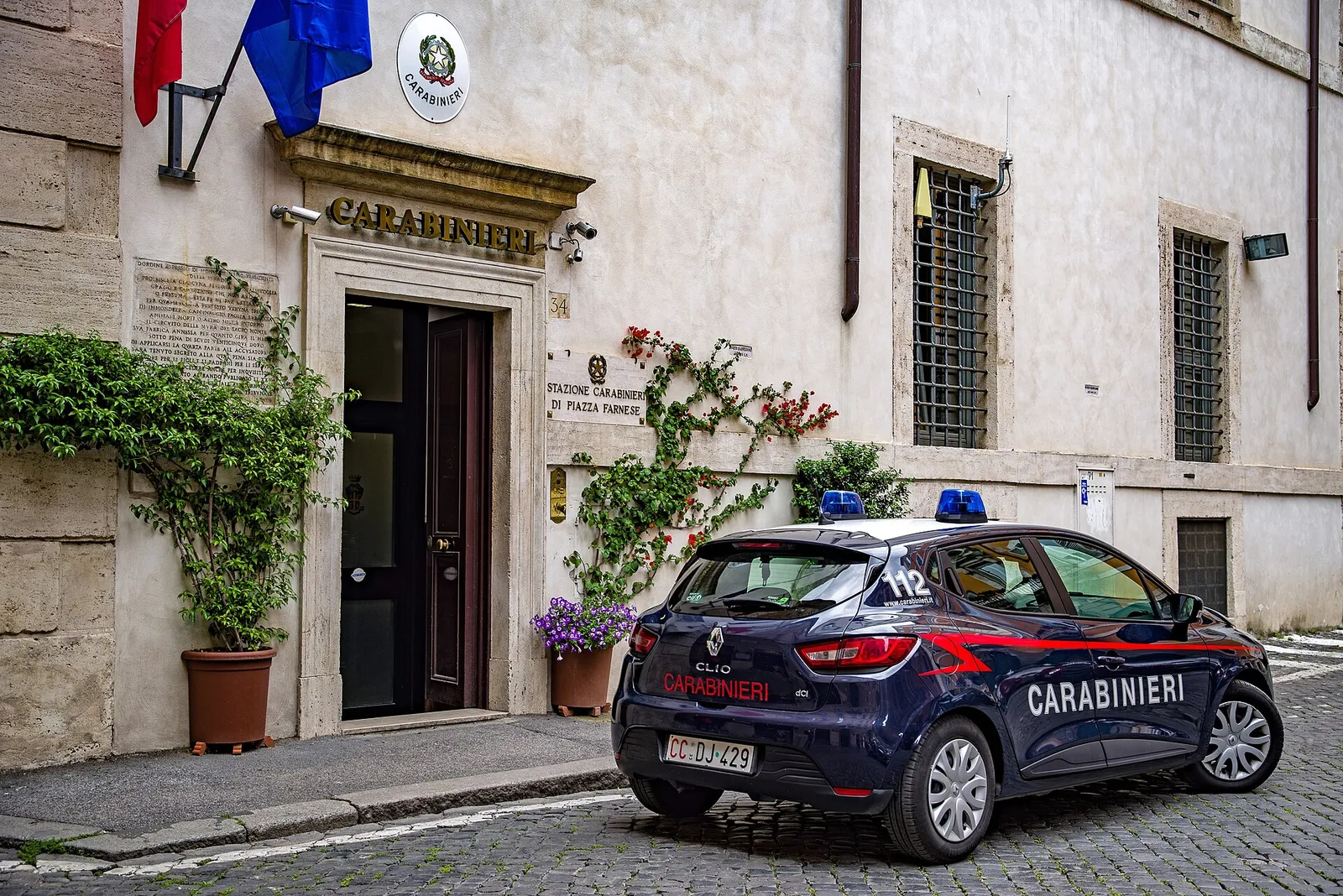
Two practical notes close the decision. Most visitors land in Rome whichever city they sleep in, and the run into town is easy once you know which train belongs to which neighbourhood; our guide to Rome airport transfers covers it. And the five minutes worth spending before either city is the short list of numbers and how the pharmacy system works, which is genuinely different here; our guide to emergency numbers in Italy has it.