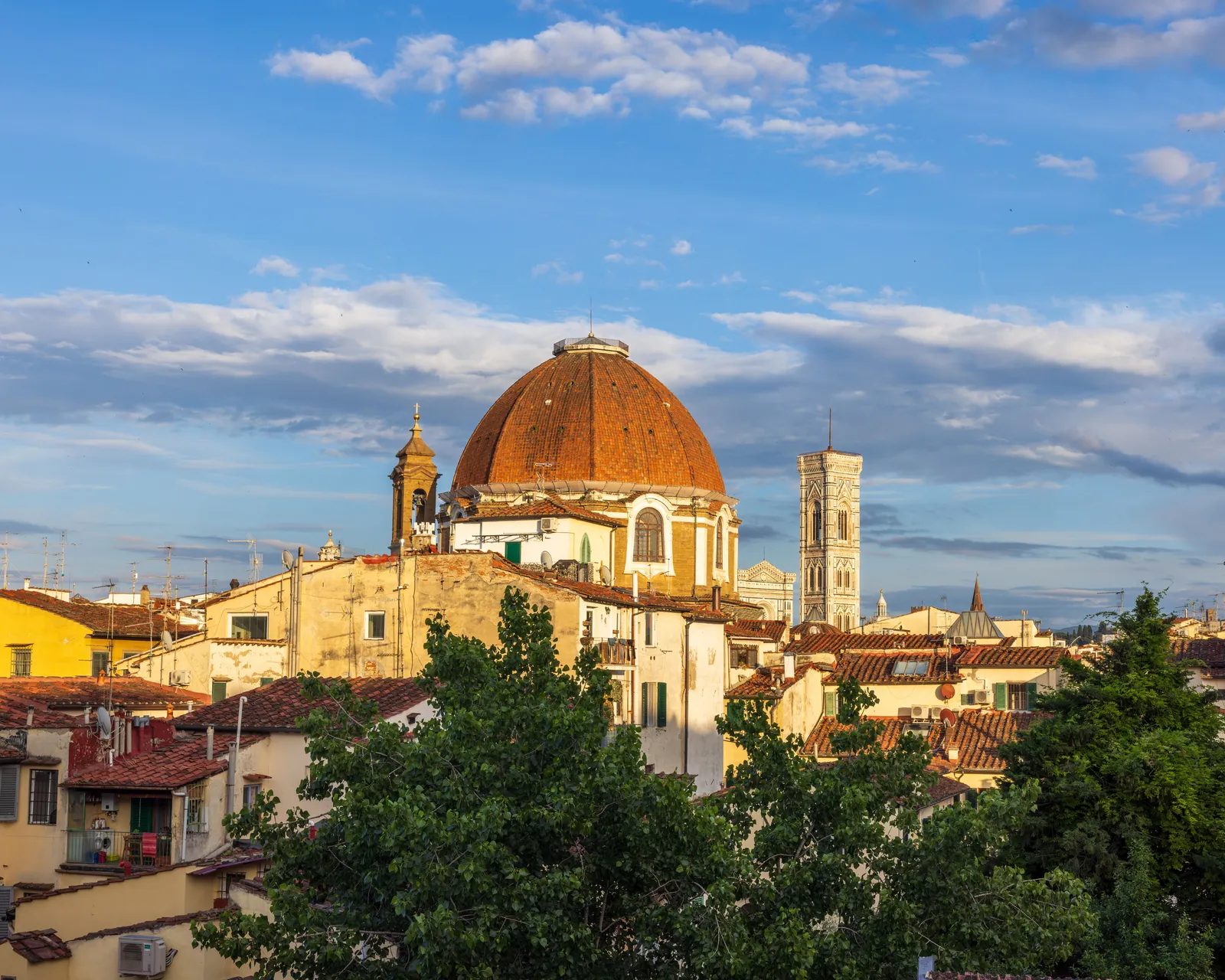
Florence has always been an easy city to sleep in: small, flat, walkable, and compact enough that most neighbourhoods are within twenty minutes of the Duomo. What has changed is not the geography but the paperwork. A rule aimed at the city’s short let market has quietly removed the way a great many visitors have been collecting their keys, and it is the kind of change that only becomes a problem at eleven at night with luggage on a cobbled street.
The rule that changed how you get your keys
Key boxes and lockboxes are banned in the UNESCO historic centre of Florence. These are the small combination safes bolted to walls and railings that held a key behind a code, and they were the backbone of remote, self service check-in across the city.
Separately, and this is where most coverage muddles it, the city has also barred new short term lets in the historic centre. Those are two different measures and they do not have the same effect on you. The short let restriction is about which properties may start operating; existing lets continue to trade, and you will have no trouble finding apartments in the centre when you search. The key box ban is the one that changes your arrival, because it applies to how any of those properties can hand over a key.
The practical summary is short. In the historic centre, letting yourself in with a code is no longer the arrangement. Somebody meets you, or you collect keys from a staffed reception or an office.
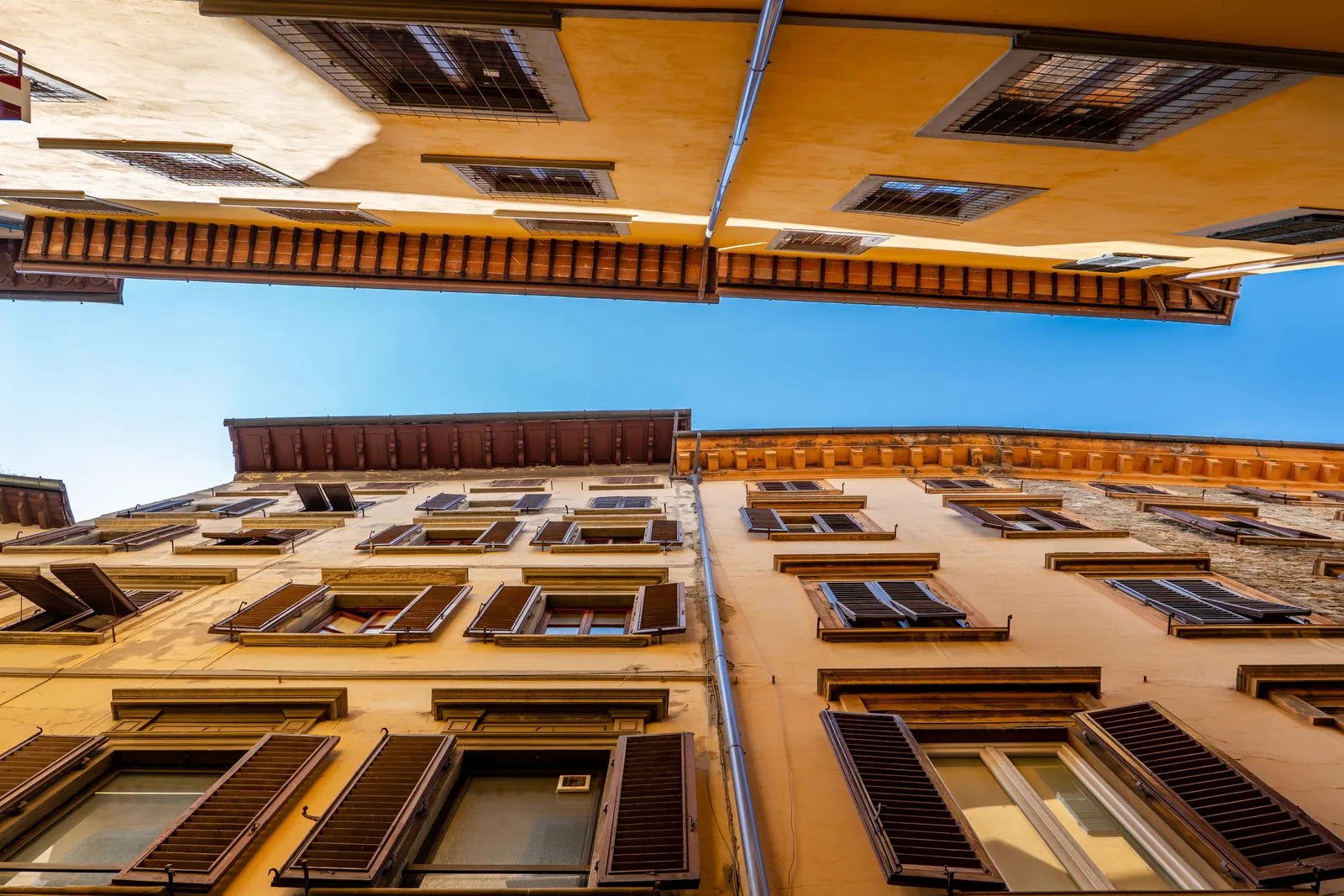
What that means when you book
The travellers who get caught are the ones who assumed nothing had changed. They book an apartment, receive no arrival instructions, land on a late flight and find no box on the wall and nobody to call.
Three habits remove the risk entirely. Message the property before you travel and ask, in plain terms, how you will be let in and by whom. Give them a realistic arrival time, and update it if your train or flight slips, since a person meeting you is a person who needs to know when. And check whether there is a cut off, because a host who meets guests personally may not do so at any hour, and a property that cannot let you in after a certain time is a very different proposition from one with a code on the door.
Hotels are the simple answer here, since a staffed desk was always the arrangement and nothing about it has changed. If you want the space or the kitchen of an apartment, that is still perfectly available, it simply needs one message rather than none.
The historic centre: everything within a short walk
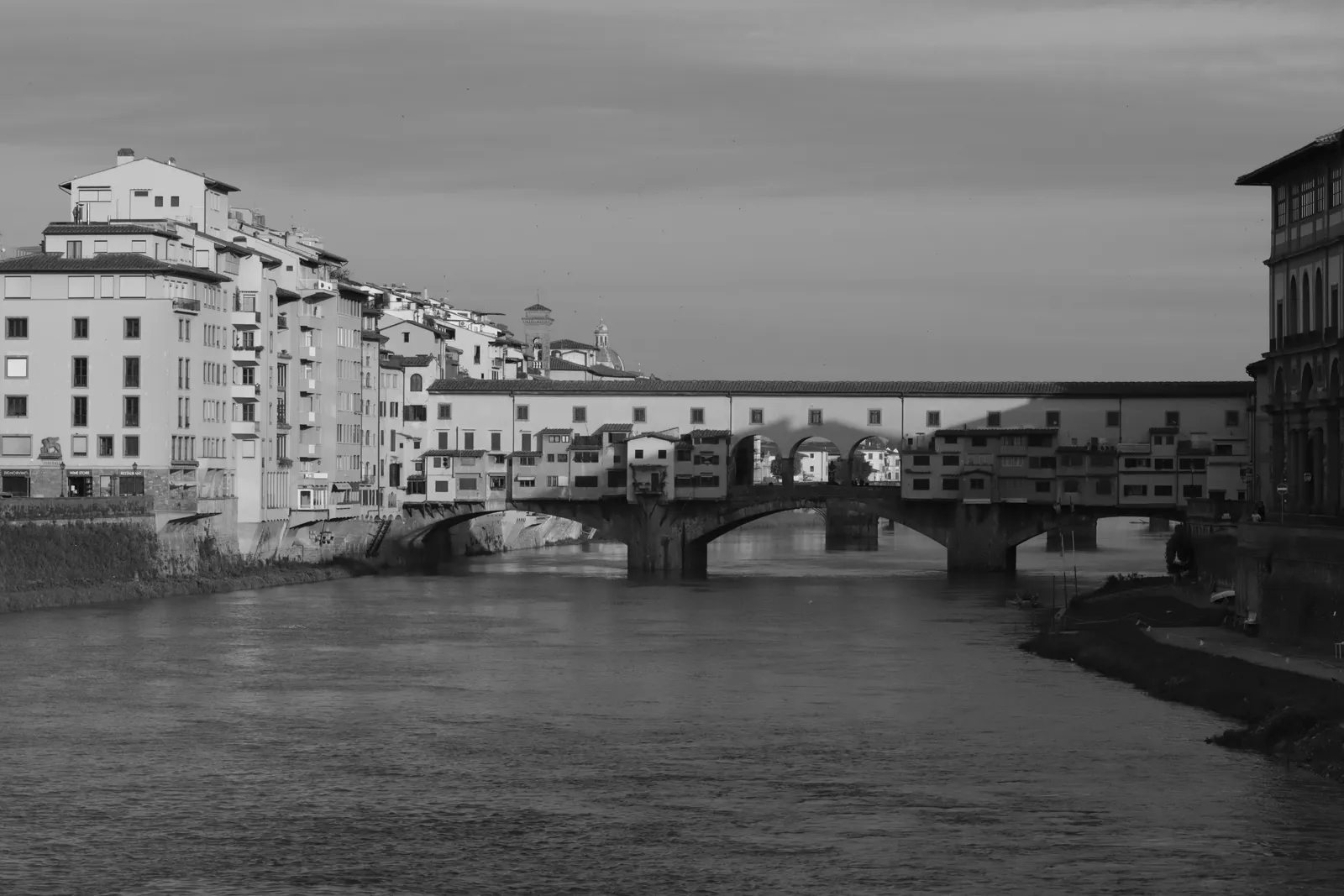
Staying around the Duomo and Piazza della Signoria puts the cathedral, the galleries and the Ponte Vecchio within a few minutes on foot, which on a two or three day trip is worth a good deal. This is where the hotels are most concentrated and where the check-in question is least likely to bite.
It is also the busiest and most expensive part of the city, and the streets closest to the cathedral carry foot traffic from early morning until late. If your plan involves first entry slots at the two big galleries, and our guide to the Uffizi and the Accademia explains why booking them ahead is not optional, a central base means the difference between a five minute walk and an alarm set half an hour earlier.
A staffed desk solves the check-in questionHotels in the centre were never affected by the key box changeOltrarno and Santo Spirito: across the river
Cross one of the central bridges and Florence changes register. The Oltrarno, and Santo Spirito at its heart, is the artisan quarter: leather workshops, frame makers and gilders still working in ground floor studios, wine bars that fill with people who live locally, and squares that stay lively without the density of the centre.
It is a few minutes’ walk from the Uffizi, so calling it out of the way misreads the map. Rooms are often better value than an equivalent property near the Duomo, and evenings are considerably more pleasant. The area is inside the historic centre for the purposes of the rules above, so the same check-in question applies. Our first time guide to Florence covers what you will be walking to from either side of the river.
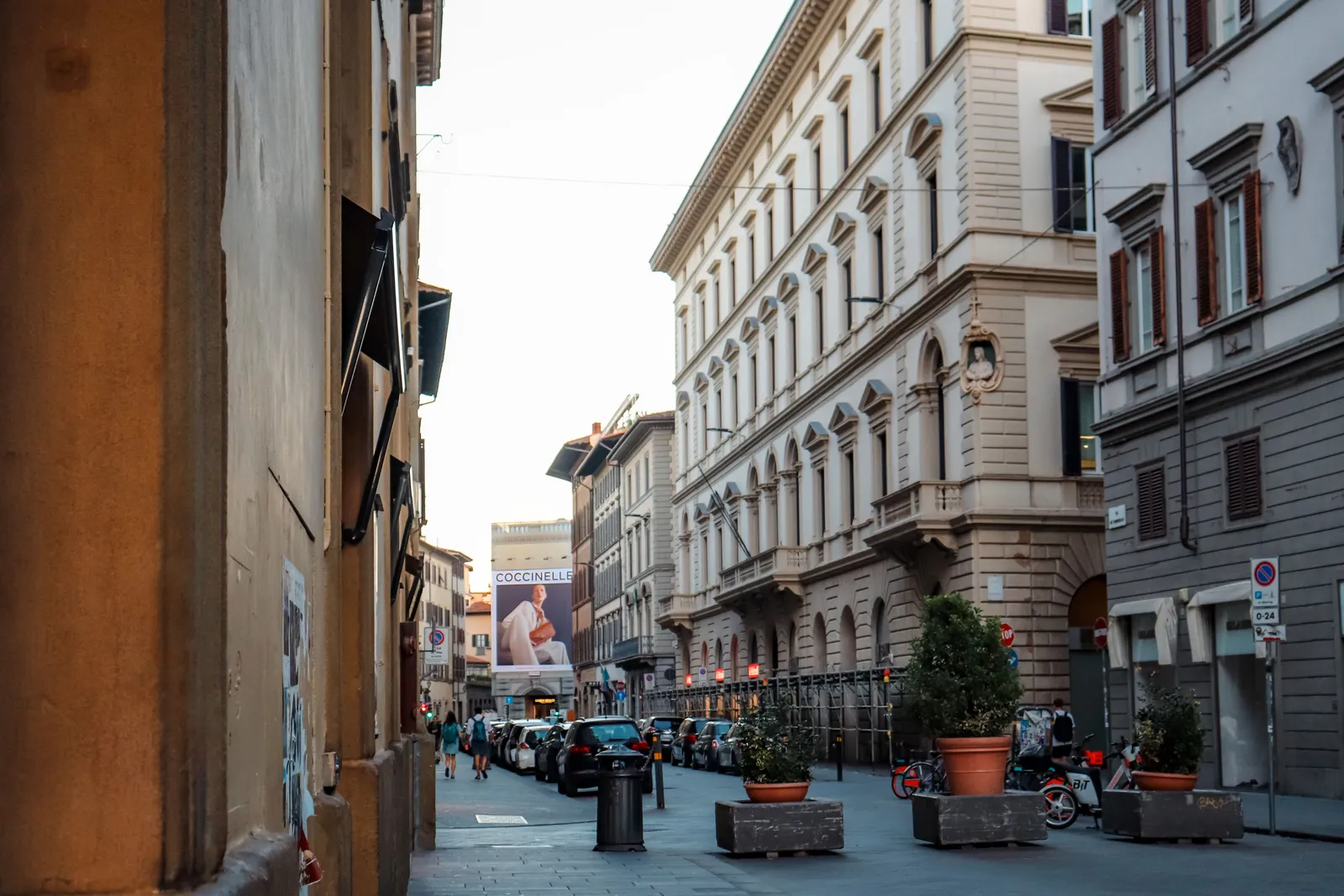
San Lorenzo, Santa Croce and the station side
San Lorenzo, around the market and the basilica, is central, well priced and busy in a market town way rather than a tourist way, particularly in the mornings. Santa Croce, east of the centre, is a genuine neighbourhood with a strong food scene and a large square, and it stays livelier at night than the streets around the cathedral, which is either the appeal or the objection depending on how you sleep.
The area around Santa Maria Novella station is the transport choice. Day trips into Tuscany and fast trains to Rome and Venice all leave from there, and the walk into the centre is short. The immediate streets facing the station are the least appealing in central Florence, so look slightly away from it rather than directly at it.
Arriving with a car, and the rest of the small print
Florence’s historic centre is a restricted traffic zone, and driving into it without authorisation produces a fine that typically arrives long after you are home. Some hotels can register a guest vehicle for a short unloading window, but that has to be arranged in advance with the property and confirmed in writing, never assumed. Our explanation of Italian ZTL zones covers how the cameras work and why the penalty takes so long to appear.
Two further changes are worth knowing before you picture your stay. Since April 2026, hire e-scooters are banned in the city centre, so that is not a way of covering the last stretch from a car park. And outdoor dining is now prohibited on a number of historic streets in the centre, which does not reduce the number of restaurants but does change where tables can be set out. Neither should alter which neighbourhood you choose, but both are the sort of detail that makes a plan feel wrong if you only discover it on arrival.