Florence has two museums that everybody books and they are not remotely the same kind of visit. The Uffizi is a vast chronological gallery that takes a morning and rewards every minute of it. The Accademia is a small collection arranged around one statue, and it takes an hour. Confusing them is why people either rush the Uffizi or feel short-changed by the Accademia. Here is what each one actually is, and how to get into both without queueing or overpaying.
The Uffizi
What it is. The Medici collection, in the building they had built as offices, arranged as a long corridor with rooms off it, running forward chronologically through the Renaissance.
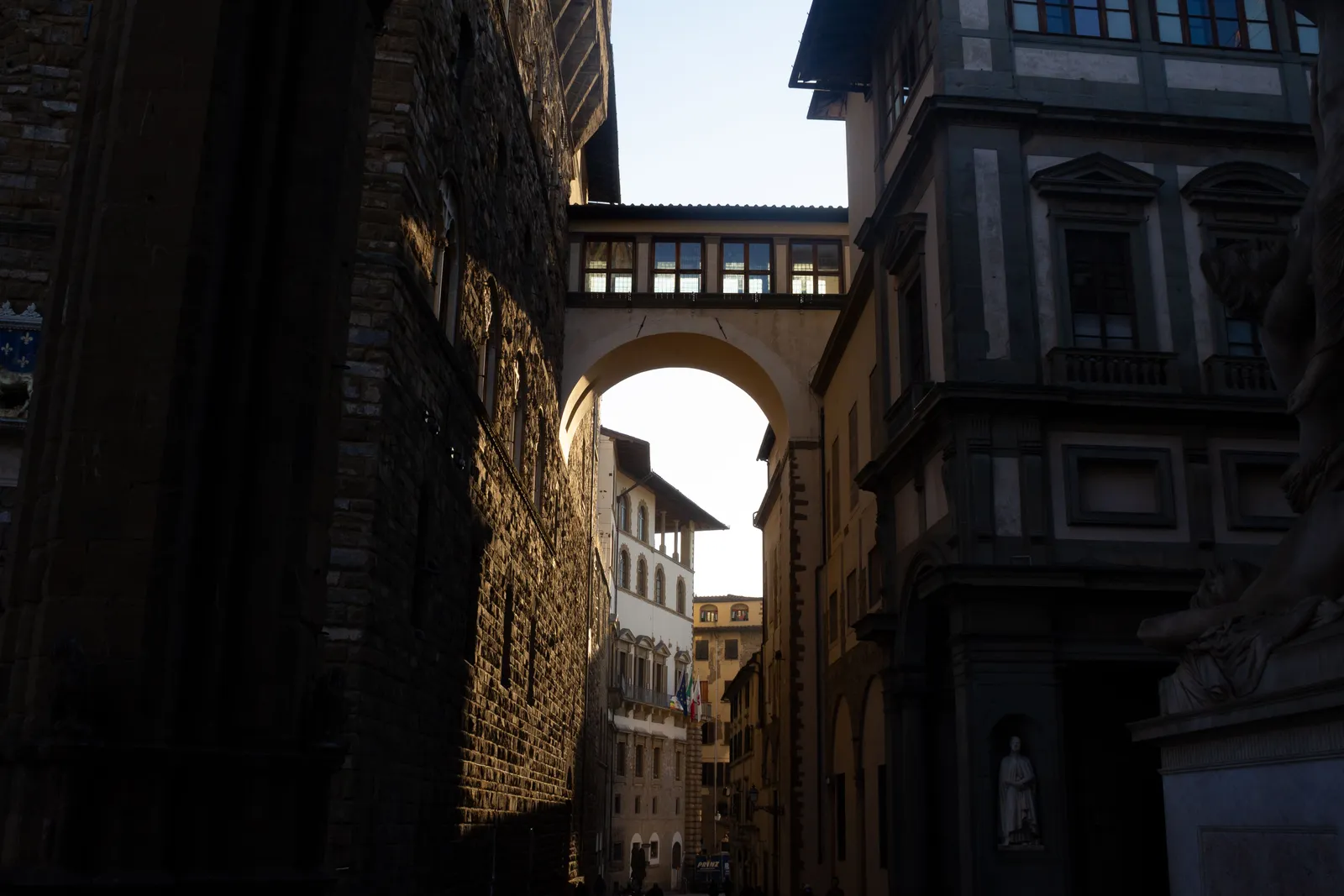
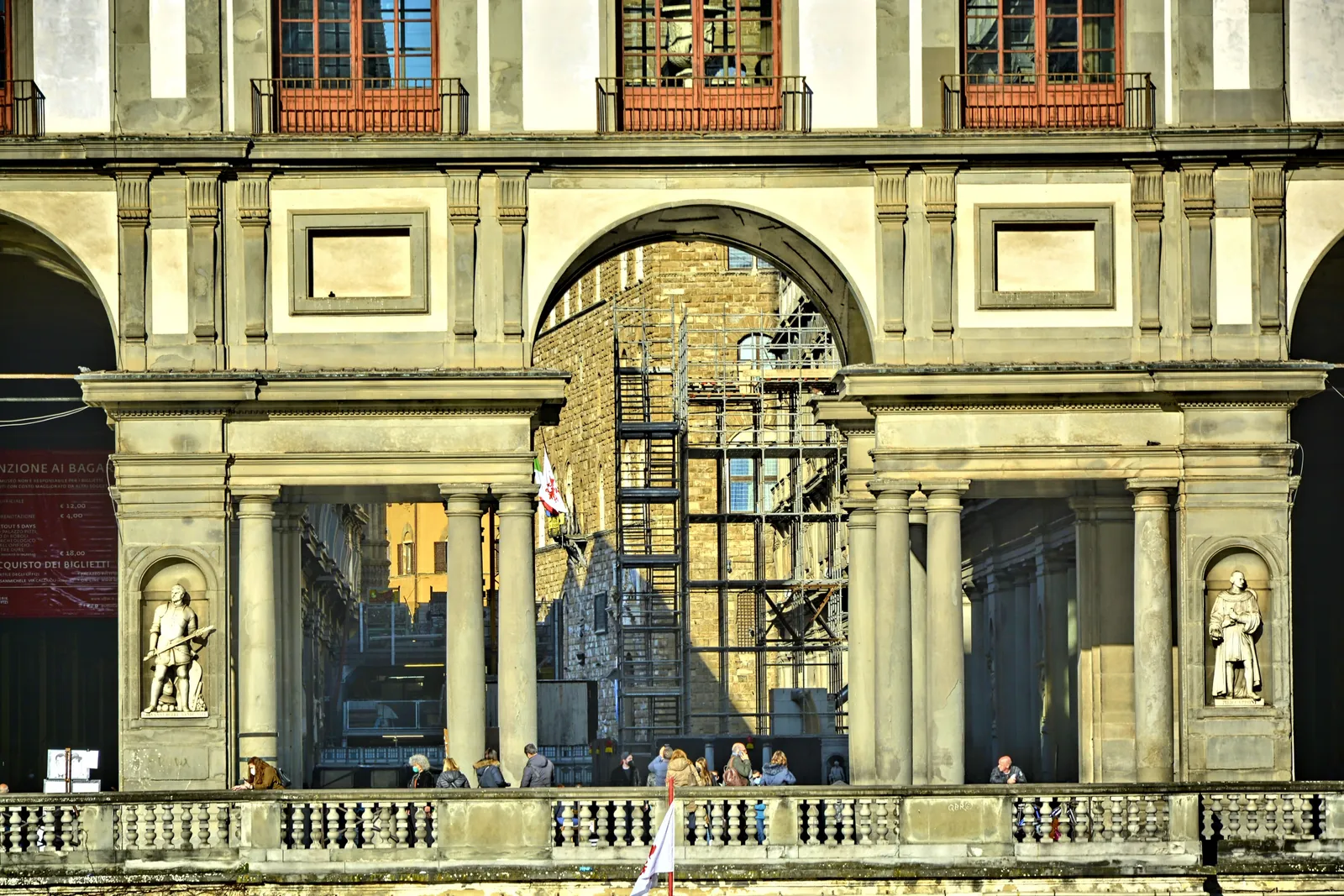
The building is part of it. The corridor itself, with its painted ceiling and windows over the river, is a room rather than a passage.
Two to three hours at a normal pace, and more if you stop.
Timed entry, booked ahead, with slots that sell out in season.
It is arranged as a story. Starting at the beginning and walking forward is the whole design, and skipping ahead to the famous rooms is how people come out saying it was overwhelming.
The Accademia
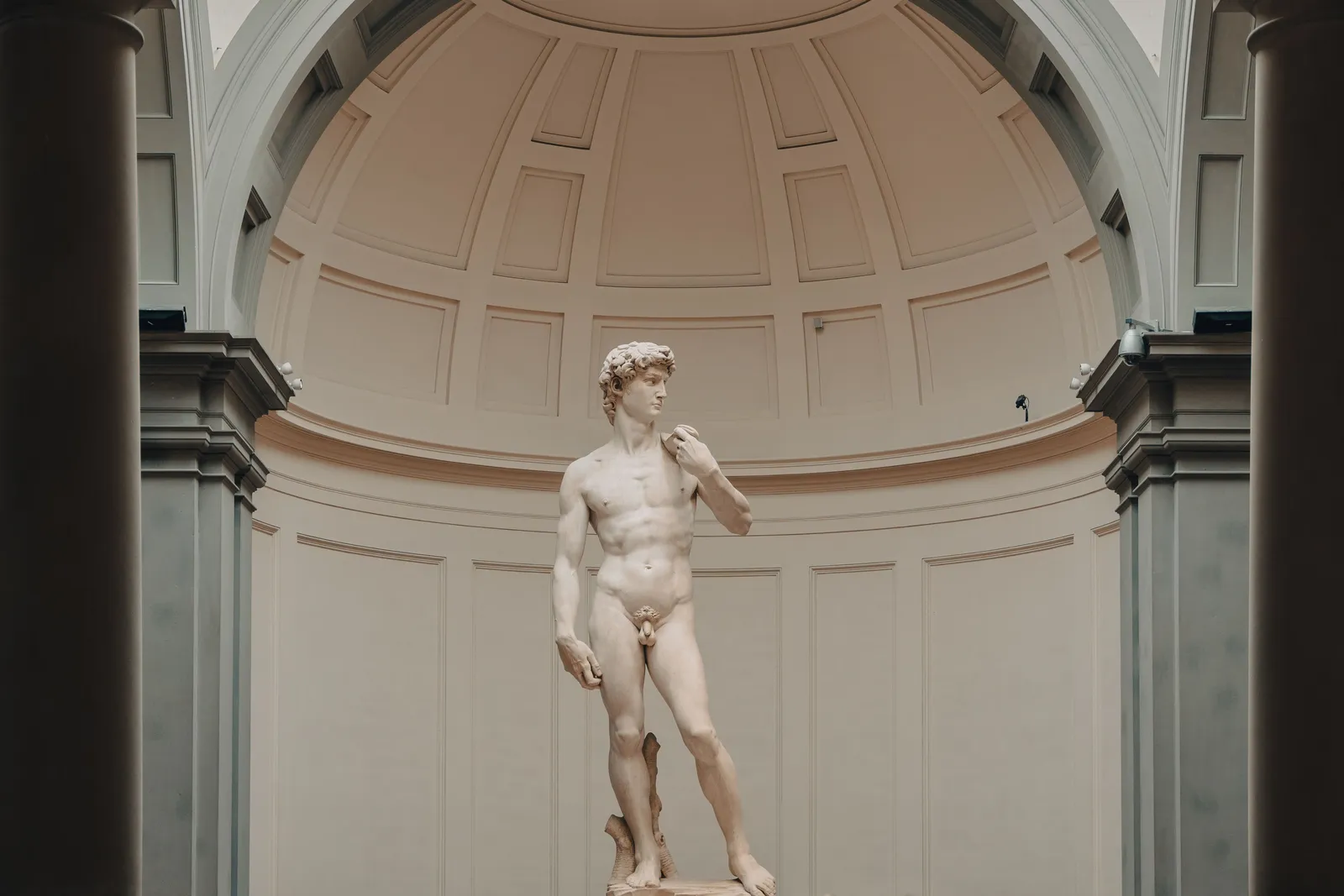
What it is. A small gallery whose reason to exist is Michelangelo’s David, moved indoors from the square in the nineteenth century and now standing under a purpose-built dome.
The statue is the visit. It is much larger than photographs suggest and the lighting is designed around it.
The unfinished figures in the hall leading to it, half-carved and still emerging from the marble, are the part that stays with a lot of visitors.
An hour is enough for most people, which is worth knowing before you book a half day around it.
Timed entry and sold-out slots apply just as they do at the Uffizi.
Doing both in a day
It is entirely possible and the order matters.
Accademia first, early, because it is quick and the queue there moves slowly for a small space.
Lunch, properly, because the Uffizi on an empty stomach is a mistake.
Uffizi in the afternoon, with the last slots being noticeably quieter than the middle of the day.
Do not add a third museum. Two in a day is the honest limit before everything blurs.
Practical notes
Bags are restricted at both and cloakrooms add time to your slot.
Free entry days exist at Italian state museums on certain dates and are extremely busy.
Concessions apply for various categories including younger visitors and are frequently unclaimed simply because nobody asks.
Photography rules differ by room and are enforced.
Arrive with margin, because your timed slot is the moment you may enter, not the moment you walk in past security.
Where they fit in a Florence trip
These two are the ticketed core, and the city around them is free.
For the groundwork of a first visit, from the neighbourhoods to the eating hours and the walk up for the view, our first-time guide to Florence covers what this article assumes.
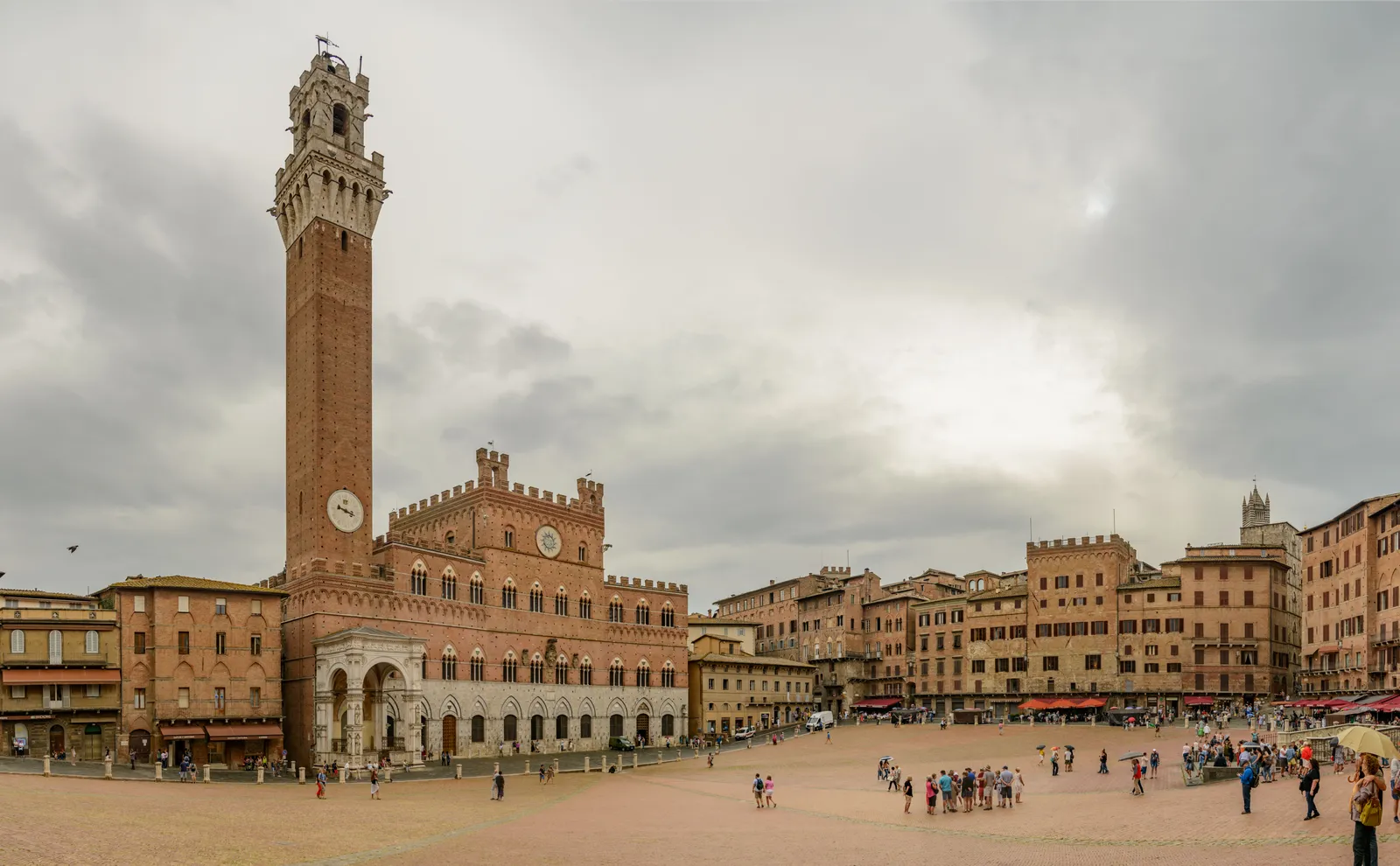
For the classic day out into the hills, our guide to Siena and San Gimignano covers the two Tuscan towns most visitors add and how to see them without a coach.
And if you are still choosing between Italy’s two headline cities for a short trip, our comparison of Rome and Florence sets out which one fits which kind of holiday.
The short version
Book both on the official site as far ahead as it allows, and check that site before buying from anyone else so you know what the markup is buying. Take the Accademia early and short, an hour around the David and the unfinished figures. Give the Uffizi the afternoon, start at the beginning and walk forward rather than hunting the famous rooms, and take a guide or an audio guide if you want the chronology to make sense. Two museums is the limit for one day in Florence.