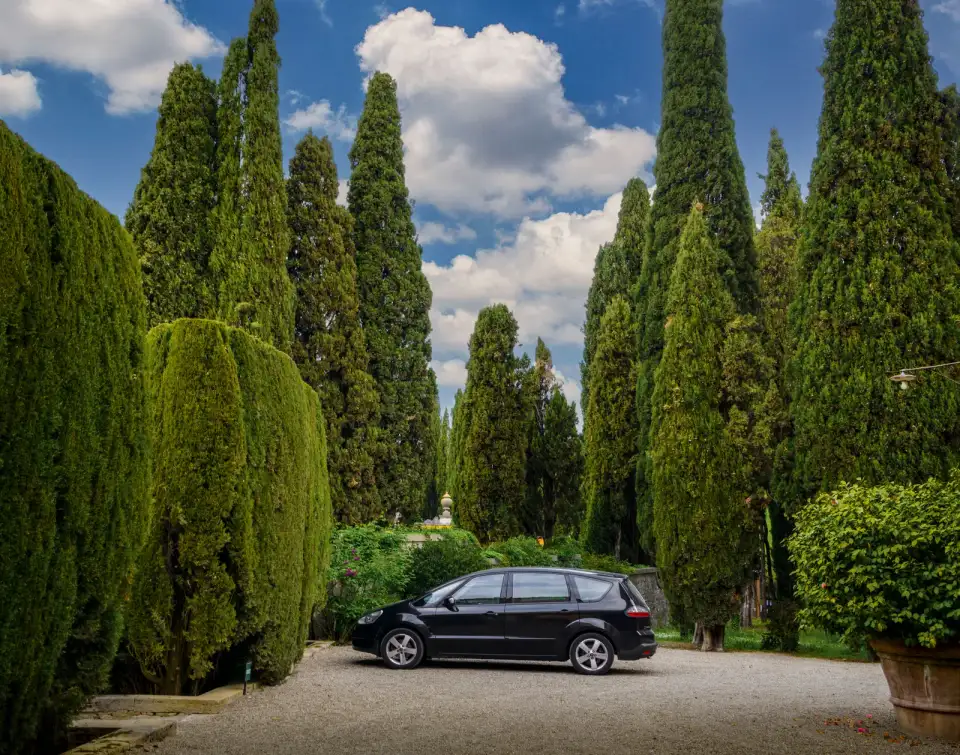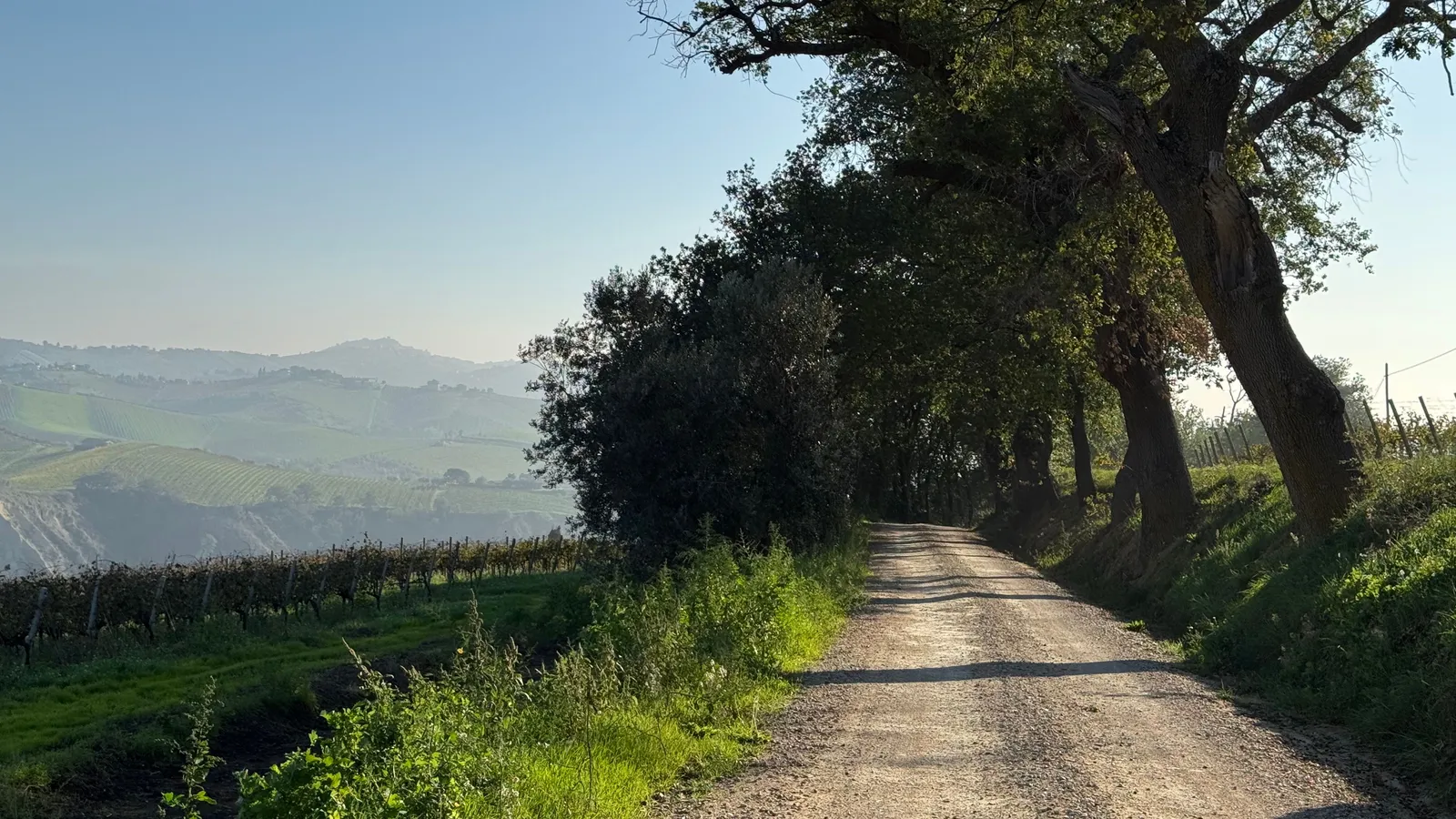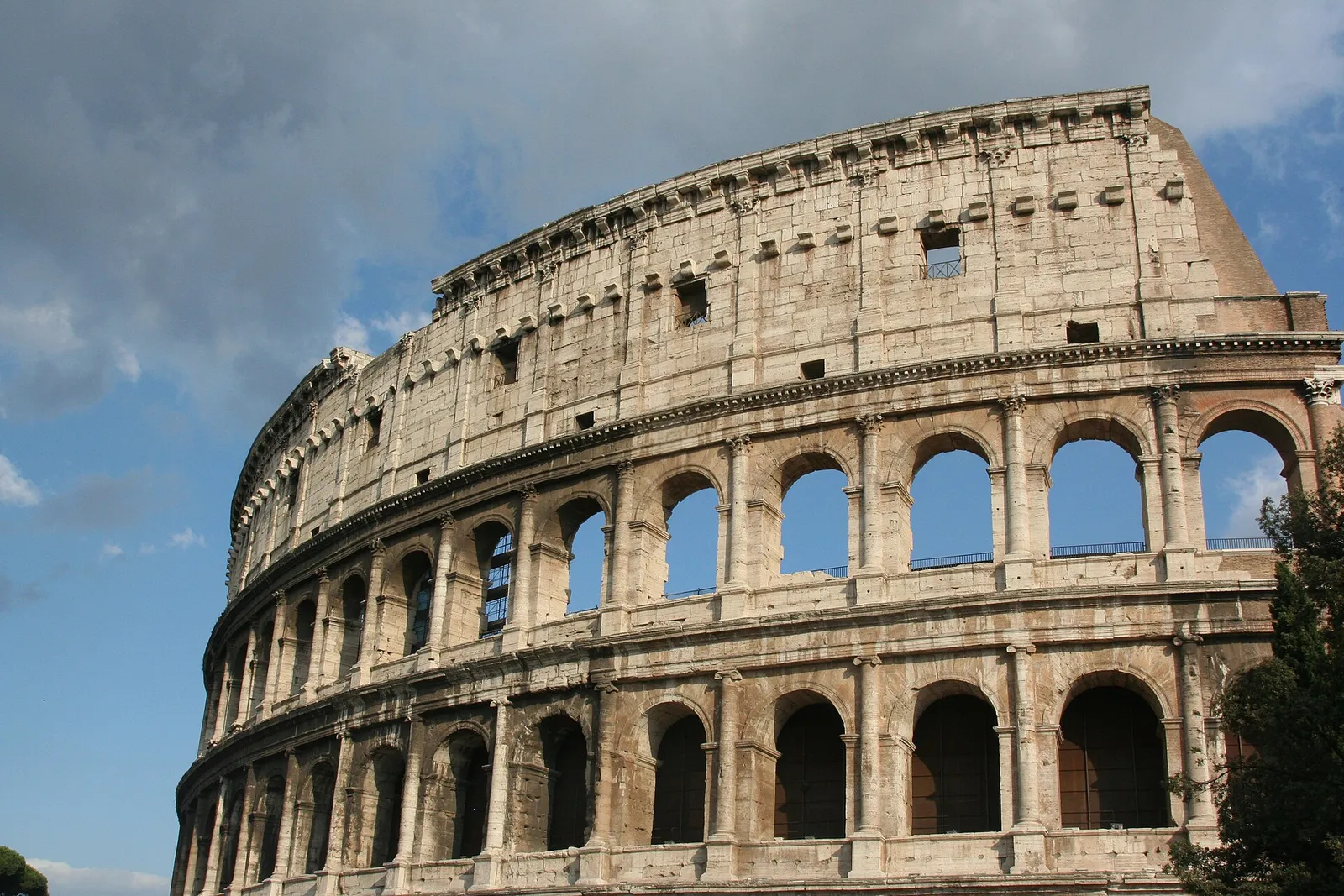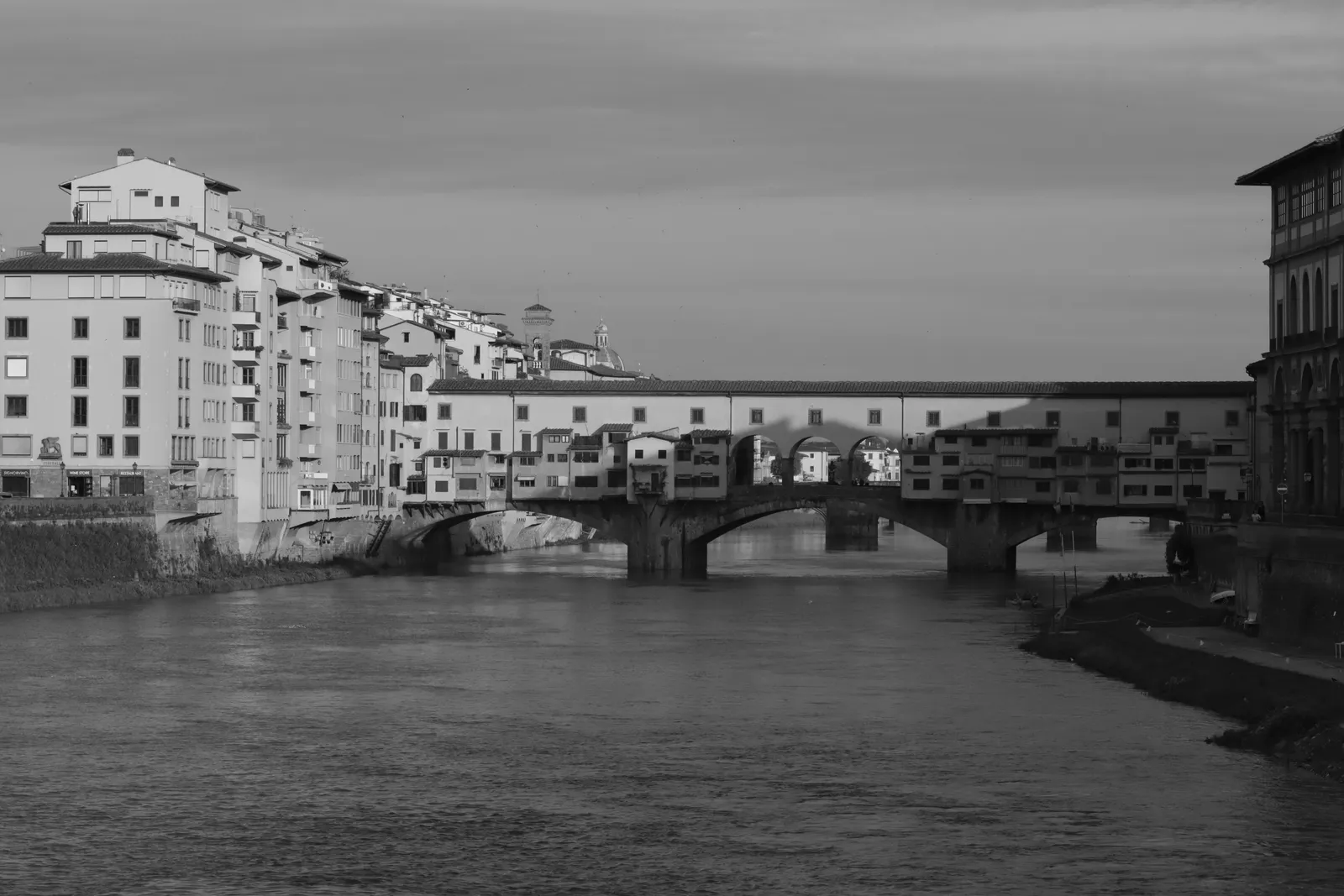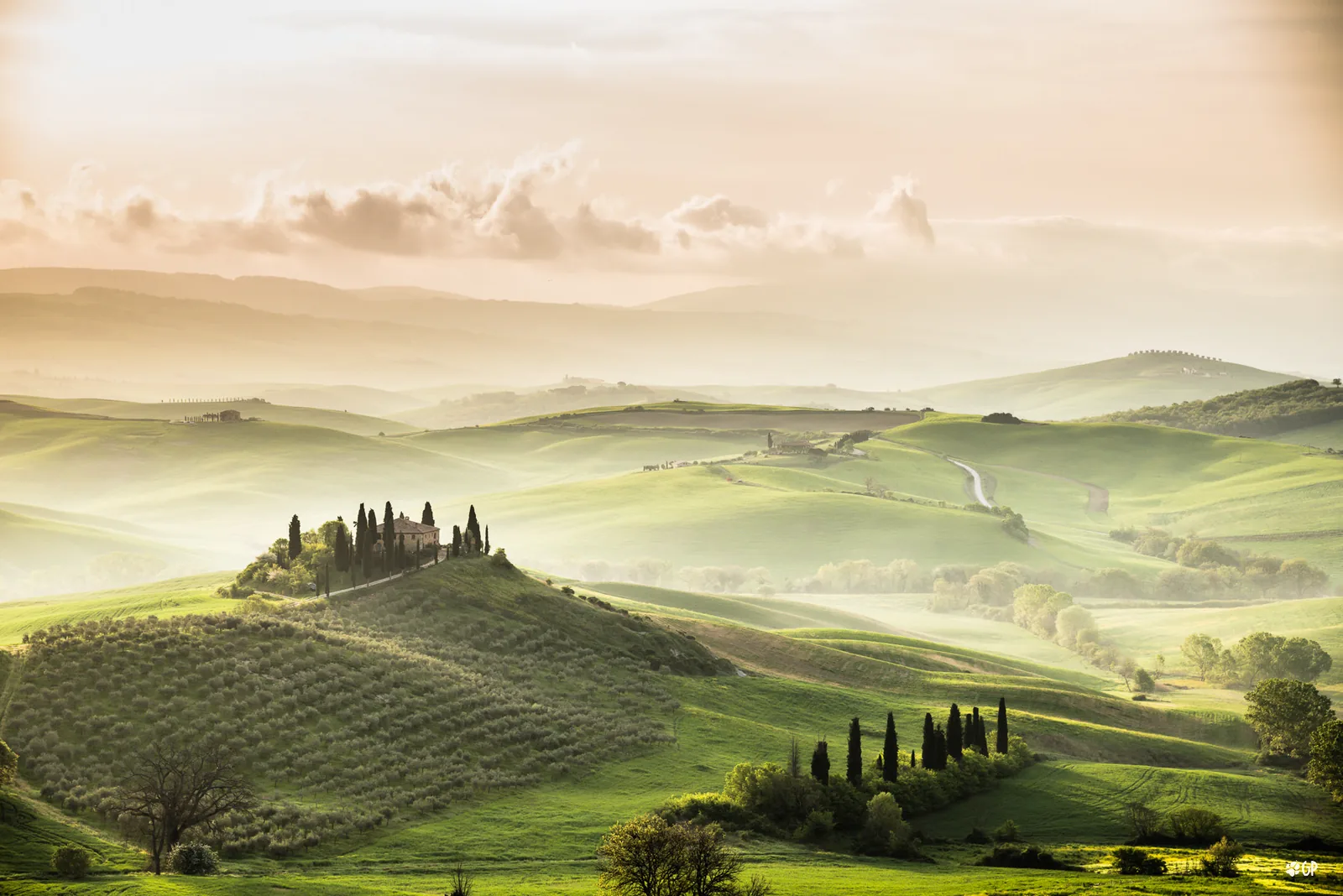
Tuscany is sold as a single image: a ridge of golden hills, a line of cypresses, a stone farmhouse. That landscape exists and it is not where most visitors end up, because it is in the south and most itineraries stay near Florence. Planning a Tuscan trip well is mainly a matter of knowing which part of the region does what, how many bases you actually need, and where a car stops being a convenience and becomes the whole point.
The parts of the region
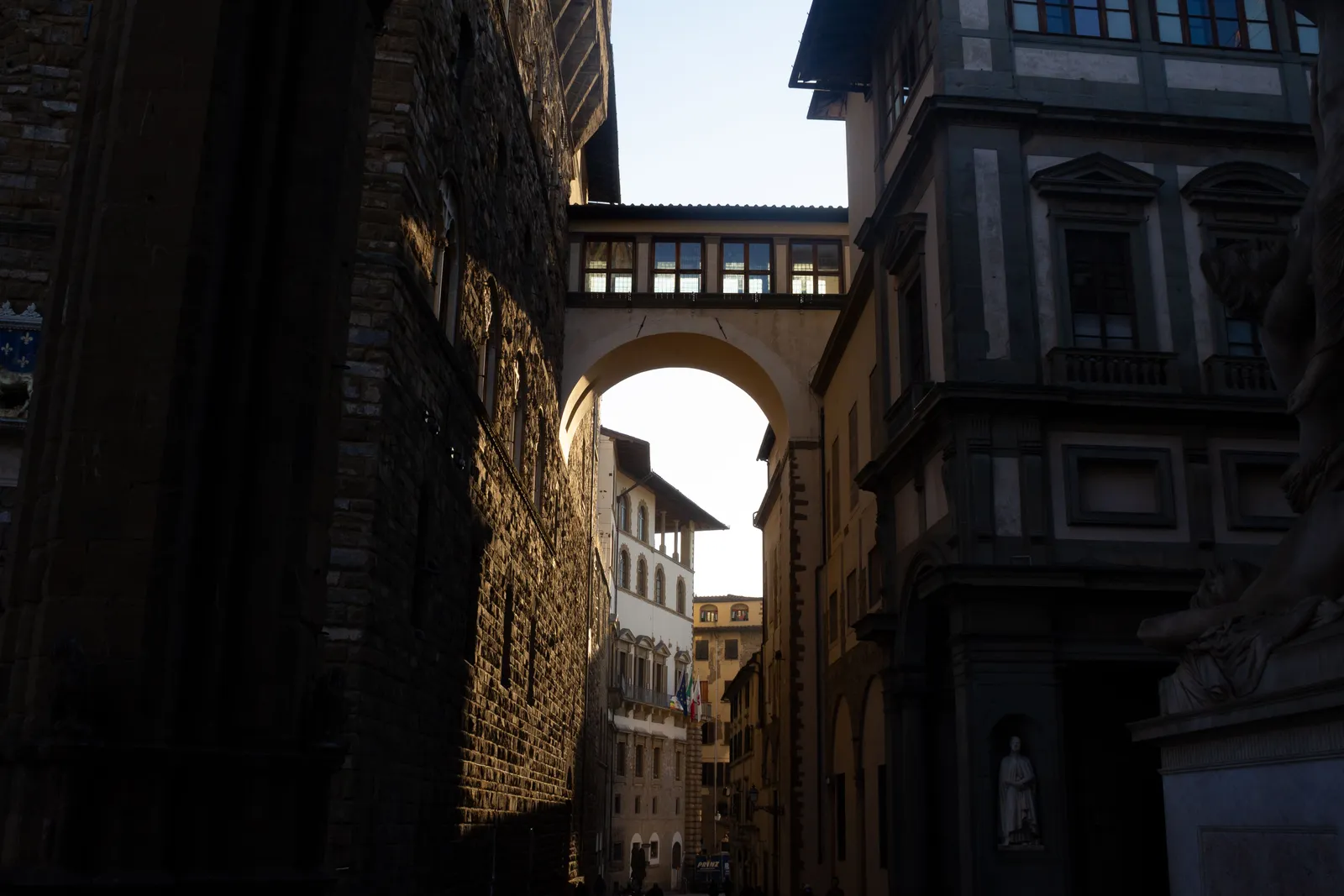
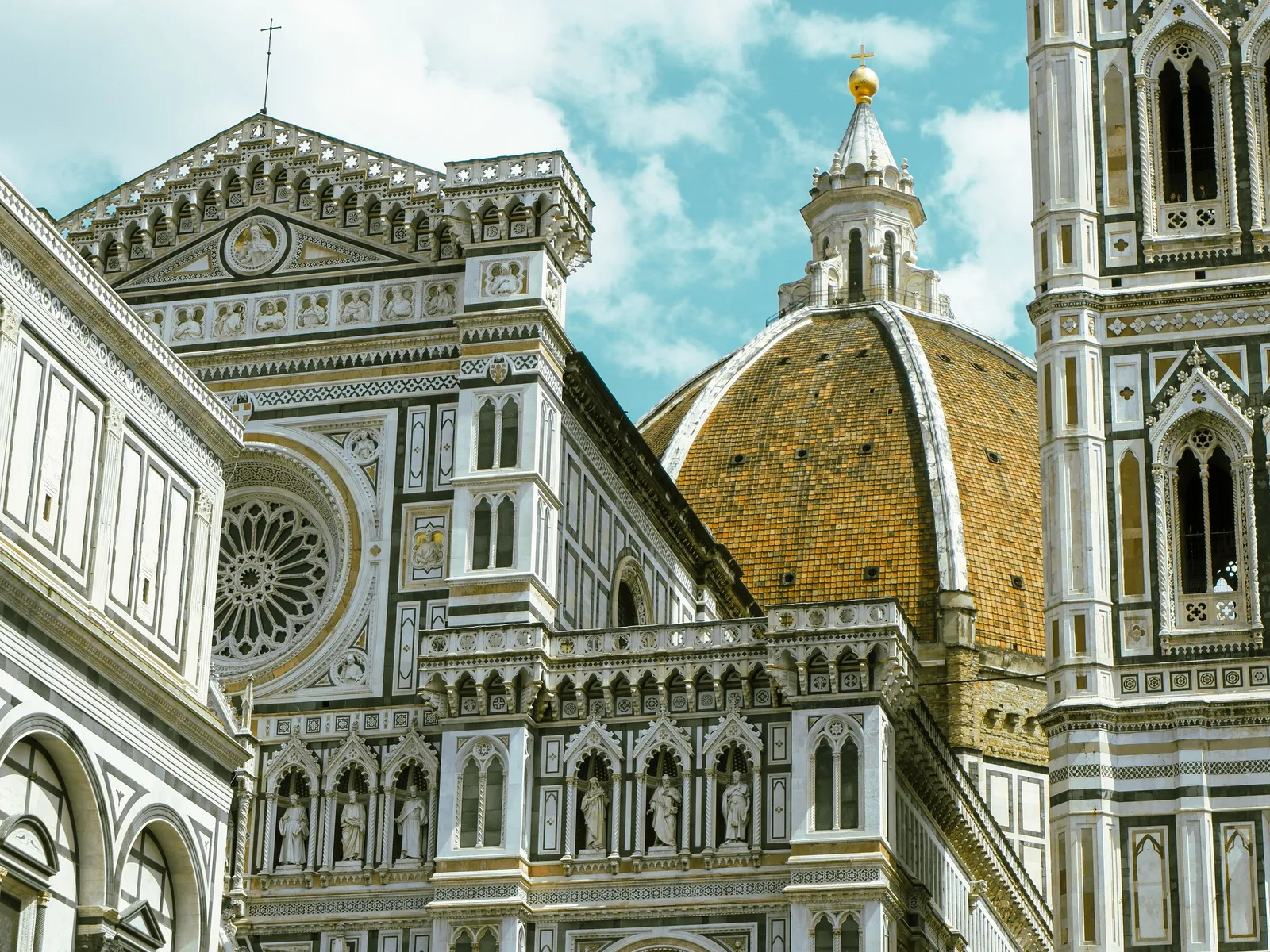
Florence and its immediate surroundings are the art and the connections, and the least rural part of Tuscany.
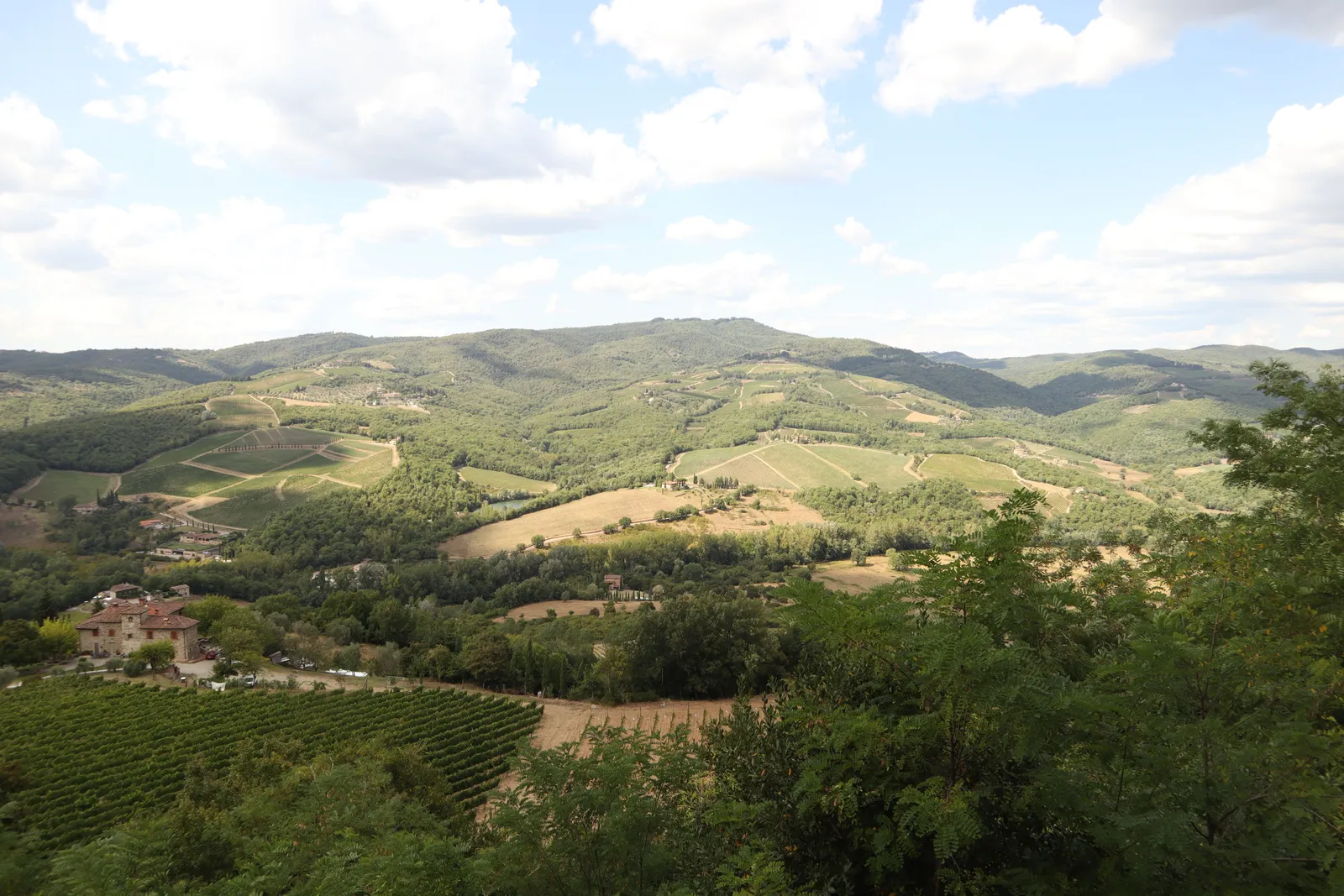
Chianti, between Florence and Siena, is green, wooded and full of vineyards and small villages. This is the wine country and the easiest countryside to reach.
The south, in the valleys below Siena, holds the landscape from the photographs: bare rolling ridges, isolated farmhouses, cypress avenues and hilltop towns.
The coast and the islands are a different holiday altogether, with beaches, pine forest and ferries.
The north and the mountains, including the marble quarries and the wooded hills, are the part almost no visitor sees.
Pisa, Lucca and the western towns sit on the rail line and are easy without a car.
How to structure a trip
One city base and one countryside base is the shape that works for a week.
Florence needs two to three days for the museums and the city itself, and it is a walking city where a car is a burden.
The countryside needs three or four, based somewhere small, driving out each day and coming back for dinner.
Do not move every night. Tuscan roads are slow and beautiful, and the packing is what costs you the day.
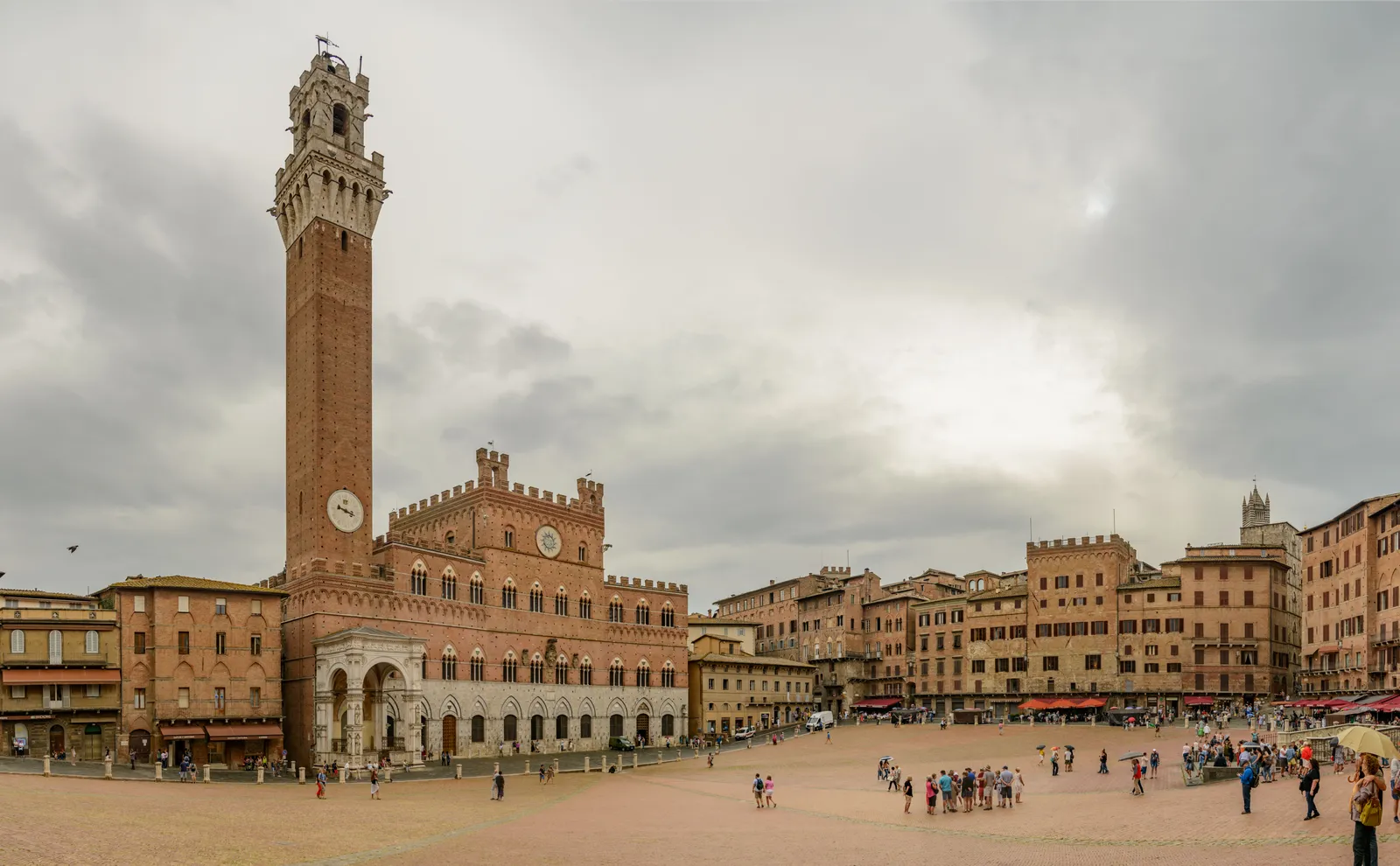
Siena is the good compromise if you want one base with both town life and easy country roads.
The car question
This is the decision that shapes the budget and the trip.
Hire it for the countryside days only. Trains connect Florence, Pisa, Lucca and Siena perfectly well, and a car parked in a city is an expense and a parking problem.
Restricted traffic zones cover the historic centre of essentially every Tuscan town, are camera enforced, and generate fines that arrive months later through the rental company. Park outside the walls and walk in, every time.
Take a small car. The roads between villages are narrow and the car parks are not generous.
Unpaved white roads are part of the pleasure in the south and are worth checking against your rental agreement.
Eating and drinking
The food is deliberately plain and extremely good: bean and bread soups, grilled meat, olive oil treated as an ingredient rather than a condiment, and very little sauce.
The famous steak is sold by weight, served rare and is meant for sharing, which catches people out.
The wines are among the best known in Italy, and the region between Florence and Siena is where most of them come from. Our guide to the Chianti wine road covers the route and how to taste without ruining the drive.
Eat in villages, where a set lunch costs less than a sandwich on a famous square.
The towns to build days around
Siena and San Gimignano are the standard pair and deserve their reputation. Our guide to Siena and San Gimignano covers doing both in a day and why timing decides the experience.
The southern hill towns above the classic valleys are quieter and more rewarding for a second visit.
Lucca is flat, walled, cycleable and the most relaxed town in the region.
Pisa is a short stop rather than a day, and it is worth walking past the famous field into the actual town.
Arezzo and Cortona in the east see far fewer visitors than they should.
The short version
Give Tuscany a week, split between Florence and one countryside base, and resist moving every night. Take the train between the cities and hire a car only for the days you are out in the hills, parking outside the walls of every town you visit. Decide first whether you want the green wooded Chianti or the open southern ridges, because they are not the same place. Come in May, June, September or early October. And do the museums in Florence properly, as our guide to the Uffizi and the Accademia sets out, before you disappear into the countryside.