Yes, you can visit Siena and San Gimignano in one day, and it is the standard day trip from Florence. Do San Gimignano first, before the coaches arrive, and give Siena the longer second half of the day. It is a full day rather than a relaxed one, and if you can spare a night, spend it in Siena.
These are the two towns every Tuscany itinerary includes, usually on the same day. They are worth it. Siena is a complete medieval city that lost its rivalry with Florence and therefore never got rebuilt. San Gimignano is a small hill town that kept a skyline of stone towers when everywhere else lost theirs. The trick with both is timing, because between about ten and five they belong to the coaches, and either side of that they are extraordinary.
Can you really do both in one day?
The order that works
San Gimignano is tiny, so it suffers most from crowds, and it takes about an hour to walk. Siena is big enough to absorb a crowd and has far more to see. So the sensible shape is San Gimignano first thing, a village lunch on the road between them, then the afternoon and early evening in Siena. Doing it the other way round means arriving in San Gimignano at the busiest hour, with the least time left to enjoy it.
A rough shape for the day
- Early morning: San Gimignano, with the towers, the quiet side streets and a glass of the local white.
- Midday: the back roads or a village lunch away from either main square.
- Afternoon: Siena, with the cathedral and the old hospital while the light is good.
- Late afternoon: the tower, then a seat on the Campo as the day visitors leave.
If that sounds like too much, it is. Cut San Gimignano down to an hour and protect your time in Siena rather than the other way round.
Siena: what to see
The Campo and the cathedral
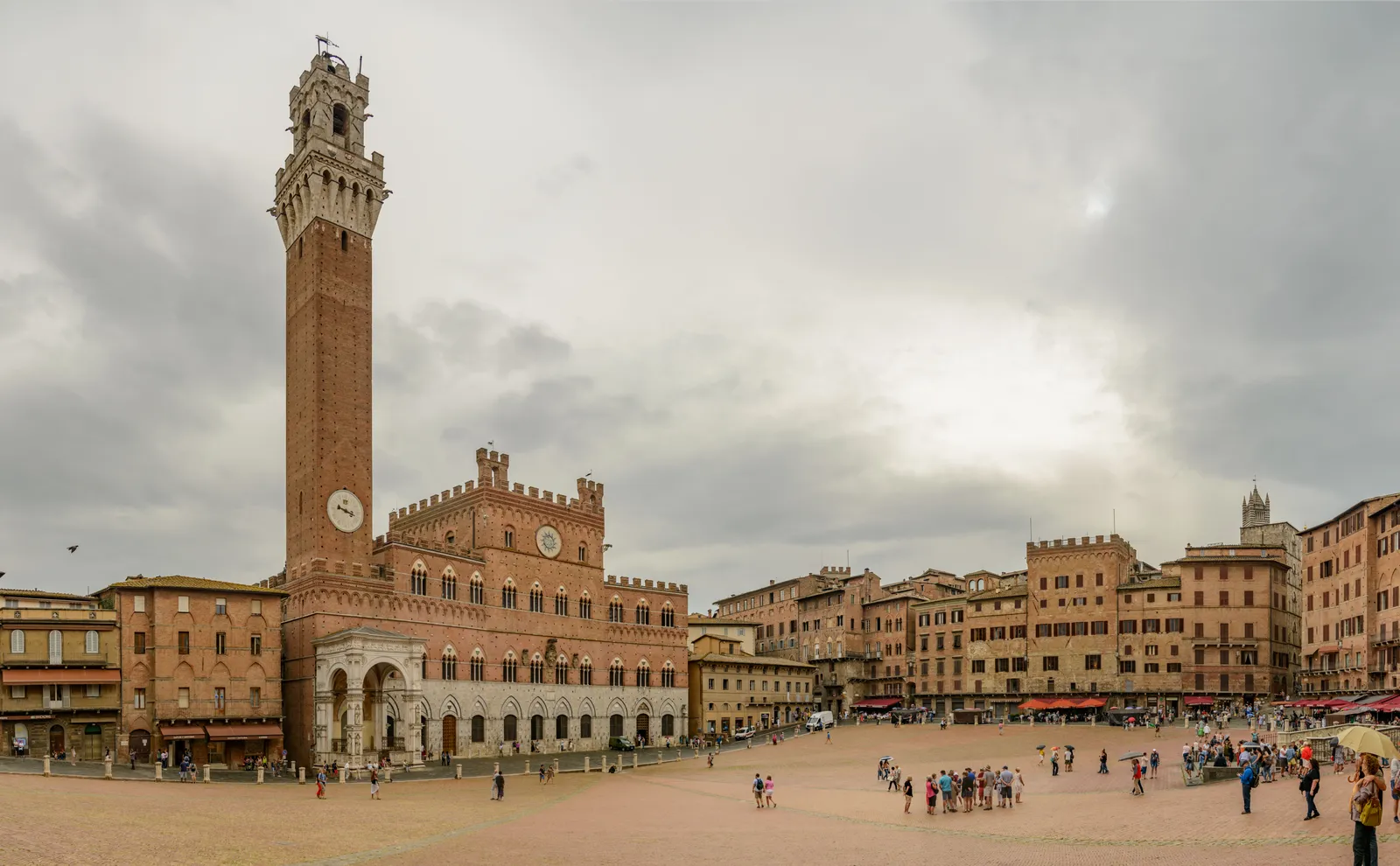
The Campo is the main square, shell-shaped and sloping, ringed by cafes and closed to traffic, and it is one of the great public spaces in Europe. Sitting on the bricks in the middle of it is what people do.
The cathedral is the set-piece: striped marble inside and out, a floor of inlaid marble panels that are uncovered only for part of the year, and a library off the nave with frescoes in colours that look freshly painted. Check on the official cathedral site whether the floor is uncovered on your dates, because it changes what you see.
The tower and the old hospital
The tower on the town hall gives the view over the roofs, involves a great many steps and is worth them. Do not attempt it if you are already tired, and do it earlier in the afternoon rather than last, so you are not racing the closing time.
The old hospital opposite the cathedral is now a museum and is the most underrated thing in the town. Most day visitors walk straight past it, which makes it a calm break from the crowds outside.
The contrade
The contrade, the seventeen districts that compete in the Palio, are visible everywhere once you notice the flags and symbols on the streets, and they explain why this town works the way it does. Look at street corners and fountains and you will start to see which district you are standing in.
San Gimignano: what to see
The towers and the approach
The towers are the reason to come: medieval status symbols built by rival families, a number of which survive, giving a small hill town a skyline like nothing else in Italy.
The approach is half of it. The view of the towers from the road in is the photograph everybody wants, and it is better than anything from inside the walls. If you are on a bus you will get a glimpse, and if you are driving, it is worth a slow approach.
Keeping it small
It is small. You can walk it in an hour, which is why it is usually paired with Siena.
The main street is commercial, heavily so in the middle of the day, and two turns off it the town goes quiet immediately. Take the side lanes and the walls rather than following the crowd.
The local white wine is one of the oldest named wines in Italy and is worth ordering here rather than anywhere else.
Siena or San Gimignano: which if you only have time for one?
If you cannot do both, the choice is easy for most people, but not for everyone.
| Siena | San Gimignano | |
|---|---|---|
| Size | A full city, with a long list of sights | A small hill town, walkable in about an hour |
| Best for | Art, architecture, atmosphere, an evening out | The skyline, photographs, a short and scenic stop |
| Crowds | Absorbed well, and quiet in the evening | Very crowded in mid-day, quiet early and late |
| Downside | Too much for a rushed visit | Commercial main street, little to do beyond the towers |
| Overnight? | Very worthwhile | Possible, but rarely necessary |
Choose Siena if you have only half a day or more, and you want the one that rewards time. Choose San Gimignano if you want a short, scenic stop, or if you are travelling with people who tire of museums.
Doing it in a day: getting there
By bus or by car
By bus from Florence, with a direct service to Siena and a change for San Gimignano, which is straightforward and cheap. Frequencies and journey times vary by season and day, so check the current timetable with the operator before you plan your timings around it.
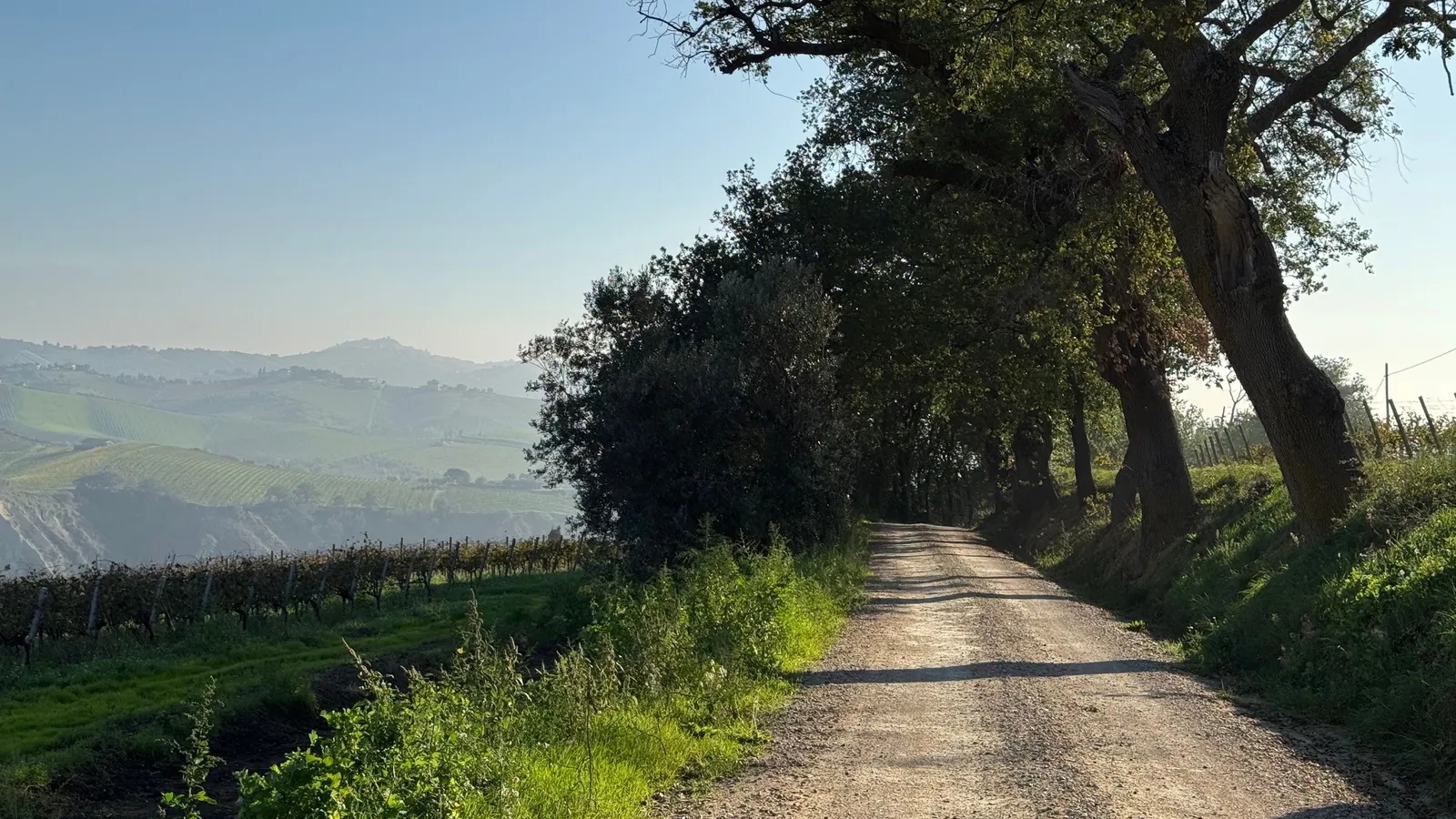
By car, an easy drive with the option of the back roads through the vineyards, which is much of the appeal. If the bus is the only plan you have, you will see far less of the countryside.
Park outside the walls in both towns, always, because both have restricted traffic zones enforced by camera and a fine that arrives months later. Walk in from a car park, whatever you drive.
Common mistakes
- Arriving in San Gimignano at noon and judging the town by its main street.
- Spending equal time in each town, when Siena has far more to see.
- Driving into the historic centre because the satnav suggested it.
- Adding a third town. Do not add a third town. Two hill towns and the drive between them is a full day.

The countryside in between
This is the part that does not appear in the itinerary and is the reason to have your own transport or a good tour.
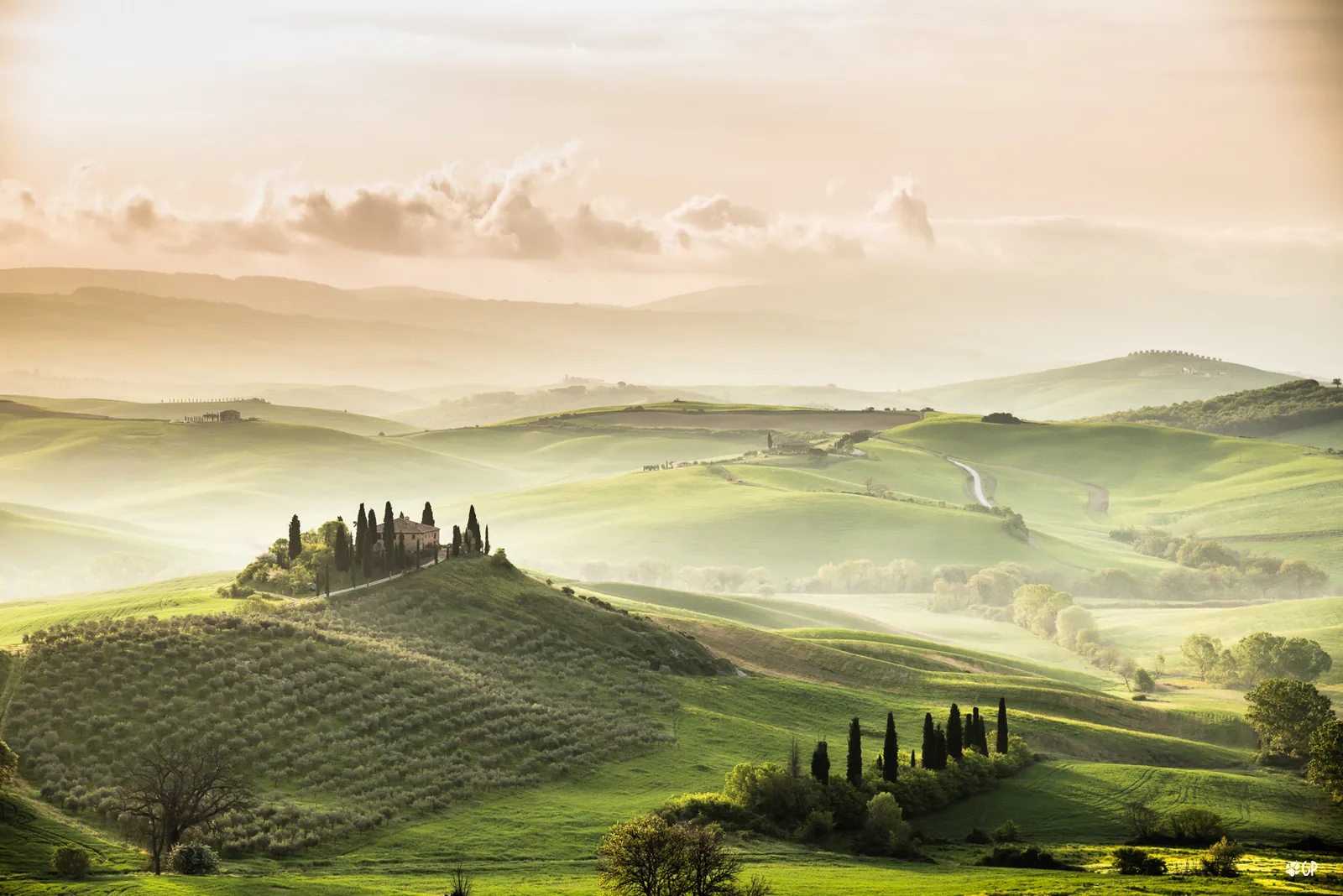
The road between the two runs through the classic Tuscan landscape of ridges, cypresses and vineyards.
A winery stop fits naturally into the middle of the day, and the region between Florence and Siena is where the best known Tuscan reds come from. Our guide to the Chianti wine road covers the route, the tastings and how to do it without driving badly. If you are the driver, taste very lightly or not at all, and leave the drinking to whoever is not behind the wheel.
Lunch in a village rather than on a main square in either town is the better meal by a wide margin.
Where this fits in a Tuscany trip
These two towns are the day trip, and the region deserves more than a day trip.
Our guide to Tuscany covers how the region fits together, which parts reward a base and which are drive-through, and how many nights it actually takes.
Back in the city, the two ticketed museums are the other half of a Florence stay, and our guide to the Uffizi and the Accademia covers booking them without a queue or a markup.

The short version
Do both in a day if that is what you have, with San Gimignano first thing before the coaches and Siena for the longer, later half. Park outside the walls in both towns to stay clear of the restricted zones. Give Siena a full afternoon for the Campo, the cathedral, the tower and the old hospital, and give San Gimignano an hour of towers and a glass of the local white. Take the back roads in between and stop for lunch in a village. And if you can spare a night, spend it in Siena.
If you could only keep one of the two, which would it be, and why?