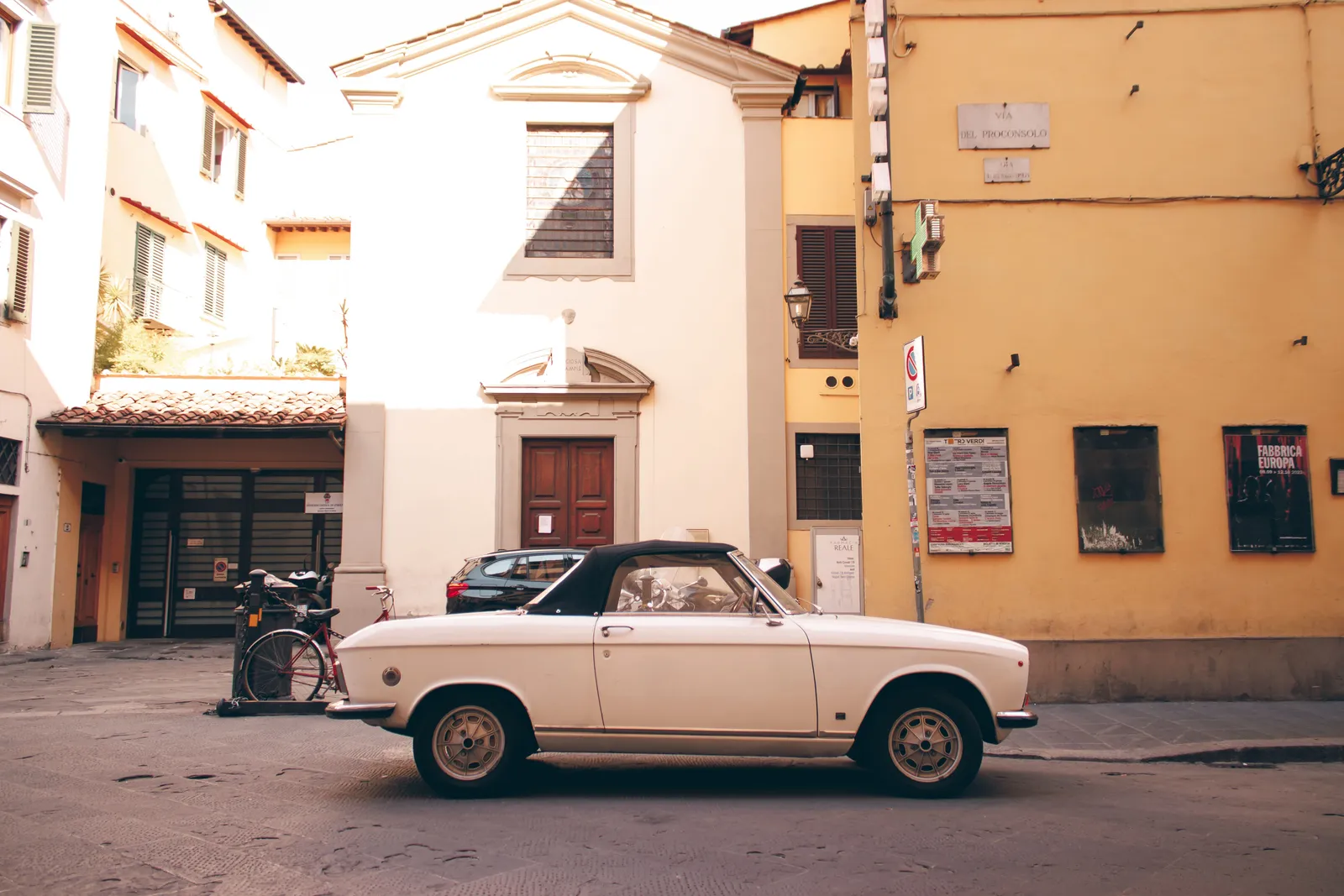
The most common way visitors to Italy lose money is not theft, not a scam and not an overpriced restaurant. It is a camera on a pole at the edge of a historic centre, photographing a hire car that drove past a sign nobody noticed, and generating a fine that arrives at home eight months later with an administrative fee attached. Here is exactly how it works and how to make it impossible.
What a ZTL actually is
Zona a traffico limitato: a limited traffic zone, covering the historic core of essentially every Italian town of any age.
Only permitted vehicles may enter during the zone’s active hours, which vary by town and sometimes by day of the week.
Entry is monitored by cameras that read number plates automatically. There is no barrier, no attendant and nothing to stop you driving in. You simply have.
The purpose is entirely reasonable. These are medieval street plans that cannot carry modern traffic, and the zones are why Italian historic centres are pleasant to walk. The problem is not the policy, it is that a visitor in a hire car is the least equipped person to notice one.
Why visitors get caught
Four things line up against you.
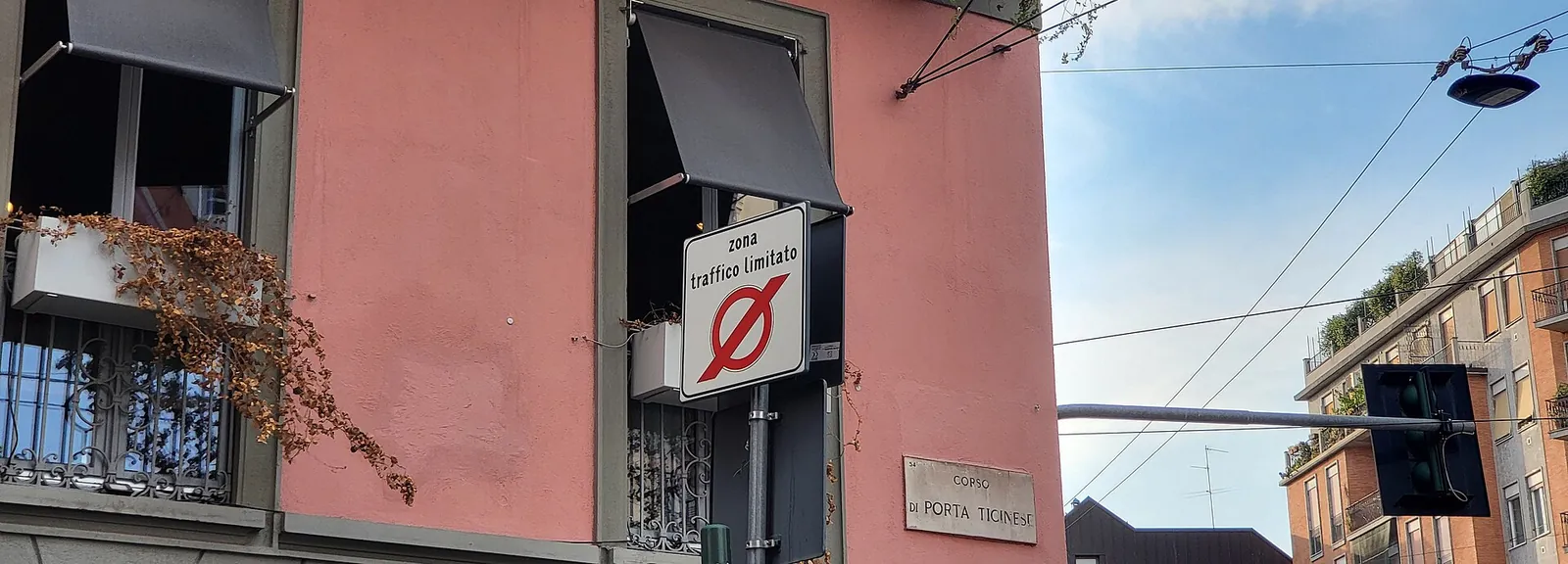
The sign appears at the boundary, a round sign with a red border and often the letters ZTL and the hours beneath, sometimes on a street you are already committed to.
Navigation apps may route you through. They are improving and they are not reliable on this, and following a route into a zone is the single most common way it happens.
The hours vary, so the same street may be legal in the morning and not in the afternoon, which makes local example useless.
Nothing happens at the time. No barrier lifts, no light flashes, nobody stops you. You find out much later, which means you can do it several times in one trip.
How to avoid it entirely
The strategy is simpler than the rules.
Do not drive into historic centres. Ever, unless you have arranged permission. Park outside and walk in, which is what the residents largely do too.
Park in the signposted car parks on the edge of old towns. They exist precisely for this and they are usually a five-minute walk from where you wanted to be.
If your hotel is inside the zone, email them before you travel with your registration number and arrival date. Properties inside a ZTL can normally register a guest vehicle for a permitted window, and this must be arranged in advance rather than at the desk.
Pick the car up outside the city. Almost all visitor ZTL fines happen in the first or last hour of a hire. Collecting at an airport or a station on the day you leave a city, and dropping off before you enter the next one, removes the exposure completely.
Do not follow a navigation route blindly into a narrow old street. If it is getting narrower and older, stop and look for the sign.
What happens if you do get one
The process is slow and largely automatic.
The authority contacts the rental company with the plate and the date.
The rental company identifies you and charges an administrative fee for doing so, which appears on your card without warning and is not the fine.
The fine itself follows, by post or email, sometimes many months later. Reduced amounts are often available for prompt payment, so opening the letter matters.
Appeals are possible within a stated period, are made to the issuing authority, are conducted in Italian, and succeed far more often on procedural grounds than on the argument that you did not see the sign. Assume it will stand.
Ignoring it is a poor strategy, since these are enforceable across EU borders and the amounts increase.
The other automated fines
ZTLs are the famous one and they are not alone. The same pattern, automatic detection and a notice months later, applies to:
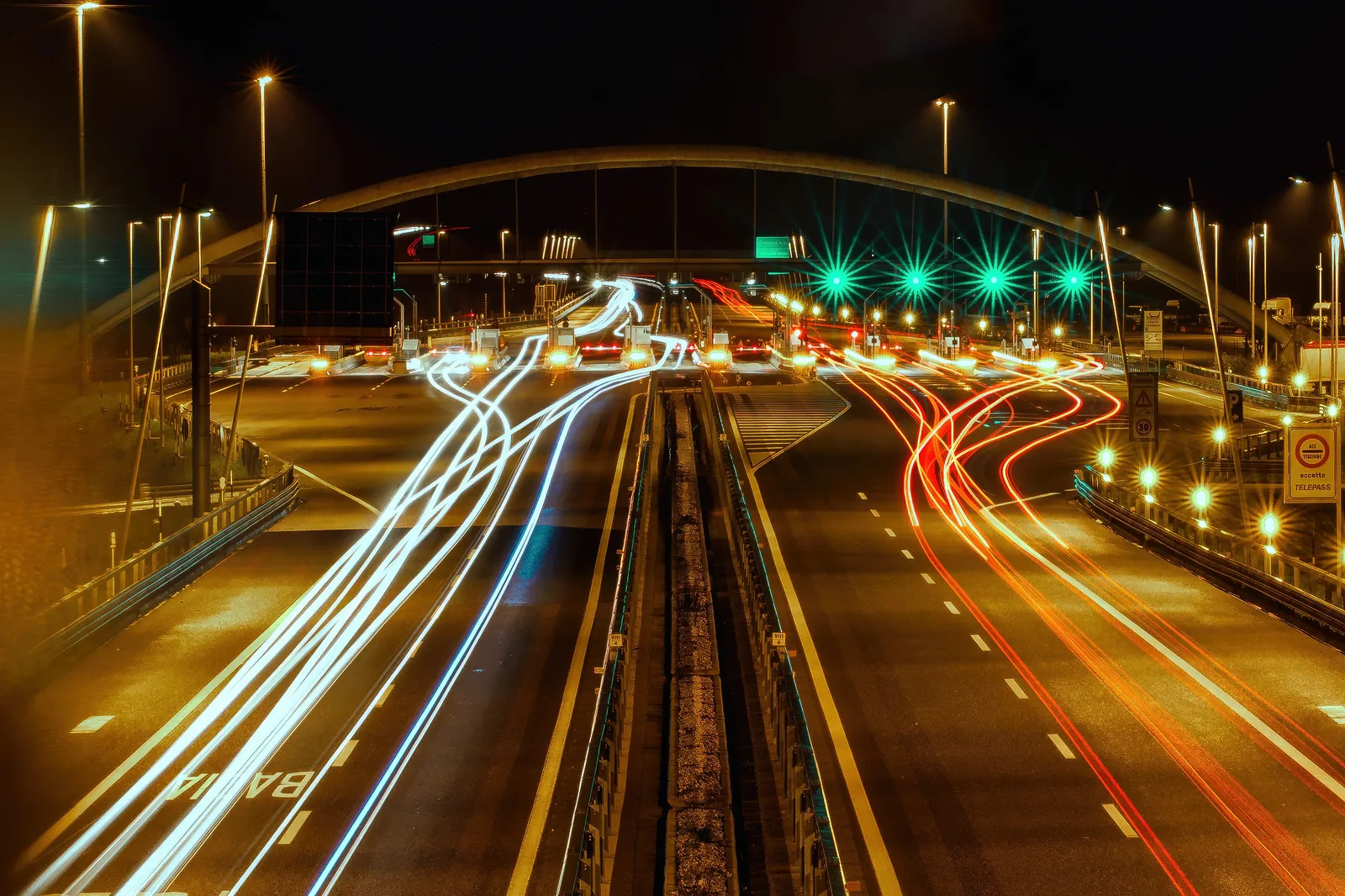
Speed cameras on the motorway network, including average-speed systems over a stretch of road rather than at a point.
Bus and taxi lane cameras in cities.
Parking, where the line colour is the rule: white free, blue paid, yellow reserved. Our guide to driving in Italy covers the rest of the road picture, including tolls, the motorway driving culture and where a car is genuinely the right choice.
When not to have a car at all
The clean solution to all of this is frequently to not hire one.
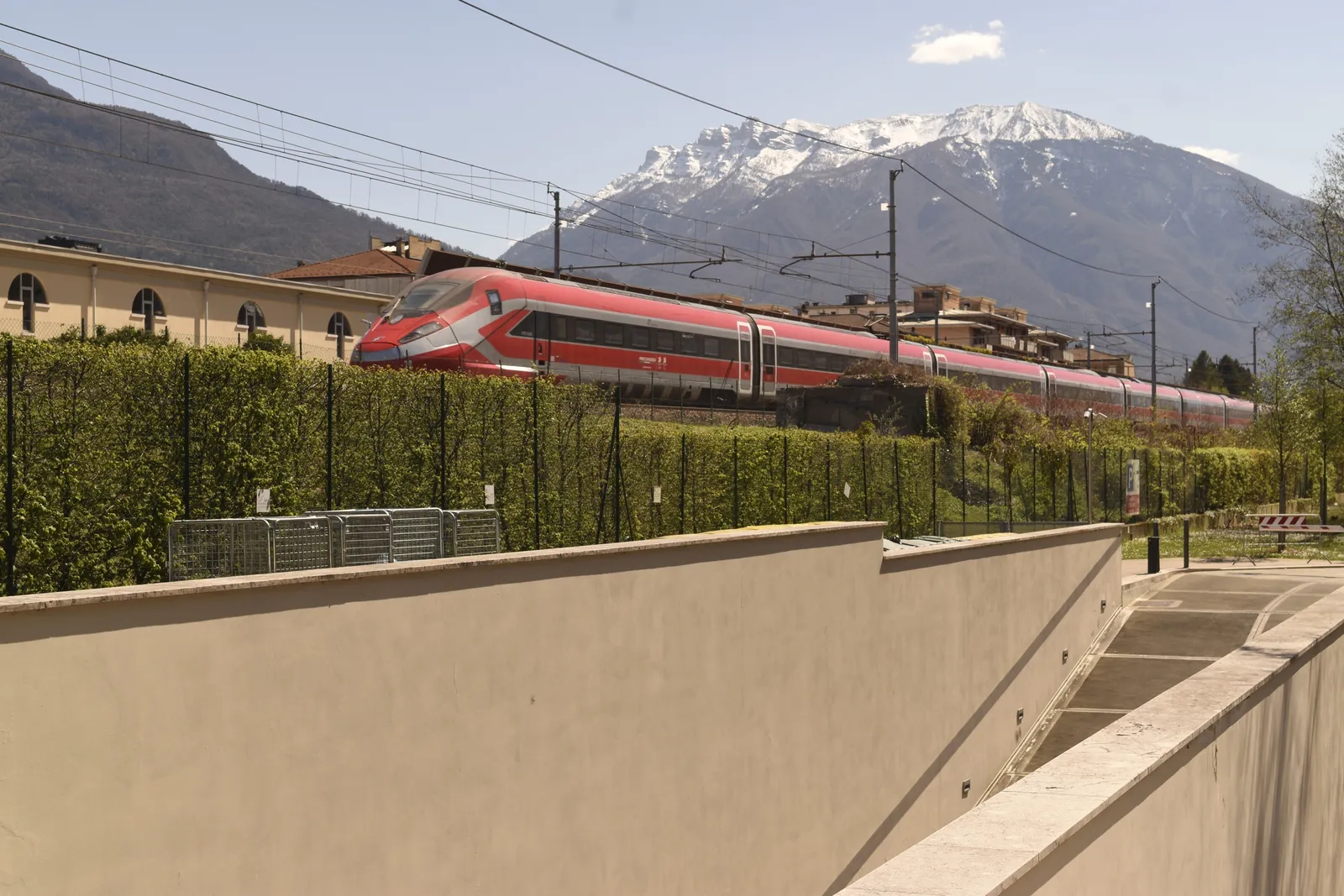
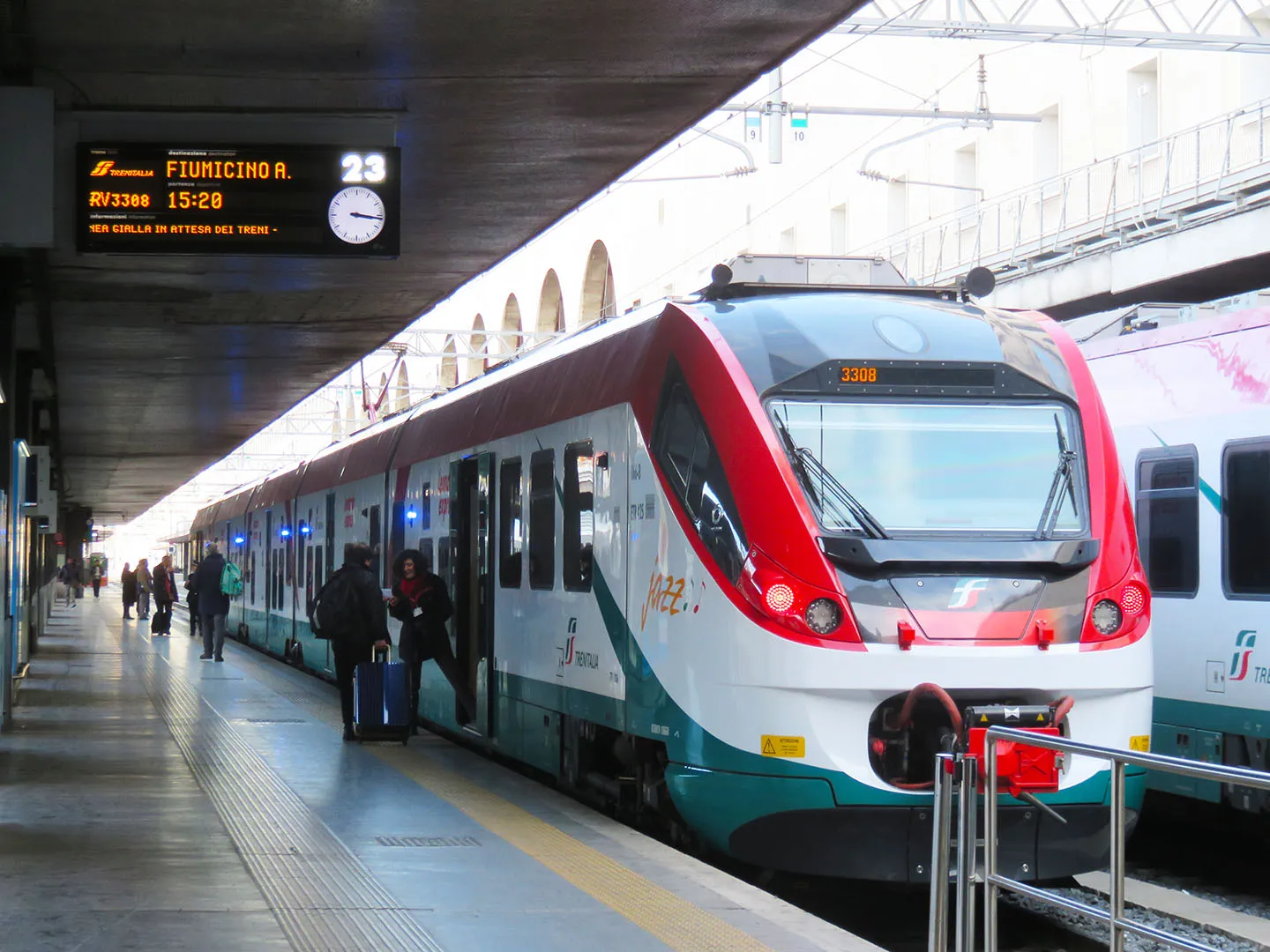
Italy’s rail network connects the cities that visitors actually want quickly and cheaply, city centre to city centre, with no parking, no zones and no cameras. Our guide to Italian trains covers how it works and where it beats driving comfortably.
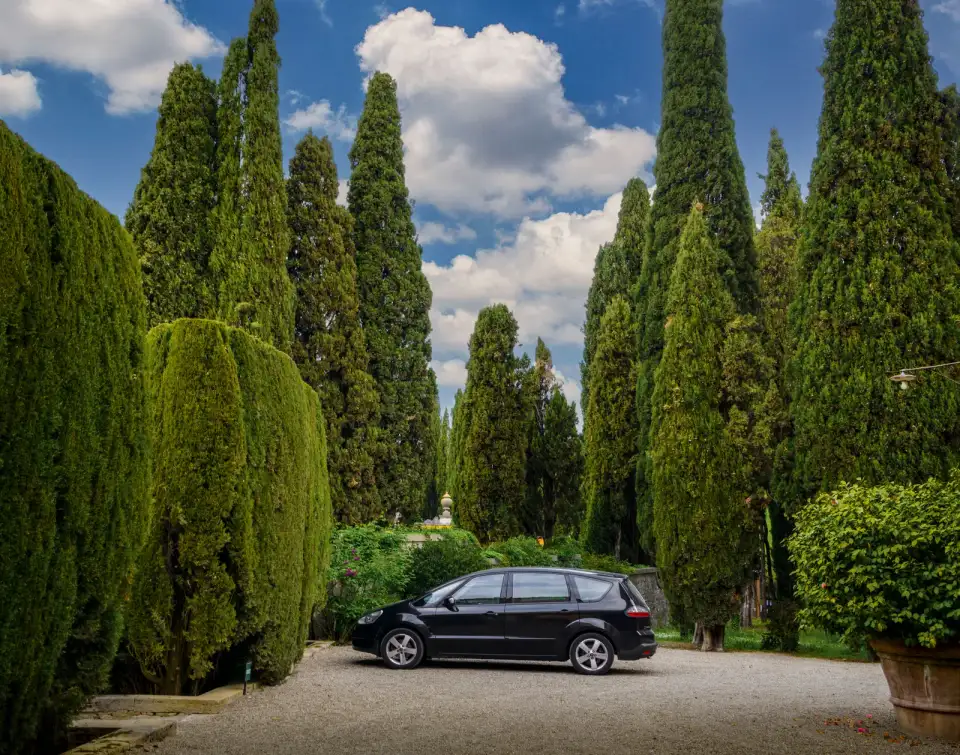
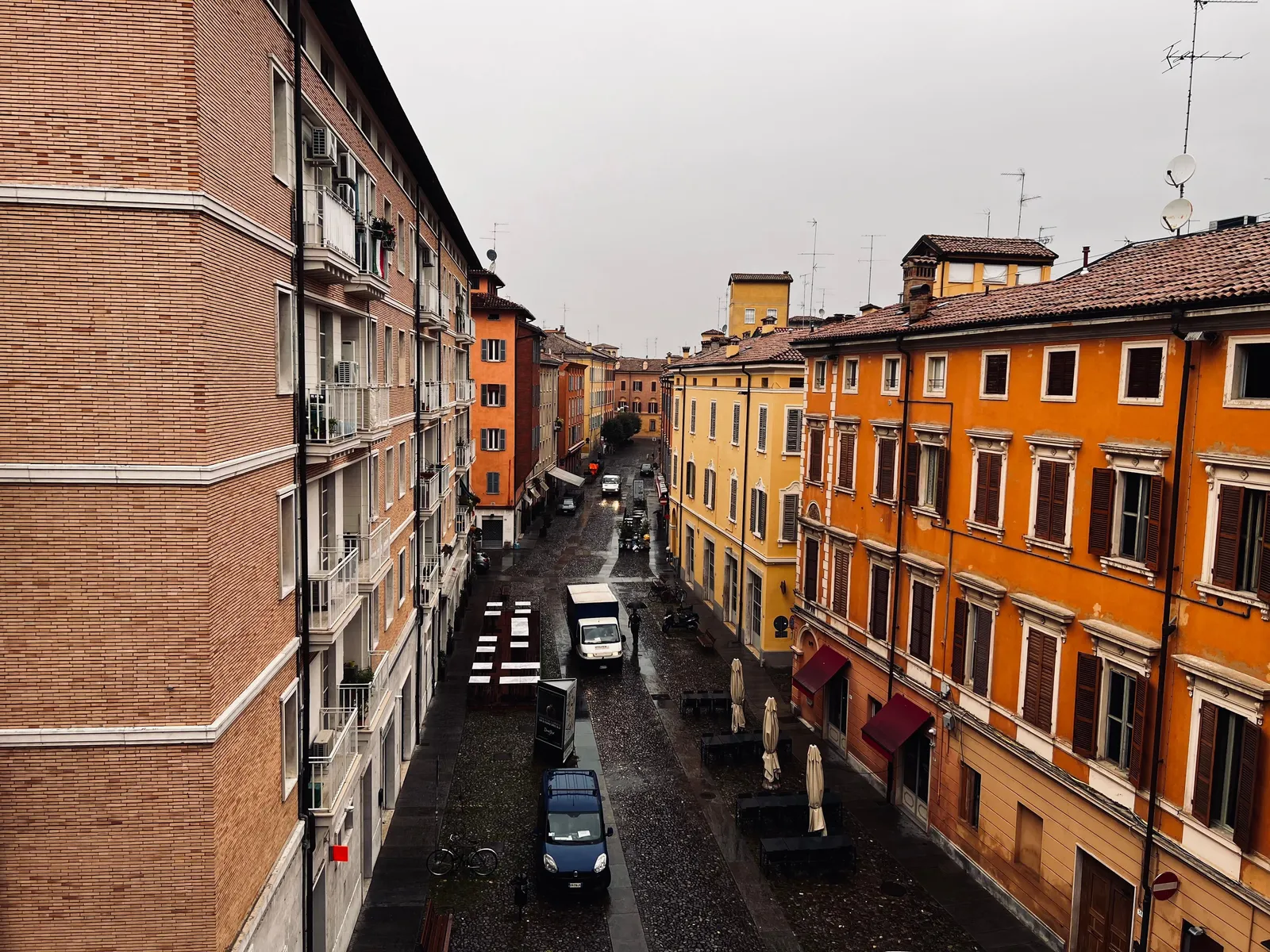
The car earns its place in the countryside: the hill towns, the wine roads, the mountains and the coast roads, where public transport thins out and the driving itself is the pleasure. The correct shape for most trips is trains between cities and a car for the region in the middle, which also happens to be the shape that never meets a ZTL camera.
For the days out around the capital specifically, almost none of them need a car at all: our guide to day trips from Rome covers the ones reachable on an ordinary train ticket.
The short version
A ZTL is a camera-enforced no-go zone covering the historic centre of nearly every Italian town, the sign is easy to miss, nothing happens at the time, and the fine plus a rental administrative fee arrives months later. Never drive into an old centre, park in the signposted car parks outside and walk, email your hotel your registration in advance if it is inside a zone, and collect the hire car outside the city on the day you leave rather than the day you arrive. Do that and the most common visitor expense in Italy simply never happens.