Rome has more inside it than a short trip can absorb, which makes a day trip a real cost rather than a bonus: you are trading a day of the city for a day of something else. The good news is that the best options are close, cheap and almost empty compared with anything inside the walls. Here are the ones worth the trade, and the famous one that is not.
Ostia Antica: the one nobody expects
If you take one day trip from Rome, take this one.
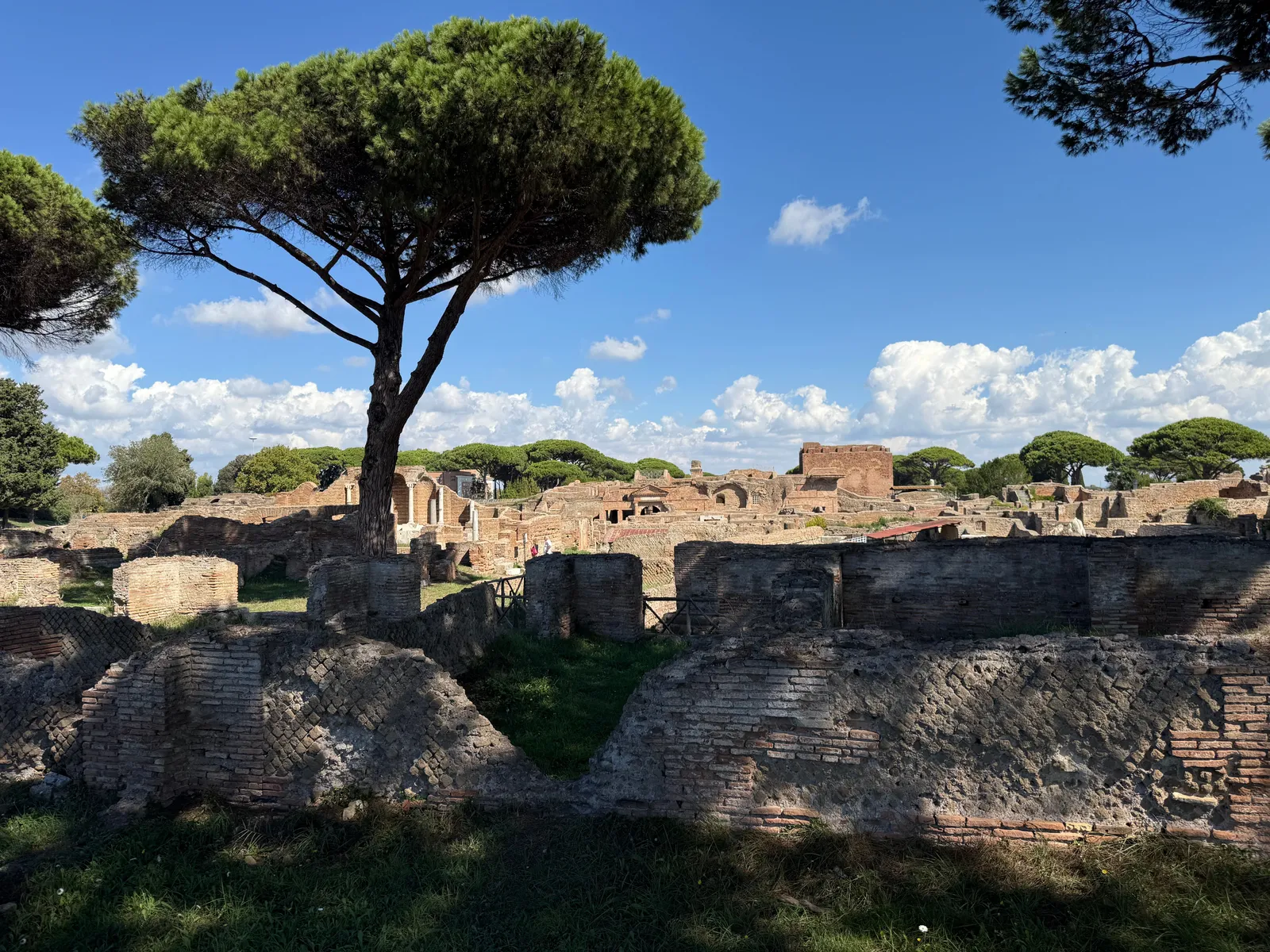
Ostia was Rome’s port, and what survives is not a handful of columns but a substantial town: paved streets, apartment blocks, warehouses, baths with mosaic floors, a theatre, bars with the counters still in place.
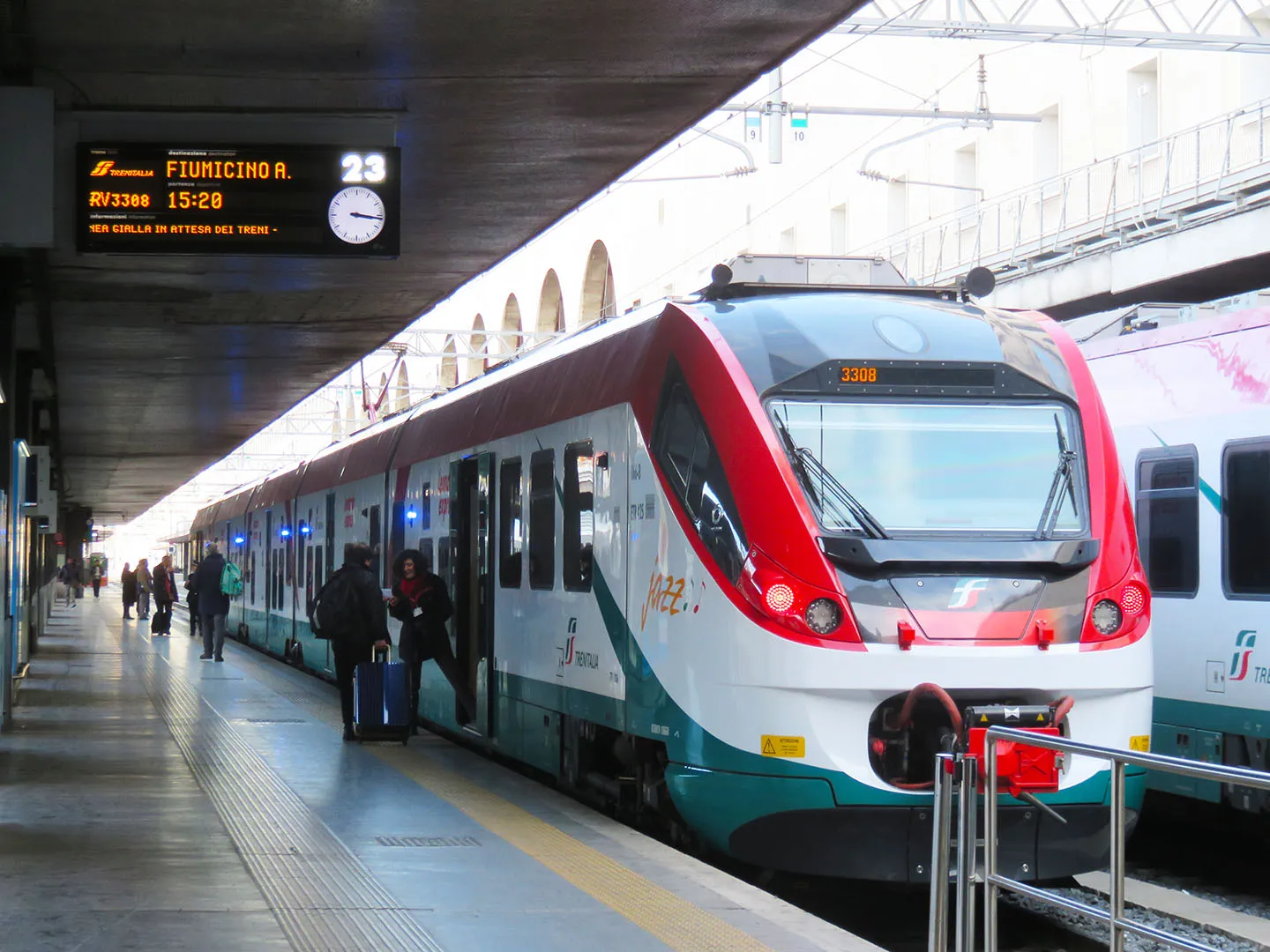
It is close. A suburban train from the city reaches it in well under an hour, on an ordinary ticket.
It is quiet. A fraction of the visitors who queue for the Forum come here, which means you walk Roman streets largely alone. For anyone who found the Forum crowded and confusing, this is the antidote and the explanation at once.
It is good with children, because there is space, and because the buildings are buildings rather than fragments behind rope.
Bring water and a hat; like all Roman sites it has little shade.
Tivoli: two estates and a lot of water
An easy trip east into the hills, holding two very different places.
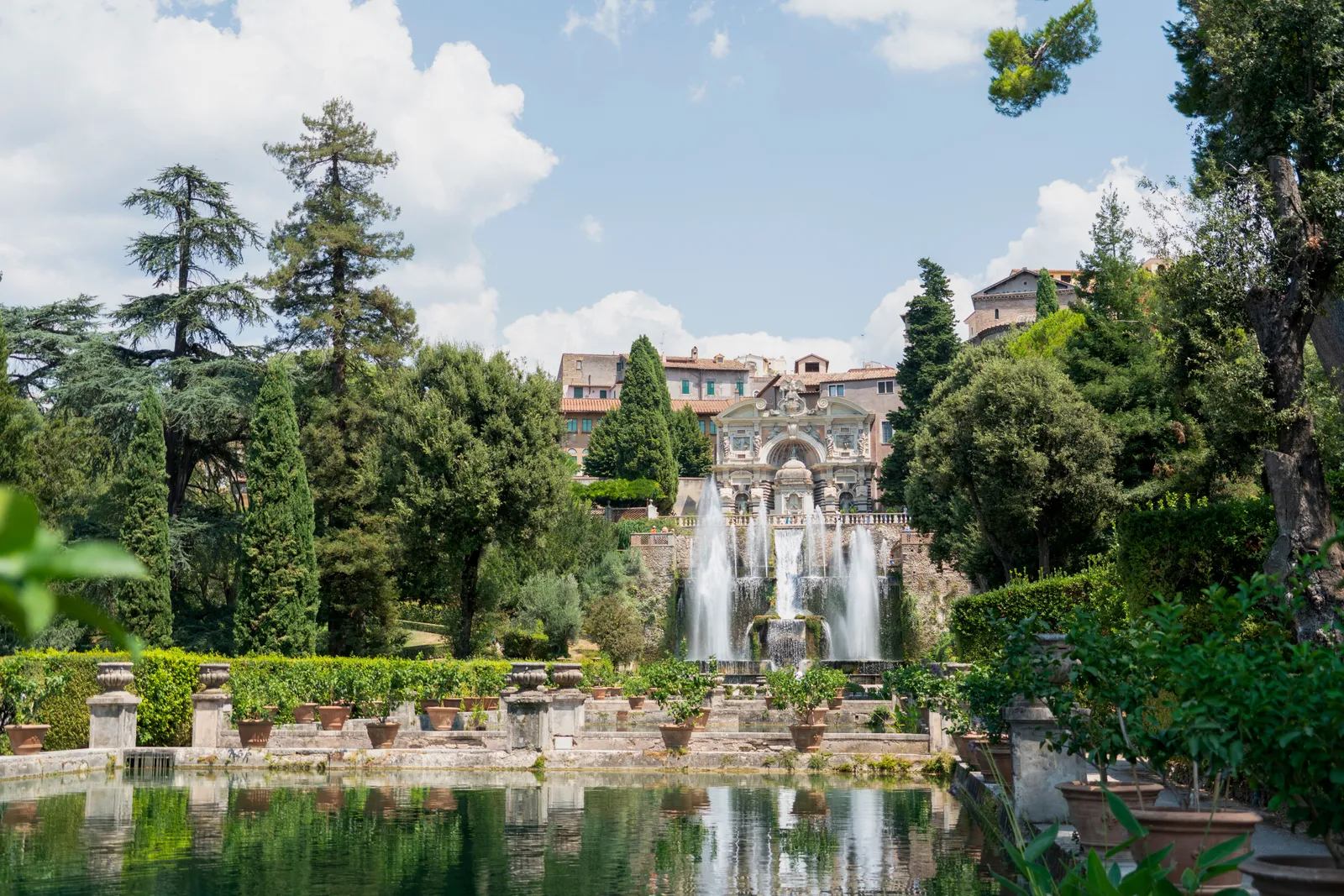
A Renaissance villa whose garden is a hillside of fountains, cascades and water organs, engineered without pumps and still running on gravity alone. It is extraordinary and it is the reason most people come.
An emperor’s country palace below the town, an enormous complex of pools, halls and pavilions spread over a large site.
Doing both properly is a full day, and doing either is a comfortable half. The town itself is pleasant and the journey is short.
Orvieto: a town on a rock
North of Rome, an Umbrian hill town standing on a plug of volcanic stone above the plain, reached by fast train in about an hour.
The cathedral is the reason to come: a striped and mosaicked facade that stops people in the square, with a chapel of frescoes inside that is one of the great decorative schemes in Italy.
The town beneath the town is the other draw, a network of caves and cellars cut into the soft rock over centuries.
The setting does the rest: small, walkable, well fed and a complete change of scale from Rome. This is the trip for anyone who wants a town rather than a site.
The others worth knowing
The Castelli Romani, the hill towns just south of the city, are where Romans themselves go for a Sunday lunch of porchetta and local wine, and they are barely on the tourist map.
The beaches west of the city are reachable on the same suburban line as Ostia and are the sensible answer in July and August, when a ruin at midday is an ordeal.
Viterbo offers a medieval quarter and thermal springs and sees very few foreign visitors, and Bracciano has a lake and an impressive castle an easy train ride away.
The one to think twice about
Pompeii is the day trip everyone asks about and the one that most often disappoints, not because the site is anything less than remarkable but because of the arithmetic.
It is a long journey each way from Rome, and the site itself is enormous and deserves several hours. Put those together and you have a day of eleven hours or more, most of it either travelling or hurrying, in the middle of a city break where you were already walking ten kilometres a day.
If Pompeii matters, give it a night nearby rather than a day from Rome. If it does not, Ostia gives you a Roman town at a tenth of the effort.
Naples and the Amalfi Coast fall under the same rule and for the same reason.
Fitting a day trip into a short stay
On three days in Rome, do not. The city has more than three days can hold, and our three-day Rome itinerary is already a compressed version of the essentials.
On four or five days, take one, ideally after the two demanding ticketed days rather than between them.
On a return visit, take two or three. This is where the region genuinely rewards you, and where the hill towns and the Castelli come into their own.
And if the choice is between a day trip and a day of the free centre on foot, the centre usually wins on a first visit: our walking guide to the Trevi Fountain, the Pantheon and central Rome covers a day that costs almost nothing and involves no train at all.
Practical notes
Trains are the default. Regional and fast trains reach all of the above, tickets are inexpensive, and parking in hill towns is genuinely difficult.
Validate regional tickets where the system requires it, since a fine for an unvalidated ticket is a sour end to a good day.
Check opening days. Italian archaeological sites and villas close on specific weekdays that vary, and turning up to a locked gate after an hour on a train is entirely avoidable.
Go early. These sites are quiet in the morning and the light is better.
Eat locally rather than at the station, since small-town lunch in Lazio and Umbria is an underrated pleasure of a Rome trip. For the wider groundwork, our first-time guide to Rome covers what these days assume.
The short version
Take Ostia Antica if you take one: a whole Roman town, under an hour away, almost empty. Take Tivoli for the fountains and Orvieto for the cathedral and the lunch. Keep the rule of ninety minutes each way, which quietly rules out Pompeii and the Amalfi Coast as day trips and correctly so. Go by train, check the closing day before you travel, leave early, and on a three-day trip skip all of it and stay in Rome.