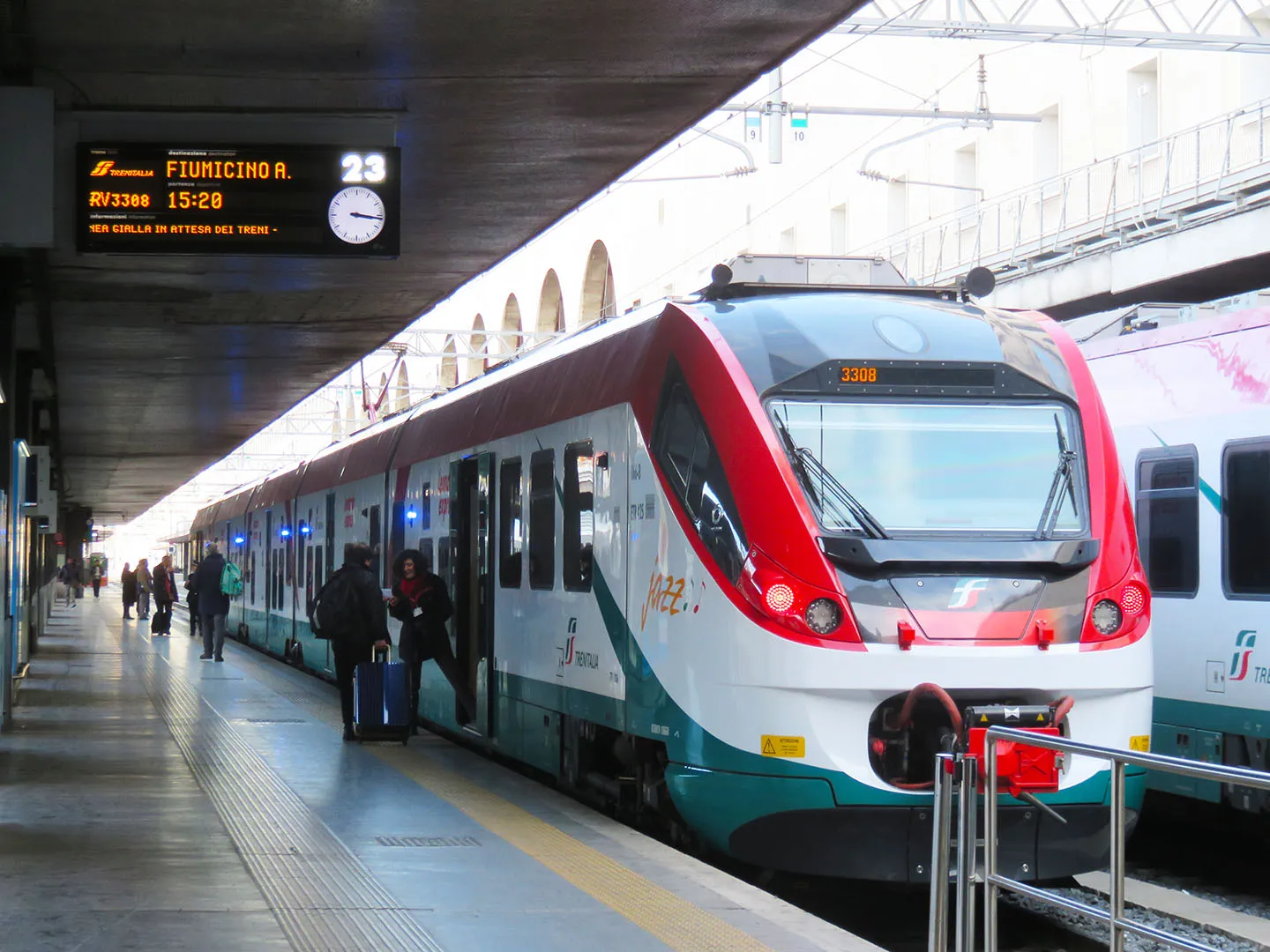
Driving in Italy is one of the great pleasures of travelling here and one of the more common ways to spoil a trip, and which of the two you get depends almost entirely on where you drive. The countryside is what the car is for. The cities are what the trains are for. Get that division right and everything below is straightforward.
Where a car earns its place, and where it does not
This is the whole decision and it is not close.
A car is the right answer for the hill towns of Tuscany and Umbria, the wine roads, the mountain valleys, the smaller stretches of coast, the lakes beyond the main towns, and anywhere in the south away from the rail line. In those places it is not merely convenient, it is the thing that makes the trip.
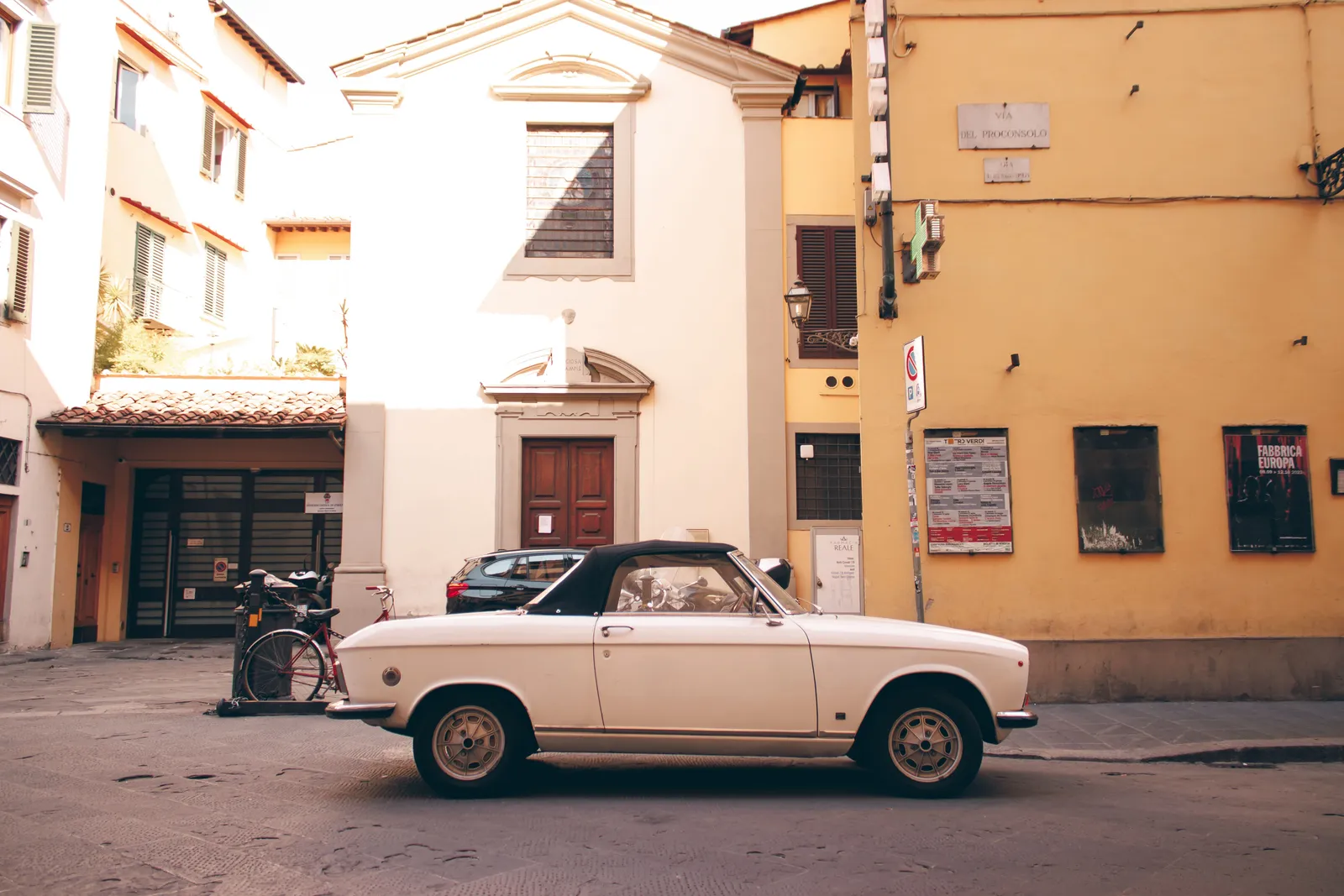
A car is the wrong answer for Rome, Florence, Venice, Milan, Naples and Bologna. Historic centres are restricted, parking is scarce and expensive, the streets were built for carts, and the train between any two of those cities is faster once you count the whole journey.
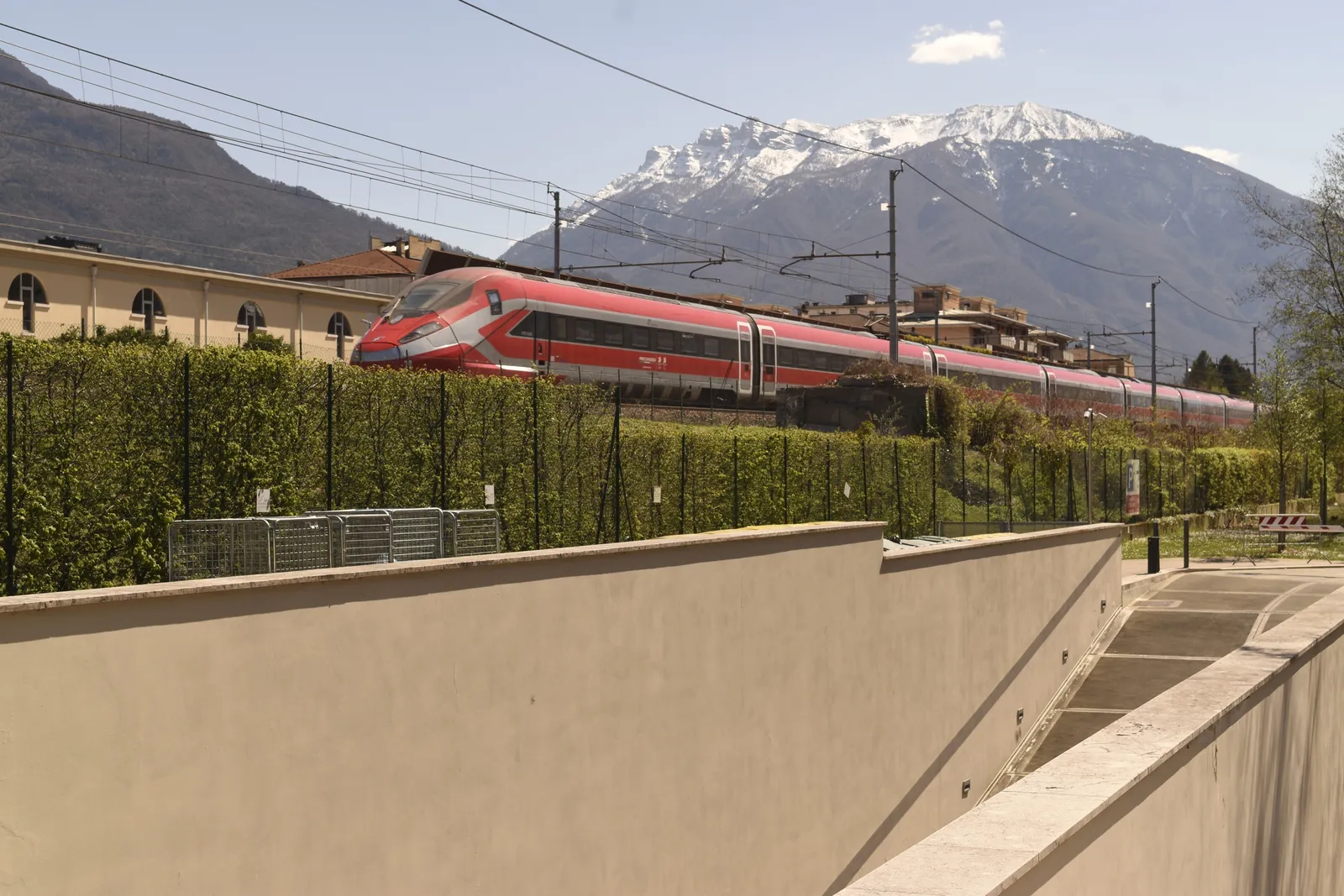
The pattern that works is trains between cities, then hire a car for the rural stretch in the middle, then give it back. Our guide to Italian trains covers the network side of that.
The paperwork
Three things, checked before you travel rather than at the desk.
Your licence, and whether it needs an international permit alongside it. EU and EEA licences are accepted directly; several others are not, and this varies by issuing country. Confirm with your own licensing authority, because the hire desk and the police can both ask.
The hire agreement’s excess, which is the number that matters more than the daily rate on roads this narrow. Decide before you arrive whether you are taking the company’s waiver or a standalone excess policy.
Cross-border permission, if the trip touches a neighbouring country, arranged at booking rather than assumed.
The motorways
The autostrada network is excellent, and it has its own etiquette.
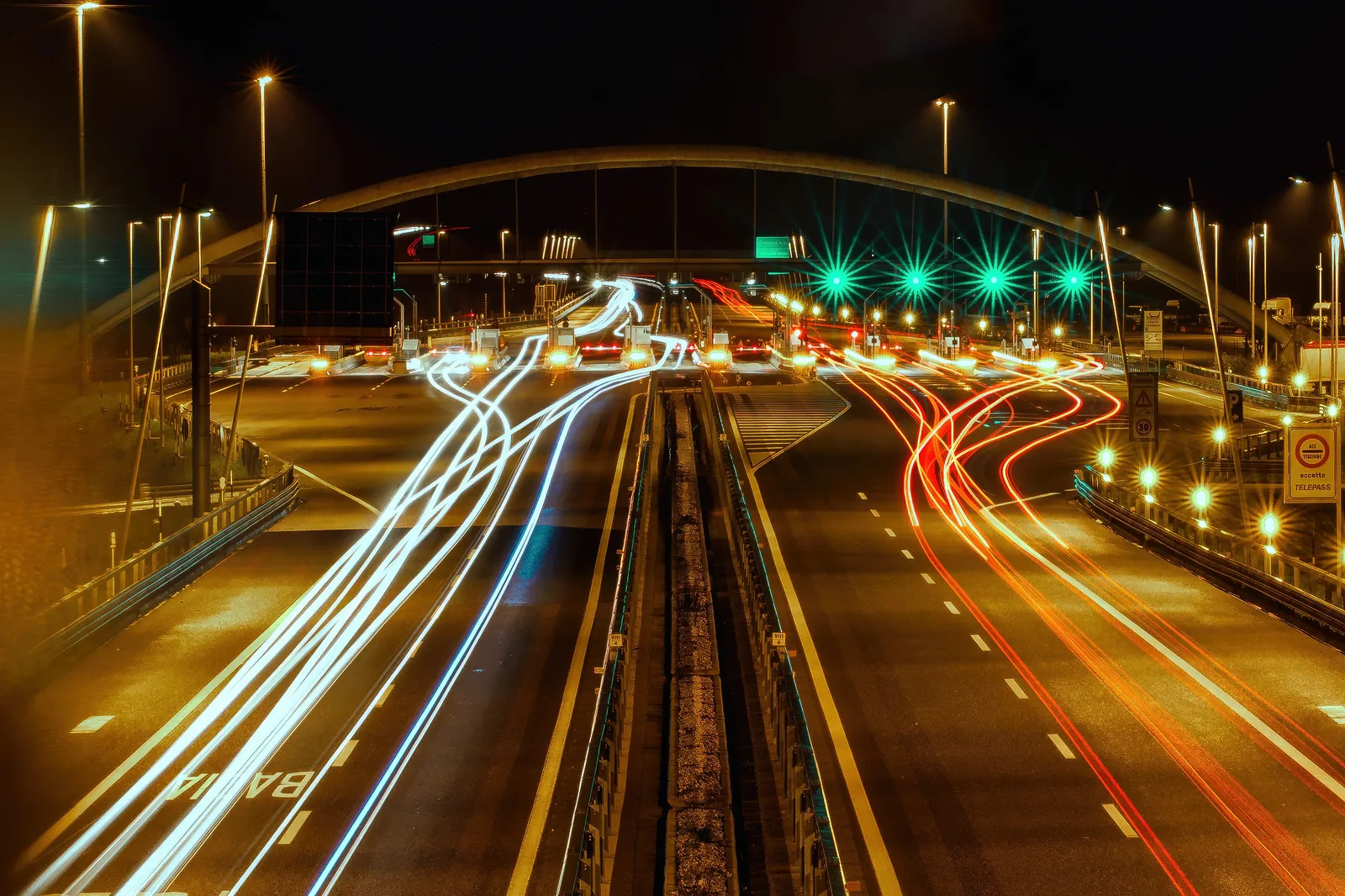
Tolls work on a ticket taken at entry and paid at exit. The exit lanes are colour coded by payment method and include electronic-only lanes for subscribers that a visitor should not enter. Read the signs before committing, because backing out of the wrong lane is awkward and common.
The left lane is for overtaking, genuinely, and sitting in it is the one thing that will earn you flashed headlights. Move right when you are done.
Speeds are enforced by camera, including average-speed systems that measure you across a stretch rather than at a point, so slowing for the camera you can see does not help.
Service areas are frequent and charge more for fuel than stations off the motorway.
The roads that are the reason to drive
Away from the motorway, Italy has some of the best driving in Europe and it demands attention rather than skill.
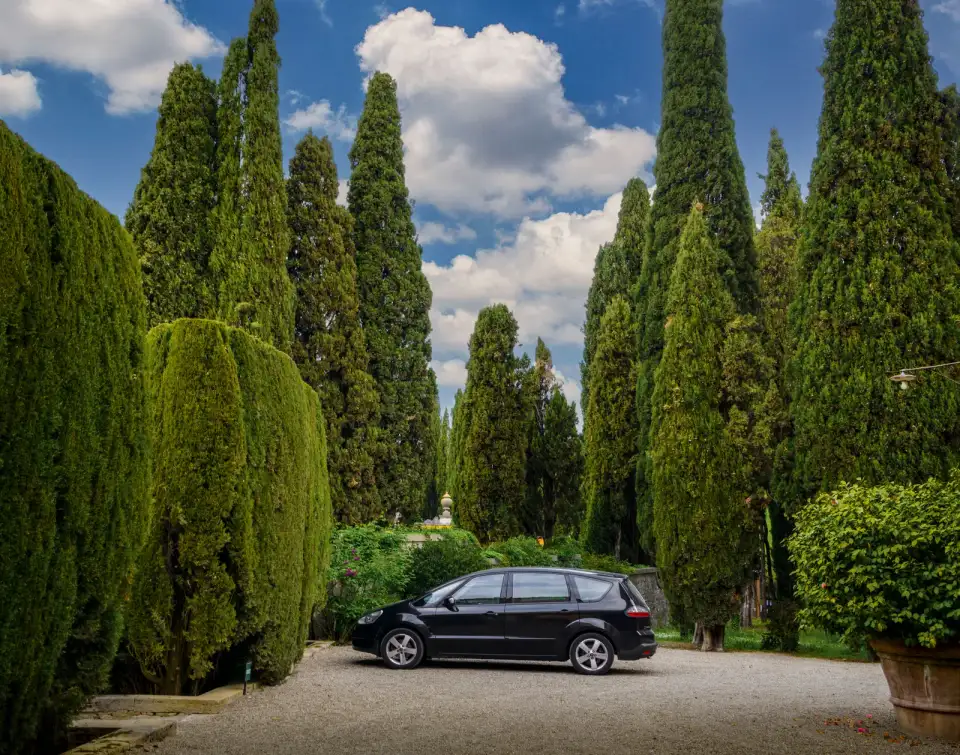
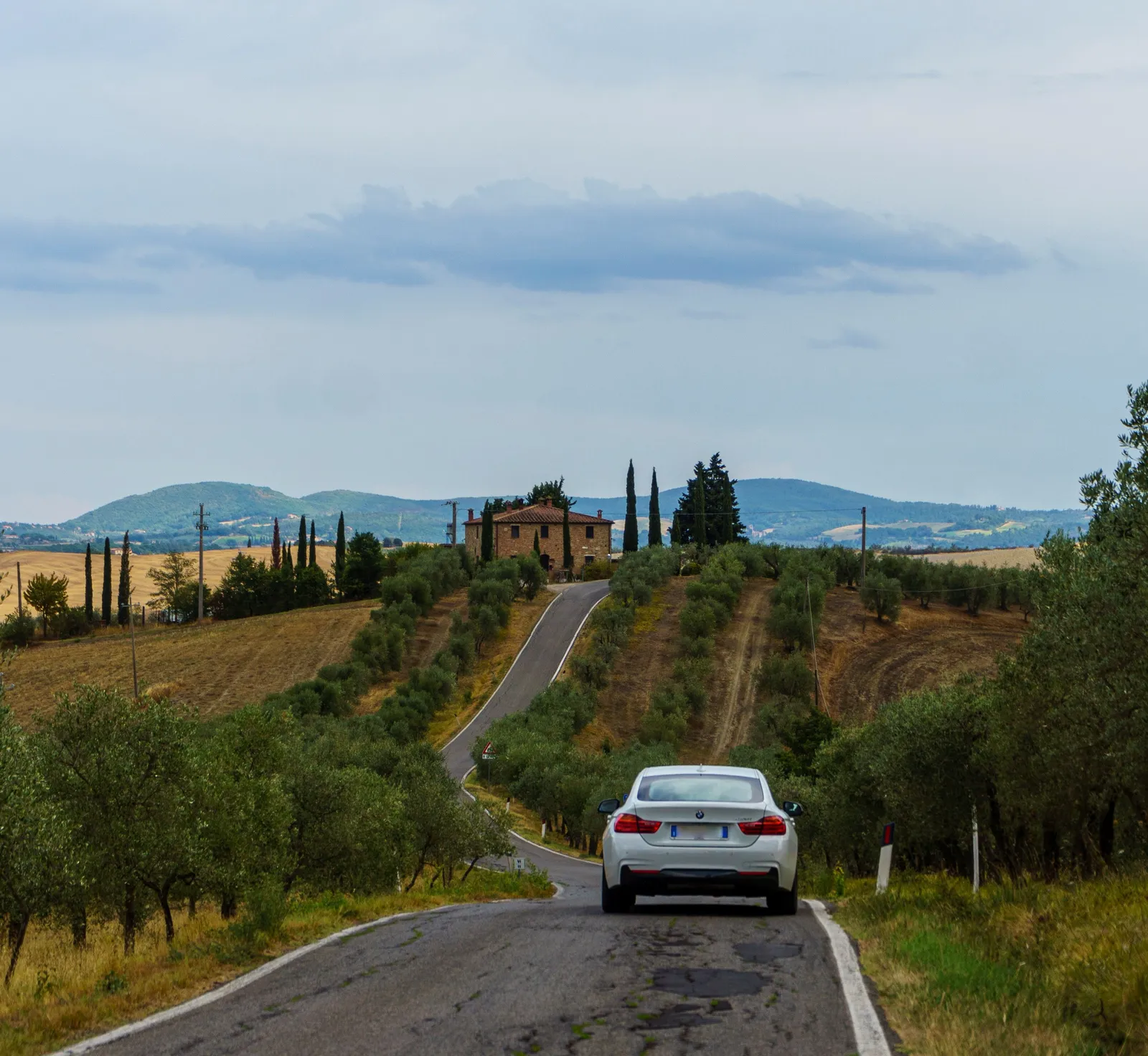
Hill town roads are narrow, walled and steeply cambered, and they get narrower exactly when you are committed. A small car is not a budget choice here, it is the right equipment.
Coast roads, particularly in the south, are spectacular, single lane in effect, and shared with buses that have priority by physics if not by law. Drive them slowly, use the horn on blind bends as everyone else does, and start early to avoid the coach traffic.
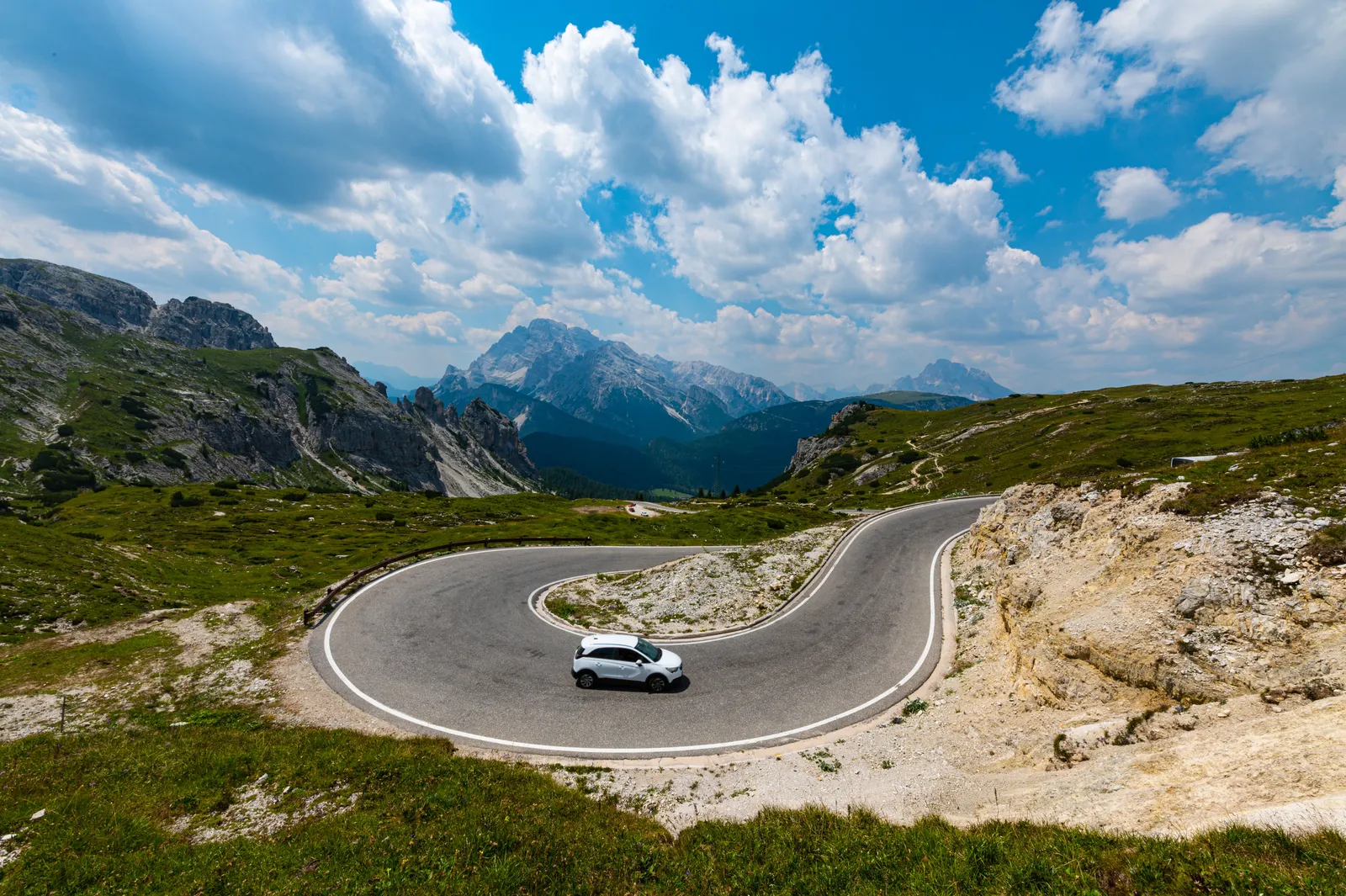
Mountain passes are well engineered and can close in winter, and some require winter tyres or chains during a stated season, which is a legal requirement rather than advice.
Unpaved roads to agriturismi and vineyards are normal and are frequently excluded from hire agreements, which is worth reading before you commit to a farmhouse at the end of a white road.
Parking, in one paragraph
The colour of the lines is the rule, and it is worth memorising before you arrive.
White is generally free. Blue is paid, by meter or app, with the hours posted on a nearby sign. Yellow is reserved, usually for residents or permit holders, and parking there is a ticket.
Local variations exist and are signposted, so read the sign rather than trusting the colour alone. And in old towns, use the signposted car parks on the edge and walk in, which avoids both the parking problem and the far more expensive one.
Fuel and practicalities
Two service levels at most stations, attended and self service, at different prices for the same fuel.
Many rural stations are unattended in the evening, taking cards at the pump, which matters on a long drive in the south.
Diesel and petrol are labelled clearly and the wrong one is expensive, so check what you were given at pickup. Motorway fuel costs more, so fill up before you join. And breakdown cover comes with the hire agreement, which is worth photographing at pickup.
Building the trip around it
The best Italian road trips hire the car for a defined middle stretch rather than for the whole holiday.
Collect it at an airport or a station, on the day you leave a city, not the day you arrive in one.
Stay outside historic centres while you have it, or arrange access in advance if your hotel is inside a restricted zone.
Give it back before the next city, and take the train in.
Even around the capital, where the region is genuinely rewarding, most of the best days out need no car at all: our guide to day trips from Rome covers the ones reachable on an ordinary train ticket, and it is a longer list than people expect.
The short version
Hire a car for the countryside and take the train between the cities, because that division decides whether driving in Italy is a pleasure or a problem. Confirm whether your licence needs an international permit, check the excess rather than the daily rate, and book small because the roads are narrow. On the motorway, take a ticket, keep left only to overtake, and expect average-speed cameras. Learn the parking colours, never drive into a historic centre, and collect the car on the way out of a city rather than into one.