The bill arrives and there are lines on it you did not order. A charge per person. Something called pane. Occasionally a percentage at the bottom. For a lot of visitors this is the moment a good dinner curdles into a suspicion of having been fleeced, and in almost every case nobody has been. Italian bills follow conventions that are normal, legal and, crucially, printed on the menu you walked past on the way in. Here is what each line means and which one regional rule most guides get wrong.
What is actually on the bill
An Italian bill, il conto, is short and the vocabulary is small.
Coperto is a per-person cover charge, covering the table setting and usually the bread.
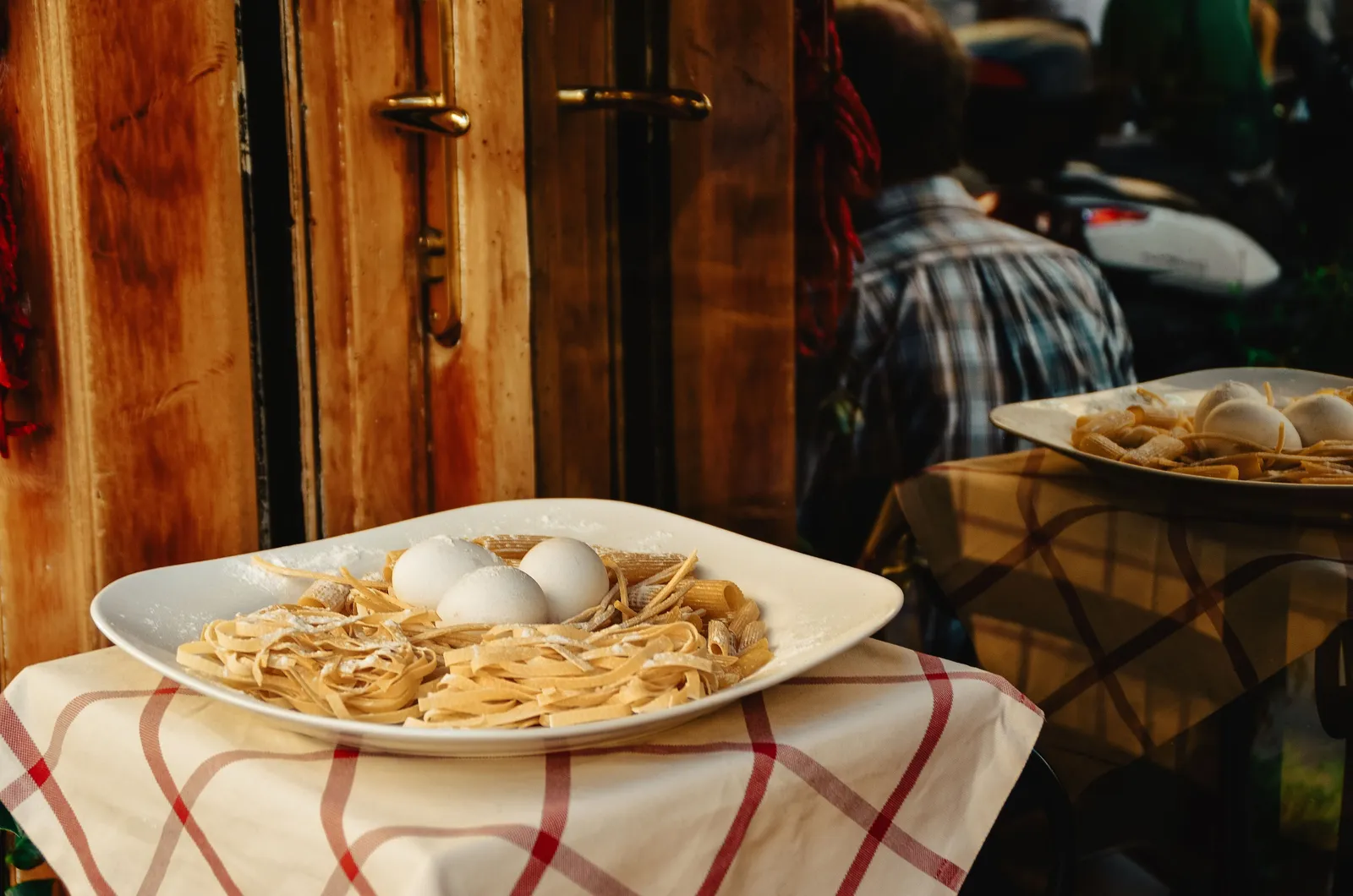
Pane is a charge for the bread itself, listed separately in places that do not use a cover charge.
Servizio is a service charge, shown either as a percentage or as a sum per head.
The dishes, listed as you ordered them, sometimes grouped by course.
No tax line. Italian menu prices include IVA, the value added tax, and it is never added at the end. The figure printed beside a dish is the figure you pay for that dish, which surprises visitors used to tax being calculated at the till.
The only items that regularly cost more than the menu implies are those priced by weight, which is a separate problem covered further down.
Coperto and servizio: the charges for sitting down
The cover charge is the one that generates the most suspicion and the least justification for it. It covers the laying of the table, the bread and the fact that you occupied a seat, it is not a tip, and none of it is guaranteed to reach the person who served you. Amounts are usually a low single-figure sum per person, higher in prime tourist positions, and the honest way to find out is to read the menu.
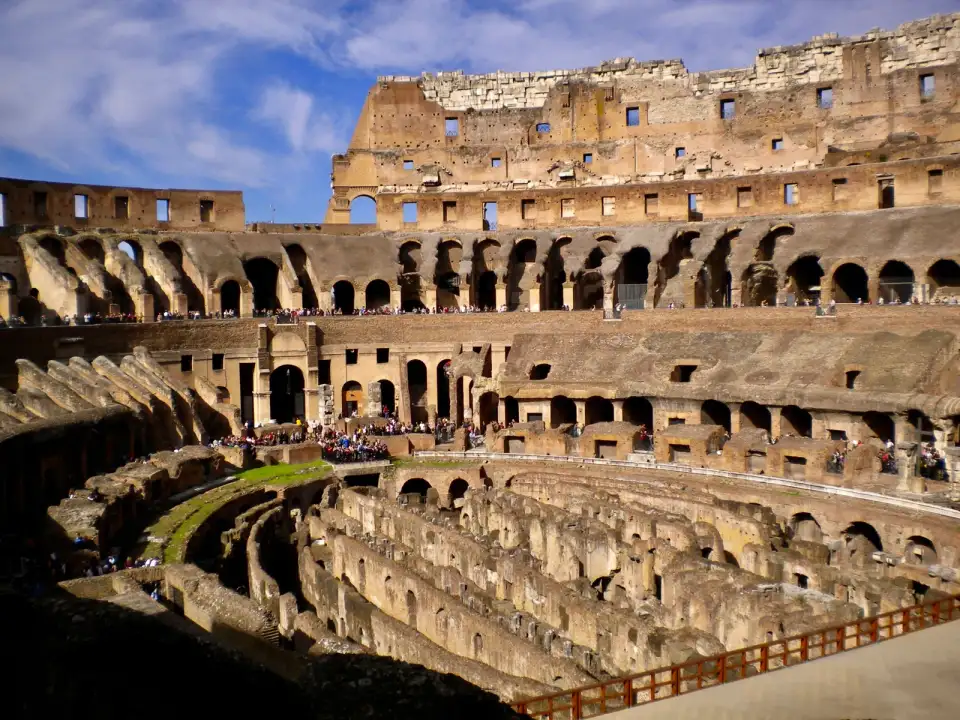
The exception is Lazio. Regional law prohibits a line item labelled coperto in Rome and the surrounding region, so restaurants there charge for pane or apply servizio instead. Whichever they use must be disclosed on the menu displayed at the entrance, which is the part worth remembering, because the display requirement is what protects you.
The practical upshot is small but useful. In Rome, a bread or service line is completely normal and a per-person charge is still part of eating out, just not under that name. Everywhere else in Italy, coperto is the usual form and is entirely legal when it is displayed. Our first-time guide to Rome covers the wider run of small charges a first visit to the capital runs into.
Servizio, and why it is not the tip
Servizio shows up most often in heavily visited areas, at outdoor tables, and for larger groups where many restaurants apply it automatically above a certain party size.
It has to be on the menu, in the same way the cover charge does.
It is not a tip you are choosing to leave. If servizio is on the bill, the service element is settled and nothing further is expected.
Tipping is not expected in Italy in the way it is in North America, and there is no percentage to work out. Rounding up after a good meal is appreciated and never required, and leaving nothing is normal rather than rude.
The confusion is worth naming plainly, because visitors frequently pay the service charge and then add a further fifteen or twenty per cent on top of it out of habit, which is money spent on a misunderstanding.
The menu turistico
A fixed-price menu with a set number of courses, often including water and sometimes wine and the cover charge, is a normal Italian format rather than a trap in itself. The lunchtime version, sold to people working nearby, is frequently one of the best value meals you will eat.
What should make you cautious is the surrounding context rather than the price structure.
Photographs of the food on the menu or on a board outside.
Translation into five or six languages, which tells you exactly who the restaurant is built for.
Somebody outside inviting you in. A restaurant that needs a person on the pavement is telling you something about its regulars.
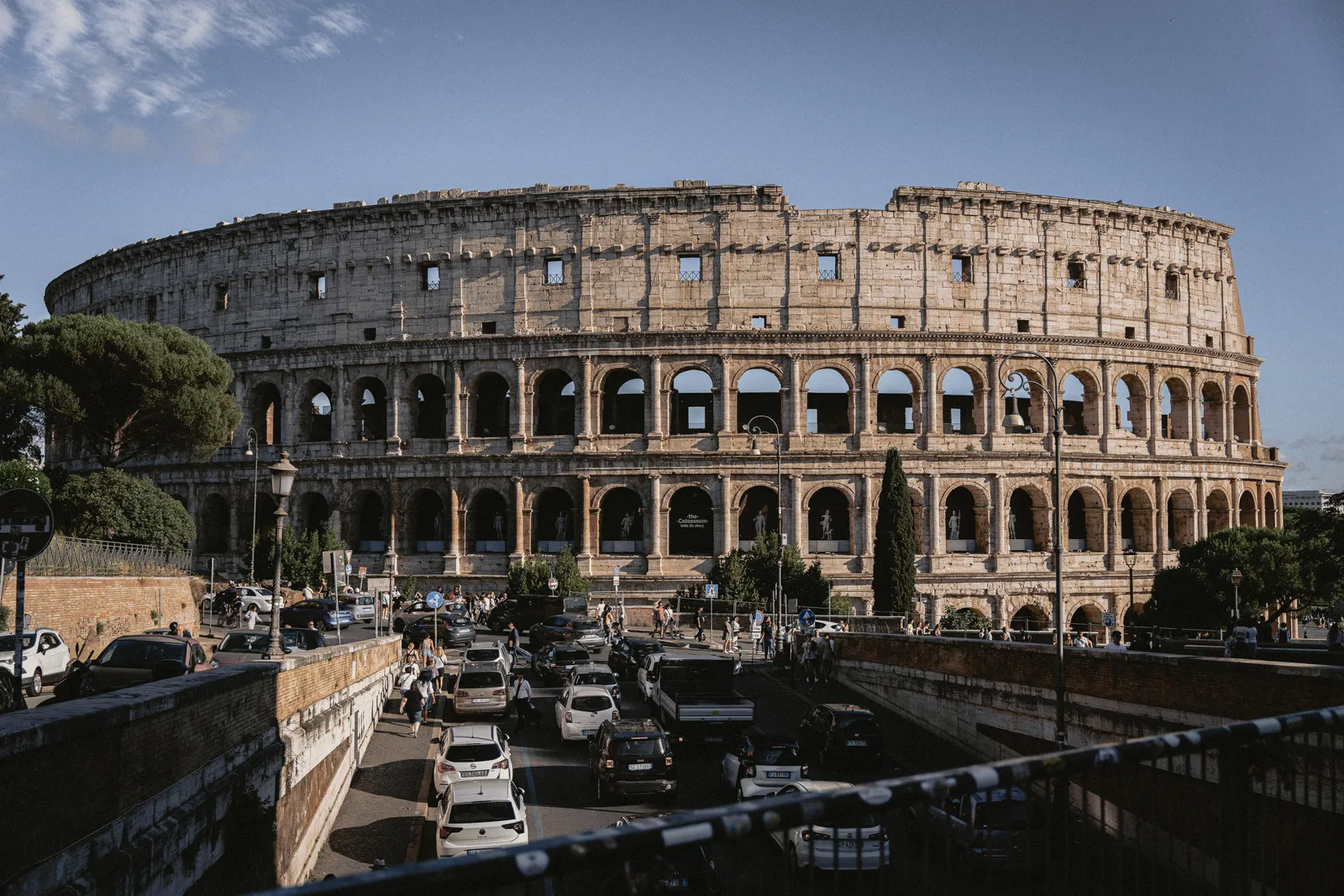
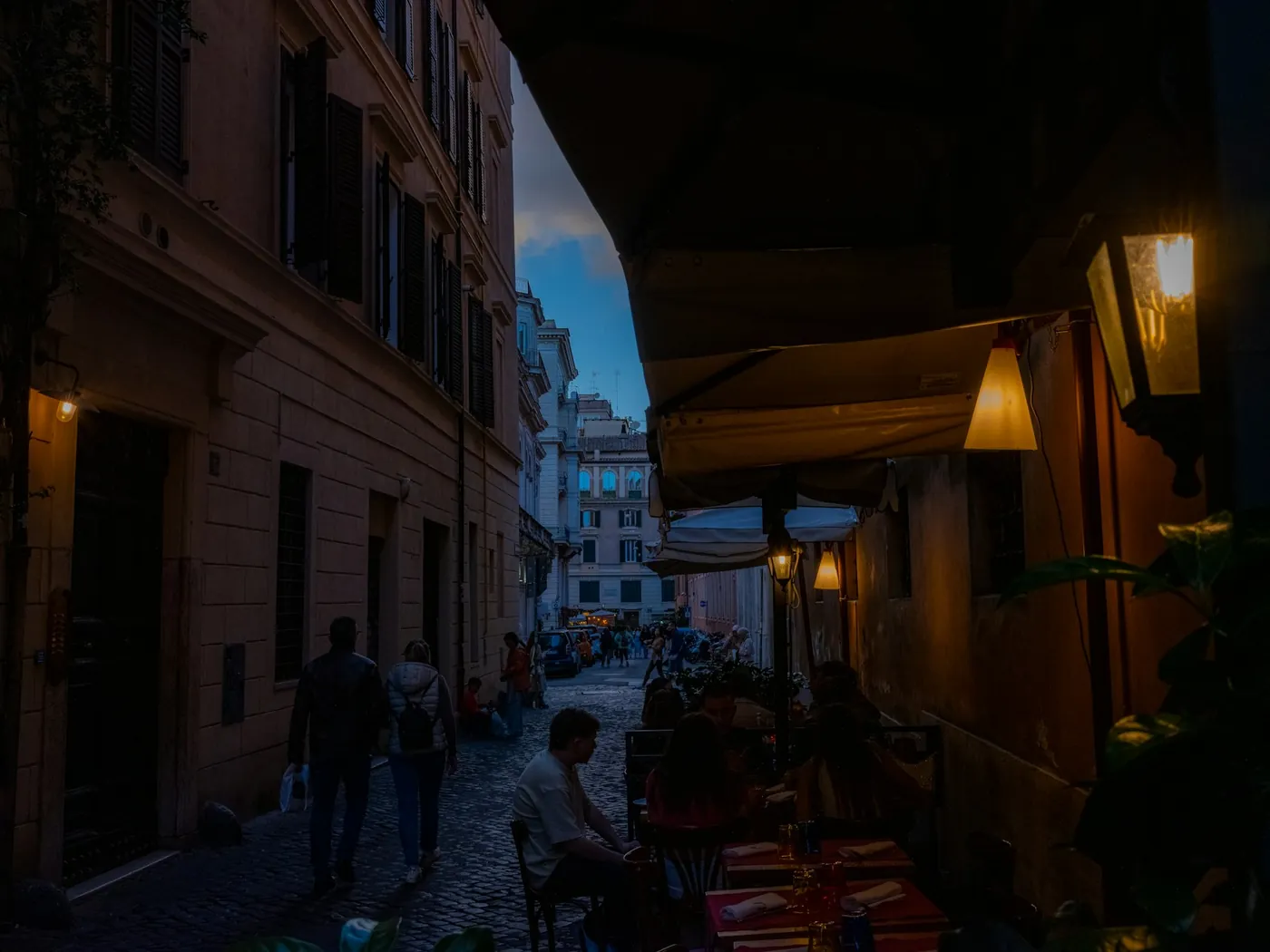
A position directly facing a famous monument, which is the single most reliable predictor of a disappointing meal in Italy and the reason the standard advice is to walk two streets away.
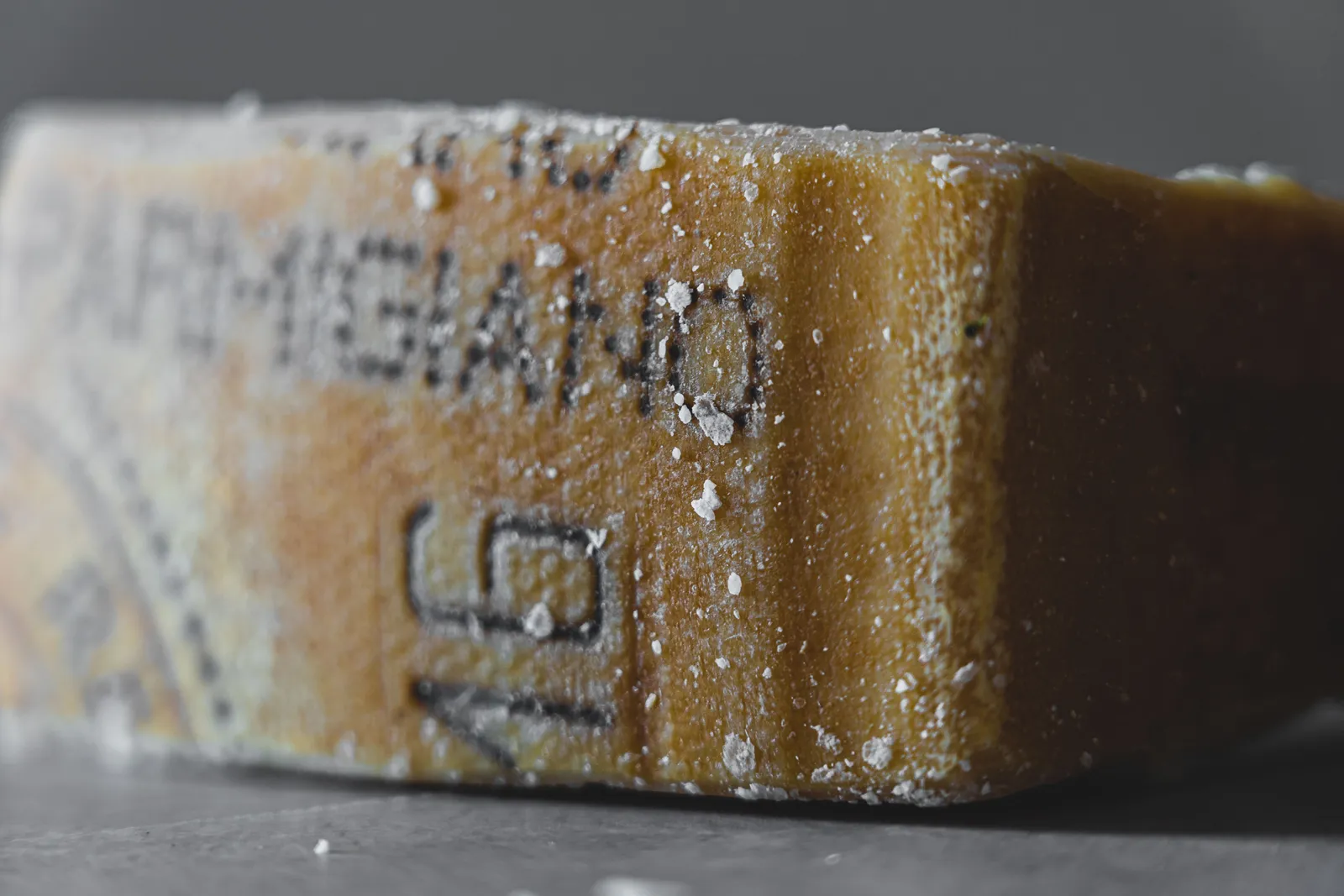
None of these makes a bill fraudulent. They predict a mediocre dinner at a good price, which is a different complaint and a more common one. Regions that take their cooking seriously make this obvious, and our guide to the food valley around Bologna, Parma and Modena is a useful corrective to the idea that Italian food is one national menu.
Want somebody else to pick the restaurant?Guided food walks are the fastest way to learn what a good local menu looks likeThe prices that are not really on the menu
Two categories catch people out and neither is a scam.
Fish and some meat are sold by weight. The menu shows a price per 100 grams, written all etto, or per kilo, and the number you read is not the price of the plate in front of you. A whole fish can multiply it several times over. Ask what the piece weighs and what the finished plate will cost before you agree to it, which is an ordinary conversation to have and not an accusation.
Table service costs more than the counter in a bar. Many Italian bars run two price lists, one for a coffee drunk standing at the bar and a higher one for the same coffee brought to a seat, and both should be displayed. You are paying for the chair, and on a famous square you are paying a great deal for the chair, which is sometimes exactly what you want.
Water is ordered and charged, still or sparkling, and it is not brought free.
When a bill looks wrong
Most of the time it is not, and the fastest way to find out is unglamorous.
Compare it with the menu displayed outside, which is where the charges are required to appear, and which is why reading it before you sit down is worth the thirty seconds.
Ask at the table, calmly, for the line to be explained. In the large majority of cases the answer is a charge that was disclosed and that you did not notice, and it is settled in a sentence.
Keep the receipt. Businesses are required to issue one, and it is the only record of what you were actually charged.
If the answer does not satisfy you, note the details, keep the paperwork and take it up afterwards rather than turning the end of a meal into a confrontation. Very little is recovered by escalating over dessert, and the amounts in dispute are usually small next to the rest of the evening. For the wider groundwork of a first Italian trip, from the eating hours to the per-night city tax that appears at checkout, our first-time guide to Italy covers what this article assumes.
The short version
Read the menu displayed at the entrance before you sit down, because that is where the charges are legally required to be, and it turns every line on the bill into something you already agreed to. Expect a cover charge nearly everywhere and a bread or service line in Rome, where the regional rule does not allow the usual name. Do not add a tip on top of a service charge. Ask the weight and the total before ordering fish. And treat a menu with photographs and six languages as a forecast of the food rather than of the bill.