Italy rewards a little planning and punishes almost none of it lightly. You can arrive with nothing booked and still fall head over heels, but a handful of decisions made before you fly, where you sleep, how you move between cities, when you go, are the difference between a smooth first trip and a week lost to sold-out tickets and confusing timetables. This is the guide we wish someone had handed us the first time.
When to go
Italy has a rhythm, and getting the timing right shapes everything. The shoulder seasons, roughly April to June and September to October, are the sweet spot: warm days, soft light, long evenings, and crowds that are busy rather than overwhelming. Vineyards are green in spring and golden in autumn, and the sea is swimmable at the edges of summer.
July and August are hot and crowded, and prices climb with the temperature. Around Ferragosto in mid-August, many family-run restaurants and shops shut for the holiday, especially in smaller towns, so plan around it. Winter is the quiet secret: cold but atmospheric, with empty museums, cosy trattorias and the lowest prices of the year in the cities.
The visa, in one paragraph
Travellers from the US, UK, Canada, Australia, New Zealand and the EU enter Italy visa-free for stays of up to 90 days in any rolling 180-day period, counted across the whole Schengen area rather than Italy alone. That “most visitors” framing hides an important exception: South African passport holders, and citizens of India, China and many other countries, must apply for a Schengen visa before travelling, which takes weeks and an appointment, so check your own passport early rather than assuming.
Two more things worth knowing. The EU’s biometric Entry/Exit System is now live at every Schengen border, so expect fingerprints and a photo instead of a stamp on your first crossing. And ETIAS, the online authorization you may have read about, is not in force and has no confirmed start date, so ignore any site offering to sell you one. Rules shift, so confirm the current requirements for your own passport close to your departure, wherever you are flying from. Our full guide to Italian visas and entry rules works through the requirements passport by passport, including the 90 in 180 arithmetic that catches out long trips around Europe.
How long, and what shape
The right length is whatever lets you have unhurried days, and the honest floor for a first visit is about a week. Here is how the common lengths tend to work in practice.
| Length | A shape that works | What it costs you |
|---|---|---|
| 5 to 6 days | One city, plus a day trip | You will not see the classic triangle |
| 7 to 8 days | Two cities, three or four nights each | No countryside, no coast |
| 10 days | Rome, Florence and Venice, comfortably | Still no south |
| 14 days | Three cities plus Tuscany or the coast | Almost nothing, this is the sweet spot |
Whatever the length, count the travel days honestly. A morning train between cities plus a check-out and a check-in is not a sightseeing day, it is half of one, and a trip planned as though it were is the reason so many first visits feel like a scramble.
Where to base yourself
Do not try to sleep everywhere. Italy is a country of intense, distinct cities, and the classic first-trip mistake is cramming five bases into seven nights. Pick two or three and give each a couple of unhurried days.
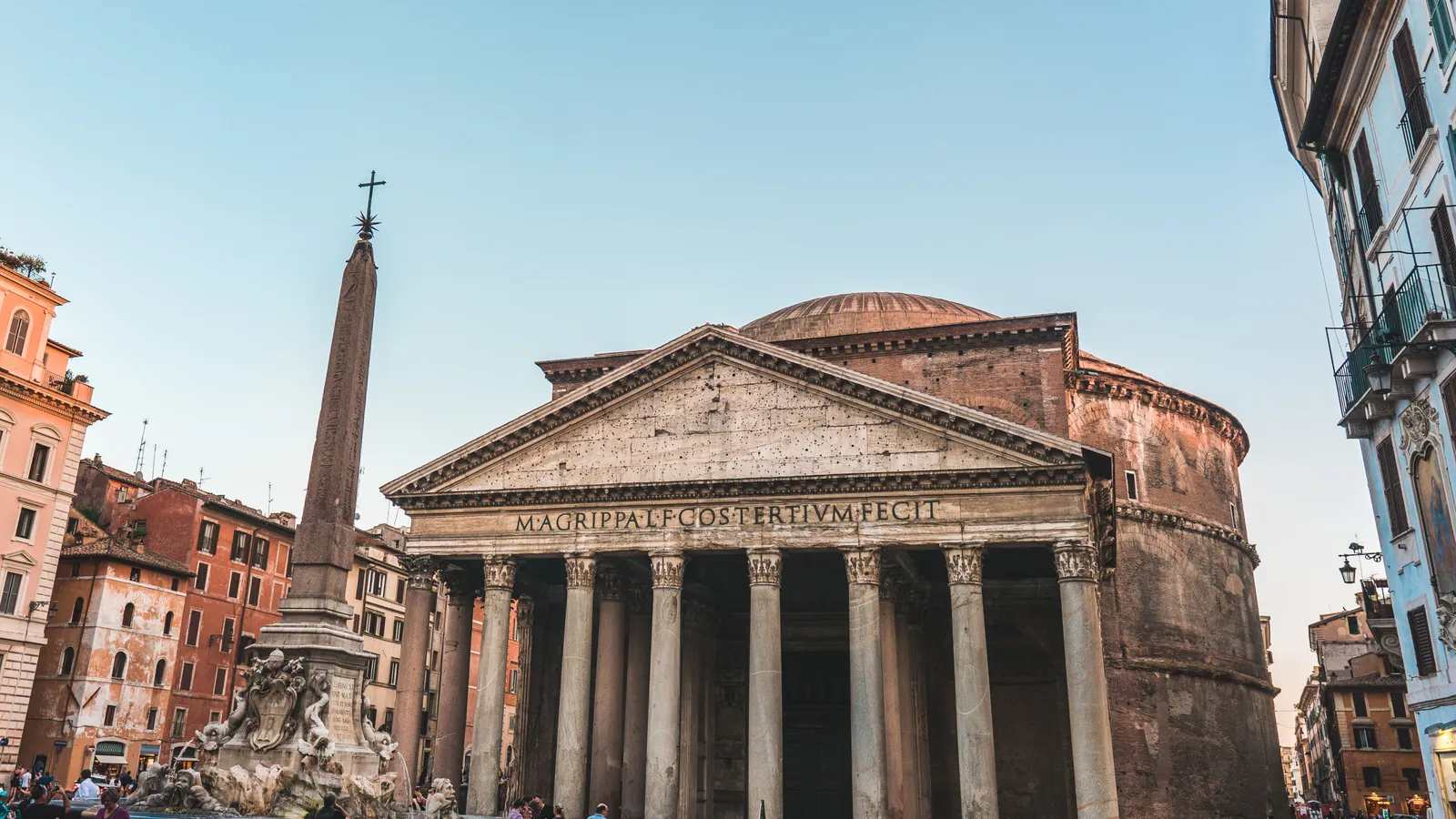
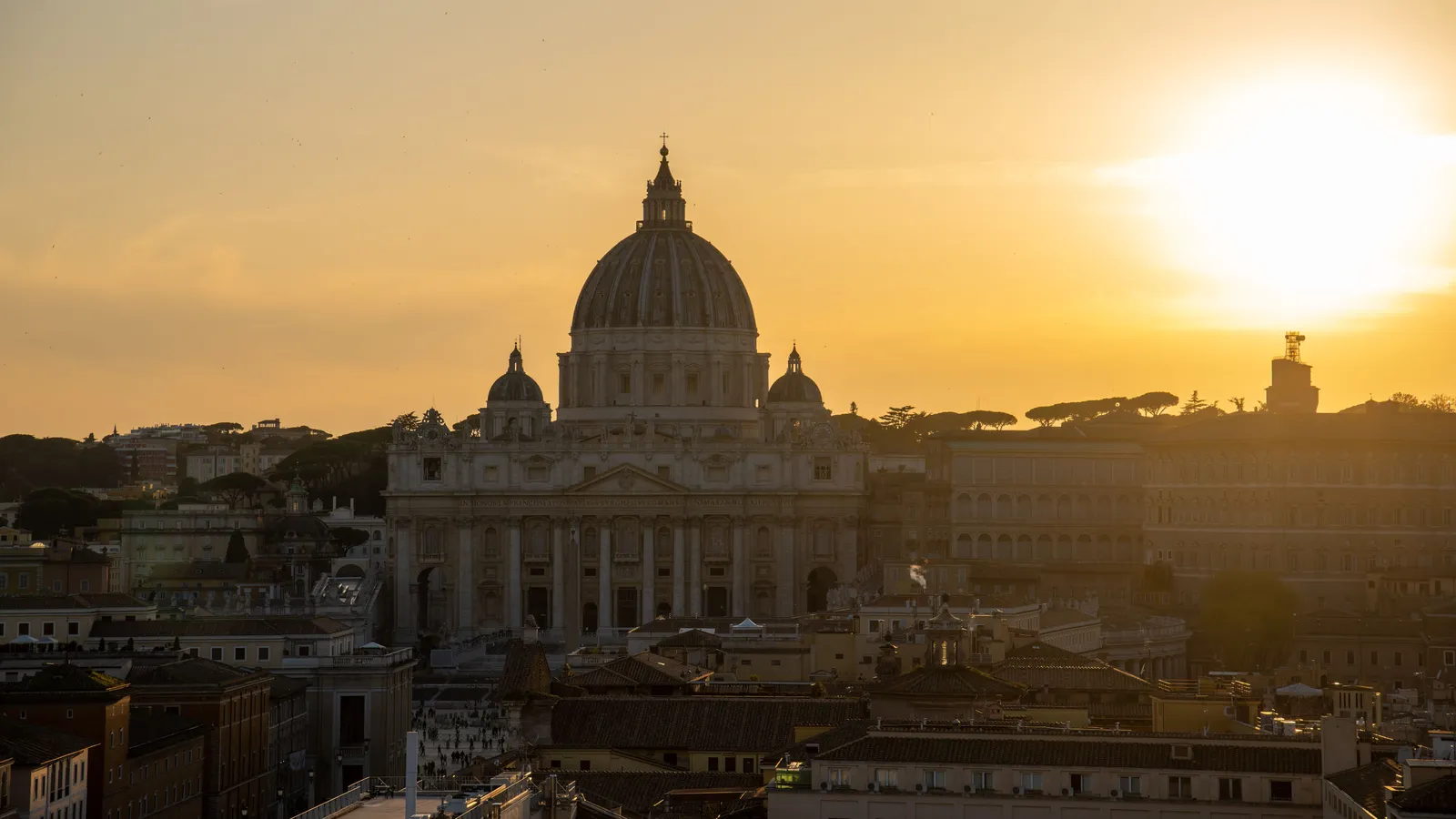
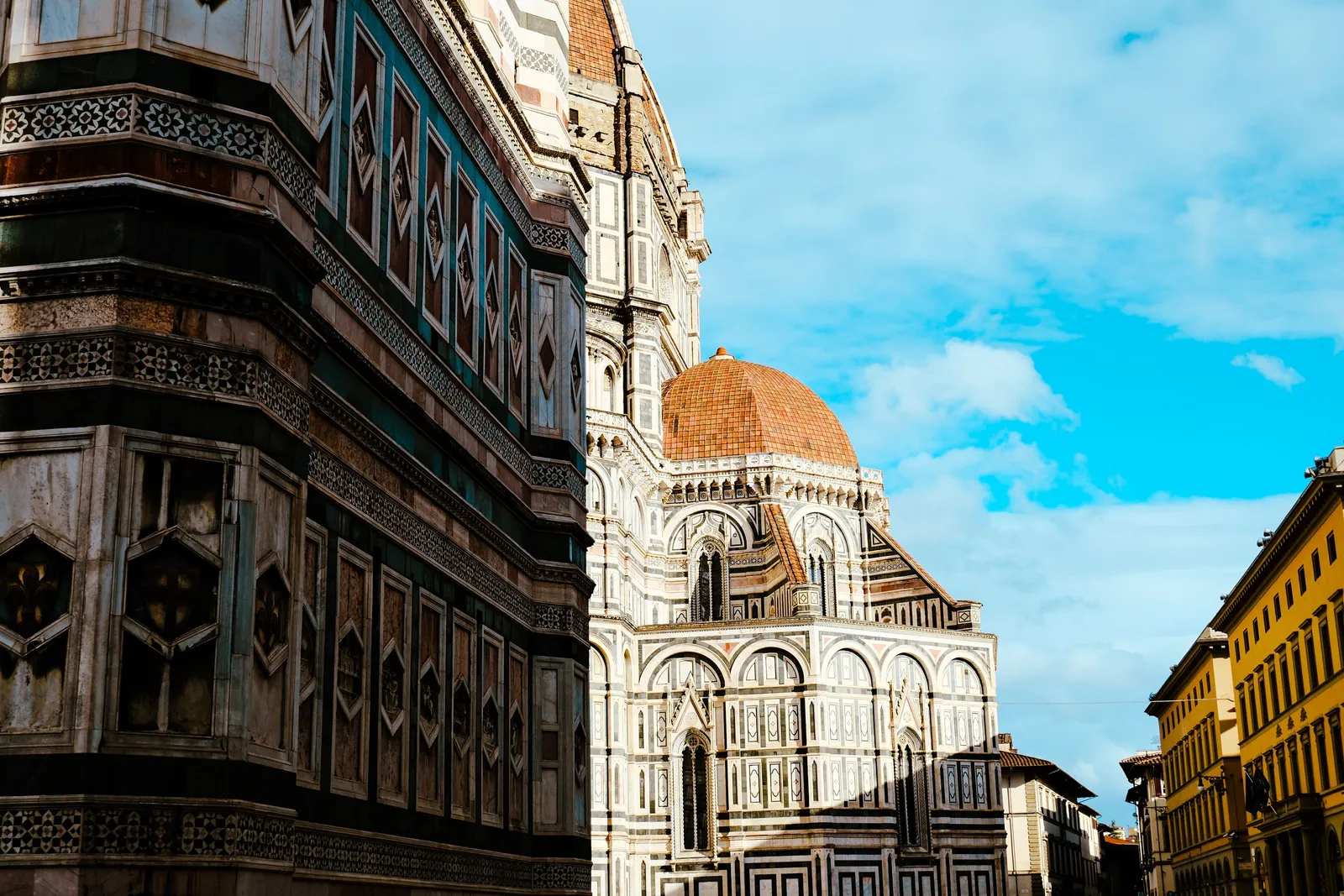
Rome is the epic opener: ancient ruins, the Vatican, and a street-food and trattoria scene that never quits. Florence is Renaissance art at walking pace, with Tuscany at its doorstep. Venice is unlike anywhere on earth, and best appreciated with at least one overnight, after the day-trippers leave. Milan is style, aperitivo and the gateway to the lakes and the north. For a first week, Rome plus Florence plus Venice is the tried-and-true triangle, all linked by fast trains.
Getting around
Between cities, the train is king. High-speed Frecce (Trenitalia) and Italo services connect Rome, Florence, Venice and Milan in a couple of hours or so, station to station, city centre to city centre, with none of the airport hassle. Book a few days ahead for the cheapest fares, and validate regional (regionale) tickets before you board if they are the old paper kind.
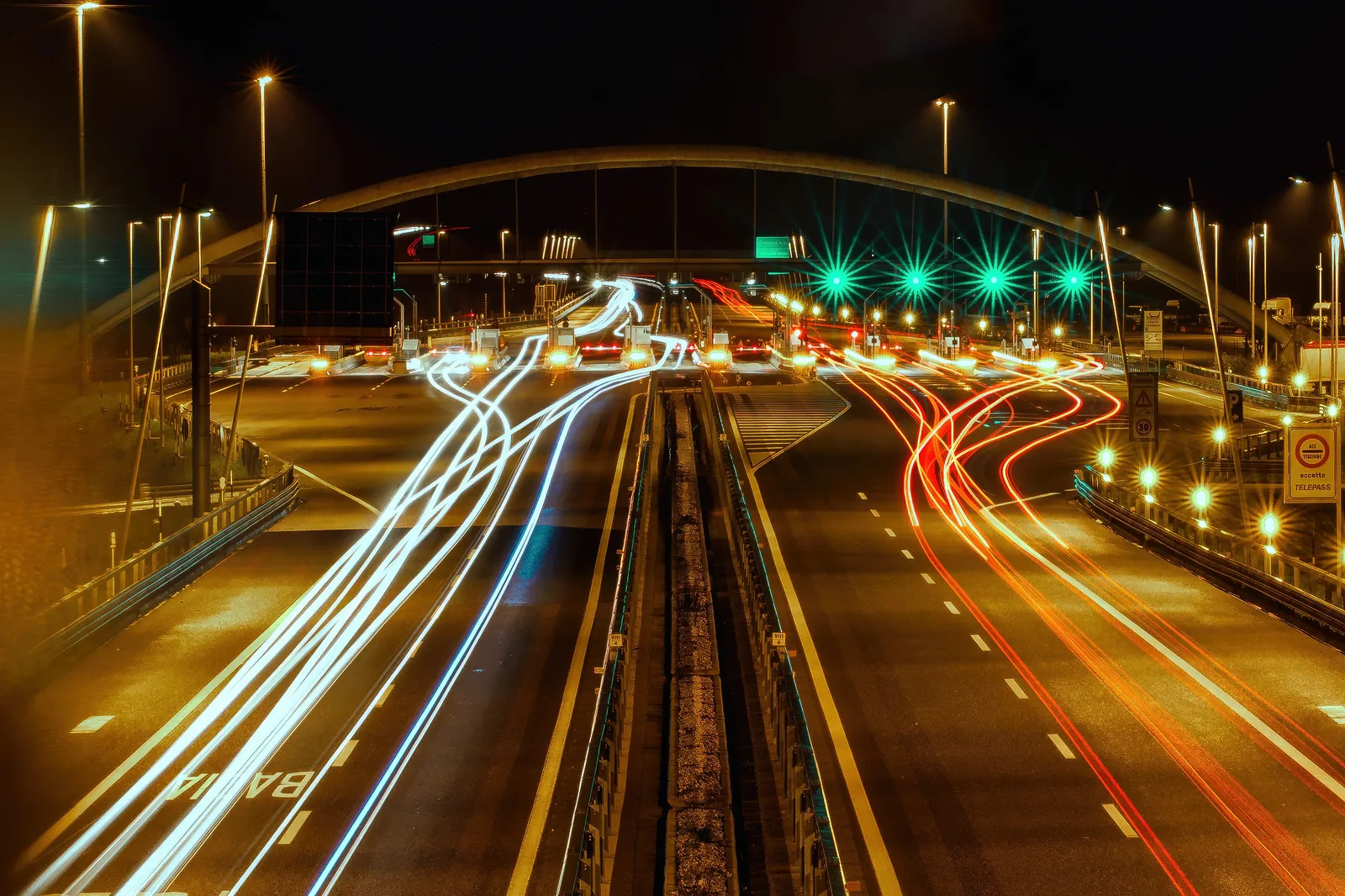
Inside the cities, walk. Rome, Florence and Venice reveal themselves on foot, and their historic centres are compact. Rent a car only for the countryside, Tuscany, Puglia, the lakes, where the freedom is worth it. And remember the golden rule: do not drive into historic city centres, where camera-enforced ZTL limited-traffic zones hand out automatic fines to unsuspecting tourists.
If you do plan to drive, sort an International Driving Permit before you leave home. Italy expects non-EU licence holders to carry one alongside their own licence, and rental desks apply the rule strictly: drivers on US, Australian, Canadian and South African licences are routinely turned away without it, and a UK licence holder is safer carrying one too. It is only a translation of the licence you already have, it costs very little from your national motoring body or post office, and it cannot be obtained once you have landed.
Let a local guide crack the big sights openA half-day guided tour turns the Colosseum or the Vatican from a queue into a storyWhat to book ahead, and what to leave loose
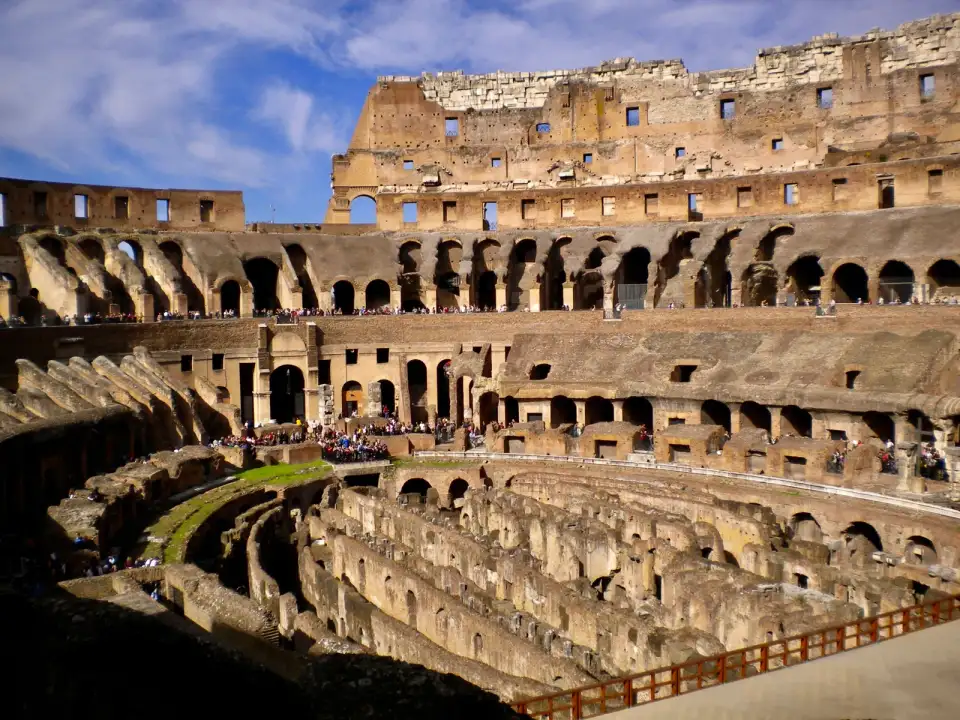
Book your first two nights so you land somewhere sorted, and your headline attractions well in advance: skip-the-line tickets for the Colosseum, the Vatican Museums and the Uffizi are genuinely essential in the warm months and sell out. Reserve your high-speed trains for the best fares, and pick up an eSIM so you have data the moment you land.
Almost everything else can, and should, stay loose. Trattoria dinners, gelato stops, market mornings and side-street churches are best stumbled upon. Resist the urge to schedule every hour. Italy is at its finest when you leave room to follow your nose down a back lane.
One scheduling detail worth checking: many state museums close on Mondays, and smaller shops in provincial towns often close on Sunday and on Monday morning. Neither ruins a trip, but a Monday spent discovering that both of a city’s great galleries are shut is an avoidable waste of a day.
How meals actually work
Eating is the part of Italy most worth understanding in advance, because the timetable is genuinely different. Breakfast is small and standing, a coffee and a pastry at the bar rather than a spread. Lunch runs from about one, and dinner rarely starts before eight, with kitchens in smaller places closing between services instead of running all afternoon.
A full menu is built in courses, but nobody expects you to order all of them, and a plate of pasta followed by a salad is a completely normal meal. Water comes bottled and is charged for, which is standard rather than a trick, and coffee has its own unwritten rules: standing at the bar costs less than sitting, and a cappuccino after lunch will mark you out instantly. The evening aperitivo, a drink with something to nibble before dinner, is the most pleasant hour of the Italian day and the easiest local habit to adopt.
What a first trip costs
Italy is not a budget destination, but it is a flexible one, and where the money goes is predictable. The two big levers are accommodation and the headline attractions. A central room in Venice, Florence or on the Amalfi Coast in high season is the single most expensive line in most budgets, and it moves enormously with the season, which is one more argument for spring or autumn.
Food, by contrast, is where Italy is generous. Coffee at the bar, pizza by the slice and a market lunch cost very little, and a good neighbourhood trattoria a few streets back from a monument is dramatically cheaper than the same meal on the square. Trains are moderate if booked ahead and expensive on the day. And a handful of small charges catch people out because they are not in the price you compared online: the coperto, the city tax per person per night, and paid entry to some churches and viewpoints.
Money and small courtesies
The currency is the euro (EUR). Cards are widely accepted, but carry some cash for small cafes, markets and rural spots. Two small customs surprise first-timers: the coperto, a modest per-person cover charge at many restaurants, and the city or tourist tax added per person per night at hotels, usually paid at check-out and rarely included in the rate you compared online. Neither is a scam, both are normal. Venice adds a further wrinkle: an access fee for day visitors to the historic centre on a defined list of busy days, with overnight guests exempt but still required to register online for a free QR code.
Tipping is light: rounding up or leaving a euro or two for good service is plenty, never the 20 percent expected elsewhere. Order coffee standing at the bar to pay less, never ask for a cappuccino after lunch if you want to blend in, and greet shopkeepers with a buongiorno on the way in. Small courtesies, warmly received.
Staying safe and well
Italy is a safe country for visitors, and the everyday risks are dull rather than dramatic. Pickpocketing is the real one, concentrated exactly where you would expect: crowded buses, main stations and the busiest monuments. Bags zipped and in front of you solves almost all of it.
The other two are heat and feet. Summer in the cities is hotter than most visitors plan for, and the ancient sites in particular offer almost no shade, so the local habit of going early and disappearing at midday is advice rather than tradition. Tap water is safe and public fountains are common, so refill rather than buy. Pharmacies, marked with a green cross, are excellent for minor problems and the pharmacist will advise you without an appointment.
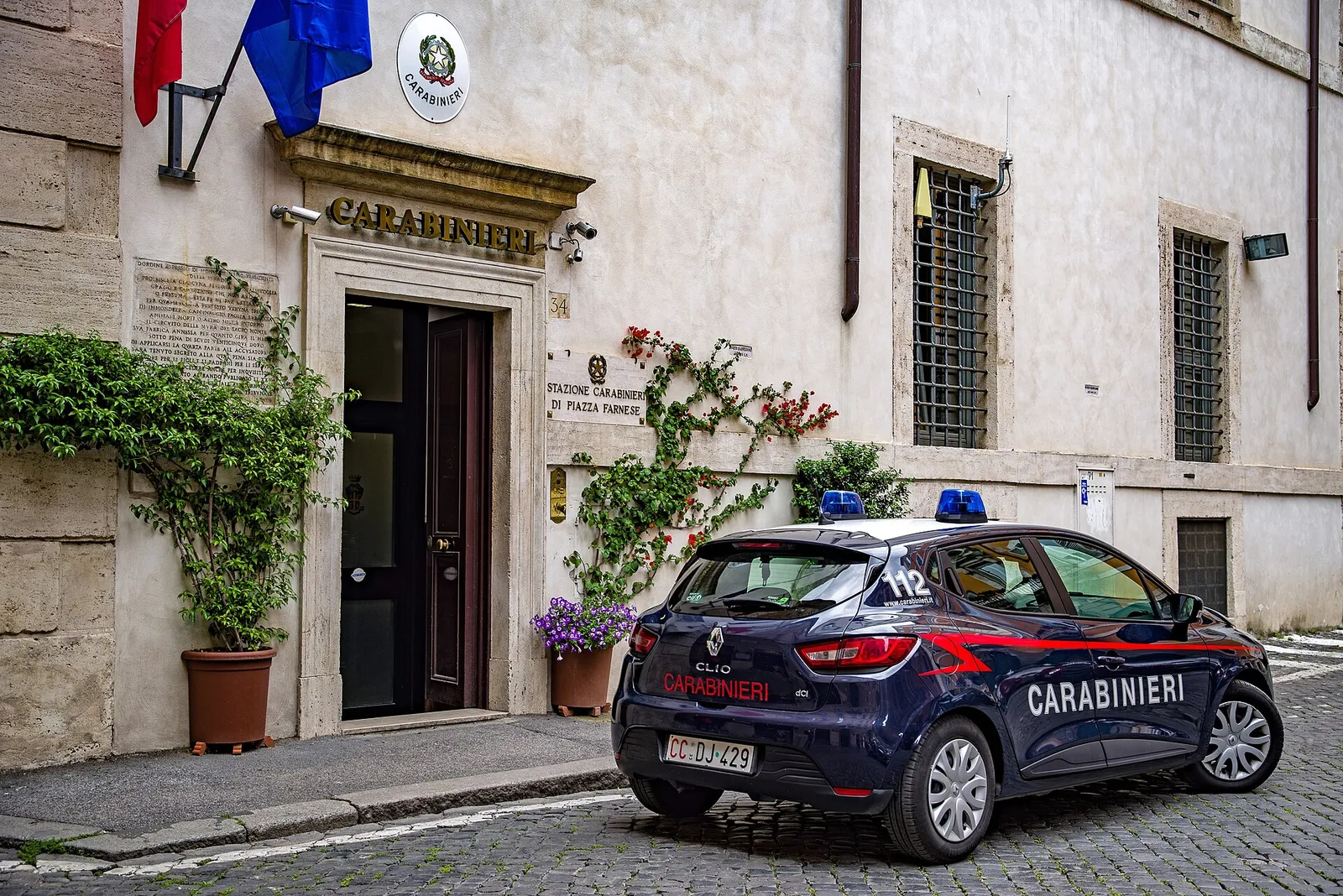
Know how to get help before you need it. Our guide to emergency numbers in Italy covers who to call and what to expect, and it is a two-minute read that is far more useful before a trip than during one.
Choosing your fourth stop
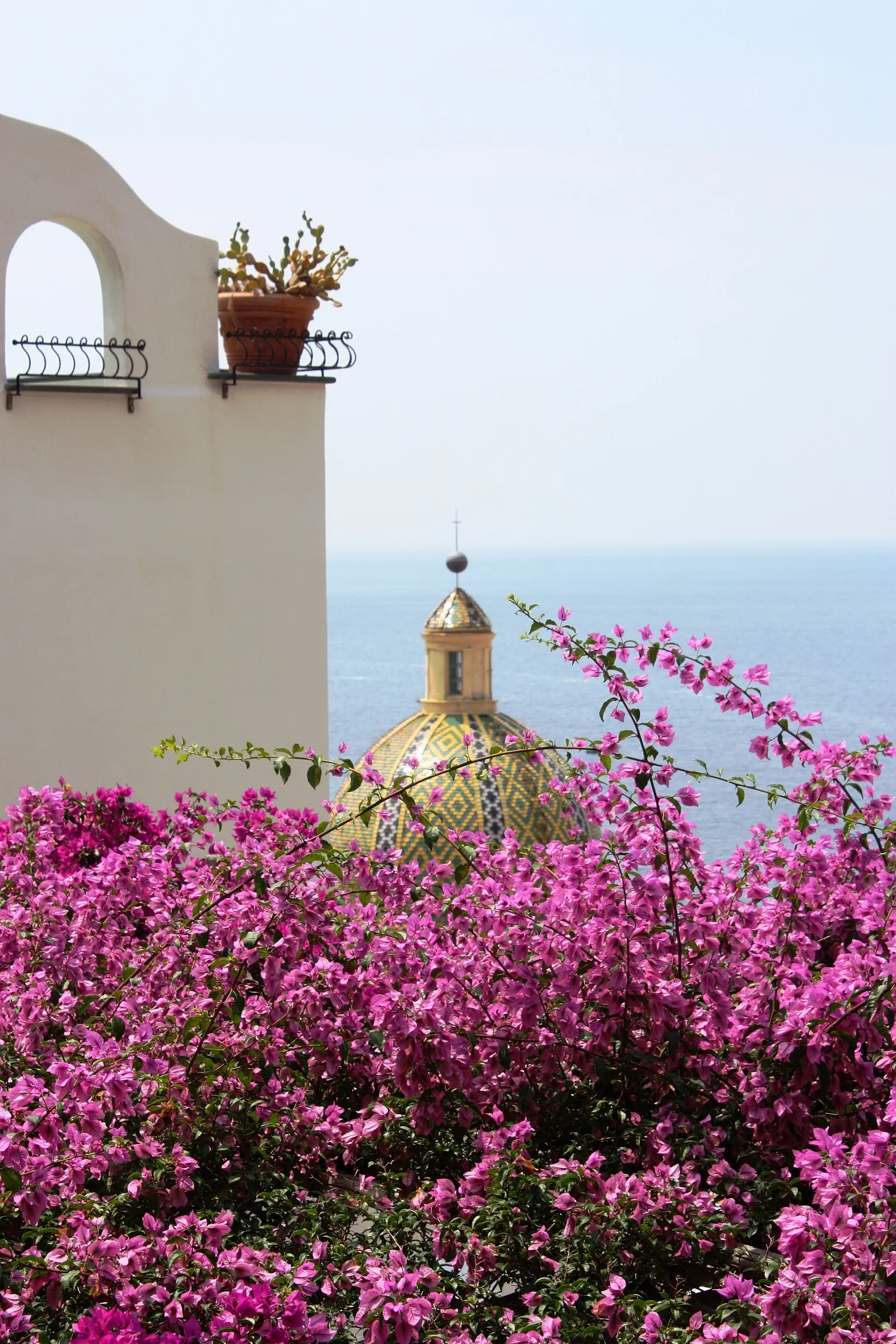
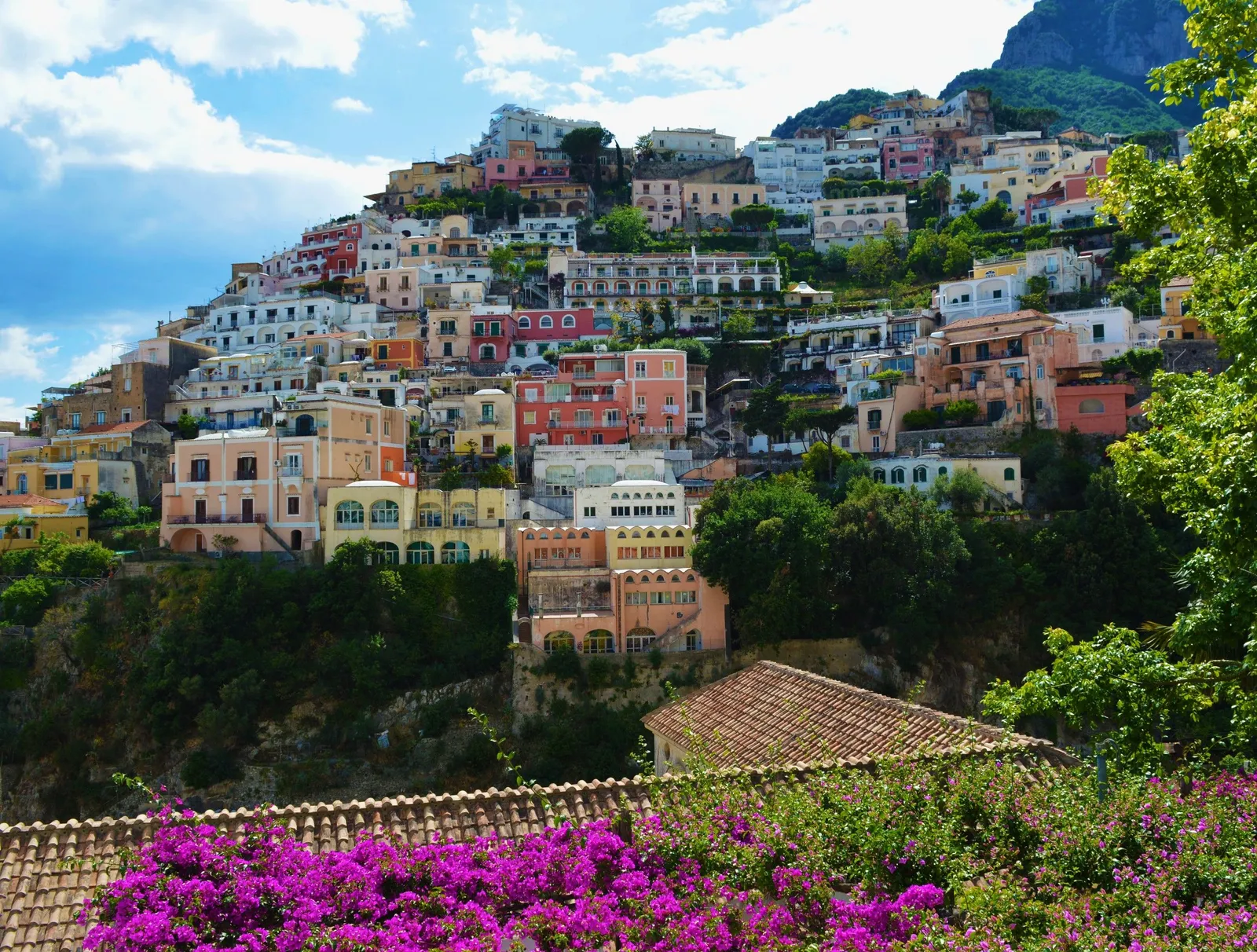
Once the classic triangle is settled, most first-timers face the same question: what goes in the remaining days. The two most popular answers are both coastlines, and they are much less alike than the photographs suggest. One is dramatic, glamorous, vertical and expensive; the other is smaller, more colourful and built for walking between villages.
Our comparison of the Amalfi Coast and the Cinque Terre weighs them against each other on cost, crowds, transport and how much climbing is involved, which is the fastest way to settle it. If neither appeals, the alternative worth considering is not a fourth destination at all but a slower third: two extra nights in Tuscany or on the lakes, doing very little.
The short version
Go in spring or autumn if you can, pick two or three cities rather than five, link them by fast train, and book the Colosseum, the Vatican and the Uffizi before you fly. Count travel days honestly, check that neither of your museum days is a Monday, and eat on Italian time rather than your own. Sort an eSIM, carry a little cash for the coperto and city tax, wear shoes made for cobblestones, and never drive into a ZTL. Do that, and your first Italian trip will feel less like a logistics puzzle and more like the start of a lifelong habit.
Which two cities are you starting with, and what is fighting for the third slot?