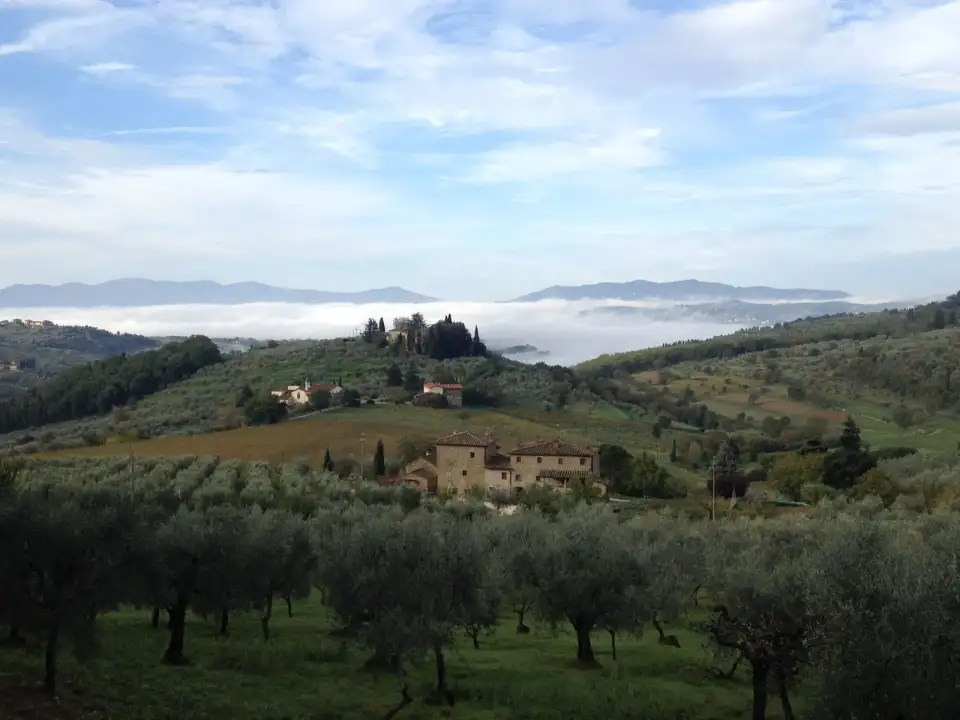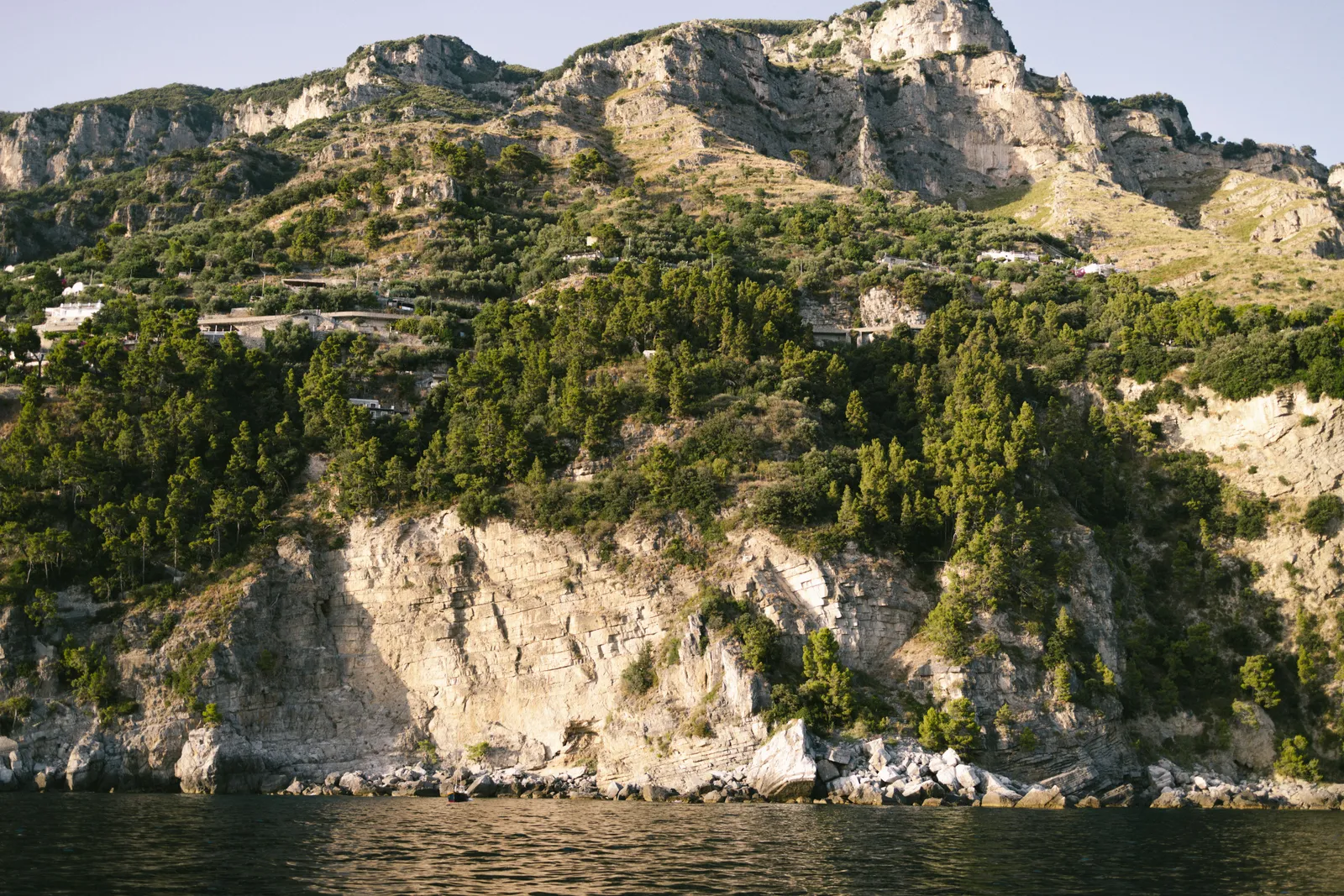
Two coastlines own Italy’s postcard racks: the Amalfi Coast, all cliff-hung glamour south of Naples, and Cinque Terre, five pastel fishing villages stitched into the Ligurian hills. They photograph similarly and travel completely differently, and most itineraries only have room for one. Here is the honest comparison, scenery, access, hiking, beaches, crowds and cost, with a straight answer for every kind of traveler at the end.
Scenery: grandeur versus storybook
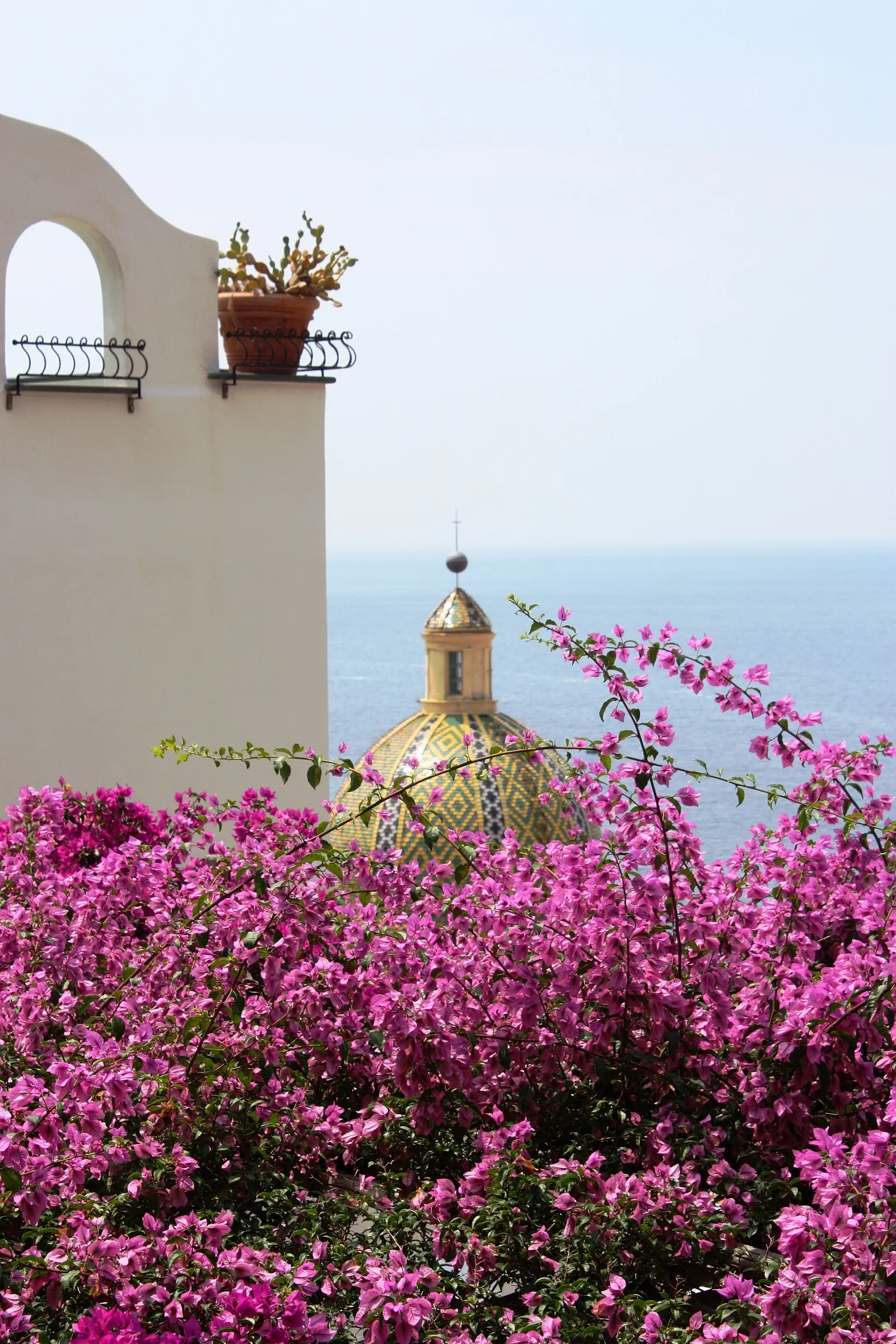
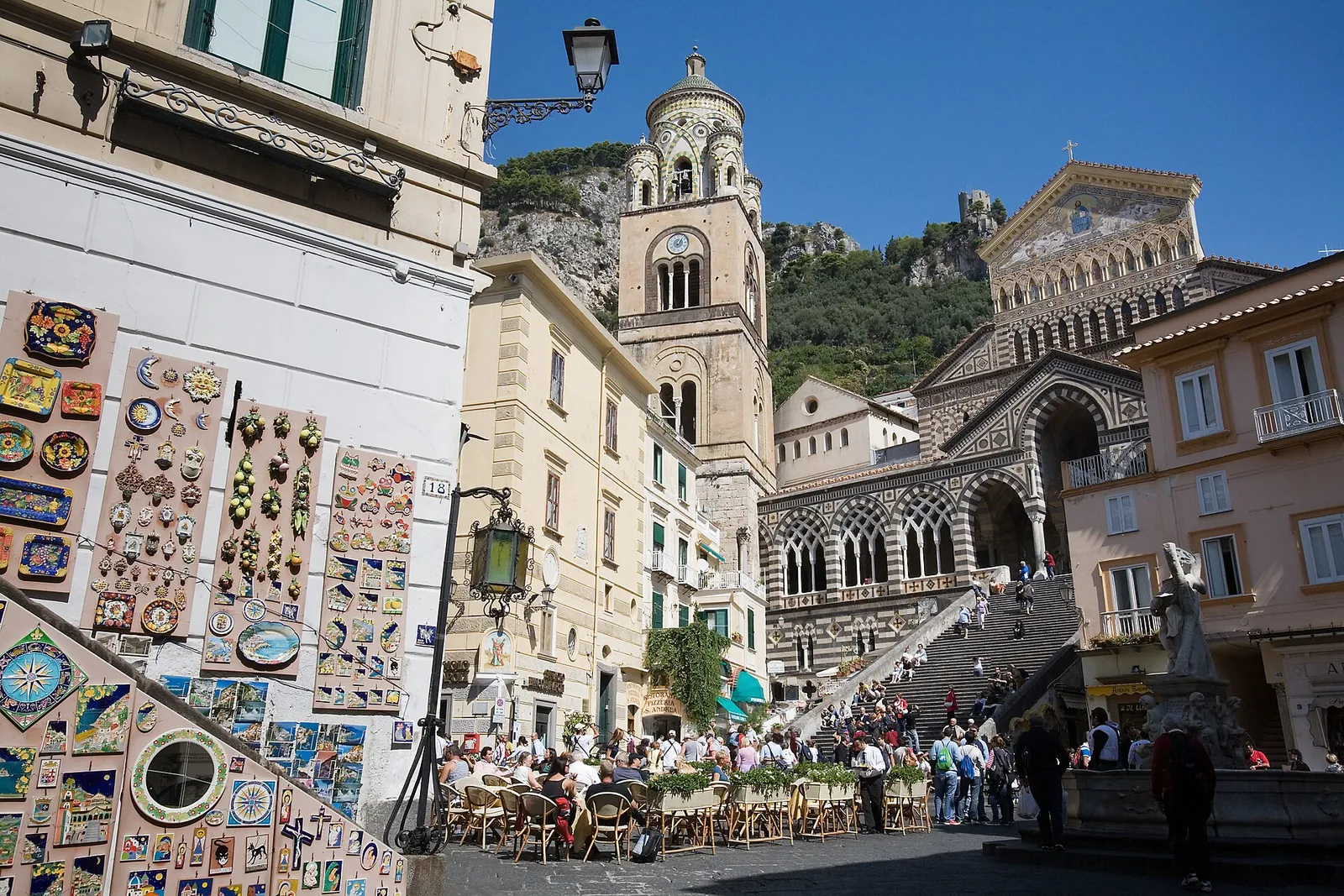
The Amalfi Coast is the operatic one. The corniche road hangs hundreds of metres above the sea, lemon groves and villas terrace the cliffs, and Positano pours down its hillside like a spilled paintbox. Ravello’s gardens float above it all. The scale is grand, the mood is glamorous, and the wow moments are enormous; our full Amalfi Coast guide walks town by town.
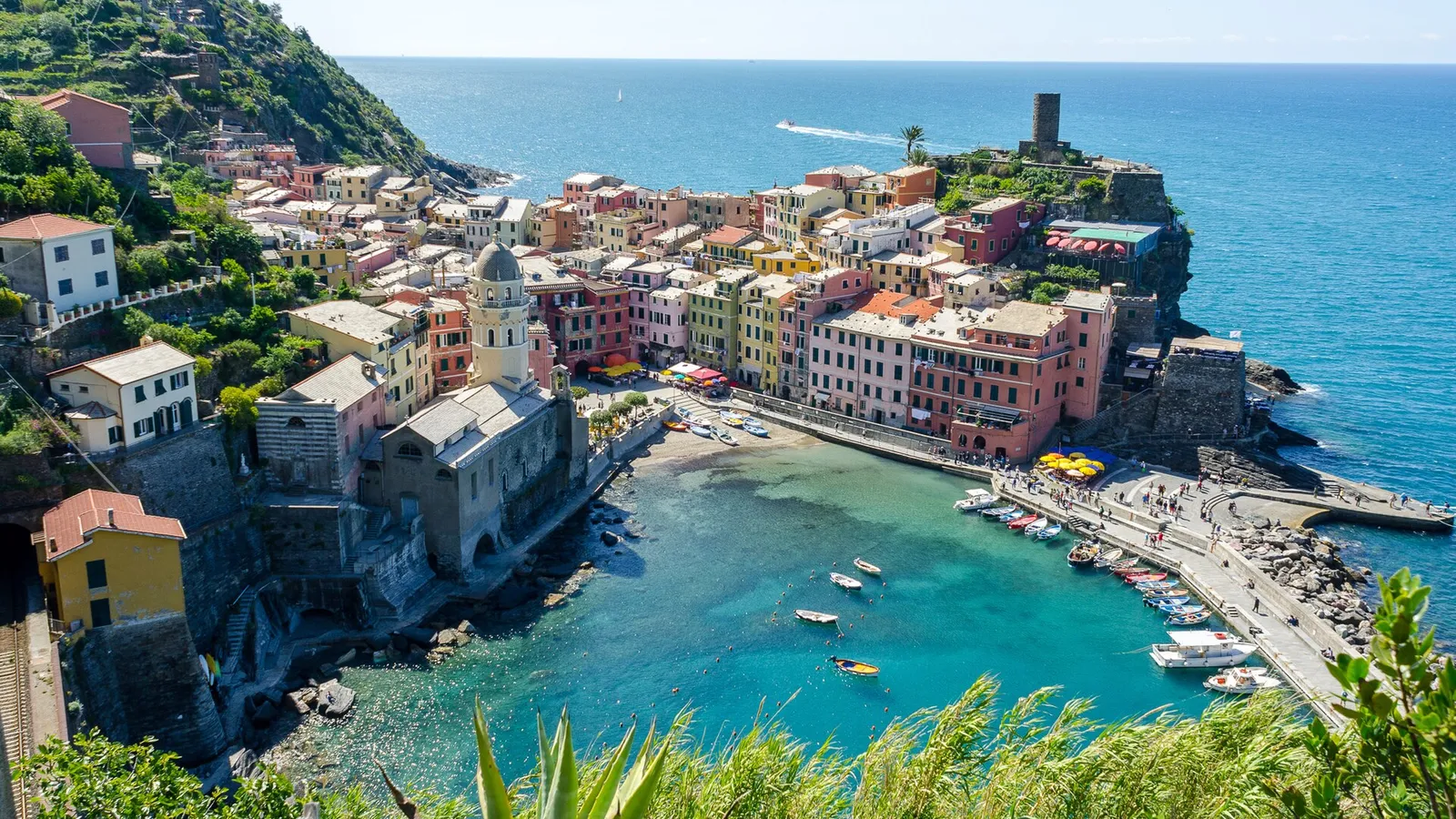
Cinque Terre is the miniature. Five villages, Monterosso, Vernazza, Corniglia, Manarola and Riomaggiore, huddle in coves along a wilder, greener coastline, connected by cliff paths and a train that tunnels between them. Nothing here is monumental; everything is absurdly charming. Vernazza’s harbour at midday and Manarola at golden hour are as photogenic as anywhere in Italy.
Access and getting around
This is where the two coasts diverge most. Cinque Terre is genuinely easy: fast trains reach La Spezia from Florence, Pisa or Milan, then a regional line hops between all five villages in a few minutes each, running until late. No car, no stress, and it even works as a long day trip from Florence.
The Amalfi Coast makes you work. There is no railway on the coast itself: you come via Naples or Salerno, then continue by SITA bus, ferry or a pricey private transfer along a spectacular but slow and crowded cliff road. In summer the ferries between Salerno, Amalfi and Positano are the pleasant hack. On either coast, skip the rental car: parking is scarce, the roads are stressful, and on the Amalfi road buses have right of way over your nerves.
Hiking
Both coasts hike beautifully, differently. Cinque Terre is a walker’s destination first: the national park’s coastal paths link the villages, so you can hike from one lunch to the next and take the train back. Two caveats matter enough to check before you build a walking day around them. The famous stretches need a paid Cinque Terre trekking card in season, and the coastal path is not continuous: parts of it have been shut for years after landslides, and the short, celebrated Via dell’Amore between Riomaggiore and Manarola runs one way with timed entry and limited numbers. Popular sections also go one-way during peak hours. Check what is actually open with the national park before you go, not after you arrive. The Amalfi Coast holds one all-time classic, the Path of the Gods (Sentiero degli Dei), a high traverse with the whole coastline unrolling below, plus quieter stair-and-mule-track routes above Amalfi and Ravello. Village-to-village strolling favours Cinque Terre; one unforgettable ridge walk favours Amalfi.
See either coast from the waterA boat trip is the cheat code on both coasts: the villages and cliffs were built to be seen from the seaBeaches and swimming
Set expectations first: neither coast is a wide-sand beach destination. The Amalfi Coast does it better, with pebble coves and lido culture in Positano and Amalfi, quieter corners like Atrani, and boat trips to swimming spots along the cliffs. Cinque Terre offers one proper beach at Monterosso plus rock-and-harbour swimming elsewhere, refreshing, scenic, and brief. Sun-lounger holidays lean Amalfi; a post-hike plunge suits Cinque Terre perfectly.
Crowds and cost
Both are loved half to death in July and August, but it feels different. Cinque Terre’s villages are tiny, so midday day-trip and cruise crowds physically fill the lanes, then evenings empty gloriously for overnight guests. Amalfi’s crowds clog the road and the bus queues instead. On money, Cinque Terre is the cheaper trip overall: guesthouse prices, trattoria menus and train tickets undercut Amalfi’s boutique hotels, transfer costs and Positano’s glamour tax. Amalfi can be done affordably from Salerno or Atrani, but its headline towns are priced like the celebrities they are.
Head to head
| Amalfi Coast | Cinque Terre | |
|---|---|---|
| Scenery | Grand cliffs, glamorous towns | Intimate pastel villages |
| Getting there | Via Naples or Salerno, no train on the coast | Direct trains via La Spezia |
| Getting around | Bus, ferry, slow cliff road | Village-to-village trains |
| Hiking | Path of the Gods, stair routes | Coastal trails, paid card, some sections closed |
| Beaches | Pebble coves, lido culture | One beach at Monterosso |
| Crowds | Road and bus congestion | Packed lanes at midday |
| Cost | Higher, boutique pricing | More affordable |
| Ideal stay | 3 or more days | 1 to 2 days |
So which should you choose?
- First trip to Italy, tight schedule: Cinque Terre. It slots into a Florence-based itinerary with nothing but a train ticket.
- Honeymooners and romantics: Amalfi Coast. Positano at dusk and dinner above the sea in Ravello are the stuff of anniversaries.
- Hikers: Cinque Terre for days of village-to-village walking, checking the park’s trail status first; Amalfi if one epic route, the Path of the Gods, is enough.
- Beach lovers: Amalfi Coast, for the coves, lidos and boat days.
- Budget travelers: Cinque Terre, clearly, or Amalfi based in Salerno rather than Positano.
- Photographers: tie. Vernazza and Manarola versus Positano and Ravello; you will fill a memory card either way.
- Travelers who hate logistics: Cinque Terre. The train does everything.
- A week to spare: do the Amalfi Coast properly for four days, and save Cinque Terre for the trip that pairs with Florence and the rest of Italy.
The short version
Cinque Terre is the easy, affordable, walkable one: five storybook villages on a train line, perfect in a day or two from Florence. The Amalfi Coast is the grand, glamorous one: harder to reach, pricier, and worth three slow days of cliffs, coves and lemon-scented evenings. Match the coast to your trip shape and travel style, book the room with the view early, and either way you will come home convinced you chose the most beautiful coastline in Italy.
Which coast fits also depends on which city anchors the trip, since one sits south of Naples and the other is an easy train from Tuscany. Our comparison of Rome and Florence covers that decision, and it usually settles the coast question by itself.
One practical note for either: both involve cliff paths, ferries and, on the Amalfi side, a coast road that is genuinely demanding to drive. Those are exactly the activities that policies word differently, so check yours before you go rather than after; our guide to travel insurance for Italy sets out what to look for.