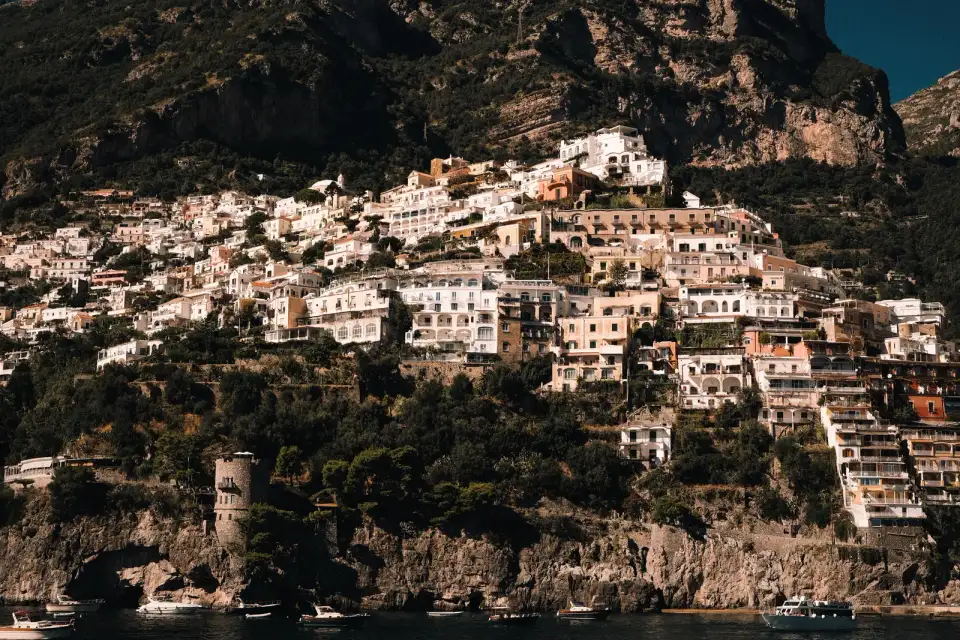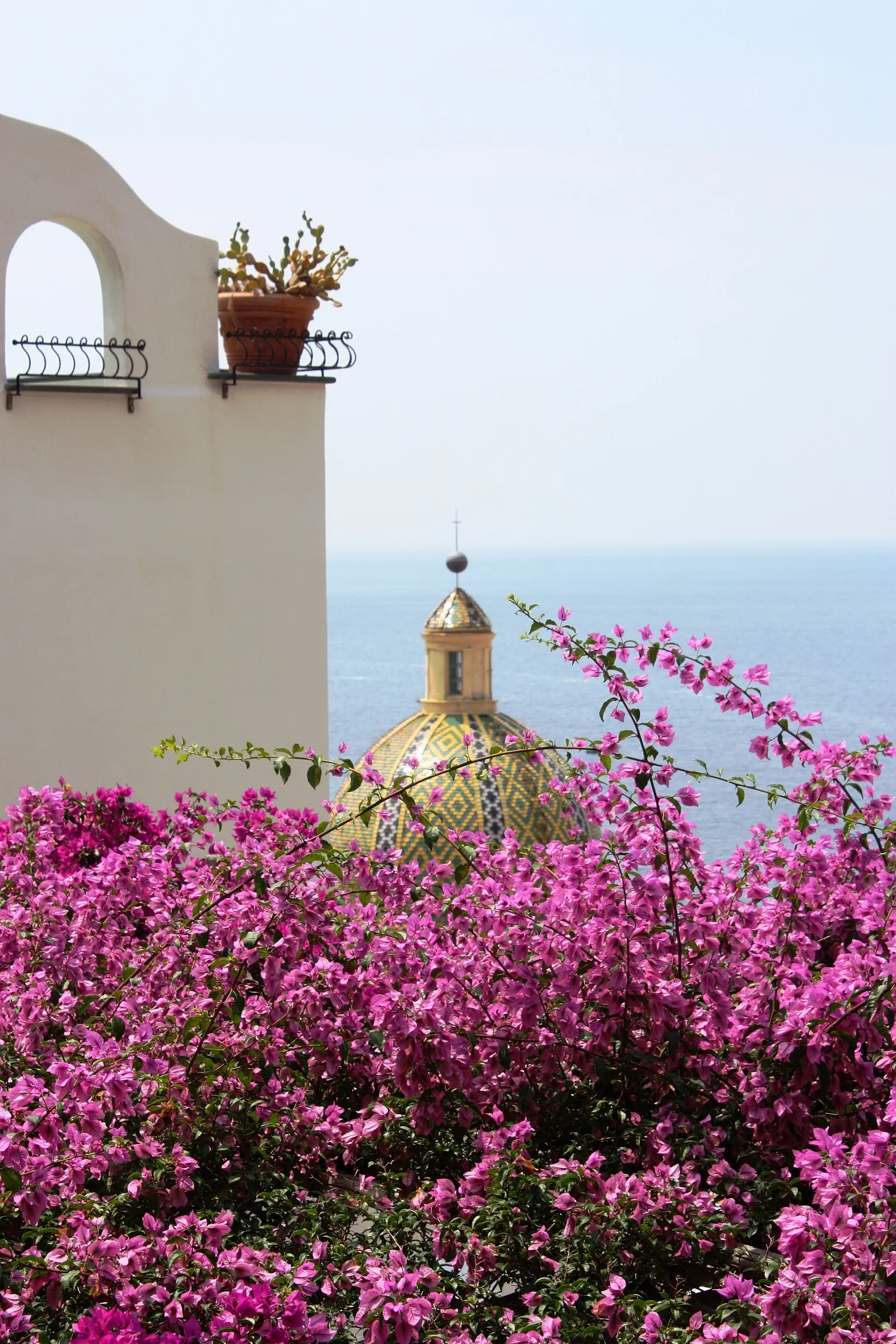
The Amalfi Coast is the Italy of the imagination: pastel villages stacked up sheer cliffs, lemon groves spilling toward a turquoise sea, and a coast road so beautiful and so terrifying that you will not know whether to look or close your eyes. It is also one of the trickiest corners of Italy to get right, with narrow roads, seasonal ferries and prices that climb with the view. Plan it well and it is unforgettable. Plan it badly and you spend your holiday stuck on a bus. Here is how to do it right the first time.
When to go
Timing makes or breaks an Amalfi trip. The shoulder seasons, roughly May to June and September, are the sweet spot: warm enough to swim, gorgeous light, and the towns busy but not choked. July and August bring the heat, the crowds and the worst of the coast-road traffic, along with the highest prices of the year.
From November to March much of the coast hibernates: many hotels, restaurants and ferry routes shut down, and while the villages are peaceful, the classic experience is off the table. For a first visit, aim squarely for late spring or early autumn.
Within the good window there are still differences. May is green, flowering and slightly cooler in the water. June is the most reliable all-rounder. Early September has the warmest sea of the year and a coast that empties week by week, which makes late September the quiet connoisseur’s choice, with the caveat that the first autumn rains can arrive and some services begin to thin out.
How to get there
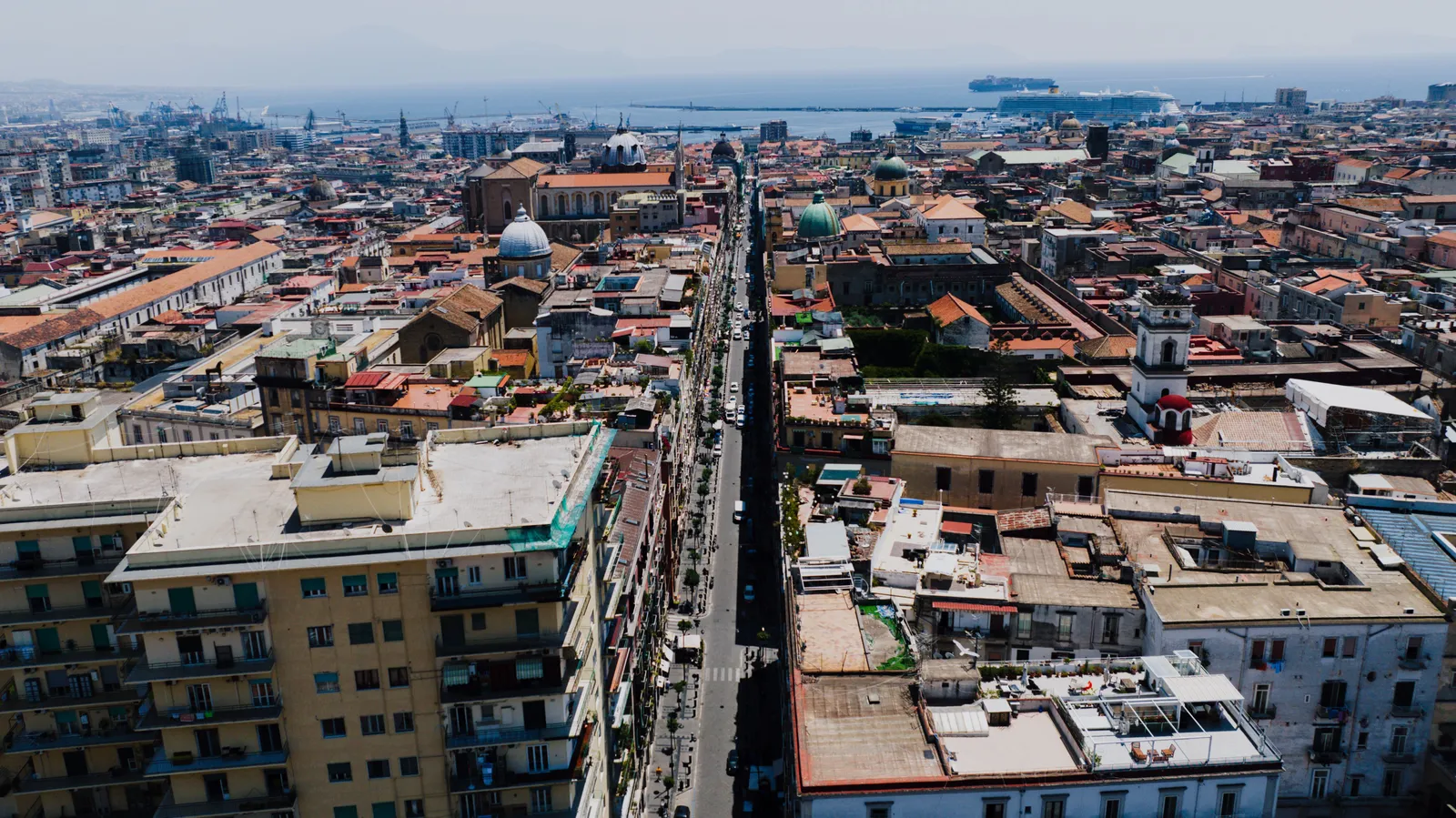
The coast has no airport and no train of its own, which trips up first-timers. Most travellers fly into Naples, then reach the coast one of three ways: a train to Sorrento (the scenic but slow Circumvesuviana line, or the pricier Campania Express) and onward by ferry or bus, a direct bus or private transfer down to Amalfi or Positano, or, in the warm months, a ferry from Naples or Sorrento straight to the coastal towns, which is the most pleasant option of all. From Rome, take the fast train to Naples first, roughly an hour, then continue from there. Whichever route you choose, plan the final leg in advance, since connections thin out in the evenings and off season.
The single most common planning error is a late arrival. Land in Naples in the evening and the ferries have stopped, the buses are infrequent and you are facing a long, dark, winding transfer at the end of a travel day. If your flight lands after mid-afternoon, consider a first night in Naples or Sorrento and starting the coast fresh in the morning.
Where to base yourself
You do not tour the Amalfi Coast, you pick one base and take day trips, because moving hotels here is a logistical headache. Each town has a character.
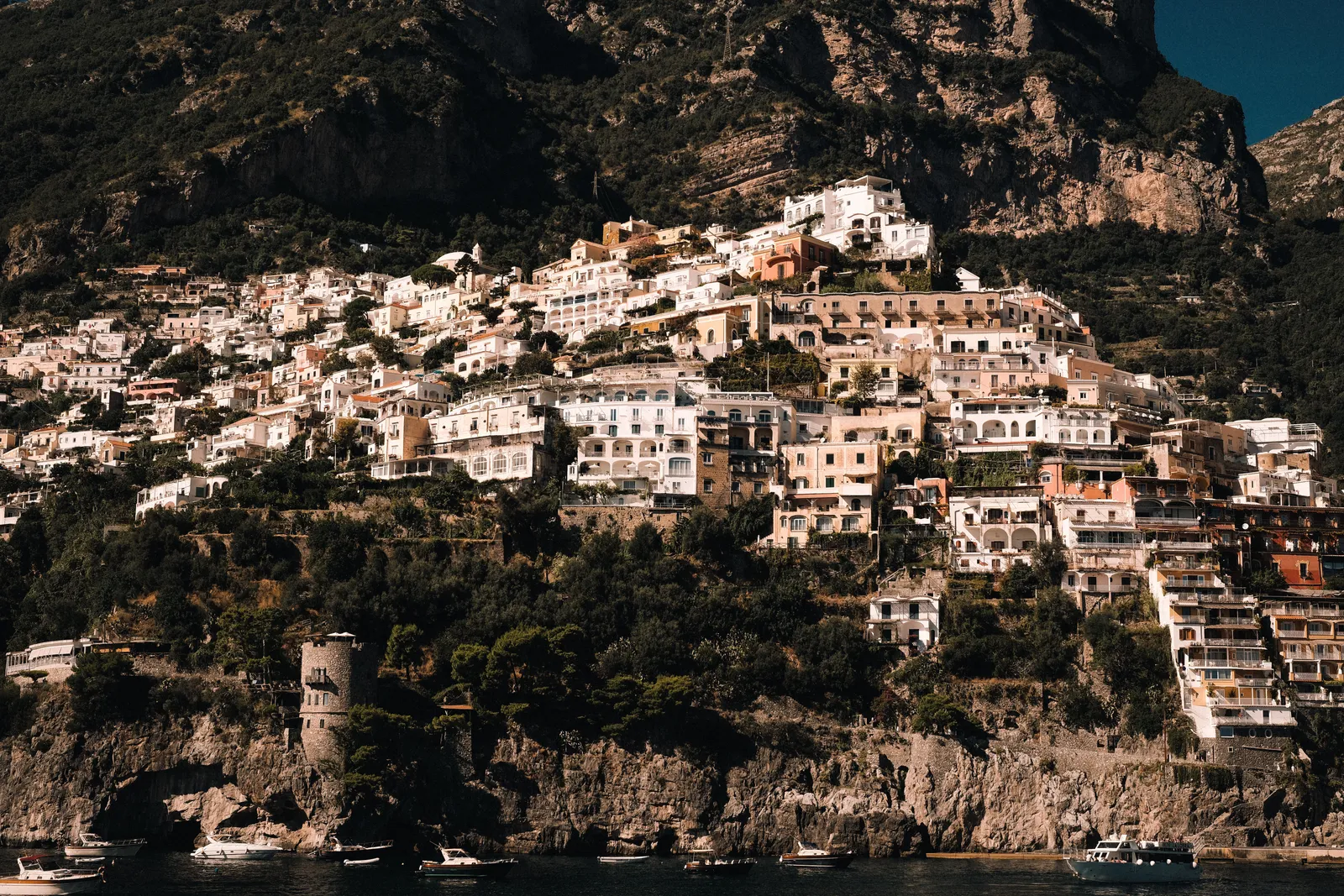
Amalfi town is the practical heart: central, a ferry and bus hub, and better value than its glamorous neighbour. Positano is the showstopper, all vertical pastel houses and designer boutiques, and the most expensive place to sleep. Ravello sits high above the coast, a serene, garden-filled escape with the best views and none of the beach crowds. Just outside the coast proper, Sorrento is the well-connected, affordable option, with easy transport to everywhere including Capri and Pompeii.
| Base | Best for | The trade-off |
|---|---|---|
| Amalfi | First visits, ferry and bus connections, value | Less postcard-pretty than Positano |
| Positano | The view, the glamour, the photographs | Highest prices and relentless stairs |
| Ravello | Quiet, gardens, cooler air, the finest panorama | Away from the water, needs a bus down |
| Sorrento | Budget, transport links, Capri and Pompeii | Not actually on the Amalfi Coast |
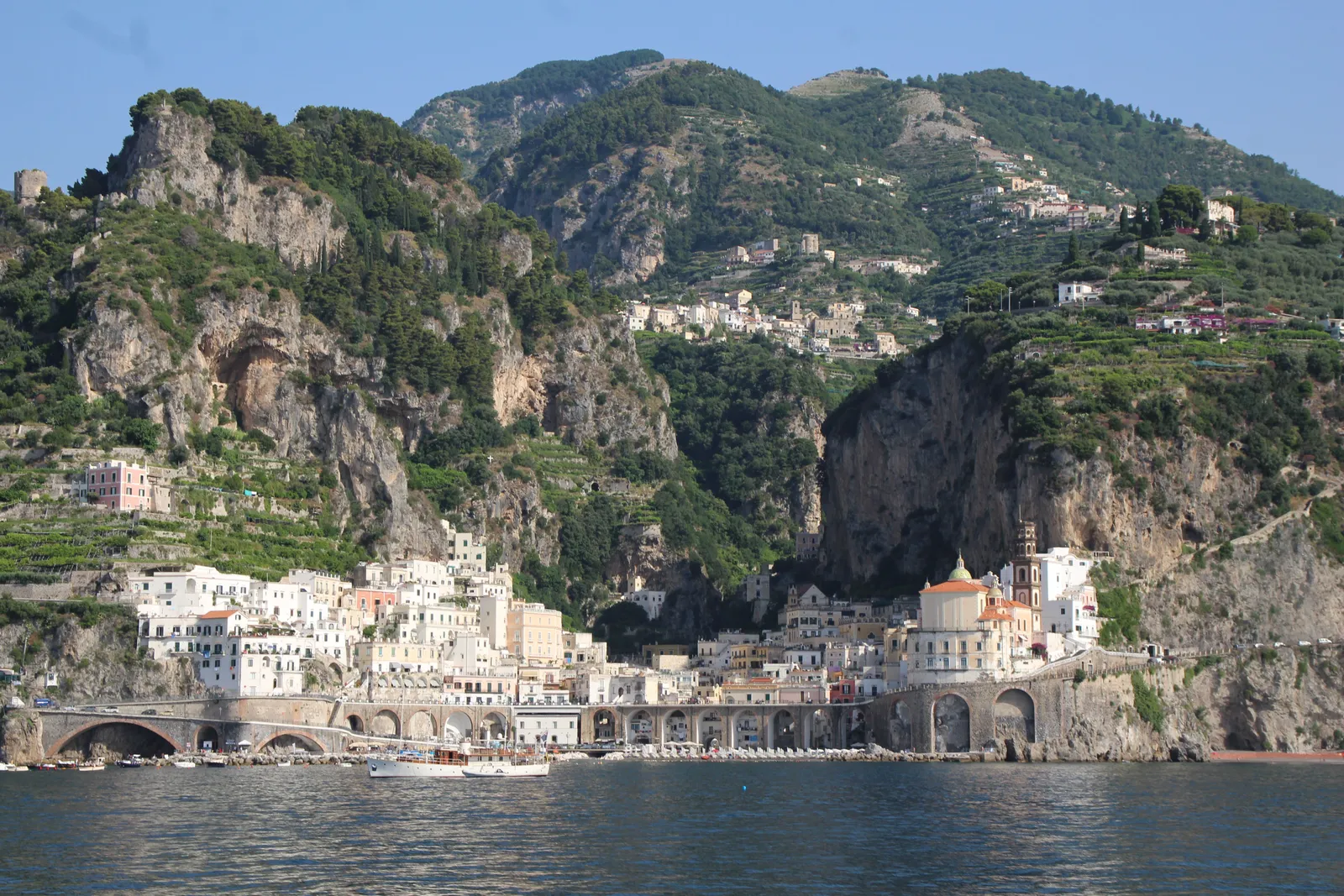
The stairs: the thing photographs never show
Every guide mentions the views and almost none mention the vertical. These are villages built up cliff faces, and the connective tissue between a road, a hotel and a beach is very often a long flight of steps. Positano has no road through its centre at all, so arriving means walking down and leaving means walking up, with your luggage.
Plan around it rather than being surprised by it. Travel with a bag you can carry rather than one you wheel, ask your hotel exactly how many steps sit between the drop-off point and reception before you book, and know that in Positano porters will carry bags up for a fee. If someone in the group has knees that object, Sorrento or the flatter seafront of Amalfi will make the holiday far more enjoyable than a beautiful room a hundred steps above a bus stop.
Getting around: ferries beat everything
In the warm months, the ferry is your best friend. Boats hop between Positano, Amalfi, Sorrento and Capri, and they are scenic, frequent and blissfully free of the coast-road traffic that turns a short drive into an hour. Check the seasonal timetables, and know that ferries do not run in bad weather or over winter.
The SITA buses grind along the cliff road connecting the towns, cheap but slow and jammed in summer, with queues for a seat. Driving is a genuine ordeal: single-lane hairpins, tour buses coming the other way, and nowhere to park. Most first-timers rent no car at all and rely on the ferries and buses, and they are right to. If you do arrive by car, park it and forget it.
Two habits make the system work for you. Buy bus tickets before boarding, from a tobacconist or bar, since drivers often do not sell them, and validate on board. And treat the ferry timetable as weather dependent: sailings are pulled in rough seas, sometimes at short notice, so never make a boat the only link in a chain that ends at an airport.
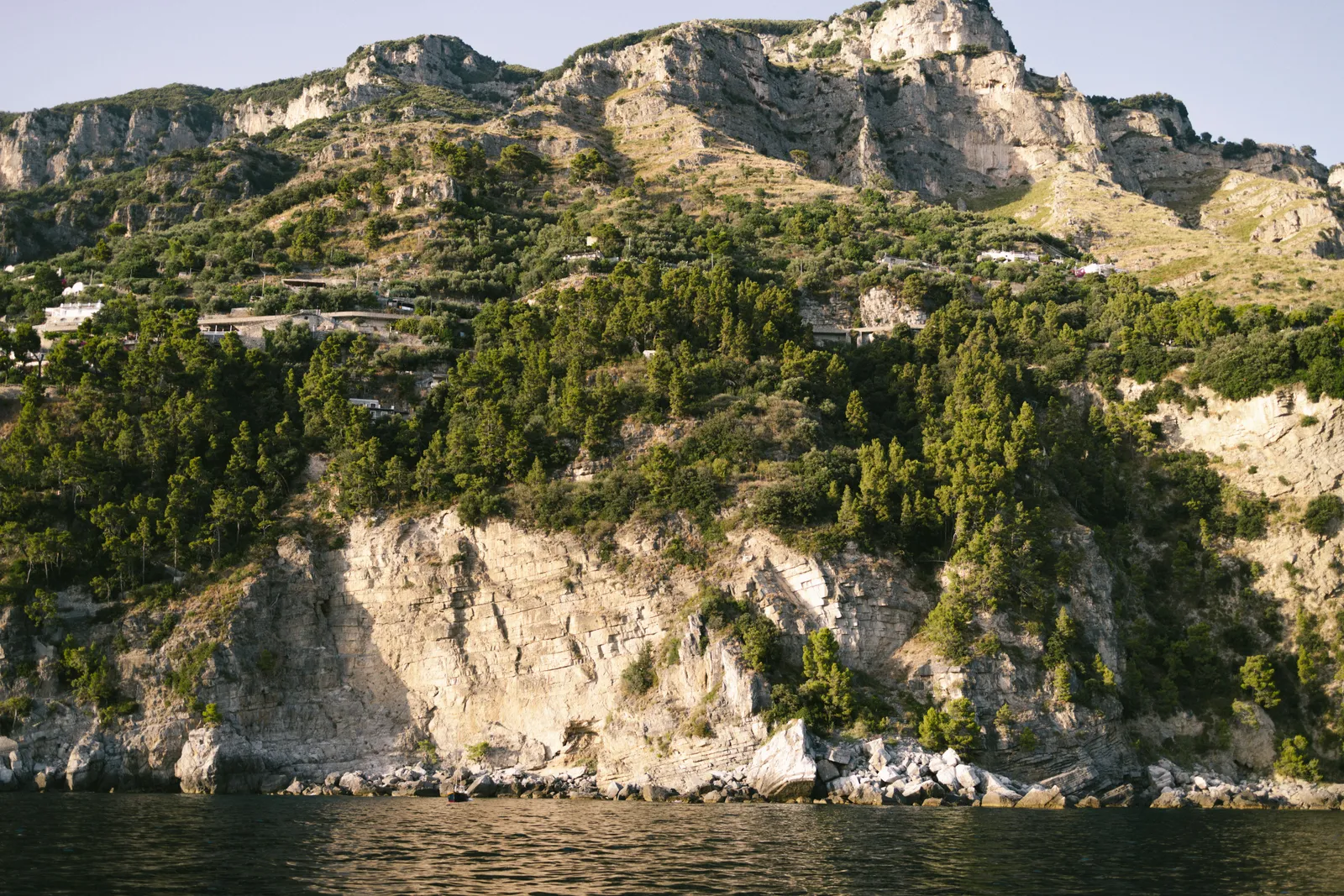
See the coast from the waterA private or shared boat day turns the cliffs and grottoes into the trip's best afternoonWhat to actually do
Beyond simply soaking it in, a few experiences define the coast. Take a boat trip, private or shared, to see the villages from the sea and slip into hidden grottoes and swimming coves you cannot reach by land. Walk the Path of the Gods (Sentiero degli Dei), a spectacular clifftop trail high above Positano, for the coast’s greatest views on foot.
Wander Ravello’s gardens, the Villa Rufolo and Villa Cimbrone, for terraces that seem to float over the sea. And give an evening to simply sitting with a spritz and a plate of seafood as the lights come on across the bay. This is a coast to feel, not to conquer.
The Path of the Gods, done properly
Walk it from Bomerano towards Nocelle, not the other way, because that direction is mostly downhill and saves the climb. Allow the best part of a morning, wear real shoes rather than sandals, carry water and start early, since there is very little shade on the exposed sections. Be aware that the classic finish involves a very long staircase down into Positano, which is glorious on the way and punishing on tired legs, and there is a bus from Nocelle if you would rather not.
The smaller places worth a detour
The famous three are not the whole coast. Atrani, immediately next to Amalfi and reachable on foot, is a tiny, largely untouched village that most day-trippers walk straight past. The Furore fjord is a startling slot of sea between cliffs, and the Emerald Grotto near Conca dei Marini is the coast’s answer to Capri’s more famous cave. In Amalfi town itself, climb the dramatic staircase to the cathedral and step into its cloister, which is the most beautiful quiet corner in the middle of the busiest town.
Beaches and swimming
Set your expectations before you arrive: the beaches here are pebbly rather than sandy, and a good share of the shoreline is occupied by paid beach clubs that rent sunbeds and umbrellas by the day. There are free sections too, usually smaller and busier, and the clubs are genuinely worth the money if you want shade and somewhere safe to leave your bag.
Water shoes turn the pebbles from an ordeal into a non-issue. And the honest truth of this coast is that the best swimming is often from a boat: the water is clearer, the coves are empty, and you get the cliffs from the angle they were built to be seen from.
Day trips
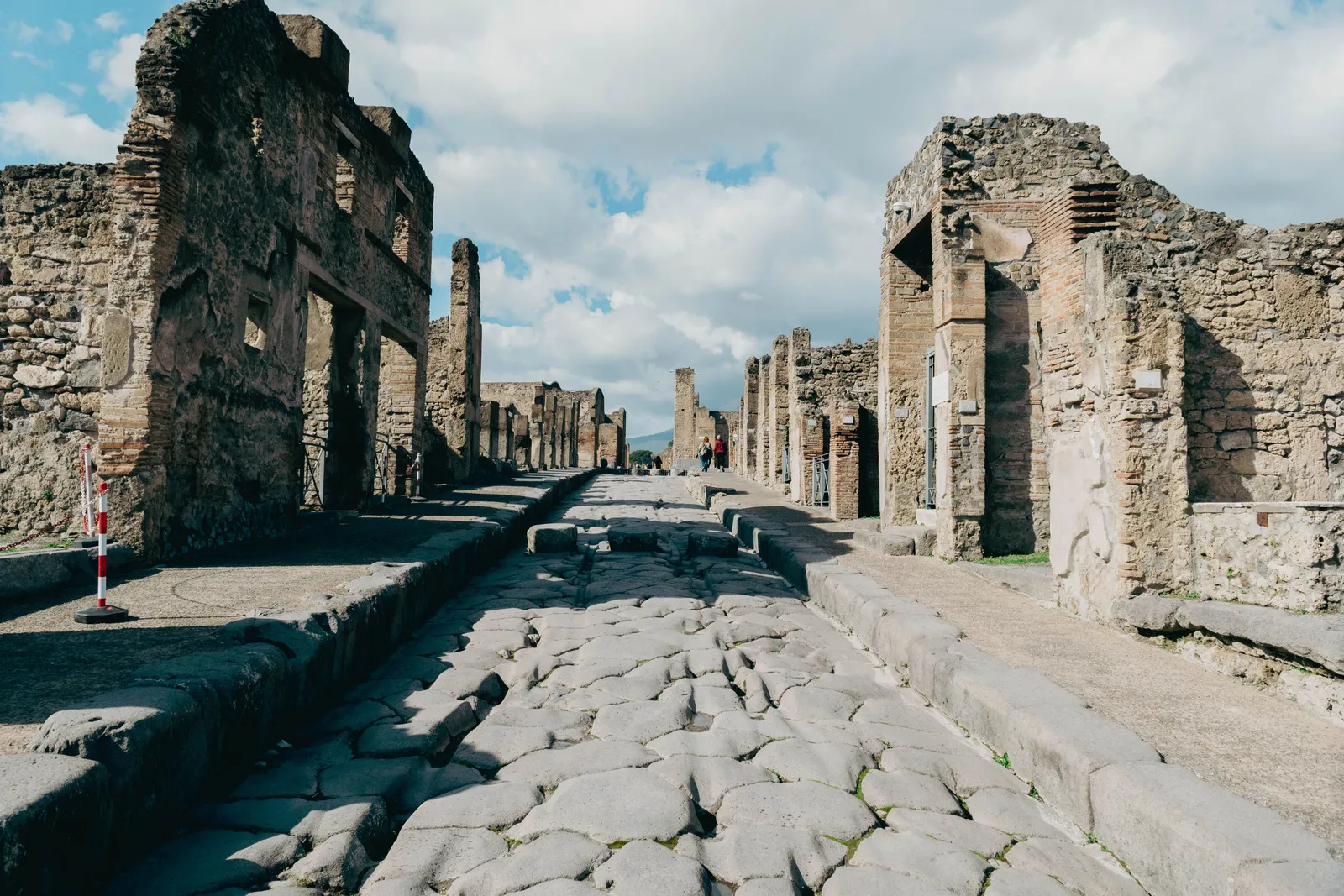
The coast is a springboard. Capri is a short ferry away, glamorous and worth a day, though be aware that its famous sea cave depends entirely on conditions and closes when the water is up. Pompeii and Vesuvius sit just behind the peninsula, an easy half-day from Sorrento, and Pompeii in particular is a place to visit early because it has almost no shade. Naples, with the world’s best pizza, is close too.
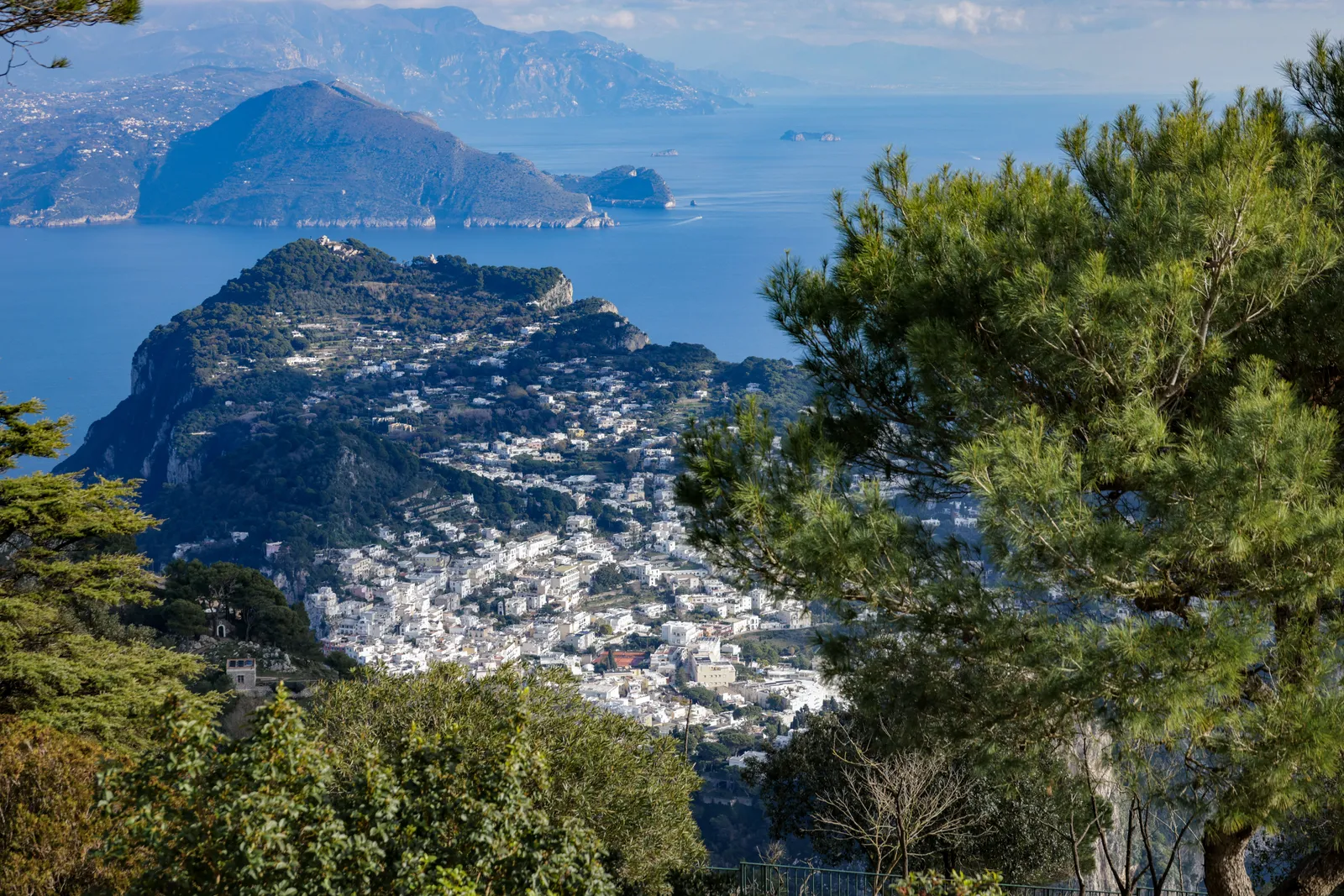
A few practicalities: the local lemons are enormous and the limoncello is a point of pride, so try it. Book restaurants with a view ahead in season, and carry some cash for the buses and smaller cafes.
Eating on the coast
The food here is worth the trip on its own. This is the home of the lemon, so expect it everywhere: in the limoncello, in delicate lemon cakes, and shaved over fresh seafood. Being on the water, the coast does seafood beautifully, from spaghetti alle vongole to the day’s grilled catch, and just behind it Naples lays claim to the best pizza on earth, an easy day-trip indulgence.
Eat a little away from the most photographed terraces for better value, look for the places full of Italians, and do not leave without trying the sfogliatella pastry and a proper Neapolitan coffee. A long lunch by the sea, unhurried and lemon-scented, is one of the great pleasures of an Amalfi trip.
Staying comfortable and safe
The two things most likely to spoil a day here are the sun and the sea, not anything sinister. Shade is scarce on the trails, on the boats and at Pompeii, so a hat, sunscreen and more water than you think are basic equipment from May onwards. Swimming is generally safe but the coast shelves quickly and boat traffic is heavy in summer, so stay inside marked swimming areas where they exist.
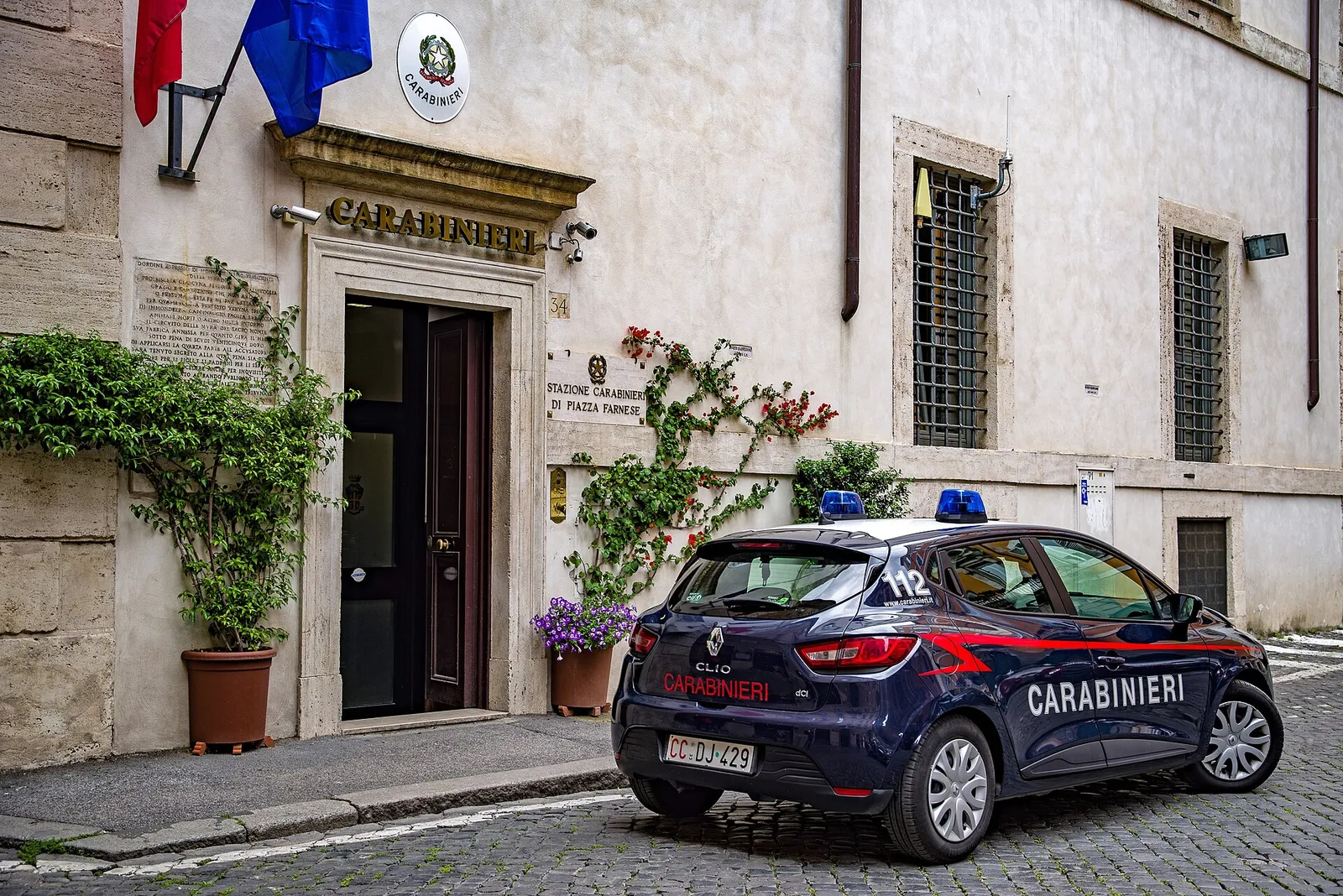
Phone coverage is good in the towns and patchy on the high trails, which is worth knowing before you set off along a clifftop path alone. It costs nothing to read our guide to emergency numbers in Italy before you travel, so that if something does go wrong on a hillside you already know who to call rather than working it out with one bar of signal.
Is the Amalfi Coast the right coast for you?
Be honest about what you want from a week by the sea, because Italy offers several very different versions of it. Amalfi is dramatic, glamorous, vertical and expensive, and it rewards travellers who want beauty and are willing to pay and climb for it. If you would rather have colour, walking trails between villages and a lower bill, our comparison of the Amalfi Coast and the Cinque Terre is the piece to read next.
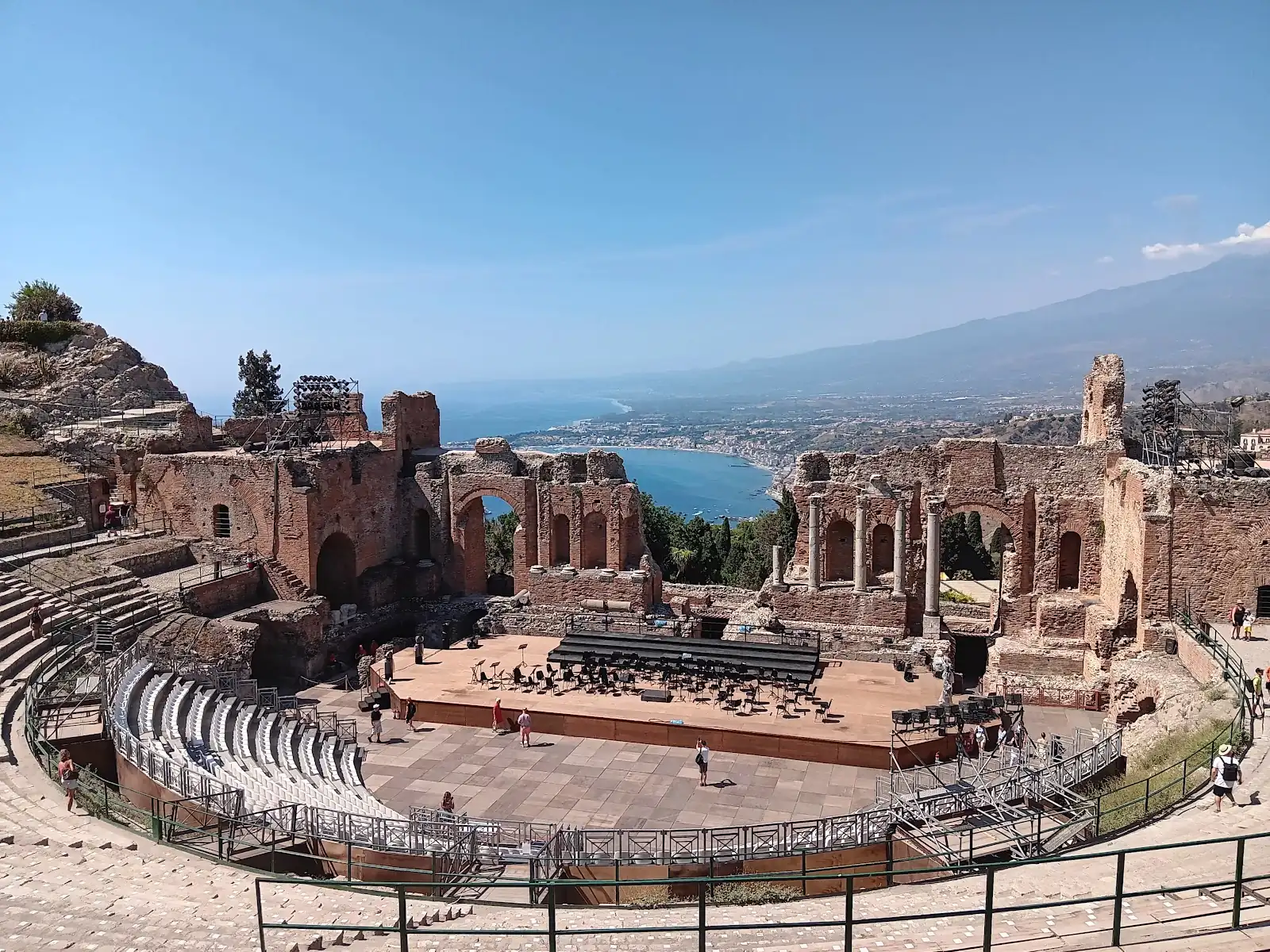
And if what actually appeals is a sea view with a volcano behind it and a longer, cheaper season, look further south: our guide to Taormina and Mount Etna covers Sicily’s answer to this coastline, which stays warm and open well after Amalfi has begun to shut for winter.
The short version
Go in May, June or September, pick one base rather than hopping, and let the ferries do the moving, not a hire car. Ask about the stairs before you book, keep a spare plan for the day the boats do not sail, and buy bus tickets before you board. Book your sea-view room months ahead, take a boat trip and walk the Path of the Gods downhill from Bomerano, and give yourself time to simply sit and stare. Do that, and the Amalfi Coast will earn every bit of its legend.
Which base are you leaning towards, and is it the view or the stairs deciding it?