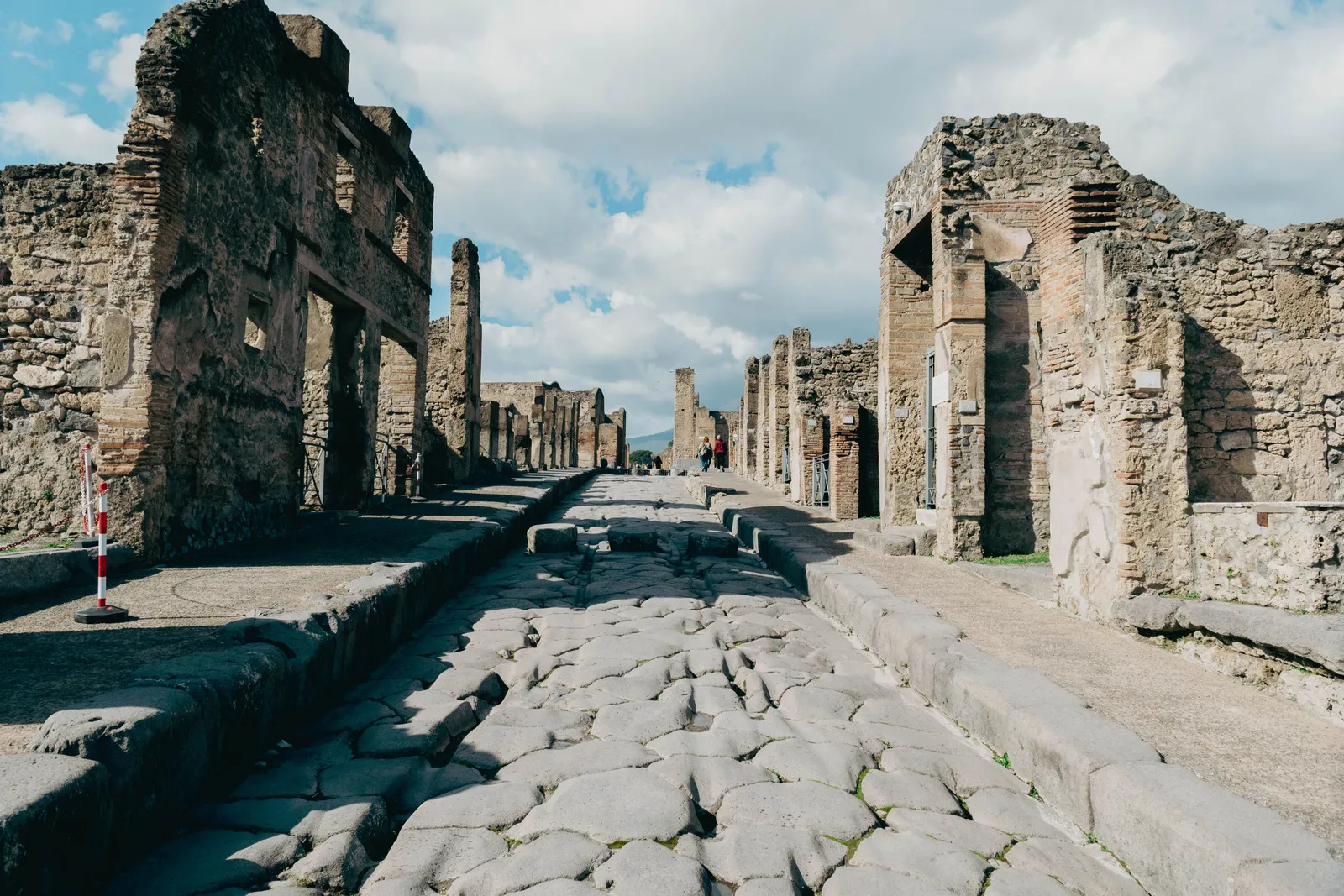
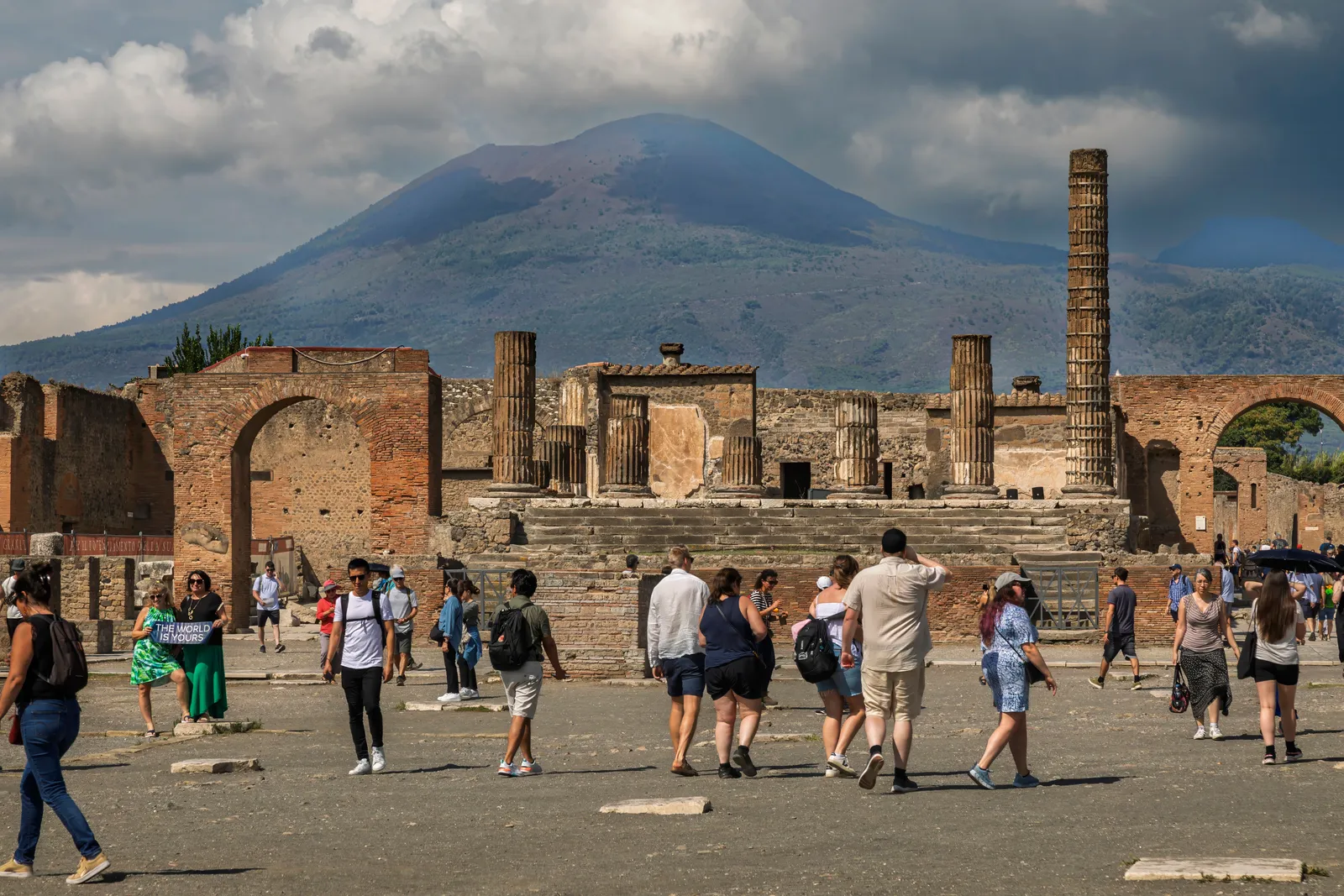
Pompeii is not a ruin, it is a town, and that is the single fact that determines whether a visit works. People arrive with an image of a site the size of a Roman forum and find themselves in a street plan with dozens of blocks, hundreds of buildings and almost no shade, with three hours to see it and no idea where to start. Above it stands the volcano that did this, with a crater you can walk to the rim of. Both in one day is entirely doable, and the order and the timing are everything.
What Pompeii actually is
A whole Roman town, buried in ash in AD 79 and excavated over centuries, with streets, shops, houses, bakeries, baths, two theatres, an amphitheatre and a forum.
It is large. Walking the site end to end is a serious distance, and there is almost no shade anywhere on it.
The famous casts of victims, formed by pouring plaster into the voids left in the ash, are displayed in several locations around the site.
Many houses are closed on any given day on a rotation, which is normal rather than bad luck, so a specific villa is not something to build the visit around.
The best things are frequently the small ones: the ruts worn into the paving by carts, the counters of the fast food shops, the graffiti, the plumbing.
Planning the visit
Go at opening. The site takes coach groups from mid-morning and the middle of the day is the worst combination of crowd and heat.
Pick a route before you enter, using the site map or a guide, rather than wandering and running out of energy near the entrance.
Three to four hours is the realistic minimum, and a full day is not excessive.
There is no shade. Hat, water, sun cover and real shoes on uneven original paving are the requirements.
Two entrances serve the site at different points, which matters for how you plan the walk and where you leave.
Vesuvius
Getting up. A road climbs high up the mountain and buses run from the towns below and from the Pompeii area, with the final section on foot.
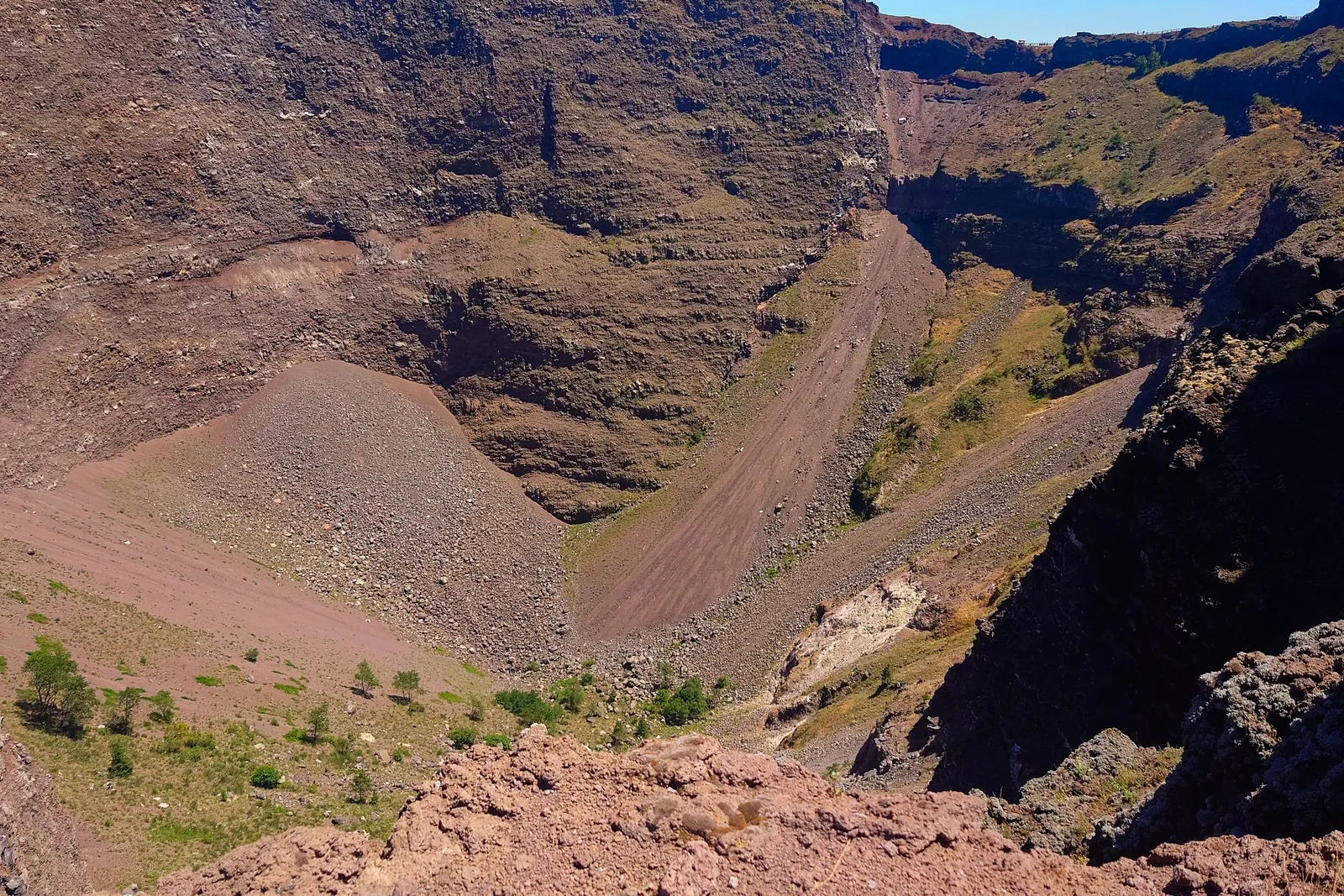
The walk to the crater rim is around half an hour on a loose gravel path, exposed and steady rather than steep.
The crater is a wide, smoking, sulphurous bowl rather than a pool of lava, which is worth knowing before you climb it.
The view back over the bay and down onto the buried towns is the real reward and it explains the geography of the whole disaster in a glance.
It closes in bad weather and high wind, and the road is occasionally shut, so keep it flexible.
The order that works
Early morning: Pompeii, straight in at opening, three or four hours with a plan.
Lunch in the modern town beside the site, which is ordinary and fine, or a packed lunch eaten in the one patch of shade you find.
Afternoon: the bus up Vesuvius, the crater walk, and back down.
Doing it the other way round means arriving at an unshaded archaeological site in the early afternoon in summer, which is the version people remember as an ordeal.
Practical notes
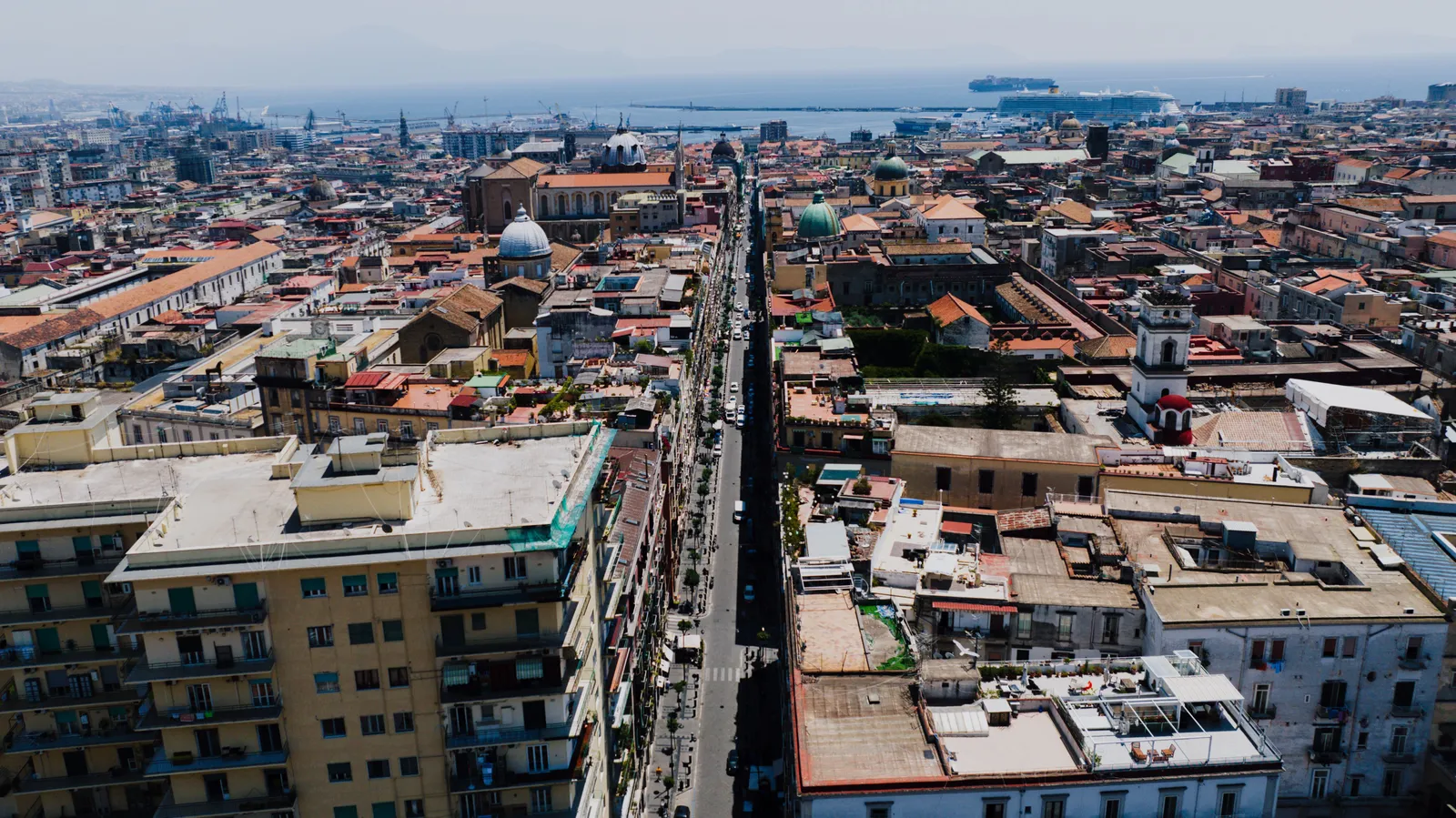
Getting there is easiest on the local railway from Naples or Sorrento, which stops beside the site, with buses onward for the volcano. Our first-time guide to Naples covers the city that is the natural base for all of this.
Book ahead in season, since timed entry and capacity limits apply.
Herculaneum is the alternative or the addition: smaller, better preserved, closer to Naples and much quieter.
Combined tickets covering several sites in the area exist and change, so ask at the ticket office rather than assuming.
Avoid July and August if you have any choice at all.
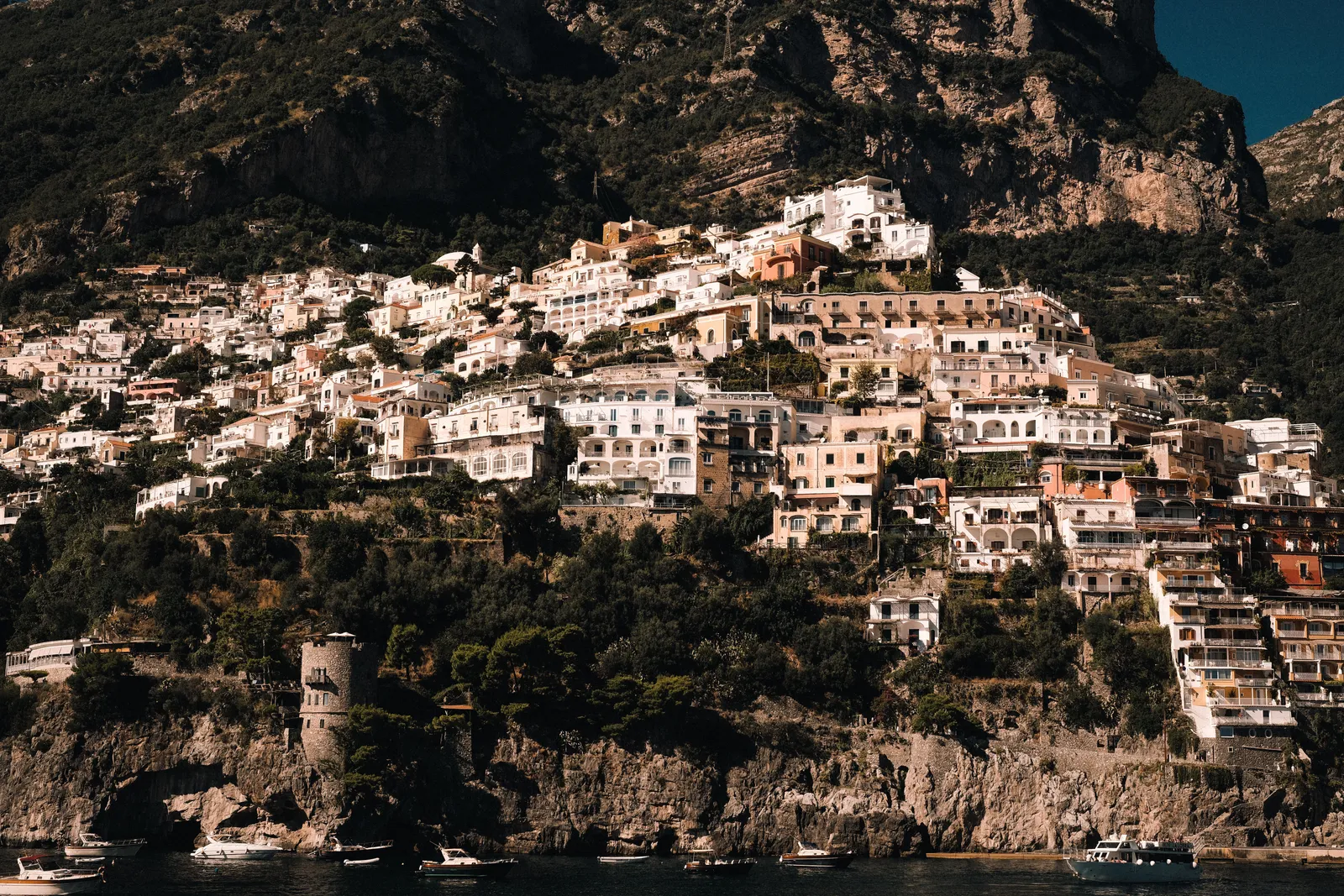
For the coast most visitors continue to afterwards, our guide to Positano and the Amalfi towns covers where to base yourself, and our guide to the Amalfi Coast covers the region as a whole.
The short version
Do Pompeii at opening with a planned route and a guide or audio guide, allowing three to four hours, then Vesuvius in the afternoon when the short crater walk is the easier half of the day. See the archaeological museum in Naples on another day, because it holds everything the site is missing. Take a hat, water and real shoes, since there is no shade on the site and the volcano path is loose gravel. Consider Herculaneum instead if you want preservation rather than scale, and avoid the whole thing in high summer if you can.