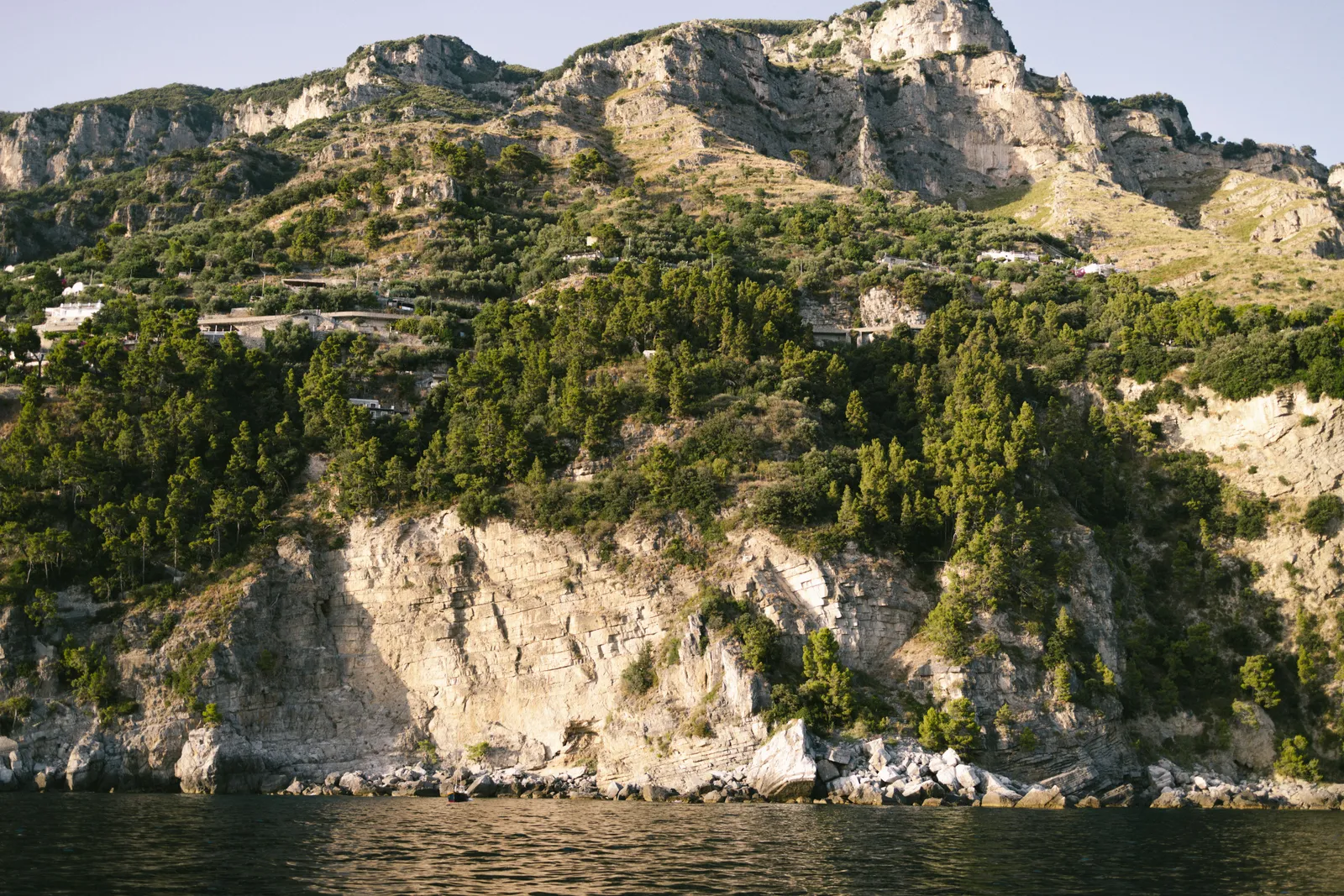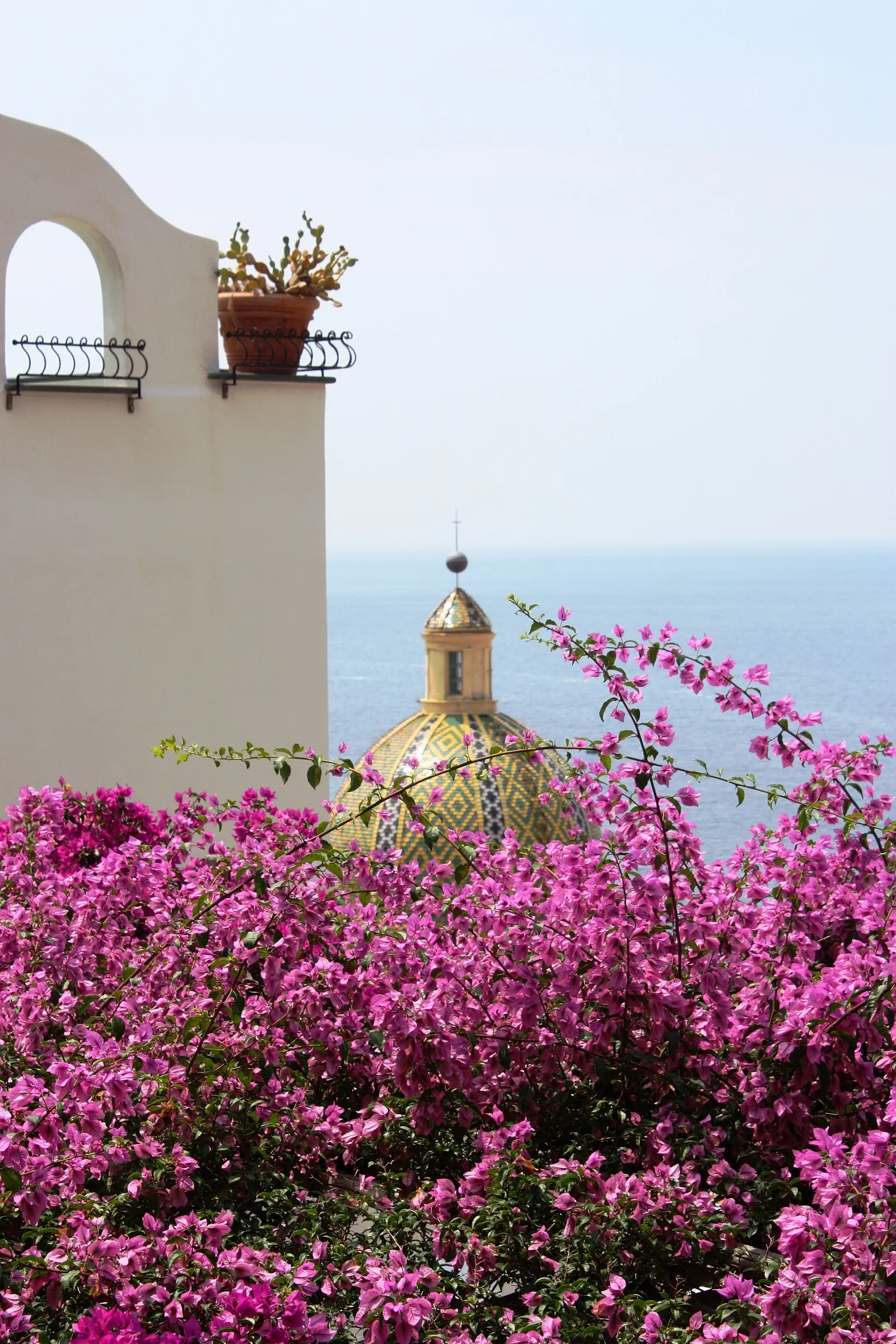
The Amalfi Coast is a single road along a cliff with towns hanging off it, and choosing which one to sleep in matters more here than almost anywhere else in Italy. The three names everybody knows are three genuinely different holidays: one is a vertical postcard, one is a working town with the transport, and one is a garden terrace six hundred metres above the water. Getting that choice right is most of the difference between a wonderful week and an expensive one spent climbing stairs.
Positano
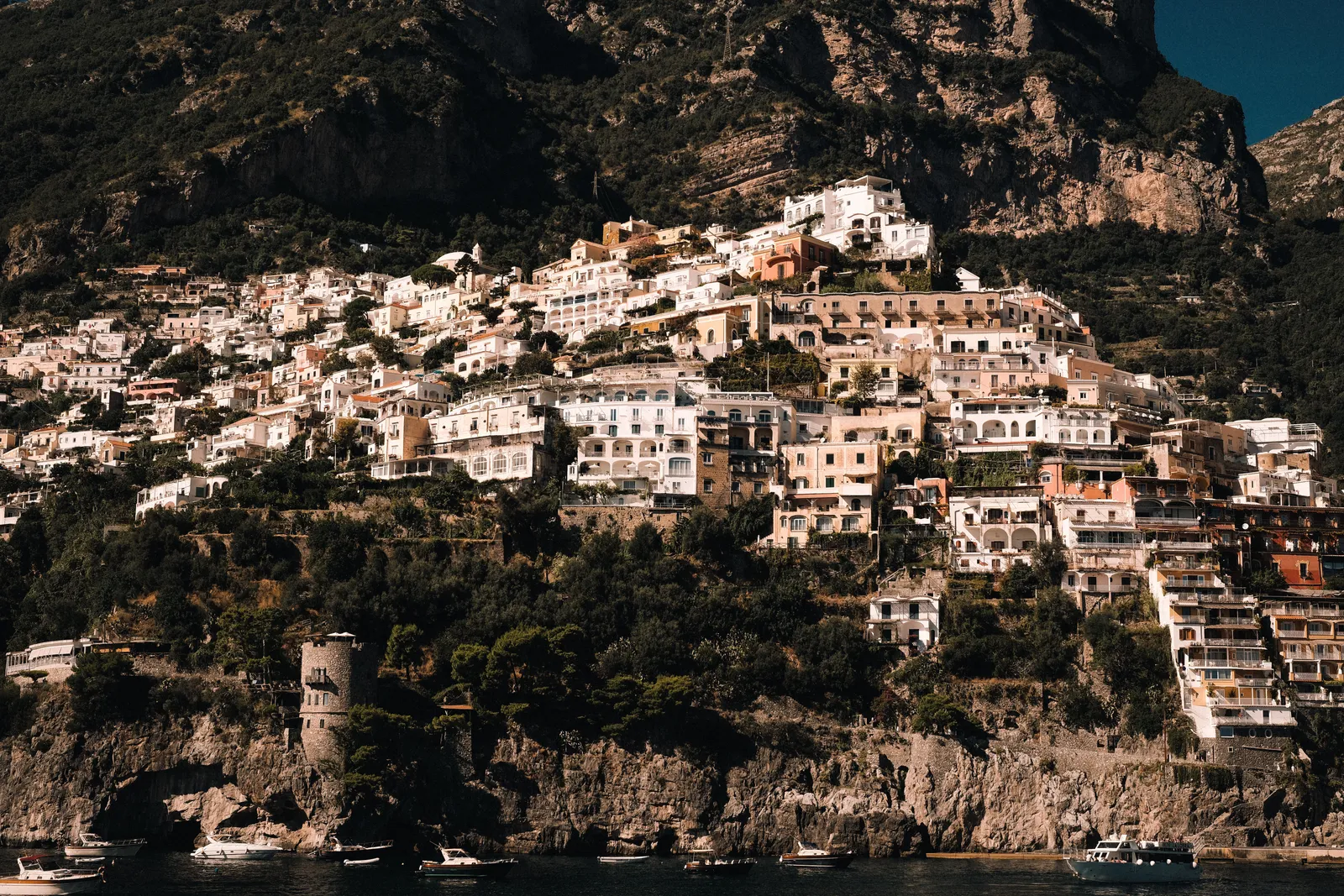
What it is. A town poured down a cliff face in pastel, arranged around a single main beach, and the most photographed place on the coast.
Who it suits. Couples, photographers, and anyone for whom the view is the holiday.
The steps are the catch, and they are serious. Almost every journey within the town is a staircase of hundreds of steps, luggage has to be carried or portered, and vehicles reach very little of it.
It is the most expensive place on the coast to sleep, eat and park.
It is genuinely beautiful, particularly early in the morning and after the day boats leave, and nobody regrets seeing it.
Amalfi
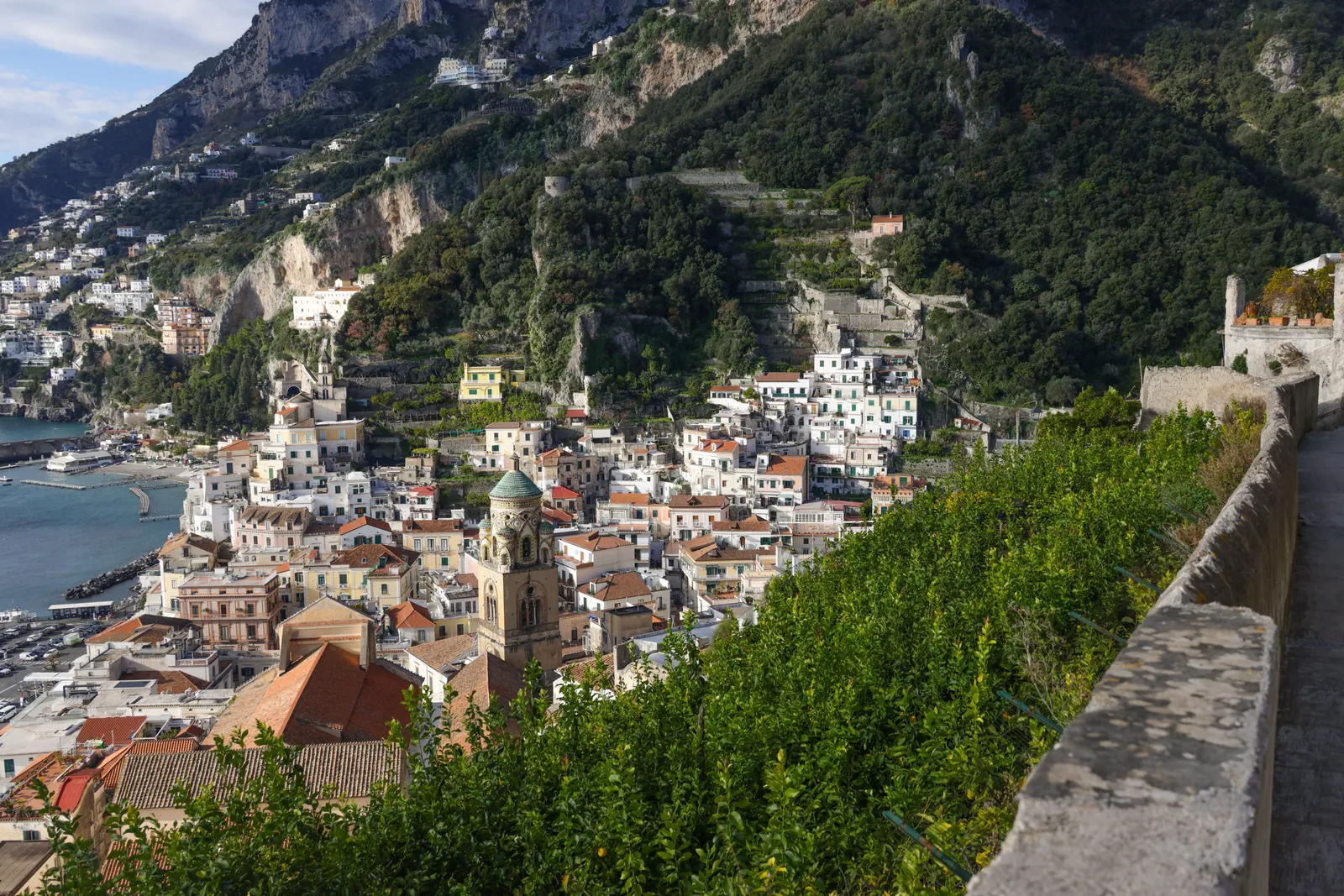
What it is. The old maritime republic that gave the coast its name, flatter than its neighbours, built around a square, a striped cathedral up a flight of steps and a working harbour.
Who it suits. Anyone who wants to move around the coast easily, families, and anybody watching the budget.
It is the transport hub, with the ferries and the bus routes meeting here, which makes day trips straightforward in a way they are not from Positano.
It has ordinary shops and restaurants, which sounds unglamorous and matters over a week.
It is less photogenic and considerably better value.
Ravello
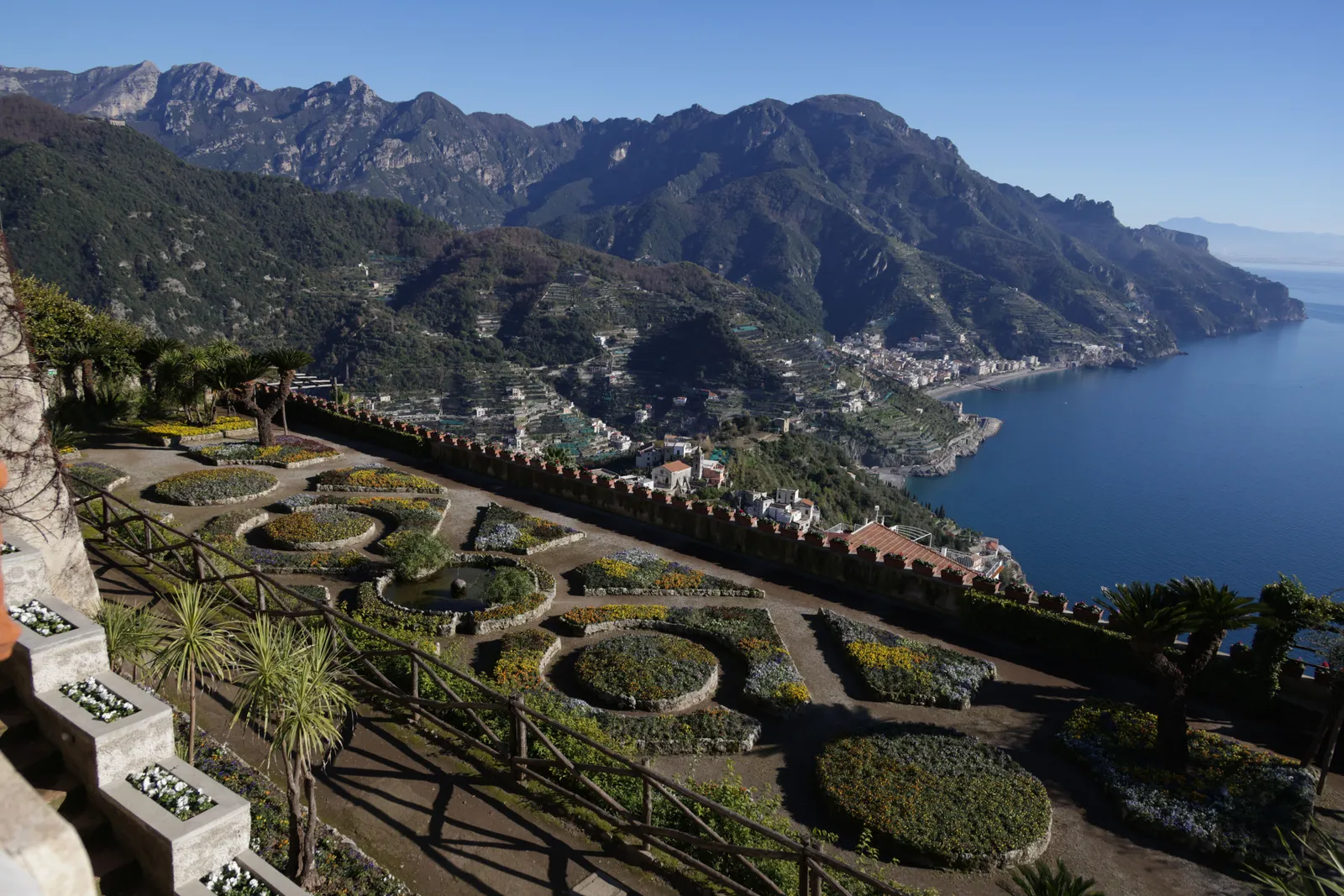
What it is. A small town on the ridge high above Amalfi, with two famous villa gardens, terraces looking straight down the coast, and a summer music festival.
Who it suits. People who want quiet, cooler air, gardens and views rather than a beach.
There is no sea access, which is the trade-off. Everything wet involves going down and coming back up.
The views are the best on the coast, from terraces that hang over a thousand feet of nothing.
It is calm in the evening, when the day visitors have gone and the coast lights up below.
Getting around
Ferries between the main towns through the season, weather permitting, which is the pleasant option.
Buses along the coast road year round, cheap, frequent and full, with standing room in season.
A car is a liability rather than an asset here: the road is slow, parking is scarce and expensive, and the towns are not built for it.
On foot is genuinely an option between some towns, on old stepped paths that predate the road and are the best thing on the coast for anyone who walks.
Practical notes
Season. Ferries, many hotels and a good share of restaurants run roughly Easter to October.
Beaches are small, mostly pebble and often paid, and they fill early.
Luggage. Pack light and check how your accommodation is reached, which is the practical advice that saves the most misery here.
Day visitors arrive mid-morning and leave in the late afternoon, so the towns are at their best early and in the evening.
Book early for the summer, since the supply of rooms on this coast is physically limited by the cliff.
Where this fits
For the coast as a whole, including the road, the walking paths above it and the best time to come, our guide to the Amalfi Coast covers the region in full.
If you are choosing between this coast and the other famous cluster of Italian cliff villages, our comparison of the Amalfi Coast and the Cinque Terre sets out how differently they actually work.
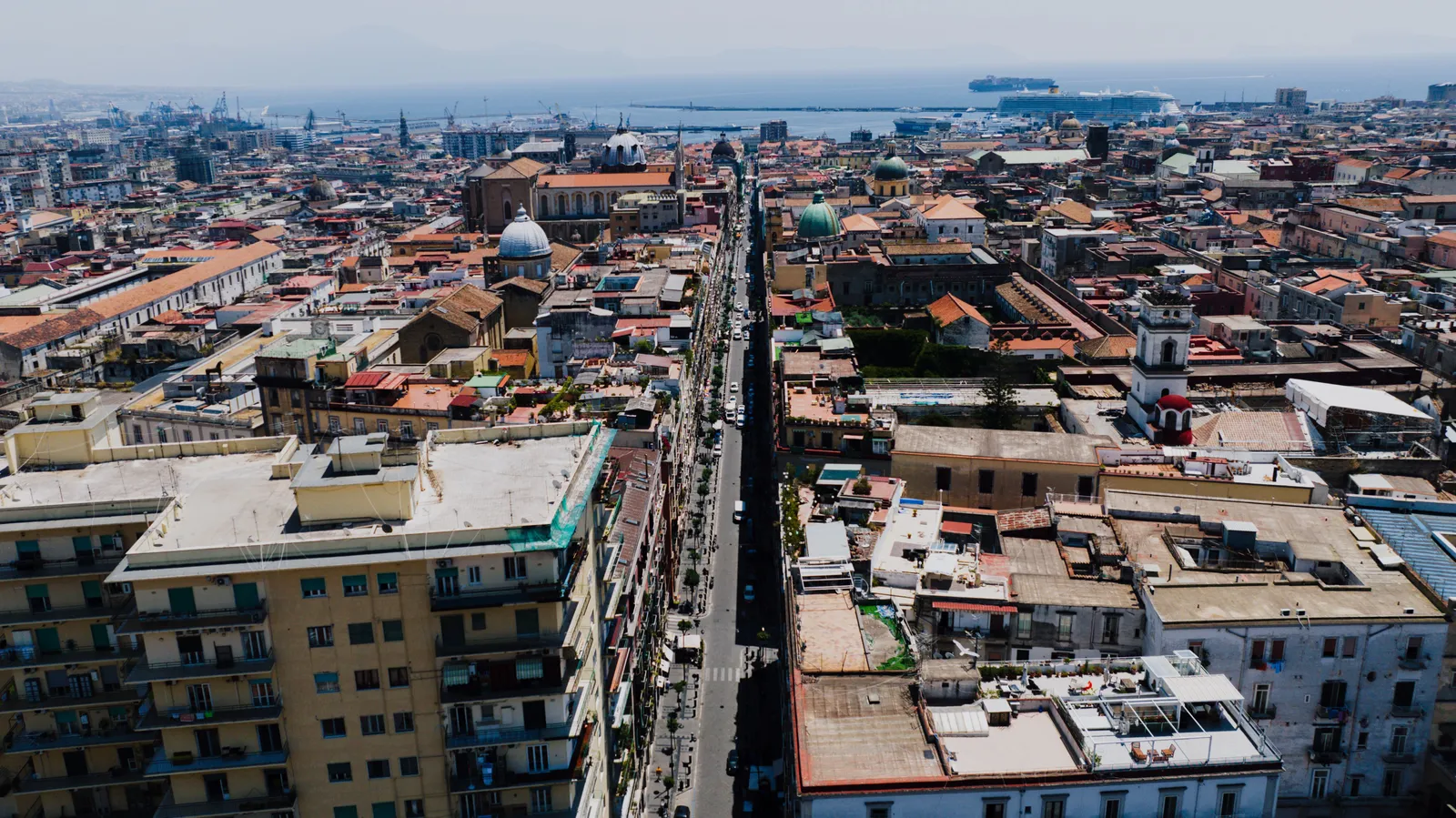
And the natural start or end of an Amalfi trip is the city an hour north, covered in our first-time guide to Naples.
The short version
Choose the town before the hotel: Positano for the view and the steps, Amalfi for transport, value and level ground, Ravello for gardens, quiet and the best outlook on the coast. Check how many steps sit between the road and your door before booking anything, since that single detail shapes the week. Use the ferries in summer and the buses otherwise, and skip the hire car entirely. Come in May, June, September or early October, and see the famous towns early in the morning or in the evening rather than at midday.