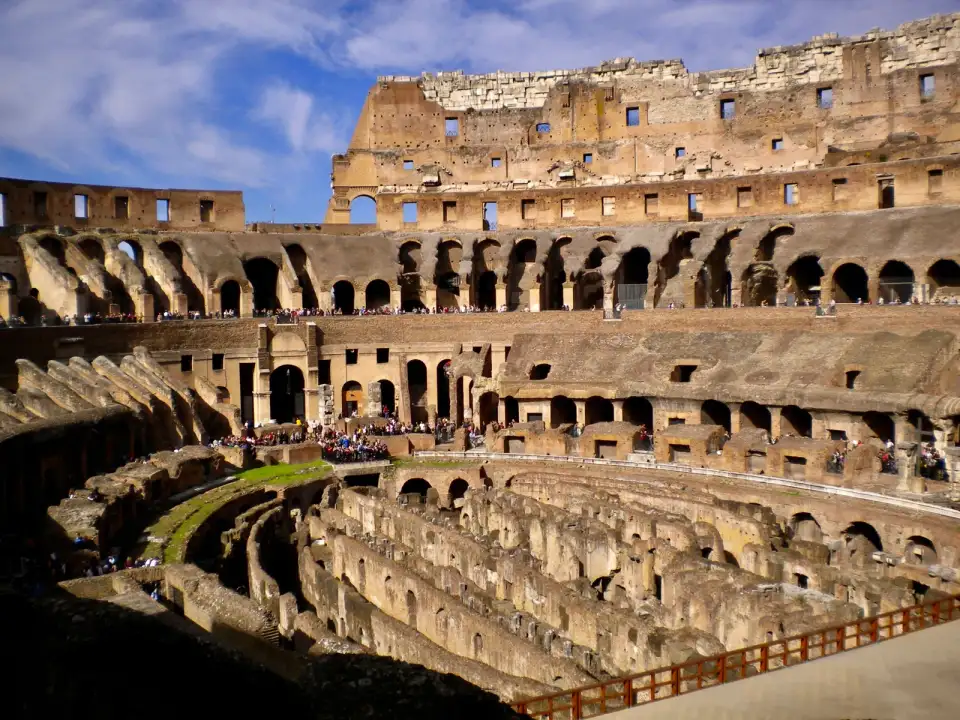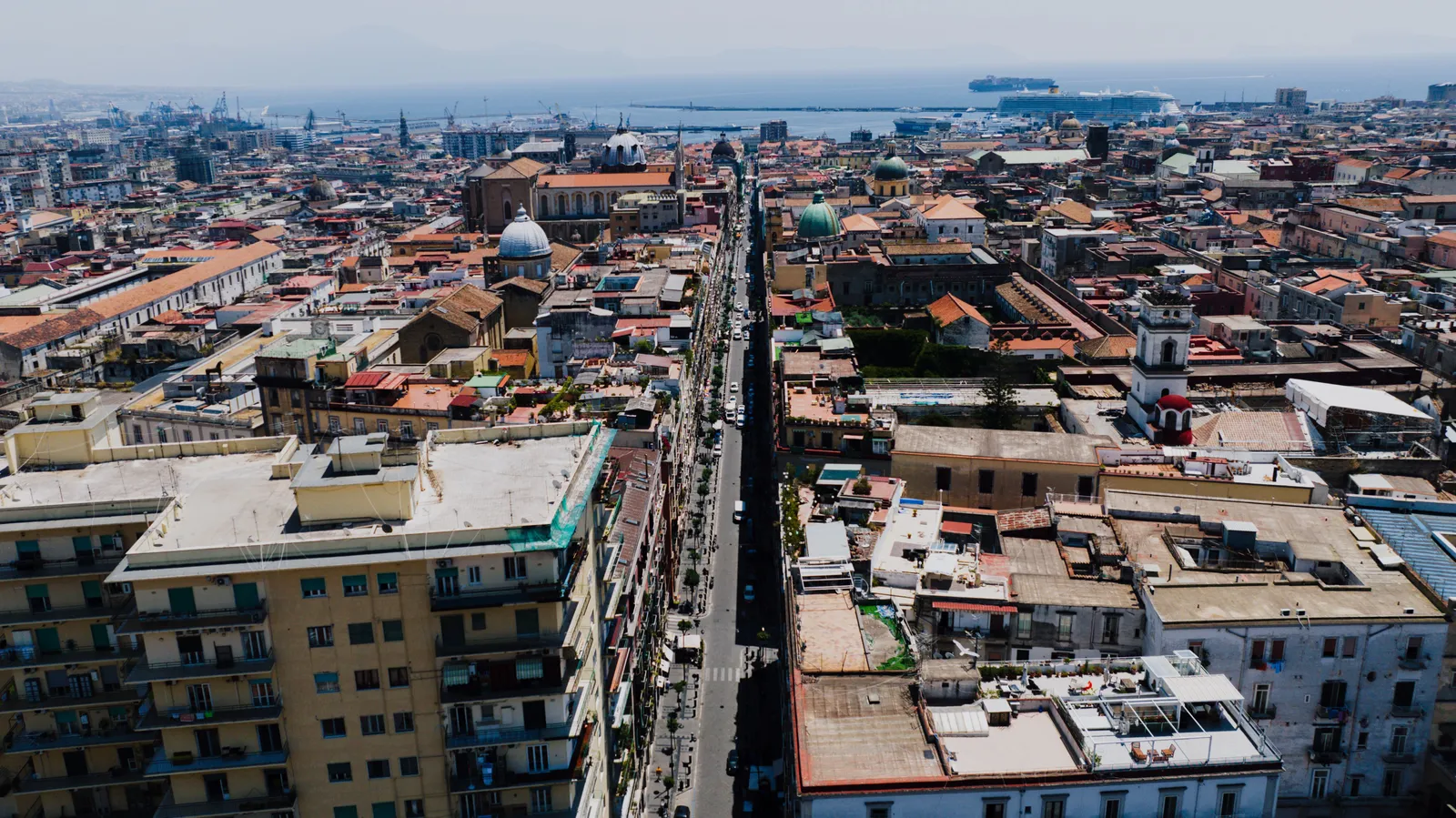
Naples has the worst reputation and the best food of any city in Italy, and only one of those is deserved. It is loud, dense, chaotic and covered in graffiti, and it is also the most alive place in the country, with an archaeological museum that outclasses most national collections, a historic centre stacked three civilisations deep, and pizza that ruins pizza everywhere else for you. Most itineraries give it one night on the way to the coast. It deserves considerably more.
What to see
The archaeological museum is the single most important thing here and the one people skip. Almost everything portable that came out of Pompeii and Herculaneum is in it, including the mosaics, the bronzes and the frescoes, which is why the sites themselves can feel oddly empty.
The historic centre, laid out on the Greek street grid and built up in every century since, is the walk: churches with extraordinary sculpture behind plain doors, workshops, market streets and a permanent crowd.
The underground city of Greek and Roman cisterns, aqueducts and wartime shelters runs beneath the centre and is visitable on guided routes.
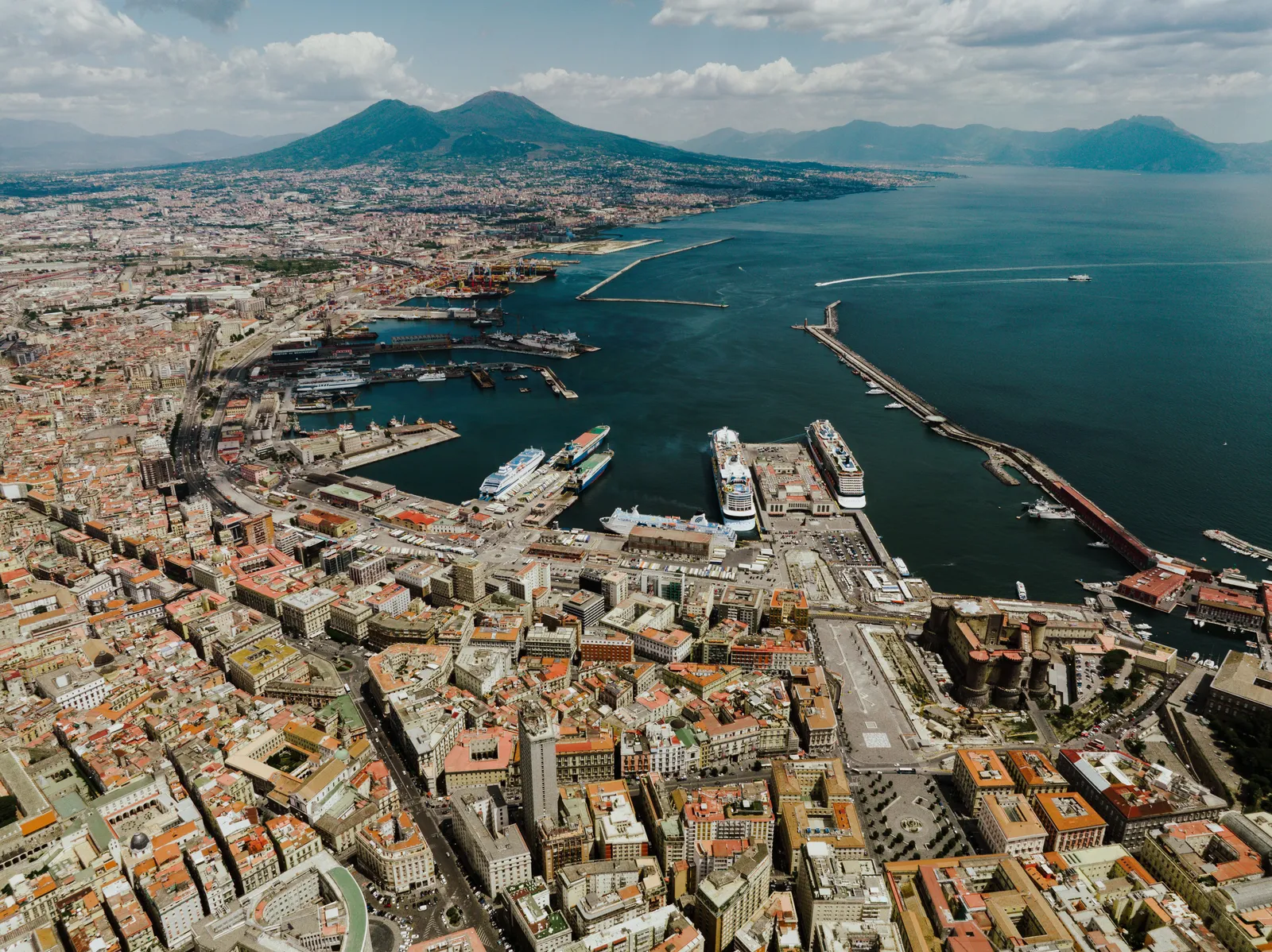
The waterfront and Chiaia, which is the other Naples: elegant, calm, with a seafront promenade and the castle in the bay.
The viewpoints on the hill above the city, reached by funicular, where the bay and Vesuvius line up into the view that made this a stop on the Grand Tour.
Eating, which is the point
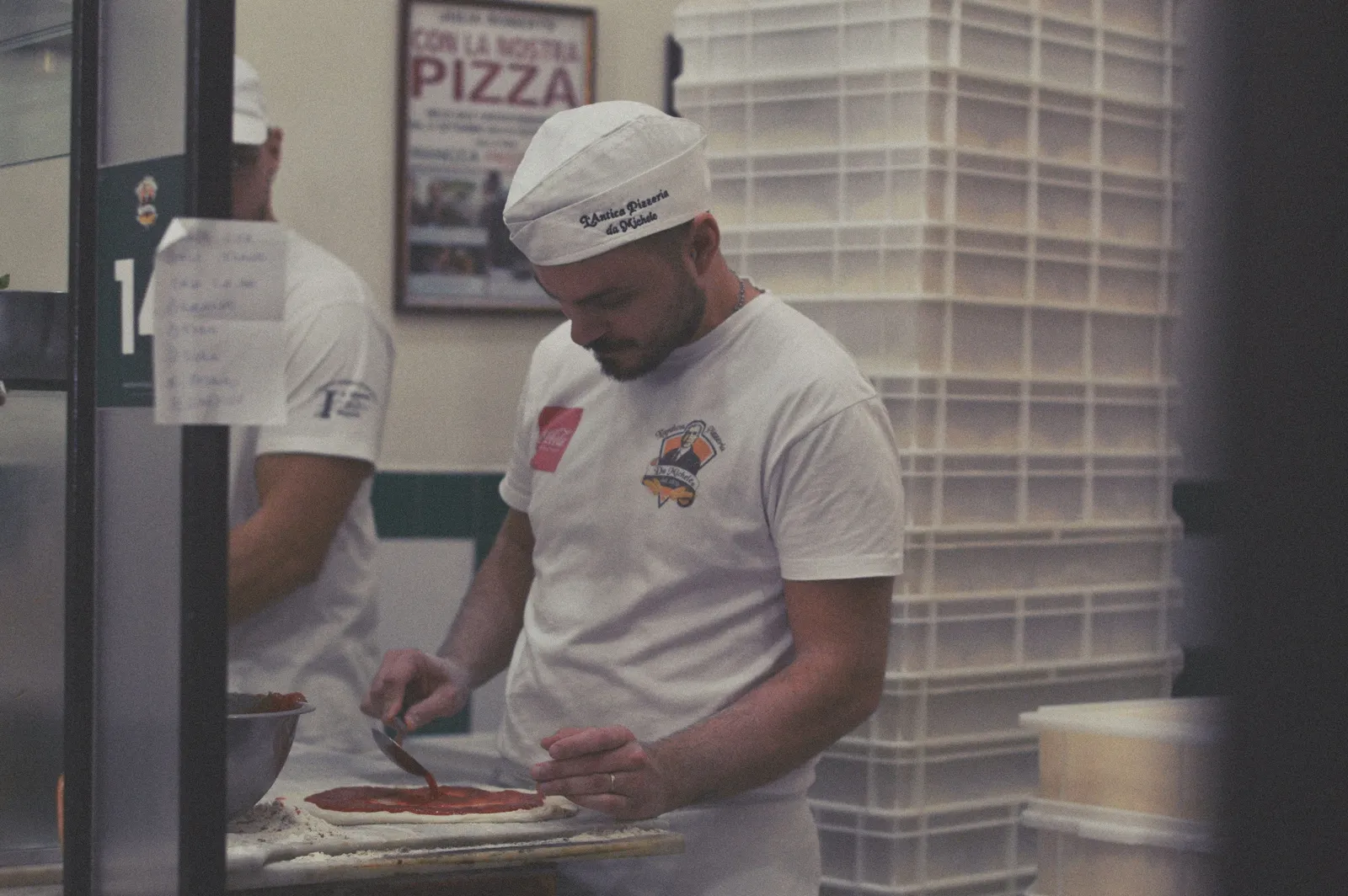
Pizza was invented here, is protected here, and is cheap. The famous places have queues rather than reservations, and a neighbourhood pizzeria with nobody foreign in it is frequently just as good.
Fried food from a hatch, from courgette flowers to arancini to pizza fritta, is the local street eating and costs almost nothing.
Coffee is taken standing, quickly, at the bar, and it is stronger and sweeter than in the north by default.
Pastries. The two famous Neapolitan pastries are worth trying at a proper pasticceria rather than at a station bar.
The seafood on the waterfront and on the islands is a completely different meal from the street food and it is worth one evening.
Using Naples as a base
This is the strongest argument for staying longer, because the day trips from here are exceptional.
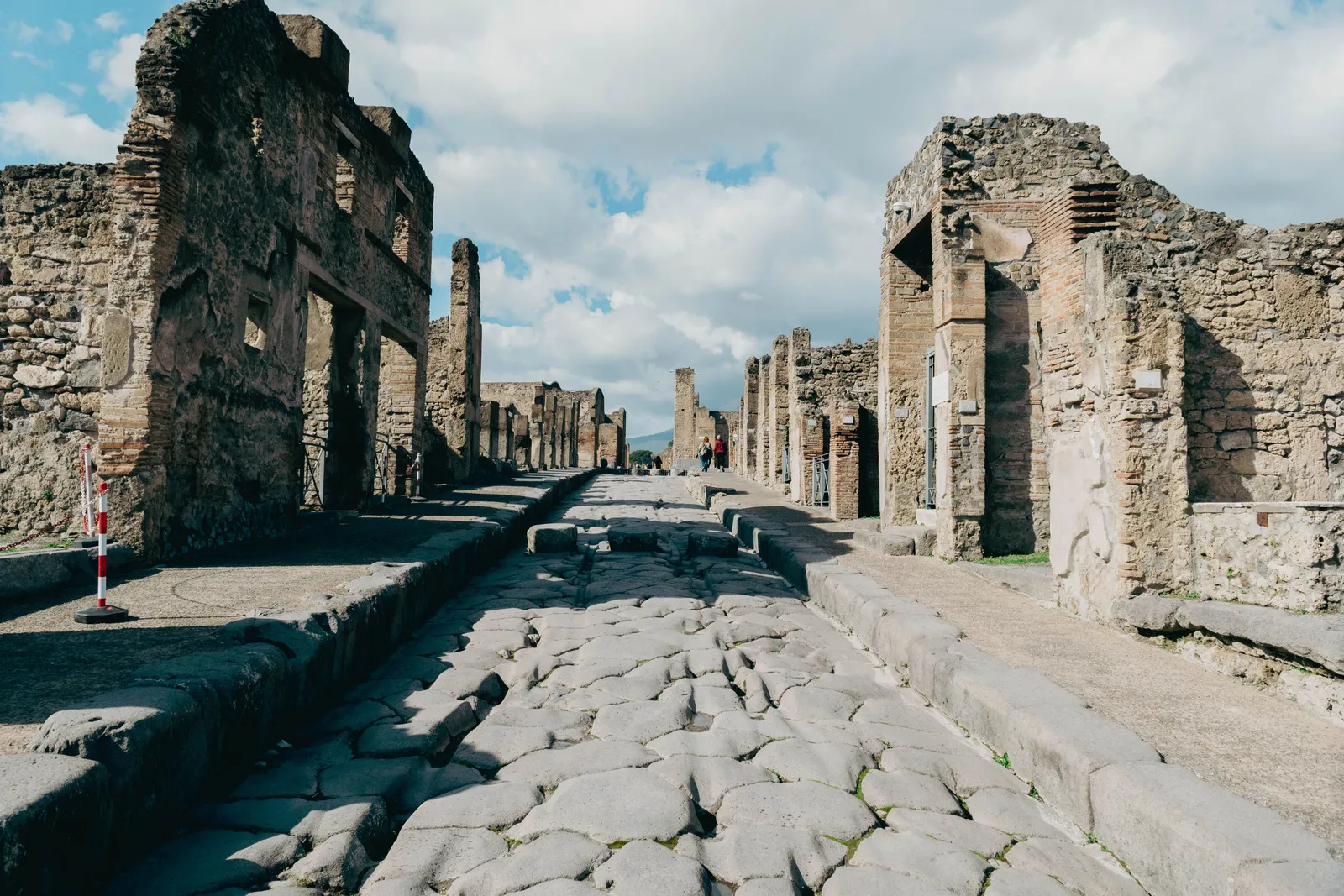
Pompeii and Vesuvius are close on the local railway, and our guide to Pompeii and Vesuvius covers doing both without a long, hot, badly planned day.
Herculaneum, smaller and better preserved than Pompeii, is even closer and far less visited.
The islands in the bay are a boat ride away and each is a different day out.
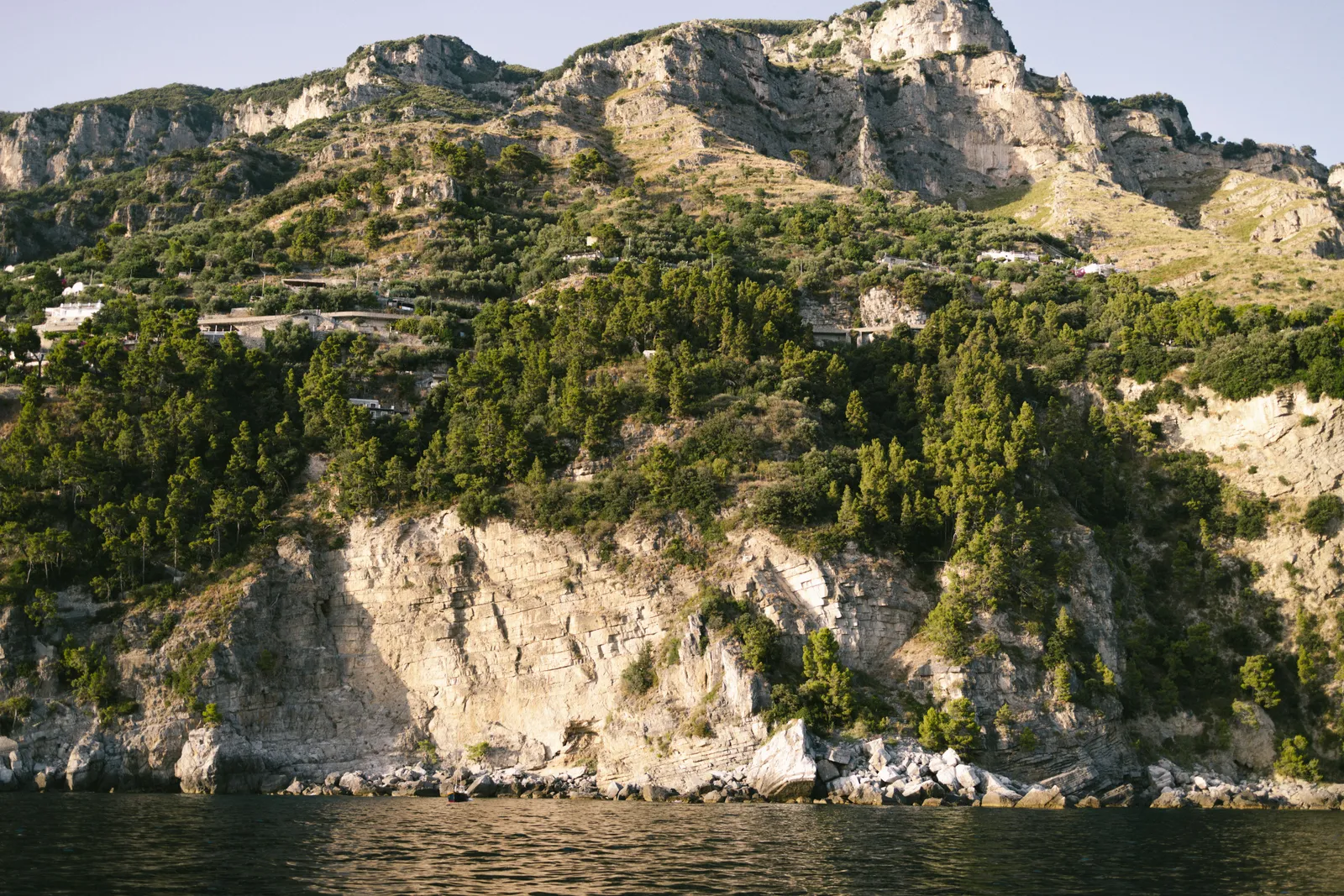
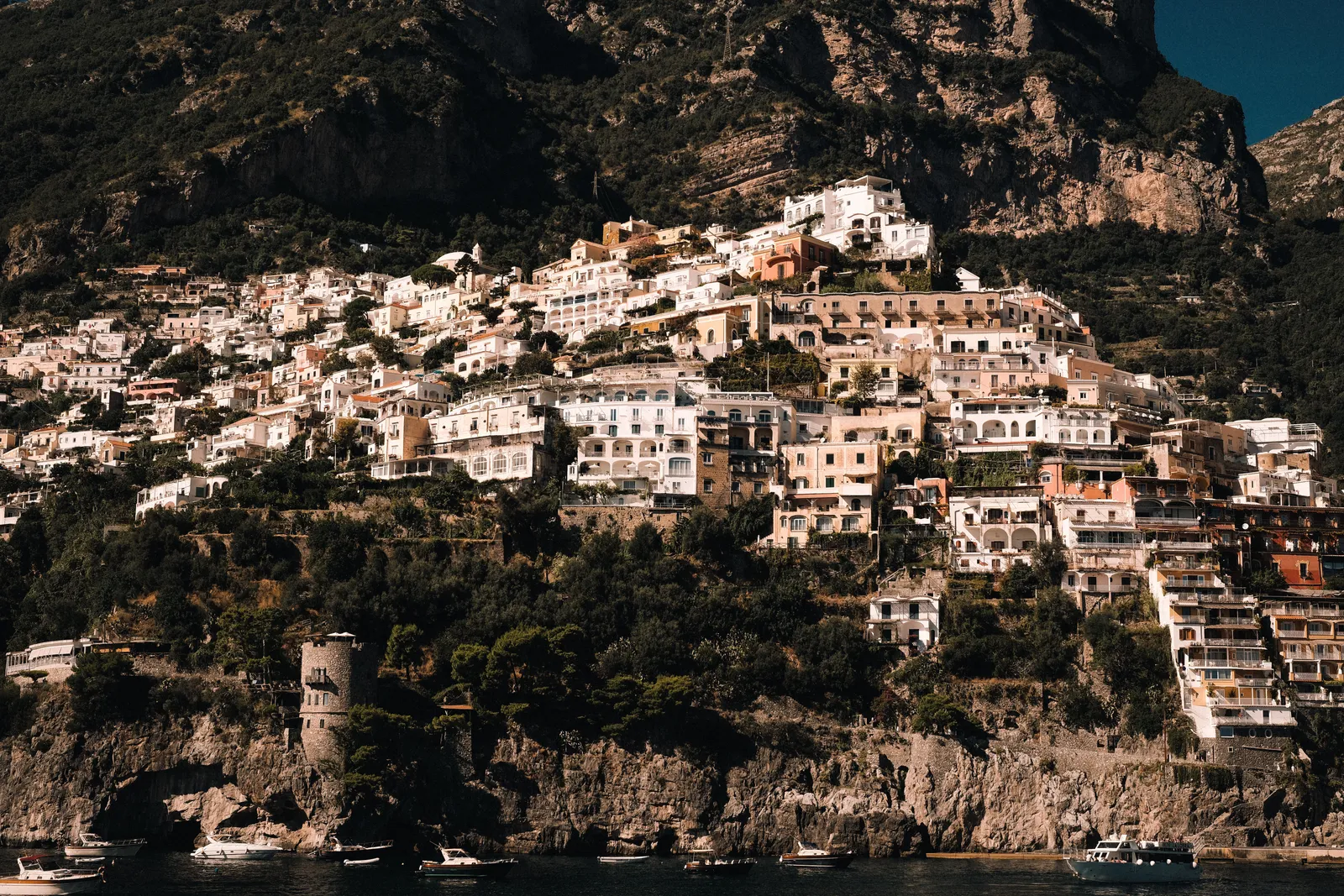
The Amalfi Coast is reachable and slow from here, and the coast road takes real time. Our guide to Positano and the Amalfi towns covers where to stay if the coast is the reason for the trip.
Practical notes
Getting here. Naples is on the fast rail line from Rome, roughly an hour away, which makes it an easy addition to any trip in central Italy.
Getting around. The metro is cheap and some of its stations are genuinely worth seeing as art in themselves, and the funiculars climb the hill.
Do not drive. The traffic is the traffic and the historic centre has restricted zones.
Crossing roads works differently here. Step out steadily and predictably and traffic goes around you; hesitating in the middle is what causes problems.
Sunday and lunchtime closures are taken more seriously in the south than in the north.
For the coast that most people are on their way to, and how to structure a stay there, our guide to the Amalfi Coast covers the towns, the roads and the best time to go.
The short version
Give Naples two days rather than one night. Start with the archaeological museum, because it holds what Pompeii is missing, then walk the historic centre with a guide on your first morning. Eat pizza at a queue rather than a reservation, eat fried food from hatches, and drink coffee standing up. Use the city as a base for Pompeii, Vesuvius, Herculaneum and the islands, all of which are close. Keep your bag in front of you and your phone off the table, and otherwise ignore the reputation entirely.