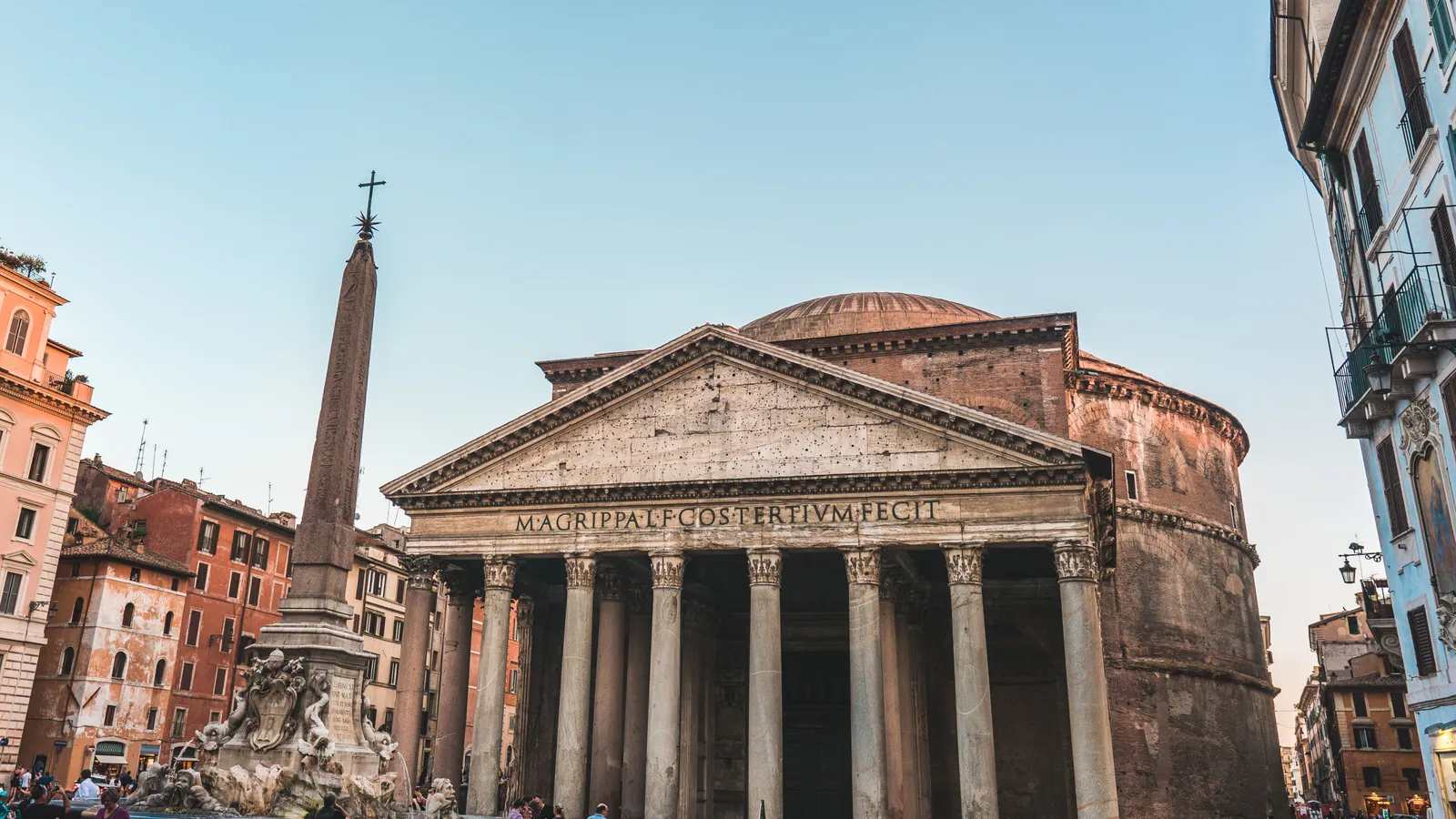
Nobody daydreams about insurance while planning pasta in Rome and sunsets on the Amalfi Coast. Then a scooter clips you on a crossing, a pickpocket lifts your phone at Termini station, or a strike cancels the train to your non-refundable hotel, and the least glamorous line in your budget suddenly matters more than all the others. This guide walks through what a policy for Italy actually needs to cover, where the common exclusions hide, and how to choose without overpaying.
Medical care: the real reason to buy
Italy has good hospitals, and emergency rooms will treat a visitor in a genuine emergency. The catch is everything around that: private clinics, English-speaking doctors, specialist visits, follow-up treatment, extended hospital stays and prescription costs are billed to you, and a private clinic visit can run 100 to 200 euros before any tests, while a serious incident with evacuation climbs into five figures. Travelers from EU countries carrying a European health card get public care on local terms, but that card covers neither private treatment, nor repatriation home, nor a cancelled trip.
So the first numbers to check on any policy are the medical limit (look for at least 100,000 euros, more if it is cheap to add) and emergency evacuation and repatriation, which is its own line and its own limit. Everything else on the policy is nice to have; this part is the point.
Rental cars and the ZTL trap
If you plan to drive, understand what travel insurance does not do. Damage to your rental car is handled by the rental company’s coverage or a separate excess policy, not by ordinary travel insurance, so decide at the booking stage how you are covering that excess rather than at the desk.

And no insurance of any kind pays your ZTL fines. Italian historic centres are ringed with camera-enforced restricted zones (Zona a Traffico Limitato), and every accidental drive past a camera is a separate ticket of roughly 80 to 100 euros, plus an admin fee from the rental company, often arriving months later. The only cover here is prevention: park outside the old town and walk in.
Mountains, via ferrata and ski
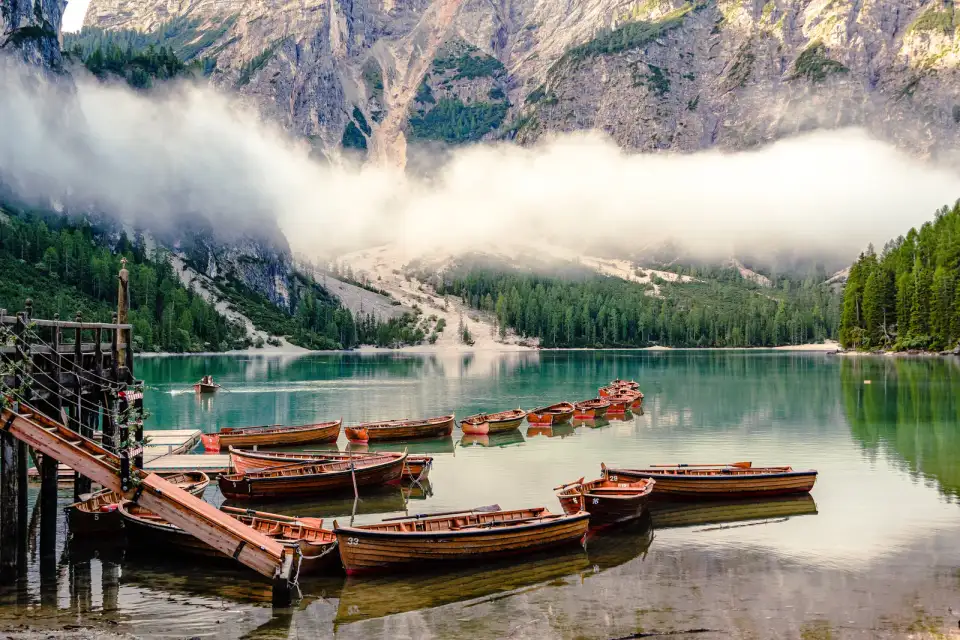
Here is the exclusion that catches active travelers. Standard policies generally cover walking on marked trails, but many exclude via ferrata, roped climbing, skiing, snowboarding and anything above a stated altitude. The Dolomites are the obvious place this bites: the iron-cable via ferrata routes are a highlight of the range, and a rescue helicopter there is exactly the bill you bought insurance for.
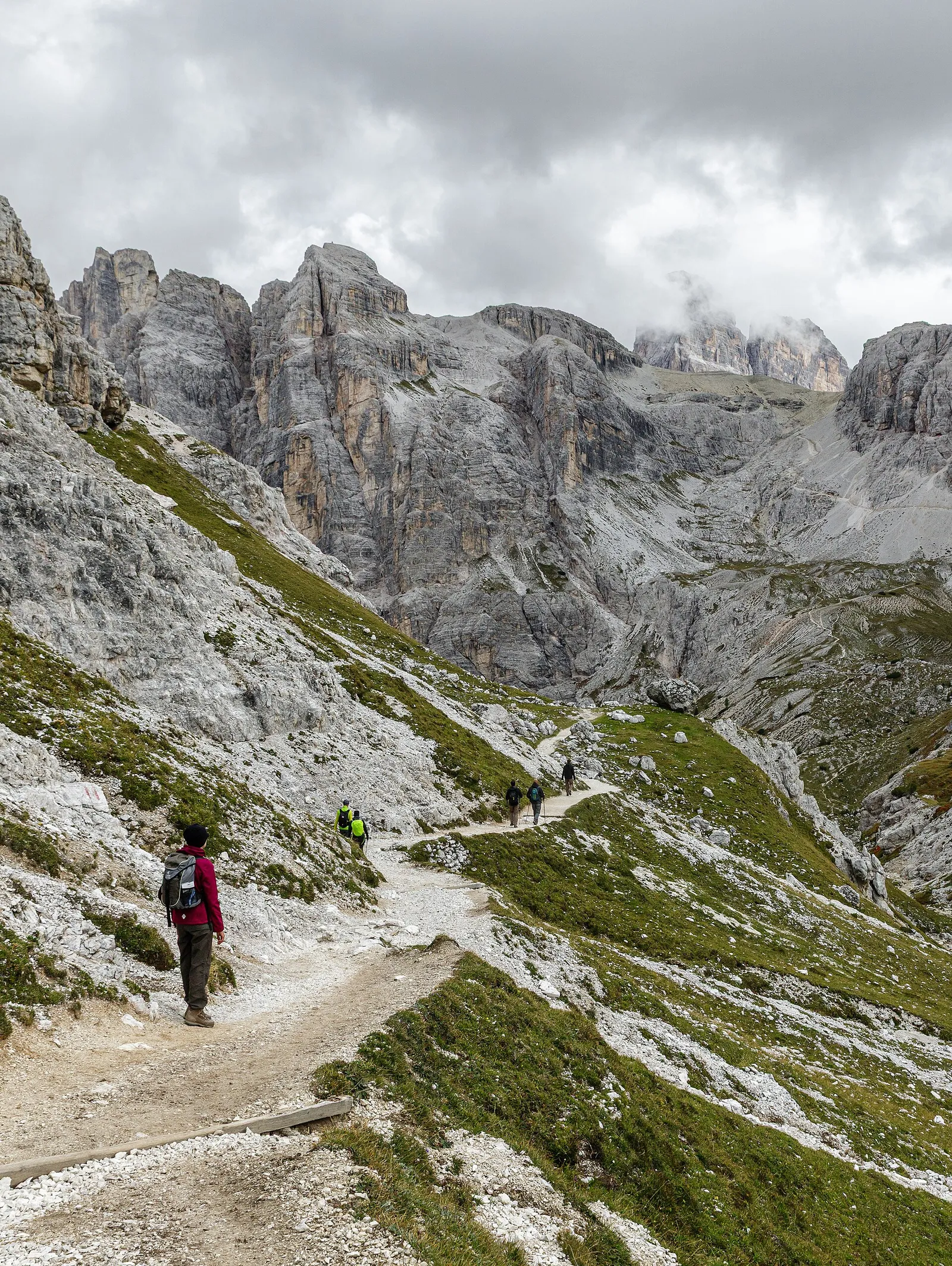
If your plans include high trails, via ferrata or a winter ski trip, read the activity list before paying and add the adventure or winter sports upgrade where needed. It usually costs little, and it converts the scariest scenario of the trip from financial disaster to paperwork.
Stay reachable if something goes wrongAn eSIM with data means you can call your insurer, a doctor or your hotel from anywhere, without hunting for wifiTheft, and the document insurers demand
Violent crime against tourists is rare in Italy; pickpocketing in the big cities is not. Phones and wallets vanish on crowded metro lines, at major stations and around headline sights. A decent policy covers stolen valuables, with two catches worth knowing in advance. First, per-item limits are often 200 to 500 euros, less than a new phone, so check whether a gadget upgrade is worth it. Second, insurers require a police report (denuncia) filed promptly after the theft; without that piece of paper, claims are routinely refused. Report first, claim second.
Flights, trains and strikes
Italy runs on trains, and Italian transport also runs on the occasional strike, announced in advance and shrugged off by locals. Good policies reimburse extra nights, meals and rebooking after qualifying delays or cancellations, which stacks on top of the separate compensation EU air passenger rules may owe you from the airline. The detail to check is strikes: some insurers cover strike disruption in full, while others exclude any strike announced before you bought the policy, one more reason to buy early rather than the week you fly.
What a policy for Italy should include
| Coverage | Why it matters in Italy | What to look for |
|---|---|---|
| Emergency medical | Private care and specialists are paid out of pocket | 100,000 euros or more |
| Evacuation and repatriation | Mountain rescue, transport home | Separate high limit |
| Adventure sports upgrade | Via ferrata, ski and high-altitude exclusions | Named activities listed |
| Theft of valuables | Pickpocketing in big cities and stations | Realistic per-item limits |
| Trip cancellation | Non-refundable hotels, tours, trains | Buy soon after booking |
| Travel delay | Strikes and cancelled connections | Strike cover confirmed |
One thing insurance never covers: traffic fines, including ZTL tickets. That risk you manage with your parking choices, not your policy.
Choosing a provider without the headache
The big international names, SafetyWing, World Nomads, Allianz, IMG and their competitors, all sell policies that work perfectly well for Italy, and none of them is the universal best choice. The right policy depends on your home country, your age, trip length and what you plan to do, so compare on substance: medical and evacuation limits, the activities list, theft limits, cancellation terms and the excess you pay per claim. Two practical habits beat any brand loyalty: buy soon after your first non-refundable booking, so cancellation cover starts early, and carry the policy number and emergency phone line offline, where a dead battery or stolen phone cannot take them.
The short version
Buy a policy with strong medical and evacuation limits, add the adventure upgrade if the Dolomites or ski slopes are on the plan, and buy it early so cancellation cover counts. Know what it will never pay: rental car excess belongs to a separate policy, and ZTL fines belong to nobody but you. File a police report for any theft, keep the insurer’s number offline, and then forget the whole subject and enjoy Italy, which is exactly what insurance is for. For the rest of the planning, start with our first time in Italy guide, then settle the two decisions that shape what your policy actually needs to cover.
Which city anchors the trip determines how much of it is urban and how much is travel, and the two obvious candidates are very different holidays; our comparison of Rome and Florence takes it on properly.
And whether a coast is on the route matters more for cover than anything else here, since cliff paths, boats and the coast road are where the activity clauses bite; our comparison of the Amalfi Coast and Cinque Terre covers what each one asks of you.