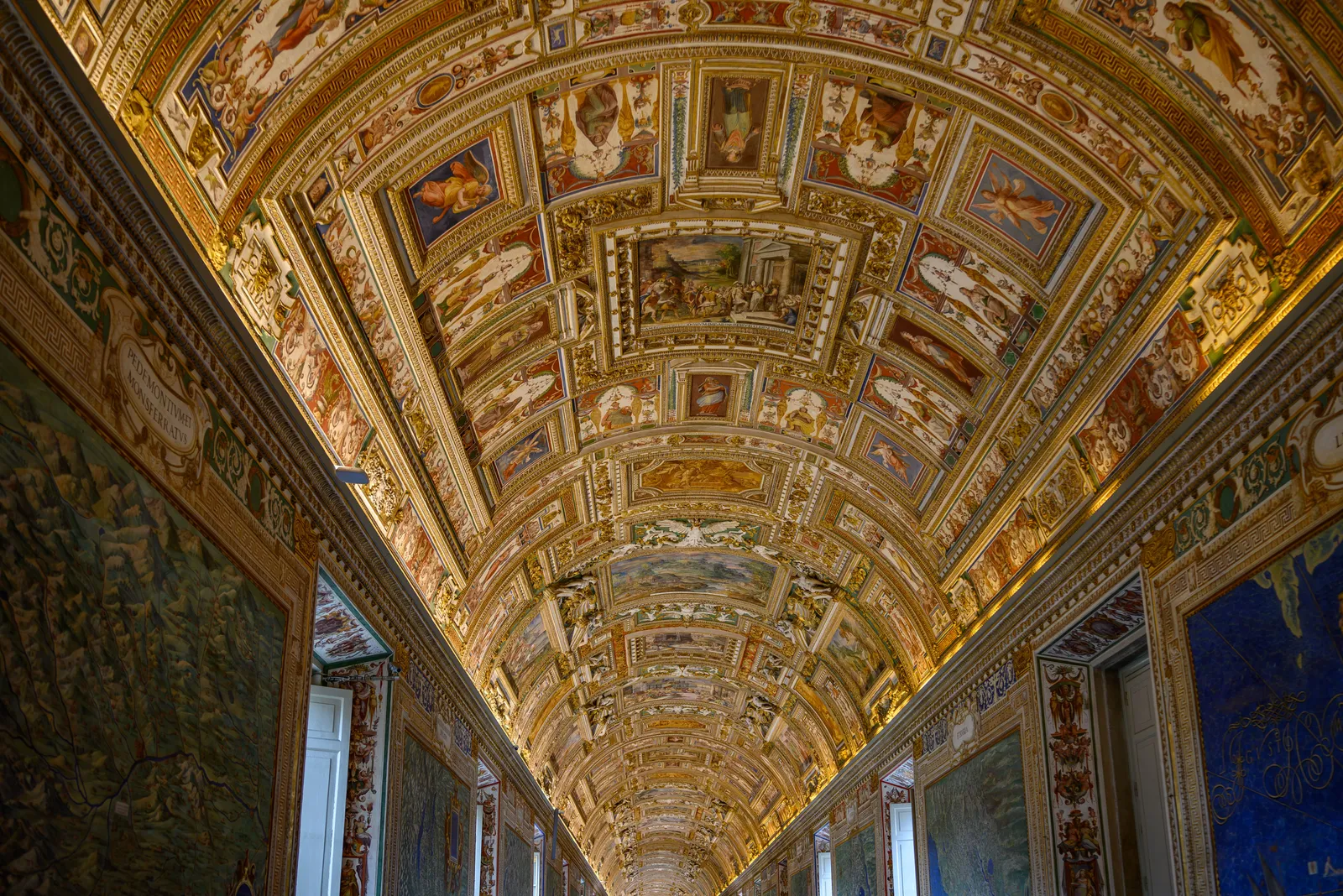
The Vatican Museums hold one of the greatest collections on earth and deliver it in one of the least comfortable formats in European tourism: a long one-way circuit, walked shoulder to shoulder, ending in a chapel where you are asked to be silent while several hundred other people arrive. It is absolutely worth doing. It is also the visit most likely to leave a first-time visitor exhausted rather than moved, and almost all of that is avoidable with an hour of planning.
Understanding the route
This is the thing nobody explains and everything else follows from it.
The circuit is one way and long. You do not choose your path through these museums; you follow it. From the entrance to the Sistine Chapel is a considerable walk through galleries, courtyards and corridors, and there is no meaningful shortcut for a general visitor.
The chapel is near the end. Which means that by the time you reach the thing you came for, you have already been walking for a couple of hours.
Two to three hours is the realistic budget at a normal pace, and more if you actually stop.
The practical consequence: do not sprint the first hour. A lot of visitors race through the early galleries to “get to” the chapel, and the early galleries contain some of the best things in the building.
The crowd, and what actually helps
The Vatican is busy in a way that is difficult to convey.
Timed entry does not empty it. It regulates arrival, not density.
Early access before general opening, sold at a premium and in limited numbers, is the single intervention that genuinely changes the experience. Whether it is worth the money depends on how much the crowd bothers you, and for a lot of people it bothers them more than they expected.
The last hours of the day are the free alternative to that, quieter than the middle and with less time.
Avoid the days either side of a public holiday, and be aware that the museums close on certain days including most Sundays, with a monthly exception that is correspondingly heaving.
The Sistine Chapel
A few things are worth knowing before you walk in.
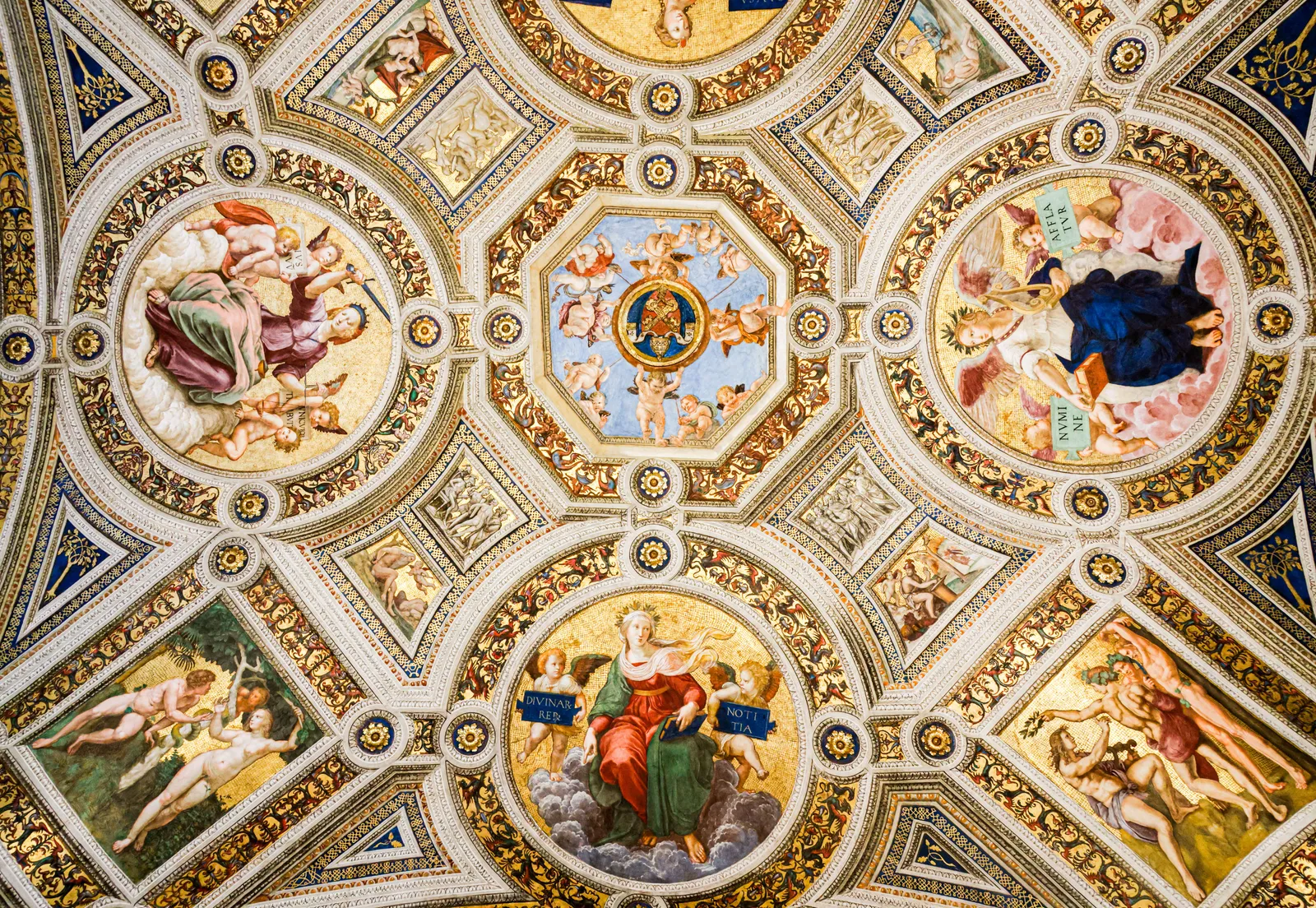
It is a room, and it is full. The chapel is smaller than the photographs suggest and it holds a great many people at once.
Silence is requested and photography is prohibited, both enforced by staff. Both are worth respecting, and the visit is better without a phone between you and the ceiling.
Look at the wall as well as the ceiling. The altar wall is a single enormous later work and it is frequently overlooked by visitors whose necks are already aching.
Sit if you can. There is bench seating around the edges and it is the difference between glancing up and actually looking.
St Peter’s Basilica
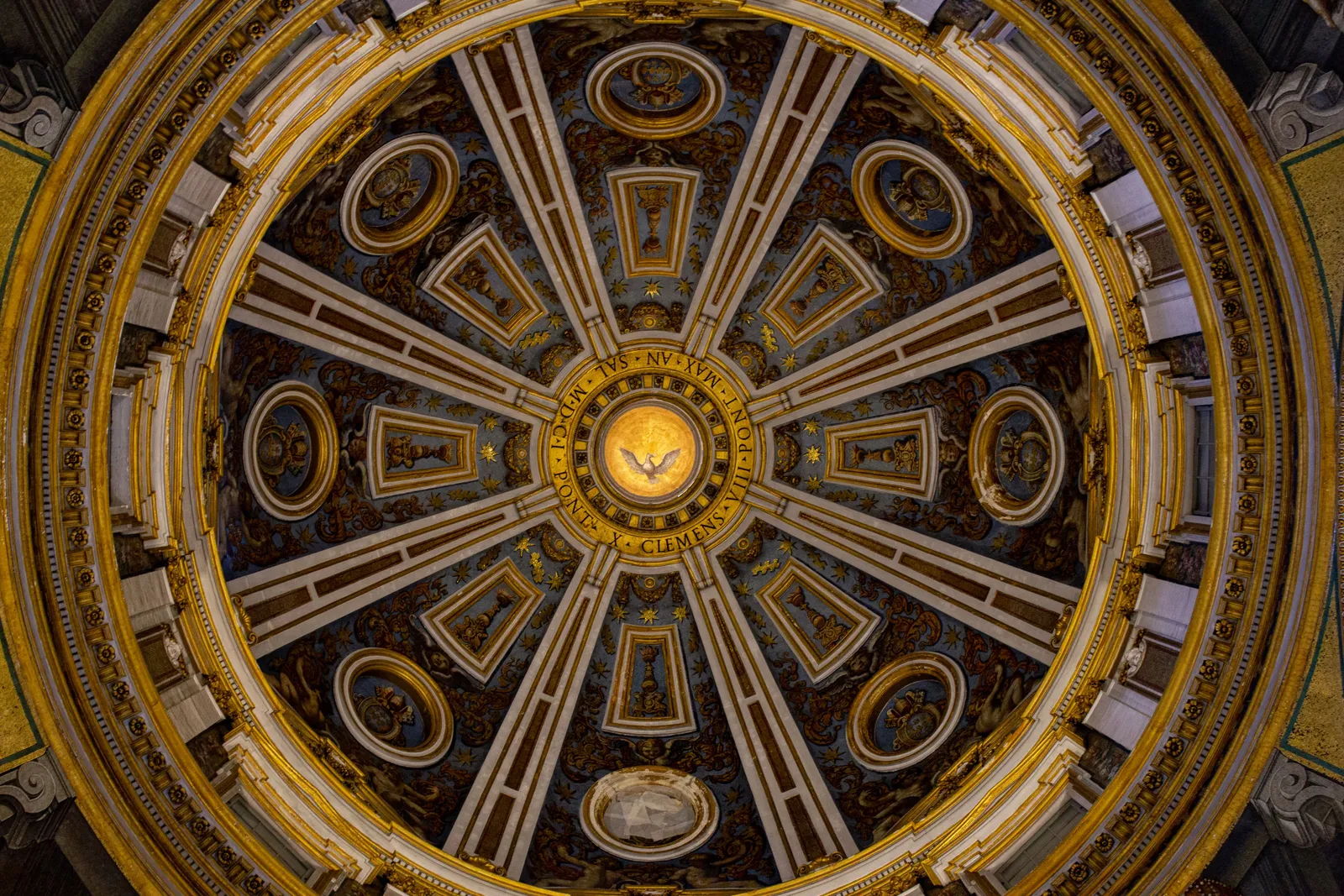
The basilica is separate, free, and enormous, and it deserves its own hour.
Its security queue is in the square and is a separate wait from the museums, longest around the middle of the day.
The dome climb is a paid extra, involves a lot of steps and a genuinely tight final section, and gives the best view over Rome available anywhere.
A direct route between the chapel and the basilica sometimes exists and its availability varies, so treat it as a bonus rather than a plan.
The dress code applies here too, at a separate door, with the same lack of flexibility.
Fitting it into a Rome trip
Two rules make the rest of the trip work.
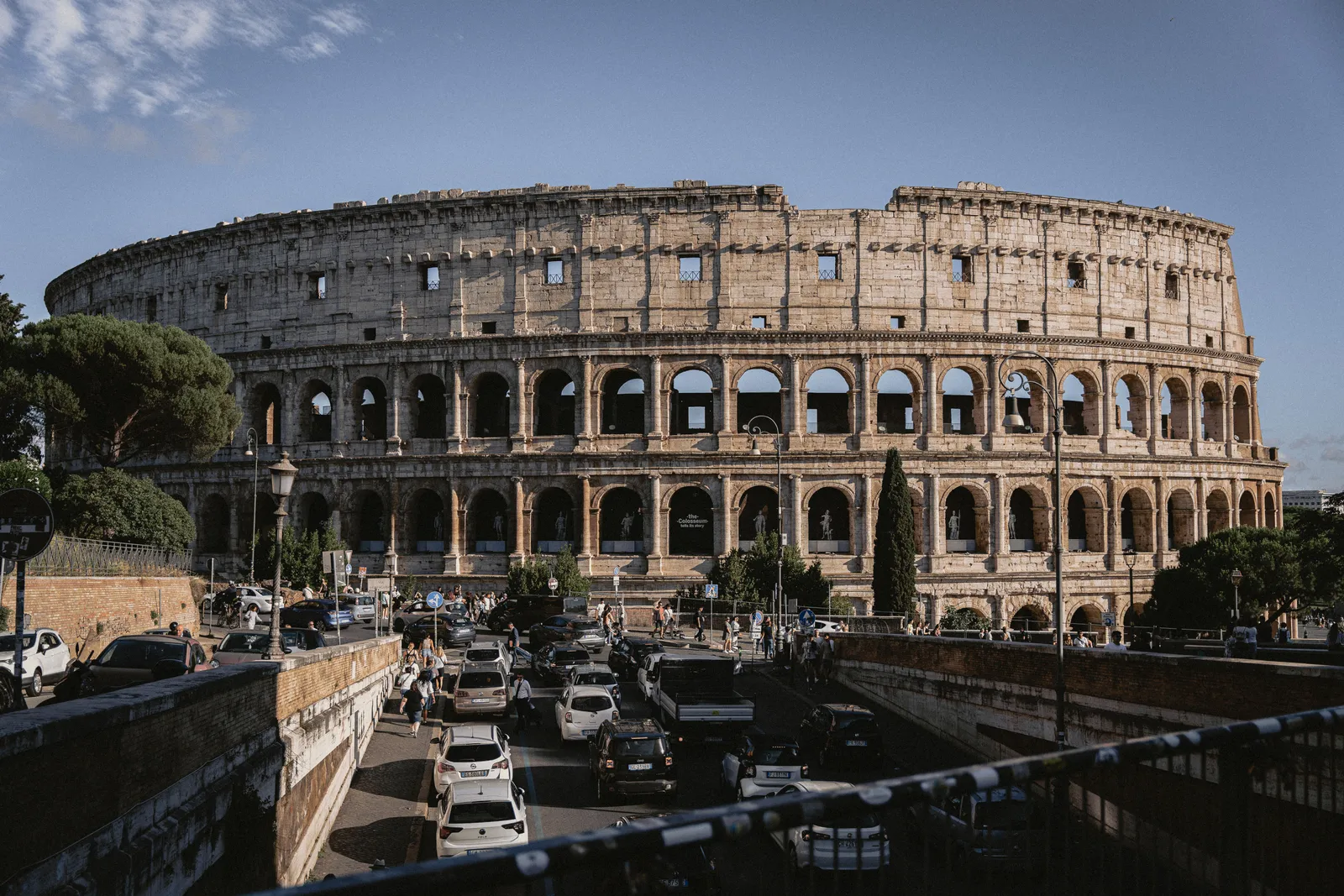
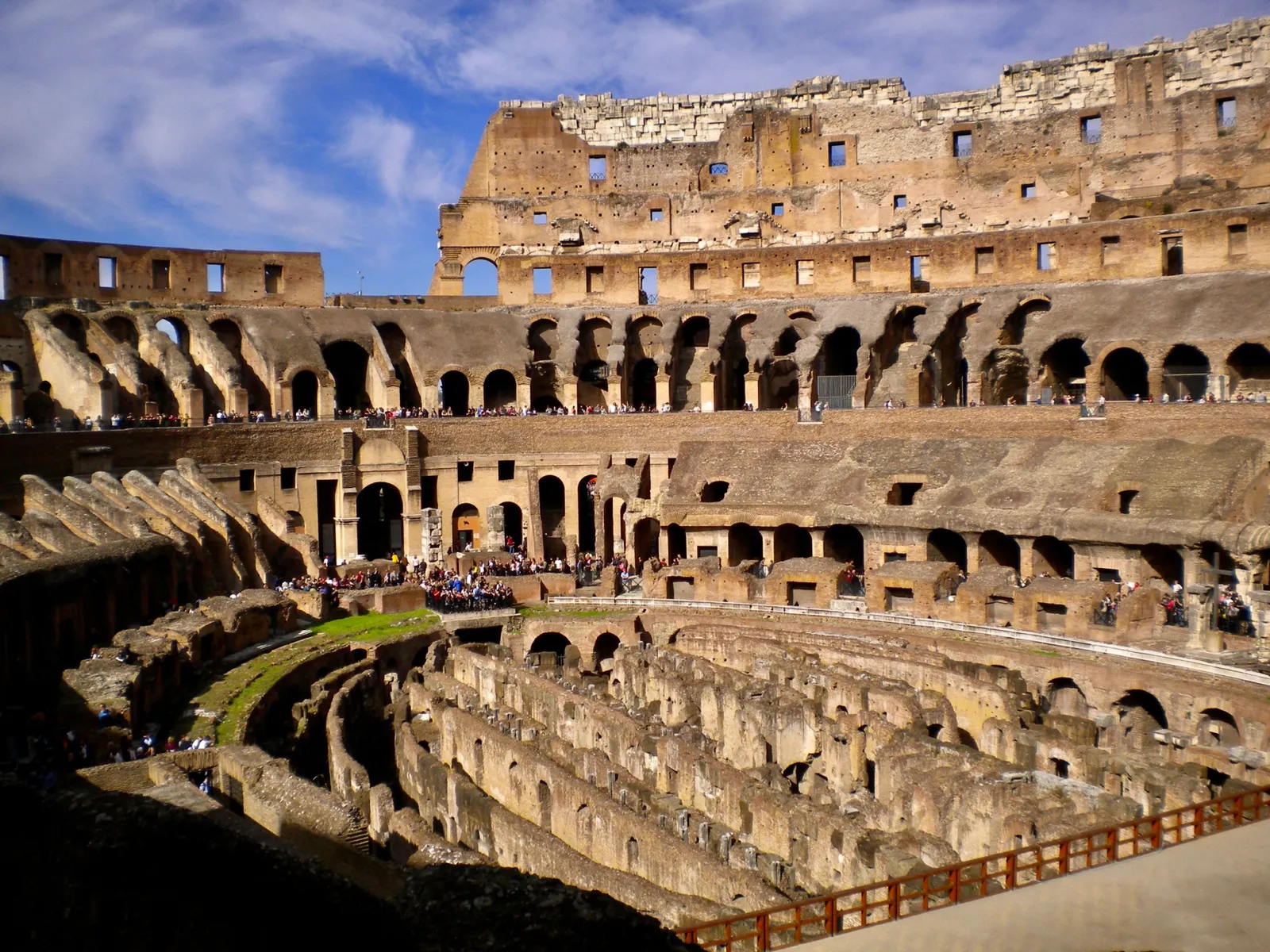
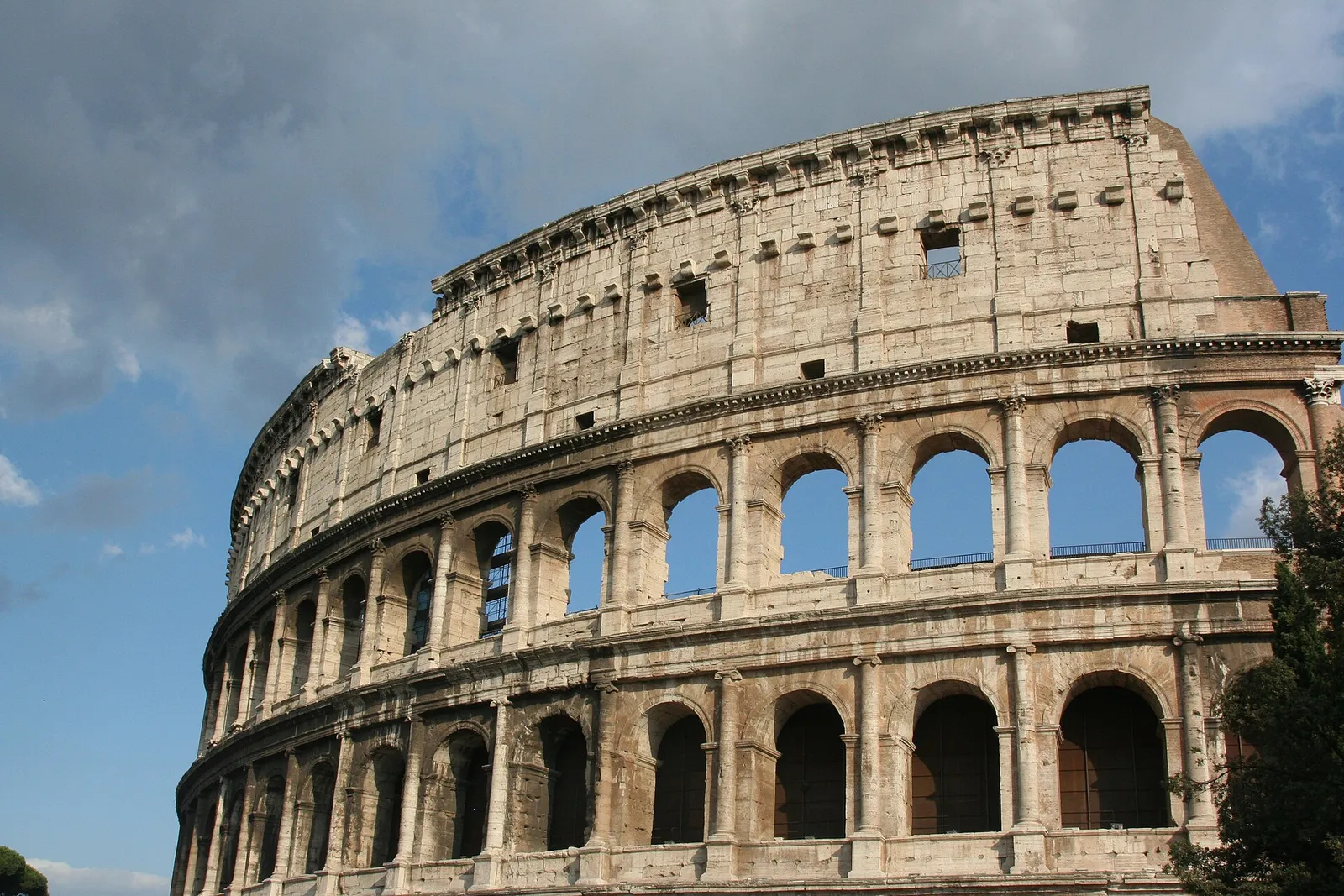
Give it a morning of its own. Not a slot, not an afternoon after something else, and above all not the same day as the Colosseum, which is on the far side of the centre and equally demanding. Our guide to Colosseum tickets covers that other headline booking and why the two need separate days.
Plan a soft afternoon afterwards. Crossing the river to Trastevere, or simply a long lunch and a walk, is the right way to spend the hours after this visit. The alternative, a second major site, is how people come home saying Rome was tiring.
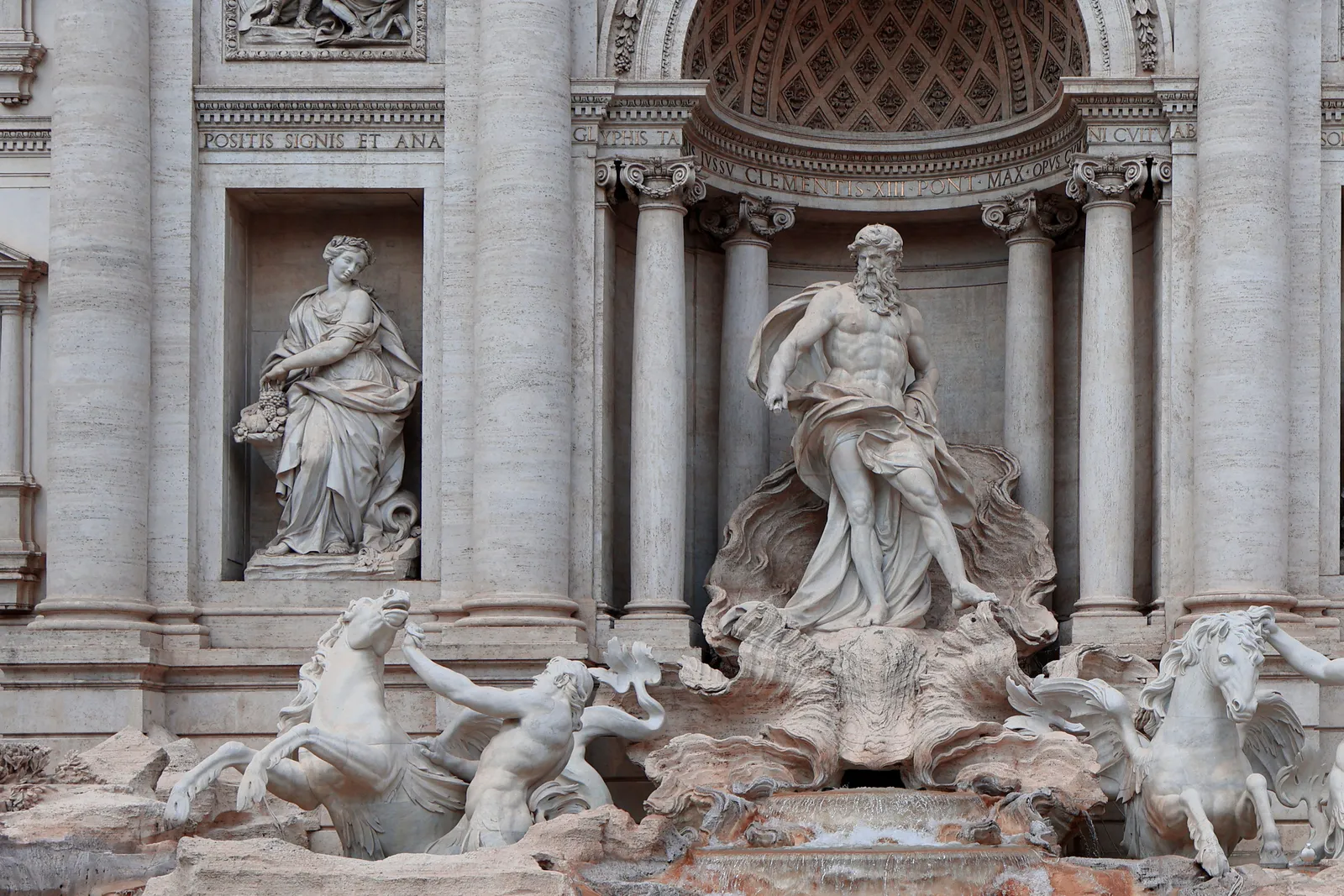
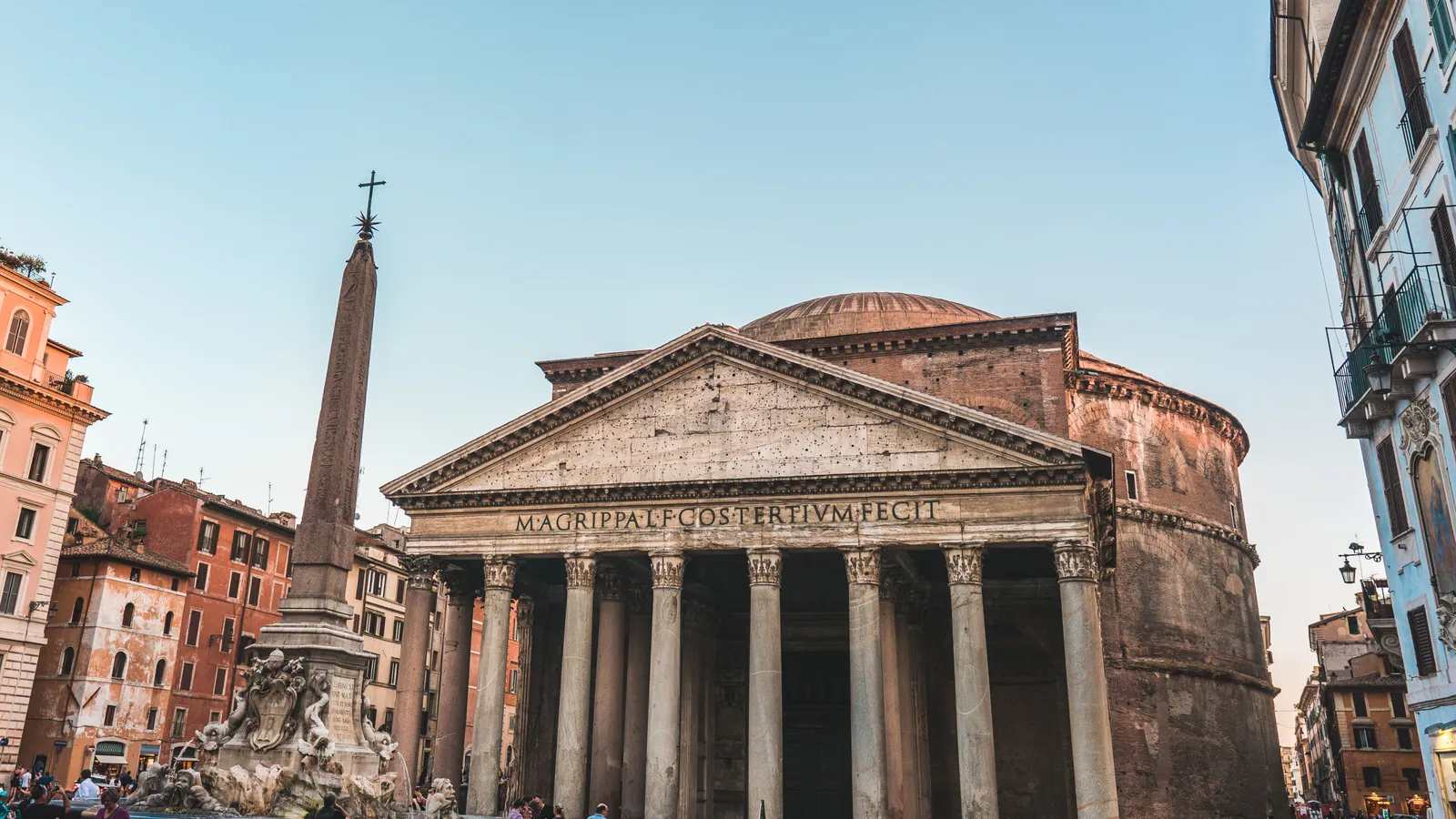
The day after is the one for the free city, which asks nothing of you: our walking guide to the Trevi Fountain, the Pantheon and central Rome covers a route that costs almost nothing and involves no queues at all.
Practical notes
Book ahead, on the official site or through a reputable operator, and bring the confirmation on your phone with a backup.
Travel light. Large bags go to the cloakroom and that is another queue.
Bring water. It is a long walk in a warm building.
Eat before rather than after, since finishing at two with nothing booked is the most common way this day ends badly.
A guide helps here more than at most museums, because the collection is enormous and unlabelled in the ways that matter, though a guided group also means moving at the group’s pace through a crowd.
For everything else a first Rome trip assumes, from the eating hours to the neighbourhoods, our first-time guide to Rome covers the groundwork.
The short version
Book ahead, go as early as you can, and pay for early access if crowds are what you dread, because that is the one upgrade here that changes the visit rather than the schedule. Understand that the route is one way and long, so do not rush the first galleries to reach the chapel. Cover your shoulders and knees or you will be turned away. Sit down in the chapel and look at the altar wall as well as the ceiling. And give the whole thing a morning of its own, on a different day from the Colosseum.