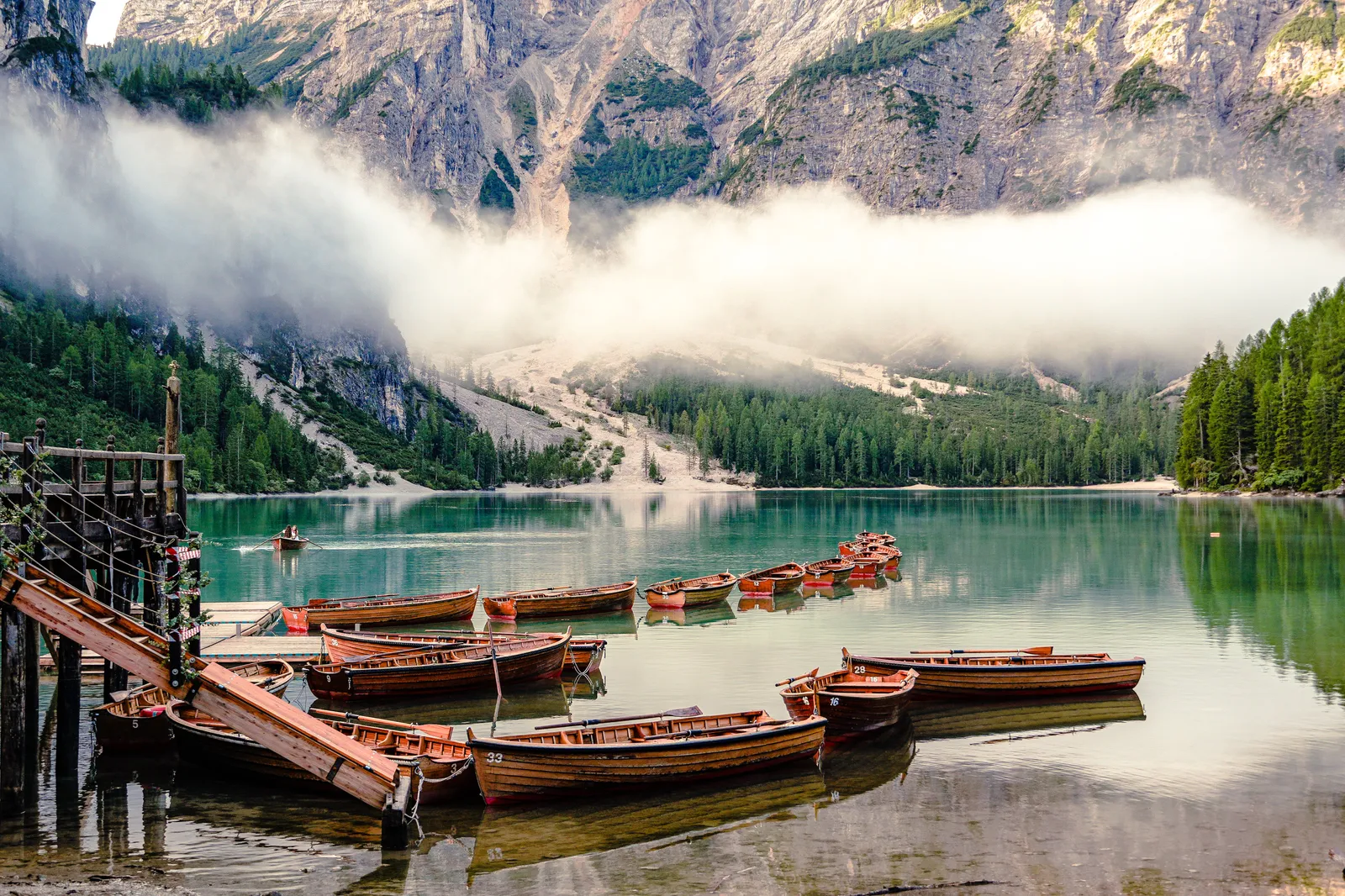
The Dolomites do not look quite real. Pale limestone towers rise straight out of green alpine meadows, turn rose and gold at sunset, and drop to emerald lakes so still they double the mountains overhead. This corner of northern Italy feels more Alpine than Italian, with a Germanic accent, hearty mountain food and some of the finest hiking on the continent. For a first-timer it can be hard to know where to point yourself. Here is how to plan a Dolomites trip that hits the magic without the missteps.
When to go
The Dolomites have two peak seasons and two awkward gaps, so timing is everything. For hiking, roughly late June to September is the window: the trails are clear of snow, the mountain huts (rifugi) are open and serving, and the meadows are full of wildflowers. September adds crisp air, golden light and thinner crowds, and is many people’s favourite month.
For snow and skiing, December to March transforms the range into a world-class winter playground. The tricky times are the shoulder gaps, late spring and late autumn, when many lifts, huts and hotels close between seasons and the high trails may still hold snow. Match your dates to what you want to do, and you cannot go wrong.
What each month actually feels like
Late June still has snow patches on the highest paths and the huts are only just opening, but the meadows are at their greenest and the valleys are quiet. July and August are the full circus: everything open, everything busy, and the highest chance of an afternoon thunderstorm. September is the connoisseur’s month, with settled light, cooler air and hut terraces you can actually sit at. October brings larch trees turning gold and a fast-closing window, since lifts start shutting down and the first snow can arrive without much warning.
How to get here, and the last few miles
This is the part that surprises people: there is no railway into the heart of the range. Cortina has no station of its own, and the famous valleys are reached by road whatever you do. Almost every trip is therefore a flight or a fast train to a gateway, then a mountain drive or bus at the end.
The practical gateways are Venice and Verona from the south, Innsbruck from the north, and the railheads at Bolzano (Bozen) and Trento for the western valleys. Budget two to three hours of winding road after you land or step off the train, and avoid arriving in the dark on your first night, when the switchbacks are least fun and you cannot see what you came for. If this is your first trip to the country as a whole, our first-timer guide to Italy sets the wider expectations that this mountain leg sits inside.
Where to base yourself
Do not hop hotels every night, the mountain roads are slow and winding, and a single well-placed valley base serves you far better. Each valley has its own character.
Cortina d’Ampezzo is the glamorous, well-connected classic, with easy access to famous trails and a lively town. Ortisei and the Val Gardena put you at the foot of the vast Alpe di Siusi meadow and the Sella group. The Alta Badia and San Cassiano are quieter and beloved by food lovers, with a surprising cluster of fine mountain cooking. And Dobbiaco (Toblach) is the handiest base for Lake Braies in the north. Pick one valley and radiate out from it.
If you only have three or four nights, choose the valley that matches your headline sight and accept that you will not see the whole range. The Dolomites reward depth over breadth, and the drive between two famous valleys can quietly eat half a day.
The hikes
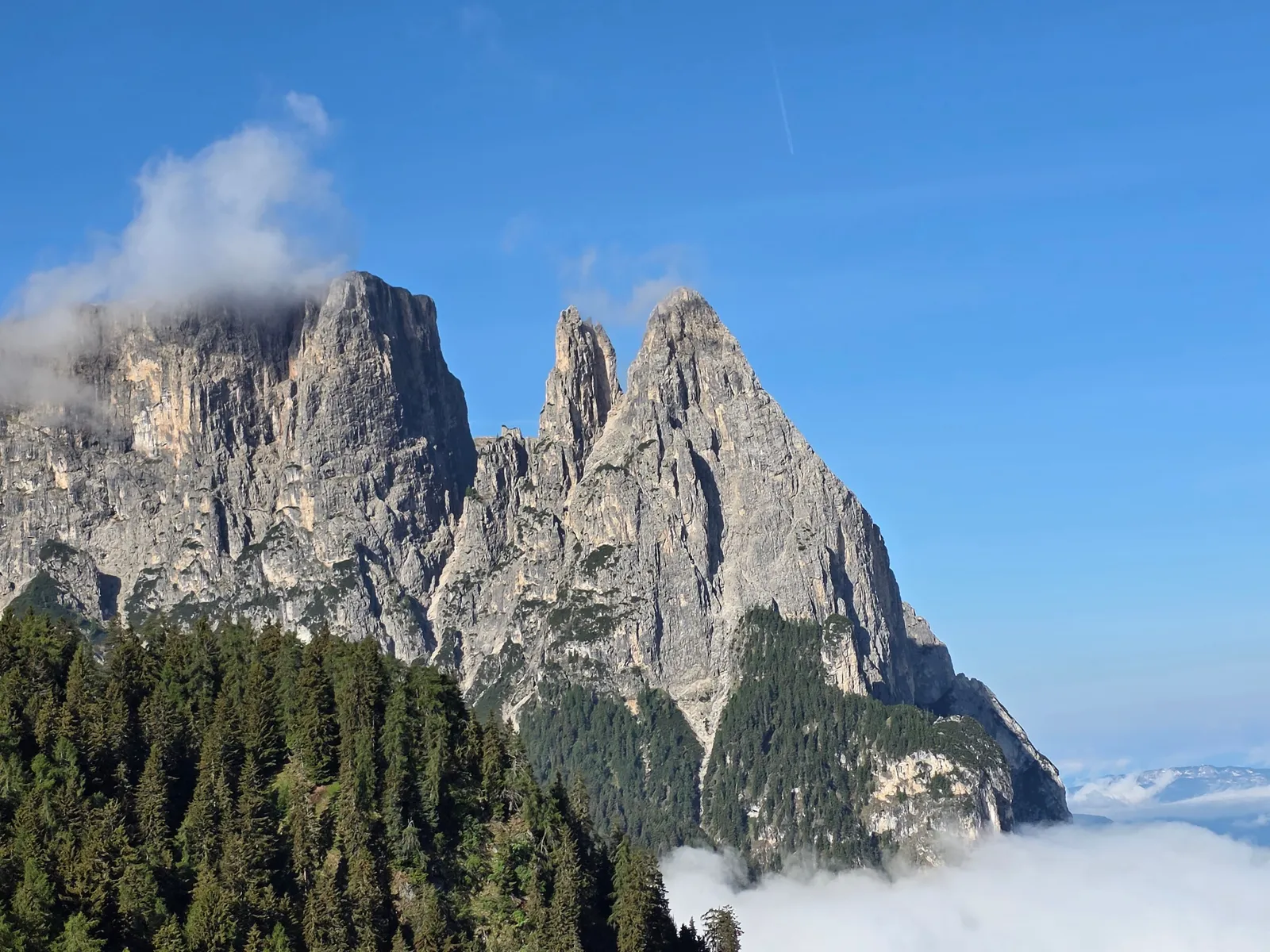
You do not need to be a mountaineer to walk here, thanks to a brilliant network of cable cars and chairlifts that carry you high before you take a single step. From the top, gentle high-altitude trails deliver enormous views for modest effort.
The greatest hits for a first trip: the loop around the Tre Cime di Lavaredo, the three iconic peaks, is the region’s signature walk, roughly a half-day and moderate. The Alpe di Siusi offers easy, rolling meadow paths under the Sassolungo. The Seceda ridgeline above Ortisei, reached by cable car, serves up the postcard sawtooth view for a short stroll. Wherever you walk, aim a rifugio into your route, these mountain huts serve strudel, dumplings and local wine with a terrace view you will not forget.
Reading the trails
Paths are marked with red and white paint flashes carrying a number, and those numbers match the ones on local maps and signposts, so navigation is far easier than it looks from a distance. Signposts at junctions generally give walking times rather than distances, which is the more useful measure on a mountain. Take the posted times seriously rather than comparing them to your pace at home, because altitude, loose rock and a steady climb all slow you down more than expected.
The via ferrata, protected routes with fixed cables and ladders, are a Dolomites speciality and a genuine thrill, but they need a harness, a proper kit and ideally a guide for a first attempt. Note the difference from an ordinary hike: this is climbing terrain with equipment, not walking with handrails.
Go higher with a mountain guideA guided hike or a via ferrata day opens up the peaks safely, even for first-timersHow the rifugi work
The mountain huts are the soul of the range and the thing most first-timers misunderstand. A rifugio is part mountain restaurant, part simple guesthouse. Anyone can walk up and take a table on the terrace for lunch without booking a bed, and that alone transforms a hike: you climb for an hour, eat a plate of dumplings looking at a wall of limestone, and walk back down.
Sleeping in one is a different plan and a better story. Beds range from dormitory bunks to small private rooms, dinner and breakfast are usually included, and the summer beds are reserved a long way ahead. Two practical things catch people out: card payment is not guaranteed at the more remote huts, so carry some cash, and most huts close entirely outside the summer and winter seasons, which is another reason the shoulder gaps are so awkward.
Lake Braies and the famous lakes
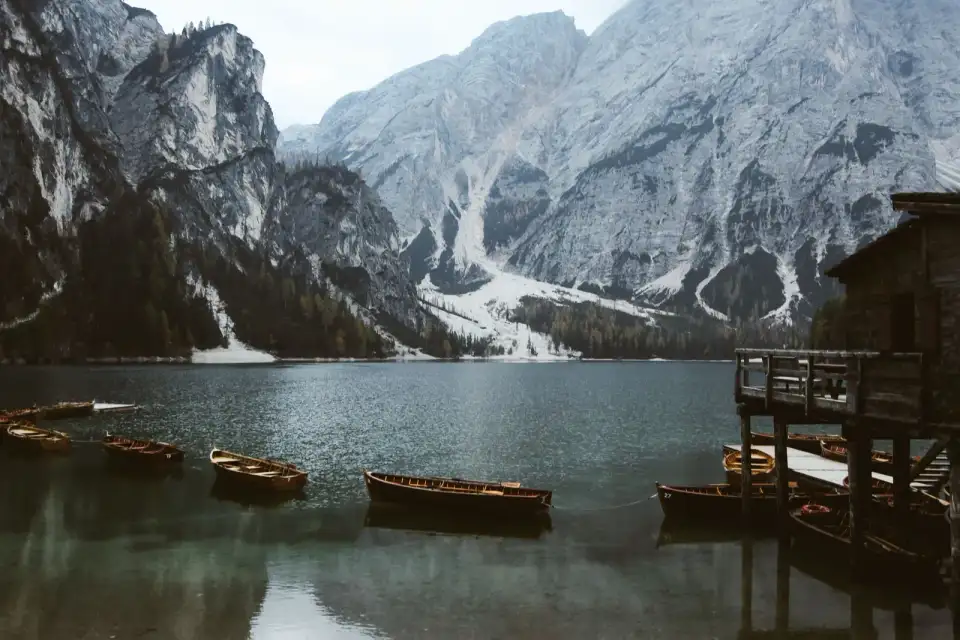
Lake Braies (Pragser Wildsee) is the image that launches a thousand Dolomites trips: an emerald lake cradled by sheer peaks, with wooden rowing boats lined along a timber boathouse. It is stunning, and everyone knows it, so it gets very busy in summer, with paid parking and often timed, restricted access in the peak months.
The fix is simple: arrive early in the morning or late in the afternoon, when the crowds thin and the light is best, and check the current access rules before you set out, since they change year to year. Nearby Lake Misurina and the alpine tarns above the lifts offer quieter reflections if Braies feels too busy.
Getting around
A car gives you the most freedom in the Dolomites, letting you reach scattered trailheads and lakes and catch the early light before the crowds. Summer buses do connect the main towns and some trailheads, and the lifts carry you high without a hike, but for a trip built around driving between valleys, a hire car is the easiest way.
If you are hiring, bring an International Driving Permit: Italian rental desks expect non-EU licence holders to carry one with their own licence, and drivers on US, Australian, Canadian and South African licences are often refused the car without it. Sort it at home, because you cannot get one here. Worth knowing too that some of the highest passes and a few valley roads close or restrict traffic in winter and on peak summer days, so check conditions before committing to a long mountain drive.
A word on the driving itself. The passes are a genuine pleasure and also a workout: long sequences of hairpins, a lot of gear changing, and cyclists and motorbikes sharing every bend. Parking at the popular trailheads is paid and fills early, which is one more argument for the early start. If nobody in your group enjoys mountain driving, the summer bus network plus a well-chosen base is a perfectly good plan B.
Staying safe up high
The Dolomites are welcoming rather than dangerous, but they are real mountains and they punish casual preparation. Carry layers and a waterproof even on a blue morning, since the temperature falls with altitude and again the instant the sun drops behind a ridge. Check a mountain forecast rather than the valley one, take more water than feels necessary, and remember that phone coverage is patchy in the deeper valleys.
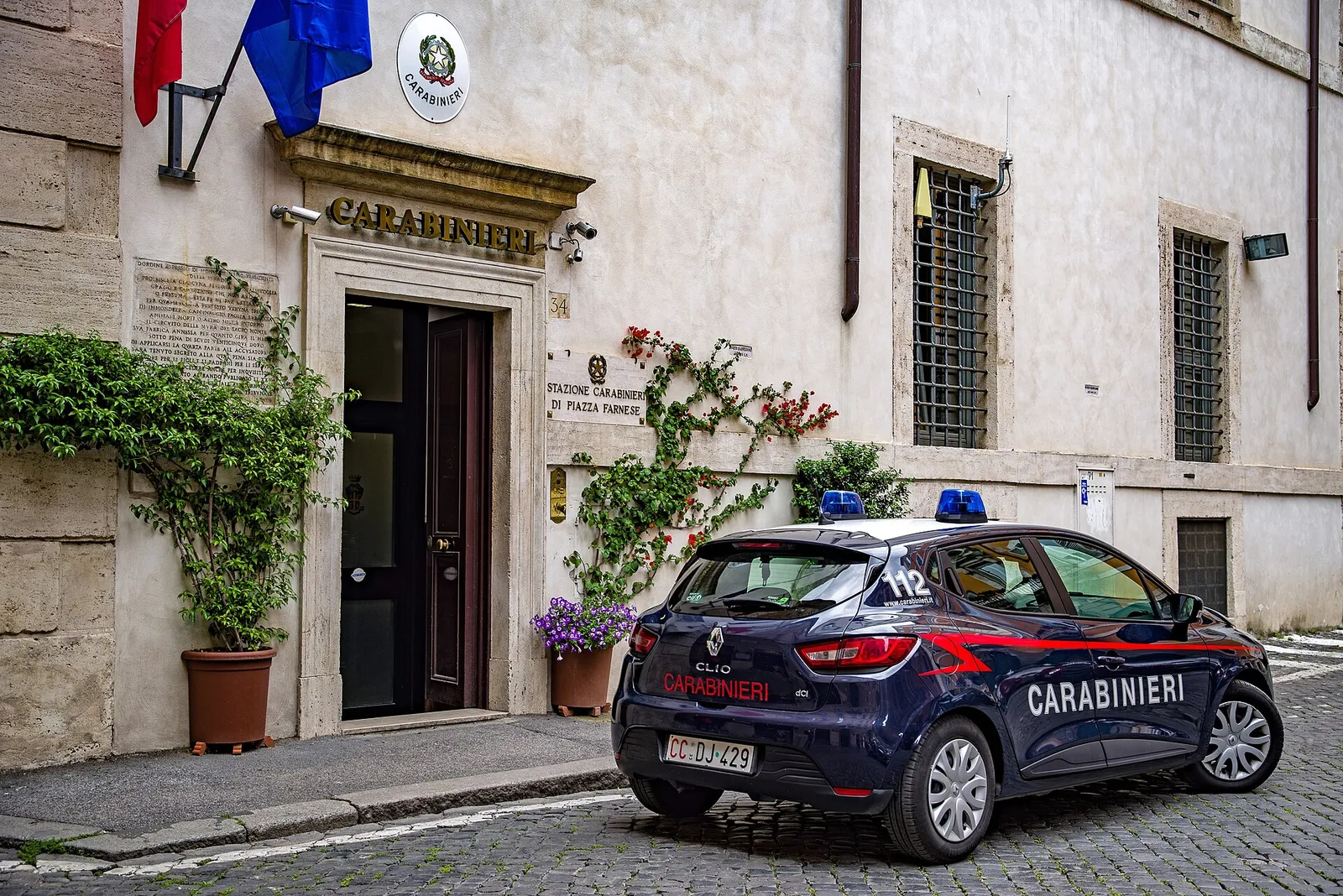
Sun at altitude is stronger than the cool air suggests, so sunscreen matters even in September. Footwear with grip beats fashion on the loose limestone that covers many descents. And if something does go wrong, know before you set off how help is summoned here: our guide to emergency numbers in Italy covers who to call and what to say, which is not the thing to be researching on a ridge with one bar of signal.
The food and the culture
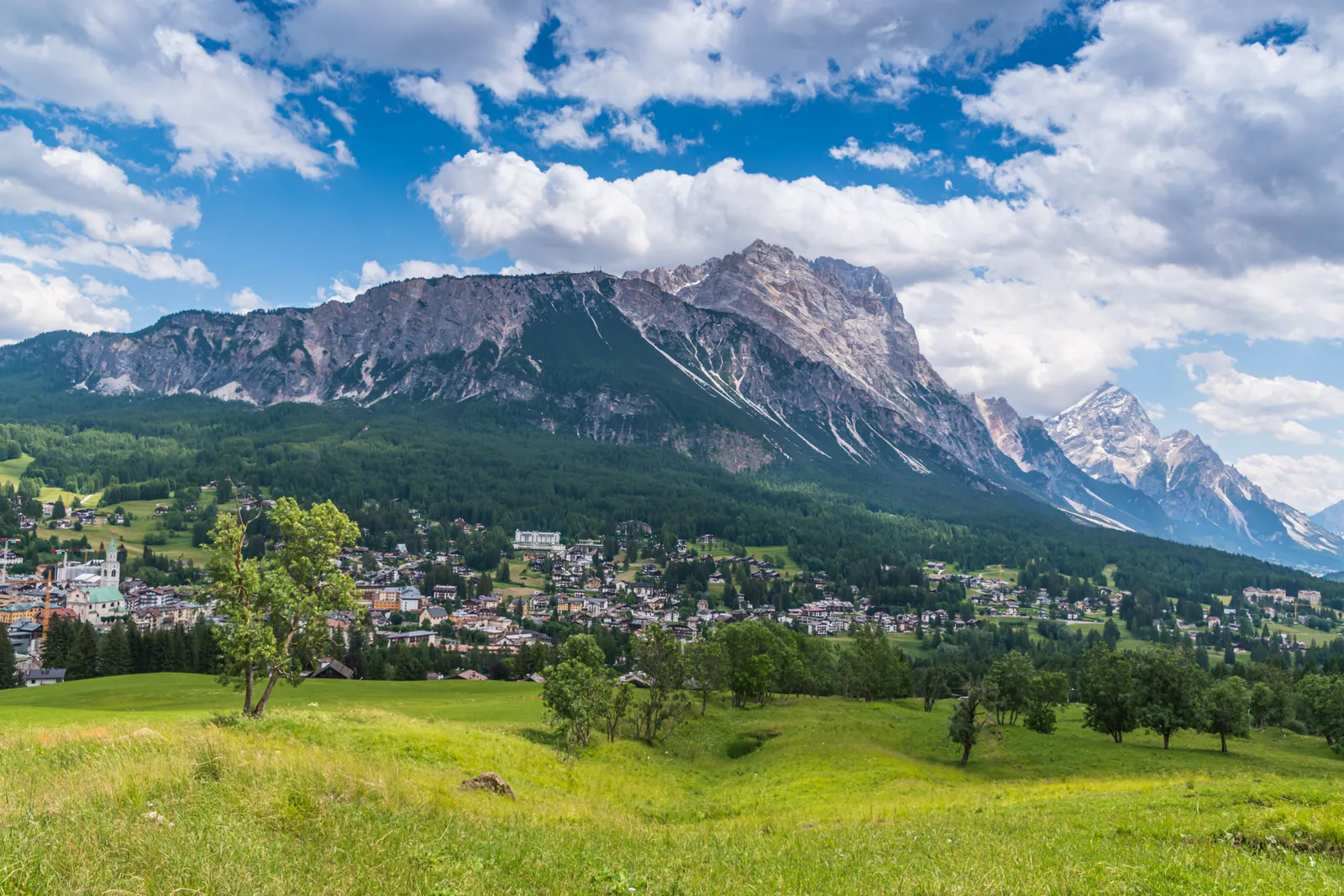
Half the charm here is the culture, a blend of Italian and Austrian. This is South Tyrol (Alto Adige), where menus mix pasta with dumplings and speck, road signs are bilingual, and the rhythm is Alpine. Lean into it: order a plate of canederli, a glass of local Lagrein, and an apple strudel at a hut, and toast the peaks. Book your valley lodge months ahead for the summer and winter peaks, since the best-placed rooms vanish early.
That mixed identity runs deeper than the menu. You will hear German, Italian and, in the Val Gardena and Alta Badia, Ladin, an older language of the valleys that survives in place names and local schools. It explains why every town seems to have two names, and why the hospitality feels more Alpine than Mediterranean: earlier dinners, earlier mornings, and a general assumption that you are here to be outside.
Where the Dolomites fit in an Italian trip
Be honest about the shape of your holiday. The mountains are a slow, self-contained region that rewards three or four nights minimum, and they sit a long way north of the classic Rome to Florence to Venice run. Bolting a single night on rarely works, because the travel time swallows it.
If you are choosing between the mountains and a stretch of famous coastline for the same slot, they offer opposite pleasures: the Dolomites are cool air, early nights and enormous space, while the coast is heat, boats and crowds. Our comparison of the Amalfi Coast and the Cinque Terre is the natural next read if the sea is the other contender.
The short version
Come in summer for the hiking or winter for the snow, and skip the shoulder gaps. Pick one valley base, Cortina, the Val Gardena, the Alta Badia or near Braies, rather than hopping nightly. Use the lifts to walk high for little effort, aim a rifugio into every hike, and visit Lake Braies early or late to dodge the crowds. Start early to beat the afternoon storms, carry layers whatever the sky is doing, and give the region enough nights to be worth the drive in. Do that, and the Dolomites will be the most jaw-dropping few days of your Italian trip.
Are you leaning towards the mountains or the coast for your next Italian week?