Piazza San Marco holds two of the most extraordinary buildings in Europe next to each other, and most visitors give them a combined ninety minutes because they are treated as one stop on a walking route. They are not one stop. The basilica is a thousand years of gold mosaic put up by a republic that stole its best material from everywhere it traded, and the palace is the machinery of that republic laid out room by room. Between them they need most of a day, and knowing how the tickets work saves you the queue and the disappointment.
The basilica
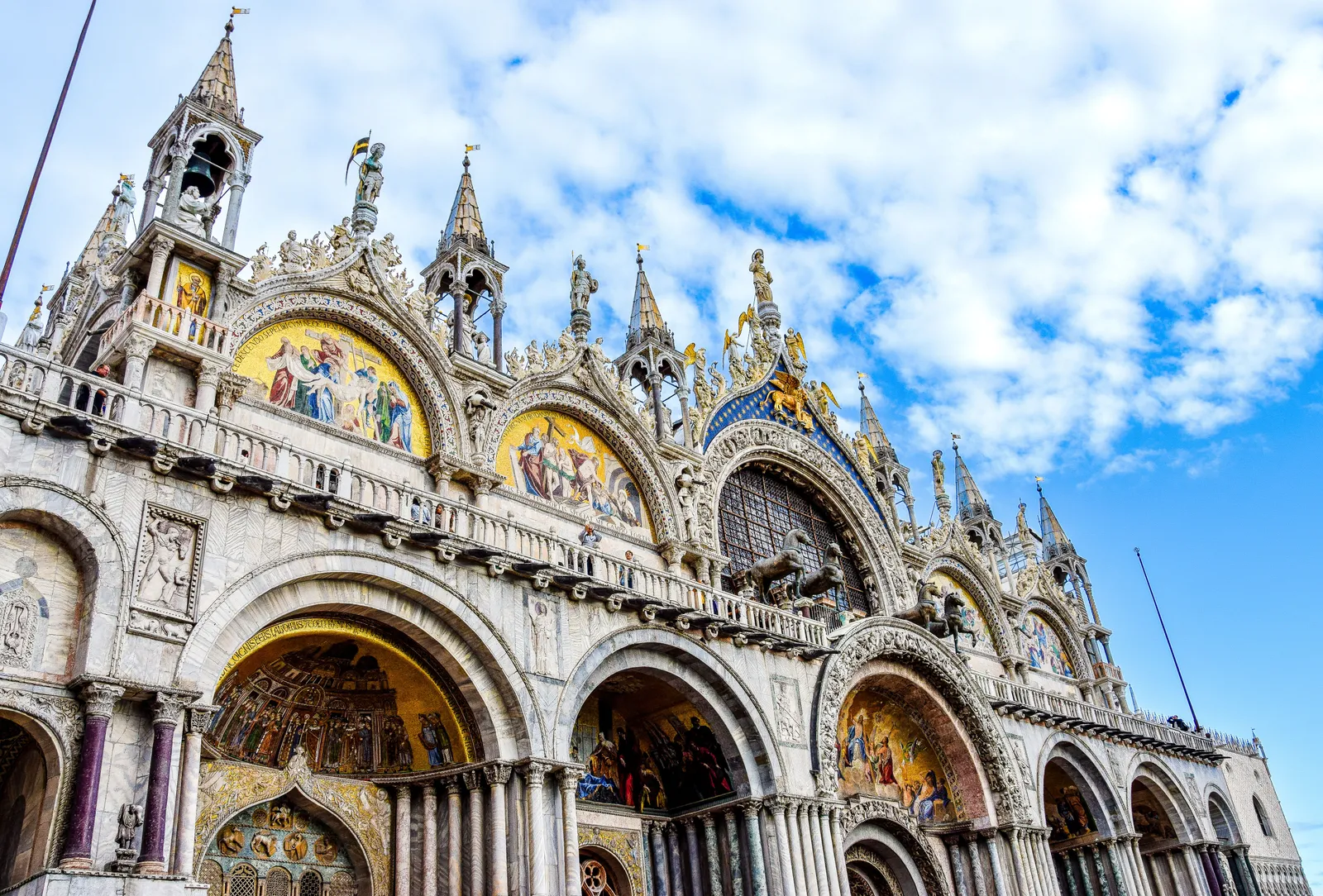
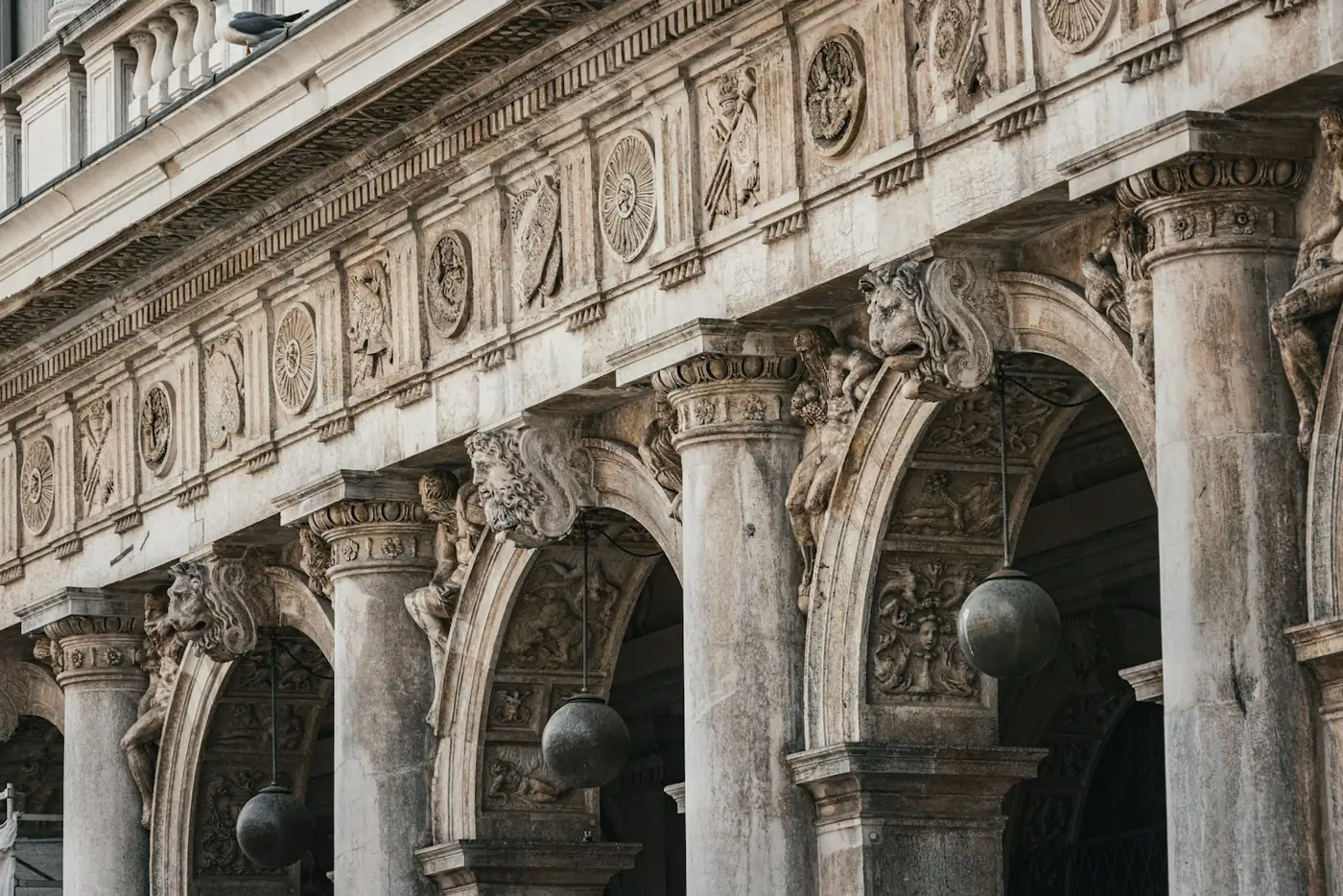
What it is. The state church of the Venetian republic, begun in the eleventh century, decorated in gold mosaic over centuries, and built in a style that looks east rather than west because Venice did.
The interior is dark and glittering, and it works best when light catches the mosaics, which is a matter of the hour and the weather.
The main floor is a one-way route and it moves. You do not linger on it.
Separate tickets cover the main church, the terrace and loggia, the treasury and the golden altarpiece behind the high altar. They are not automatically included in each other.
Dress code and bag rules apply at the door, and the bag deposit is a separate walk.
The terrace, which is the good bit
Almost everyone queues for the main floor and leaves. The upper level is where the visit becomes memorable.
You stand beside the bronze horses, the originals of which are inside and the copies out on the facade.
The mosaics are at eye level from the loggia, which is the only place you can actually look at them.
The view over the square and the lagoon from the outside balcony is the best in Venice that does not involve a lift.
And you can stop moving, which after the ground floor is a relief.
The Doge’s Palace
This is the building that explains the city, and it is much bigger than it looks from the square.
The courtyard and the staircases set the scale before you pay attention to anything else.
The institutional rooms are the point: the chambers where the councils met, hung with enormous paintings that were political statements rather than decoration.
The armoury is a genuinely impressive collection and a reminder of what the republic was.
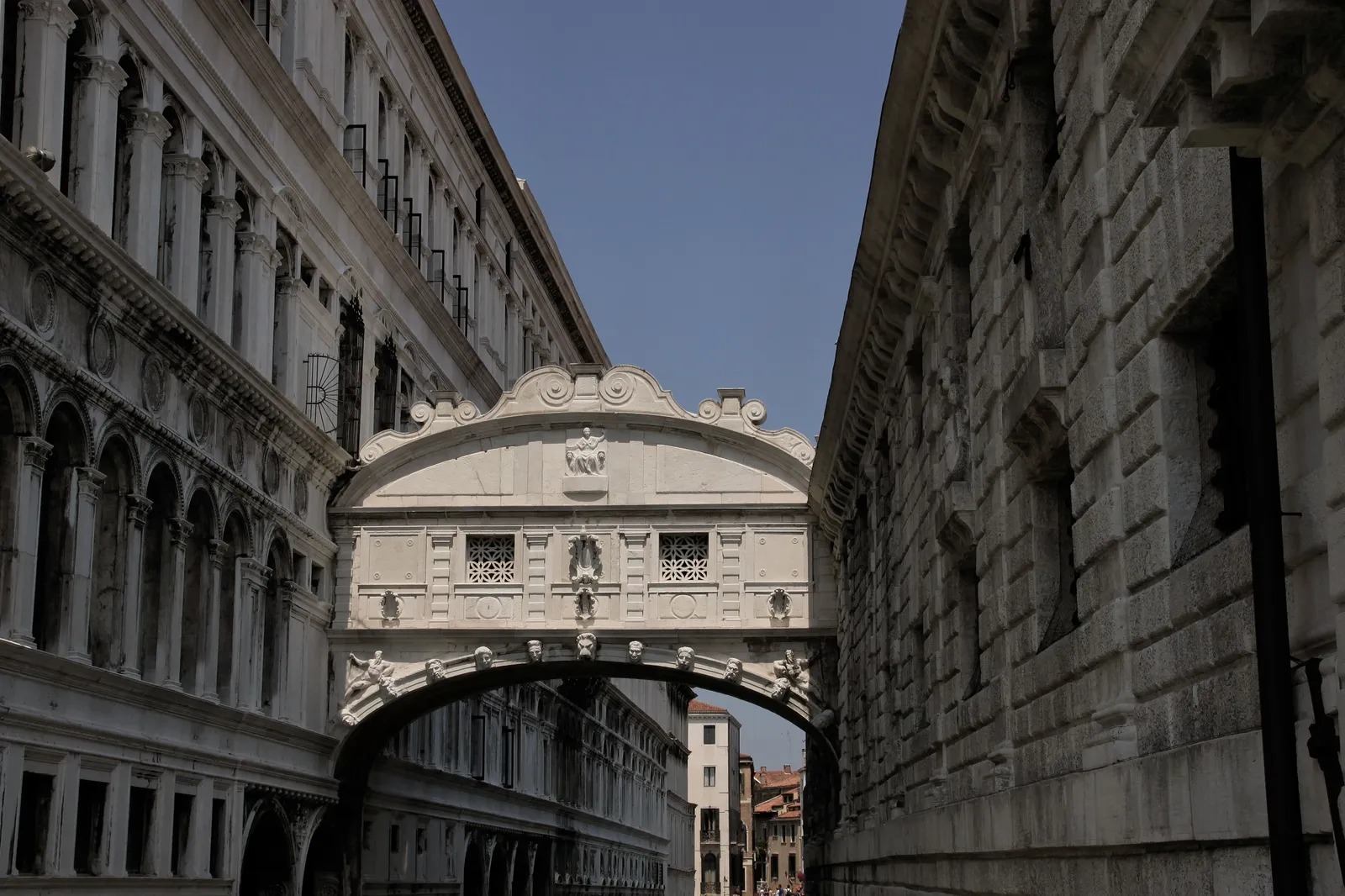
The Bridge of Sighs connects the palace to the prisons, and you cross it from the inside, which is the opposite of the view everybody photographs from outside.
The prisons themselves are cold, low and complete, and they are the part children remember.
The hidden itinerary, a separate guided route through the administrative and interrogation rooms, is limited, bookable ahead and the best version of this visit.
Practical notes
Allow half a day for both, not ninety minutes.
Bags are restricted at the basilica and must be deposited nearby, so travel light on this particular morning.
Photography rules differ between the buildings and inside sections of them, and are enforced by staff.
The square floods first in high water, being the lowest point in the city, which is why the raised walkways appear there before anywhere else.
Coffee on the square is priced for the location and the orchestra, which is a legitimate charge for a memorable half hour rather than a scam, as long as you know before you sit down.
Where this fits in a Venice trip
These two buildings are the ticketed core of a first visit, and the city around them is the reason to stay.
For how Venice actually works, from the vaporetto and the sestieri to the daily tide of day visitors, our first-time guide to Venice covers the groundwork this article assumes.
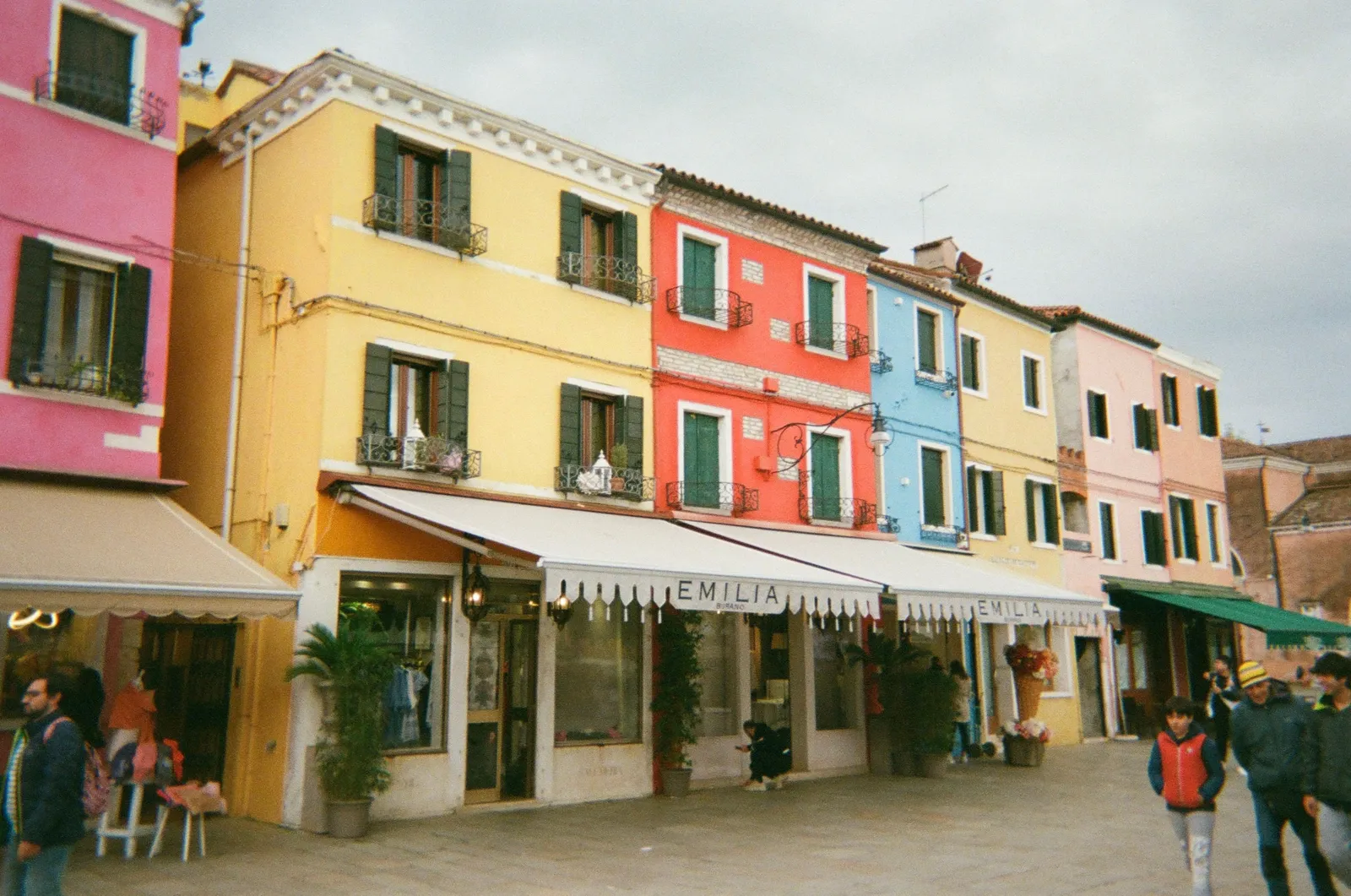
The obvious second day is out on the water, and our guide to Murano and Burano covers the glass island and the coloured one, plus how long the trip really takes.
And for the wider Italian groundwork, from train tickets to eating hours, our first-time guide to Italy is the place to start.
The short version
Book timed entry for both and go at opening or in the last slot, taking the basilica first and the palace second. Pay for the terrace at the basilica, since it is the part where you can stop and look, and the bronze horses and the view come with it. Give the Doge’s Palace two hours rather than one, and book the hidden itinerary well ahead if it appeals. Cover your shoulders and knees, leave the big bag at the hotel, and treat the square between eleven and four as somewhere to walk through rather than visit.