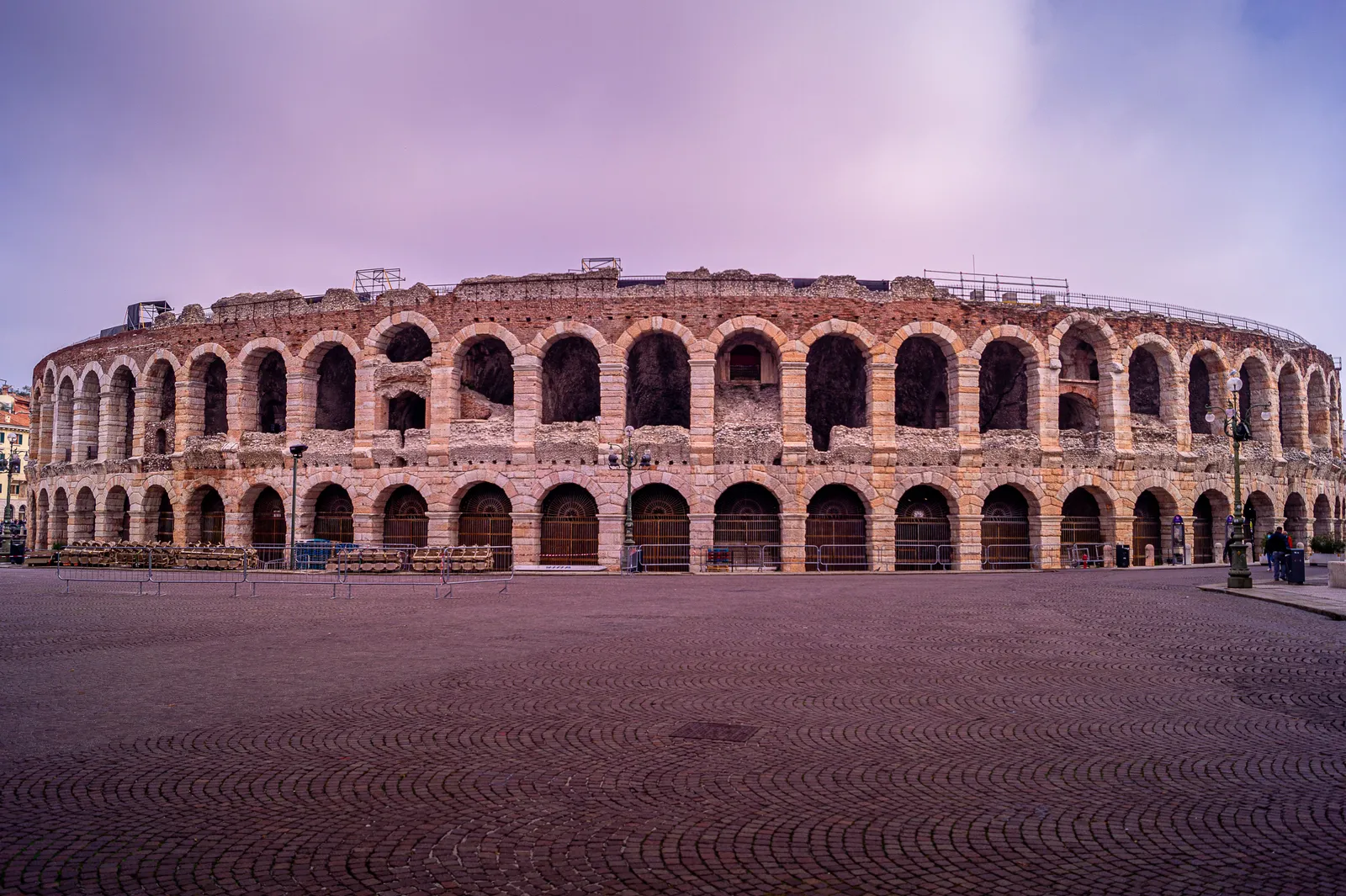
Verona is the stop people add because it is on the way and remember more fondly than half the places they planned. It has a Roman amphitheatre sitting in the main square that has been in use for two thousand years and still is, a compact centre of pink marble streets you can cross in twenty minutes, a river looping around it, food from a region that takes it seriously, and a fraction of the visitors that Venice absorbs an hour down the line. It also has a balcony that has nothing to do with anybody in a play, which is its own kind of fun.
The arena
A first-century Roman amphitheatre, smaller than the Colosseum and in considerably better condition, standing in the middle of the main square rather than in a ruin field.
It is still working. The summer opera festival stages enormous productions inside it, with audiences on the original stone steps, which is the reason the building has been maintained for two millennia rather than quarried.
You can go inside on non-performance days, and access is sometimes limited while staging is built or dismantled, so check if the interior is the point of your visit.
Opera tickets run from cheap unreserved places on the stone terraces to expensive seats near the stage. Book through the official festival site once your dates are set, since popular nights sell out.
Bring a cushion for the stone if you are on the steps, and something warm, because a summer night is long.
The centre
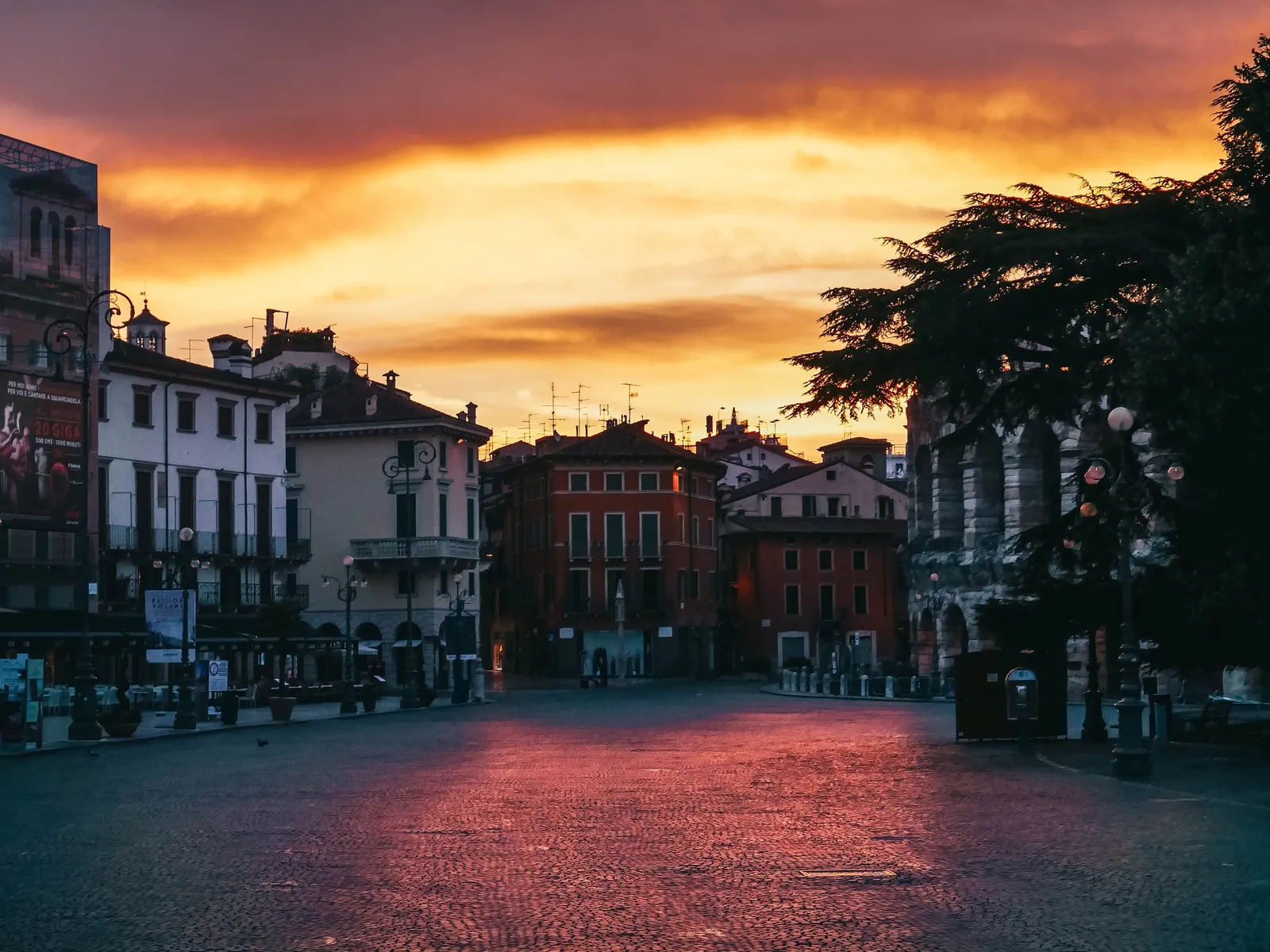
Piazza Bra, the big open square the arena stands on, is where the town gathers and eats outdoors.
Piazza delle Erbe, the old market square, is the prettier one: frescoed facades, a fountain, stalls and cafes.
Piazza dei Signori, through an arch behind it, is quieter and more architectural.
The Scaliger tombs, elaborate gothic monuments to the family that ran the city, sit just off it and cost nothing to look at through the railings.
The Roman theatre and the castle on the far bank are the second tier of sights, and both are worth an hour.
The balcony, honestly
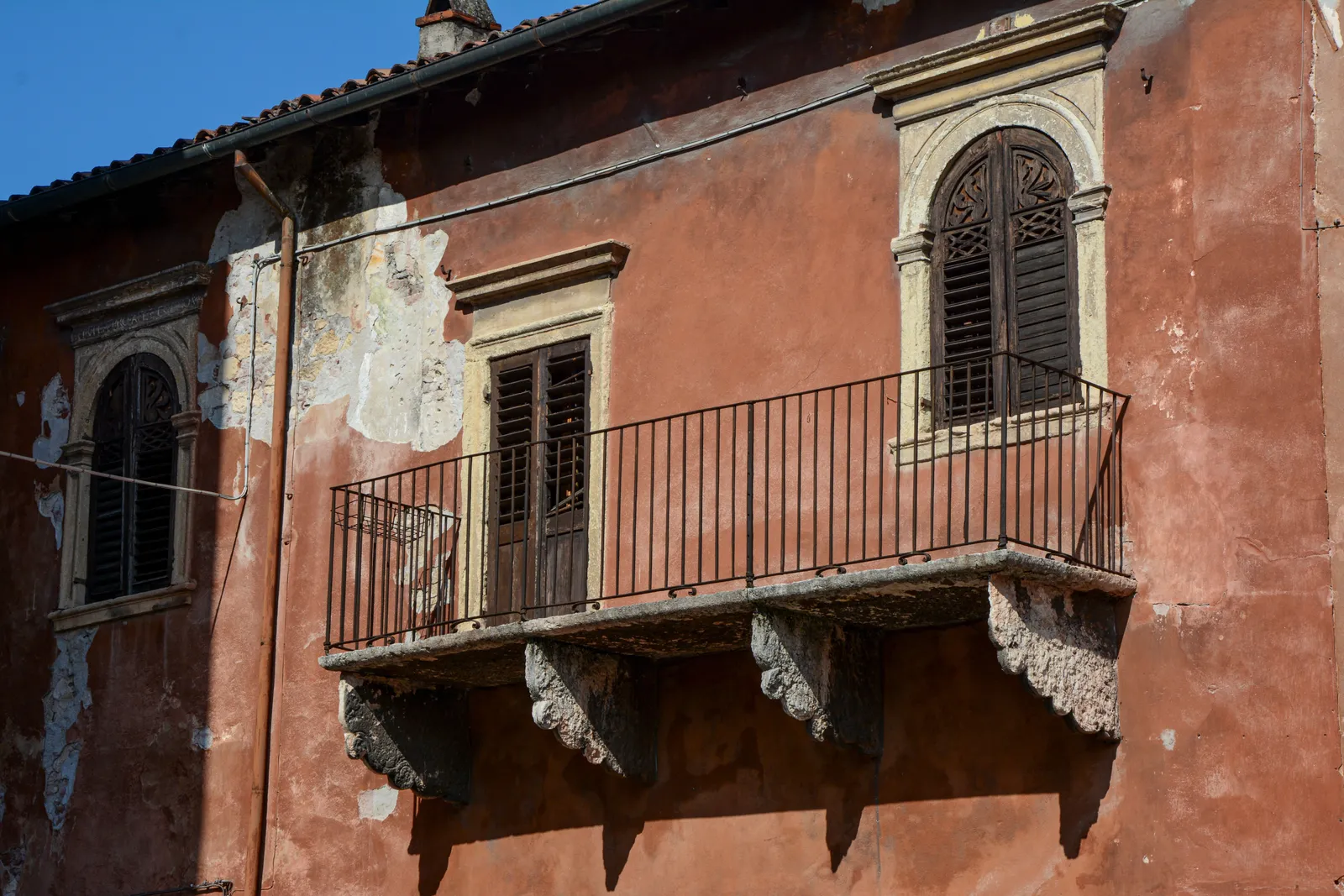
The courtyard with the balcony attributed to Juliet is free to enter, permanently crowded, covered in graffiti and love notes, and takes about five minutes.
The balcony was added in the twentieth century to a medieval house, which is worth knowing before you queue for a photograph.
The house itself is a separate small ticket and is a decent enough restored interior.
Nobody should plan around it and almost nobody manages to walk past. Go early if you want the courtyard without a scrum, treat it as a piece of tourism history rather than literary history, and move on to the squares.
Eating and drinking
This is a wine region and the reds from the hills around the city are among the best known in Italy, from the light everyday style to the big dried-grape wines.
A bar with cicchetti-style snacks at aperitivo hour is the local habit, and it is cheap.
Horse and donkey feature in traditional Veronese cooking, which surprises visitors and is worth knowing before you order at random.
The market square restaurants are convenient and priced for the view; two streets back is better.
How it fits a northern Italy trip
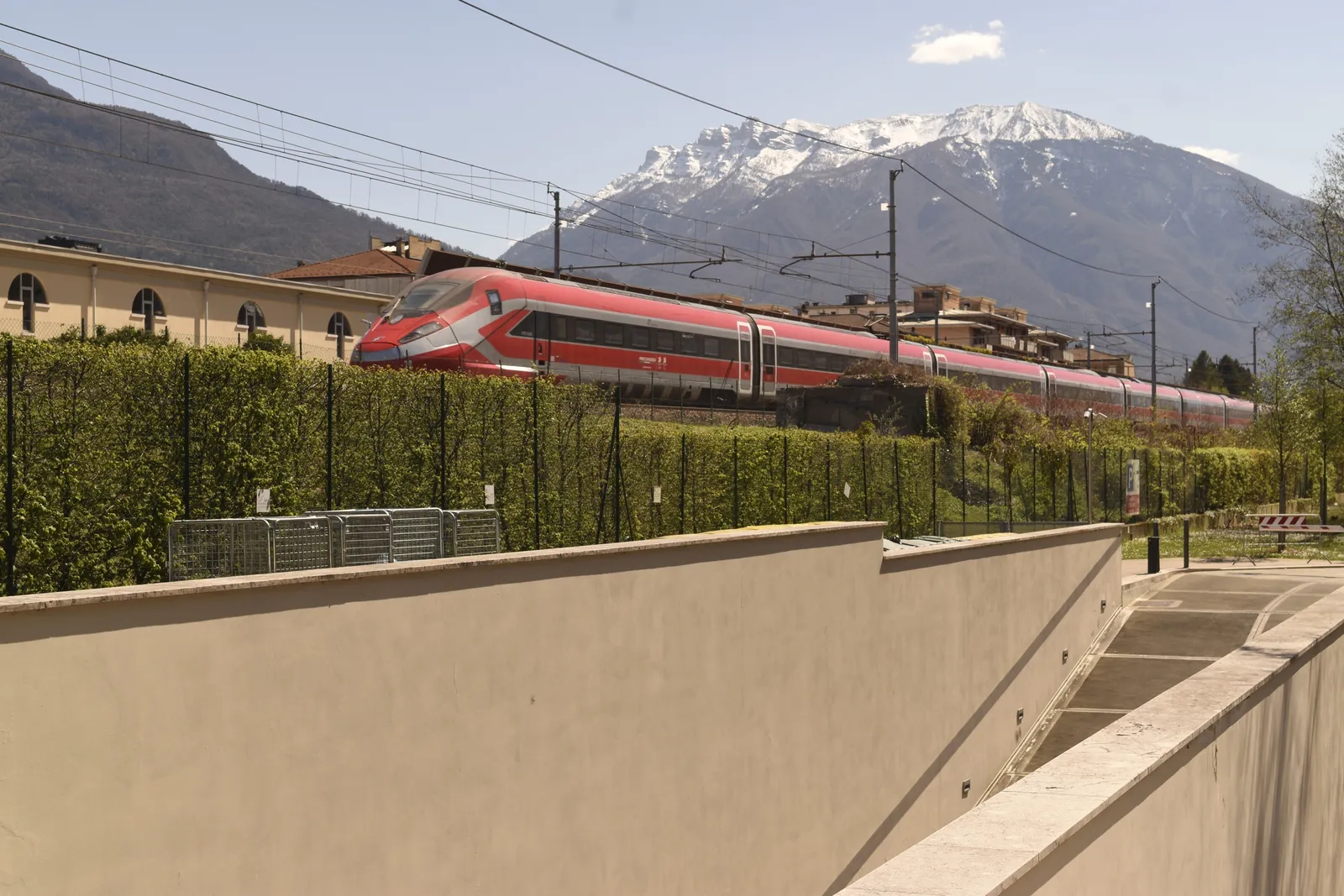
Verona sits on the main east to west rail line, which is what makes it so easy to add.
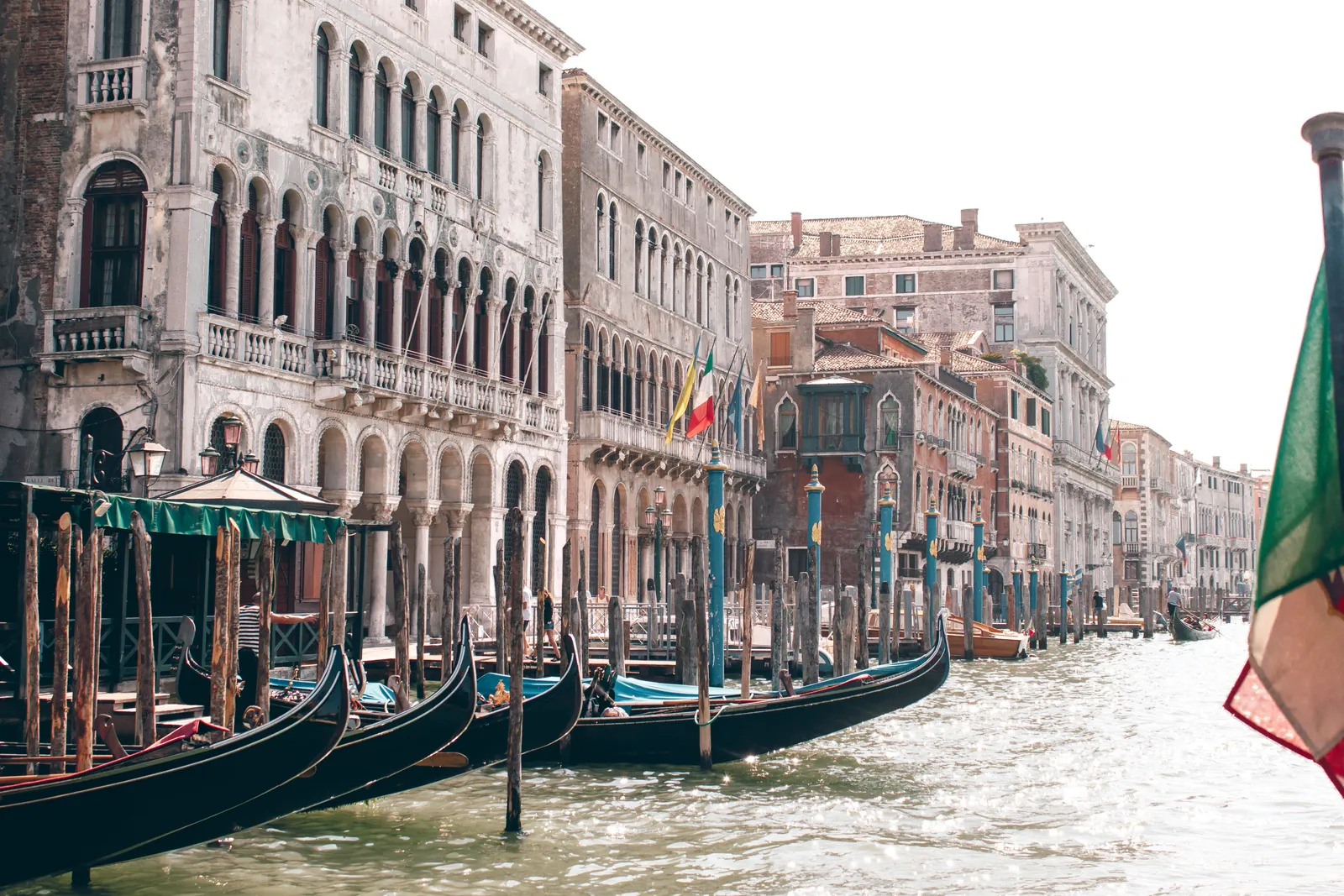
From Venice it is a short train, and the two make an obvious pair. Our first-time guide to Venice covers the city an hour east.
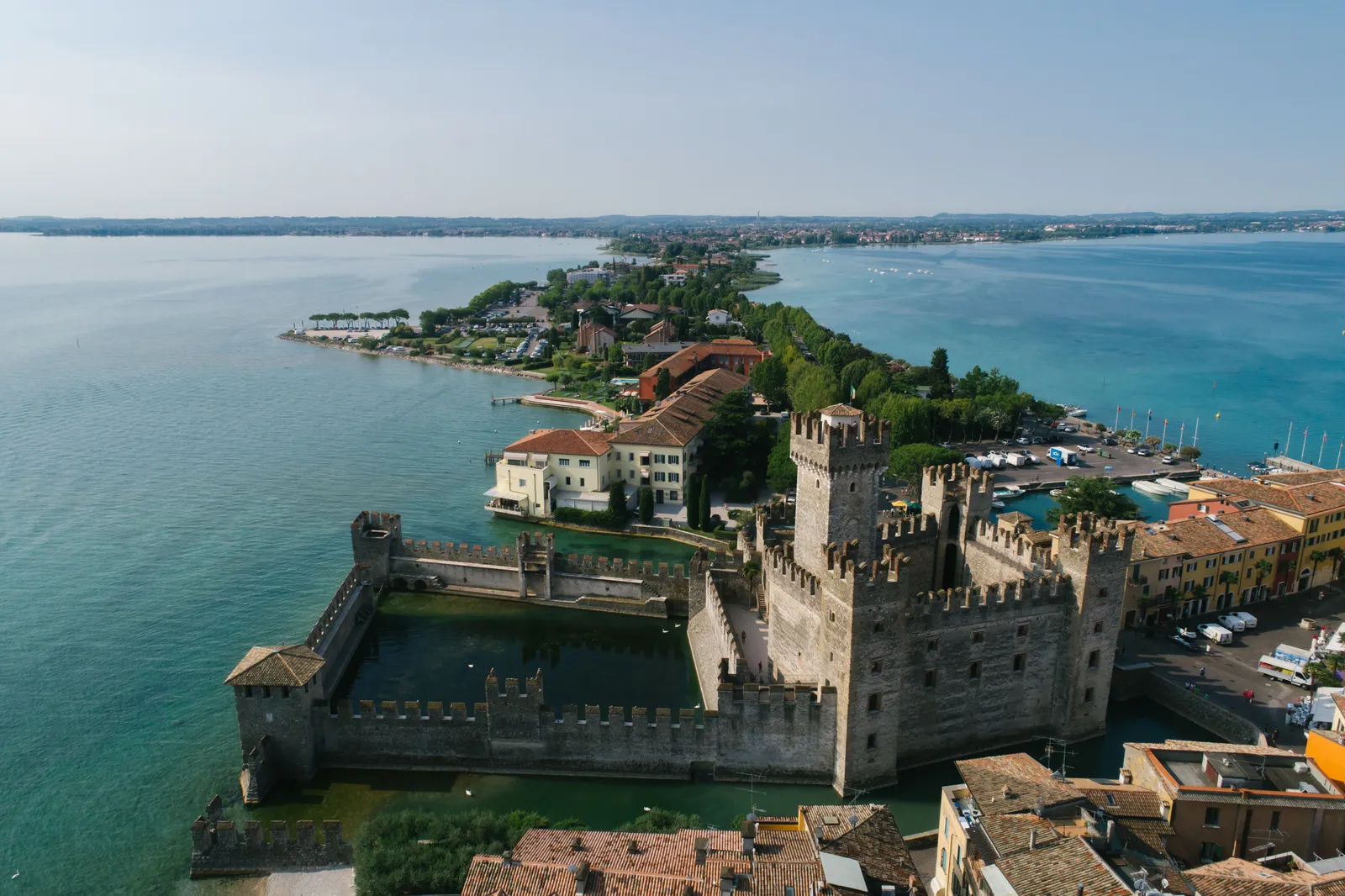
From Lake Garda it is very close, and Verona works well as a base for the southern end of the lake. Our guide to Lake Garda covers the towns and the ferries.
By rail generally, the north is the easiest part of Italy to travel without a car, and our guide to trains in Italy covers ticket types, the fast network and the regional lines that reach the smaller towns.
The short version
Give Verona a full day and preferably a night, because the evening in the squares is the best part and the day visitors miss it. Go inside the arena if it is not being staged, and book the official site early if you want an opera night on the stone steps. Walk up to the terrace above the river before sunset for the view nobody queues for. Give the balcony five minutes and no expectations. Eat two streets back from the market square, drink the local red, and use the town as a base for the southern lake rather than the other way round.