Venice is the most visited small city in Europe and the one most people get wrong, because they treat it as a sight rather than a place. Arrive at eleven, walk the marked route to the famous square, queue, eat badly on a terrace, leave at five, and you will have seen a beautiful theme park. Stay a night, get up early, walk in the wrong direction on purpose, and it becomes one of the strangest and best cities anywhere. Here is how the place actually works.
Getting there and in
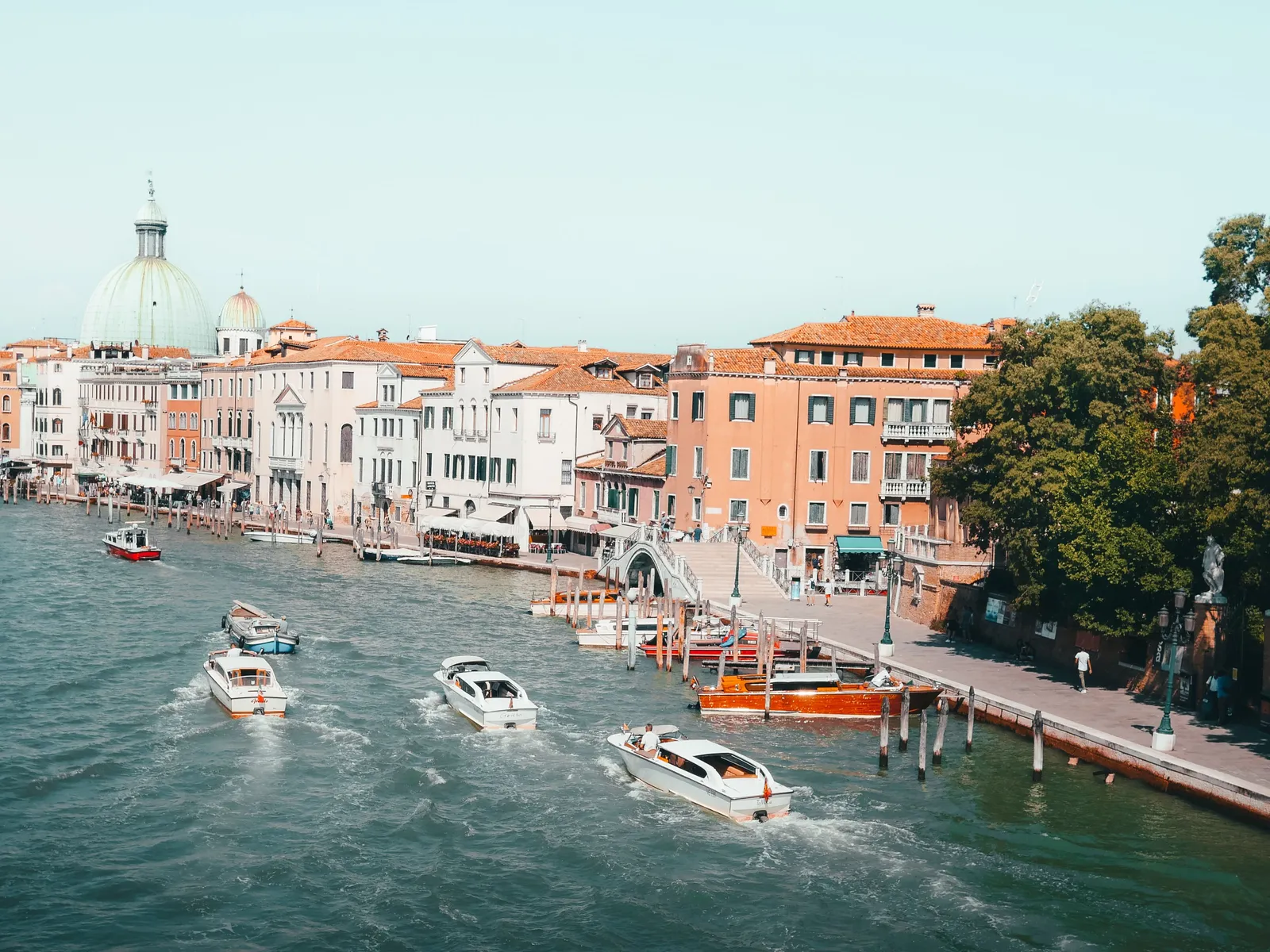
By train is the good way, arriving at the station on the edge of the city itself, where you walk out of the doors and the Grand Canal is in front of you. This is one of the great arrivals in travel.
By plane, the airport sits on the mainland with bus, land taxi and water transfer options, the last of which is expensive and memorable.
By car, you park at the edge and walk, because there is no driving in Venice at all. That is not a restriction, it is the city.
Luggage matters more here than anywhere else in Italy: there are bridges with steps everywhere and no taxis to your door. Pack light and know your route from the boat stop.
The shape of the city
Venice is divided into six sestieri, and knowing roughly where they sit does most of the navigational work.
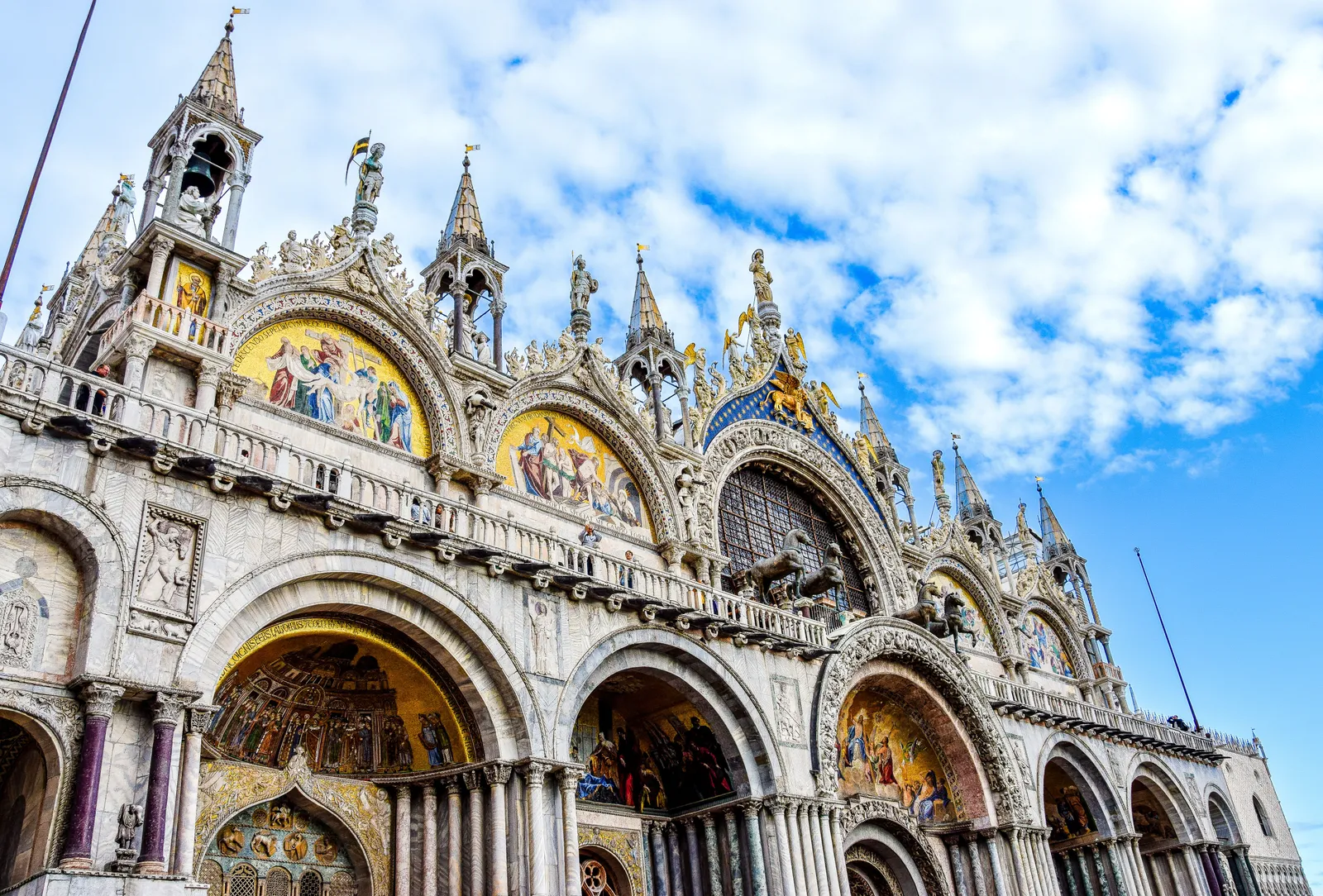
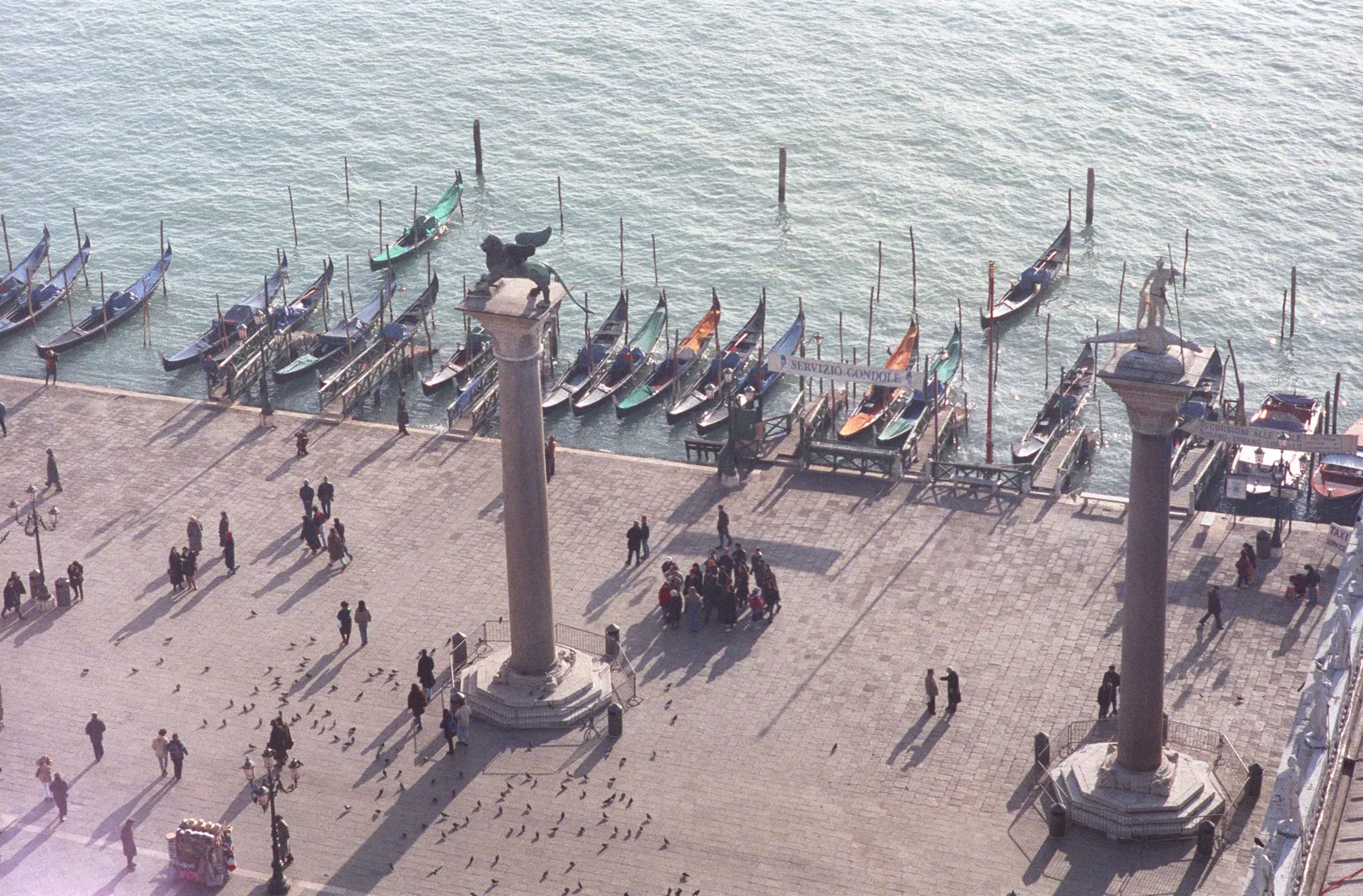
San Marco holds the famous square, the palace and the highest prices, and it is where the crowd concentrates.
Cannaregio and Castello are the big residential districts where the city still lives, with the best cheap eating and the emptiest lanes.
Dorsoduro is the university and gallery quarter, with a long sunny waterfront.
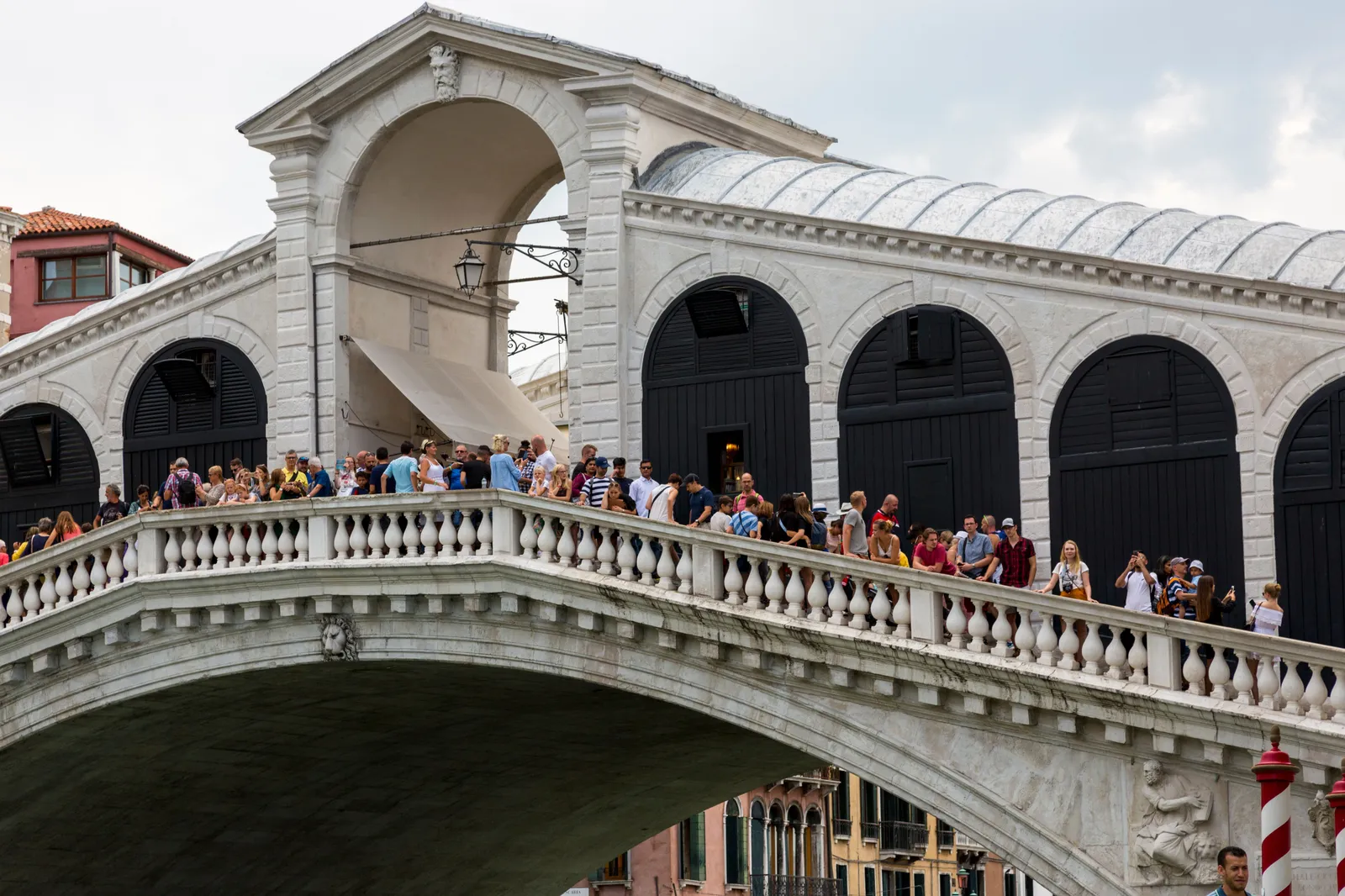
San Polo and Santa Croce hold the market, the Rialto and the tangle of lanes behind it.
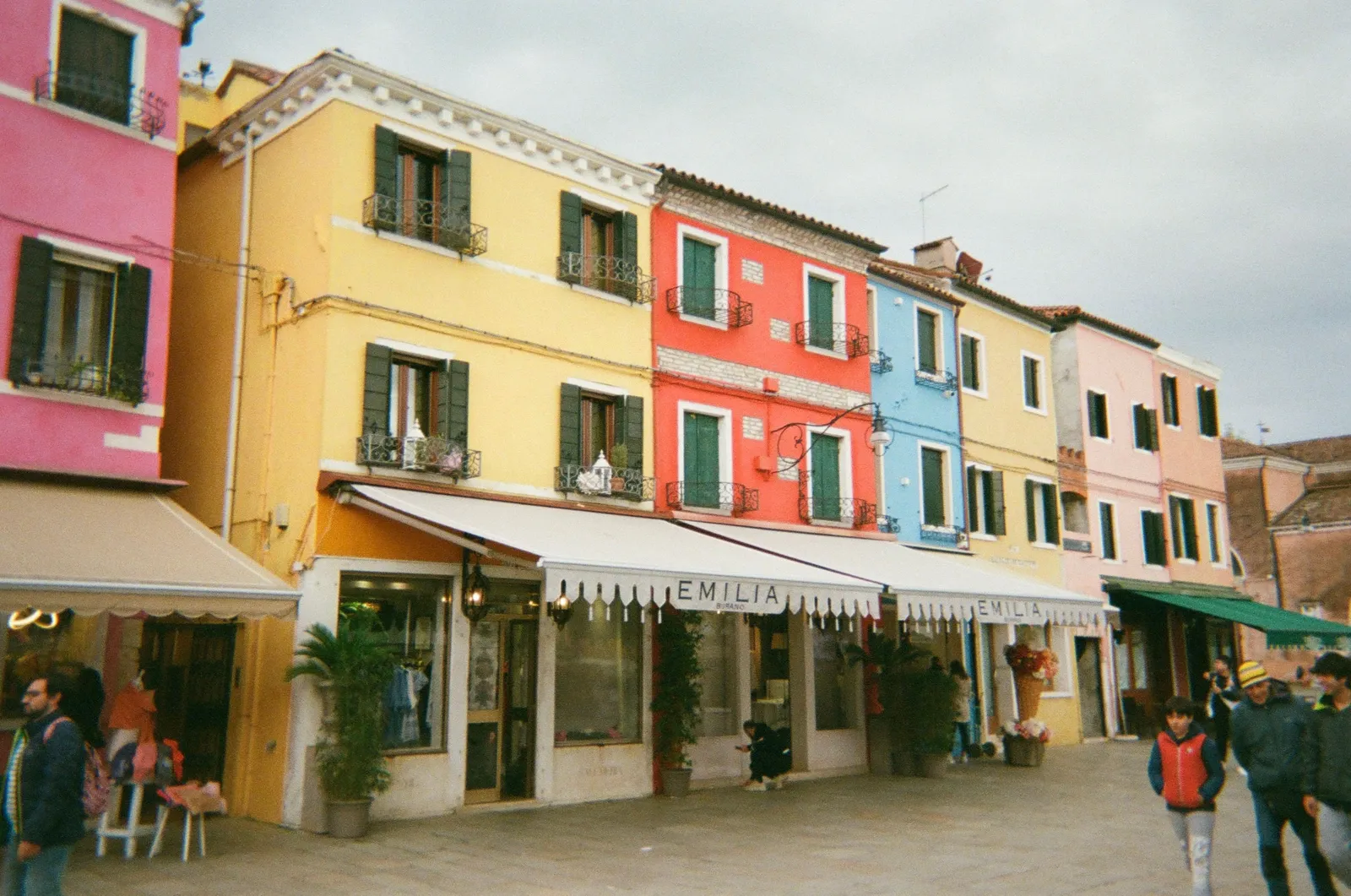
The outer islands, reached by vaporetto, are a separate day, and our guide to Murano and Burano covers the two that most visitors add.
Getting around
Walk. The city is small, the signs to the main points are painted on walls, and getting lost is genuinely part of it rather than a risk.
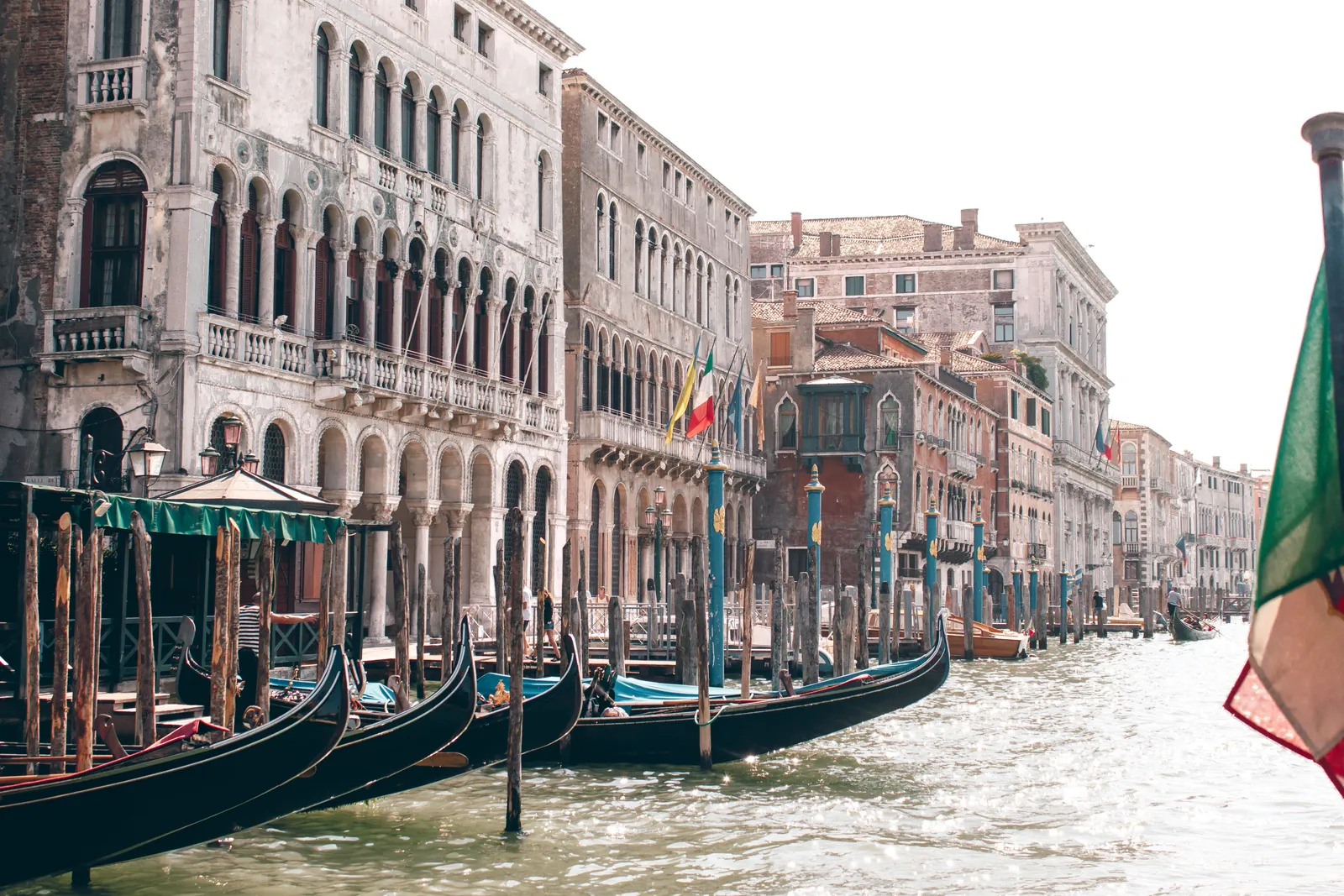
The vaporetto is the public waterbus, useful for the Grand Canal, the long walk you do not want to do and the islands. Day passes beat singles quickly.
The traghetto, a plain gondola ferrying people standing up across the Grand Canal at a few points, is a local shortcut for a very small fare.
Gondolas are a ride rather than transport, priced accordingly, and better in the quiet back canals than on the busy water.
Bridges have steps. Every route with wheels needs planning.
Eating without being fleeced
Avoid the tables with photographs on the menu, particularly around the main square and the station, which is the same rule as the rest of Italy and enforced harder here.
Eat cicchetti in a bacaro, the Venetian version of a small plate at a standing bar with a glass of wine. It is cheap, excellent and the best thing about eating here.
Go where the lane is narrow and the room is small.
The city eats early by Italian standards, and the good small places fill.
Practical notes
High water is a seasonal possibility rather than an emergency, mostly in autumn and winter, with raised walkways put out and warnings issued in advance.
An access charge for day visitors applies on certain dates and requires registration, and overnight guests are treated differently. Because the rules and the dates have changed since it began, check the current position before you travel rather than trusting an older article. Our guide to the Venice access fee covers how the system has worked and what to check.
Water is free from the public fountains around the city, which are drinkable and everywhere.
Sit-down and stand-up prices differ, legitimately and clearly, at every bar in Italy.
For the wider groundwork of a first Italian trip, from the eating hours to the train network, our first-time guide to Italy covers everything this article assumes.
The short version
Sleep in Venice rather than on the mainland, even if the room is small, because the empty evening city is the entire point. Give it two full days. See the famous things at opening or late in the afternoon and spend the middle of the day in Cannaregio, Castello or on the islands. Walk everywhere and buy a vaporetto day pass only if you will really use it. Eat cicchetti standing up in a bacaro rather than sitting down near the square. And check the current access rules before you go if you are not staying the night.