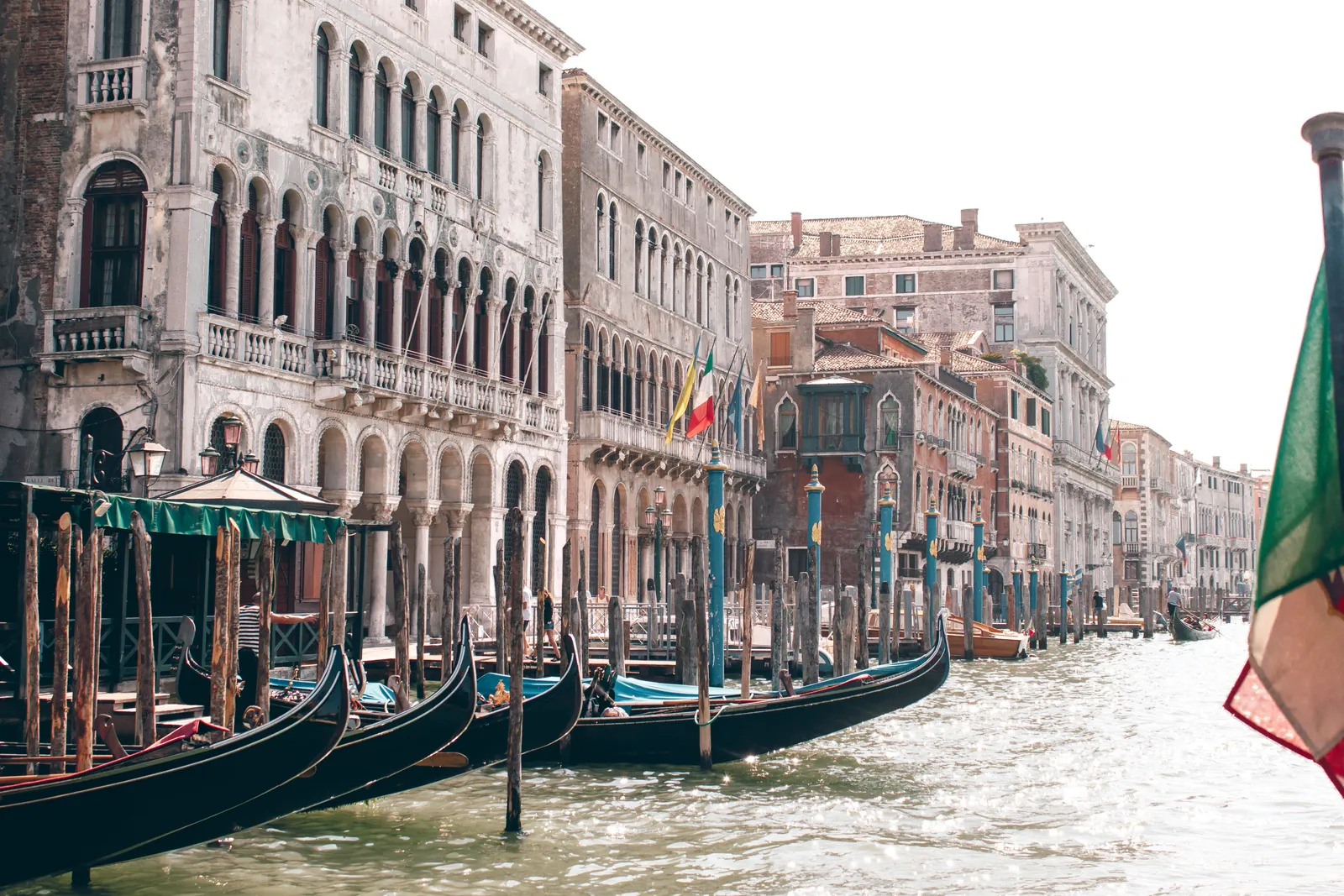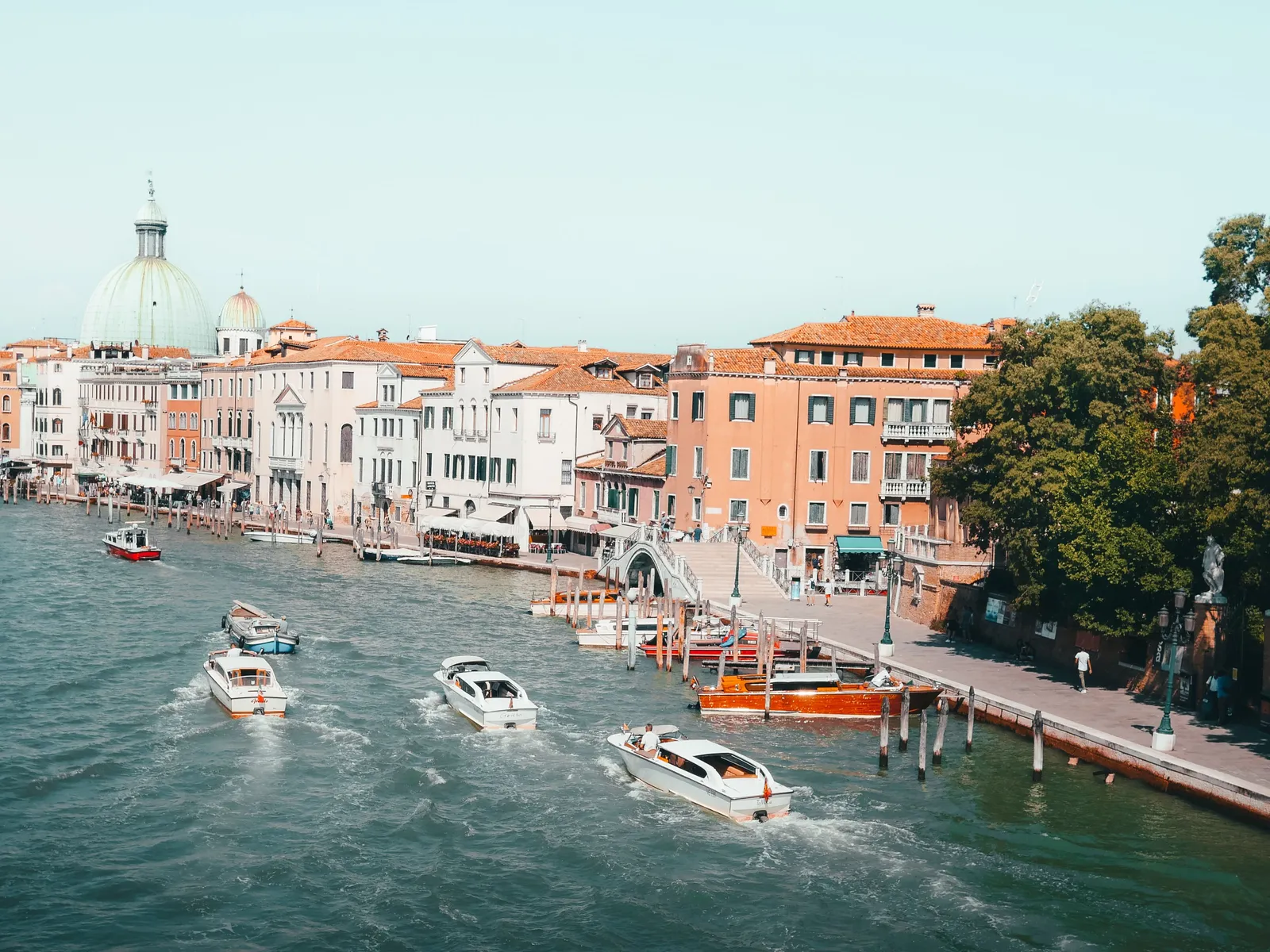
The lagoon around Venice holds a scattering of inhabited islands, and two of them absorb almost all the visitors: Murano, where the glass furnaces were moved in the thirteenth century to keep fires away from a city built of wood, and Burano, where the fishermen painted their houses in colours you can pick out from the water. They are usually sold as a half day. They are a full one, and the ratio most people get wrong is spending too long on the first and not enough on the second.
Getting out there
By vaporetto, the public waterbus, from the northern side of Venice or from the main waterfront, with services to Murano frequent and services onward to Burano considerably less so.
Murano is close and Burano is a genuine trip across open lagoon, which is the part visitors do not expect from a map.
A day pass pays for itself the moment you make more than a couple of hops.
Check the return times before you settle in for a late lunch on Burano, because the last useful boats back are earlier than you would like.
The ride itself is the point on the outer legs, past mudflats, marker poles and the occasional fisherman, and it is one of the better free experiences in Venice.
Murano
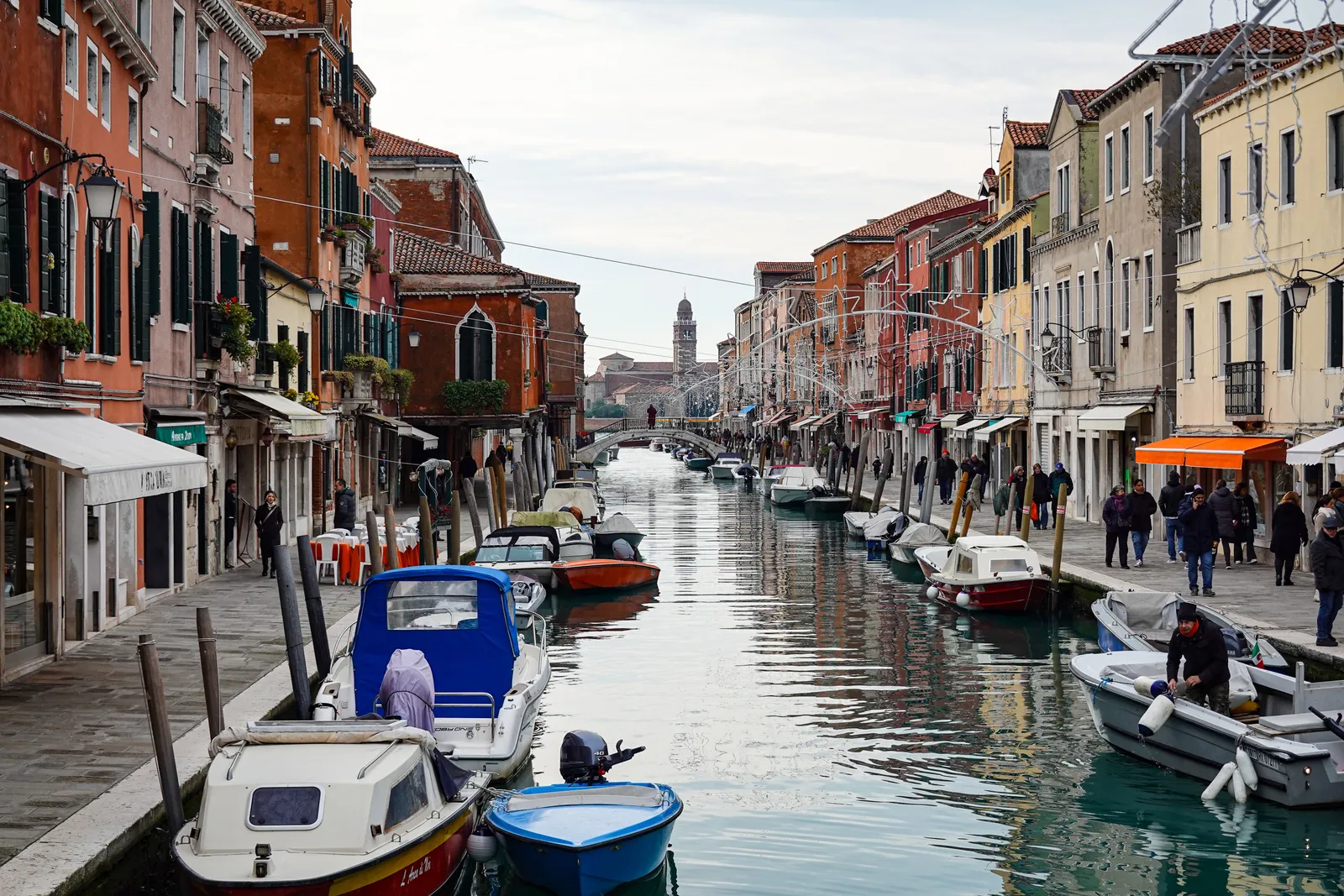
What it is. A working island of several small islands joined by bridges, with its own canals, a glass museum, showrooms and a basilica with a fine mosaic floor.
The glass is the reason to come. Furnace demonstrations are widely offered, frequently free to watch, and genuinely impressive: a blob of molten glass becomes a horse in about ninety seconds.
The sales visit follows, which is the arrangement rather than a trap. Watch, enjoy it, and buy only if you want to.
Real Murano glass is expensive and a great deal of cheap glass sold under the name is made elsewhere. If you are spending seriously, ask about the origin marks and buy from an established workshop.
An hour or two is enough for most people, plus longer if the museum interests you.
Burano
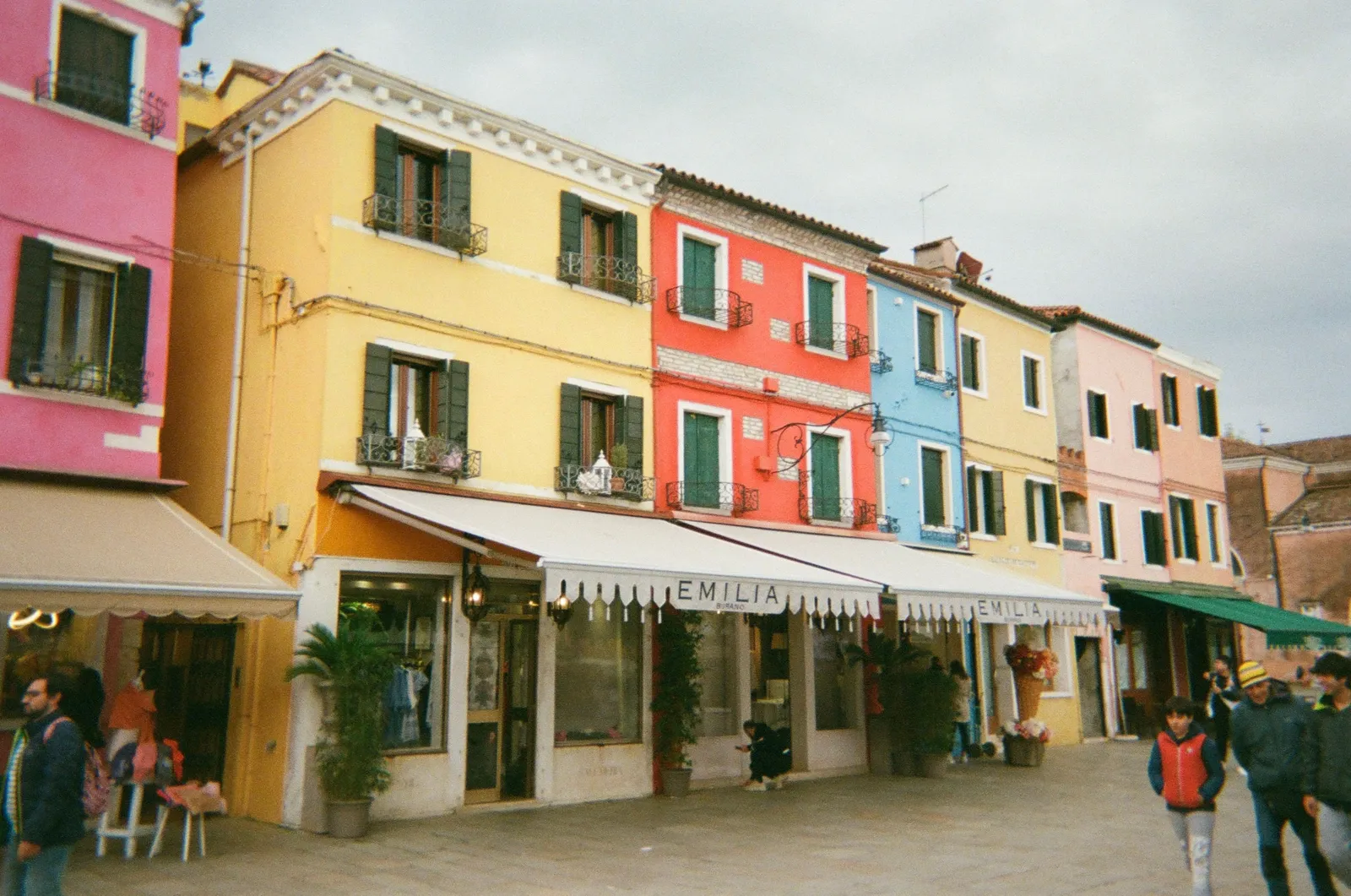
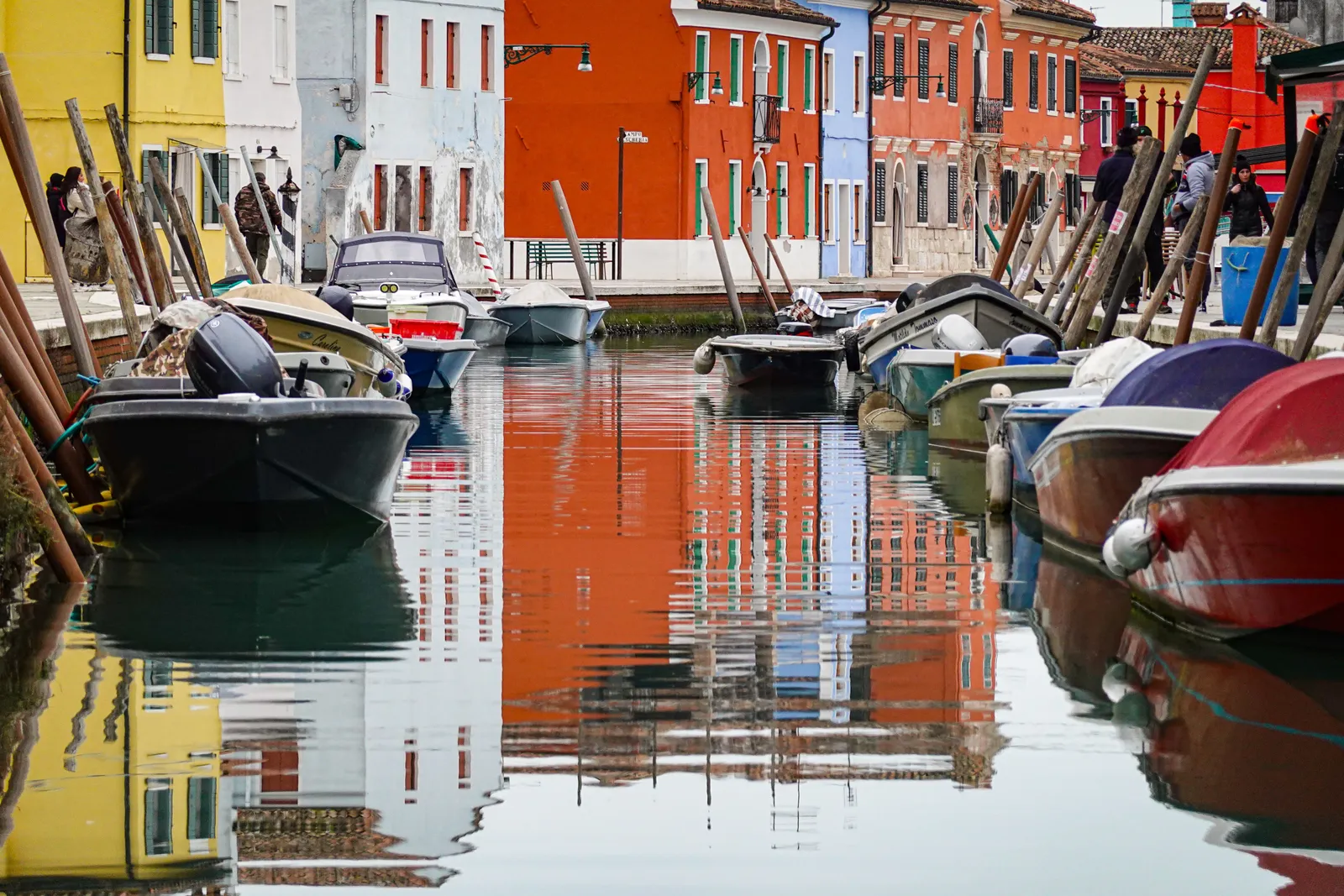
What it is. A small fishing island of canals lined with houses painted in strong, flat colours, with a bell tower that leans visibly and a tradition of lace making.
The colours are the attraction and they photograph better than they have any right to, particularly early and late.
It is small. You can walk the whole island in well under an hour, which is exactly why it rewards slowing down instead.
The lace is the local craft, with a museum and a number of shops, and the same authenticity caution applies as with the glass.
Eating here is good, with fish restaurants that are a step up from most of what you find near San Marco, and lunch on Burano is a genuinely nice part of the day.
Torcello, if you have the hour
Close to Burano and almost deserted, Torcello was the first part of the lagoon to be settled and was once far more important than Venice.
The cathedral holds Byzantine mosaics, including an enormous Last Judgement, that are among the oldest and best in Italy.
There is almost nothing else, which is the appeal: grass, a canal, a handful of buildings and quiet.
It adds an hour or so to the day and it is the part visitors most often say they are glad they did.
Practical notes
Boats fill at the main departure points in season, and you may not get on the first one.
There is no rush on the islands and plenty of rush on the boats, which is the rhythm of the day.
Bring water and sun cover. Burano has almost no shade and the lagoon light is strong.
Cards are widely accepted and small purchases are still easier with some cash.
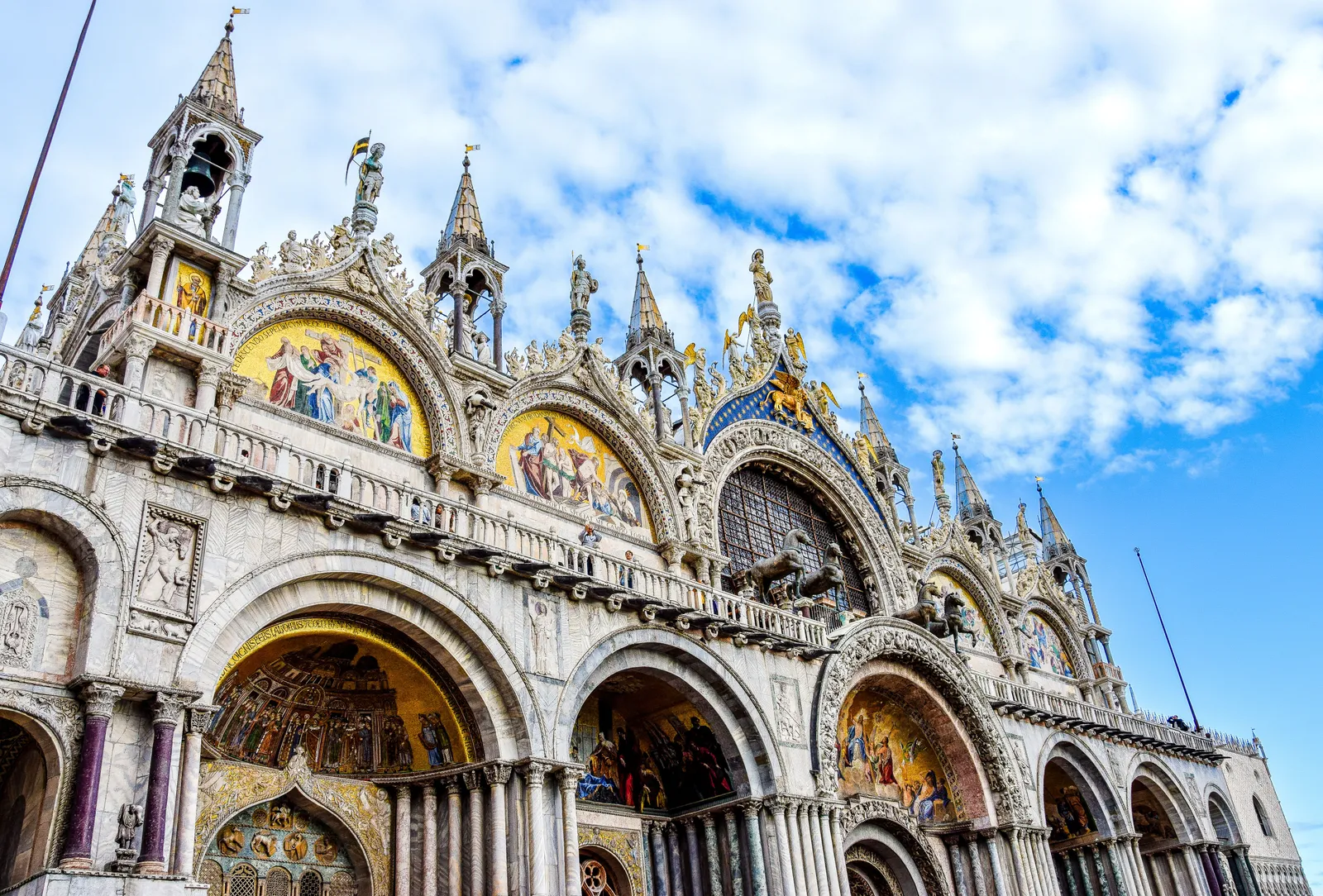
For the city these islands belong to, and how to handle its daily crowd tide, our first-time guide to Venice covers the groundwork. The two ticketed buildings on the main square are a separate half day, covered in our guide to St Mark’s Basilica and the Doge’s Palace.
How this fits a northern Italy trip
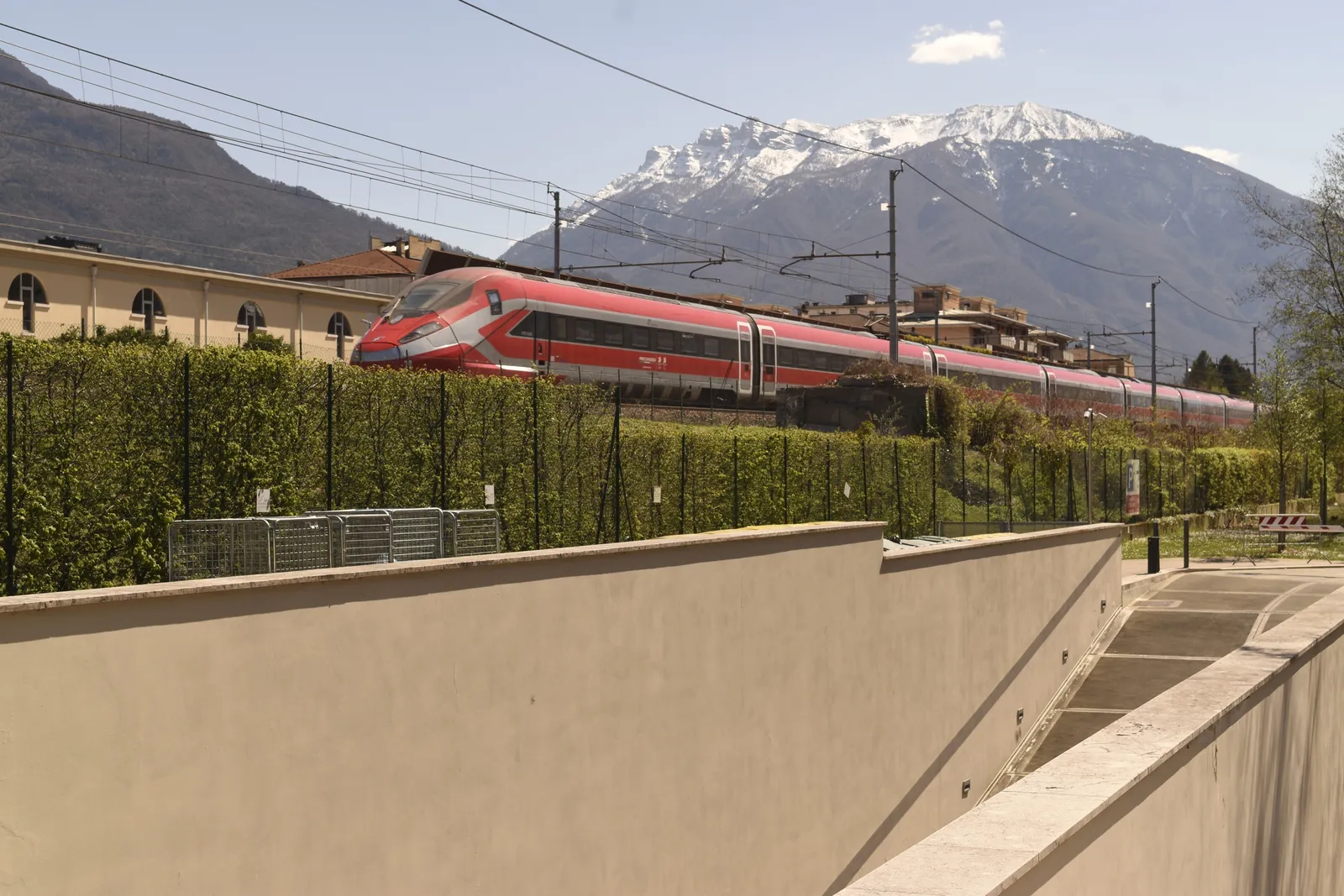
Venice sits on the main rail line across the north, which is why the lagoon fits so easily into a wider trip with Verona, Milan and the lakes rather than being a destination on its own. Our guide to trains in Italy covers how those connections work and why the north is the easiest part of the country to travel without a car.
The short version
Treat Murano and Burano as a full day rather than a morning, and weight it towards Burano. Buy a vaporetto day pass, do Murano first for a glass demonstration and a walk, then take the long ride out and stay on Burano into the late afternoon when the trips have gone. Add Torcello for the mosaics and the silence if you have an hour. Check the last boat back before lunch rather than after it, and buy glass or lace only from somewhere that can tell you where it was made.