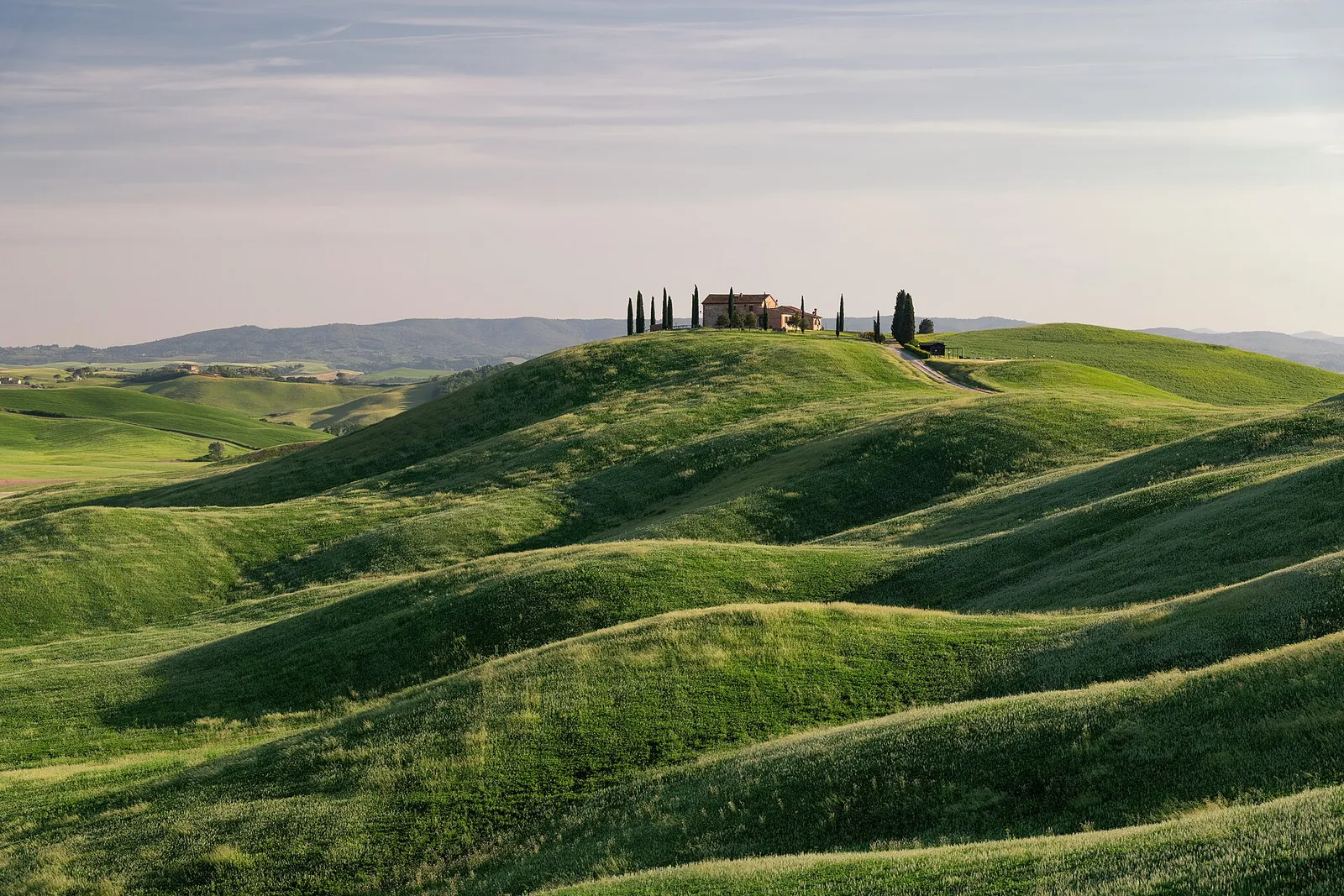
Italy stretches more than 1,000 kilometres from the Alps to Africa-facing Sicily, so asking about “Italy weather” is really asking about three climates at once. The north does foggy winters and stormy Alpine summers, the centre does the classic Mediterranean rhythm, and the south does long, hot, dry seasons that blur the edges of summer. Get the month right for the region you care about, and the whole trip clicks into place.
The three Italys
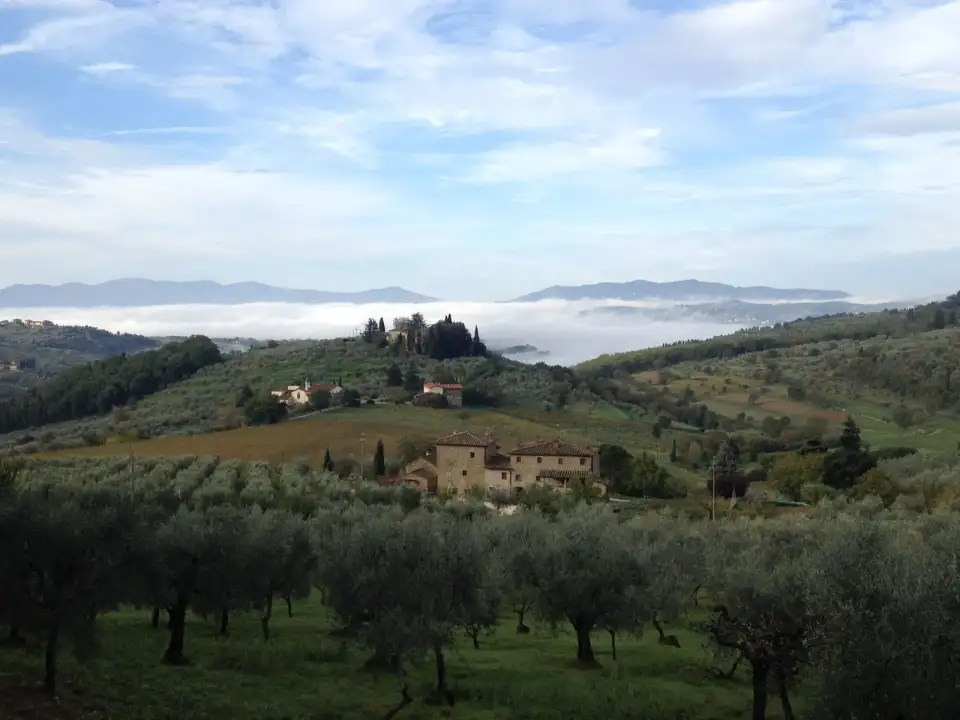
The north (Milan, Venice, the lakes, the Dolomites) has real winters: cold, damp, often foggy in the Po valley, snowy in the mountains. Summers are warm to hot with afternoon thunderstorms in the Alps. The centre (Rome, Florence, Tuscany) is textbook Mediterranean: mild wet winters, hot dry summers, glorious springs and autumns. The south and the islands (Naples, Puglia, Sicily, Sardinia) are the mildest in winter and the hottest and driest in summer, with a beach season that stretches from June well into October.
A useful rule of thumb: the south runs about a month ahead of the north in spring, and a month behind it in autumn. April in Sicily feels like May in Venice.
Altitude complicates this in a way the map does not show. Florence sits in a basin and holds summer heat; hill towns an hour away are several degrees cooler in the evening. The same trick works in reverse in winter, when the Po valley sits under grey fog while the mountains above it are in clear sunshine. If a forecast looks wrong for where you are going, check whether you are reading a valley number or a ridge one.
Month by month
Winter: January, February and December
January and February are the quiet heart of winter. Milan and Venice hover near freezing, Rome sits around 8 to 13 degrees Celsius, Palermo manages mild sunny spells. Museums are empty, hotel prices bottom out, and the Alps and Dolomites are in full ski season. Carnival lights up Venice in February.
December brings Christmas markets to the Alpine north, festive lights everywhere, and crisp, quiet sightseeing between the holidays. The catch is daylight: the afternoons are short, so two major sights a day is a realistic plan rather than three.
Spring: March, April and May
March is the wake-up: almond and cherry blossom in the south, changeable skies everywhere, Rome climbing into the mid-teens. Pack layers and a rain shell.
April is when the centre and south turn genuinely lovely, with wildflowers across Tuscany and Puglia and Easter crowds in Rome as the one caveat. The north can still be brisk. Easter moves from year to year, so check where it falls before you assume April is quiet.
May is arguably the finest all-round month: 20 to 25 degrees Celsius almost everywhere, long evenings, green landscapes, and a sea that is already tempting in Sicily.
Summer: June, July and August
June brings early summer at its best: hot but rarely punishing, seas warming fast, mountain trails in the Dolomites opening as the snow clears. Crowds build through the month.
July is high summer: 30-plus degrees in the cities, dry heat in the south, packed beaches, and thunderstorms rumbling around the Alps in the afternoons. Sightseeing works best before 11am and after 5pm.
August is the hottest, busiest, most Italian month. Around Ferragosto (August 15) the cities half-empty as locals head for the coast, and many family-run trattorias and shops close for two or three weeks. Heatwaves can push Rome and Florence past 35 degrees. If August is your window, favour the mountains, the lakes or the sea, and book everything far ahead.
Autumn: September, October and November
September is the connoisseur’s summer: the heat softens, the sea is at its warmest, the wine harvest fills Tuscany and Piedmont, and the crowds thin week by week. Early September still feels like summer; late September is pure shoulder-season gold.
October is beautiful and moody: golden vineyards, 18 to 24 degrees in the centre and south, swimmable seas in Sicily into mid-month, and the first serious rains. November is the wettest month for much of the country, with Venice’s occasional acqua alta; it is the price the lagoon pays for its magic, and city museums remain a fine consolation.
Best month by trip type
| Trip type | Best months | Avoid |
|---|---|---|
| Rome, Florence, Venice cities | April to June, September, October | August heat, Easter week crowds |
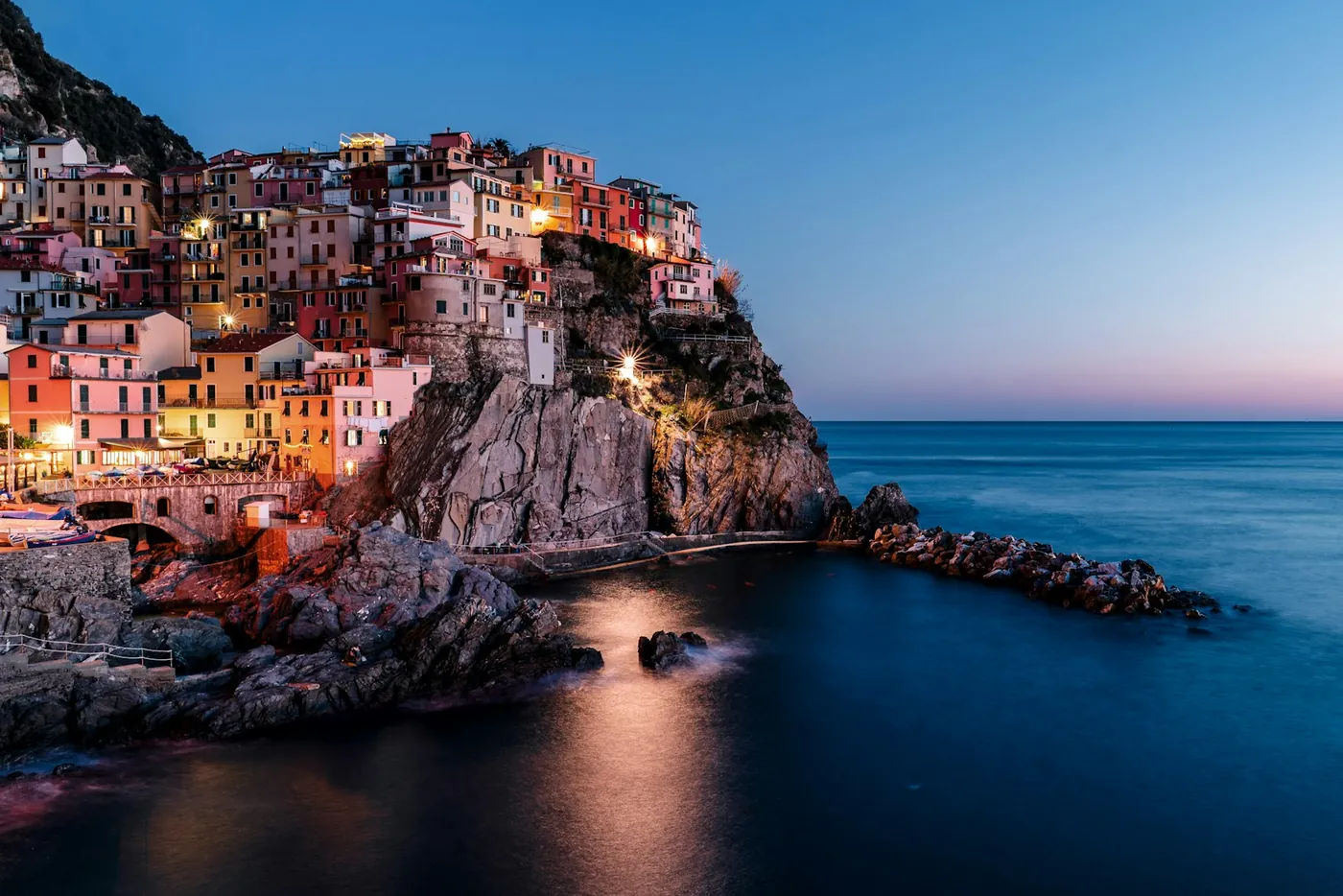
| Beaches (Amalfi, Sicily, Sardinia) | June, September (warm sea, fewer people) | November to April, many towns closed |
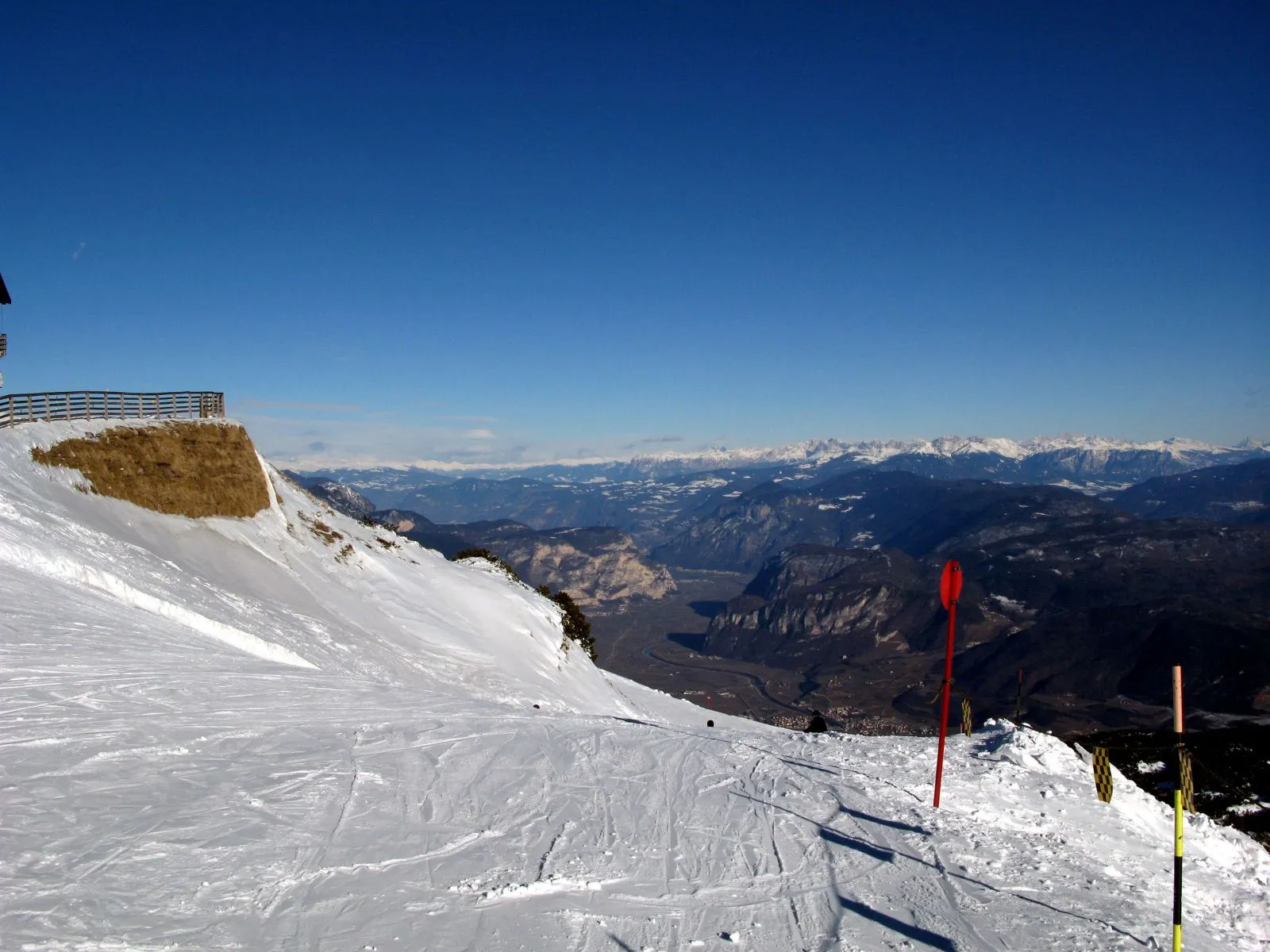
| Dolomites hiking | Late June to September | October to May, trails snowbound |
| Tuscany and wine country | May, September, October harvest | August, hot and busy |
| Skiing in the Alps | January to March | Outside December to April |
| Budget and museums | November to February (not Christmas week) | Peak summer prices |
What the temperature chart does not tell you
A monthly average hides the two things that actually decide how a day feels. The first is humidity. A dry 33 degrees in inland Sicily is easier to walk around in than a muggy 30 in Venice or the Po valley, where the air sits still and the evening brings no relief. The second is the sun on stone. Roman and Florentine streets store heat all afternoon and radiate it back at you, which is why the same temperature reading feels one way on a hillside and quite another in a piazza at four o’clock.
Then there is daylight, which swings hard between the seasons. Midsummer evenings stay usable long after dinner, which is when Italian cities are at their best. Midwinter afternoons close early, so a December itinerary that looked reasonable on paper turns into a rush at three o’clock. Plan fewer, longer stops in winter and let the evening do the work in June.
The scirocco is worth knowing by name. It is the wind that pushes hot, hazy air up from North Africa across the south, and it can add several degrees and a dusty sky to Sicily and Puglia for a few days at a time, often in spring and autumn rather than the depths of summer.
Rain, storms and acqua alta
Italian rain is rarely the drizzle that visitors from northern Europe expect. Spring showers in March and April tend to be short and sharp, clearing to bright skies within the hour. Autumn is different: October and November deliver genuinely heavy rain across much of the country, sometimes for days.
Summer storms follow a daily rhythm rather than a weekly one. In the Alps and Dolomites, clear mornings build into afternoon thunderstorms, which is why mountain walkers set out early and are back down by mid-afternoon. In the far south, summer is close to bone dry, and a rainy day in Sicilian July is genuinely unusual.
Venice deserves its own paragraph. Acqua alta, the seasonal high water that floods the lowest parts of the city, peaks in late autumn and early winter. It is a normal event rather than a disaster, the city is well organised around it with raised walkways, and the MOSE barriers now hold back many of the higher tides. Check the tide forecast for your dates, pack shoes you do not mind soaking, and treat it as part of the experience rather than a reason to change your trip.
Surviving the cities in high summer
If July or August is your only window, the trip is entirely doable, it just runs on a different clock. Italians already know the answer and you can copy it: be out early, disappear in the middle of the day, come back out in the evening. Major sights before eleven, a long lunch and a rest through the worst of the afternoon, then the city again from five o’clock until late.
Book timed entry for anything with a queue, because standing in a line without shade is where hot days go wrong. Carry water and refill it, since public drinking fountains are common in Rome and several other cities and the water is good. Favour churches, galleries and cellars for the middle hours, which are cool by design. And be realistic about how much walking a family with small children or an older traveller will manage at 35 degrees, because the honest number is much lower than at home.
The calendar matters as much as the thermometer
Weather is only half of what makes a month feel busy or quiet. Ferragosto in mid-August is the big one, when Italian holidays empty the cities and shut a slice of the family-run economy for two or three weeks. Easter fills Rome in particular and moves date every year. The run from Christmas to Epiphany in early January is festive, atmospheric and fully booked.
On top of the national calendar sit local patron saint days, which are specific to each city and can quietly close shops and offices for a day in an otherwise ordinary week. None of this is a reason to avoid a date, but it does explain why a supposedly quiet month can feel packed, and it is a five-minute check before you book.
When the weather does not cooperate
Build a wet-day plan into every itinerary and you will never lose a day. Every major city has more indoor art than you can see in a week, and a rainy morning is the best time to visit the gallery you were going to queue for in the sun. Coastal boat trips and mountain lifts, on the other hand, are the first things to be cancelled, so put them early in your stay and keep a spare day behind them.
The plans most exposed to weather are the ones with a non-refundable commitment attached: a ferry crossing, a hut booking, a peak-season villa. That is the real argument for cover rather than a general worry about storms, and our guide to travel insurance for an Italy trip sets out what is normally covered and what is not, including the point most people miss, which is that cover bought after a named storm is already forecast rarely helps.
Planning around the weather
Two practical notes. First, the shoulder seasons are no longer a secret: May and September hotels on the Amalfi Coast and in Venice sell out months ahead, so early booking matters more in the “quiet” months than it used to. Second, weather shapes logistics: summer in the Dolomites means booking mountain huts ahead, while a winter city trip pairs perfectly with Italy’s fast trains, which shrug off weather that would ground short flights.
Season should also nudge which cities you pick, not just when you go. A hot August favours the one with more shade, more indoor art and shorter distances between sights, while a crisp November favours the one that is atmospheric in the rain. If that choice is still open, our comparison of Rome and Florence weighs them against each other. And if you are still choosing your first route through the country, our first time in Italy guide pairs regions with seasons in more detail.
The short version
May, June and September are the golden months almost everywhere. Go April or October for quieter cities and lower prices, July for beach-and-mountain summers, and winter for empty museums and Alpine snow. Treat August with respect: sea and mountains yes, city marathons no. Check the holiday calendar as well as the forecast, keep a wet-day plan and a refundable room, and remember the thousand-kilometre rule: if the weather looks wrong in one Italy, another Italy is usually having a perfect day.
Which month are you circling, and is it the weather or the crowds you are trying to dodge?