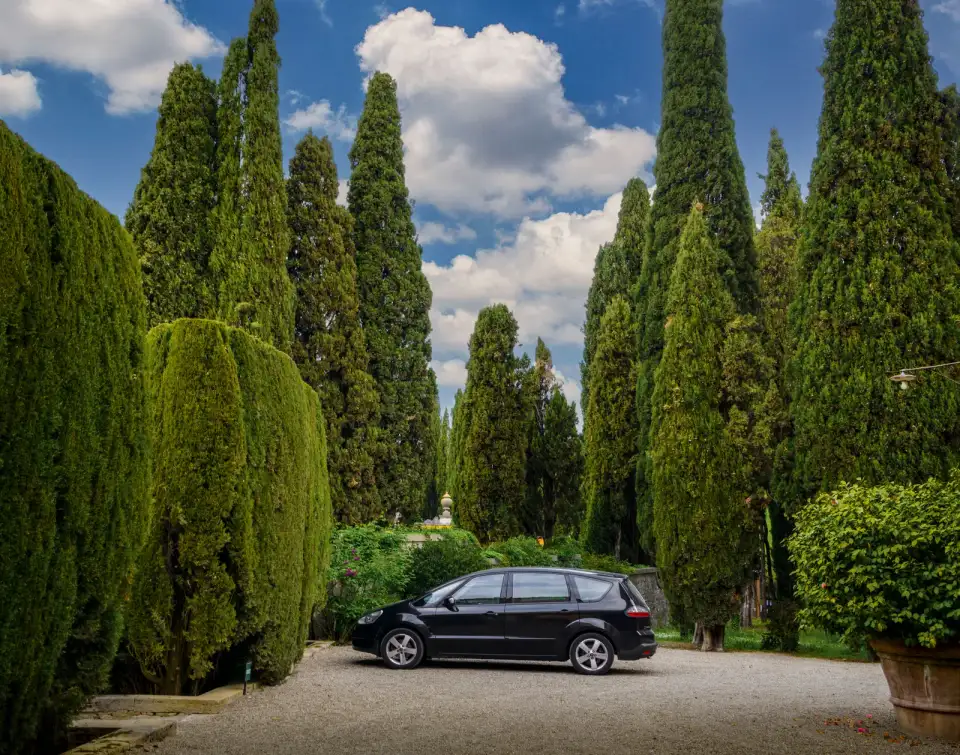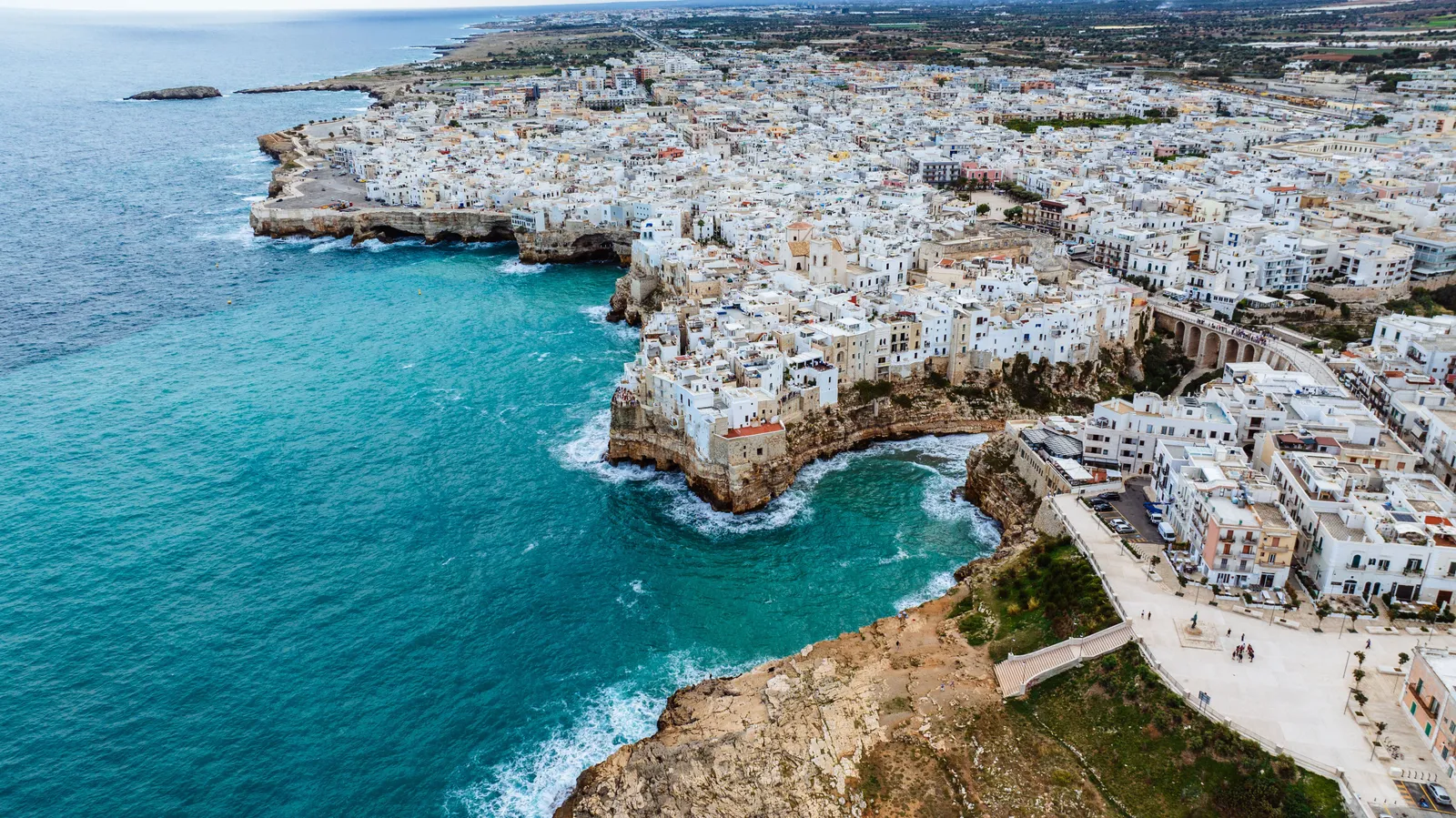
Puglia is the heel of Italy and it is the easiest road trip in the south. It is flat, the towns worth stopping in are close together, it has sea on both sides with completely different characters, the food is exceptional and inexpensive, and it has a landscape of olive groves, dry stone walls and dazzlingly white towns that looks like nowhere else in the country. It has been discovered over the last decade or so, which shows in a handful of fashionable places and not at all in most of the region.
The parts of the region
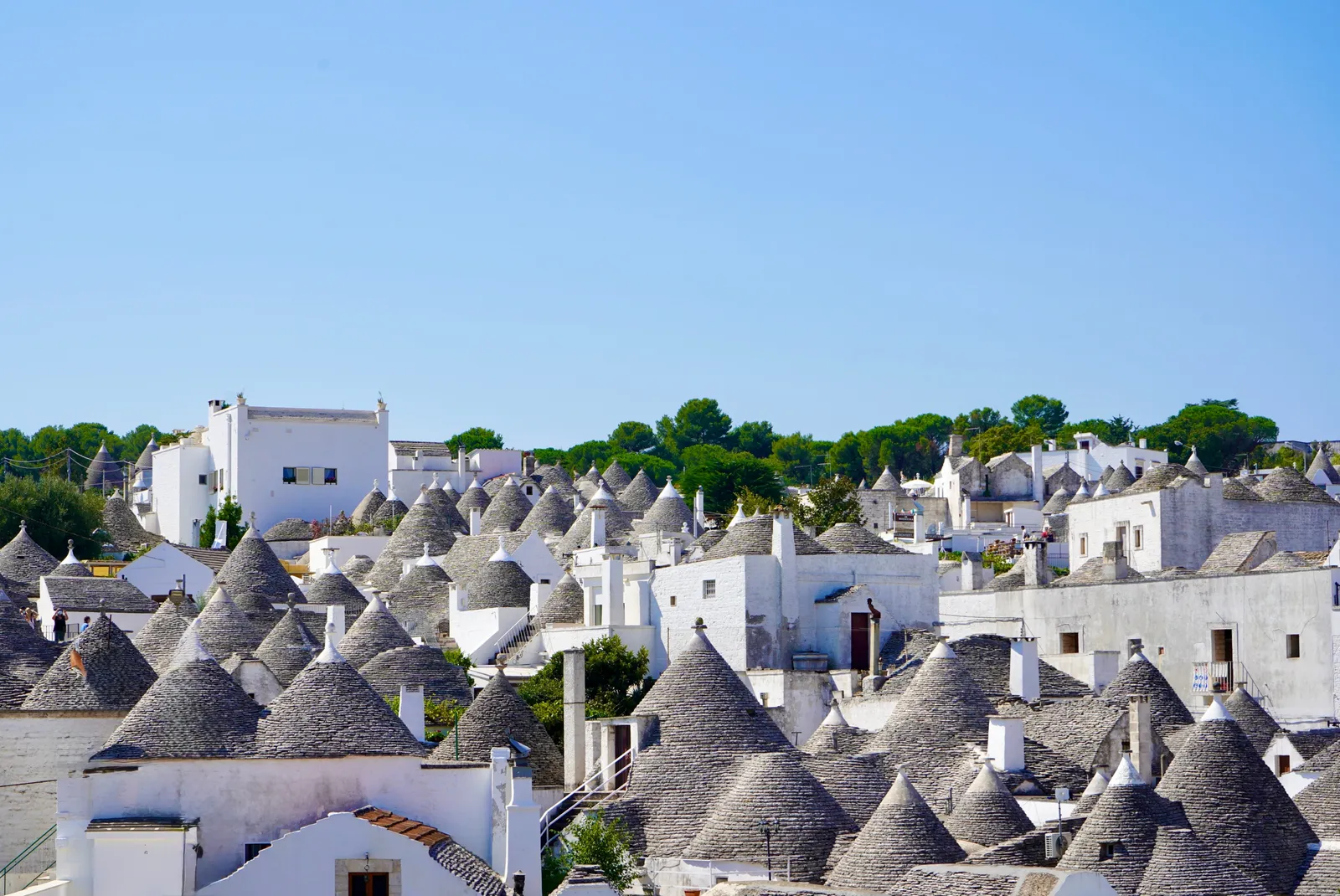
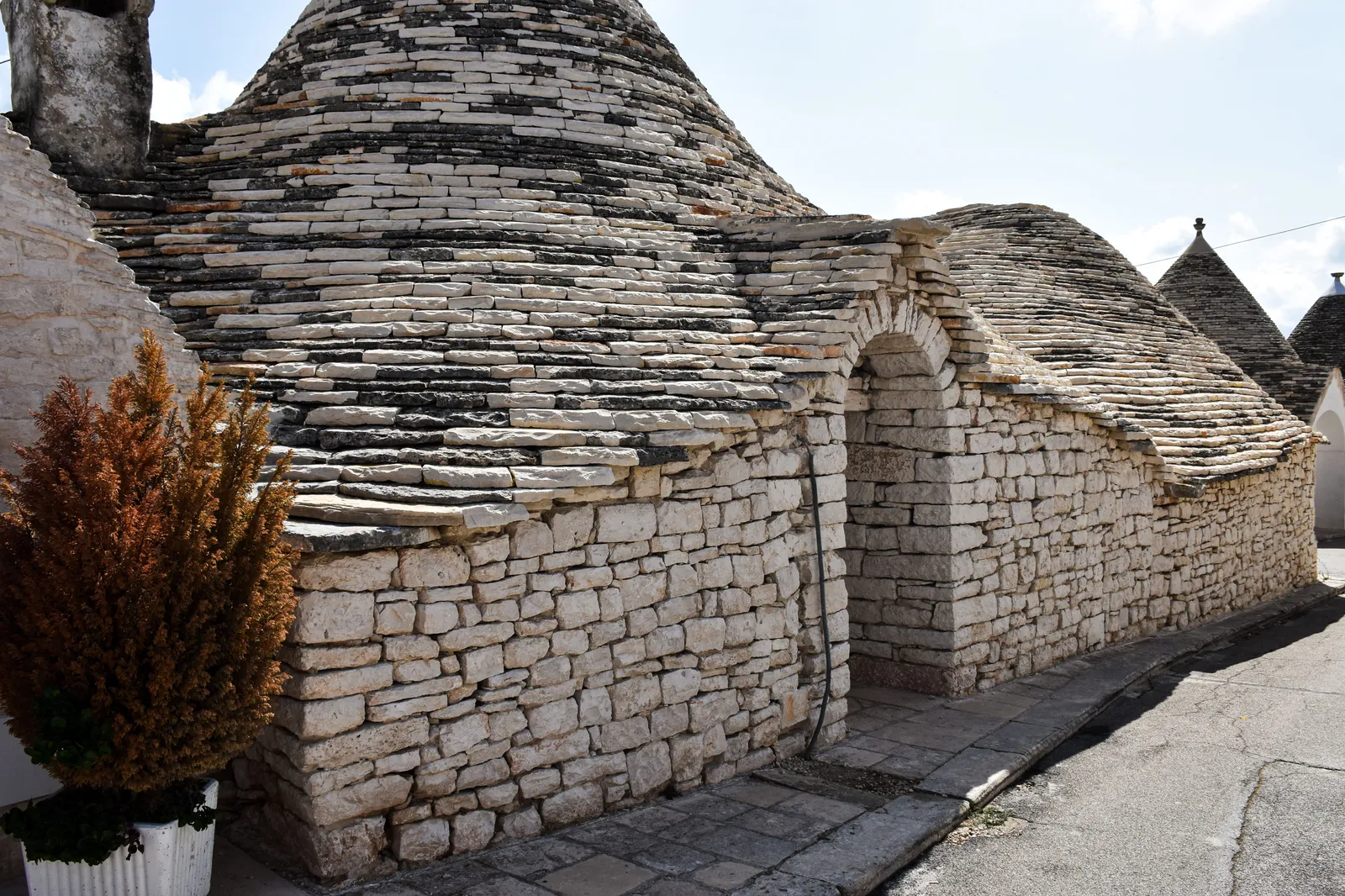
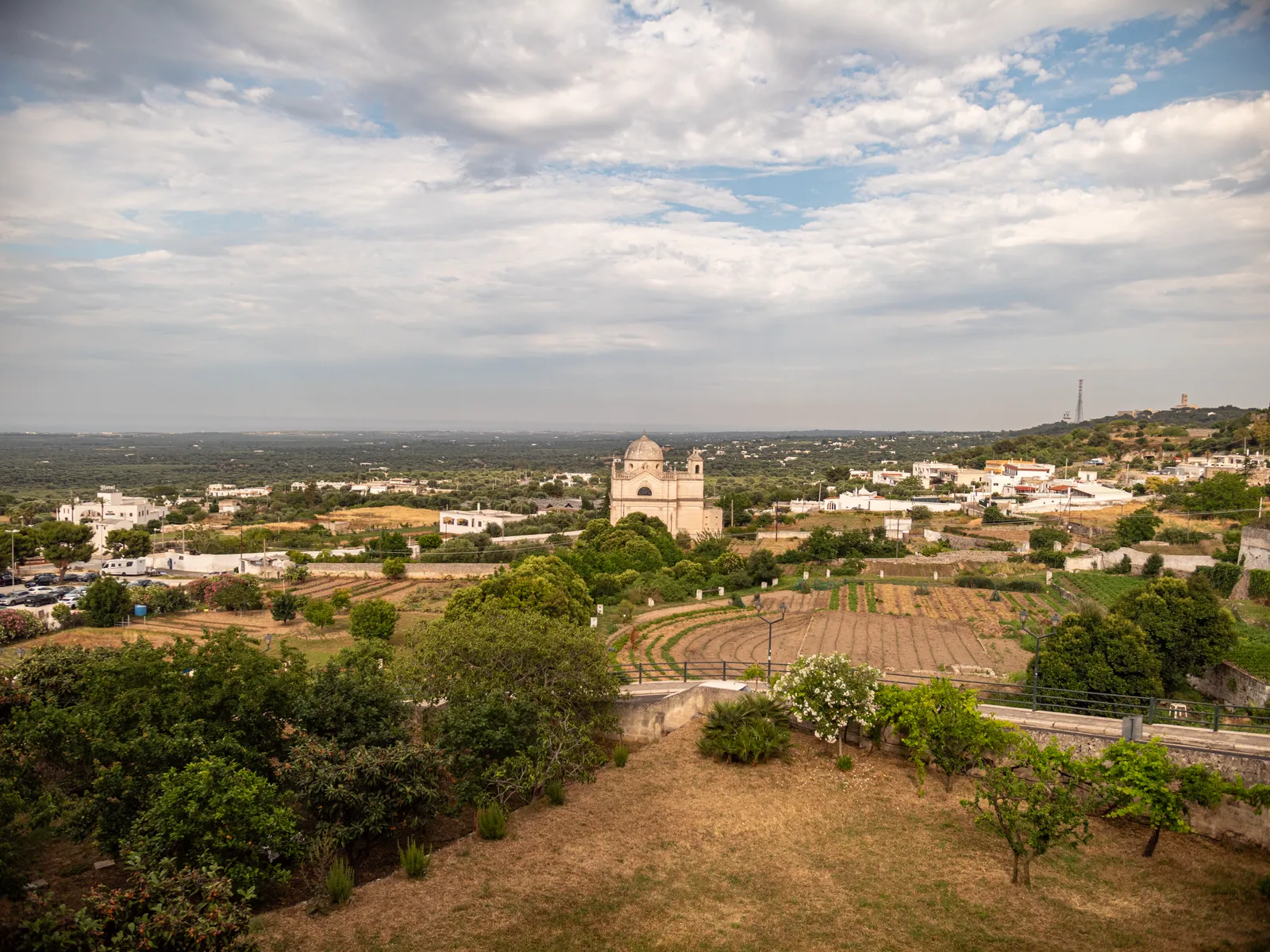
The centre, the Valle d’Itria, is the famous part: white towns on low hills, olive groves and the conical stone houses that give the area its identity. Our guide to Alberobello and the trulli covers that corner in detail.
The south, the Salento peninsula, has the Baroque city of Lecce, both coasts within half an hour of each other, and the best beaches in the region.
The north, around the promontory that forms the spur of the boot, has forest, cliffs, a national park and offshore islands, and sees very few foreign visitors.
The Adriatic coast is rocky, dramatic and deep; the Ionian coast is sandy, shallow and warm.
Bari, the regional capital, has a walled old town, a working port and the main airport connections.
The towns
Lecce is the set piece: a small city built in soft golden stone carved into extravagant Baroque, dense, walkable and genuinely lively in the evening.
Ostuni, the white town on a hill above the olive plain, is the photograph everybody takes.
Polignano a Mare sits on a cliff above a cove and is the most dramatic coastal town in the region.
Matera, technically over the regional border, is the cave city carved into a ravine and is close enough that everybody adds it.
Locorotondo, Martina Franca and Cisternino are the white hill towns of the centre, each an hour of wandering and a good dinner.
The coasts
The Adriatic side has cliffs, sea caves, small rocky coves and towns perched above the water. The swimming is off rocks and platforms rather than sand, and the water is clear and deep.
The Ionian side has long sandy beaches, dunes, shallow warm water and the family resorts.
In the far south they are close enough to choose between at breakfast depending on the wind, which is the single best reason to base in the Salento for part of the week.
August is full, since this is a major destination for Italians as well as foreign visitors.
Eating
Puglia’s food is simple, vegetable-heavy and extremely good.
Orecchiette, the little ear-shaped pasta, is made by hand here and served with turnip tops in the version everybody should try once.
Burrata comes from this region and bears no relation to the version exported abroad.
Bread and olive oil are taken seriously enough to be the point of a meal rather than the preamble.
Fish on the coast and vegetables inland are the two halves of the local cooking.
The wines are big, dark reds from grapes that are grown almost nowhere else, and they cost very little here.
Practical notes
Flights serve Bari and Brindisi, which cover the north and the south of the region respectively.
Trains connect the main cities and the regional lines through the centre are slow and infrequent.
Restricted traffic zones apply in the historic centres, so park outside.
The heat inland in July and August is serious, and the coast is where everyone goes for a reason.
Book ahead for August, both for rooms and for restaurants on the coast.
Puglia against Sicily
The two southern road trips are frequently compared and they suit different trips.
Puglia is easier: flatter, shorter drives, better beaches, lower effort, and a week is enough to feel you have seen it.
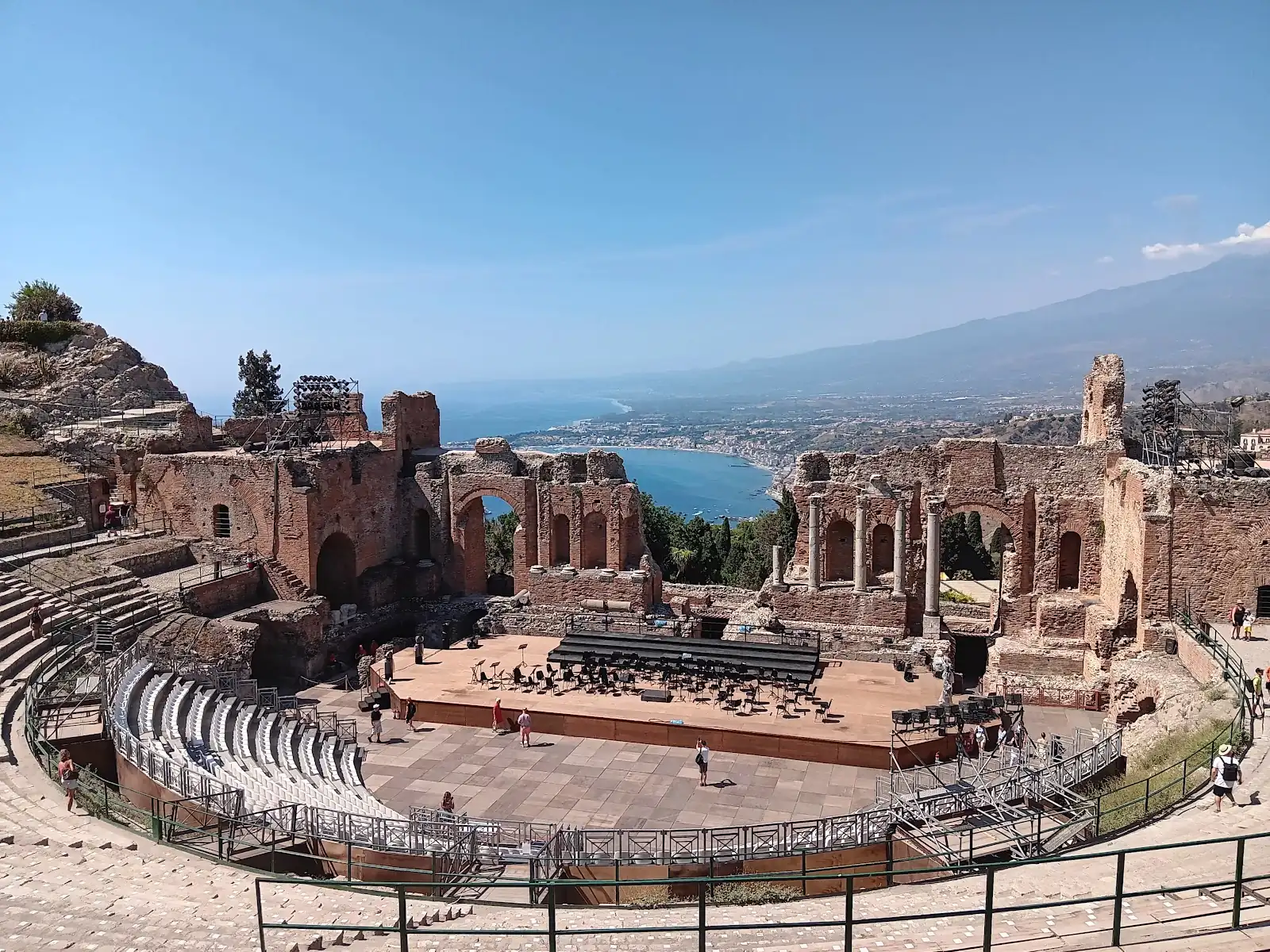
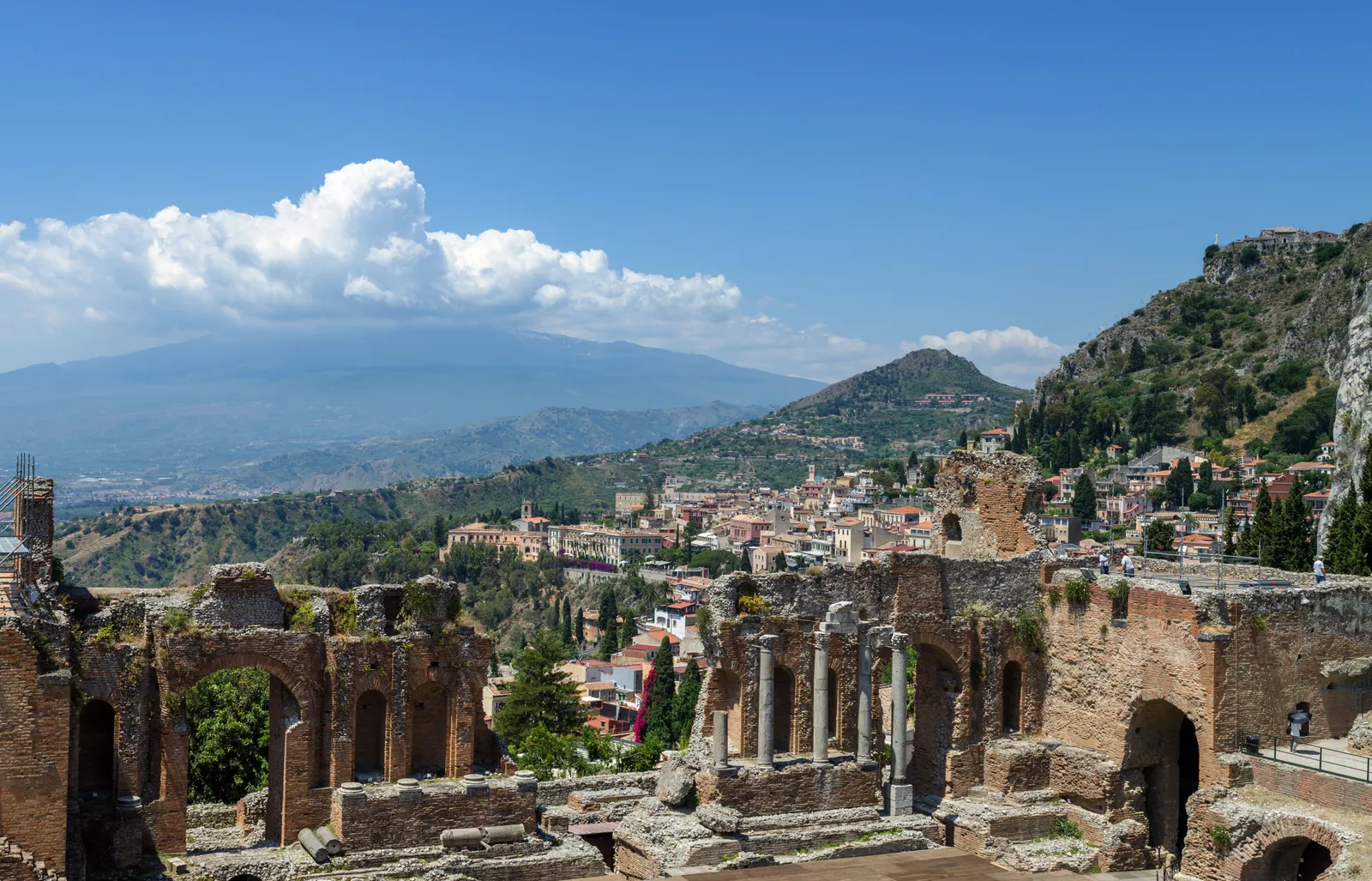
Sicily is bigger and deeper, with three thousand years of layered history, a volcano and far more to see than any single trip can hold. Our guide to Sicily covers how to split the island, and our guide to Taormina and Etna covers its most famous corner.
For a first southern road trip with limited time, Puglia usually wins.
The short version
Give Puglia a week with two bases, one in the white towns of the centre and one in the far south, and stay in a masseria rather than moving every night. Hire a small car and enjoy the fact that the drives are short and flat. Use the Adriatic side for rocky coves and clear water and the Ionian for sand, and in the Salento pick whichever the wind favours that morning. Eat orecchiette, burrata and the local red, and come in May, June, September or early October rather than August.