Sicily is not a stop on an Italian trip. It is a large island with three thousand years of layered history, Greek temples better preserved than most in Greece, Norman churches decorated by Arab and Byzantine craftsmen, an entire region of Baroque towns rebuilt after an earthquake, a live volcano with towns on its slopes, and food that is its own cuisine rather than a southern variation. Treating it as a week-long add-on is how people end up spending that week in a car.
Splitting the island
The single most useful planning decision is to take half.
The east has Etna, Taormina, Catania, Syracuse and the Baroque towns of the southeast. It is the most visited half and the easiest first trip.
The west has Palermo, the Greek temples on the southern coast, the salt pans, the western coast and the islands offshore. It is quieter, rawer and rewards a second visit.
The interior is mountains, wheat, empty roads and hill towns, and almost no visitor goes there.
The offshore islands, from the volcanic group in the north to the ones near the African coast, are separate trips of their own.
The east on a first visit
Etna dominates everything on this side, with vineyards on its lower slopes, ski runs on the upper ones and access to the summit area controlled according to current activity. Our guide to Taormina and Etna covers the volcano and the resort town below it.
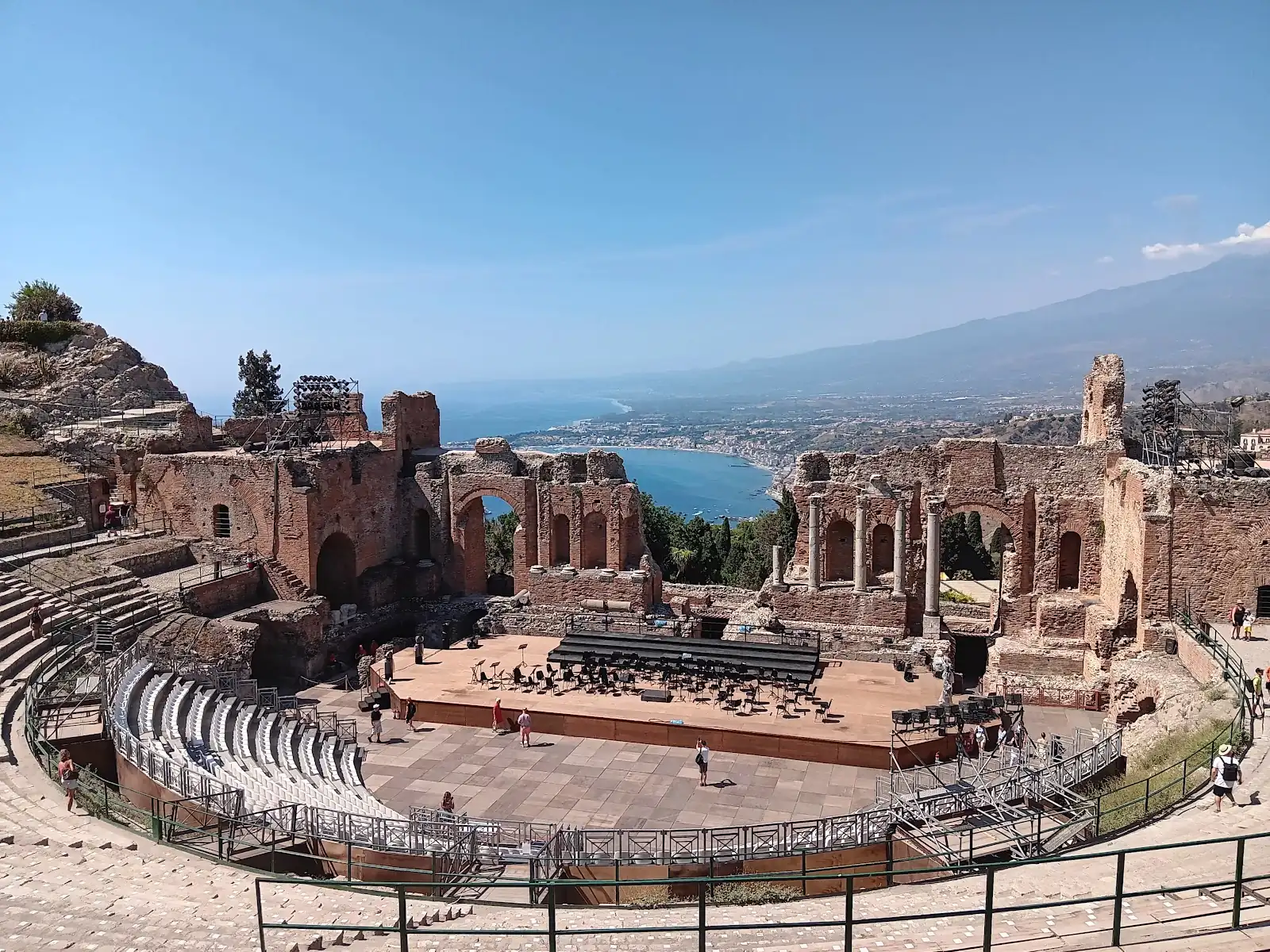
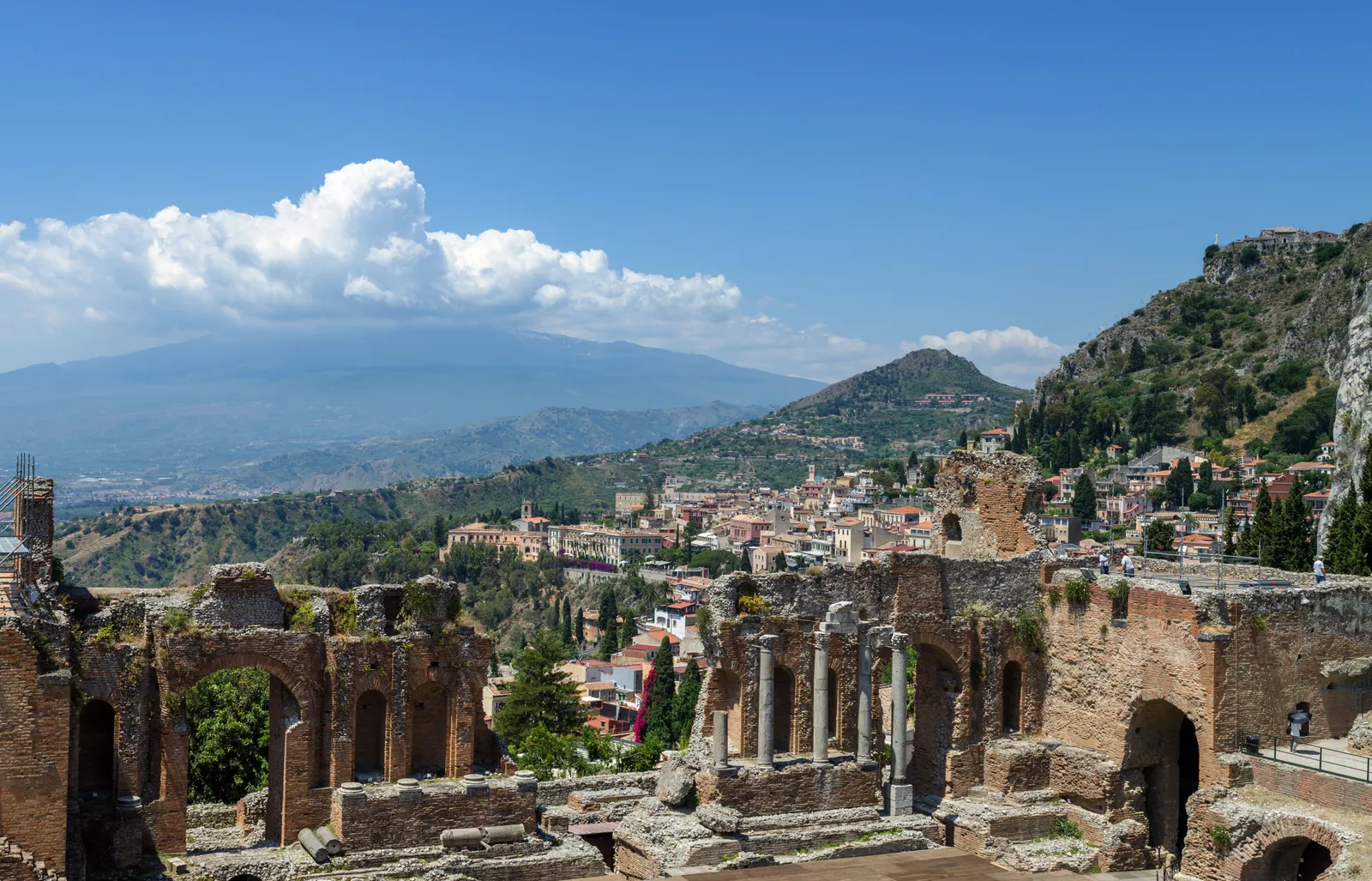
Taormina is the beautiful, expensive, extremely busy clifftop town with a Greek theatre positioned so that the volcano is the backdrop.
Catania is the working city at the volcano’s foot, built in black lava stone, with the best fish market and street food on the island.
Syracuse and Ortigia, the island core of the old Greek city, is the loveliest place to stay in the southeast.
The Baroque towns inland, rebuilt in a single style after a catastrophic earthquake, are the quiet highlight of this half of the island.
The west, in brief
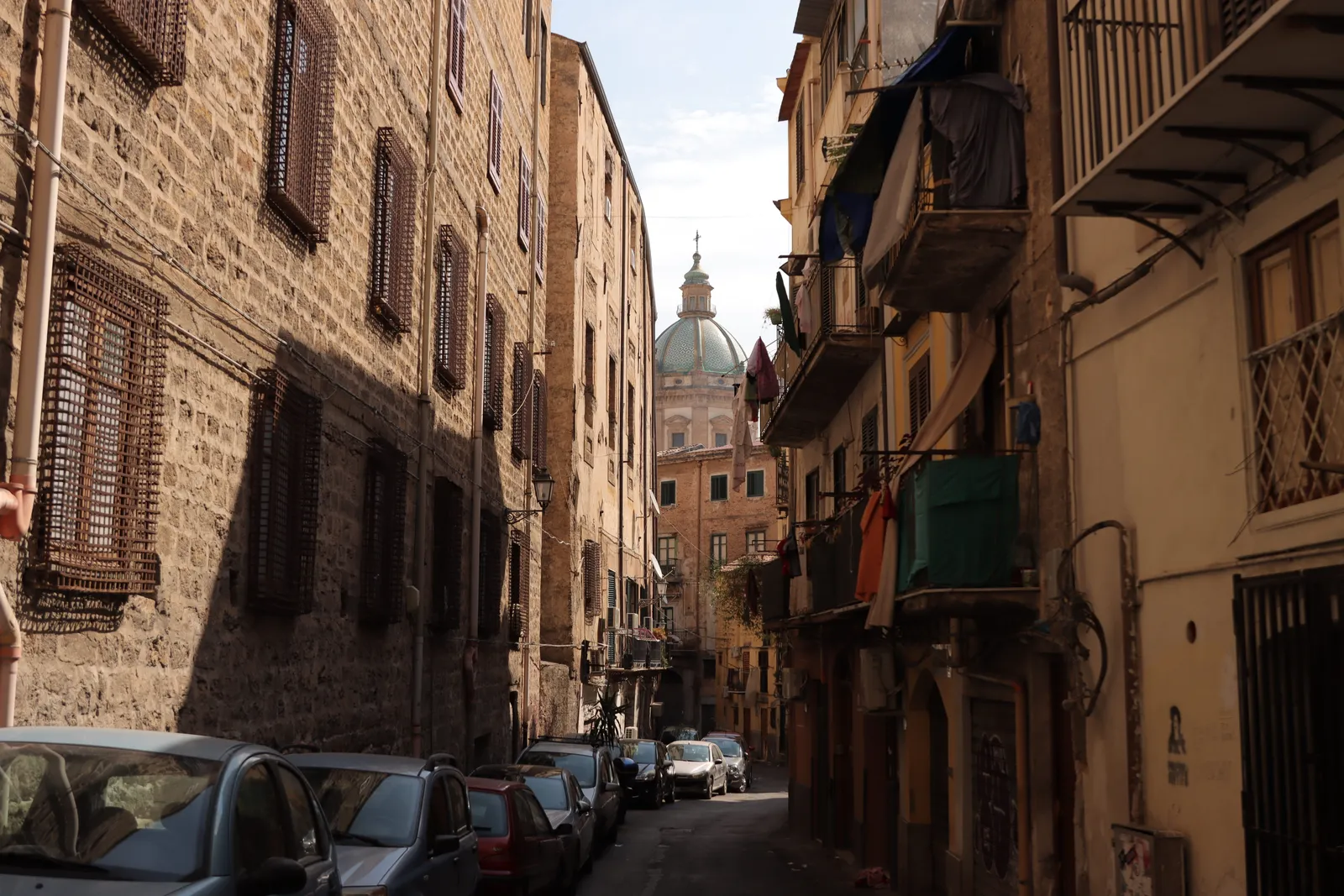
Palermo is the reason many people fall for Sicily: chaotic, layered, with markets that feel North African, extraordinary Norman and Arab architecture, and street food that is a cuisine of its own.
Monreale, above the city, has a cathedral covered in gold mosaic that is among the great interiors in Europe.
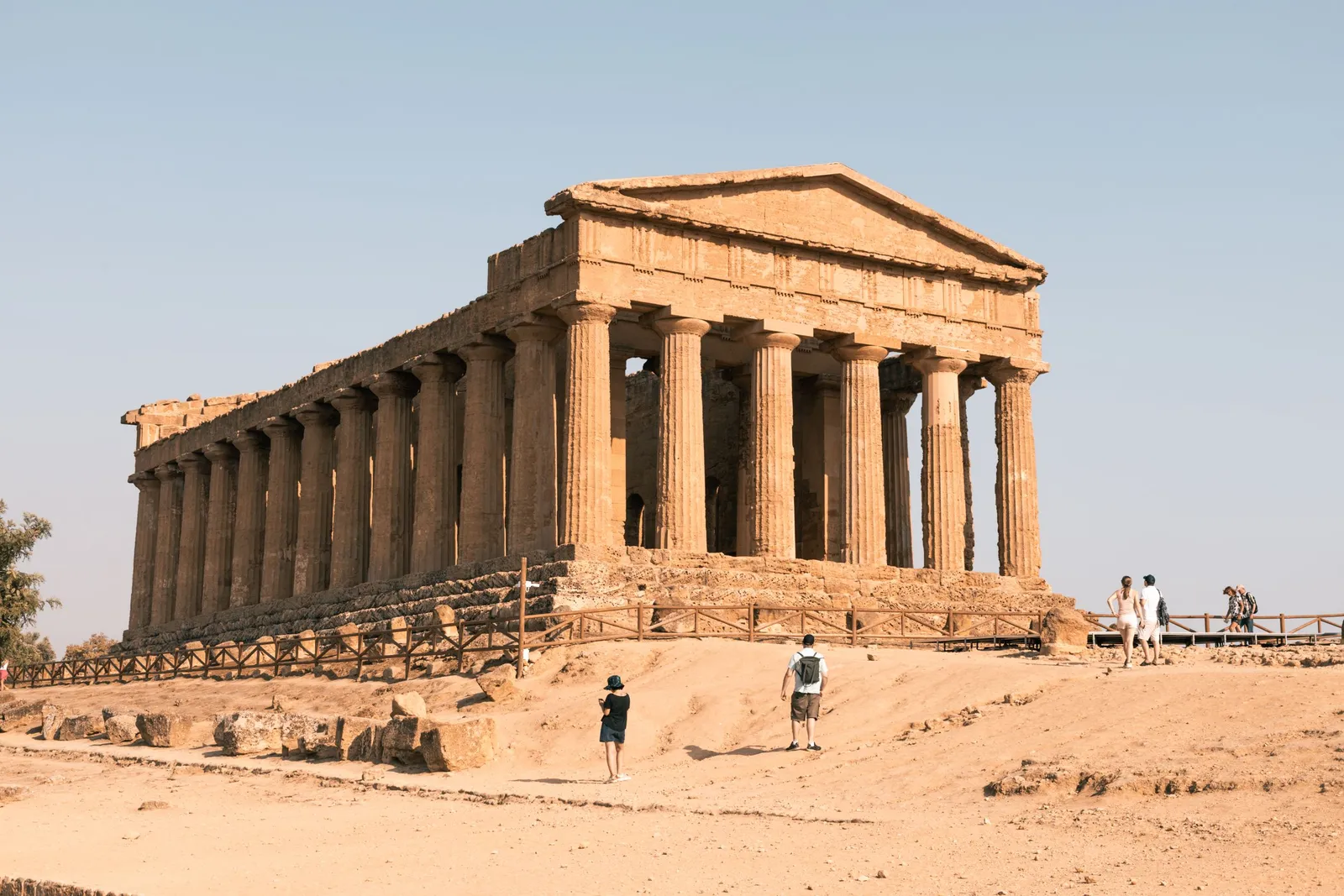
The temples on the southern coast are Greek, remarkably complete, and comparable to anything in Greece itself.
The western coast has salt pans, medieval hill towns and beaches that see far fewer visitors than the east.
Eating
This is a large part of why people come back.
Street food in Palermo and Catania is the cheapest good eating in Italy and it is a serious tradition rather than a snack.
The pastries and ice cream are the island’s other reputation, and both are taken seriously enough to eat for breakfast, which locals do.
Sicilian wine has improved beyond recognition, with the vineyards on the slopes of Etna making some of the most interesting reds and whites in the country.
Seafood on the coasts and hearty inland cooking in the interior are two different cuisines within one island.
Practical notes
Getting there. Two main airports serve the east and west, and there are ferries and a rail connection from the mainland.
Restricted traffic zones exist in every historic centre and are camera enforced, so park outside the walls.
Fuel and shops close earlier than you expect outside the cities.
Book Taormina early in season and consider staying elsewhere and visiting it, since it is by far the most expensive base on the island.
Heat is the real constraint in July and August, particularly inland and at unshaded archaeological sites.
Sicily against the other southern option
The other great southern region for a road trip is the heel of the mainland, and the two are frequently compared.
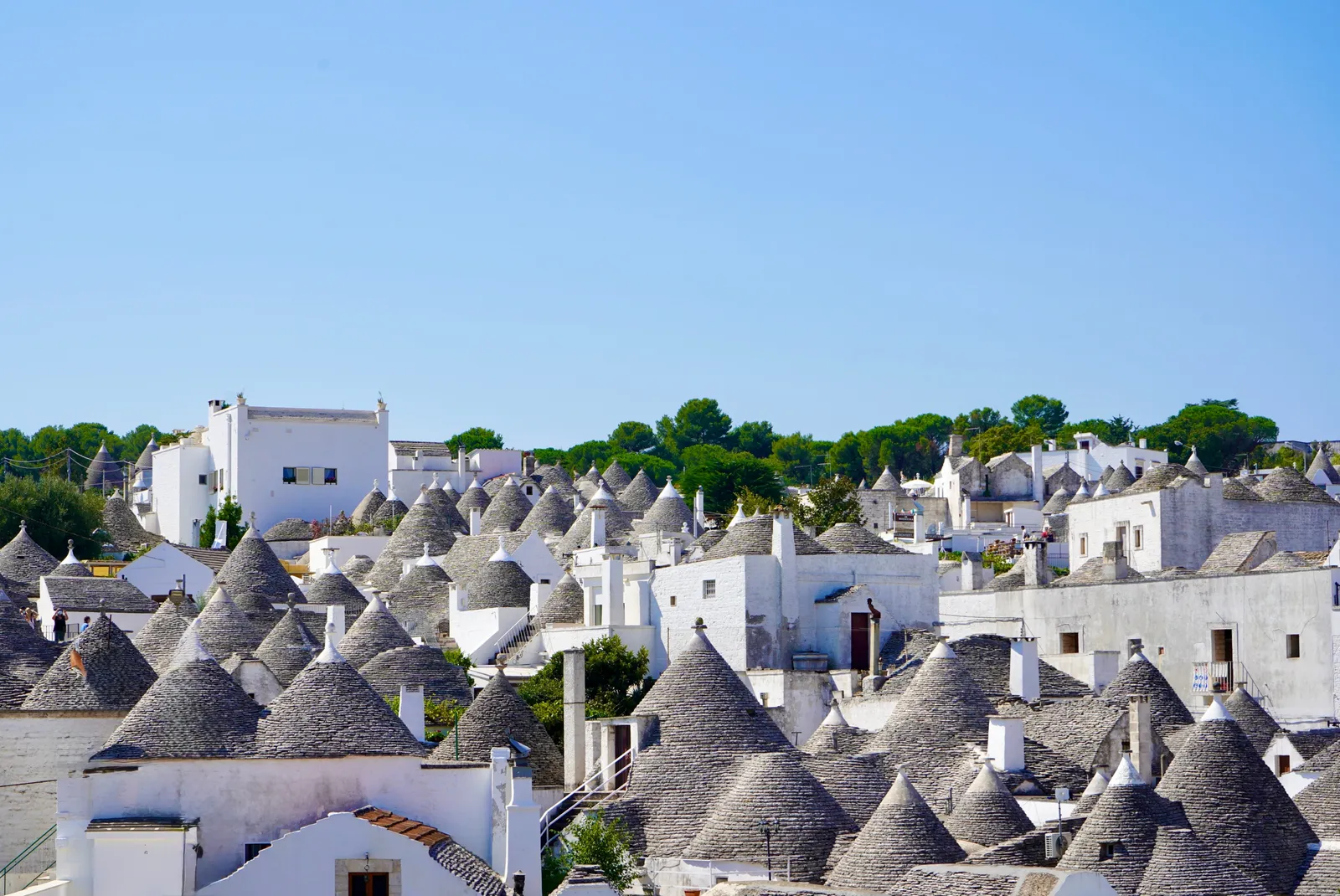
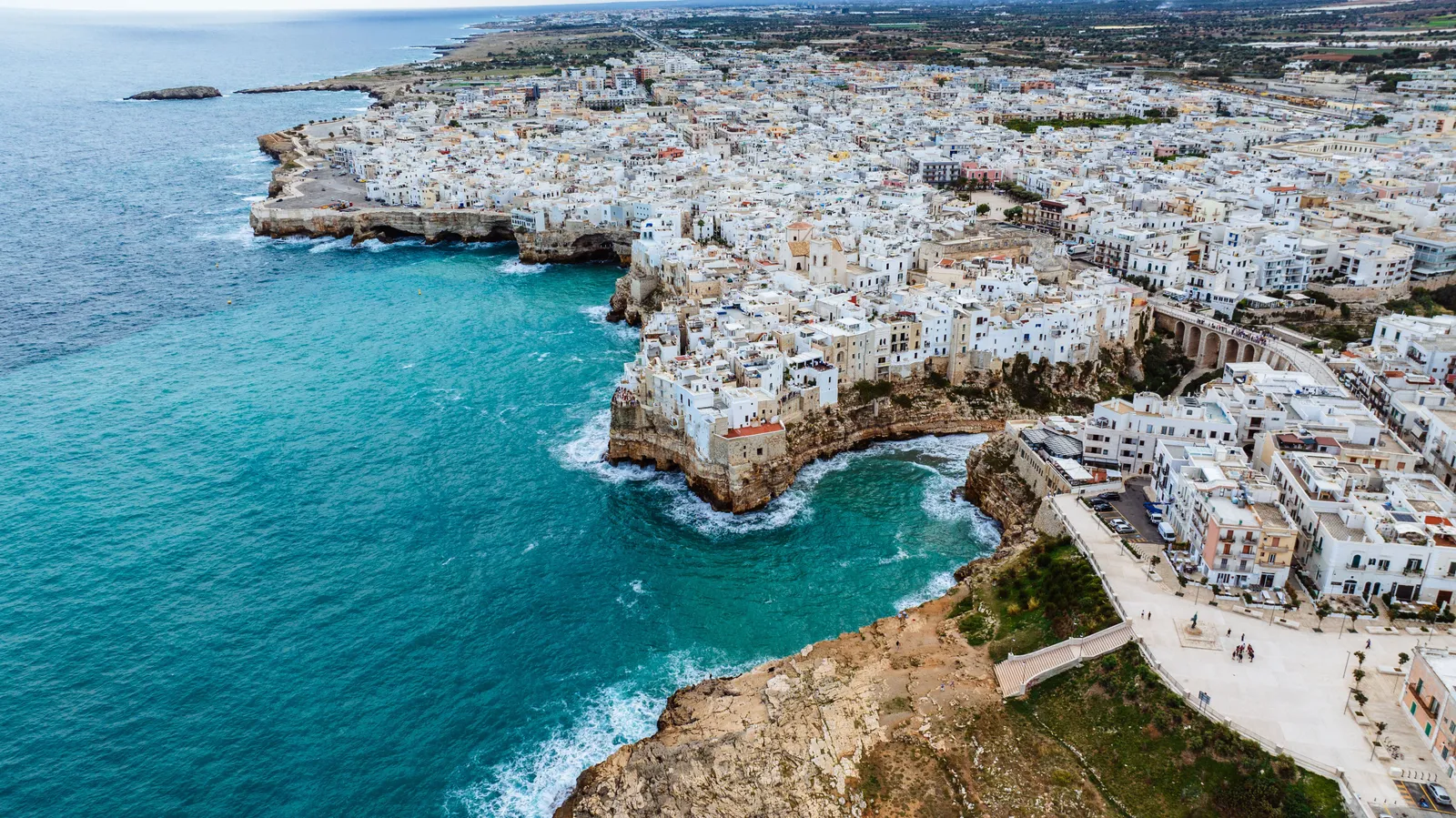
Our guide to Puglia covers a flatter, easier region with better beaches and shorter drives, and our guide to Alberobello and the trulli covers its strangest and most photographed corner.
Sicily is the bigger, wilder, more historically layered choice; Puglia is the easier holiday.
The short version
Take half the island on a first trip, almost always the east, and give it ten days if you can. Hire a small car, plan two or three stops a day, and park outside every historic centre. Base yourself for several nights at a time rather than moving constantly, with Ortigia and a town near Etna being the obvious pair in the east. Come in spring or autumn, eat street food in the cities and drink the wine from the volcano, and accept from the start that Sicily is a return trip rather than a completed one.