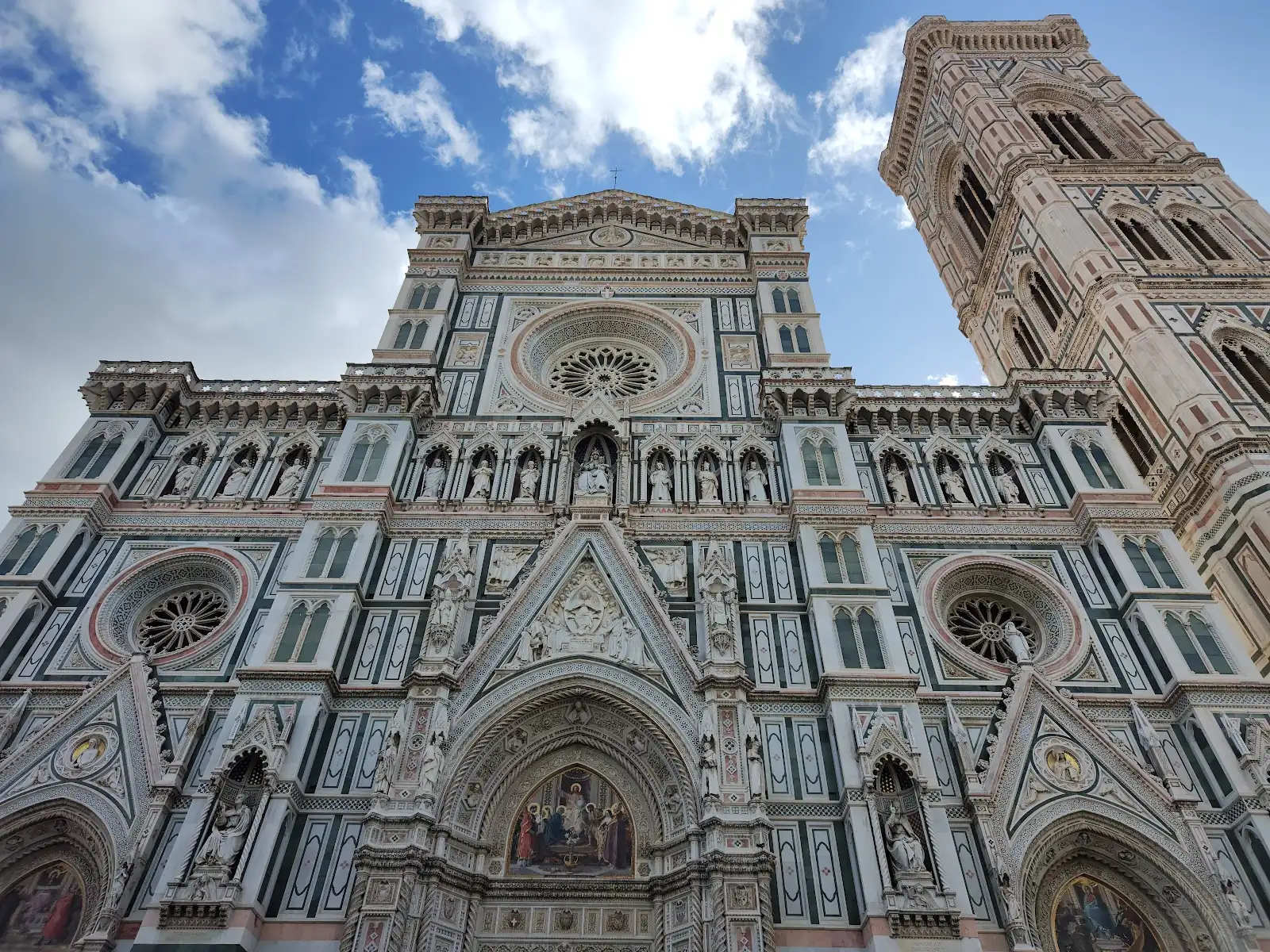
The first time I tried to “do” Italy in a week, I made the classic mistake. Rome, Florence and Venice, three nights split awkwardly, and I spent one entire afternoon dragging a suitcase across a hot piazza to a station instead of eating lunch like a person. That trip taught me the single most useful thing I know about planning one week in Italy: the enemy is not distance, it is transitions. Every time you change city you lose a half day to packing, checking out, travelling and checking in again.
So when people ask me how to spend seven days here for the first time, I steer them toward two cities, not three, with a day trip or two folded in. Below are the three pairings I actually recommend, why the famous three city dash costs you more than it looks, and how to choose the one that fits the trip you want.
Why the three city dash quietly steals a day
On paper, Rome to Florence to Venice looks efficient. The trains are fast and frequent, and the map makes it feel like a straight line. In practice, each move eats far more than the ninety minutes or so you spend seated on the train.
Think about what a city change really involves. You wake in one place, pack, leave your bags or wait for a later checkout, travel to the station, ride, arrive, work out the new transport, reach the next hotel, and often wait until mid afternoon to get into the room. Do that twice in seven days and you have effectively removed a full day of sightseeing, plus a lot of low grade stress. You also see each city in a thin slice, arriving tired and leaving before you have found the neighbourhood trattoria that makes the trip.
Two bases, seven nights split as four and three, is calmer and, honestly, richer. You unpack properly, you learn one city well, and you still catch a second.
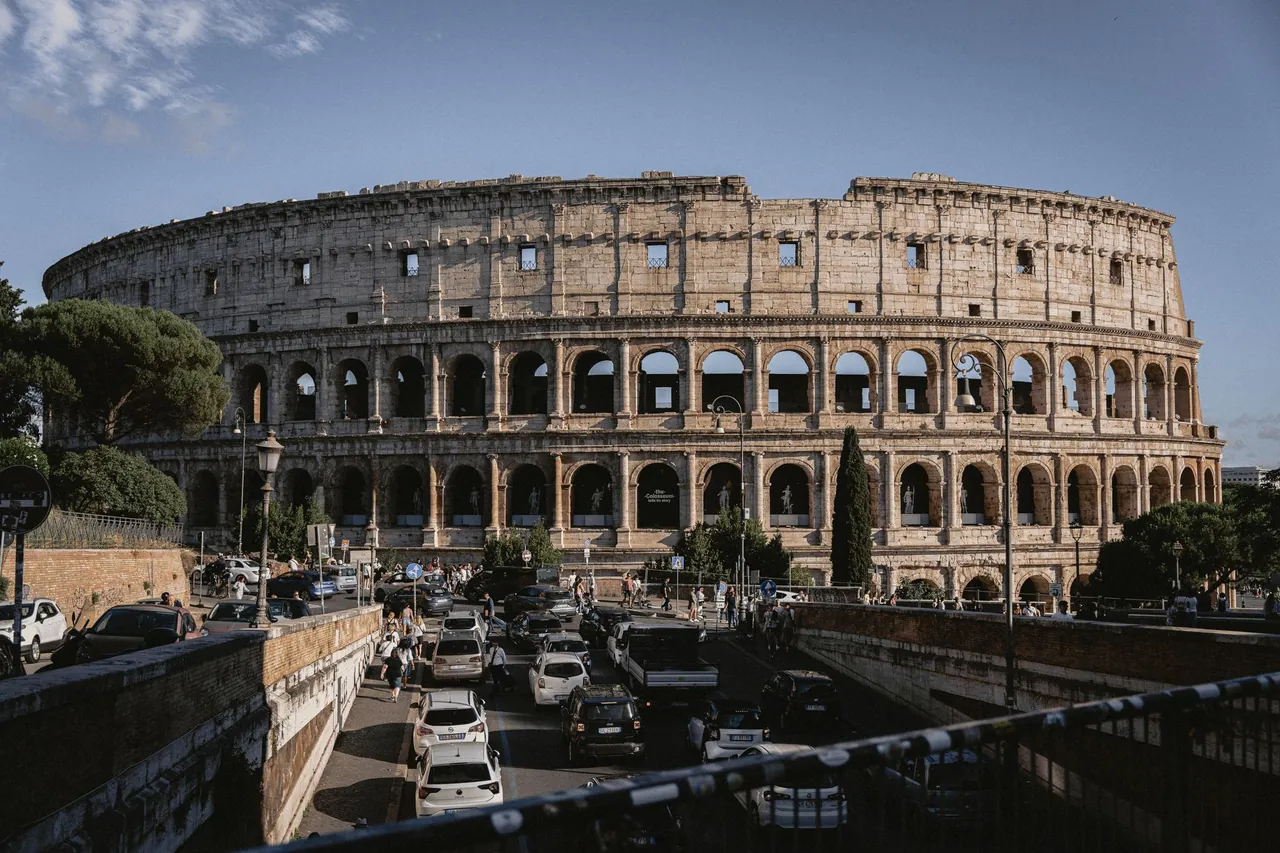
Route one: Rome and Florence, the confident first timer
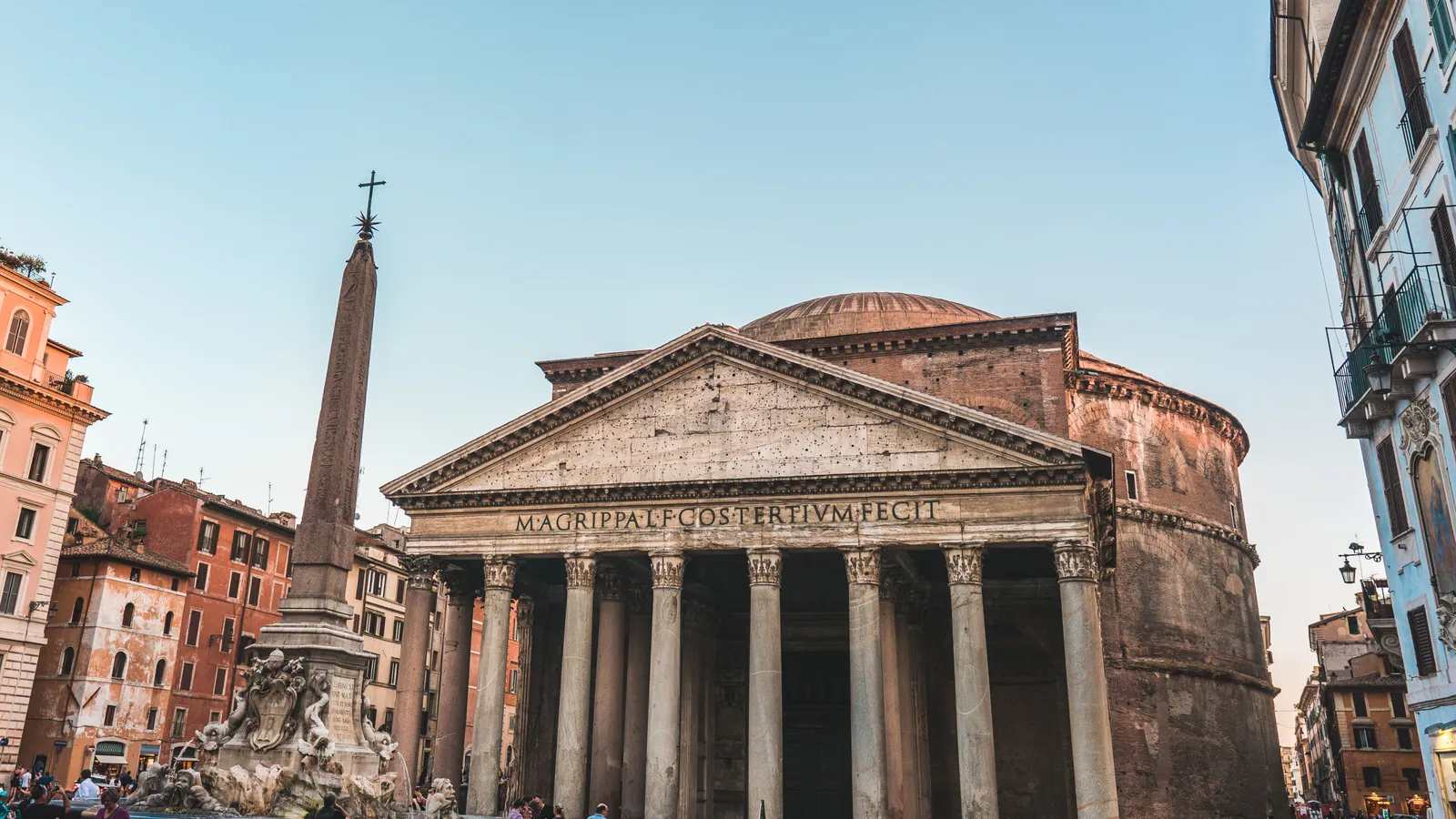
This is the pairing I suggest most often for a first visit. Rome gives you the scale and the history, Florence gives you the Renaissance in a walkable centre, and the fast train between them is genuinely quick and runs many times a day.
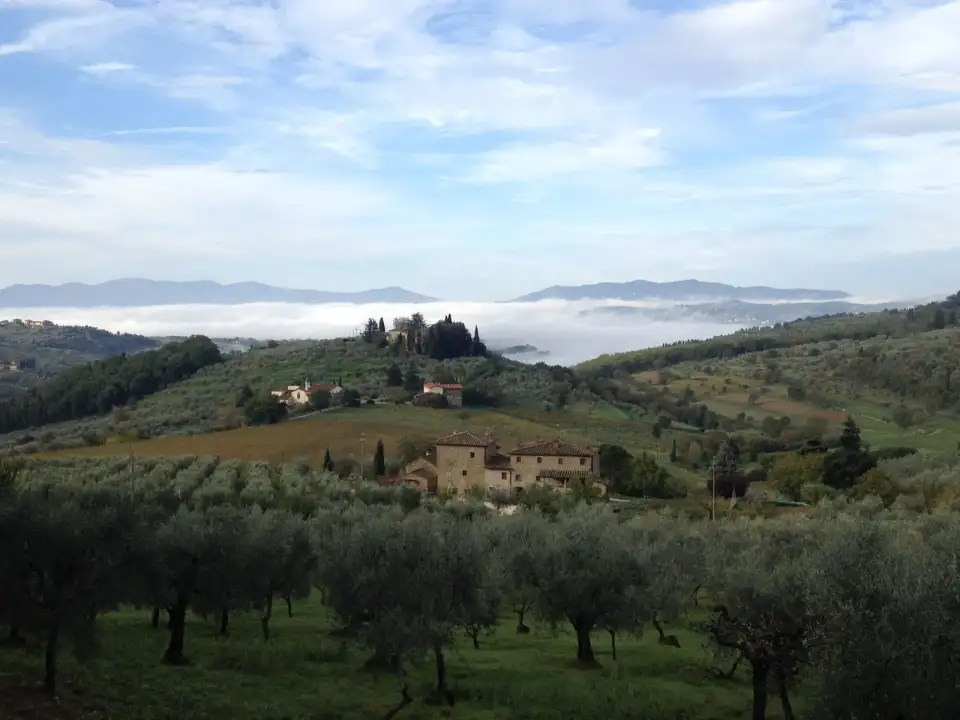
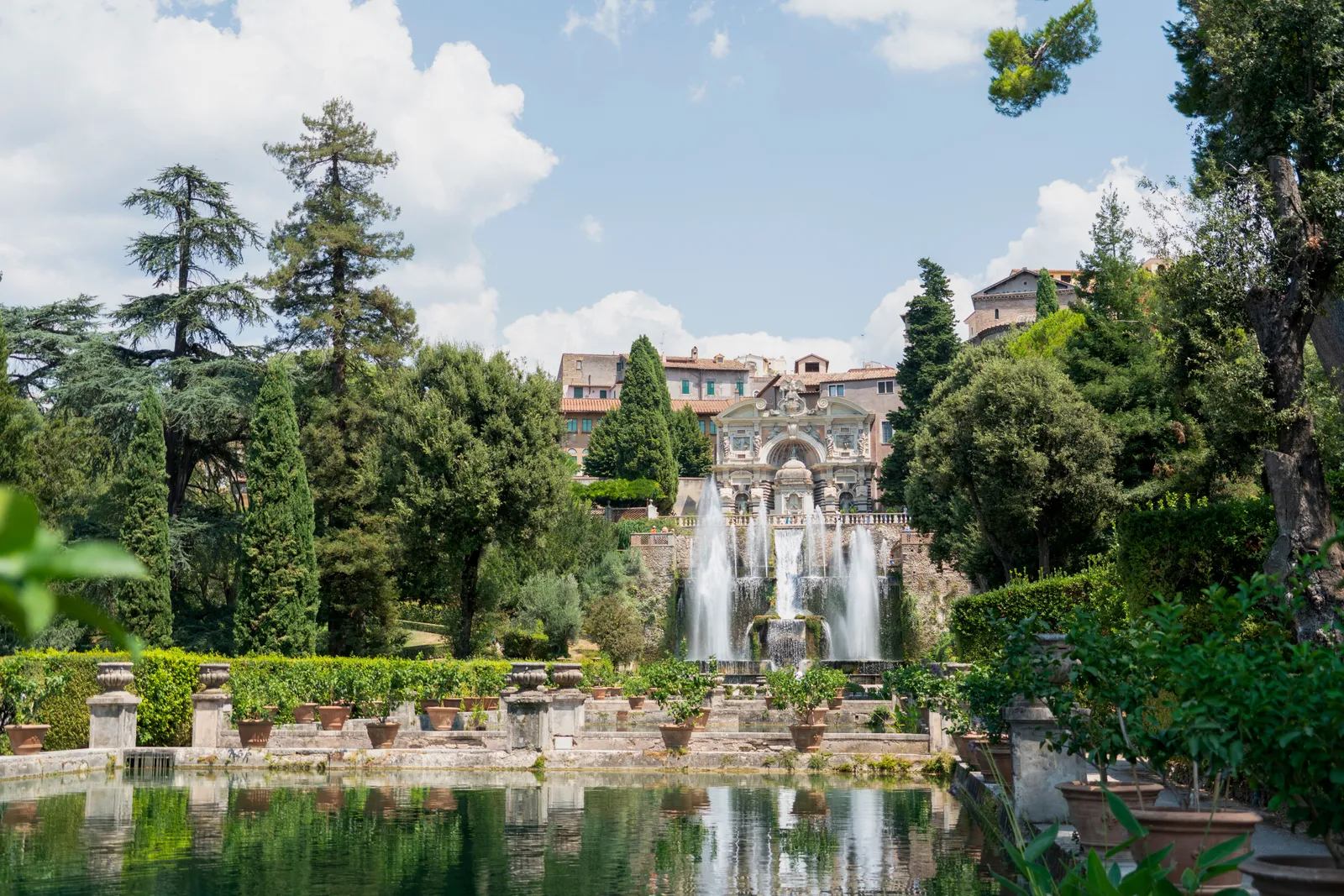
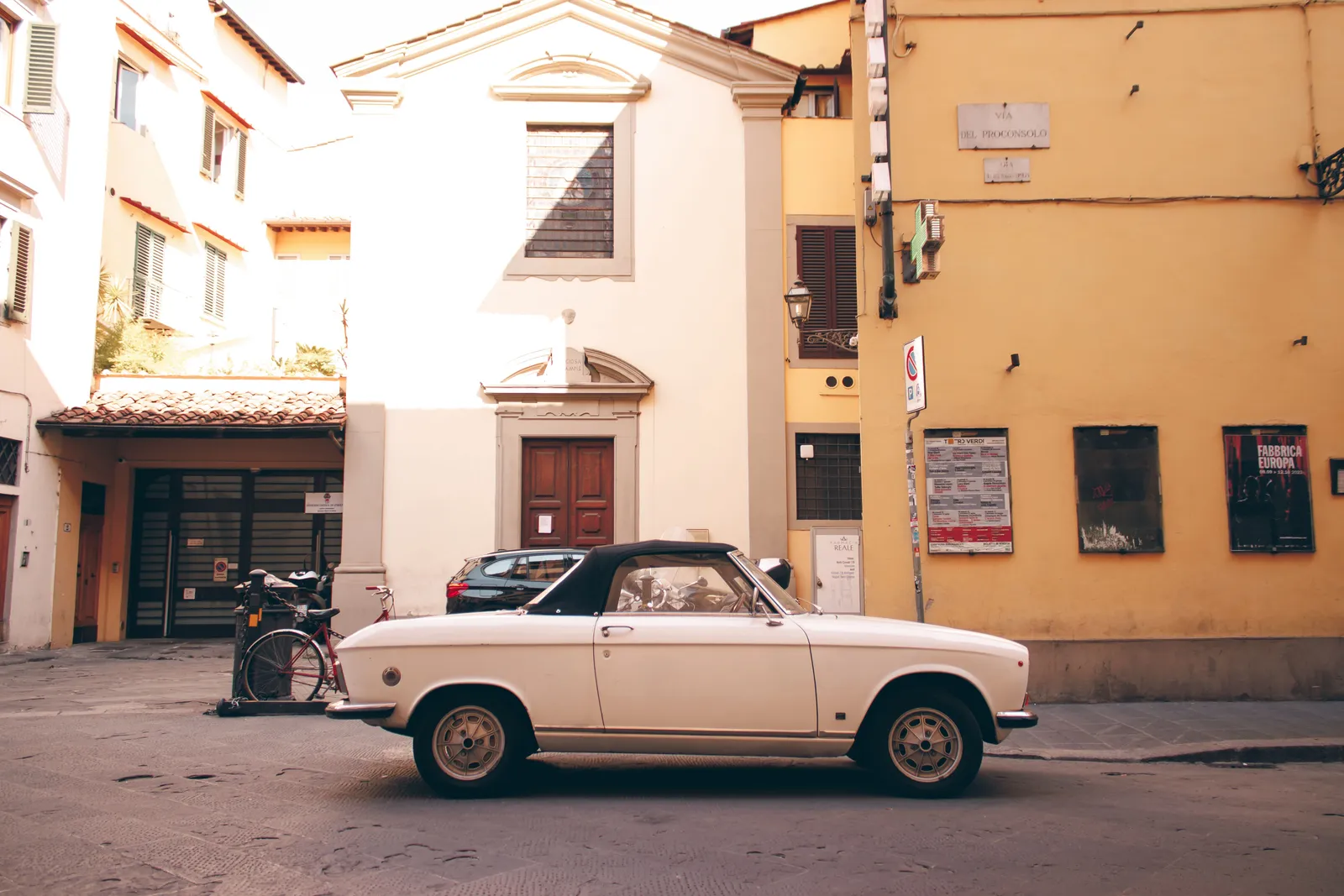
Spend four nights in Rome. Give the Colosseum and Roman Forum a full morning, the Vatican Museums and St Peter’s a separate day, and leave real time to just wander Trastevere in the evening with a plate of cacio e pepe. Then take the train north for three nights in Florence, climb to Piazzale Michelangelo at sunset, book the Uffizi in advance, and use one day for a trip into the Tuscan hills or to Siena.
Route two: Venice and the north, for something quieter and stranger
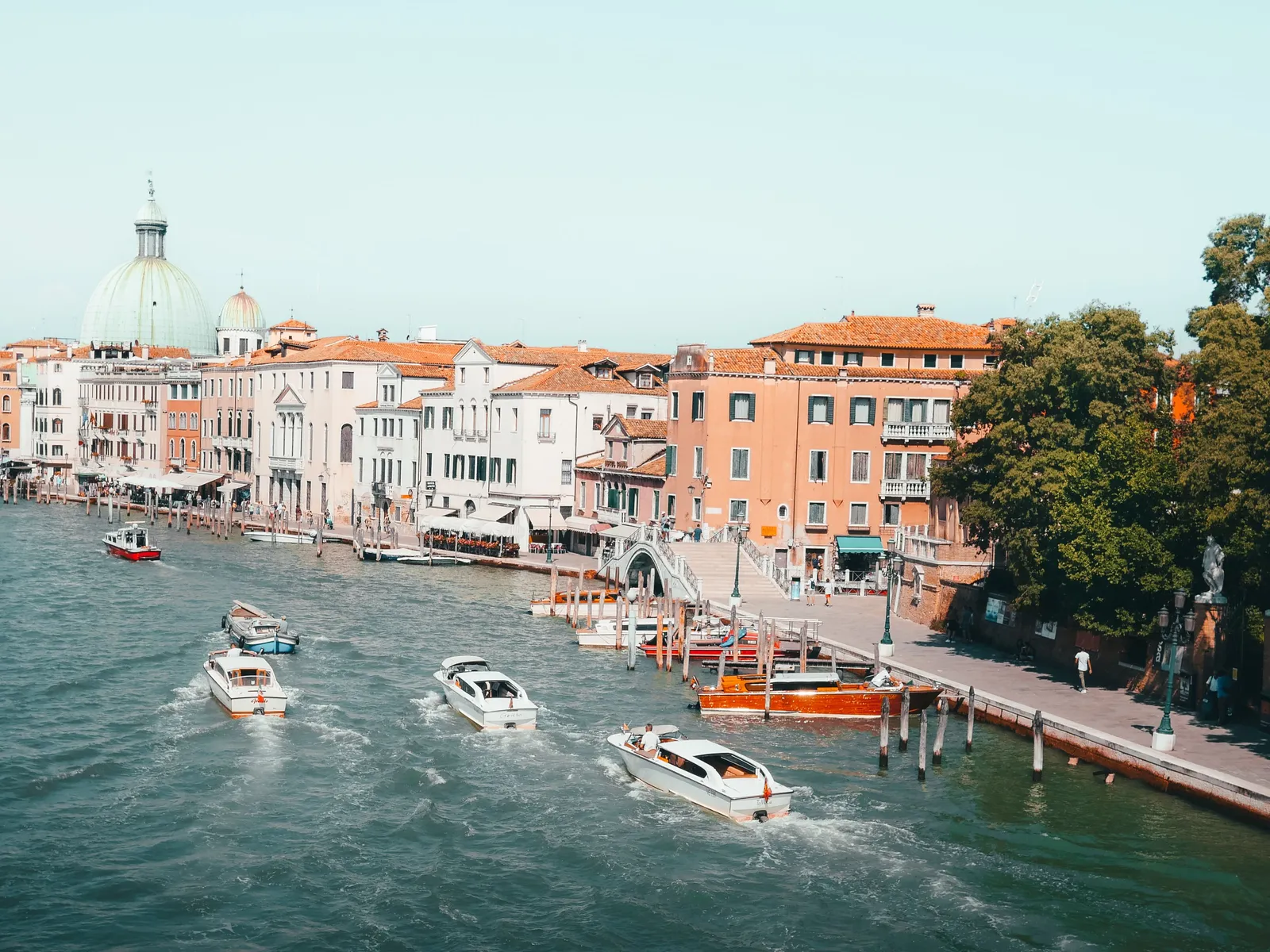
If the idea of a car-free city built on water pulls at you more than ancient ruins, base yourself in Venice for three or four nights and use the region around it for the rest. Venice rewards early mornings and late evenings, once the day trippers thin out and the back canals go silent.
From Venice you can reach Verona, Padua or the pastel houses of Burano easily by train or vaporetto and boat. Some travellers add a night in Bologna for the food, which is a fair reason on its own. This route feels less like a checklist and more like a mood, and it suits repeat visitors or anyone who bruises easily on crowds.
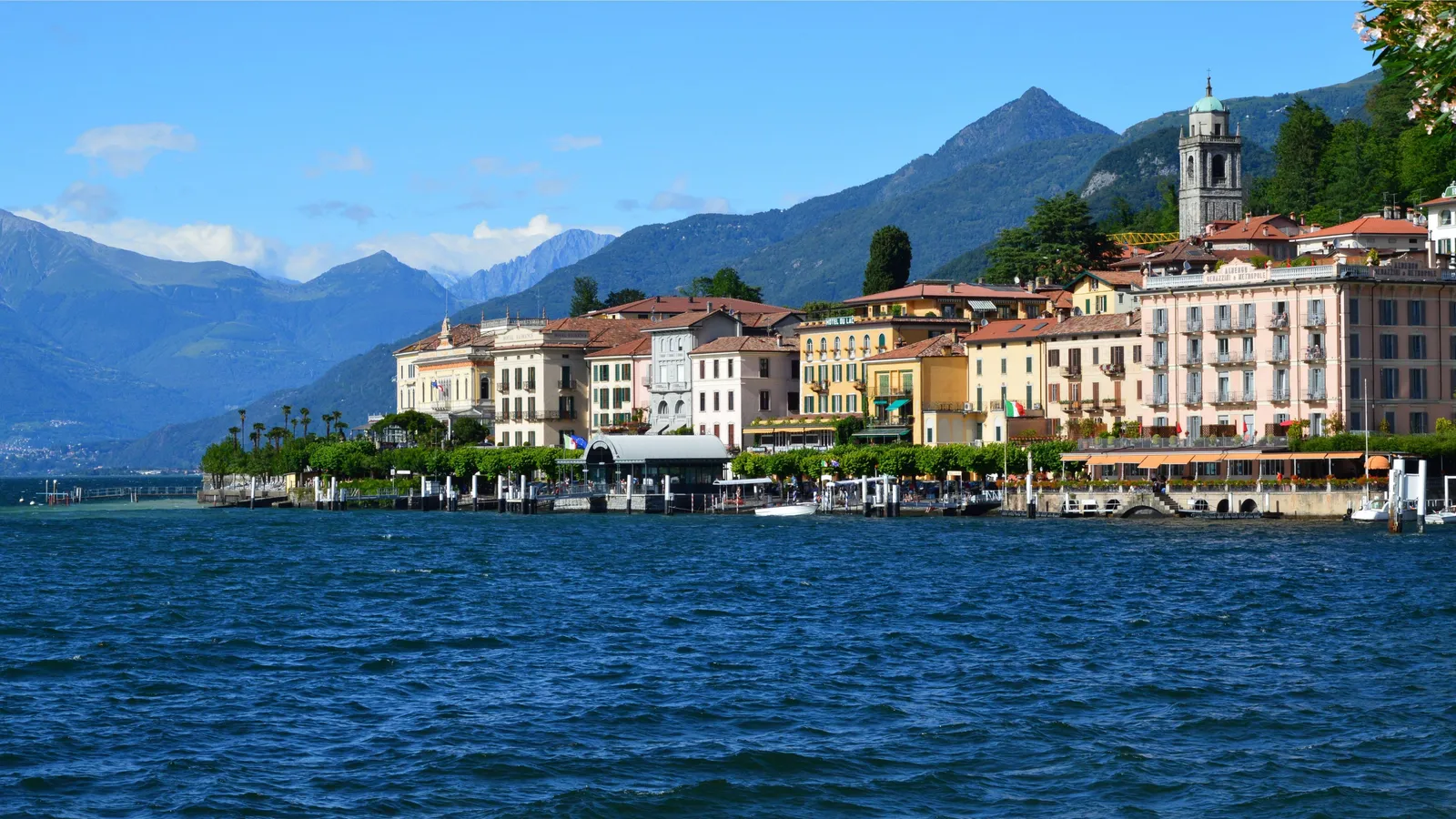
If the northern lakes tempt you as well, they pair more naturally with a different gateway, and I have written a full plan for combining Milan and the lakes that works better as its own trip than bolted onto Venice.
 Flying into one city and out of another?Open-jaw fares can save you a backtrack across Italy
Route three: Naples and the Amalfi Coast, for sun and appetite
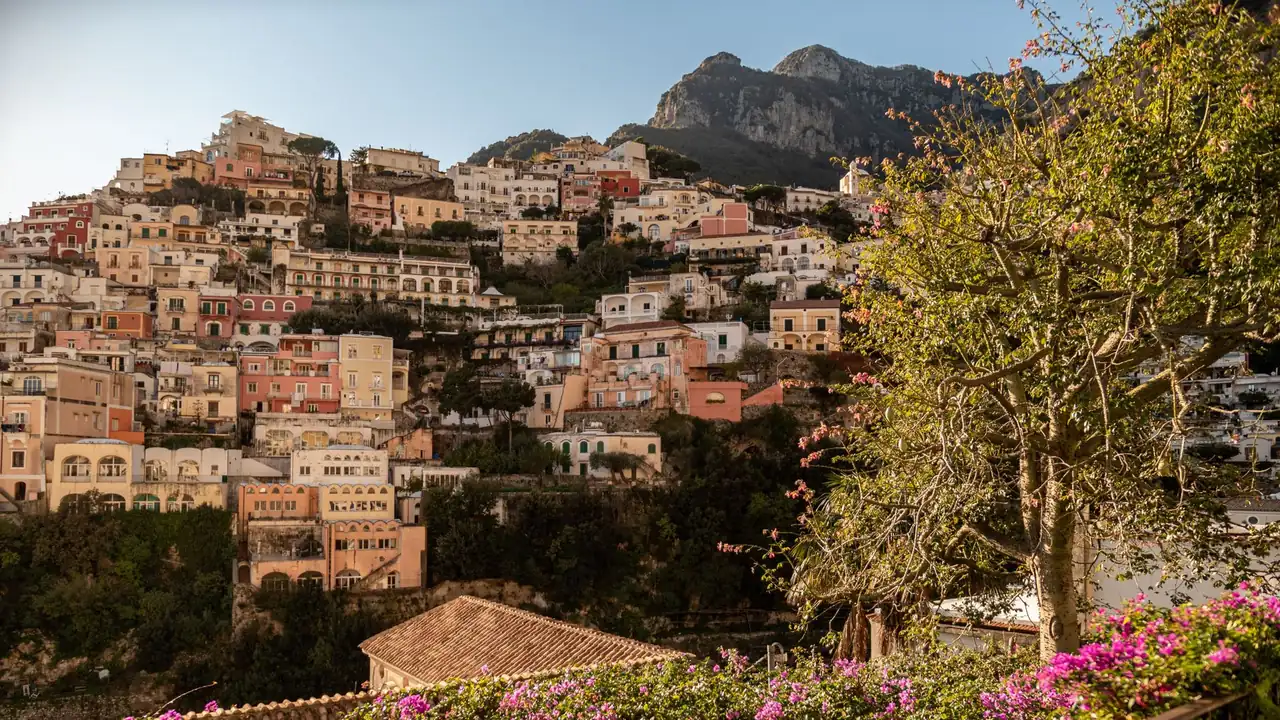
This is the route for people who care most about food, sea and colour. Base three or four nights in Naples or Sorrento, eat the pizza where it was invented, take the local train to Pompeii, and give a full day to the Amalfi Coast by bus or boat, Positano and Ravello being the obvious stops.
Be honest with yourself about pace here. The Amalfi coast road is slow, winding and busy in summer, and the ferries can be a calmer choice than the bus. This is the one route where I would think twice before renting a car, because parking is scarce and the driving is demanding. If you are weighing it up, read what to know first about driving in Italy before you commit.
Which pairing suits a first visit?
| Route | Best for | Pace | Watch out for |
|---|---|---|---|
| Rome and Florence | Classic highlights, history and art | Busy but rewarding | Booking timed entries early |
| Venice and the north | Atmosphere, food, fewer big crowds | Gentler | Venice is pricey and can flood off season |
| Naples and Amalfi | Sun, sea, southern food | Relaxed then intense on coast days | Slow coastal transport in summer |
For a genuine first visit with limited time, I lean toward Rome and Florence, because it delivers the images most people came for while staying logistically simple. Choose Venice and the north if you value calm over box-ticking, and Naples with Amalfi if the trip is really about eating well and slowing down by the sea.
A few practical notes before you lock it in
Whatever route you pick, buy fast-train tickets a little in advance for better fares, and travel with a small case rather than a large one, because Italian stations and old-town streets are not friendly to giant suitcases. Sort your entry paperwork early too, since requirements differ by passport and it is worth checking the Italy visa and entry guide for your own nationality rather than assuming.
Seven days is enough to fall for Italy, just not to see all of it, and trying to do so is exactly what ruins the week. Pick two anchors, learn them properly, and leave a reason to come back.
For a week built around eating rather than sightseeing, our guide to the food valley around Bologna, Parma and Modena covers the one region that justifies the detour.
Which pairing are you leaning toward for your first week, and what is the one place you refuse to skip? Tell me in the comments.