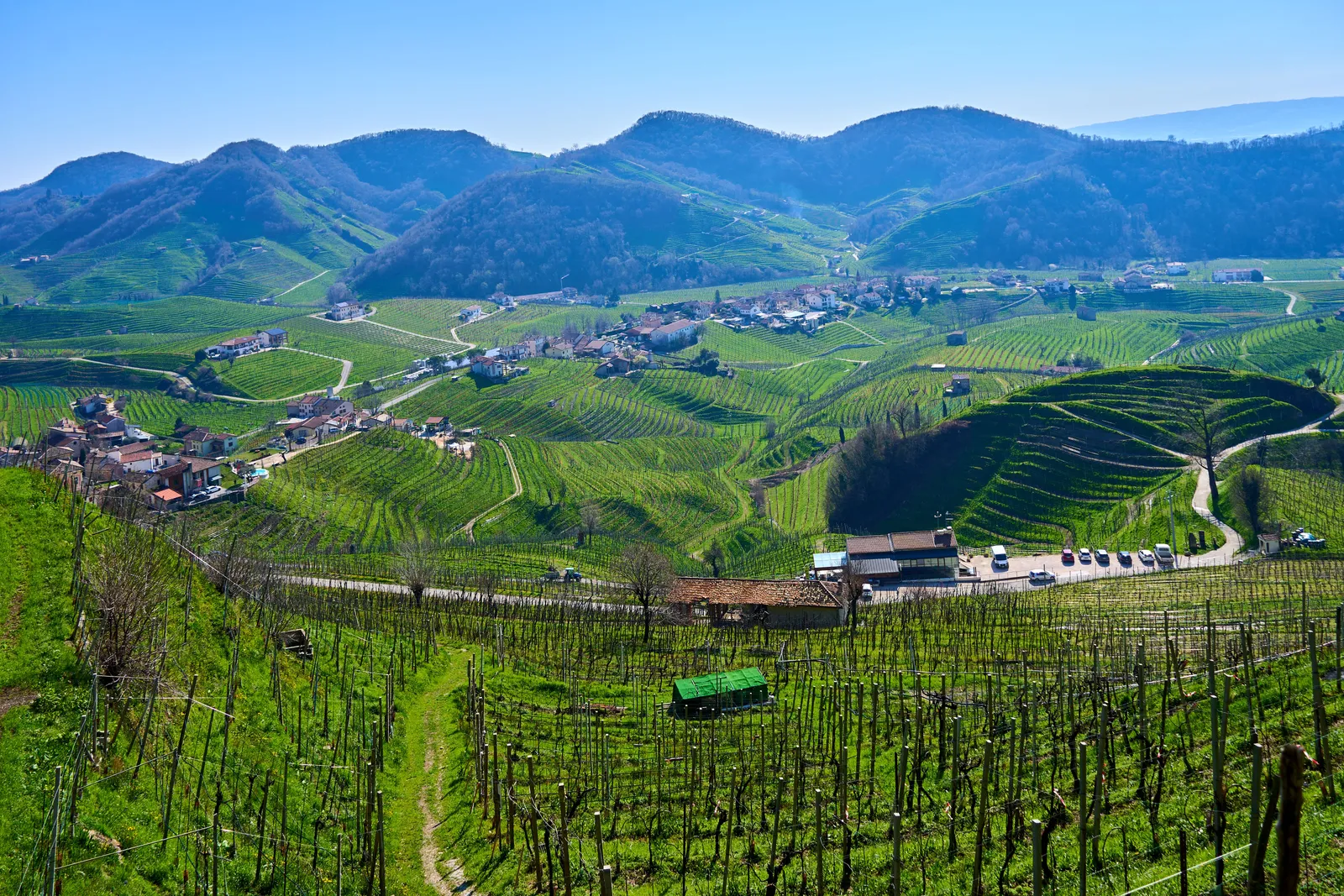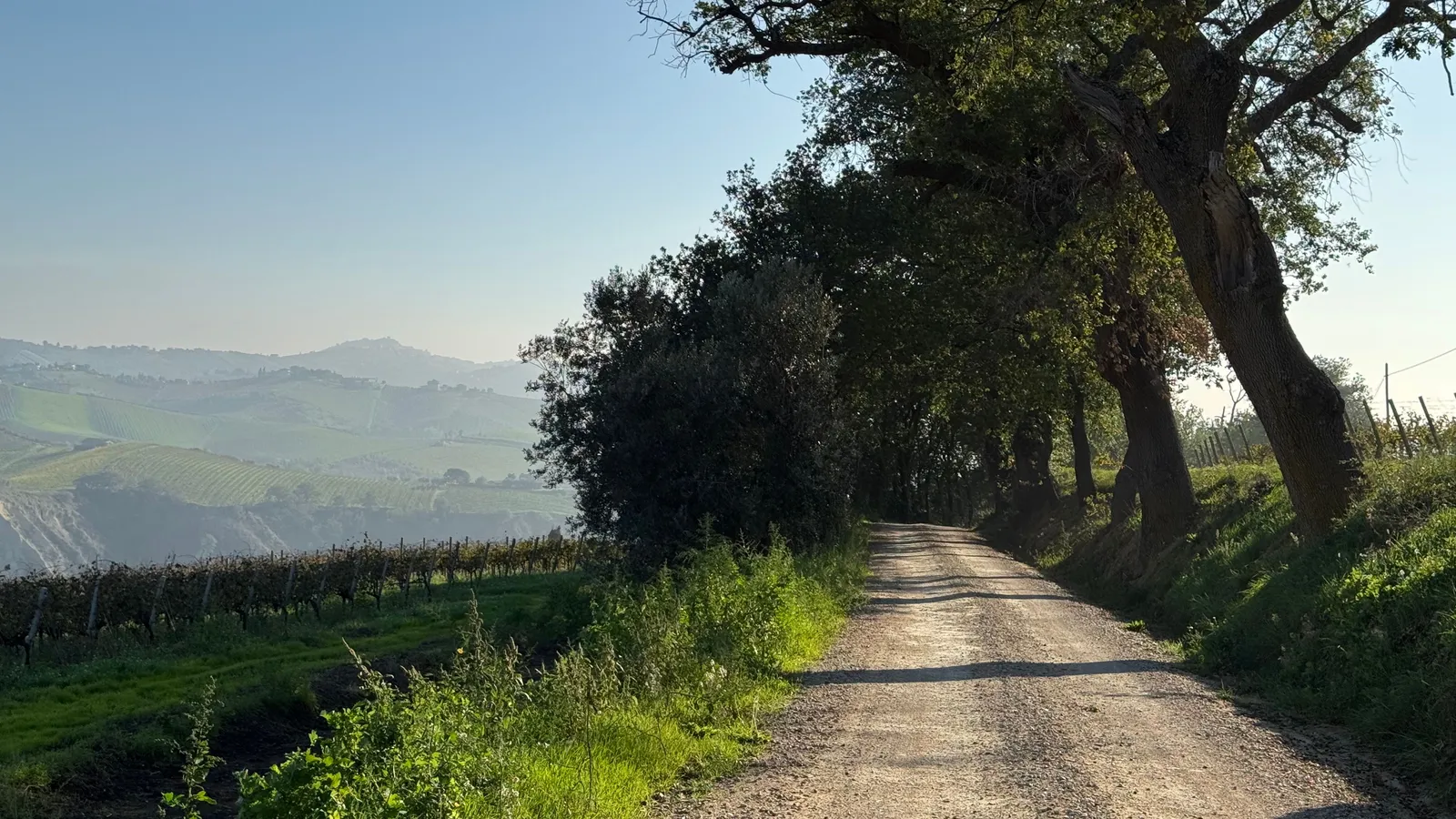
A surprising share of what the world thinks of as Italian food comes from one compact stretch of Emilia-Romagna, and most visitors to Bologna never leave the city to see where it is made. Parmesan comes from around Parma and Reggio Emilia. Parma ham comes, unsurprisingly, from Parma. Traditional balsamic vinegar is made in Modena and nowhere else. Fresh egg pasta and the real version of Bologna’s famous meat sauce belong to Bologna itself. All three towns sit on the same rail line, less than an hour apart, which makes this one of the easiest food-focused trips to build in the whole country.
Why it is called the food valley
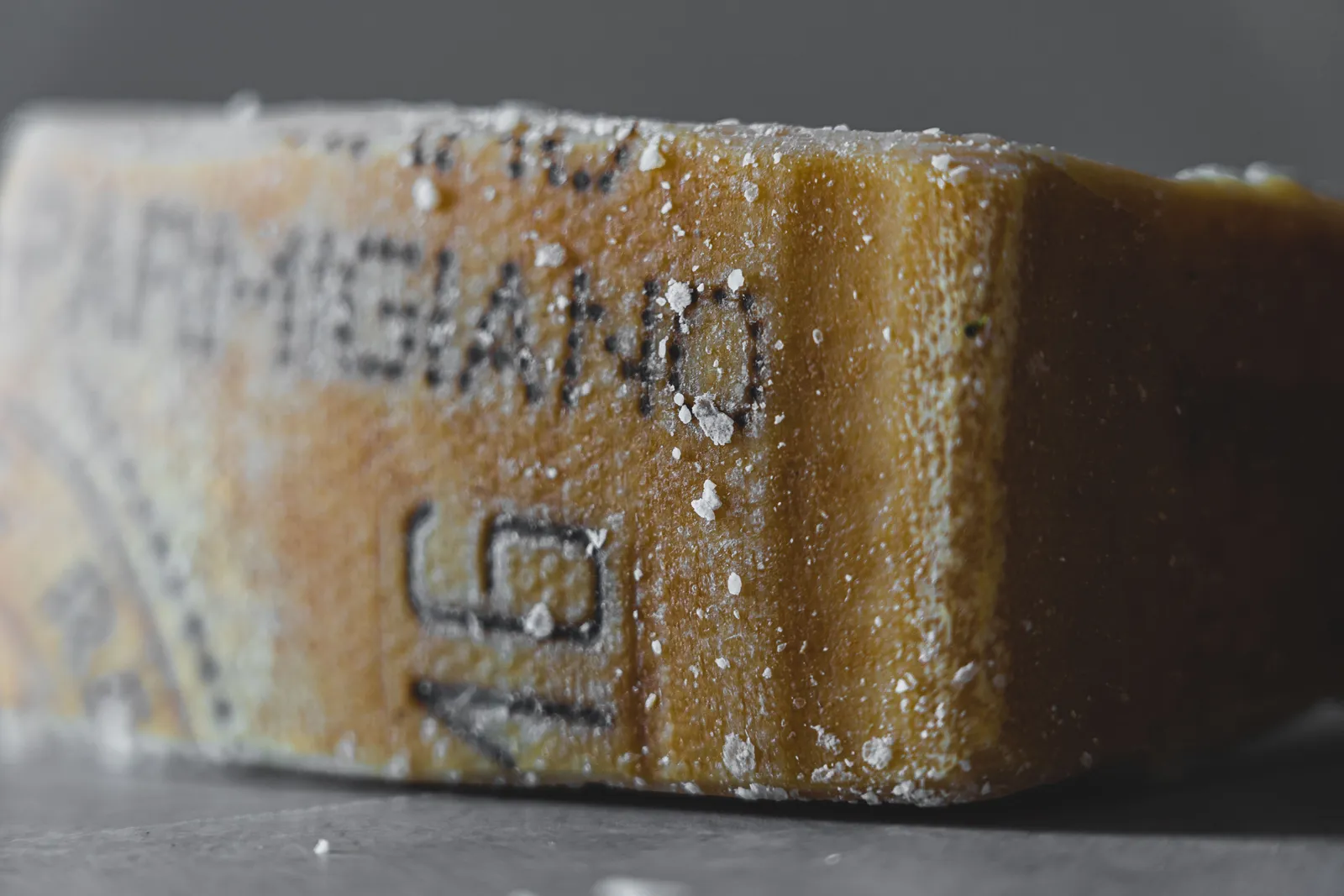
The nickname is not marketing. Within a roughly seventy kilometre stretch of the Po valley plain, a cluster of protected, named products are made under rules that specify exactly where and how they can be produced. Parmigiano Reggiano can only be called that if it is made in a defined zone around Parma, Reggio Emilia, Modena, Bologna and part of Mantua, following a process that has barely changed in centuries. Prosciutto di Parma has similarly strict geographic rules. Traditional balsamic vinegar from Modena is aged for years in graduated wooden barrels under its own protected designation.
None of this is unique to Italy, plenty of regions have protected products, but the density here is unusual: three of the country’s best-known exports, plus a fourth city with its own distinct pasta and sauce tradition, all within an hour of each other by train.
Parma: cheese and ham
Parma is an elegant, unhurried town with a fine cathedral and a strong opera tradition, and most visitors come for what surrounds it rather than the town itself. The countryside around Parma is where Parmigiano Reggiano and Prosciutto di Parma are actually made, and a number of dairies and ham producers take visitors, typically by booking ahead.
A Parmesan dairy visit usually shows the morning process, since that is when the cheese is actually being made, from curdling the milk through to shaping the wheels that then age for a year or more on wooden shelves. A Parma ham producer generally shows the curing rooms, hundreds of legs hanging in controlled air, and finishes with a tasting. Both are working food businesses rather than museums, so hours and access vary by producer and by season, and it is worth booking directly or through a local operator rather than assuming you can simply turn up.
Reggio Emilia, the neighbouring town after which the cheese is jointly named, Parmigiano Reggiano, is often overlooked in favour of Parma itself, but it sits in the same production zone and has its own dairies open to visitors, with rather fewer tour groups working their way through them. If Parma’s better-known producers are fully booked for your dates, Reggio Emilia is worth trying instead, and the town has an attractive centre of its own that repays an afternoon even without a dairy visit attached.
The town of Parma has its own quieter pleasures beyond what surrounds it. The cathedral and baptistery in the old centre hold some of the finest medieval and Renaissance work in the region, and the streets around them are an easy, pleasant place to eat a plate of the local cured meats and cheese before or after a producer visit, without needing to leave town at all.
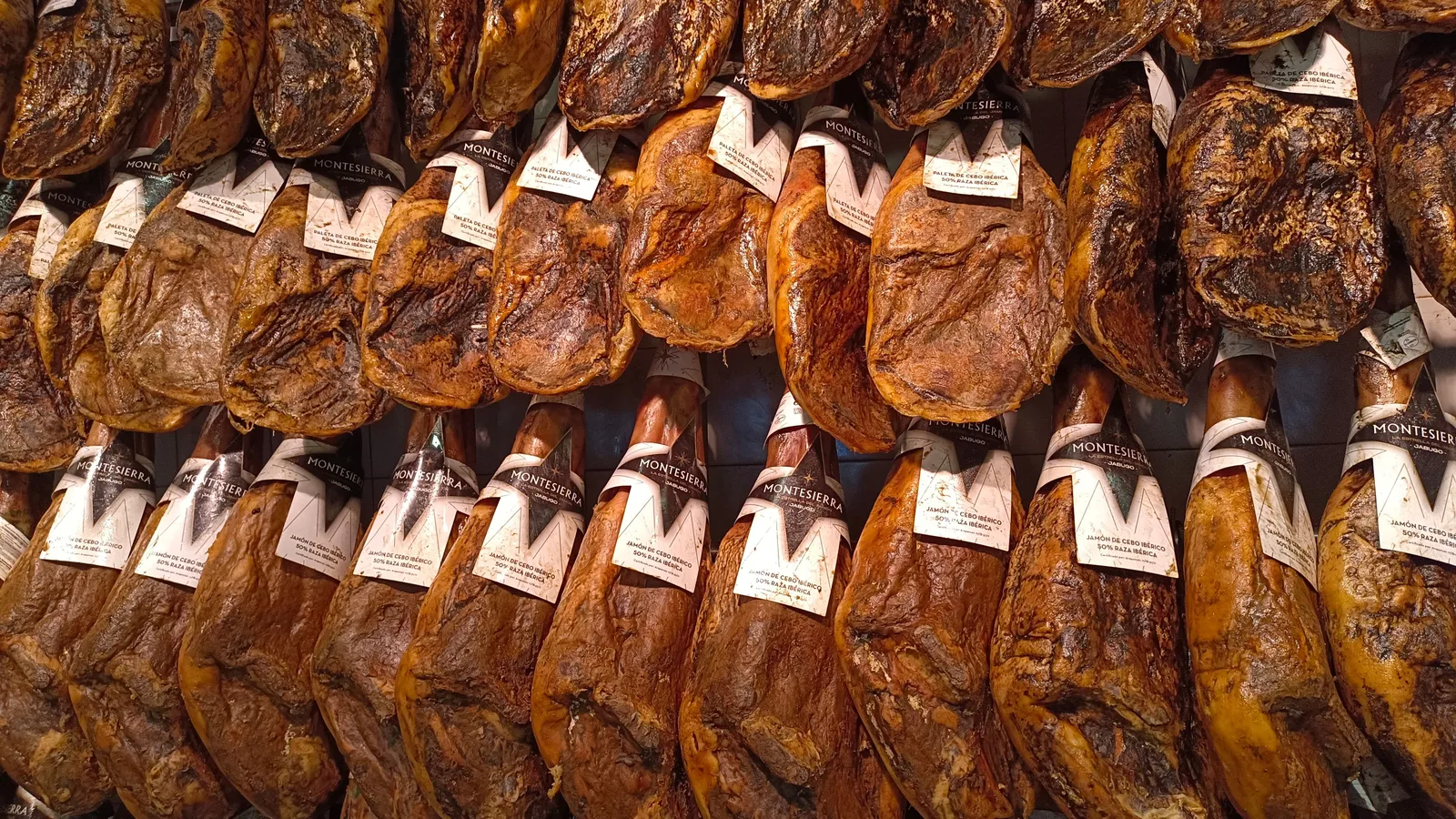
Modena: balsamic and Ferrari
Modena is smaller than Parma and does two very different things well. The historic centre, with its Romanesque cathedral, is where traditional balsamic vinegar is made and aged, in small family acetaie, vinegar lofts, where a series of progressively smaller wooden barrels concentrate the vinegar over years or decades. This is a different product entirely from the balsamic sold in most supermarkets abroad, and a small bottle of the real thing carries a serious price for that reason.
Modena is also, separately, a centre of Italian car manufacturing, home to Ferrari and Maserati, and a handful of visitors come purely for that rather than the food. The two identities sit side by side without much overlap, which makes Modena a slightly unusual stop: a quiet old town with a serious culinary tradition and a very fast, very loud museum a short drive away.
A visit to a genuine acetaia, one of the small family vinegar lofts rather than a commercial producer, is worth arranging ahead if traditional balsamic is the main reason for the stop. These are usually attics or upper rooms of ordinary houses, lined with rows of progressively smaller barrels made from different woods, chestnut, cherry, oak and juniper among them, each adding its own character as the vinegar is moved along the series over the years. The families who run them are often happy to explain the process to a small group, and tasting the real thing alongside a supermarket bottle makes the difference obvious in a way that reading about it never quite manages.
Want to see how the real balsamic is made?Small acetaie in Modena take visitors by appointmentBologna: pasta and ragu
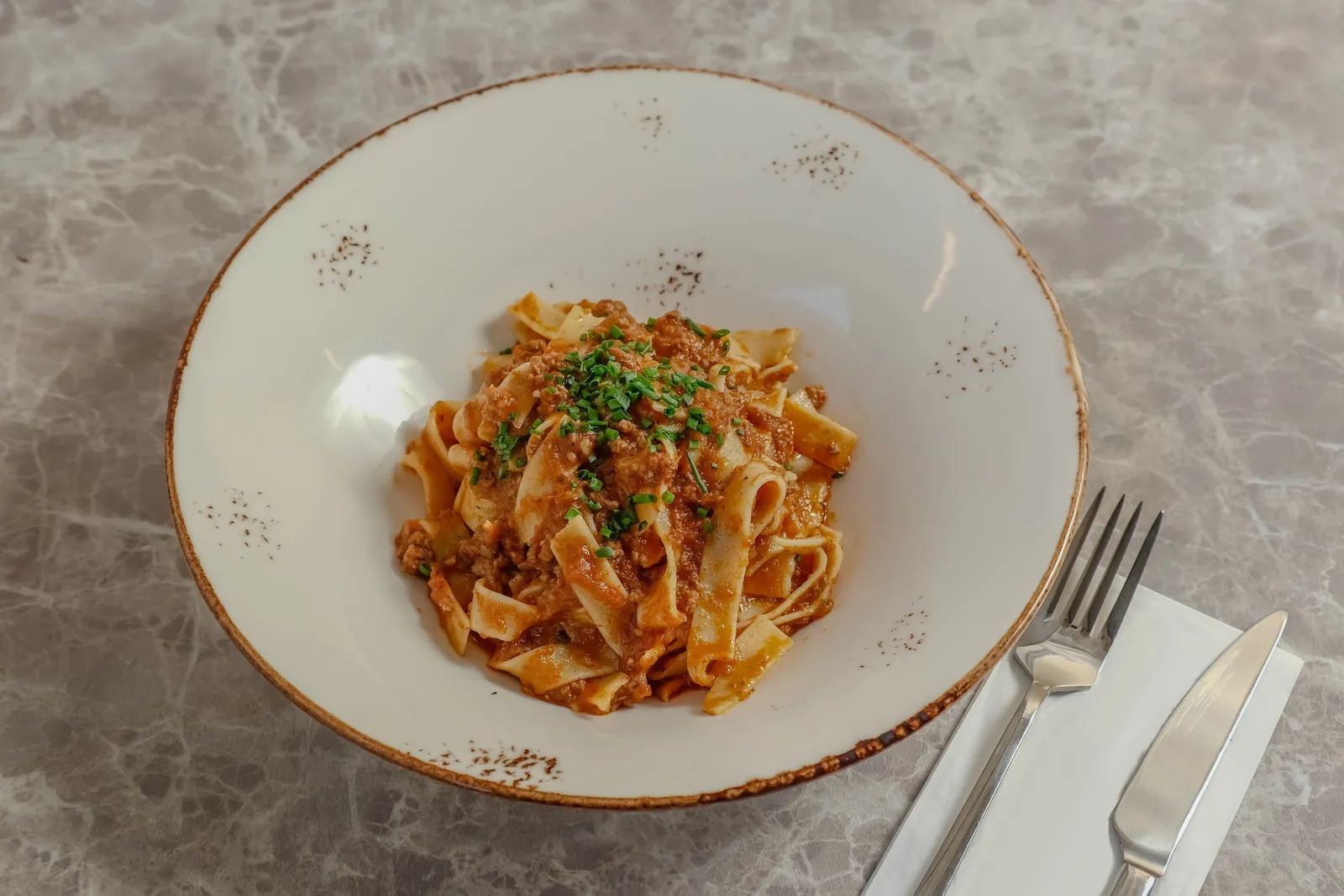
Bologna is the base for this trip and worth a full day in its own right, not just a rail junction. The city has its own distinct food identity, built around fresh egg pasta made by hand, and the dish that gave the city its international reputation, ragu, is traditionally served with tagliatelle rather than spaghetti and cooked slower and with less tomato than the version exported abroad. Bologna is also home to mortadella, the smooth pork sausage studded with fat and pistachio that gave its name, mangled, to a very different product sold elsewhere.
The city’s covered market halls and the streets around the university are the easiest place to eat well without a plan, and a hands-on pasta-making class is a genuinely good way to spend an afternoon here if you want to take something home beyond a full stomach.
Comparing the three
| Parma | Modena | Bologna | |
|---|---|---|---|
| Famous for | Parmesan, Parma ham | Traditional balsamic, Ferrari | Fresh pasta, ragu, mortadella |
| Feel | Elegant, unhurried | Compact, mixed old town and industry | Lively, studenty, a real city |
| Best for | Producer visits | A slower single day | Basing yourself for the whole trip |
| From Bologna by train | Under an hour | Around 25 minutes | Base |
How to structure the trip
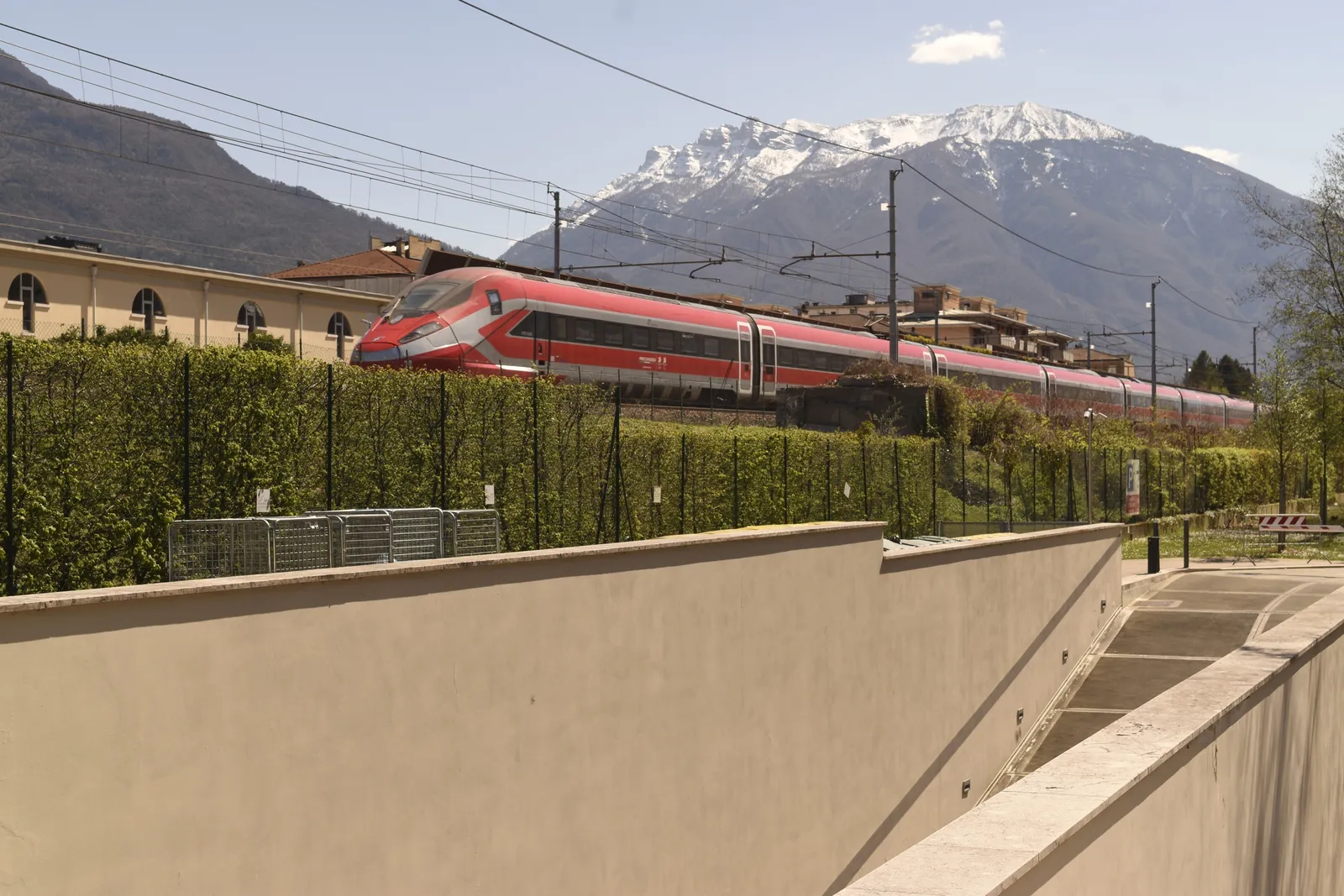
Base in Bologna, since it has the best rail connections into the rest of Italy and enough of its own food culture to justify a full day. From there, Parma and Modena both work comfortably as day trips on the regional or high-speed line that runs through all three towns, with journey times well under an hour each way. Our guide to Italy’s train network covers how the regional and high-speed services differ if you are new to booking Italian rail.
Three or four nights based in Bologna is a comfortable length: one day in the city itself, one day trip to Parma, one to Modena, and a spare day either for a producer visit that runs longer than expected or simply to slow down. The trip also bolts neatly onto a longer Italian itinerary, since Bologna sits directly on the main line between Milan and Florence, making it an easy stop rather than a detour, and it works particularly well tacked onto the start or end of our seven-day Italy itinerary, which already threads through the north of the country.
If this is an early stop on a longer trip and you are still working out the wider shape of it, our first-timer’s guide to Italy is worth reading before you lock in dates and routing.
The short version
Base in Bologna, day trip to Parma for cheese and ham, day trip to Modena for balsamic, and treat Bologna’s own tagliatelle and ragu as the fourth pillar of the trip rather than an afterthought before your train. Book producer visits ahead, since dairies and ham houses run to their own working hours rather than tourist opening times, and let the trains do the rest. Three or four nights covers it without rushing, and there are worse ways to spend a stretch of an Italian trip than eating your way along one train line.