Alba is a small, wealthy town in Piedmont that spends most of the year quietly making excellent wine, and a few weeks each autumn becoming one of the most obsessive food destinations in Europe. The reason is a fungus that nobody has worked out how to farm. The white truffle, tartufo bianco, grows wild in the oak and hazelnut woods of the Langhe hills, it is hunted rather than harvested, and for a stretch of autumn and early winter the whole town organises itself around it.
If you plan the visit around the season and treat the hunt itself as the main event rather than a side trip, Alba is one of the more distinctive food experiences Italy has to offer.
When the season actually runs
The white truffle season runs roughly from early October into January, though nobody, including the hunters, can give you an exact start date months in advance. Unlike black truffle, which is cultivated on managed orchards in several countries, the white truffle has never been successfully farmed. It grows wild, in symbiosis with the roots of specific trees, and its appearance depends on rainfall in late summer and temperature through the autumn.
The general pattern is a slow build through October, a peak that usually falls somewhere in November and into December, and a tail that runs into January before the season closes. A wet late summer followed by a mild, damp autumn tends to produce a stronger season. A dry one can push the whole thing later and thinner. If your trip dates are flexible, ask a local hunter, a hotel in Alba or the market itself, closer to the time, how the season is shaping up that year rather than trusting a fixed calendar written in advance.
What a truffle hunt actually involves
The romantic image, a hunter and a dog wandering the woods at dawn, is close to the reality, which is unusual for a tourist activity built around something that photographs well. The hunters, called trifulau in the local dialect, work private licensed ground, often the same patches their families have hunted for generations, and they keep the exact locations closely guarded.
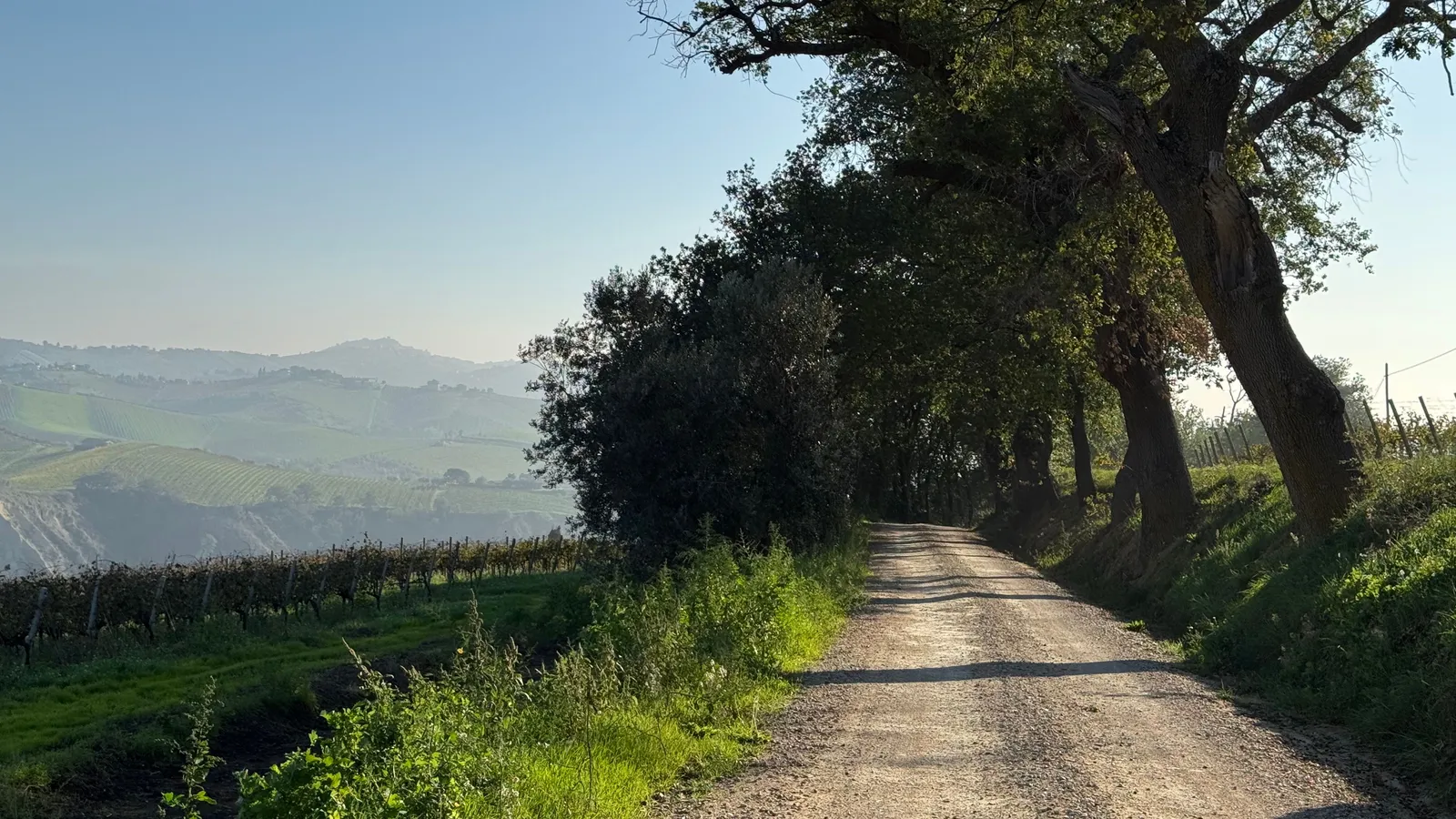
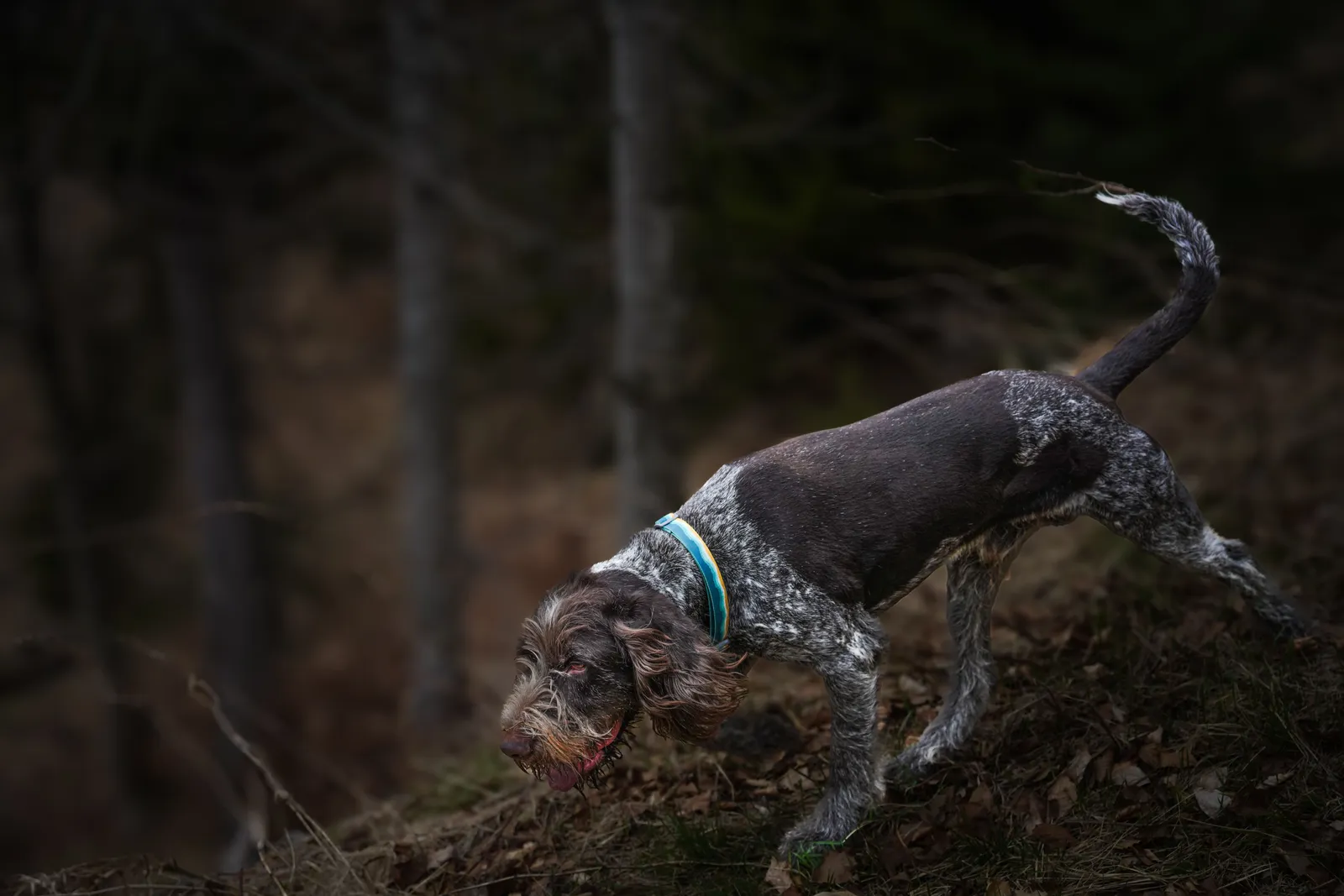
A typical outing runs a couple of hours, usually early morning or late afternoon, since the dog’s nose works best when the ground is cool and the woods are calm. You walk with the hunter and the dog through oak and hazelnut woodland in the Langhe hills, and the dog does the actual finding: a sudden change in pace, a scratch at the base of a tree, and the hunter kneels to dig gently with a small tool, checking the size and ripeness before deciding whether to take it. Trained dogs, usually Lagotto Romagnolo, a curly-coated breed bred specifically for this work, are the whole method. Pigs, associated with truffle hunting in popular imagination, are rarely used in practice because they tend to eat what they find.
Dress for the woods rather than the town: sturdy shoes with grip, since the ground underfoot is uneven and often damp, and layers, since the Langhe hills can be noticeably colder at dawn than they are by midday. Most trifulau supply a walking stick for the terrain and keep a firm hand on the dog’s lead until the moment it signals a find, so the animal does not simply eat the discovery itself. The pace is unhurried by design. A hunter who knows the ground is not rushing between trees, they are reading the dog, and a slow, quiet walk is usually a sign the outing is going well rather than badly.
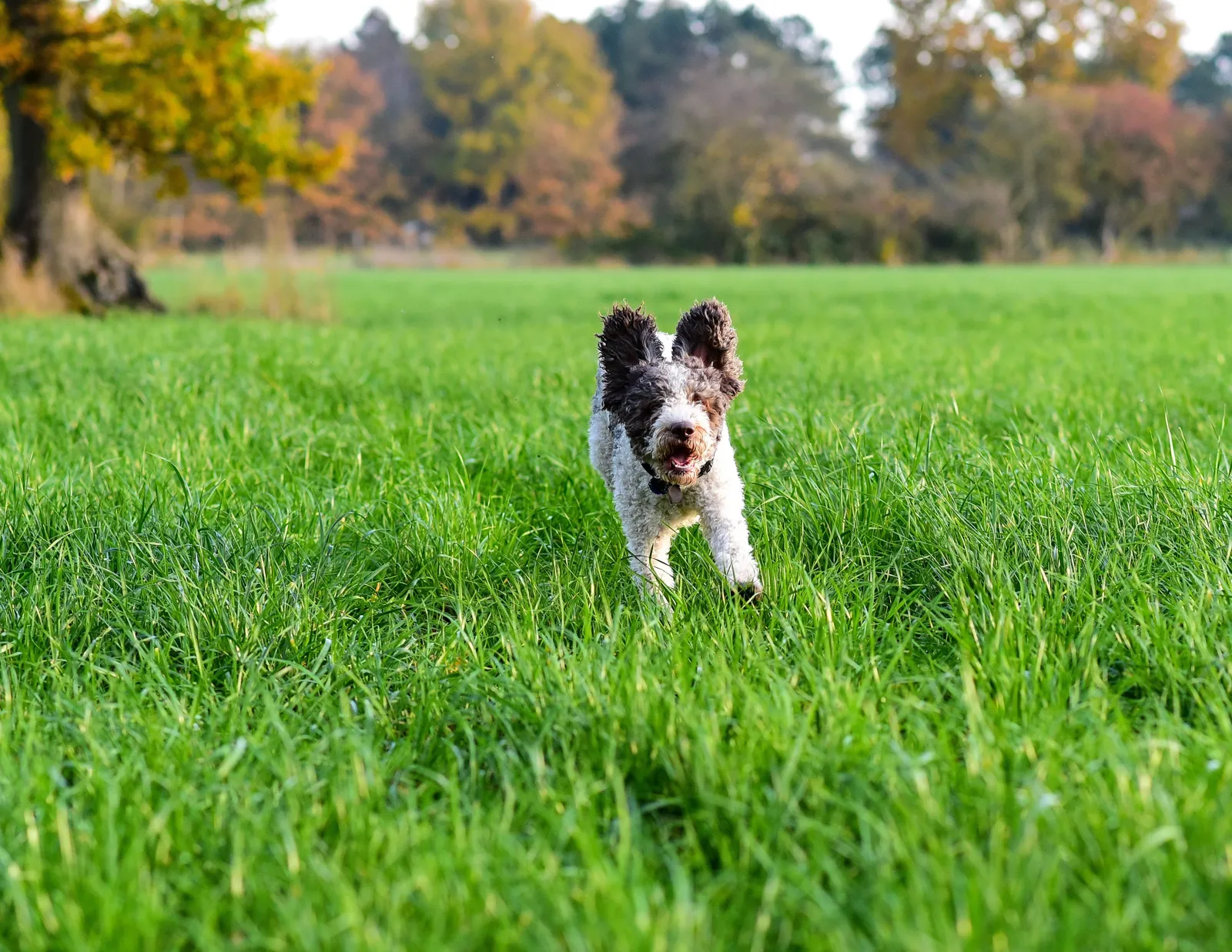
Most hunts end with a tasting, either back at the hunter’s farmhouse or arranged at a restaurant in Alba, where whatever was found that morning, or a comparable truffle if the morning was thin, is shaved fresh over pasta, eggs or a simple risotto. That tasting is usually the best few minutes of the whole trip.
White truffle against black truffle
These two are cousins in name only, and mixing them up is the most common mistake first-time visitors make.
| White truffle | Black truffle | |
|---|---|---|
| Where it grows | Wild only, Piedmont and a few other regions | Wild and cultivated, more widely across Italy and France |
| Aroma | Sharp, garlicky, intense | Earthier, milder |
| How it is used | Always raw, shaved over warm food | Often cooked into sauces and dishes |
| Season | Roughly October to January | Varies by variety, some available for much of the year |
| Price | Considerably higher, moves with the season and the find | Lower and more stable |
If a menu, a shop or a market stall offers you black truffle at a white truffle price, or the reverse, something is wrong. Ask which one you are buying before you commit.
Fancy walking the woods with a hunting dog?Small-group hunts run most mornings through the seasonThe market in Alba
The Alba white truffle fair runs across several weekends through the season, with stalls, tastings and the town noticeably fuller than usual, and it is worth timing a visit to overlap with it if the dates line up with your trip. Beyond the fair itself, the covered market in the town centre operates through the season and is where local hunters and traders sell directly, alongside cheeses, hazelnuts and the region’s other produce.
If you are buying truffle to take home, buy from an established shop or a trader you have some reason to trust rather than an unlicensed stall, ask for it to be weighed and checked in front of you, and confirm current export rules for fresh produce before you travel, since these do change. Prices move constantly through the season depending on the size and quality of the day’s finds, so treat any figure you hear as a snapshot rather than a fixed rate, and expect the best specimens to command a serious premium.
Building a Piedmont trip around it
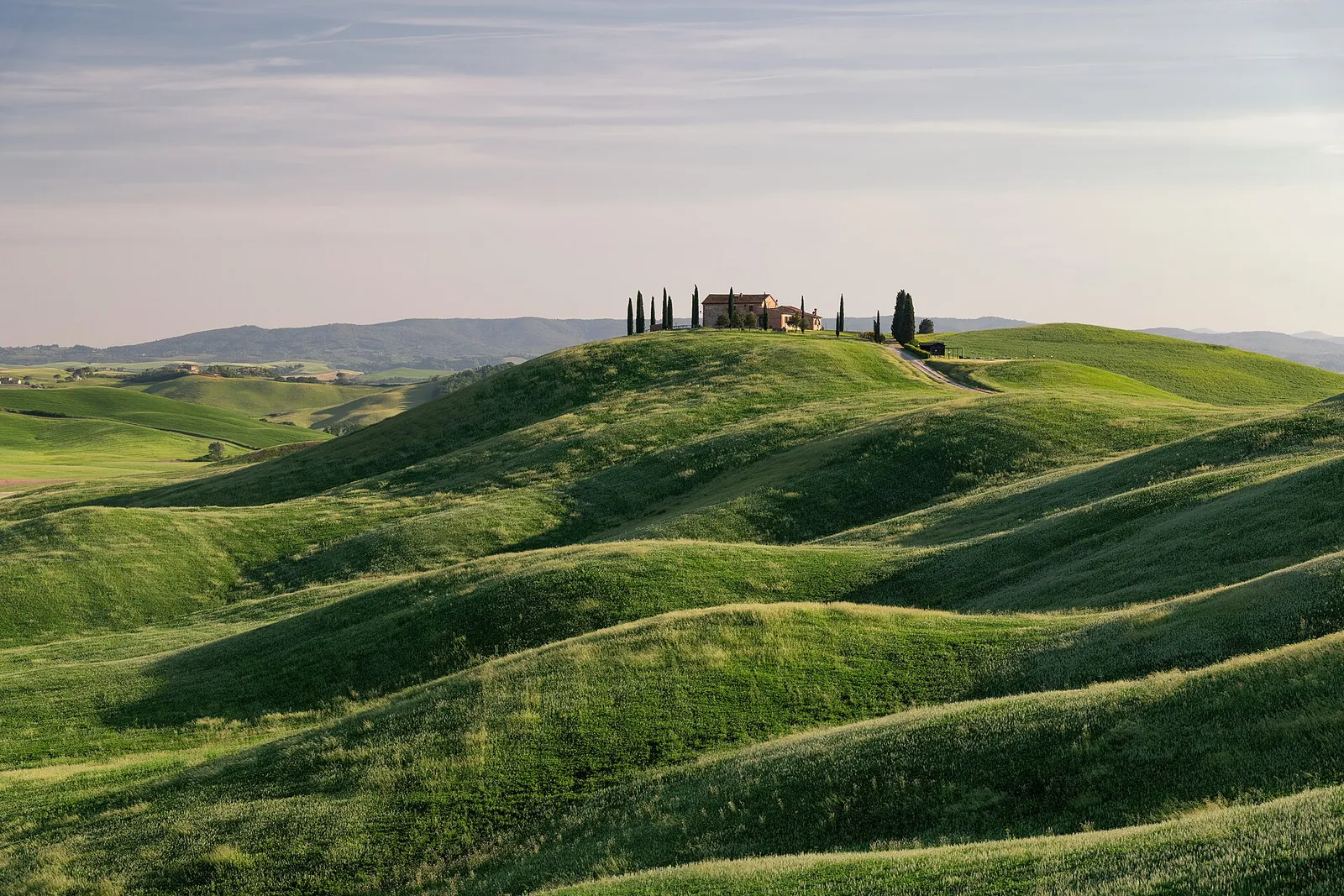
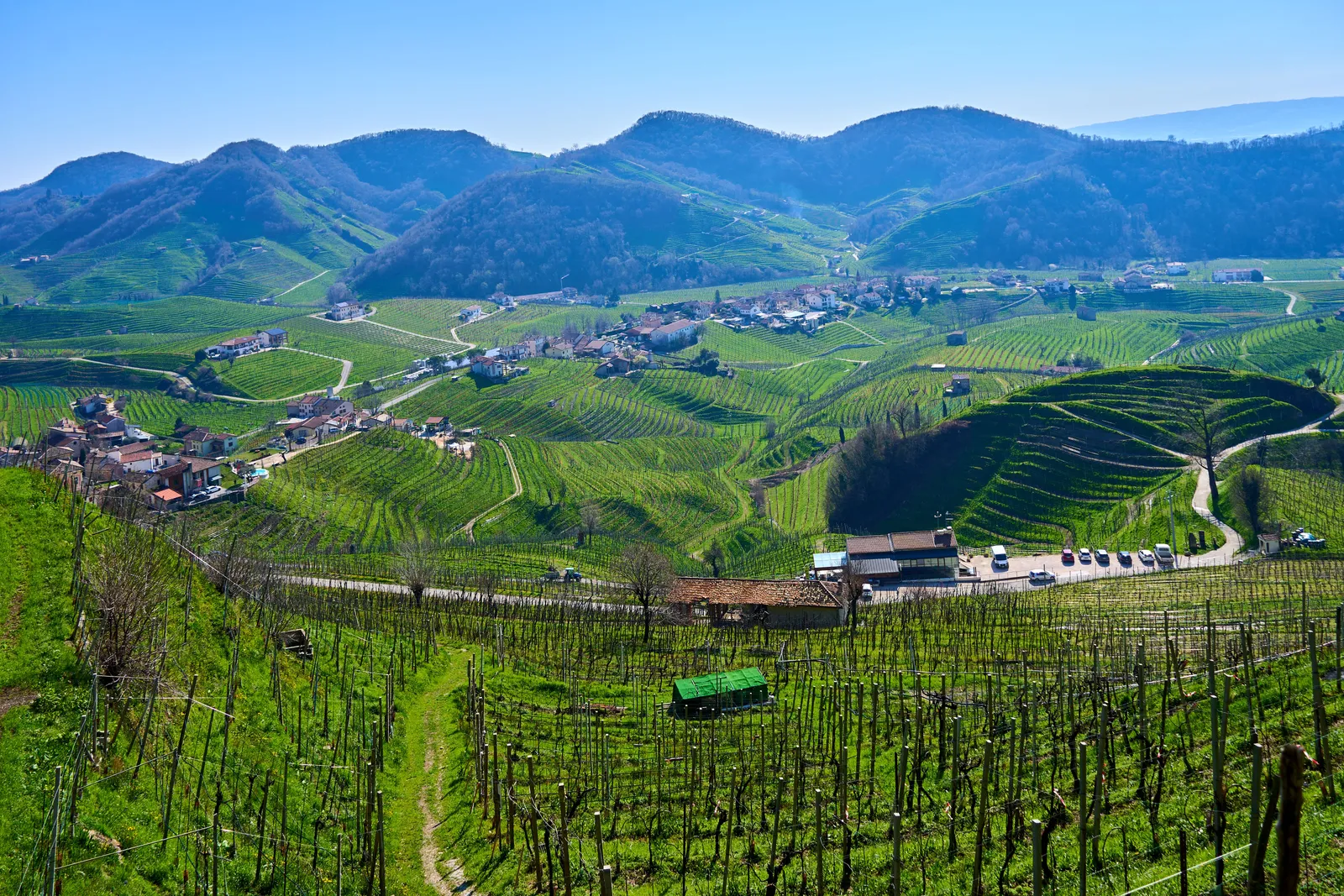
Alba sits in the Langhe, the hill country that also produces Barolo and Barbaresco, two of Italy’s most serious red wines, made from the nebbiolo grape on slopes visible from the town itself. A truffle hunt pairs naturally with a couple of days of wine, since the same hills, the same small towns and often the same producers cover both. Piedmont’s wine country is quieter and less visited than Tuscany’s better-known Chianti wine road, which suits travellers who want the same idea of driving between vineyards without the crowds.
A sensible structure for a short trip: base in or near Alba, spend a morning on a hunt, an afternoon at the market or wandering the arcaded town centre, and the rest of the visit on a slower loop through Barolo and Barbaresco, stopping at cellars for tastings along the way. Two to three nights is enough to do this without rushing, and a car makes the whole region considerably easier, since the vineyards and the best small towns are spread across the countryside with limited public transport connecting them.
The villages themselves are worth building the days around rather than treating as stops between cellars. Barolo, the small hilltop village that gives the wine its name, has a medieval castle now given over to a wine museum and a scatter of enotecas where producers who do not otherwise take visitors pour their bottles by the glass. Barbaresco, quieter and smaller again, has a tower you can climb for a view over the whole appellation, vines running in every direction to the horizon. Neither village needs more than an hour or two on foot, which leaves the rest of the day free for cellar visits, and both are close enough to Alba that none of this requires changing base.
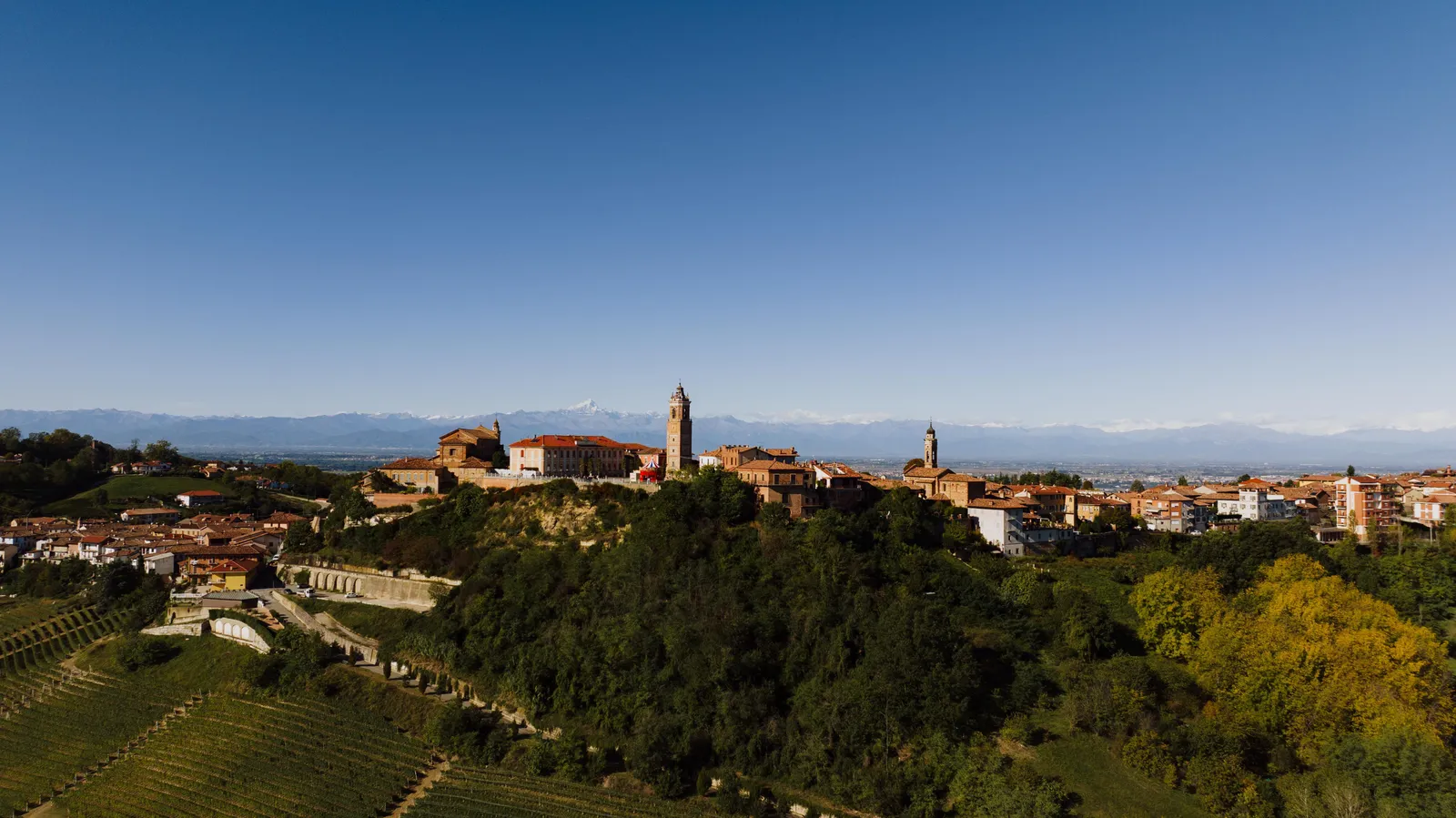
Turin, an hour or so away by road or rail, is the usual gateway for flights, and Alba itself has a train station with connections north. It is worth checking our month-by-month guide to Italian weather before you commit to specific dates, since October and November behave very differently in the hills than they do further south. Between Alba and the Barolo and Barbaresco villages a car does the work that no timetable will, and our guide to driving in Italy covers what hiring one asks of you here. And if Piedmont is only one stop on a wider trip, our one-week Italy itinerary sets out how much a detour north actually costs you.
The short version
Come between October and January, treat the exact peak week as something to confirm closer to your dates rather than fix months in advance, and book a hunt with a licensed local trifulau rather than a generic tour badge. Pair the morning in the woods with an afternoon in Alba’s market and a couple of days looping through Barolo and Barbaresco. The dog finds the truffle, the hunter decides whether it is worth taking, and the best part of the whole outing is usually the plate that follows, not the digging itself.