Most prosecco drunk around the world comes from a broad, flat production zone across the Veneto and Friuli, made in volume and rarely visited by anyone. A smaller, older, steeper stretch of hills between two towns called Conegliano and Valdobbiadene is where the wine’s reputation actually started, and it is close enough to Venice, roughly an hour by road, to make an easy and genuinely rewarding day out.
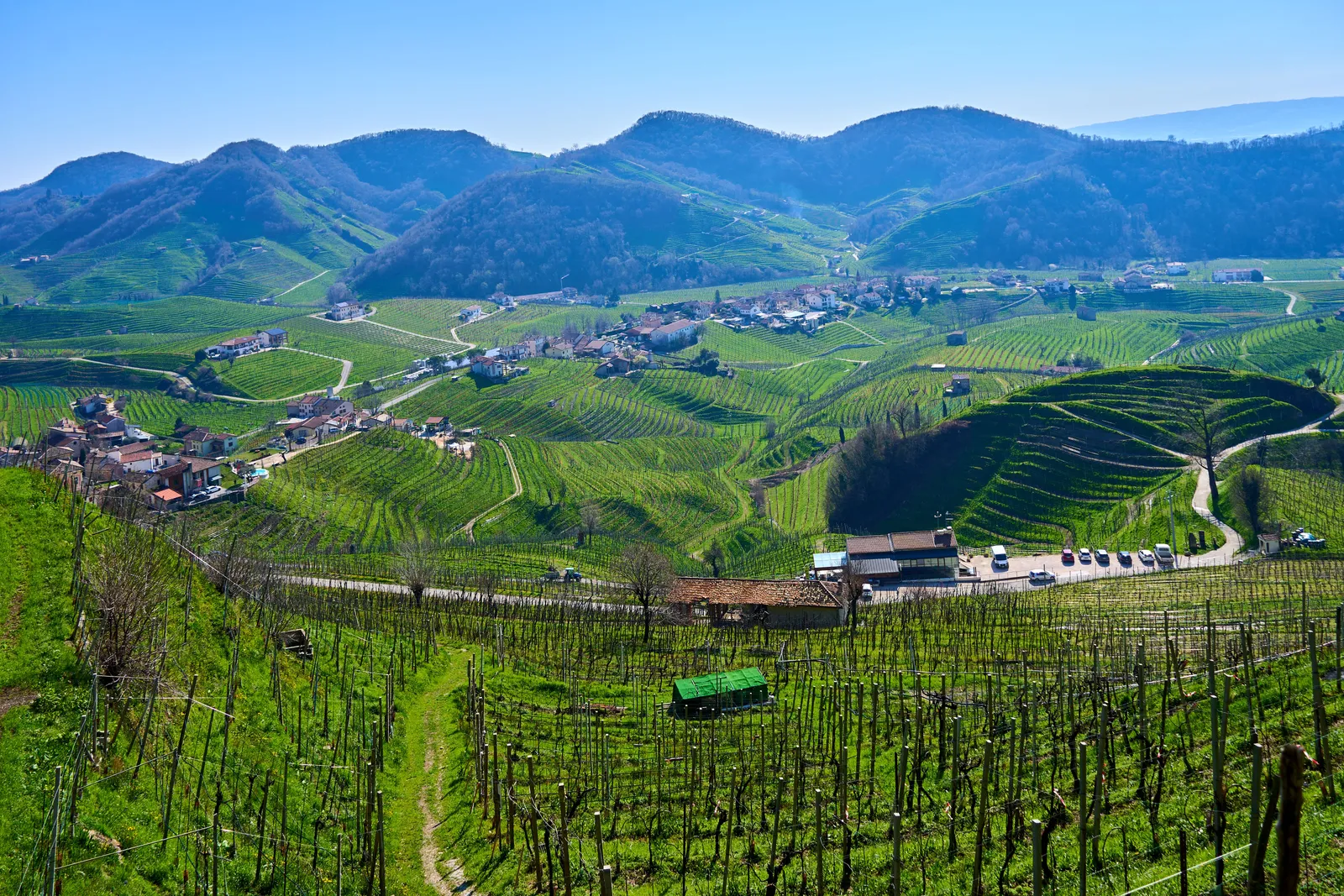
This is Italy’s oldest recognised wine road, a designation that predates most of the country’s better-known wine routes, and the landscape it runs through is now a UNESCO World Heritage site in its own right, protected specifically for the pattern of steep, hand-tended vineyard terraces cut into the hills.
Why this particular stretch of hills
Most prosecco carries the DOC designation, a broad category covering a large, relatively flat production area. The hills between Conegliano and Valdobbiadene carry the stricter, higher DOCG designation instead, reserved specifically for this zone. The distinction is not marketing. The slopes here are steep enough that machinery cannot be used, so every grape is harvested by hand, a level of manual labour unusual for a wine made at any real volume. That, combined with the altitude and the specific soil of these hills, is generally credited with giving DOCG prosecco more structure and complexity than the flatter DOC version most people have actually tasted.
Put simply: if the only prosecco you have had is a supermarket bottle, what is grown on these hills is a different experience, and visiting the actual slopes it comes from changes how you think about a wine that is often treated as an afterthought.
Driving the road
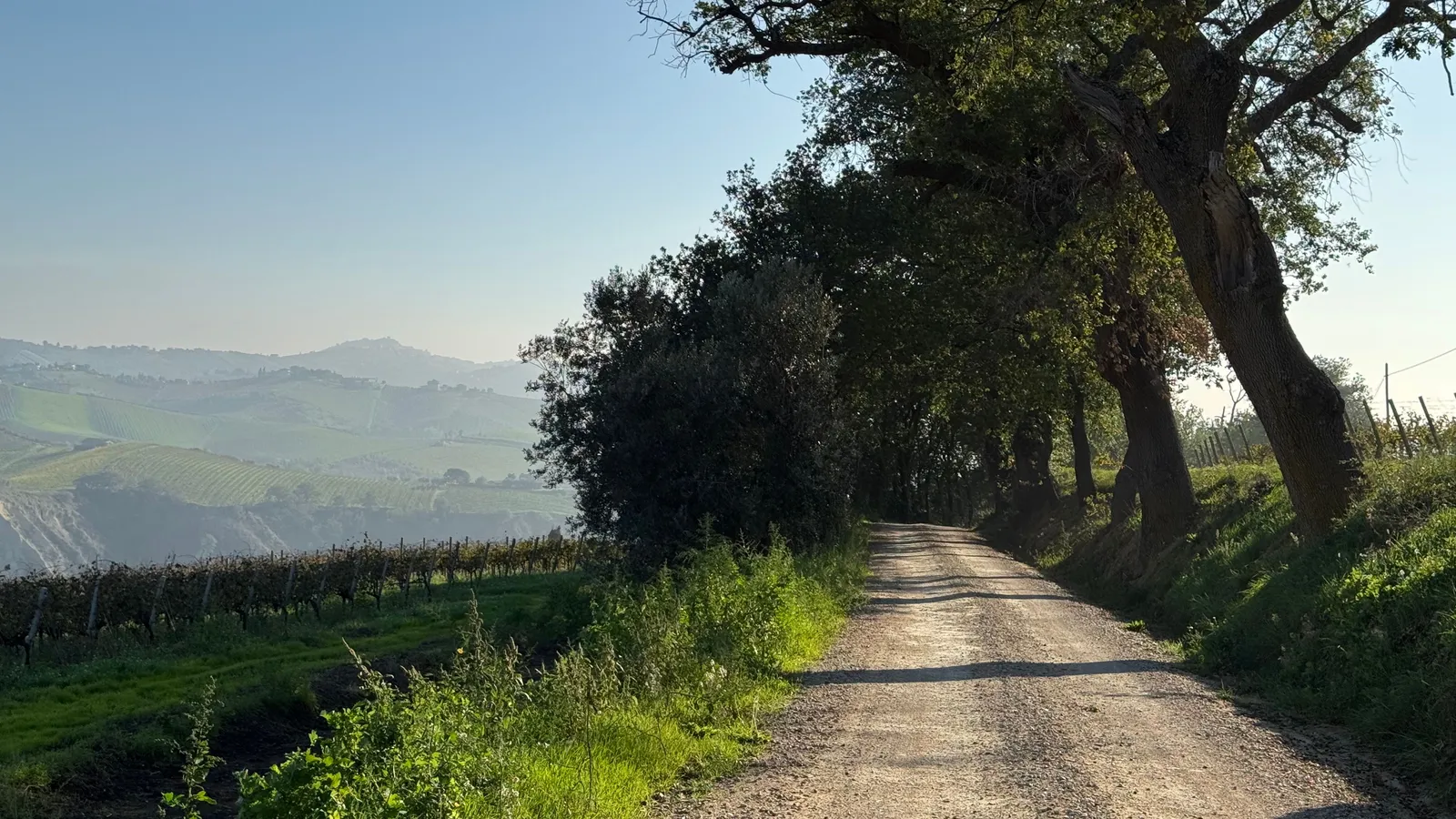
The road itself runs roughly forty kilometres between Conegliano in the east and Valdobbiadene in the west, though nobody actually drives it in a straight line. The appeal is the network of narrower lanes that branch off through the vineyard hills, past small towns, family-run cellars and viewpoints where the terraced slopes fall away in front of you. Cartizze, a small, particularly steep hillside within the wider zone, is considered the grand cru of the area and is worth seeking out even if you do not stop there.
This is a route for wandering rather than ticking off a fixed list of stops. Pick a general direction, follow signs for cantine, cellars, that look interesting, and expect the drive between any two points to take longer than the map suggests, since the lanes twist with the contours of the hills.
Conegliano, at the eastern end, is the larger and more workaday of the two anchor towns, with a hilltop castle, a frescoed old street and a well-regarded wine school that has trained generations of the region’s producers. Valdobbiadene, at the western end, is smaller and sits closer to the steepest and most celebrated slopes, including Cartizze itself, and makes the better base if the vineyards rather than the towns are the point of your visit. Neither needs a full day on its own, which is part of why the road works so well as a single outing rather than a multi-night stay.
Visiting a winery
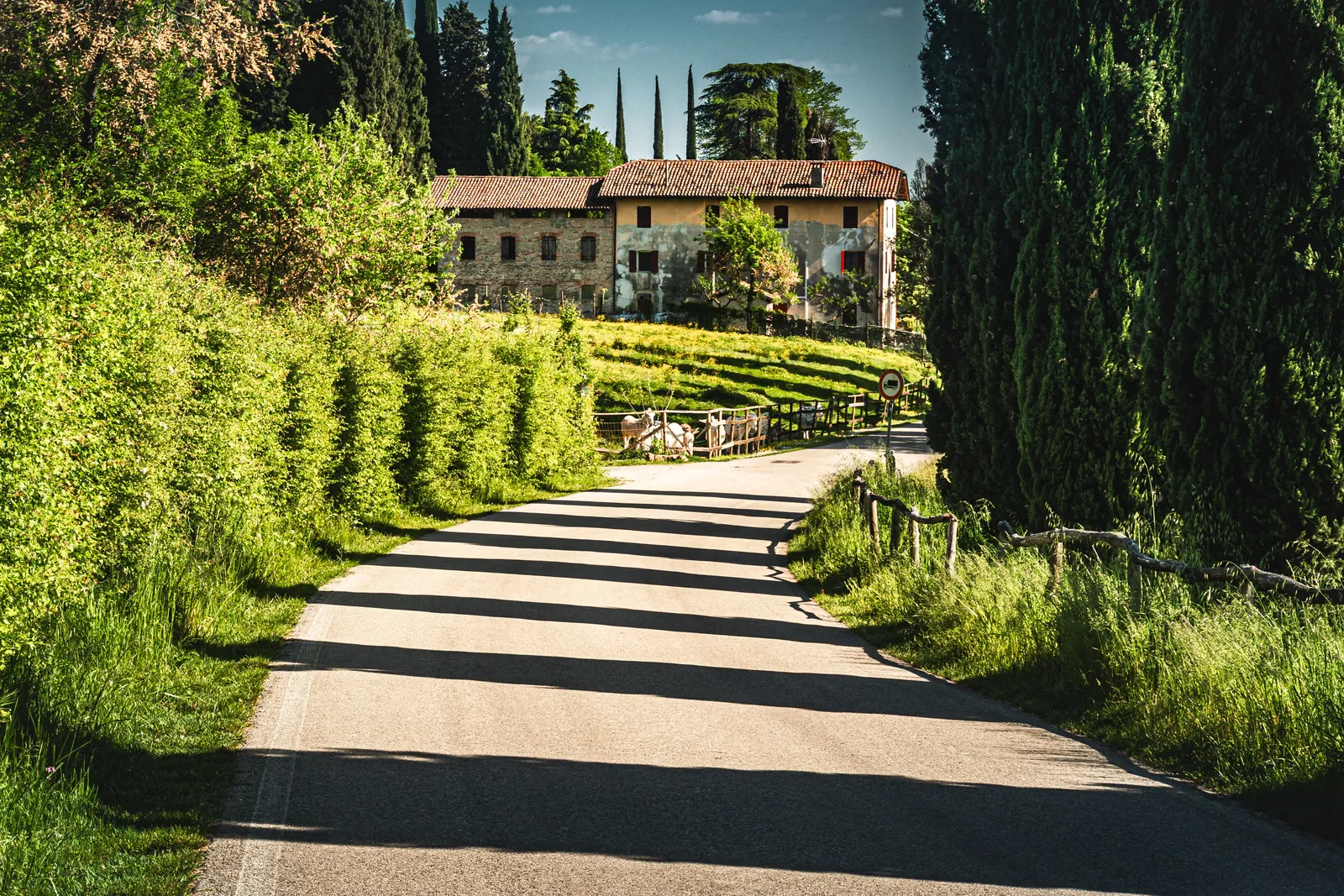
Many of the producers along the road are small, family-run operations rather than large commercial estates, and a number welcome visitors for a tasting, generally by booking ahead rather than turning up unannounced, particularly at the smaller cellars where the person pouring your wine may also be the one who grew it. A typical stop includes a short look at the cellar or the terraces themselves and a tasting of a few styles, from the driest brut through to the softer, slightly sweeter extra dry more commonly associated with prosecco abroad.
Worth knowing before you start: what most people call prosecco is properly Glera, the grape variety, made in a fully sparkling style called spumante or a softer, gently fizzing style called frizzante. Along this road you will also find rifermentazione in bottiglia, an older, cloudier style refermented naturally in the bottle rather than in a pressurised tank, which tastes noticeably different from anything sold under a supermarket label and is a good thing to ask for specifically if you want to taste something you cannot easily find at home. Producers here are generally happy to explain the difference as they pour, since it is a large part of why the wine road exists at all.
Would rather taste than drive?Small-group tours cover the hillside lanes with a driver includedSince this is a driving route through working vineyards on narrow roads, it is worth reading our guide to driving in Italy before you set off if this is your first time behind the wheel here, and planning a designated driver, or booking a guided option instead, if tasting properly at each stop is the priority.
How it compares to Tuscany
Anyone weighing up a wine day trip in northern Italy against the bigger, better-known wine regions further south should know these are genuinely different experiences.
| Prosecco Road | Tuscany wine country | |
|---|---|---|
| Scale | A single compact day trip | A multi-day region in its own right |
| Grape focus | Prosecco, mostly one style | Sangiovese and a wide range of reds |
| Feel | Working, family-run, less polished for visitors | More developed tourism infrastructure |
| Best paired with | A day out of Venice | A dedicated multi-day leg of the trip |
Neither is better, they simply suit different trips. If you are based in Venice for a few days and want one memorable day out that is not another church or museum, the Prosecco Road fits neatly. If wine is the actual point of your Italian trip and you have several days to give it, the deeper, multi-day version of this idea further south in Tuscany is the better fit.
Building it into a Venice trip
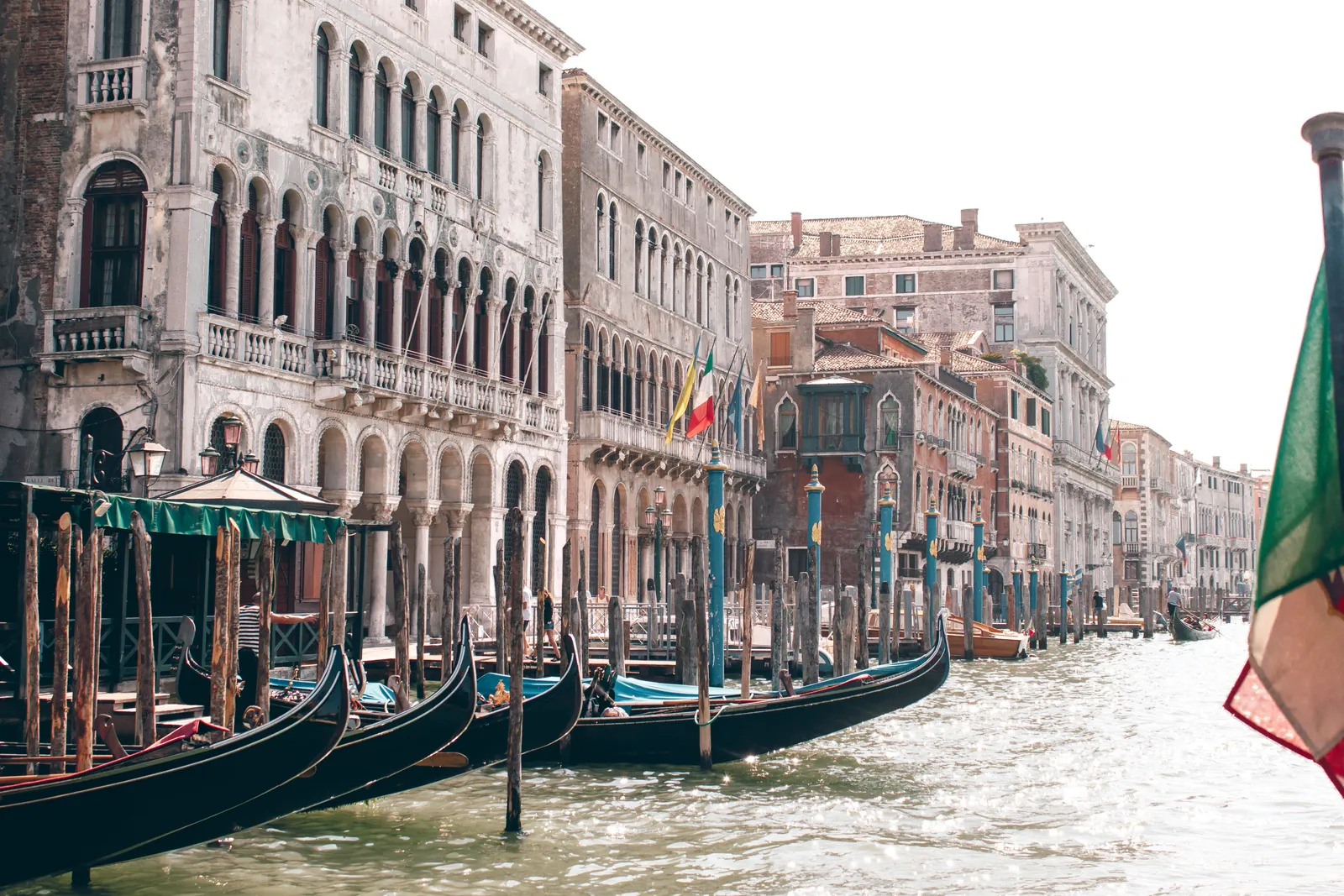
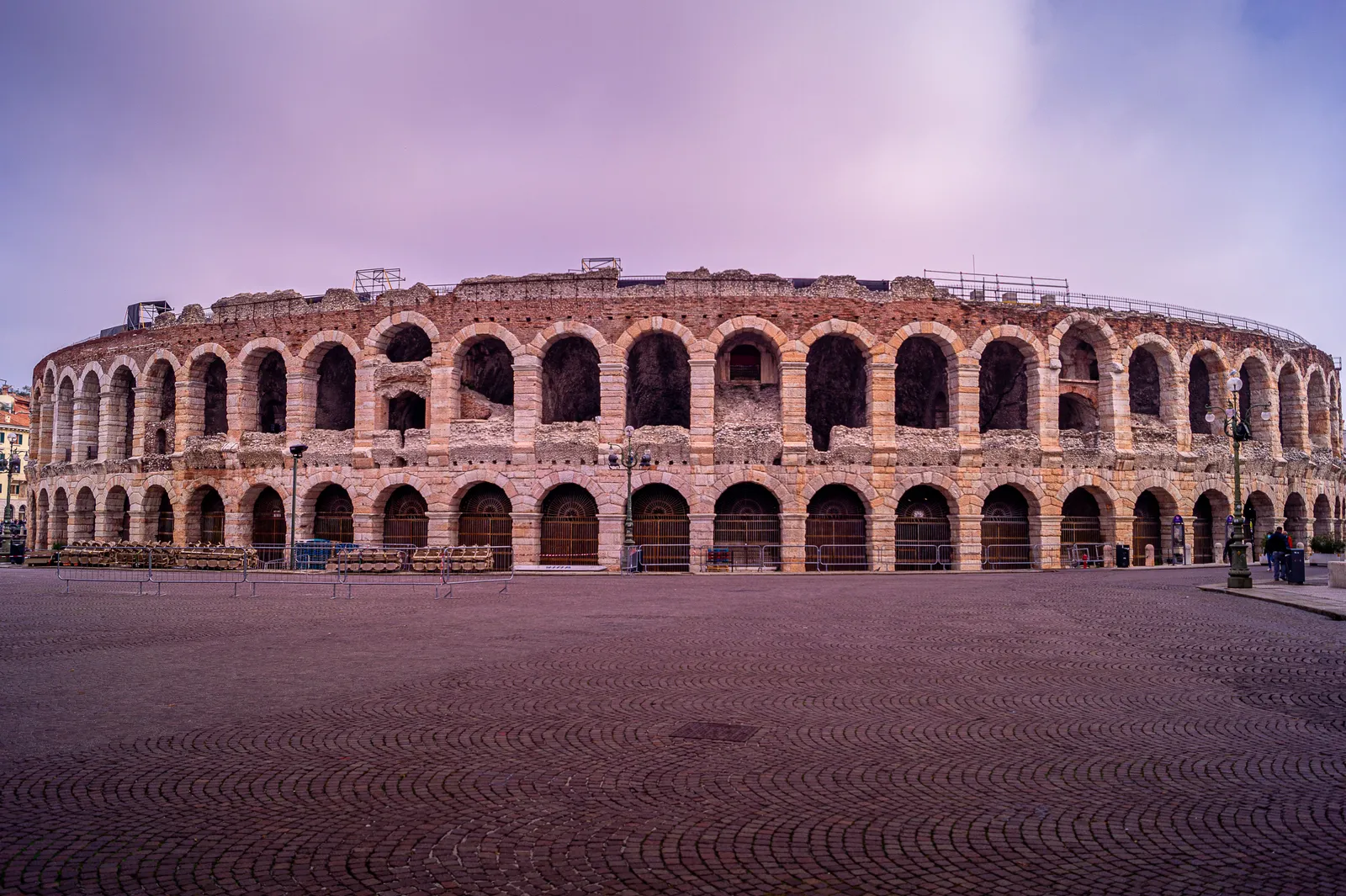
The Prosecco Road works best as a single day trip rather than an overnight detour, which keeps it easy to slot into a longer stay based in or near Venice. A common pattern is Venice for the city itself, a day out to the Prosecco hills, and, if time allows, a stop in Verona on the way back or as a separate day, since Verona sits within a similar range and offers a completely different kind of city day. Our guide to Verona and our first-timer’s guide to Venice both work well as the other pieces of that itinerary.
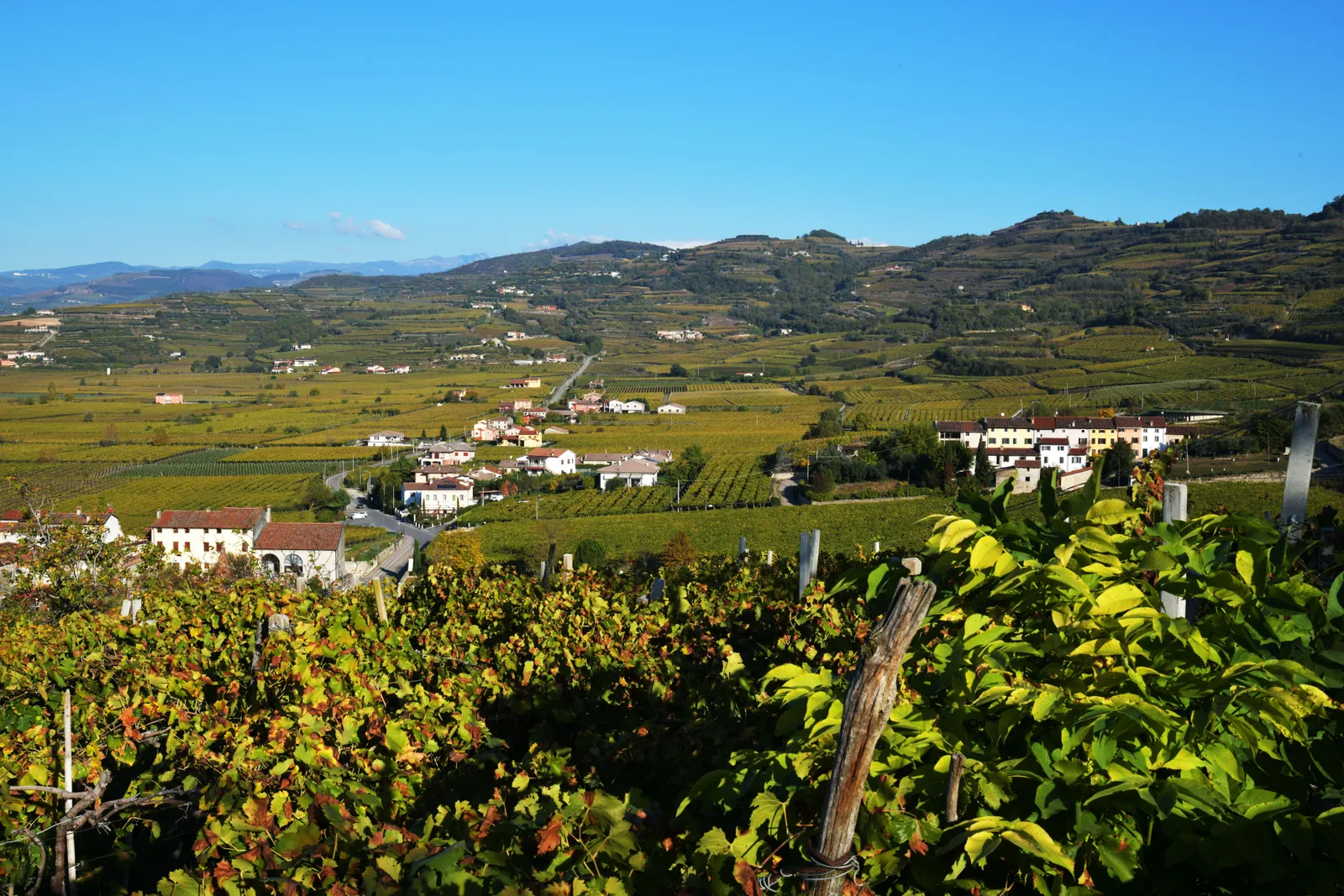
Late spring through autumn is the easiest stretch for this drive, and September brings the harvest itself, with visible activity on the steep slopes if your dates happen to line up. The hills are also simply greener and more photogenic outside the depths of winter, which matters more here than on a flatter route, since the landscape is a large part of why people come.
Winter is not off limits, and the wineries that stay open through the colder months tend to be quieter and more generous with their time, but the bare vines and the shorter days mean the hillside views lose much of their appeal. If a photogenic drive through green, working terraces is the point, aim for anywhere between April and October and accept that the busiest weekends, particularly around the September harvest, are also when the smaller cellars are most likely to be fully booked.
The short version
Give the Prosecco Road a single day out of Venice, drive without a fixed plan through the lanes between Conegliano and Valdobbiadene, and stop wherever a cellar door or a view catches you. Look specifically for DOCG on the label to taste what makes this zone different from the prosecco sold everywhere else, book ahead at the smaller family cellars, and sort a designated driver or a guided tour if tasting is the priority over the driving. It is a short trip that punches well above its length.