Seven days is the sweet spot for a first trip to Italy: long enough to combine three unforgettable cities without spending your holiday packing and unpacking. This plan links Rome, Florence and Venice, the classic first-timer triangle, all joined by fast trains that whisk you from one city centre to the next in a couple of hours. It keeps the pace sensible and gives you one signature experience and one wow moment every day. Read the first-timer guide before you go, book your train tickets ahead for the best fares, and reserve the Colosseum, the Vatican and the Uffizi early.
Itinerary at a glance
| Day | Base | The signature experience |
|---|---|---|
| 1 | Rome | Sunset over the ruins from the Palatine Hill |
| 2 | Rome | Ancient Rome: the Colosseum and the Forum |
| 3 | Rome | The Vatican and the Sistine Chapel |
| 4 | Florence | Climbing the Duomo for the rooftop view |
| 5 | Florence | Michelangelo’s David and the Uffizi |
| 6 | Venice | Gliding the Grand Canal at golden hour |
| 7 | Venice | Getting lost in the back canals |
Day 1: Land in Rome and ease in
Arrive, drop your bags in the historic centre, and resist the urge to sightsee hard on a travel-weary day. Wander instead: the Pantheon, still perfect after two thousand years, the Trevi Fountain at dusk, and a first proper Roman dinner of cacio e pepe in a back-street trattoria.
The signature experience: sunset light spilling over the ancient ruins from the Palatine Hill or a rooftop bar.
Wow moment of the day: stepping into the Pantheon and looking straight up through the open oculus to the sky.
Day 2: Ancient Rome
Give the morning to the Colosseum, the Roman Forum and the Palatine Hill, with your skip-the-line tickets booked well ahead. Stand where gladiators fought, then walk the Forum’s broken marble where the empire was run. In the afternoon, throw a coin in the Trevi and climb the Spanish Steps before an evening in lively Trastevere.
The signature experience: walking into the Colosseum arena and feeling the scale of ancient Rome.
Wow moment of the day: the first glimpse of the Forum spread out below, columns and arches against the sky.
Day 3: The Vatican
Reserve a morning slot for the Vatican Museums and the Sistine Chapel, dressing modestly with shoulders and knees covered. Crane your neck at Michelangelo’s ceiling, then step into the vast St Peter’s Basilica and, if your legs allow, climb the dome for a view over the whole city. Spend your last Roman evening savouring a long dinner.
The signature experience: standing beneath Michelangelo’s Sistine Chapel ceiling, one of the wonders of Western art.
Wow moment of the day: the view from the top of St Peter’s dome, all of Rome laid out below.
Day 4: Fast train to Florence
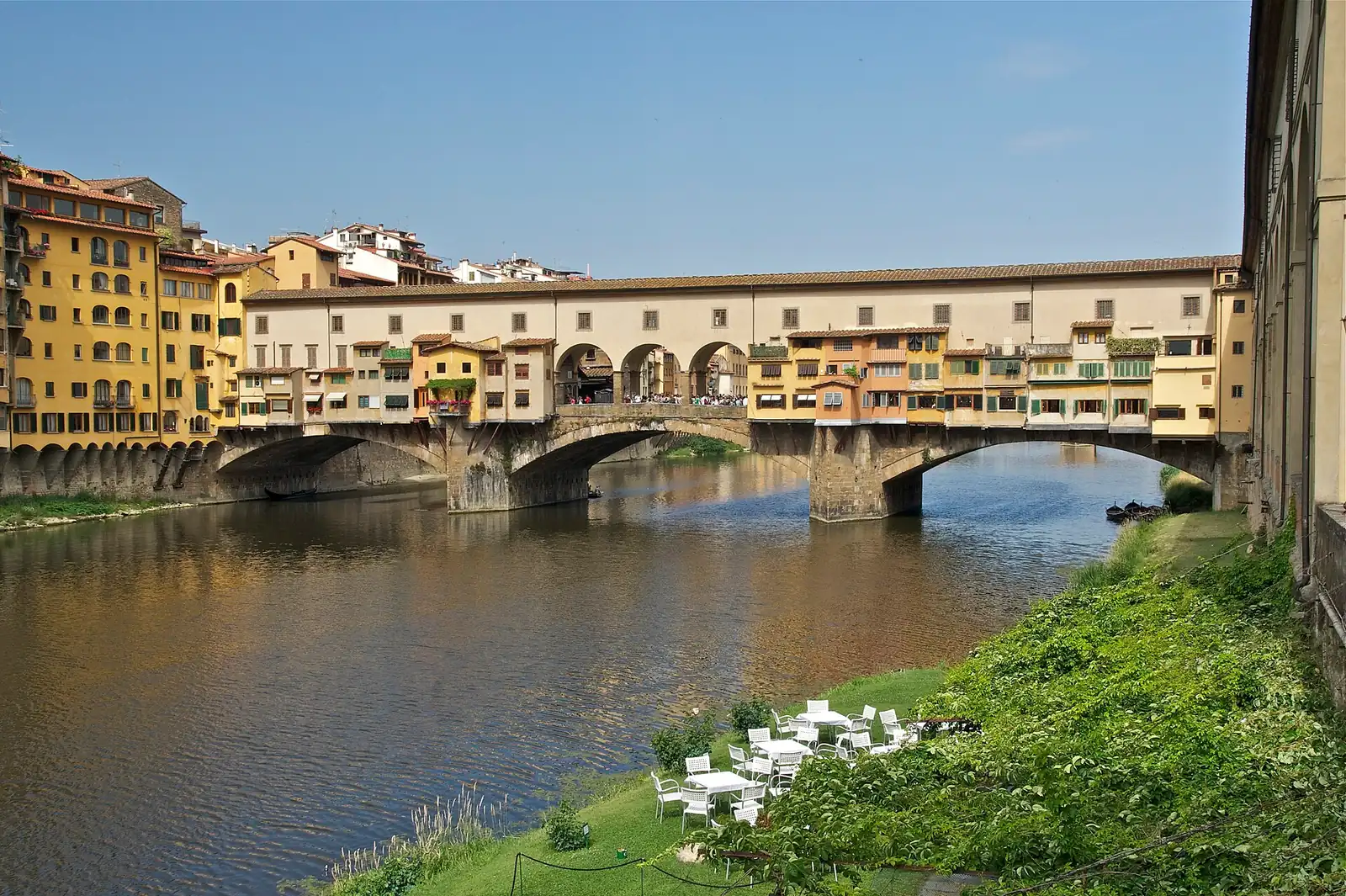
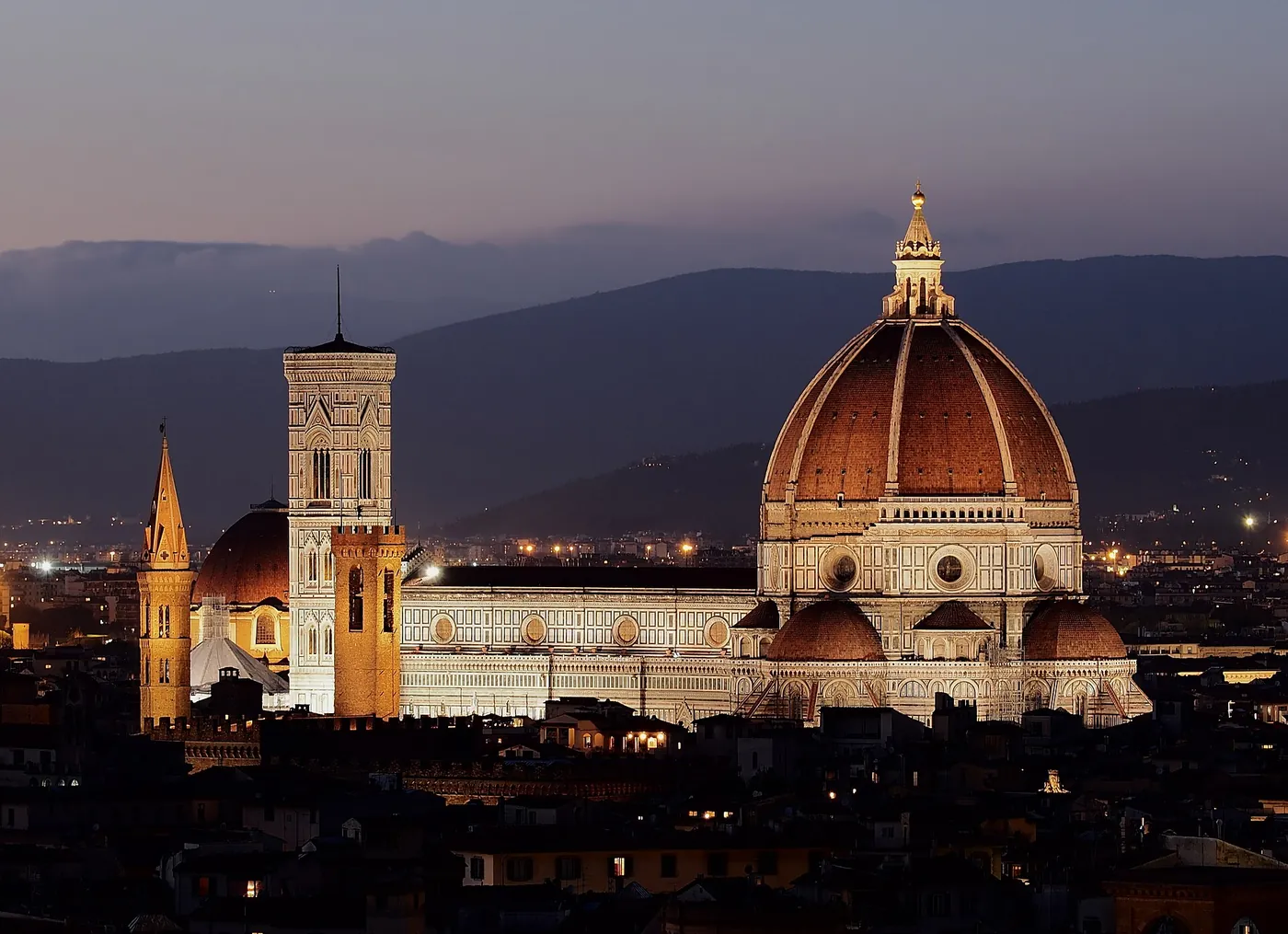
Take a morning high-speed train from Rome to Florence, just an hour and a half, and step out into the cradle of the Renaissance. Drop your bags and dive in: the Duomo and its terracotta dome, the Ponte Vecchio lined with goldsmiths, and the sculpture-filled Piazza della Signoria.
The signature experience: climbing the Duomo or the Giotto bell tower for a rooftop view over the red-tiled city.
Wow moment of the day: turning a corner and seeing Brunelleschi’s dome fill the sky for the first time.
Day 5: Renaissance Florence
Book an early slot for the Accademia to stand before Michelangelo’s David, more overwhelming in person than any photo. Then lose a few focused hours in the Uffizi Gallery among Botticelli, Leonardo and Raphael. As the sun drops, walk across the river and climb to Piazzale Michelangelo for the classic panorama.
The signature experience: coming face to face with the David, and understanding why the world reveres it.
Wow moment of the day: the whole of Florence glowing gold from Piazzale Michelangelo at sunset.
Day 6: Fast train to Venice
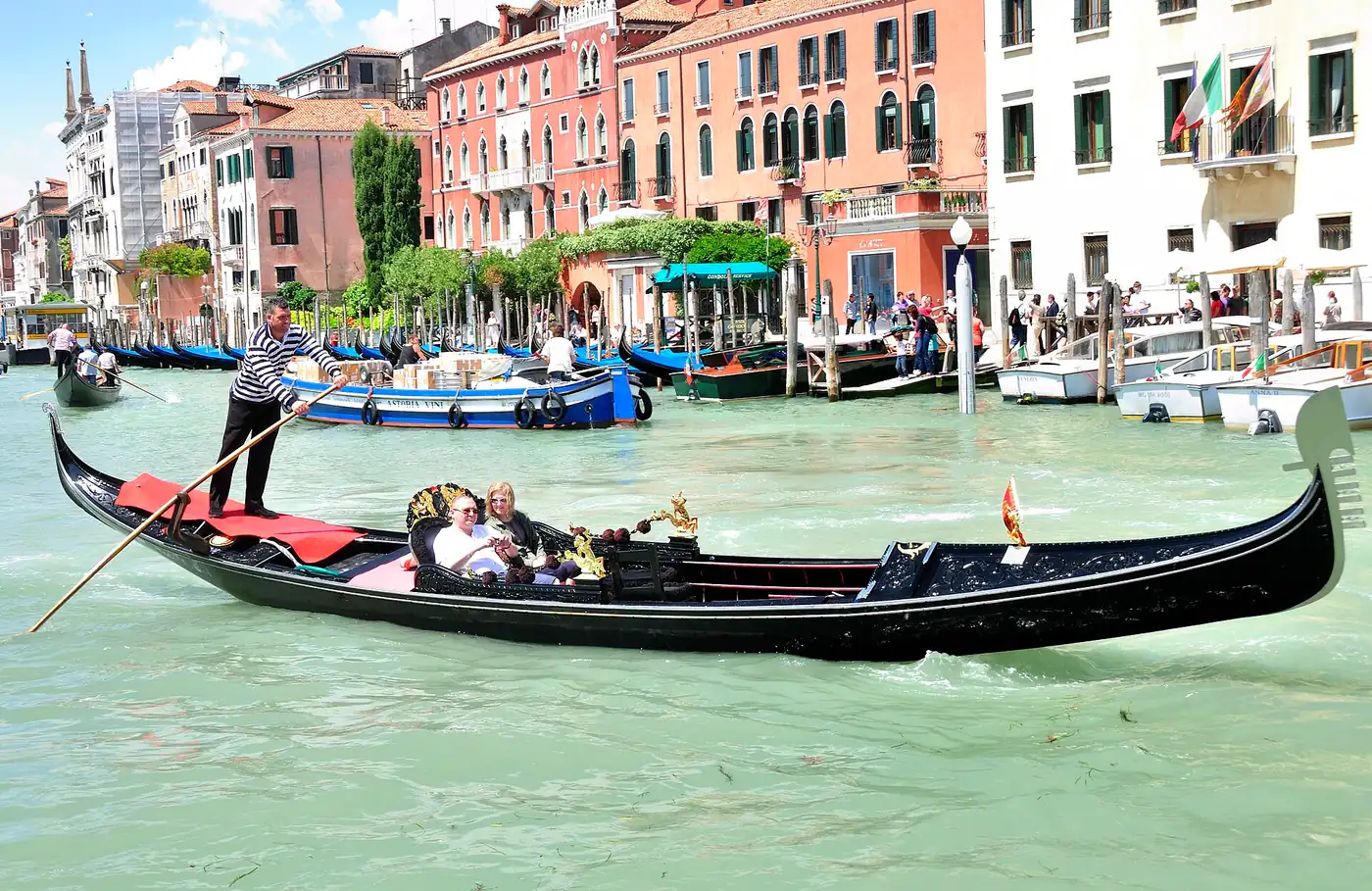
Ride the high-speed train north to Venice, roughly two hours, and walk out of the station straight onto the Grand Canal, a moment no first-timer forgets. Take a vaporetto (water bus) down the canal, get gloriously lost, and reach St Mark’s Square as the day softens. Staying overnight is the secret: Venice belongs to you once the day-trippers leave.
One piece of admin before you go. Venice charges an access fee to day visitors entering the historic centre on a set list of busy days, mostly spring and early summer, during daytime hours. Because this plan has you sleeping in Venice you are exempt, but the exemption is not automatic: overnight guests still need to register online for a free QR code, and your hotel will usually tell you how. Day visitors pay less by booking several days ahead than by leaving it late. Check the official city site for the current calendar and rates, since both are reset each year.
The signature experience: gliding the length of the Grand Canal by vaporetto at golden hour, palaces sliding past on both sides.
Wow moment of the day: stepping into St Mark’s Square in the evening, the basilica shimmering and the crowds gone.
Day 7: Venice’s quiet corners
Give your last day to the Venice beyond the postcards. Wander the back canals and quiet campos, browse the Rialto market, and slip into a few churches heavy with Titian and Tintoretto. If time allows, take a boat to Murano for glassblowing or Burano for its painted houses, then a final spritz canalside before you fly home.
The signature experience: getting deliberately, happily lost in the silent back lanes of Venice.
Wow moment of the day: a last quiet bridge with a gondola sliding under it, the trip’s perfect closing image.
Before you go
Book your Rome to Florence and Florence to Venice trains a few days ahead for the cheapest fares, and reserve the Colosseum, the Vatican and the Uffizi online before you fly, since they sell out. Sort your Venice access-fee registration once your hotel is booked. Pack an eSIM for data on arrival, carry a little cash for the coperto and the per-night city tax your hotels add at checkout, and never try to drive into these city centres. Seven days done this way gives you the three greatest cities in Italy, and leaves you already planning the trip back.