Most Italy packing lists read like they were written for a beach holiday somewhere flat. Italy is not flat. It is cobbled, hilly, prone to sudden weather changes and dotted with churches that will turn you away at the door if you get the dress code wrong. What actually matters on the ground has less to do with how much you bring and more to do with a handful of choices that either make the trip easier or quietly get in the way of it for two weeks.
Here is the version built around what Italy actually asks of you, region by region and season by season.
The item that ruins more days than the weather does
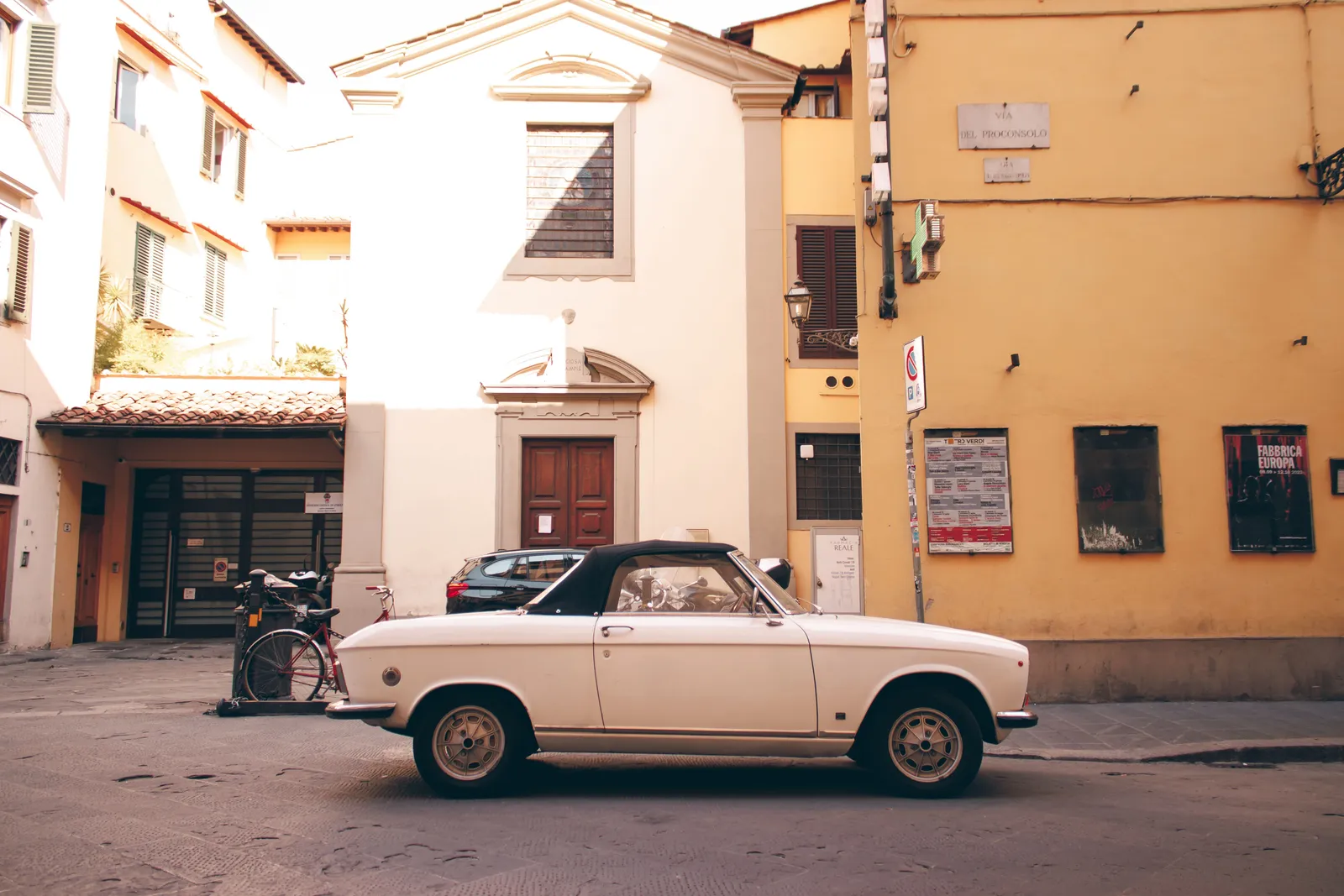
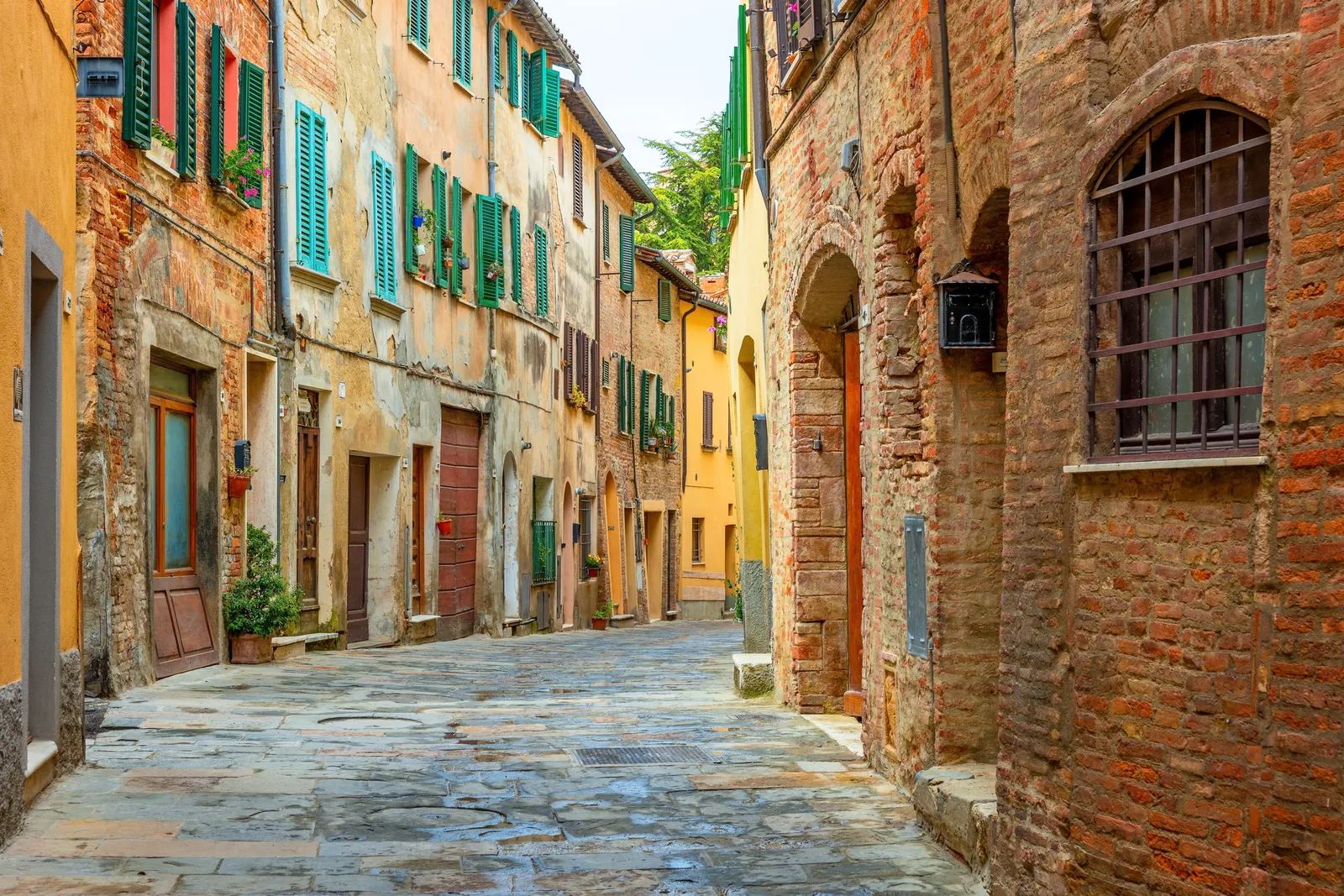
Footwear, without question. Historic centres from Rome to the smallest Puglian hill town are paved with uneven stone, sometimes centuries old, and it punishes both brand-new stiff shoes and flimsy sandals in equal measure. Bring shoes that are already broken in, with real grip on the sole, and expect to walk considerably further each day than you would at home. Even in high summer, pack at least one sturdier pair alongside anything more delicate, since a full day on cobbles in thin sandals is a genuinely bad idea.
The same logic applies to socks, oddly enough. A thin pair that feels fine on a flat pavement at home starts to rub after a few hours of uneven stone, so pack a few pairs you already know are comfortable rather than trusting a brand-new set to behave.
Layers, and why the right ones depend on where you are going
Italy is not one climate, it is at least three, and a packing list that ignores this is the most common mistake visitors make. The Alpine north, think Milan, the lakes and the Dolomites, has real winters and can be brisk even in spring and autumn. The centre, Rome, Florence and Tuscany, runs the classic Mediterranean pattern of mild wet winters and hot dry summers. The south and the islands, Naples, Sicily, Puglia, stay milder through winter and turn considerably hotter and drier in summer. Our month-by-month weather guide breaks this down region by region, and it is worth checking before you settle on a final list, especially if your route crosses more than one of these zones.
The safe rule for most trips is layers over a single heavy item: a base layer, something warm you can add or remove, and a shell against wind or rain, rather than one bulky coat that is either too much or not enough depending on the hour. It also pays to think about indoor heating and air conditioning, which run stronger than many visitors expect: a train carriage or a shop in July can be noticeably cooler than the street outside, and a hotel room in January is usually warmer than home, so a layer you can shed easily indoors earns its space in the case.
The rule that catches more people out than any weather forecast
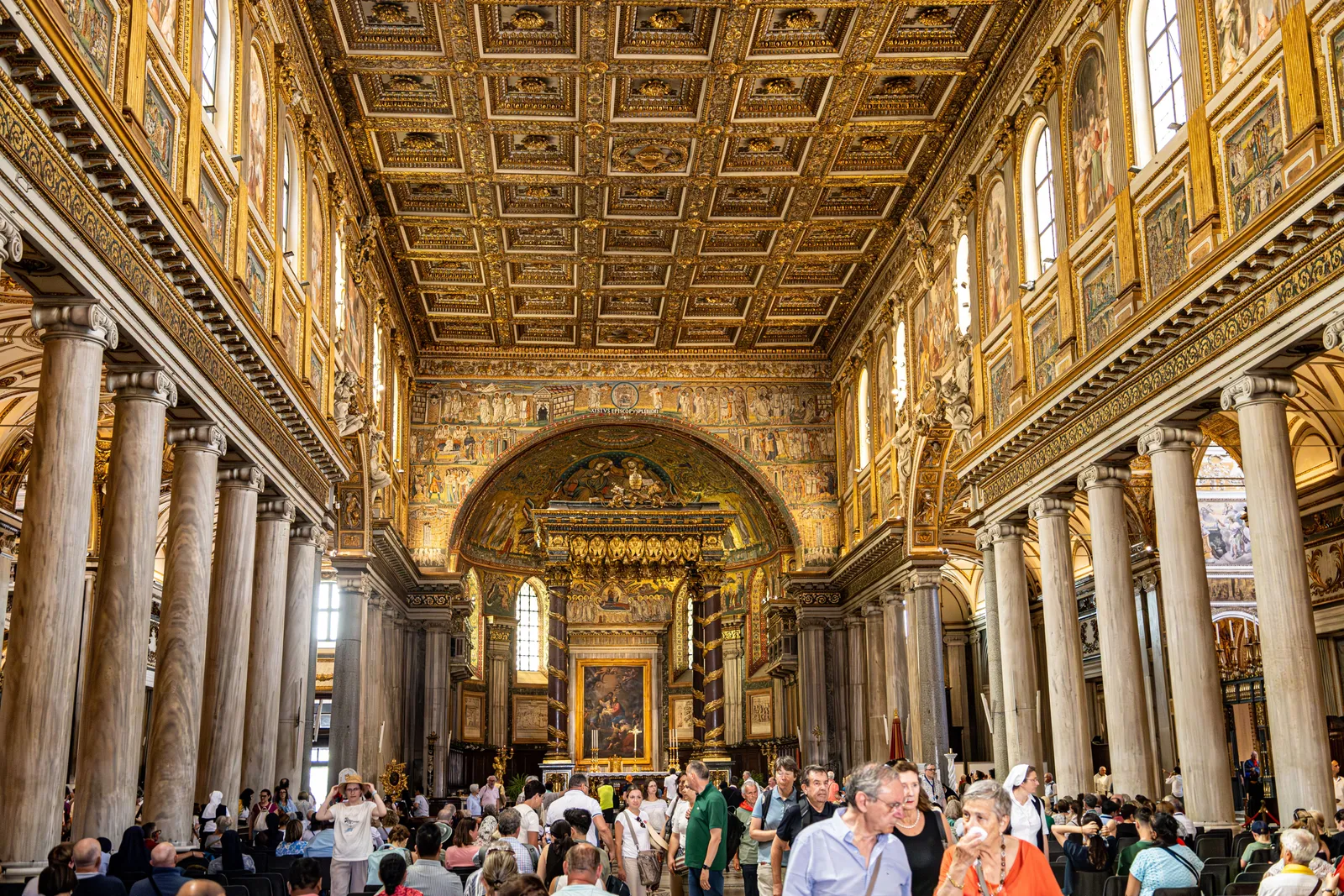
Major churches and basilicas across Italy, St Peter’s in Rome included, generally enforce a dress code: shoulders and knees covered, for men as well as women. It is not a suggestion, and how strictly it is applied varies by site and by how busy the day is, so the safest approach is to assume it will be checked rather than hope it will not. A light scarf or wrap that folds down to nothing solves the problem instantly, even on the hottest day of a summer trip, and it is a far better solution than being turned away after queuing.
Suitcase or backpack, and what the trains actually demand
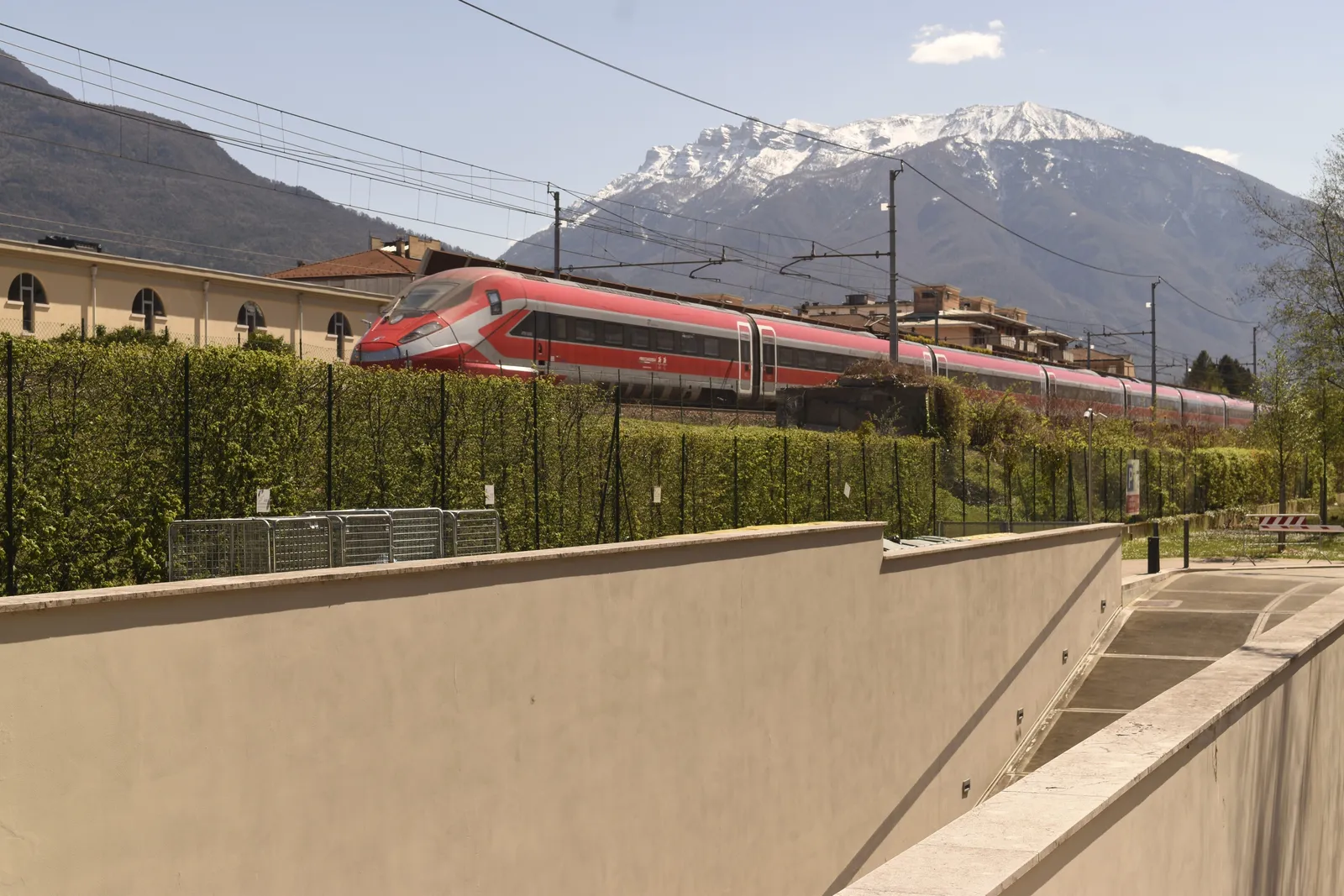
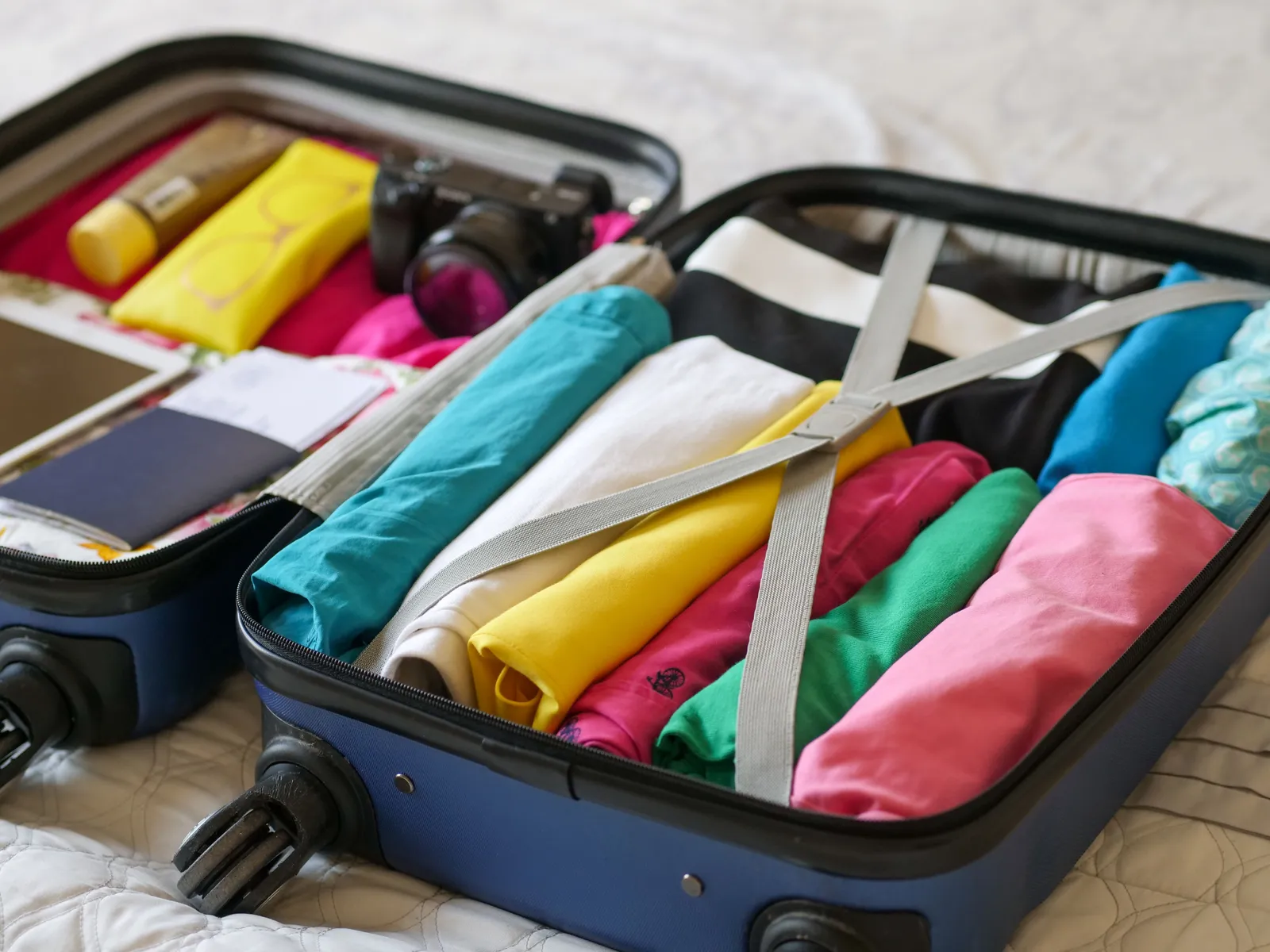
There is no check-in and no weight limit on Italian trains, which sounds like good news until you meet the stairs. Plenty of stations, especially smaller and older ones, involve steps to reach the platform, and a working lift is not guaranteed. Our guide to Italy’s trains covers the network in full, but the packing takeaway is simple: if your trip involves several cities and train changes, favour something you can carry up a flight of stairs unaided over a case so large you need to drag it.
A wheeled case earns its keep if you are based in one or two places for most of the trip, since city pavements and hotel floors are manageable even with cobbles underfoot. A backpack, or a smaller soft-sided case, is the better call for a multi-stop itinerary, particularly one that includes hill towns where a taxi cannot always reach the door.
Sort connectivity before you landAn eSIM activates in minutes, no queue at the airport kioskPlugs, voltage and the small things worth remembering
Italy runs on 230 volts through Type L sockets, though Type C and F plugs generally fit the same outlets without an issue. A single universal adapter with a couple of USB ports is enough for most trips, covering phones, cameras and small chargers from one socket. Travellers coming from a 120-volt country should check any higher-wattage device, a hairdryer or hair straightener in particular, is dual voltage before plugging it in directly, since not all of them are.
What the season actually demands
| Season | Layers | Footwear | Extras |
|---|---|---|---|
| Winter, December to February | Warm coat, jumper, thermal base layer | Waterproof shoes with grip | Compact umbrella, gloves, scarf |
| Spring, March to May | Light layers, packable rain shell | Sturdy walking shoes | Umbrella for sudden showers |
| Summer, June to August | Breathable, lightweight clothing | Comfortable sandals plus one sturdier pair | Sun protection, a wrap for churches |
| Autumn, September to November | Light layers, rain jacket | Walking shoes with grip | Compact umbrella |
The day bag, and what to leave at home
A cross-body bag with a zip that closes properly is a better choice than an open tote for a day of sightseeing, particularly on crowded buses and metro carriages and around the main squares, where pickpocketing is a genuine if manageable risk rather than a myth. Keep valuables and documents towards your body rather than in an outer pocket, and you can otherwise relax and enjoy the day rather than treating every crowded platform as a threat. A reusable water bottle is worth packing alongside it: several Italian cities, Rome especially, have public drinking fountains dotted through the historic centre with genuinely good water, so refilling as you walk costs nothing and saves buying bottled water in the heat of a summer afternoon.
An oversized suitcase tops the list. Small hotel lifts, narrow staircases and cobbled streets all punish a case bigger than you can lift yourself, and it slows down every single train change on a multi-city trip. A full-size umbrella is the same problem in miniature, a compact one or a good hood does the job without the bulk. Leave most jewellery at home too, since it adds risk without adding much to the trip, and one pair of smart shoes is plenty unless you have a specific reason to need two.
It is also worth resisting the urge to pack for every possible scenario. A single trip rarely needs a full first-aid kit, a stack of guidebooks and a spare outfit for an occasion that never comes up, and every item you leave out is one less thing to carry up a station staircase or squeeze into a small hotel wardrobe.
Building the rest of the packing list around your trip
The physical list matters less than the handful of decisions above it: shoes that can handle a cobbled street, layers suited to the region you are actually visiting, something to cover your shoulders at short notice, and luggage you can lift yourself if the trip involves more than one city. Get those right and the rest of the list fills itself in.
If this is your first trip to the country, our first time in Italy guide covers the wider logistics worth sorting before you pack a single bag, from how to split your time between regions to what genuinely needs booking ahead. Pack for the Italy you are actually visiting rather than a generic one, and the trip runs noticeably smoother for it.