Italy is one of the easiest countries to fall in love with and one of the easiest to pick up a fine in without noticing. Most visitor mistakes here are not about taste, they are about small rules nobody explains until it is too late: a machine on a station platform, a camera at the edge of an old town, and a bill that lists two prices for the same coffee depending on whether you stood or sat.
Here are the mistakes that catch people out most often, roughly in the order they happen: on the train, behind the wheel, in the queue, at the bar, and finally on the bill.
Trains: the small machine that hands out fines
Our full guide to Italian trains covers the network in depth, but the fines cluster around a handful of habits.
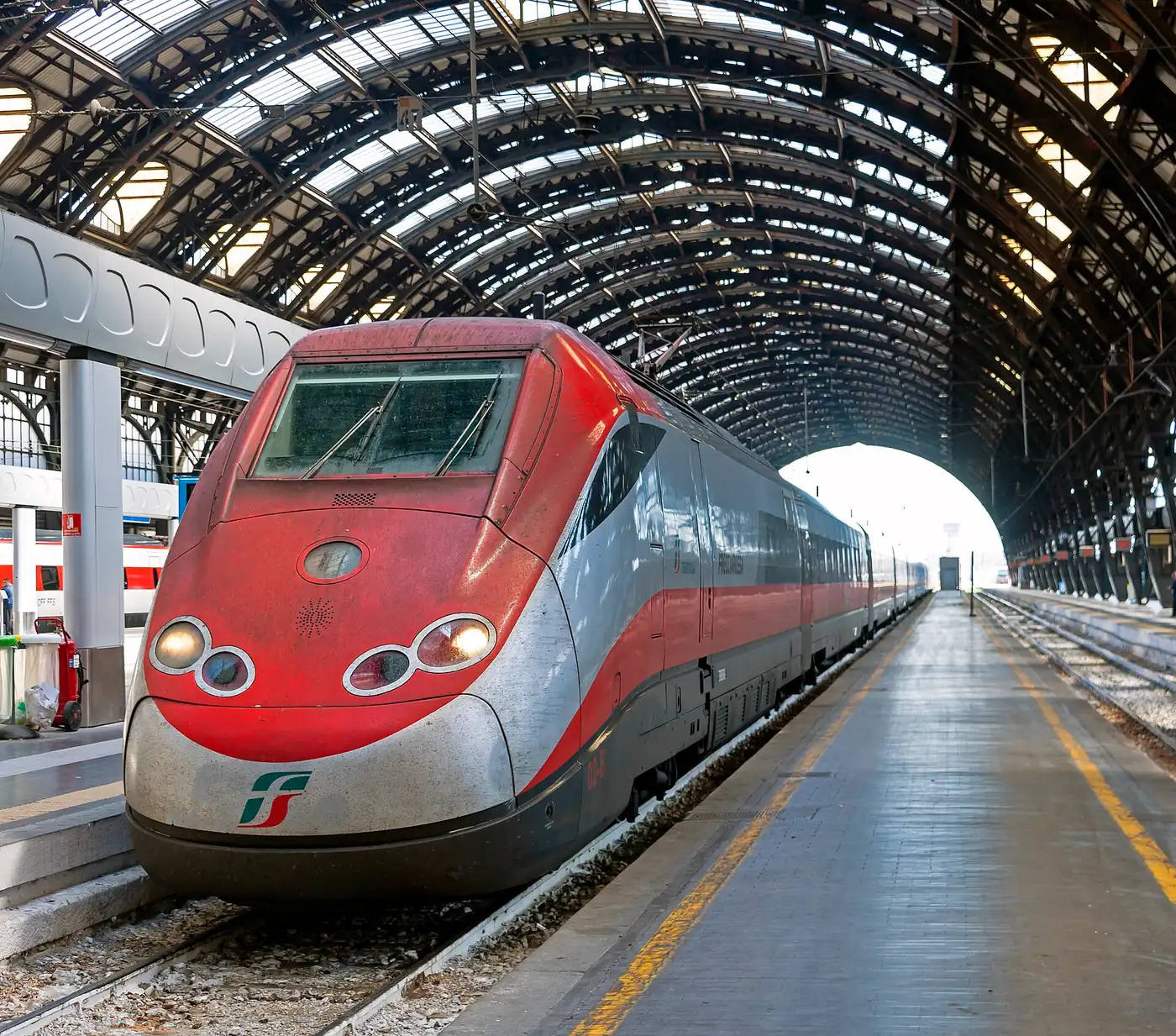
Boarding a regional train with a paper ticket you never stamped is the classic error. A regional ticket is sold at a flat rate and is not tied to a specific departure, so it only becomes valid once it passes through the small validation machine on the platform or entrance. Skip that step and you are fined on the spot as travelling without a valid ticket, even with a paid one in your pocket. Digital tickets and reserved high-speed seats do not need this step.
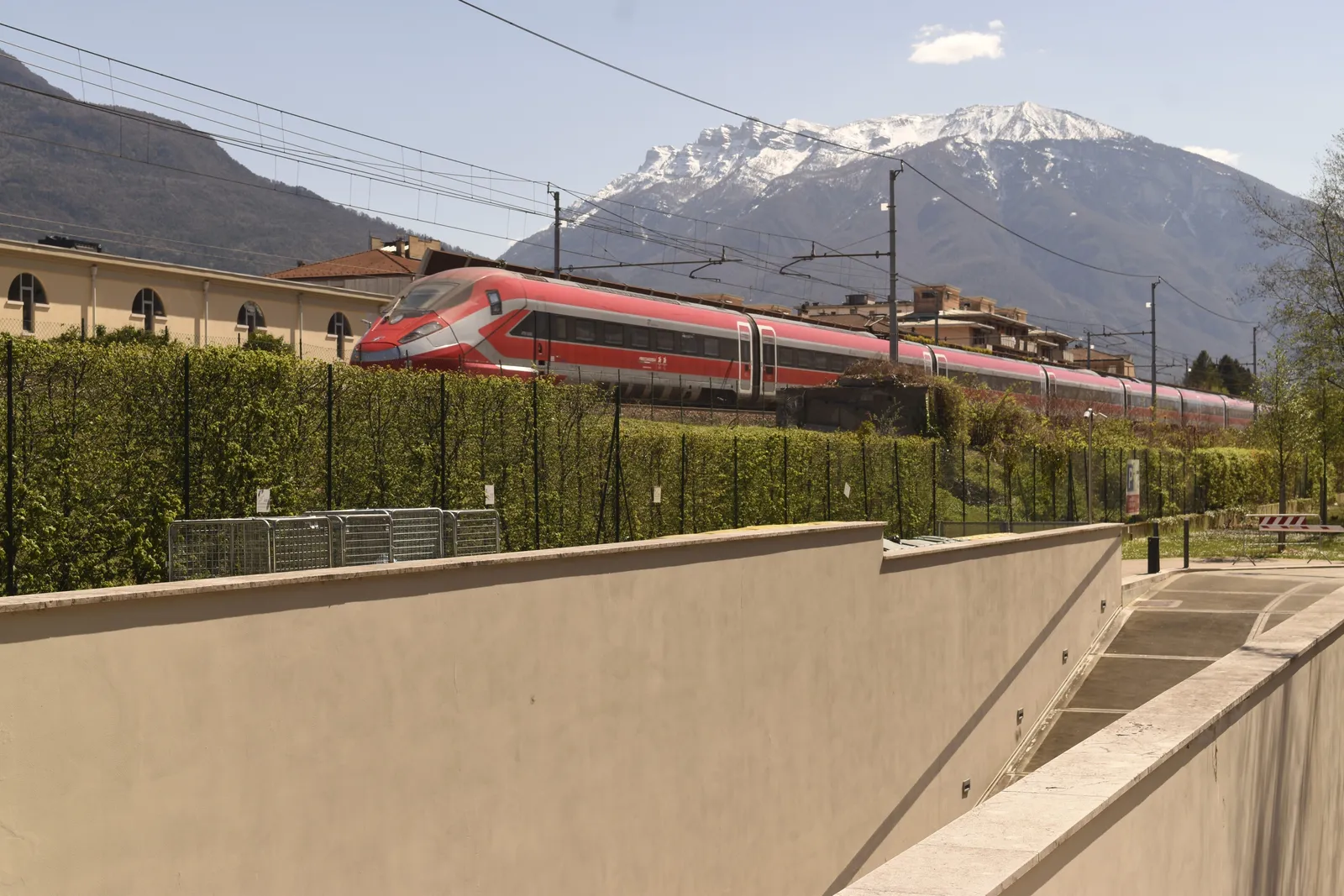
Buying a high-speed ticket on the day you travel is the second common trap. The cheapest fare bands are limited and sell out as the train fills, so the same journey can cost several times more booked that morning instead of weeks ahead. This does not apply to regional trains, since their price is fixed regardless of when you buy.
Booking a tight connection between your last train and a flight home is worth avoiding too. Strikes on Italian transport are announced ahead of time and regional services run late often enough on their own. Build in a margin, and if you can, spend the night before a long journey in the city you are flying from.
Driving into a historic centre without checking first
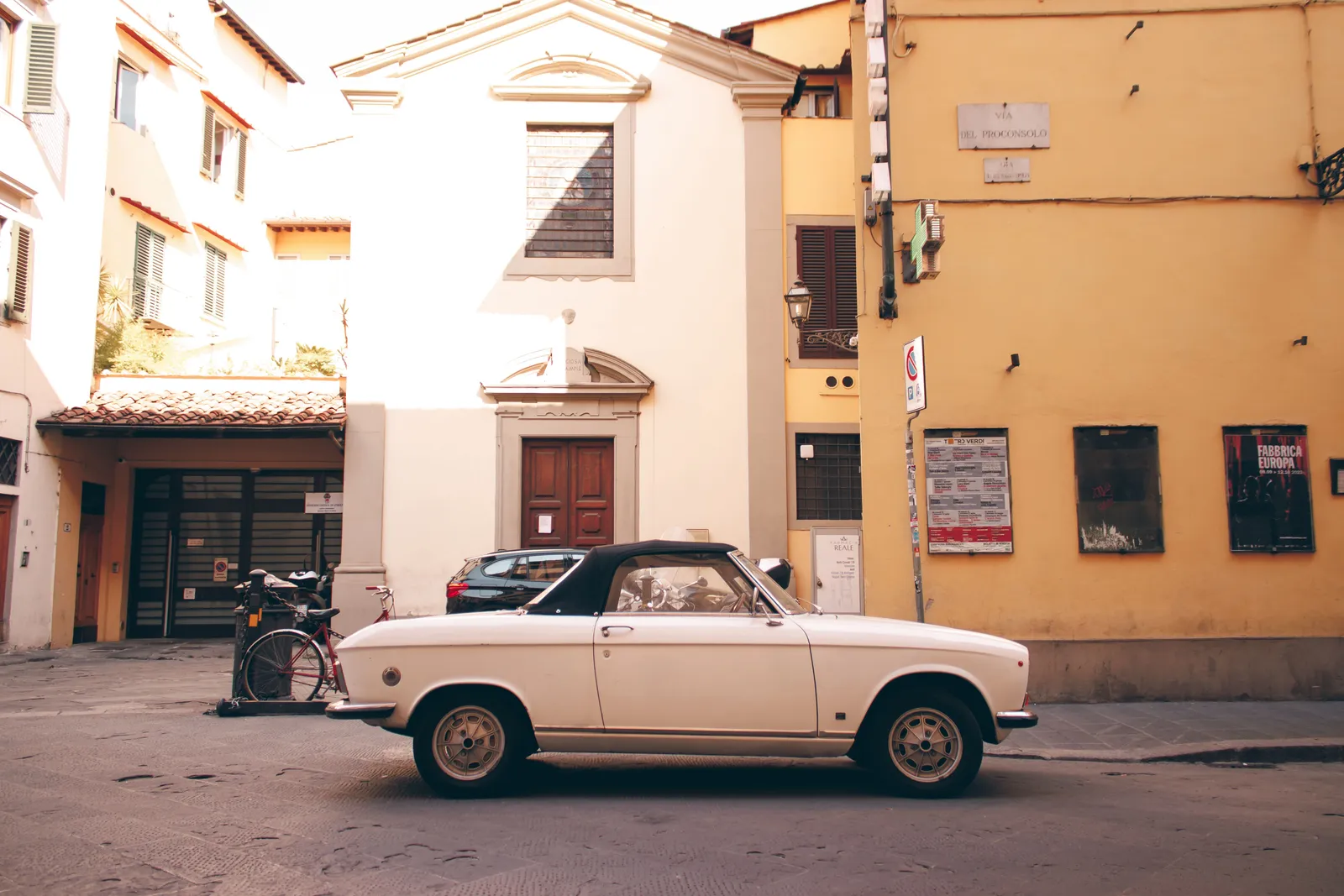
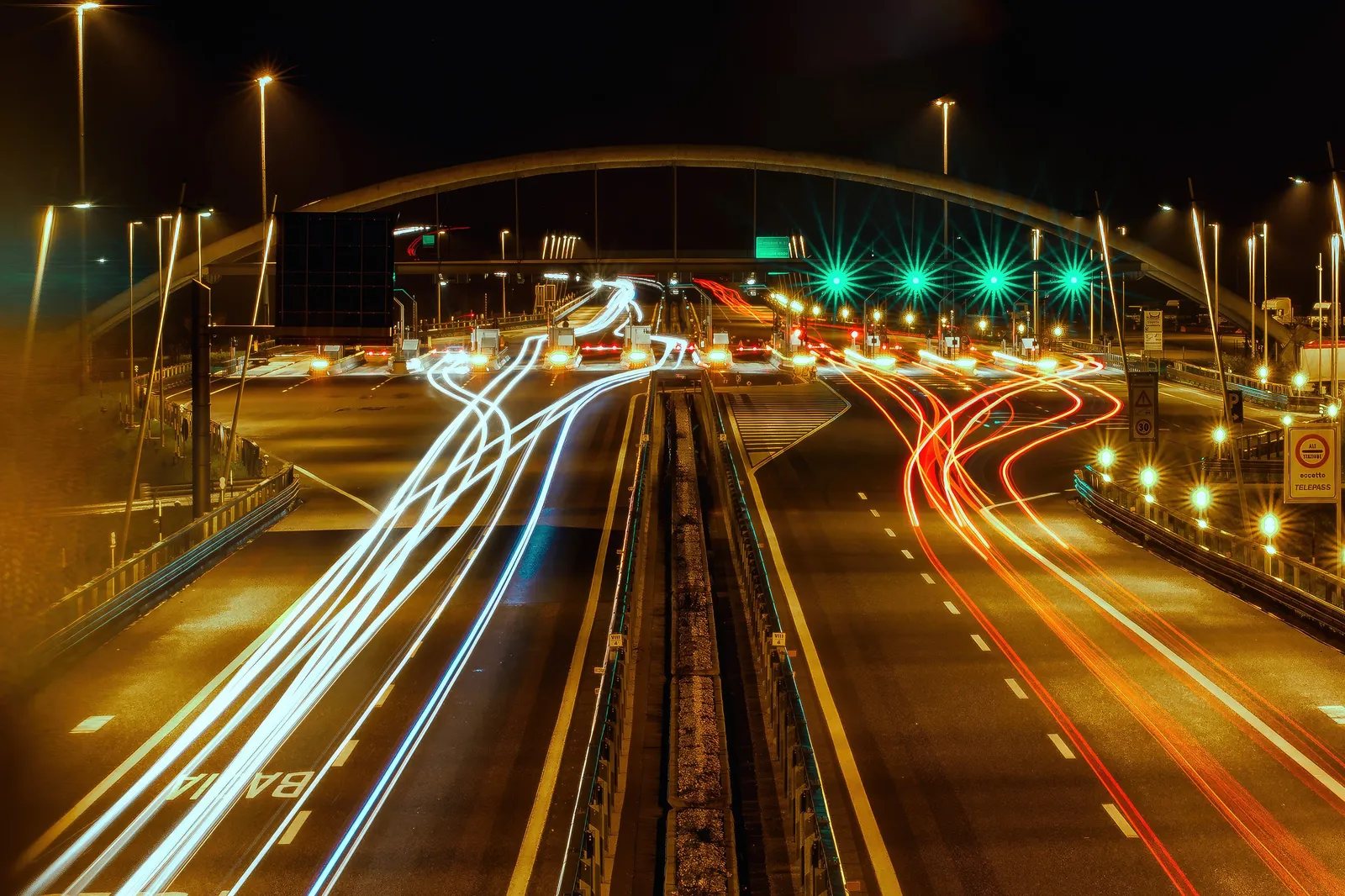
A limited traffic zone, known as a ZTL, exists in hundreds of towns and cities across Italy, from Florence to villages in the Tuscan countryside. Every entrance is covered by a camera that reads number plates, there is no officer and no warning sign that flashes at you, and a fine is logged automatically. It often arrives months after the trip, because the authority contacts the rental company, the company passes on your details, and adds its own handling fee. Our guide to ZTL zones and fines explains how to spot the boundary and what to do if a fine turns up.
Booking a hotel inside a historic centre without asking about this is the most common way it happens. The navigation app happily leads you right to the hotel door and along the way crosses two camera-covered gates. Many hotels inside a restricted zone can register your plate in advance and arrange a temporary permit, but only if you ask. Do not assume the navigation app will warn you.
Renting a car for a trip that is entirely city to city is also worth reconsidering. Rome, Florence, Venice and Milan are connected centre to centre by fast trains, and a car in any of them is a burden: expensive parking, narrow lanes and restricted zones. A car earns its keep in Tuscany, Puglia, the lakes and the Dolomites, collected on the day you leave a city rather than the day you land.
Tickets, queues and the dress code nobody warns you about
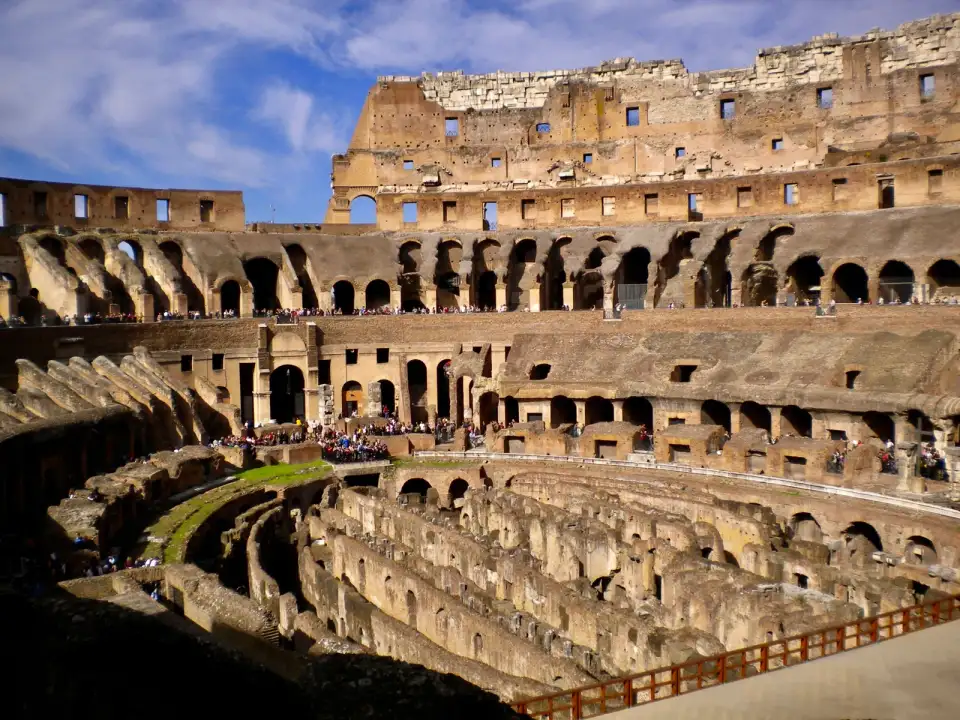
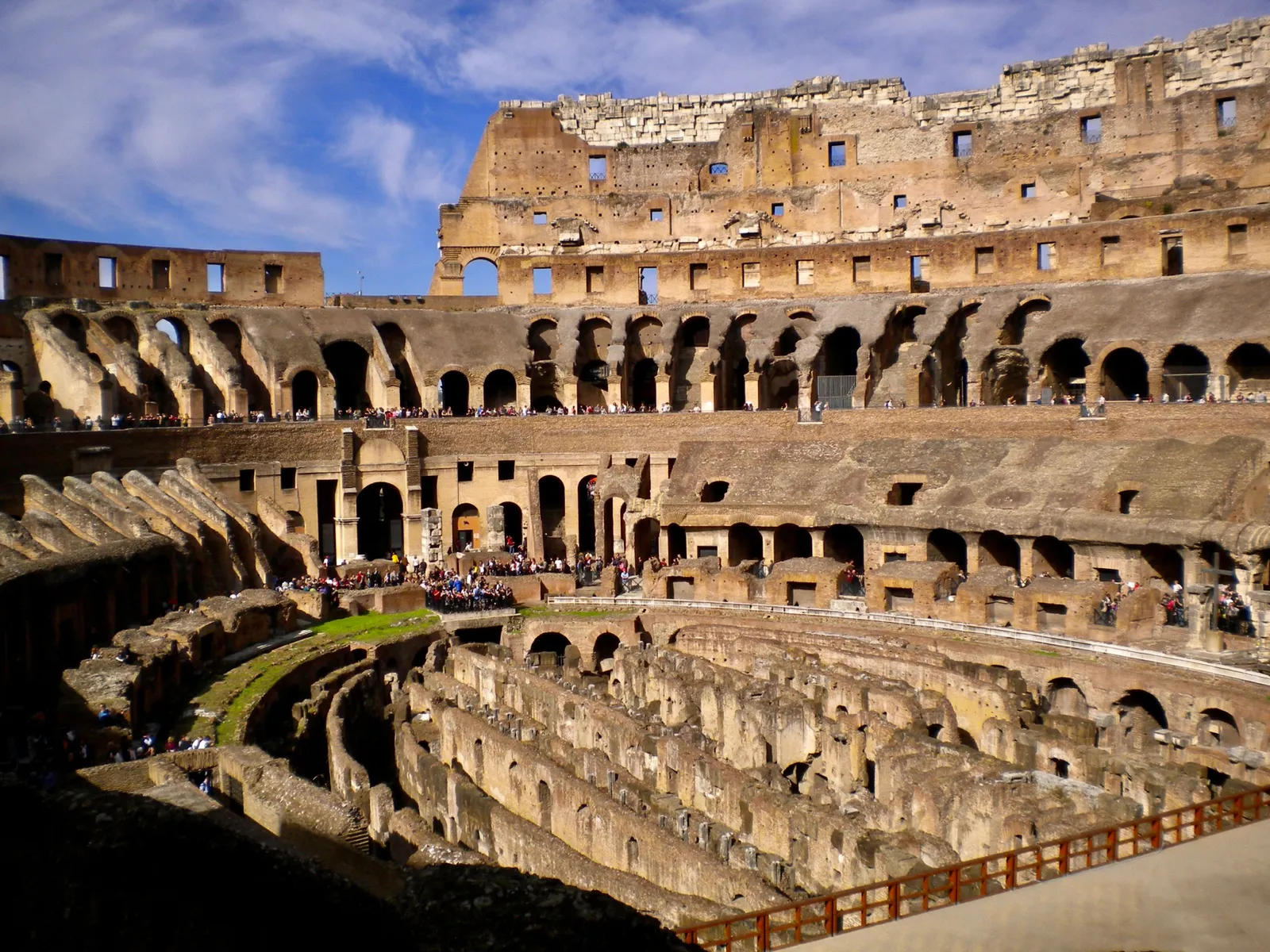
Arriving at the Colosseum without a timed ticket is a costly assumption. Entry runs on set time slots and tickets sell out days ahead in season. Turning up hoping to buy one at the gate can mean discovering there is no availability at all that day, not just a long queue. Our Colosseum tickets guide covers what each ticket type actually includes and how far ahead to book.
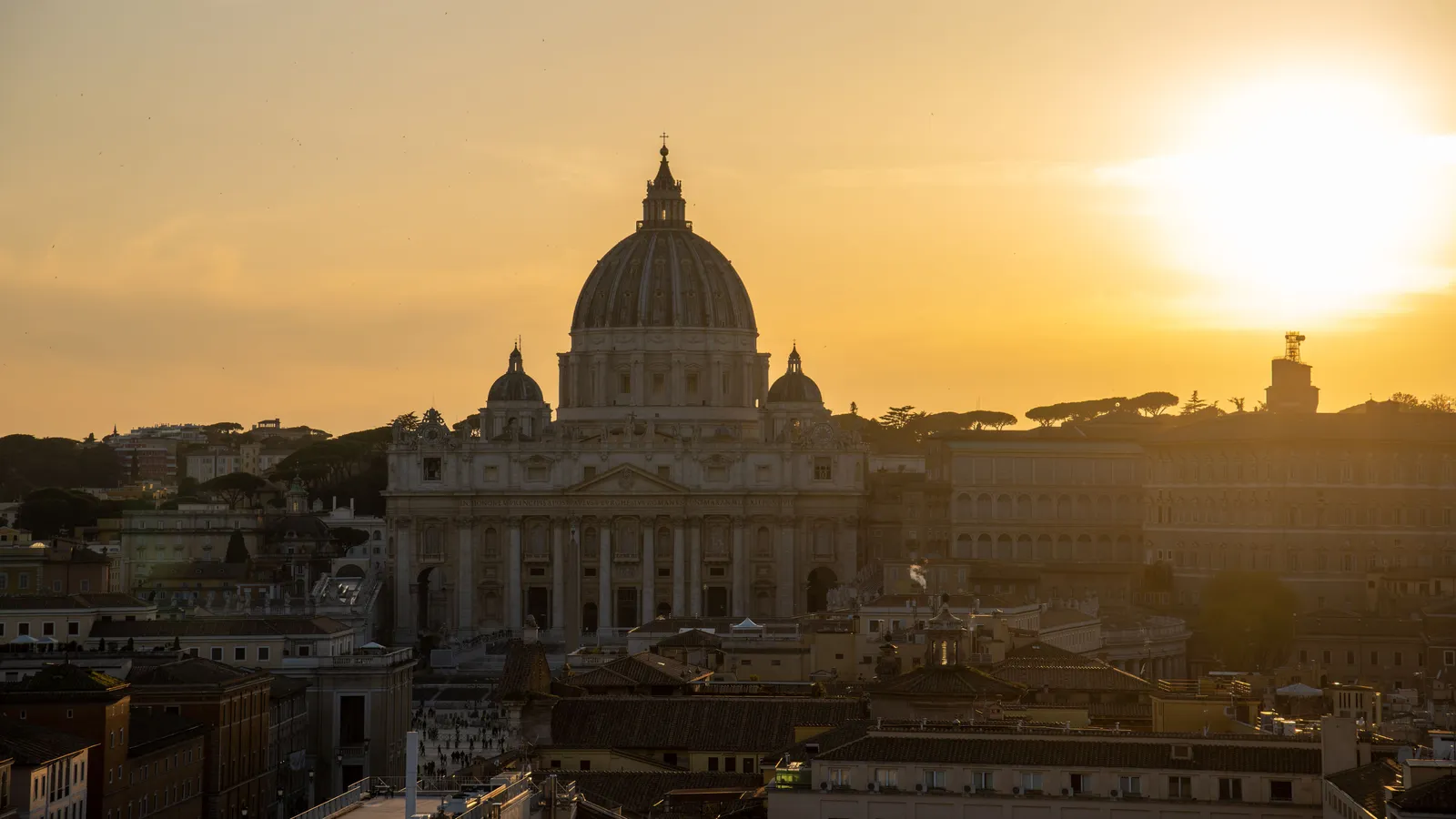
Confusing St Peter’s Basilica with the Vatican Museums is another regular mix up. These are two entirely separate sites with two separate entrances. The basilica itself is free to enter and the cost there is time, since the security check creates a long queue. The Vatican Museums and the Sistine Chapel are a different complex, paid, and best booked ahead. People often queue for the wrong one and only realise once they have been standing there for an hour.
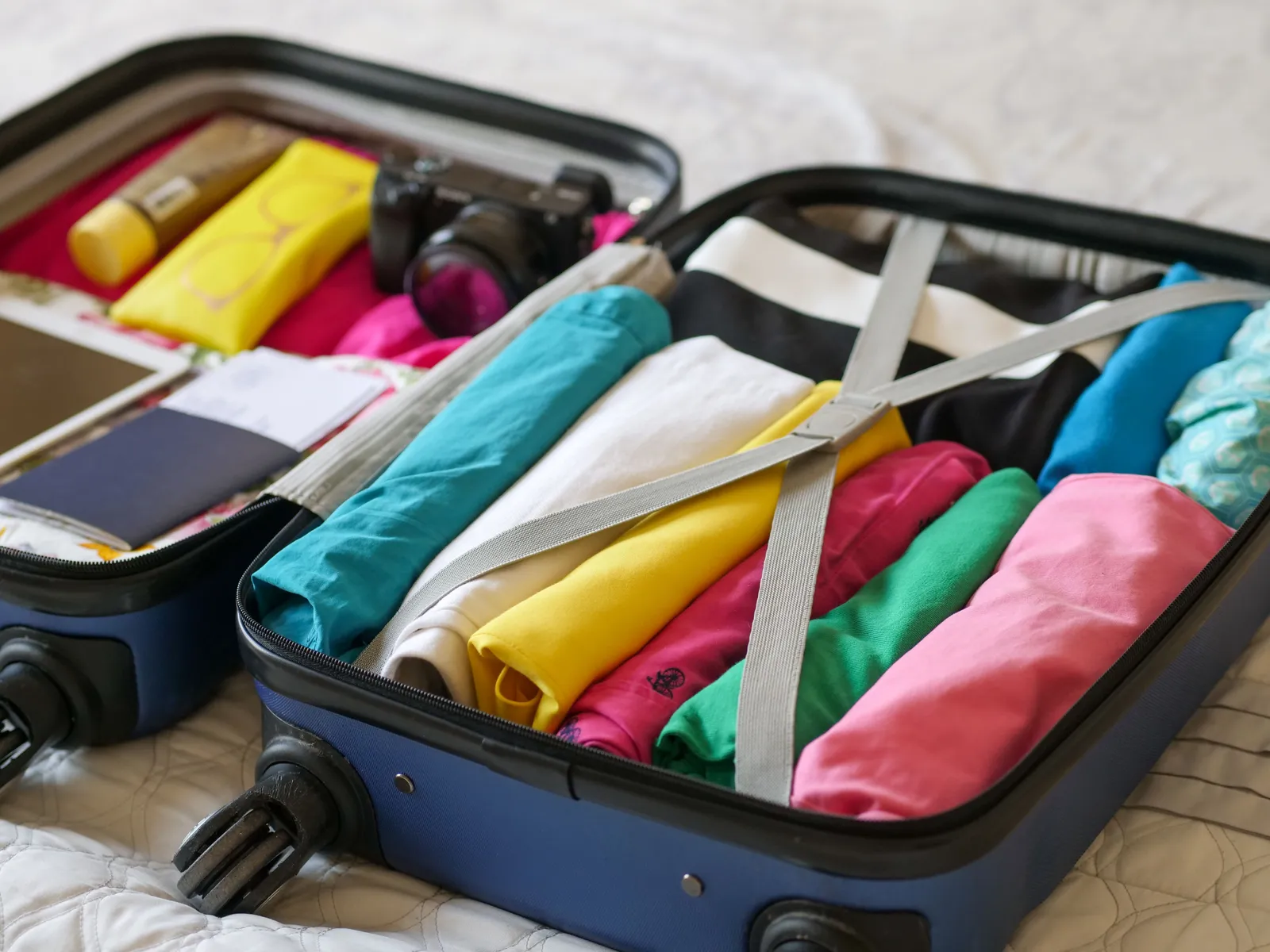
Turning up at a major church in a vest top and shorts also catches people out. Most large basilicas enforce a dress code at the door: shoulders and knees covered, for men and women alike. It feels counterintuitive on a hot day in Rome, and it is still the rule. A large scarf and a pair of long trousers packed in your bag solve it for the whole trip.
Check strikes and timetables before you travelReliable data on the move makes it easy to confirm a train, a fine or a booking the moment you need toThe bar bill nobody explains
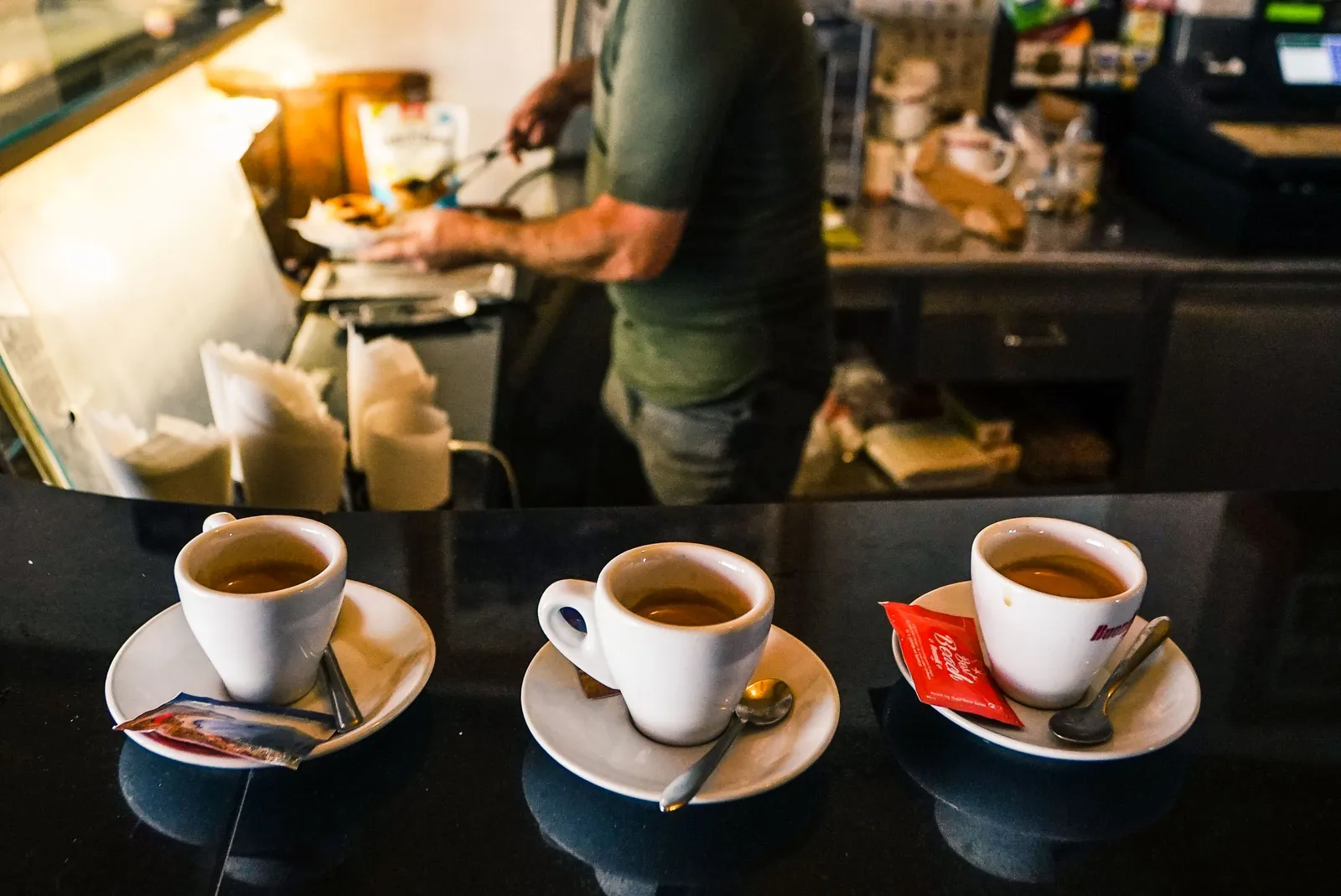
Sitting down without noticing there are two different prices is the surprise that catches most first-time visitors. Italy runs on two legal, clearly posted rates: the price at the counter and the price at a table, and the gap on a tourist-heavy square can be double or more. Nobody is cheating you, you have simply paid for the seat.
Ordering a cappuccino after dinner is not an offence, you will just get a smile. Italians treat milk as a morning drink and switch to a plain espresso after meals. If you want a cappuccino at eight in the evening, order it, just do not be surprised by the look.
Leaving a large percentage tip, or panicking at a small charge on the bill, both come from the same misunderstanding. Tipping is relaxed: there is no fixed percentage, people round up or leave a few coins. The small per-person charge on many bills is a cover charge, a long-standing item that has to be printed on the menu, and it is not a tip at all.
What closes at lunch, and the tax nobody budgets for
Planning shopping or sightseeing in a small town over lunch is a scheduling mistake that repeats itself constantly. Big cities mostly run through the day without a break, but in smaller towns and neighbourhood shops a long midday closure is still the norm, and for a couple of hours a whole street can sit behind shuttered doors. Many churches close for a few hours around midday as well. Plan lunch itself, a rest, or a major site that stays open through the day for that window instead.
Forgetting to budget for the city tax is another one that quietly adds up. Almost every city in Italy charges a small nightly tax per person through the accommodation, and it is almost never included in the price you booked online. The amount varies by city and by the hotel’s rating, and in many places it is collected in cash at checkout. A family moving between a few cities in a week can find the total more surprising than it needed to be.
The distances that look closer on the map than they are
Assuming the cities sit close enough for a casual day trip trips a lot of itineraries up. Venice and Florence look like neighbours on a map, and in practice they are about two hours apart by high-speed train each way, which with the journey to and from the stations turns into a full day spent travelling rather than adding to one. The same logic applies to a same-day round trip between Rome and Naples.
Cramming four cities into one week is the mistake that causes most of the others. Every move between cities eats a whole morning of packing, checkout, travel and checking in, and adds another city tax and another set of bags dragged over cobblestones. A week in Italy comfortably fits two cities at an easy pace, three at most. Cutting one city from the plan almost always means you see more, not less.
None of these mistakes will ruin a trip, but each one quietly costs exactly the thing you came for: unhurried time in a beautiful place. Stamp the paper ticket, keep the car out of the historic centre, lock in a timed slot for the big sights, and leave one city for next time. Italy handles the rest on its own.