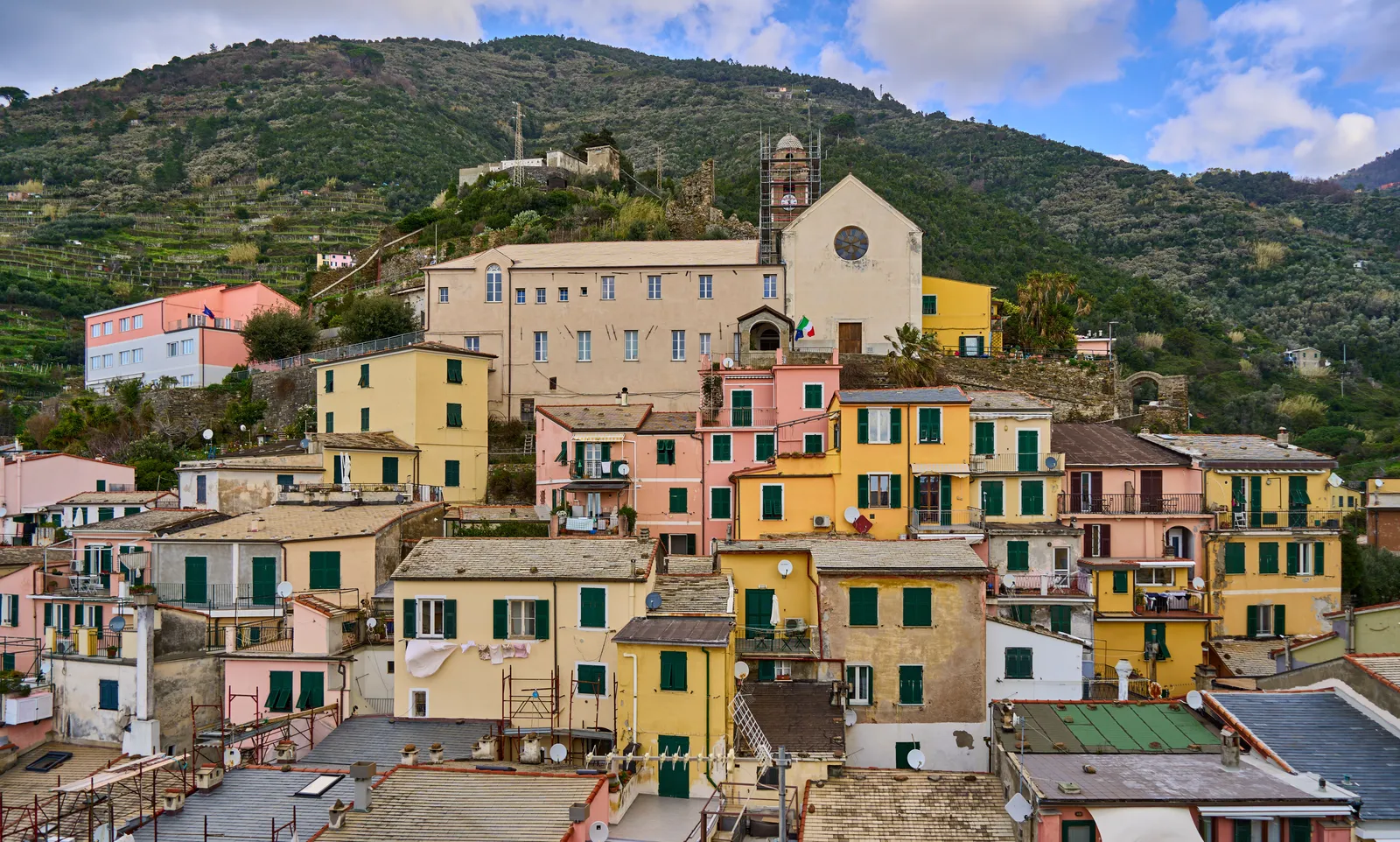
Cinque Terre in August is a specific kind of crowded: queues for the trail, queues for the train, and villages built for a few hundred residents absorbing several thousand day visitors. Cinque Terre in January is close to a different place entirely, and understanding what actually changes between the two seasons matters more here than in most Italian destinations.
The short version is that the coastline, the villages and their character remain exactly as striking. What thins out or closes is the infrastructure built around the busy months: ferries, some trails, and a good number of the restaurants and rooms that only bother opening when there are people to fill them. For how this fits against the rest of the calendar, the month by month weather guide covers what a Ligurian winter actually feels like compared with the other seasons.
What stops running
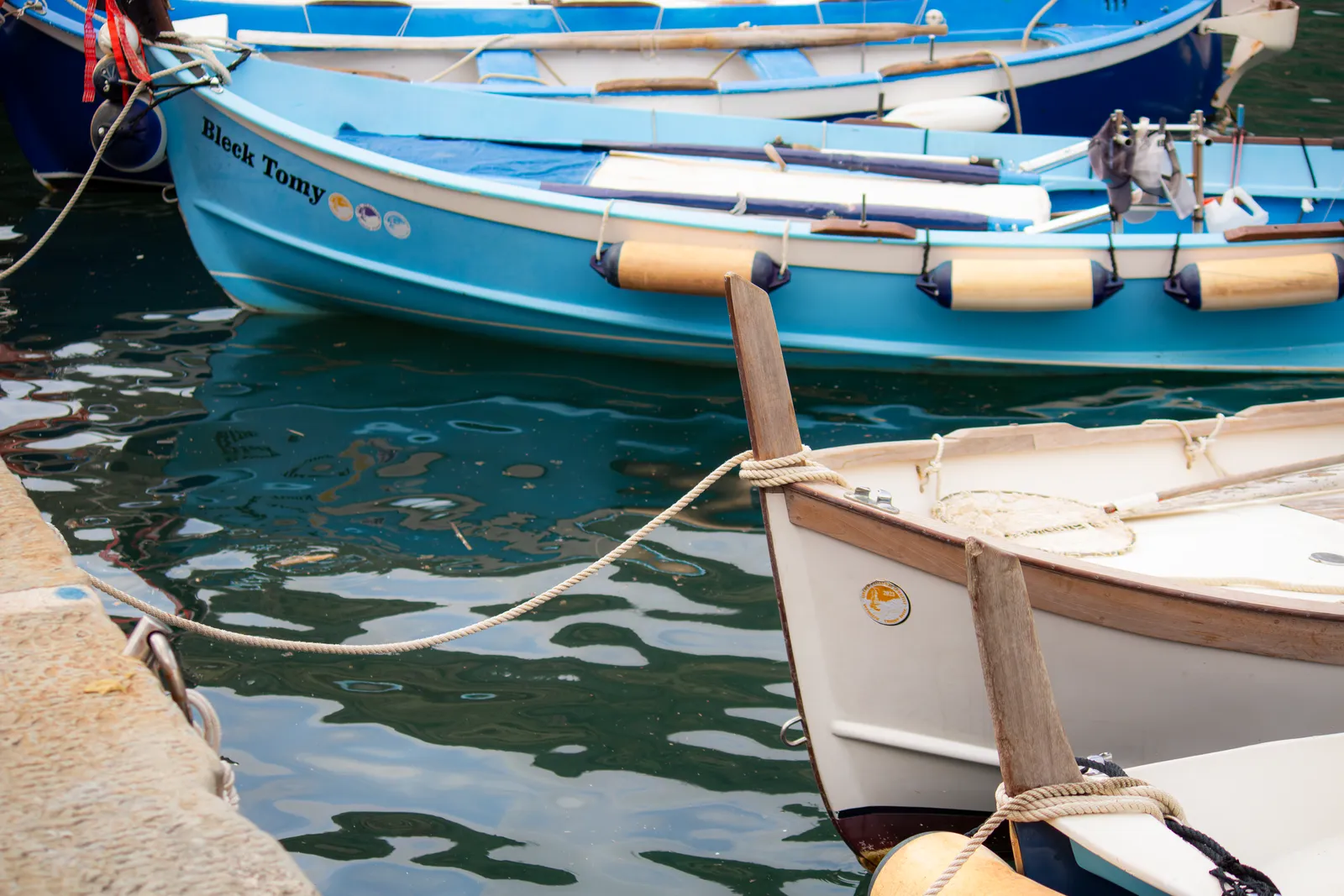
The ferries stop. The boats that link Monterosso, Vernazza, Corniglia, Manarola and Riomaggiore, and that also run out to nearby La Spezia and Portovenere, are a warm season service. Outside that window you are relying on the coastal train line and on foot, and it is worth building your plan around that rather than assuming a boat will be available.
Some trails close. The famous coastal paths are prone to landslip after heavy rain, and certain sections close for repair or for safety through the winter months in a way that varies from year to year. The easier stretches between villages tend to be the ones that stay open most reliably, but this is not something to assume without checking close to your actual dates.
A share of restaurants and rooms shut for the season. Family run places, particularly the smaller ones away from the main street, often close for several weeks or months over winter, sometimes taking their own holiday at exactly the time visitors are quietest. Monterosso and Riomaggiore, the two larger villages, generally keep the broadest range of options open.
What keeps working
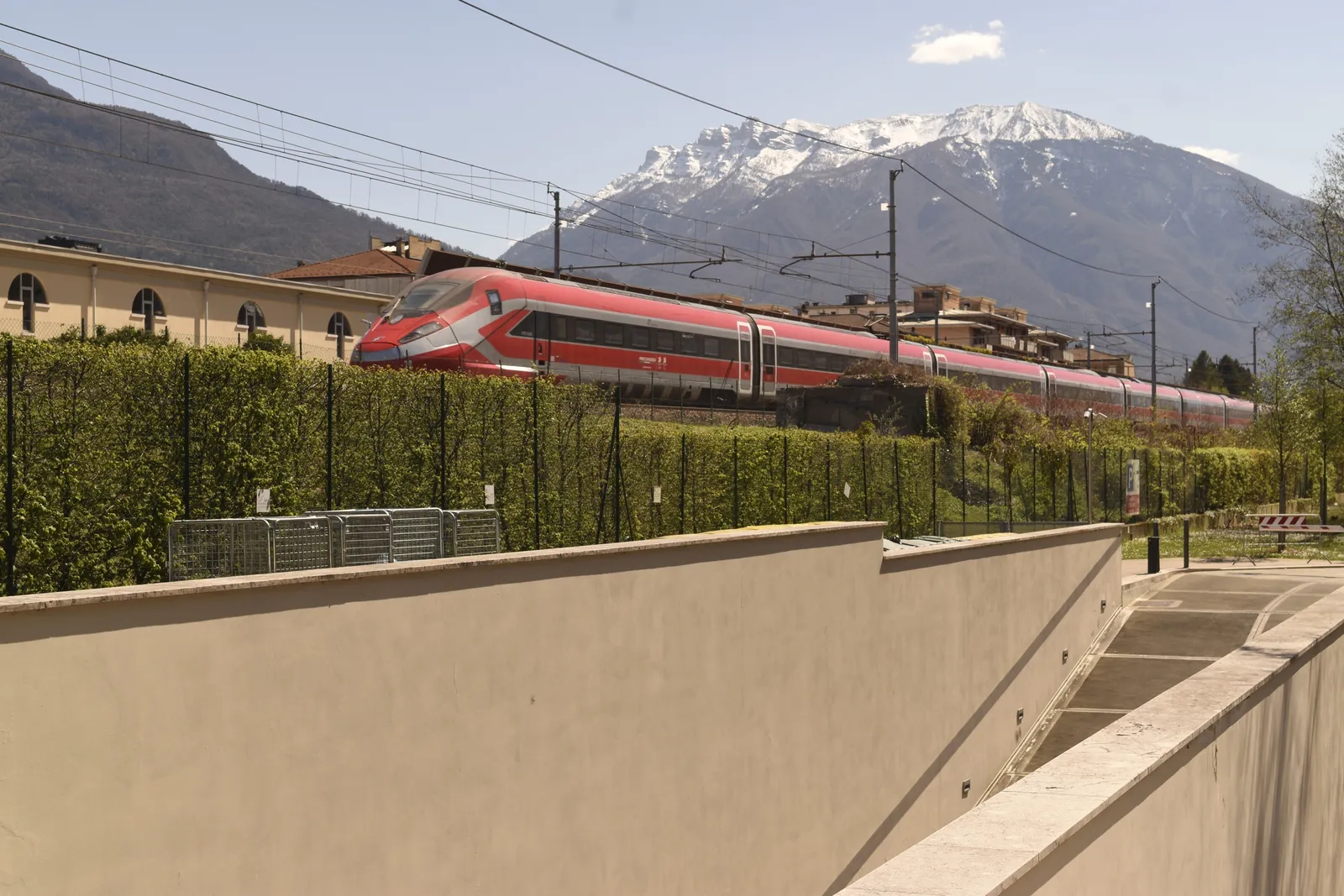
The train line. Regional trains connect all five villages along a short stretch of coast and continue to run through winter, if at a somewhat reduced frequency compared with summer. This remains the main way to move between villages once the ferries have stopped, and it is worth checking current timetables before you travel.
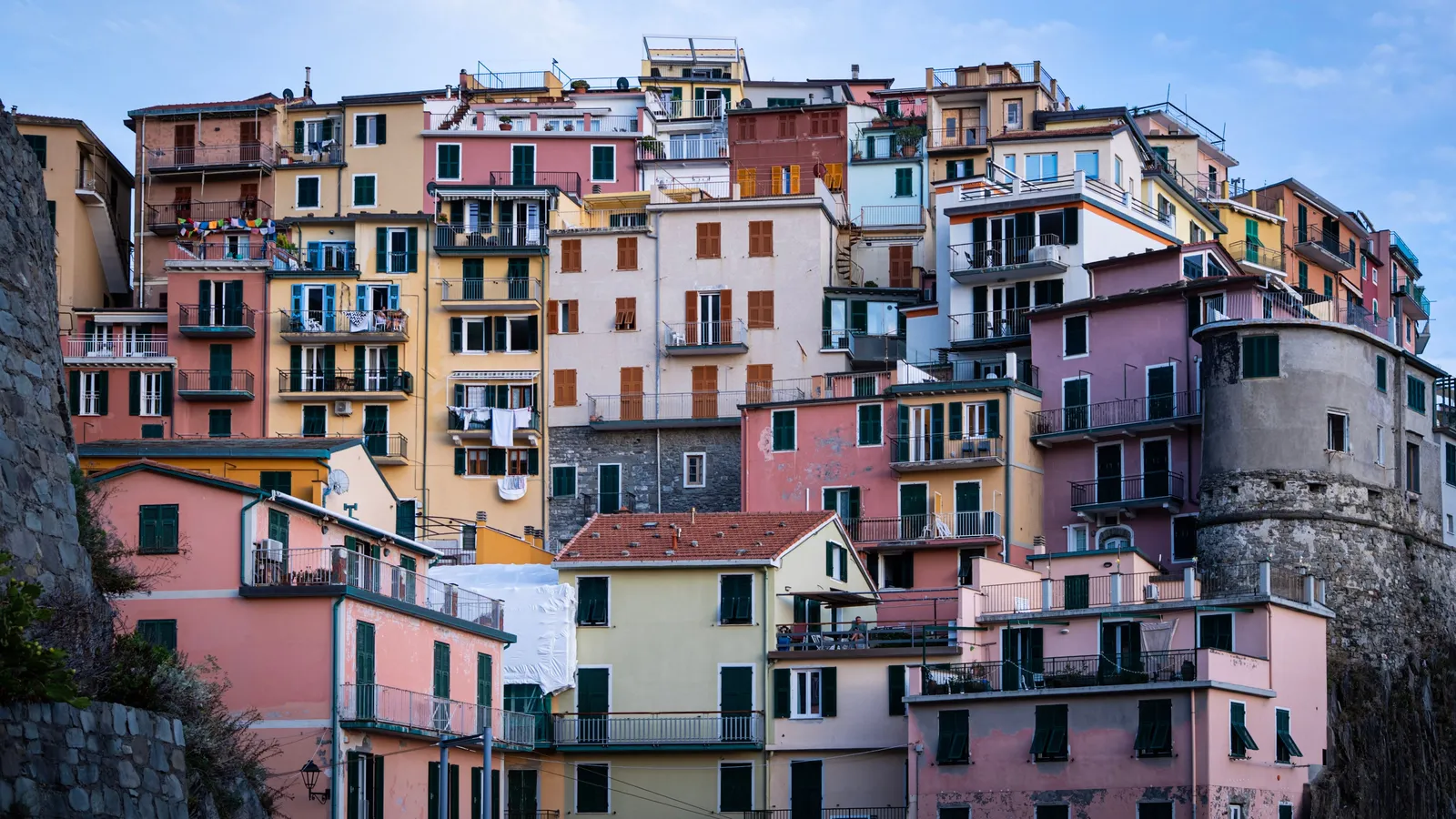
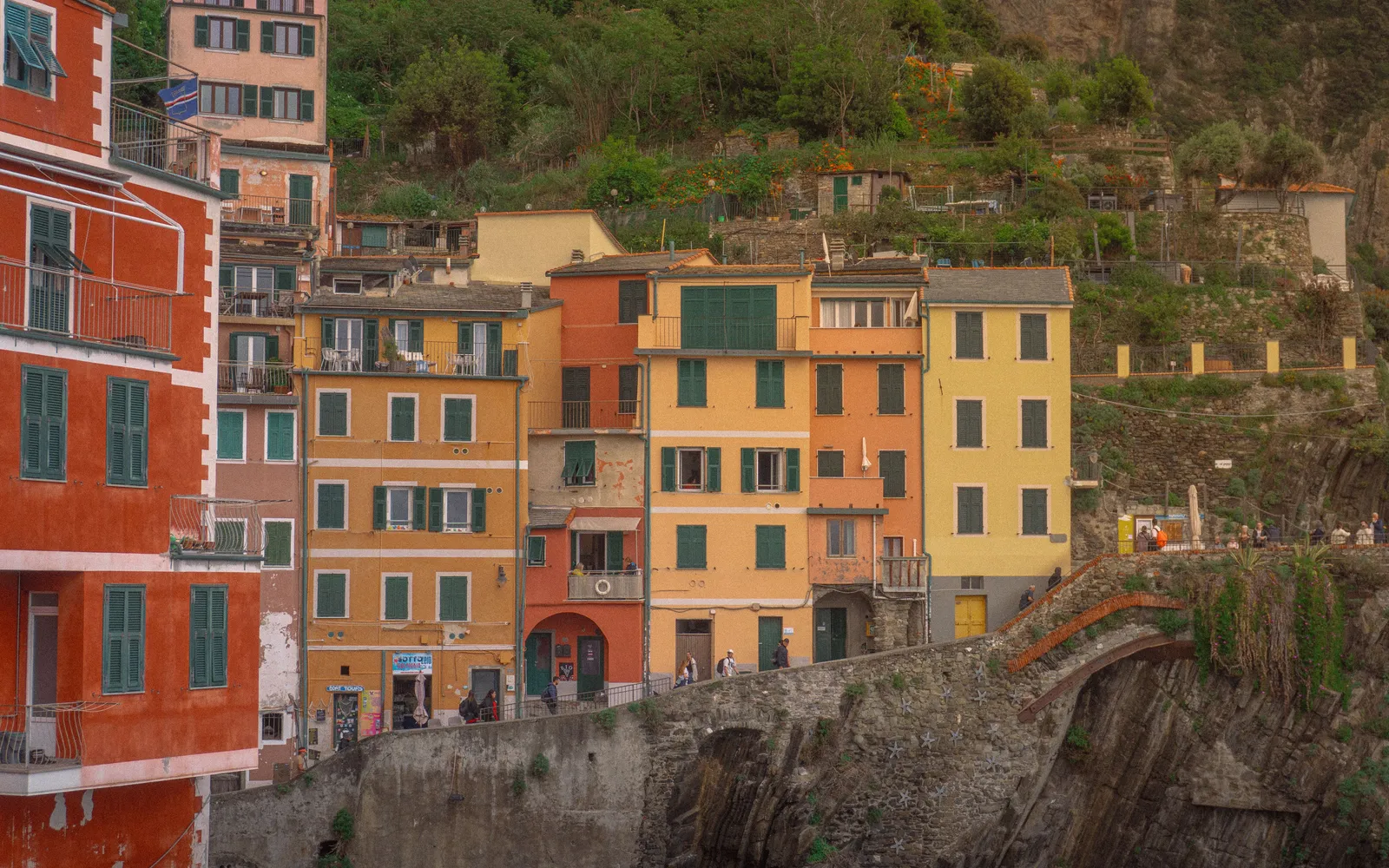
The villages themselves. Nobody closes a village for winter. Vernazza’s harbour, Manarola’s cliffside houses and Riomaggiore’s coloured terraces are there in December just as they are in July, minus the crowds standing in front of them for a photograph.
A calmer version of the same walk. Where trails are open, walking them without the queues that build up in summer changes the experience considerably. You can actually stop on a narrow section of path to look at the sea without holding up a line of people behind you.
Why winter can be the better trip for some travellers
Prefer someone else to plan the route?Small group day tours along the coastAnyone who has stood in the August queue for the trail between Monterosso and Vernazza understands the appeal instantly. Winter gives you villages that look like fishing villages again rather than an open air queue, tables in restaurants without a wait, and photographs without other people’s shoulders in them.
It suits travellers who want the coast and the character of the place more than they want sunbathing, warm swimming or a lively evening scene, and who do not mind grey skies and the occasional wet day in exchange for that.
It also suits anyone who has already done the summer version and wants to see the place without the version of it built for coach parties. Locals tend to be more visible and more talkative once the volume of visitors drops, and the pace of the villages themselves slows down to something closer to how they actually run for most of the year.
Who it does not suit
It is a poor choice for anyone expecting to swim, since the sea is cold and several of the small beaches lose most of their appeal without sun. It is also frustrating for a traveller with a fixed list of villages and trails they are determined to see, given that closures are genuinely unpredictable from one winter to the next.
Families hoping for the classic beach day, and anyone travelling specifically for the liveliest version of the aperitivo hour on a harbour terrace, are better served in the warmer months.
It is also worth being honest about the weather itself. This stretch of Ligurian coast gets proper winter storms, with heavy rain and strong wind rolling in off the sea for a day or two at a time, and an itinerary with no flexibility built in for a genuinely poor weather day is setting itself up to be disappointed.
Getting the timing right
| Factor | Winter reality |
|---|---|
| Ferries | Stopped, or very limited around the shoulder months |
| Trails | Partially open, changes yearly, check before you go |
| Restaurants | Fewer open, shorter hours, some seasonal closures |
| Trains | Running, somewhat reduced frequency |
| Crowds | Genuinely quiet outside weekends |
The shoulder months either side of full winter, roughly late autumn and early spring, are worth considering as a middle path: quieter than summer, milder than the depths of winter, and with more of the trail network and restaurant scene actually functioning. If firm winter dates are what you have, plan around the train line rather than the ferries, and check the Cinque Terre trains situation and the current trail status directly before you travel rather than relying on a summer itinerary someone else wrote.
A single day ticket covering unlimited train travel between the villages, alongside access to the open sections of trail, is generally available through the national park, and buying it for the length of your stay tends to work out simpler than paying per journey, especially if your plan involves moving between two or three villages in the same day.
Packing for the season
Layers matter more here than a single heavy coat, since a clear winter day on the coast can be genuinely mild by midday and sharp again once the sun drops behind the hills. A proper waterproof, rather than a light jacket, earns its place in the bag, and shoes with real grip are worth it on wet cobbles and stone steps, which make up a large share of how you actually move around these villages.
A hat and gloves for evenings are worth the small amount of extra weight, since the wind off the sea after dark has real bite once the sun has gone, even on an otherwise mild day. If you do plan to walk any of the open trail sections, a walking pole and a small torch are sensible additions, since some stretches are narrow, exposed to wind, and shorter daylight hours mean a late afternoon start can leave you finishing in poor light.
Cinque Terre against the other obvious coastal choice
Travellers weighing this coast against the Amalfi Coast for a winter trip will find Cinque Terre the quieter and generally cheaper of the two, with a smaller area to cover and a simpler transport picture once the ferries are out of the equation. Neither is a summer substitute in winter, but Cinque Terre’s compact size makes the trade offs easier to plan around.
In one line: winter here removes the crowd and some of the convenience in roughly equal measure, and which side of that trade you land on says more about what kind of trip you want than it says about the destination itself.
If you do decide on a winter trip, base yourself in one of the two larger villages rather than trying to move between accommodation every night. Fewer options are open overall, and starting each day from a fixed point rather than repacking for a new village keeps the whole visit simpler when the weather and the timetable are both less predictable than they are in July.