Sardinia and Sicily sit at opposite ends of the country and feel like they belong to different holidays entirely. Both are large, proudly distinct islands with their own dialects, food and pace, and both get bundled together in conversation simply because they are the two big Italian islands. In practice they answer different questions, and the honest way to choose between them is to be clear about what you actually want from the week.
Beaches: two very different coastlines
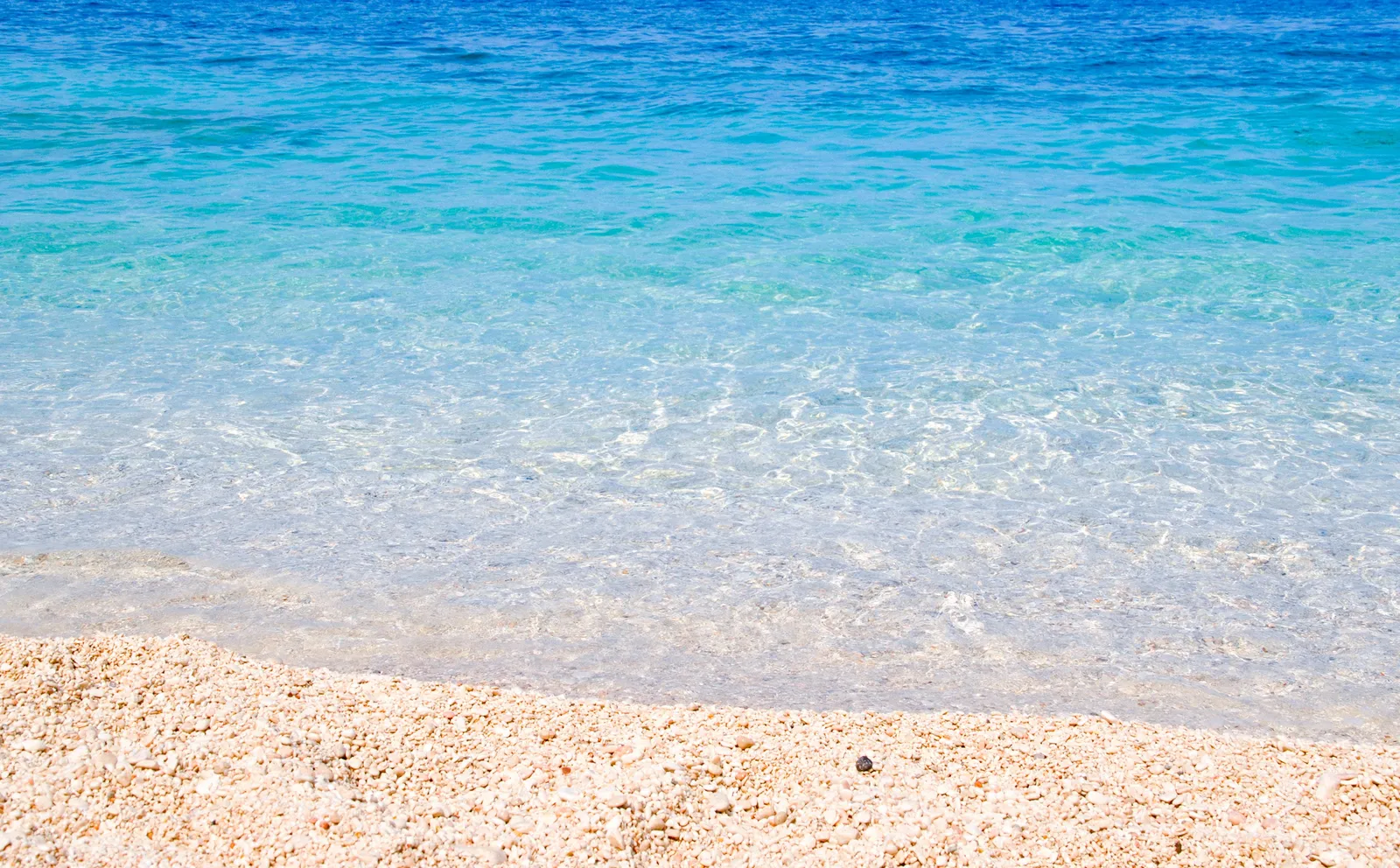
If beaches are the main event, Sardinia wins comfortably. The coastline, especially in the north east around the Costa Smeralda and further south near Villasimius, is known for fine white sand and water that stays clear and pale turquoise well past the shallows. Much of the west and south coast is quieter still, with long empty stretches that never appear in the glossy photographs.
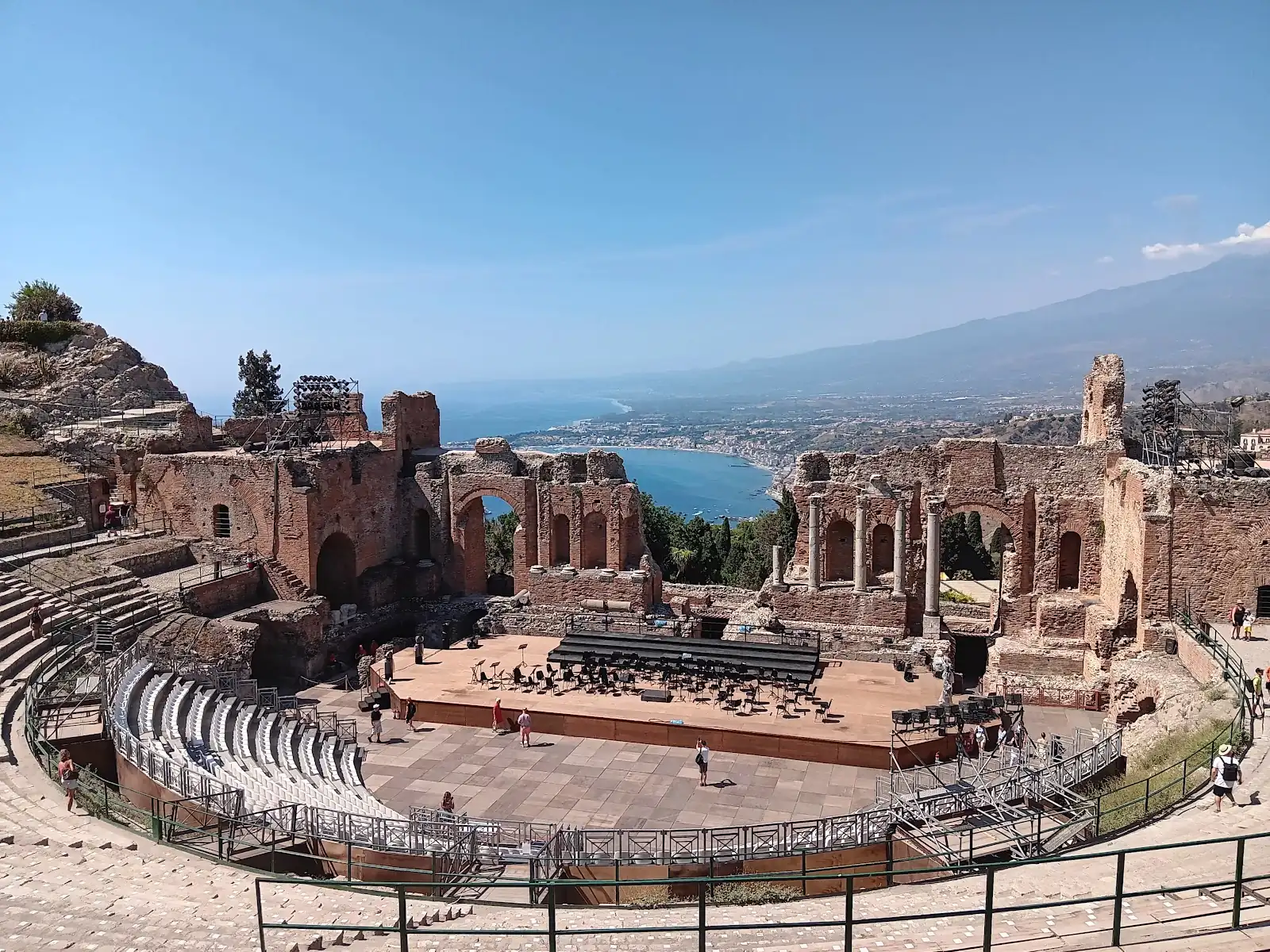
Sicily has genuinely good beaches too, particularly around San Vito lo Capo and along the Ionian coast near Taormina, but they sit alongside cities, ruins and volcanoes rather than being the whole point of the island. A beach day in Sicily is one part of a varied trip. A beach day in Sardinia is often the entire plan.
For anyone chasing a specific look, Sardinia’s La Pelosa, near Stintino in the north west, is often described as one of the most Caribbean looking stretches of coast in Europe, while the more remote coves around Cala Mariolu on the east coast reward the extra effort of a boat trip to reach them. On the Sicilian side, the Zingaro nature reserve near San Vito lo Capo protects a stretch of unspoiled coastline reachable only on foot, and the beaches around Vendicari, further south, combine sand with wetlands and birdlife rather than sunbeds.
Ancient sites and layers of history
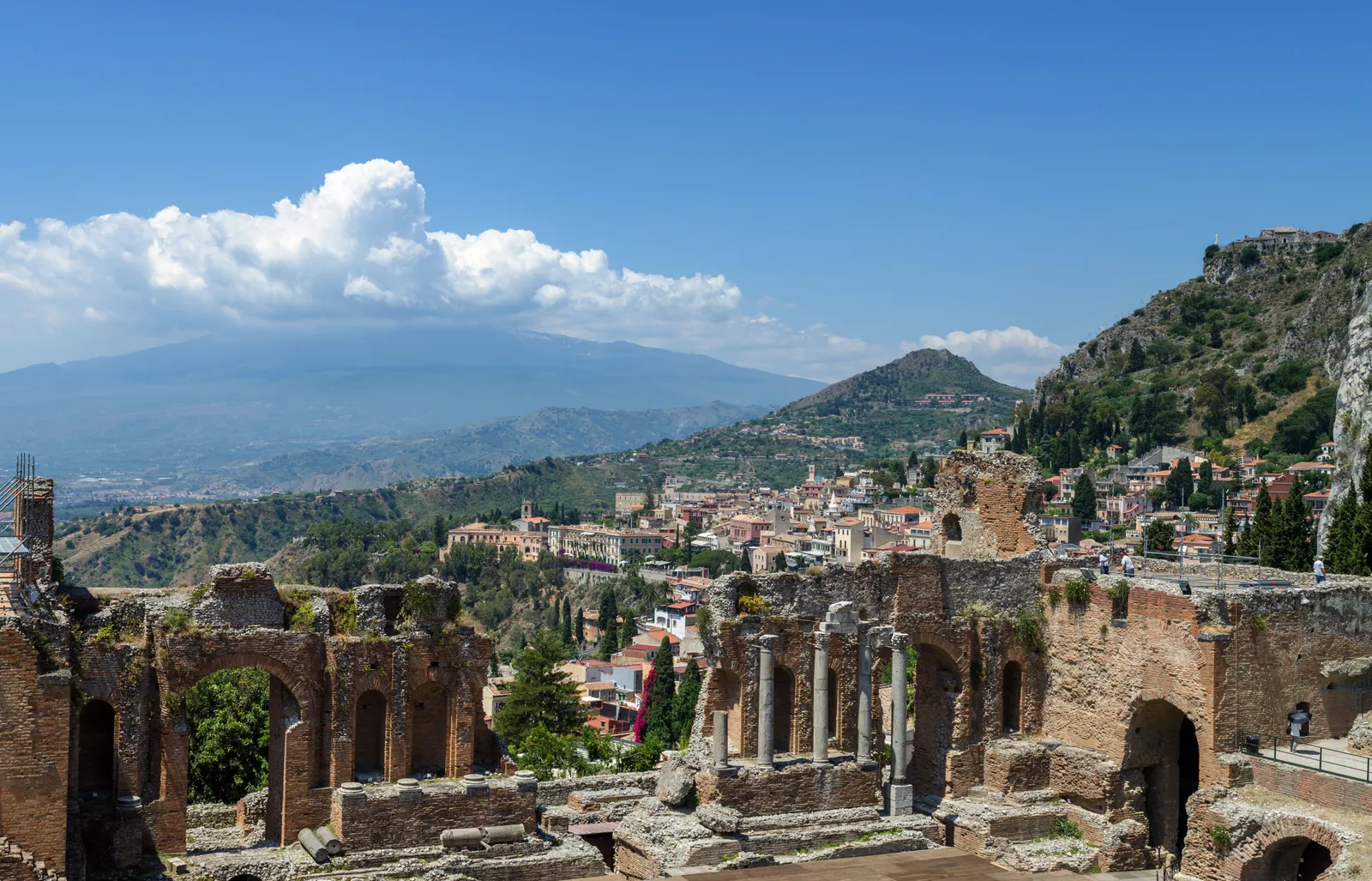
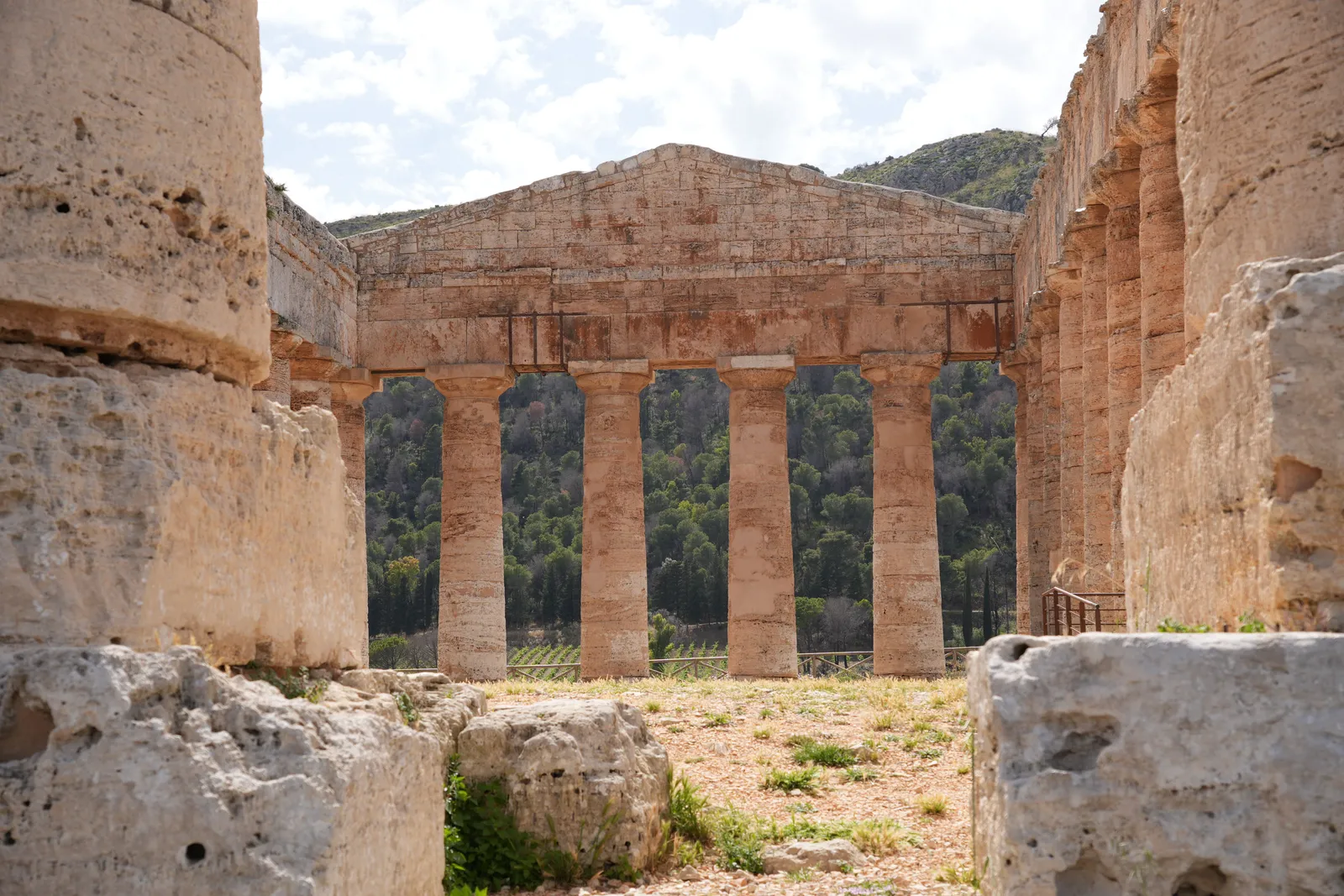
Here the comparison flips. Sicily carries an extraordinary depth of history, with Greek temples at Agrigento and Selinunte that rank among the best preserved anywhere outside Greece, Roman mosaics at Piazza Armerina, and cities such as Palermo and Syracuse that layer Arab, Norman and Baroque architecture on top of it all. History is not a side trip here, it is woven into daily life.
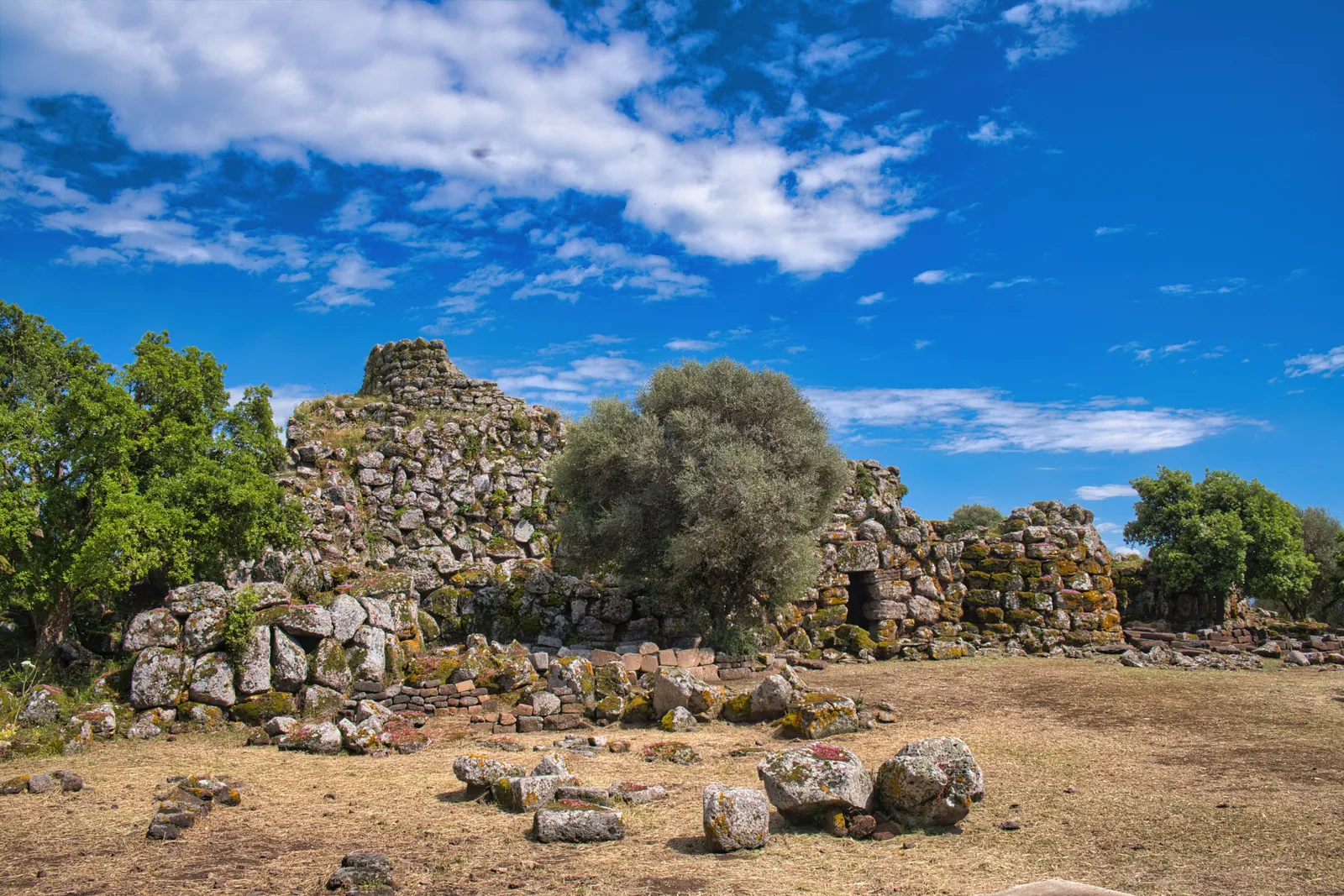
Sardinia’s history runs deeper in time but leaves a different kind of mark. The island is scattered with over seven thousand nuraghi, mysterious stone towers built well before recorded history, along with prehistoric villages and standing stones. The best preserved complex, Su Nuraxi near Barumini, carries its own UNESCO recognition and is worth the detour inland. They are fascinating and genuinely unusual, but there is nothing on Sardinia with the scale or density of Sicily’s ancient cities.
The two islands also carry very different living cultures alongside their ruins. Sardinian has its own language, still spoken in parts of the interior and quite distinct from standard Italian, and village festivals with traditional dress and masks remain a genuine part of local life rather than a show staged for visitors. Sicilian dialect and identity run just as deep, shaped by centuries as a crossroads of Mediterranean powers, and it shows in everything from street food to the island’s puppet theatre tradition.
| Comparison | Sardinia | Sicily |
|---|---|---|
| Beaches | Exceptional, white sand and clear water | Good, shared with towns and sights |
| Ancient sites | Prehistoric nuraghi, scattered | Greek and Roman sites, dense |
| Getting around without a car | Harder | Easier, better rail and bus links |
| Peak summer prices | Very high in the north | High but generally lower |
Food, wine and what to expect at the table
Both islands cook with strong local identity rather than a generic version of Italian food. Sardinia leans on roast suckling pig, hearty pasta such as malloreddus, and its own bread and pecorino, with a proud, slightly insular food culture that has resisted outside influence more than most of the mainland. Sicily’s kitchen shows its history openly, with Arab influenced sweets, couscous on the western coast, and an obsession with seafood and citrus that runs through everything from pasta to gelato.
Neither island disappoints at the table, and the choice really comes down to whether you want food that feels quietly traditional or food that wears its layered history on its sleeve. Wine follows the same split. Sardinia’s bold, dark Cannonau is often poured with the roast meats it was built to sit alongside, while Sicily’s Nero d’Avola and the volcanic whites grown on the slopes of Etna have become genuine favourites well beyond Italy in recent years.
Booking early matters on both islandsThe best coastal stays on either island sell out months ahead for July and AugustGetting around without a rented car
Sicily is the easier island for public transport. Trains and buses connect Palermo, Catania, Syracuse and most of the coast reasonably well, and it is genuinely possible to build a two week trip around them, particularly if you read our guide to Sicily before you plan the route.
Sardinia rewards a hire car far more. Its most beautiful beaches and inland villages sit away from the main towns, and public transport thins out quickly once you leave Cagliari, Olbia or Alghero. A car is not strictly essential on Sardinia, but travelling without one closes off a large share of what makes the island worth visiting.
Reaching either island is straightforward by air, with several regional airports on each, and by seasonal car ferry from mainland ports such as Genoa, Naples and Civitavecchia if you would rather bring your own vehicle or simply prefer travelling by sea.
Scale, distance and whether you can do both
Both islands are genuinely large, closer in size to a small country than to a typical Italian region, and both punish an itinerary that tries to see everything in a handful of days. Driving from one end of Sicily to the other, or from Sardinia’s north coast to its south, takes the best part of a day once you account for the winding roads inland.
They are also not connected to each other by any direct ferry, sitting on opposite sides of the Tyrrhenian Sea, so combining both into one trip usually means routing back through mainland Italy. Treat them as two separate holidays rather than a single itinerary, unless your trip stretches to two clear weeks or more.
When to go and how the seasons compare
The comparison here is close. Late spring and early autumn suit both islands, with warm, swimmable seas and a fraction of the peak summer crowds. July and August bring the strongest heat and the highest prices to both, but the effect is sharper in Sardinia, where the northern coast in particular becomes one of the most expensive corners of Italy for those eight weeks. Our month by month weather guide covers the detail for planning either trip.
Winter closes a meaningful share of seasonal hotels and restaurants on both islands, so outside the shoulder months, check what is actually open before you book. Sicily also sees a steadier trickle of cruise ship visitors into its port cities across the year, which can make Palermo or Catania feel busier on a given morning than the calendar alone would suggest, while Sardinia’s crowds are almost entirely tied to the summer beach season.
Which island fits your trip
If the plan revolves around beaches, boats and switching off, choose Sardinia, and build in the extra cost of the northern coast if you want to see its most famous stretch of sand. If the plan revolves around history, cities and food with a story behind it, choose Sicily, and pair it with a look at Puglia on the mainland if the wider south of Italy appeals as well.
The short version
Sardinia is the beach island, with the finest sand and water in the country and a car that makes or breaks the trip. Sicily is the history and food island, easier to travel by public transport and denser with things to see per day. Pick the one that matches what you actually want to spend your days doing, rather than trying to force both into a single short trip.