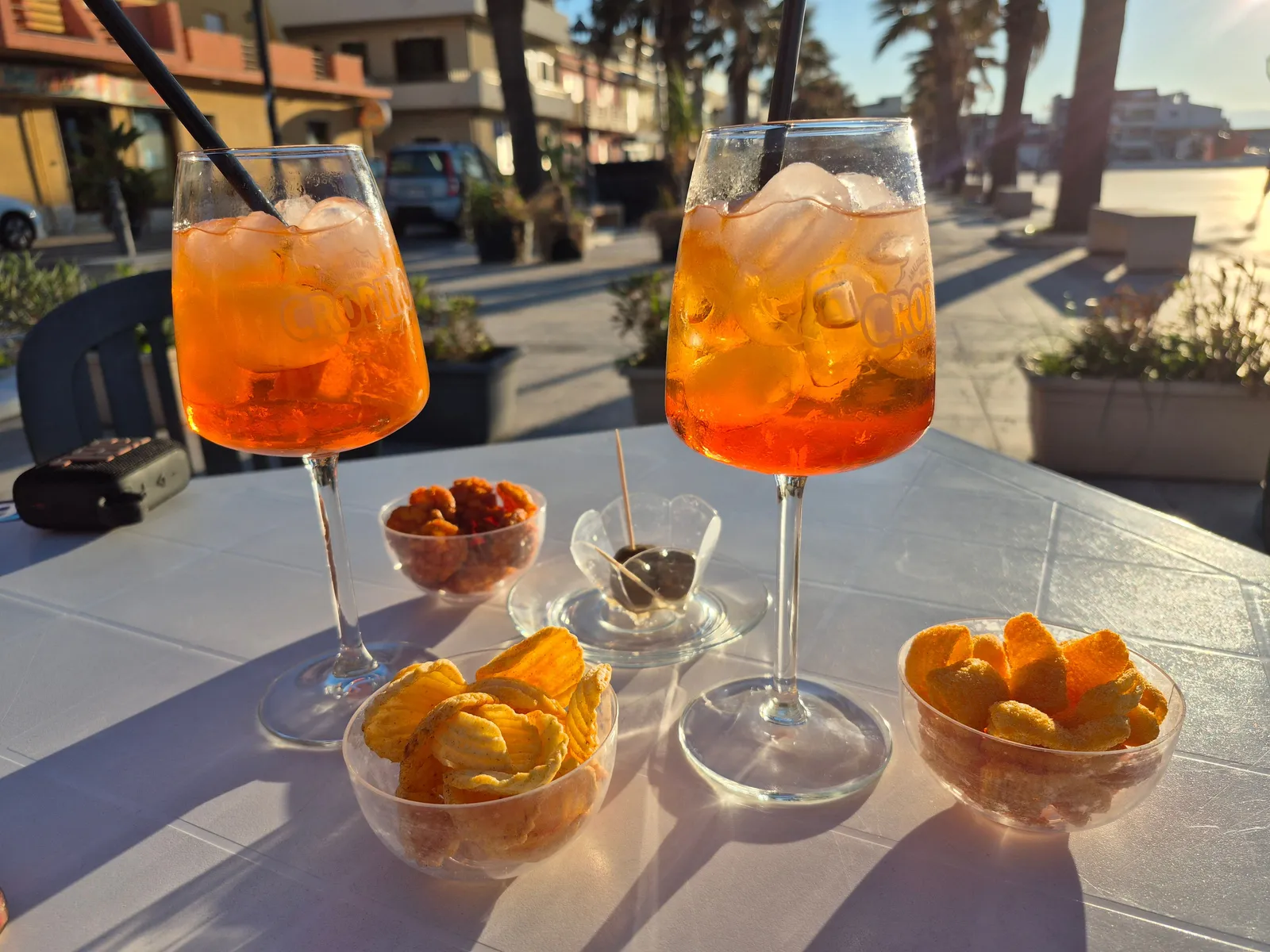
Aperitivo is the part of the Italian day that visitors most often get slightly wrong, usually by treating it as either a happy hour or a meal. It is neither. It is the hour or two between the end of the working day and dinner, spent with a bitter drink and something small to eat, and its shape changes considerably as you move down the country.
Understanding what it is in the city you are actually standing in saves you from the two common outcomes: paying for a buffet you did not want, or turning up hungry somewhere that serves three olives.
What the drink is doing
The drinks are bitter on purpose. An aperitif is meant to open the appetite rather than satisfy it, which is why the standard order is something sharp and low in strength rather than sweet or heavy.
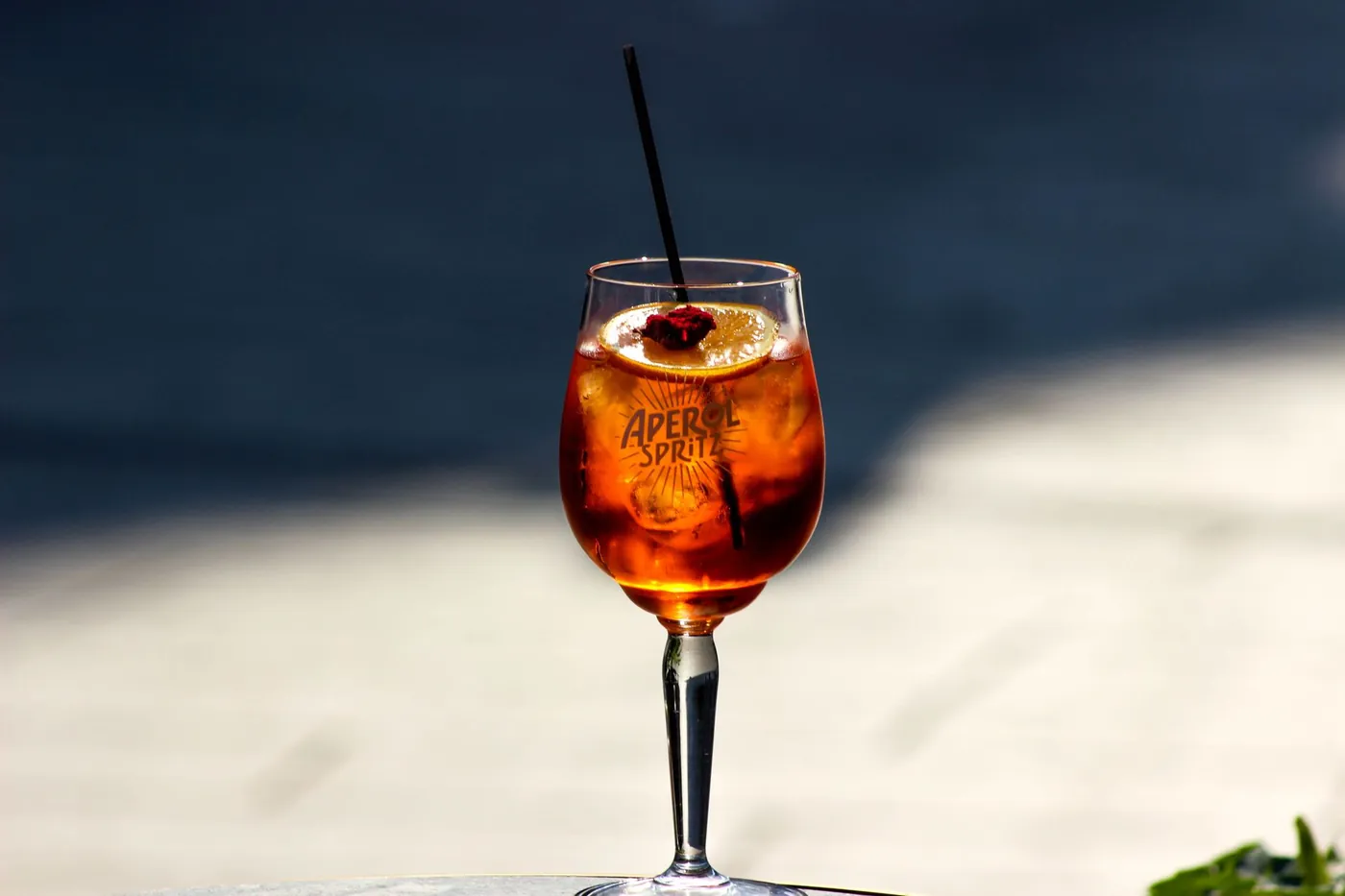
The default is a spritz: a bitter liqueur, sparkling wine and soda over ice with a slice of orange. Aperol is the lighter, sweeter version and the one that travelled internationally. Campari is the same drink built with a considerably more bitter base, and it is what a lot of Italians order once the Aperol version starts tasting like squash. Beyond the spritz there is the Negroni, gin, Campari and red vermouth in equal parts and much stronger than either, and simply a glass of local white wine, which is what most people at the bar are actually drinking on an ordinary Tuesday.
None of this is complicated to order. The one thing worth knowing is that “spritz” alone will usually get you Aperol, so if you want the bitter one, say Campari.
Milan and the apericena
Milan is the outlier, and it is the reason a lot of visitors arrive with the wrong expectation. The city turned aperitivo into apericena, a contraction of aperitivo and cena, dinner: you pay for one drink at a set price and the bar puts out a buffet substantial enough to eat as a meal. Pasta, rice dishes, cured meats, focaccia, sometimes a hot counter.
The economics are simple. The drink costs more than it would elsewhere, and the food is included in that price rather than given away. The convention is one plate at a time and one trip at a time rather than loading up as if it were a canteen, and the drink is expected to be bought before you approach the food.
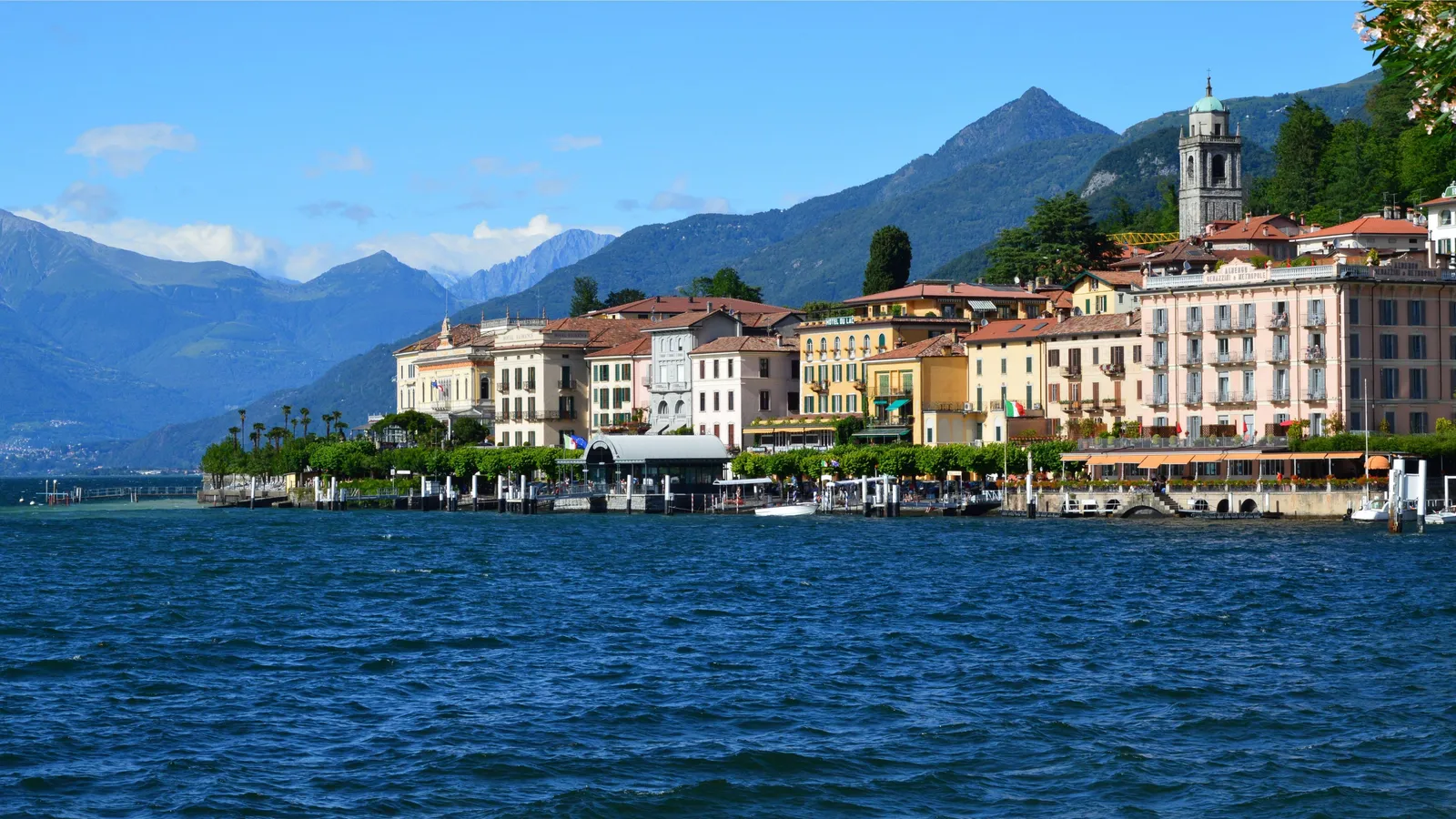
The Navigli canal district is where this is most concentrated, with bars along both canals filling from around six, and it is also where the format is at its most commercial. Our guide to Milan and the northern lakes covers how the city fits with the rest of a northern trip.
Venice, cicchetti and the ombra
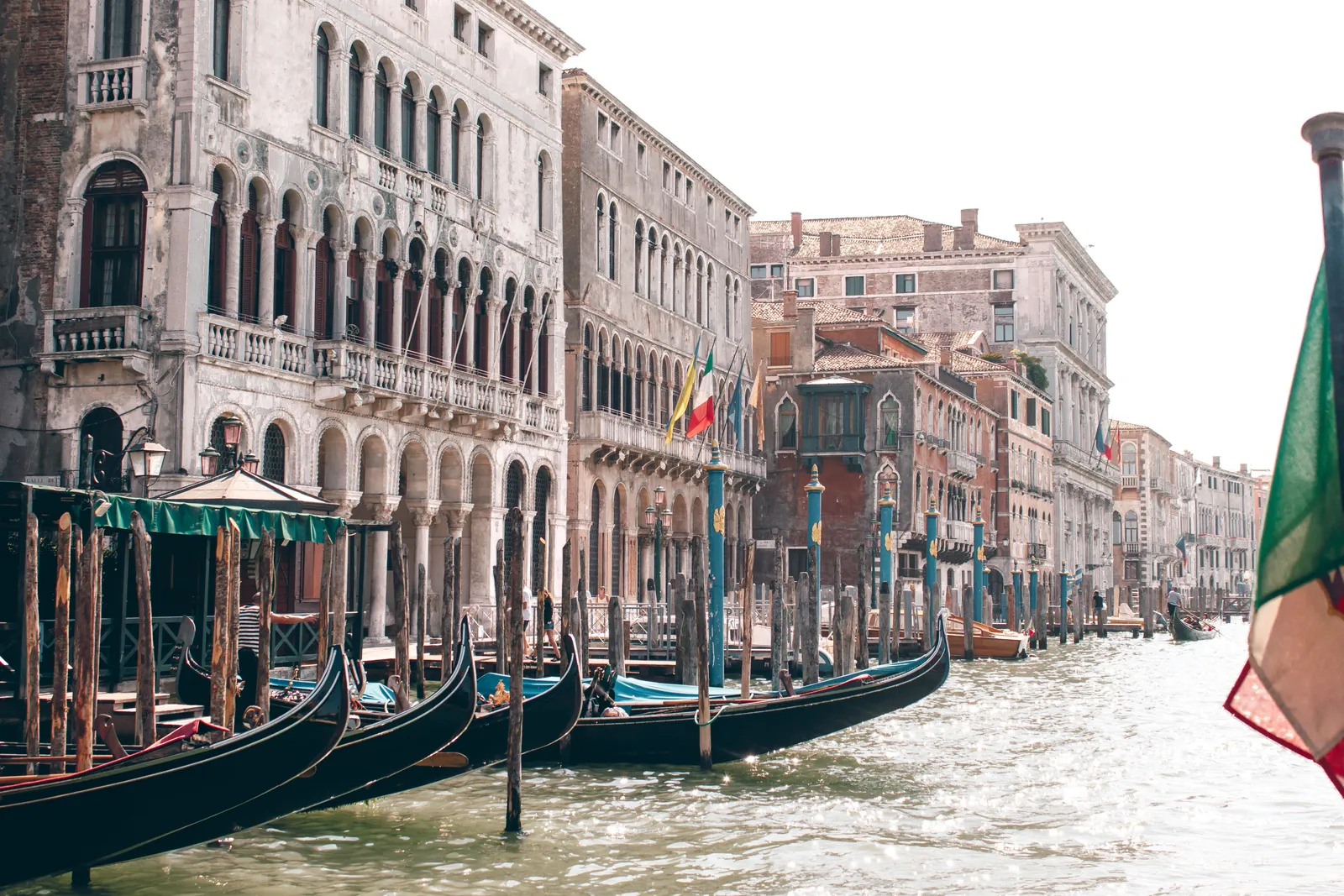
Venice does something different and older. A bacaro is a small wine bar, an ombra is a small glass of wine taken standing at the counter, and cicchetti are the snacks lined up along the bar: bread with baccalà mantecato, small fried things, half a hard-boiled egg with an anchovy.
The pattern is movement. You have one glass and two or three cicchetti, pay, and walk to the next bacaro. Locals do this as a loop through a neighbourhood rather than an evening in one venue, which also means the bars closest to San Marco are the ones least likely to be doing it properly. Walk inland. Our first time in Venice guide covers the geography that makes this easy.
Rome and the south: everything moves later
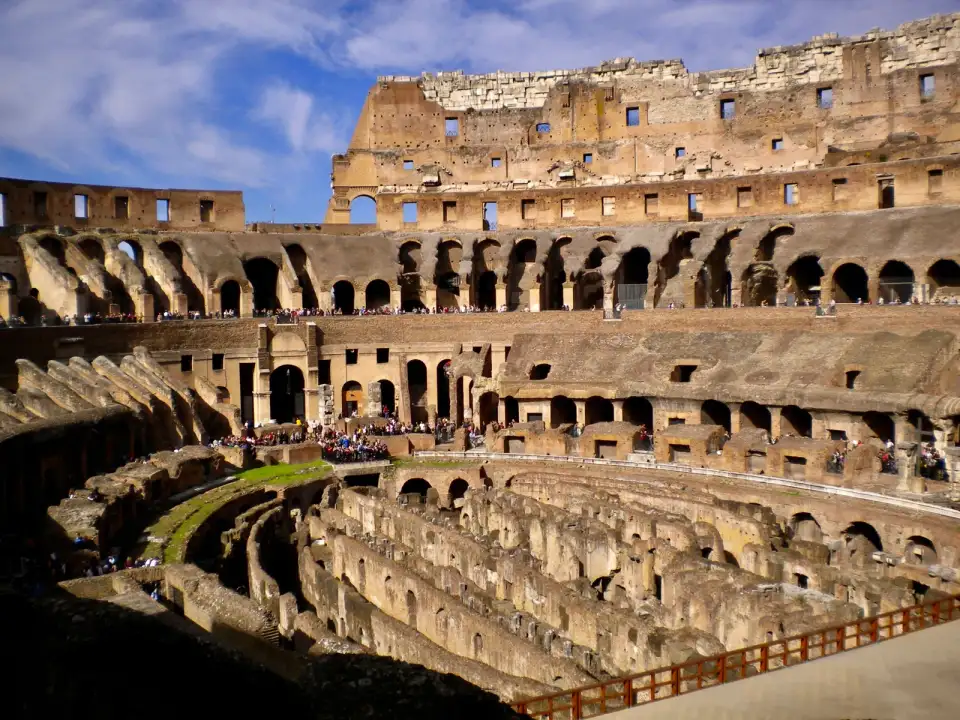
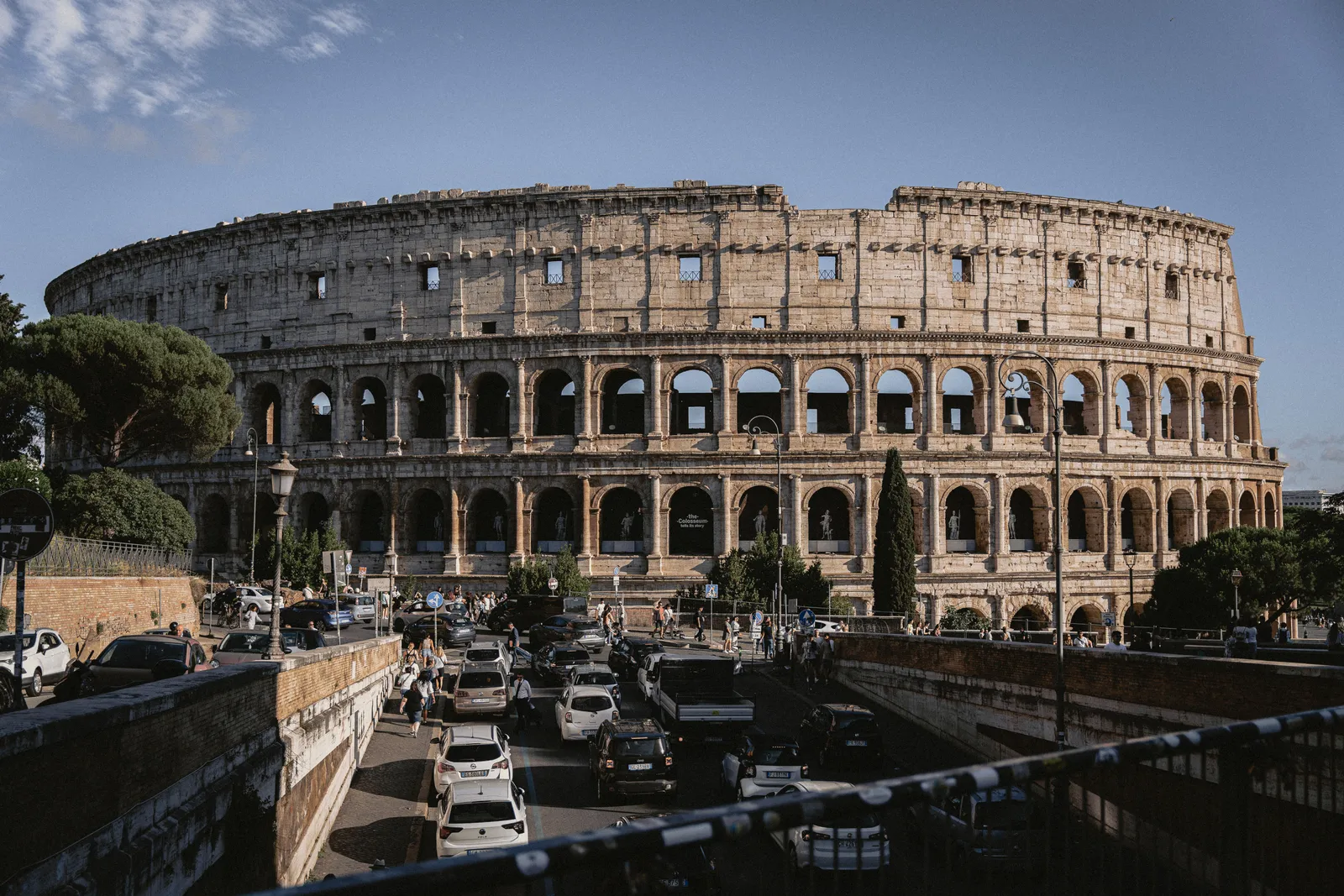
The further south you go, the later the evening starts and the smaller the food becomes. In Rome the aperitivo hour is real but it is genuinely a prelude, with dinner following at nine or later, and the food arriving with the drink is a plate of snacks rather than a buffet.
Trastevere, Monti and the streets around Campo de’ Fiori are where this is most visible, each with a different crowd. Turning up at six expecting a full bar is the classic mistake, and turning up at half past eight expecting a table without booking is the other one. Our first time in Rome guide sets out how the neighbourhoods differ.
Reading a bar before you sit down
A few signals tell you what you are walking into before you commit.
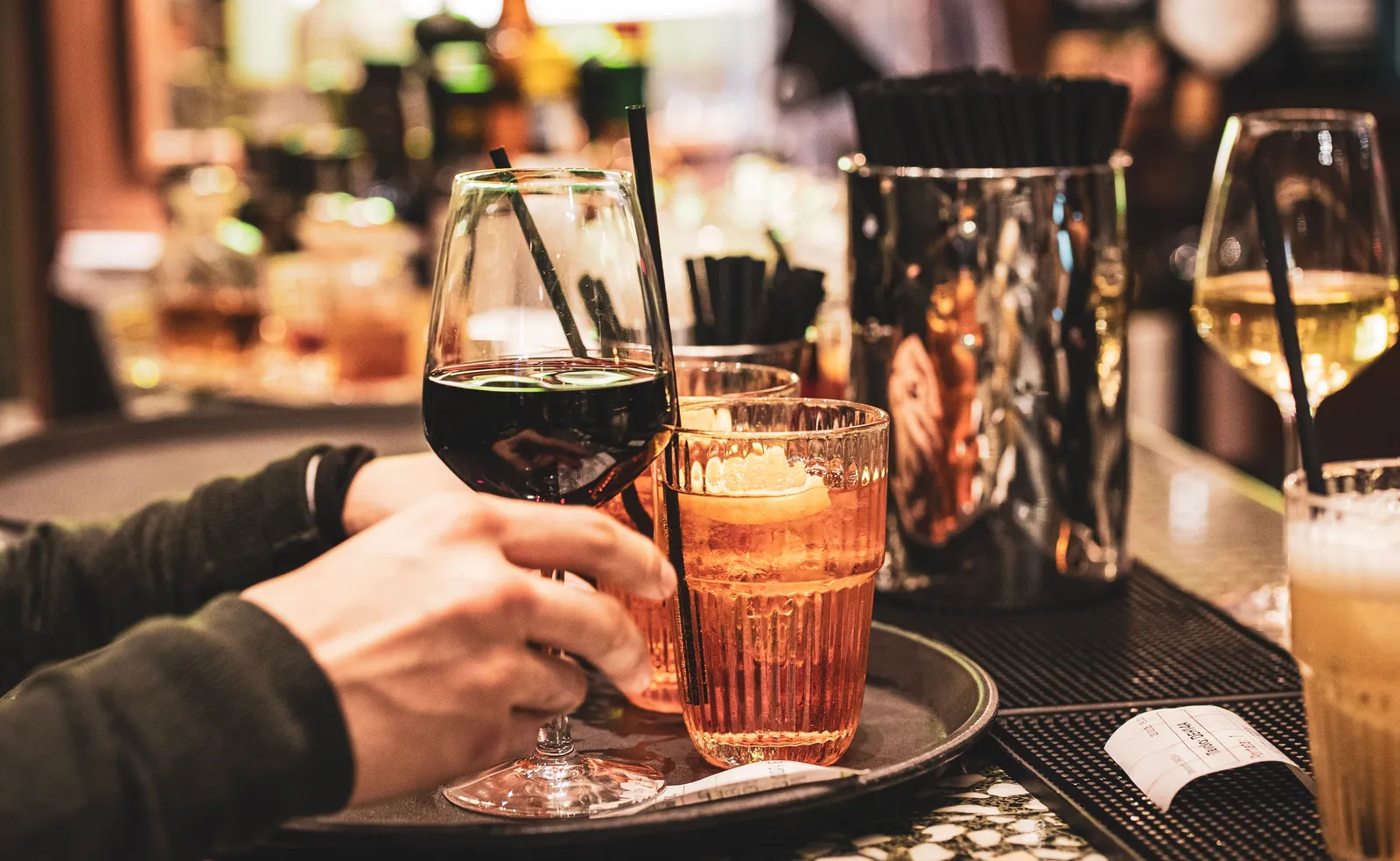
If there is a printed board outside listing a price with the word apericena, it is a buffet format and the price is per drink. If there is a counter with small plates already laid out, it is a cicchetti or snack bar and you order by pointing. If the bar has table service and a waiter appears with a menu, expect a higher price for the same drink and a smaller amount of food, and expect to pay for the seat and the view rather than the volume.
The other reliable signal is the crowd. A bar full at seven in Milan is normal; a bar full at seven in Naples is usually full of visitors.
Standing, sitting and what it costs
The price of the same drink can differ noticeably depending on where you consume it, and this is not a scam but a long-standing convention. At the counter is cheapest. At a table inside costs more. At a table outside on a square with a monument in view costs the most, and in the most visited squares the difference is substantial.
None of this needs avoiding, it just needs deciding. If you want the ritual, stand at the bar and pay little. If you want the sunset over the rooftops with a glass in hand, sit down and accept that you are paying for the position. What you should not do is sit outside without checking the menu first, because the difference is real and it is rarely announced.
Practical points that make the evening easier
Aperitivo bars are busiest immediately after work, and the window narrows in smaller towns where a single bar may be the only one open. In August much of urban Italy empties out and neighbourhood bars in cities close for two or three weeks, while coastal towns run the opposite pattern.
Payment is usually at the counter before you take the food in buffet formats, and after in table-service ones. Cards are widely accepted but small bacari and neighbourhood bars can still prefer cash for a single glass.
And the timing matters more than the venue. An ordinary bar at the right hour, full of people who came straight from work, is a better evening than a well-reviewed one at the wrong hour with nobody in it.