Capri looks close on a map and behaves like a small country once you arrive: a steep, glamorous island with its own rhythm, its own prices and a famous sea cave that answers to nobody’s schedule but the weather’s. Done well, a day here is one of the best you will spend on this stretch of coast. Done badly, it is a morning of queues followed by an afternoon on a boat home. Here is how to get the balance right.
Choosing a port
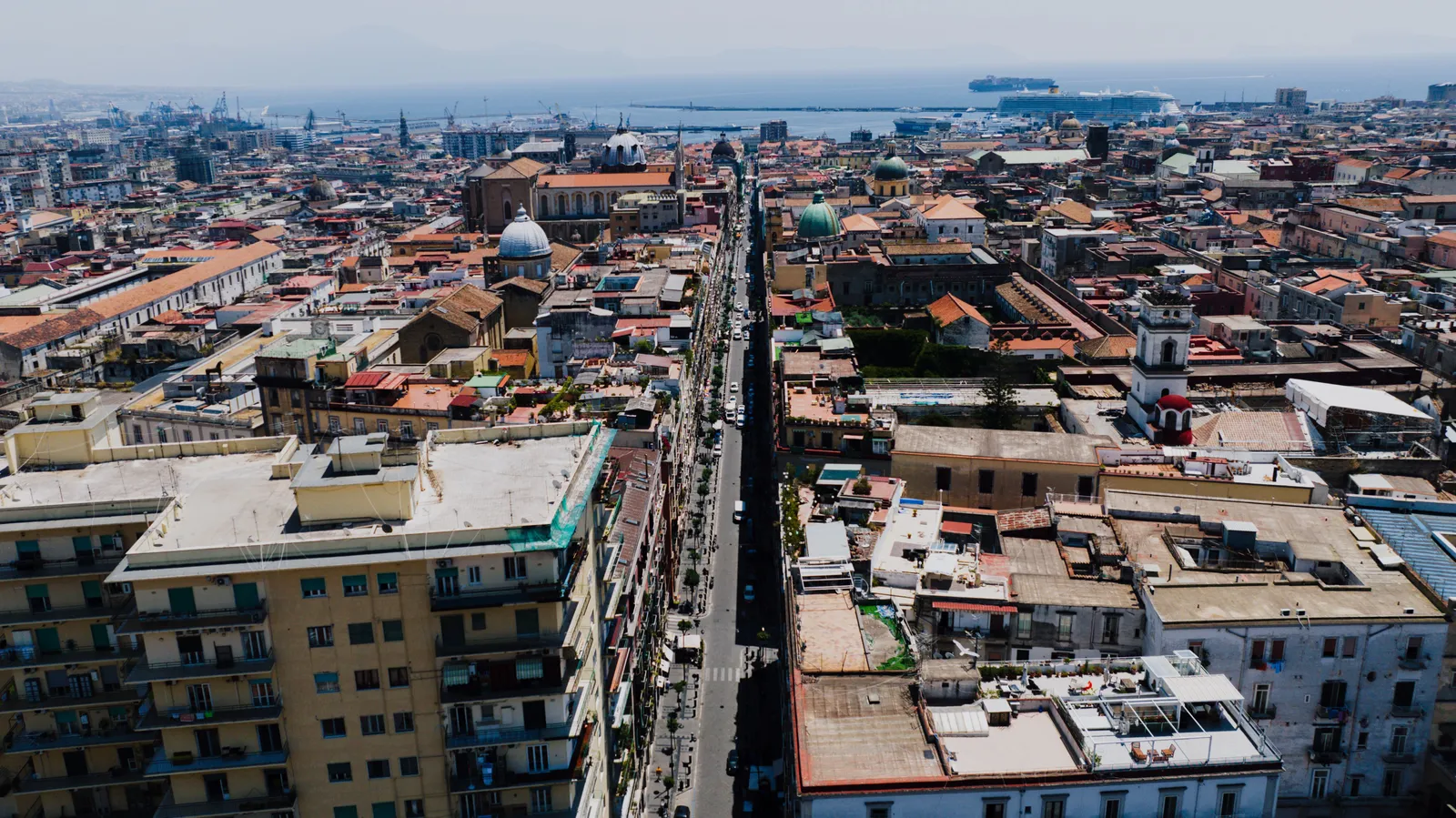
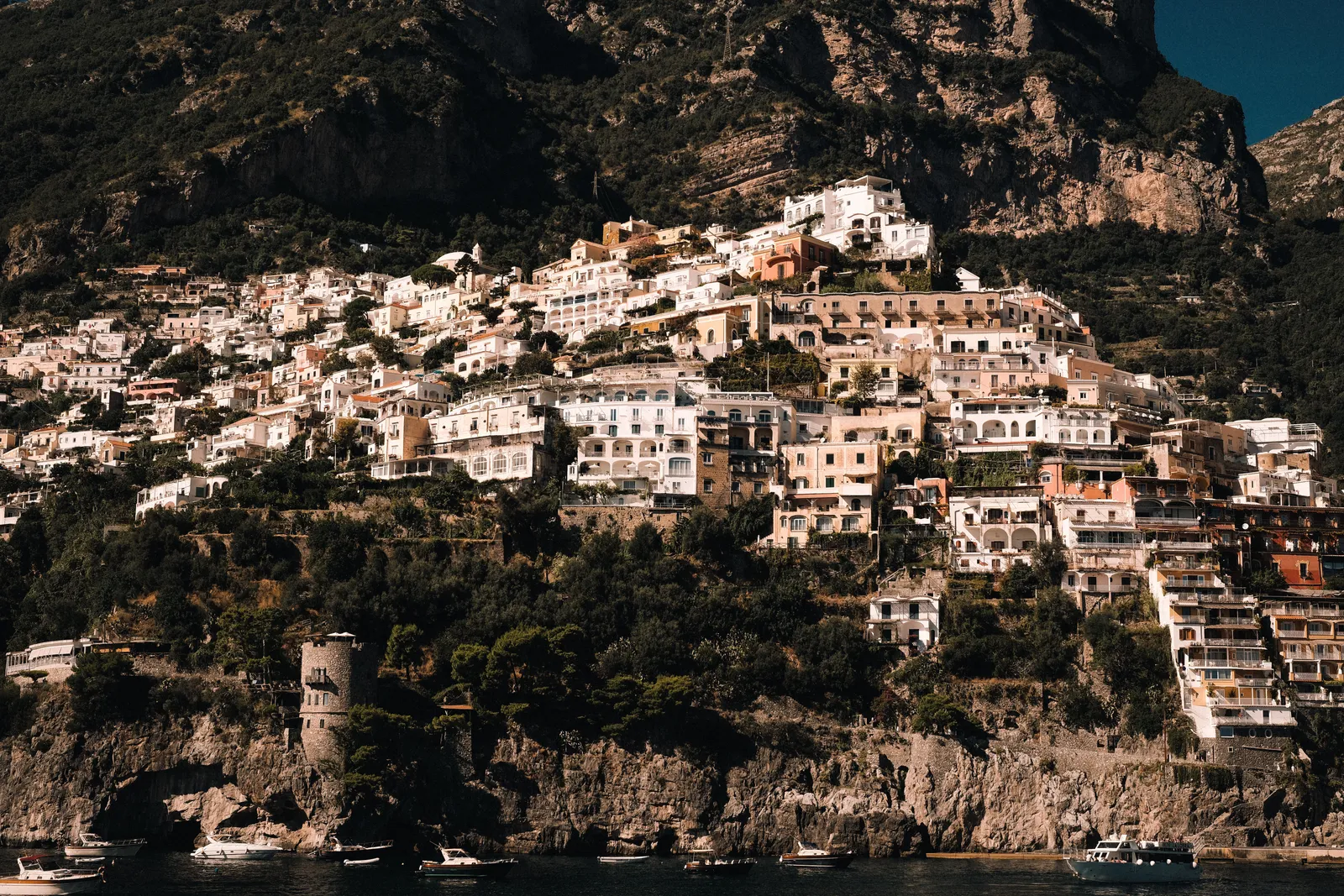
You can reach Capri from several points along the coast, and the choice shapes the whole day. Naples offers the widest choice of departures through the day, which suits travellers without a fixed base or anyone whose morning plans might shift. Sorrento gives the shortest crossing of the group, roughly twenty to twenty five minutes on the faster boats, and is the steadiest option if the sea has any swell. Positano and Amalfi run boats too, mostly in the warmer months, which is convenient if you are already staying on that coast, though the ride takes longer and the timetable is thinner outside summer.
Whichever port you choose, arrive early. The first departures of the day carry a fraction of the passengers of the mid morning boats, and reaching Capri before the bulk of the day trippers changes the entire feel of the harbour.
| Departure port | Typical crossing | Best suited to |
|---|---|---|
| Naples | Longest of the three | Widest choice of times, no fixed base |
| Sorrento | Shortest and calmest | First timers, choppier days |
| Positano or Amalfi | Seasonal, longer | Travellers already on the Amalfi Coast |
Building a day that does not vanish into queues
Capri punishes a loose plan. The island has two centres, Capri town above the main harbour and Anacapri further up and across the island, plus the Blue Grotto sitting on its own on the northern shore. Trying to do all three without a rough order wastes hours in transfers.
A sensible shape for a single day starts at the grotto first thing, while the sea and the queue are both at their calmest, moves on to Anacapri and the chairlift once the grotto trip is done, and leaves Capri town and its famous piazza for the middle of the afternoon, after the cruise ship crowds have started to thin. Working backwards from your return boat, rather than forwards from arrival, tends to produce a plan that actually survives contact with a busy morning.
The Blue Grotto: understand it before you plan around it
The Blue Grotto is the single most requested stop on Capri and the least reliable one to promise yourself. The cave has a very low, narrow entrance, and small rowing boats take visitors in one or two at a time, lying flat to clear the opening. Whenever the sea is even moderately rough or the tide runs high, the grotto simply closes, and the call is often made on the morning itself rather than the night before.
Treat a grotto visit as a bonus rather than the anchor of the day. If it is open, go early, since the queue of small boats grows quickly once the first big ferries land. If it is closed, redirect that time to Anacapri or a boat trip around the island’s other coves, several of which are almost as striking and never close on a whim.
Want the grotto sorted for you?A guided boat trip builds in a backup plan for a closed grotto dayAnacapri and the chairlift
Getting up from the water helps to know before you land. The Marina Grande harbour, where most boats arrive, sits well below Capri town itself, and the short funicular railway is the standard way up, running frequently and taking only a few minutes. Buses also connect the harbour to Capri town and on to Anacapri, useful if you are travelling with luggage, though they get crowded once several boats have landed within a short window of each other. Taxis exist too, distinctive open topped cars that are a novelty in themselves, though prices are set by distance rather than by the meter and worth confirming before you get in.
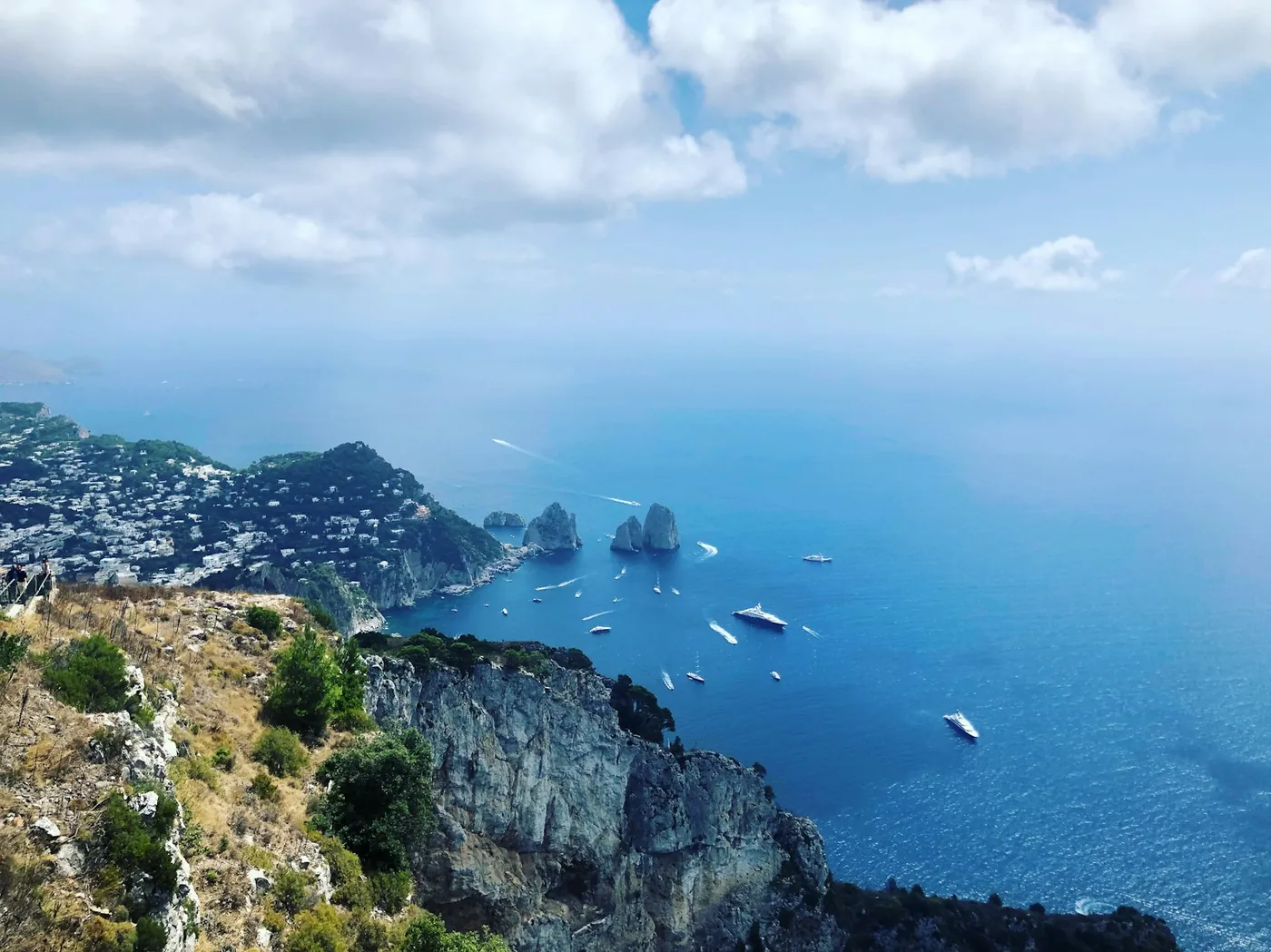
Anacapri, the quieter of the island’s two towns, sits higher up and feels distinctly calmer than the harbour side. From its main square, a chairlift rises to the summit of Monte Solaro, the highest point on Capri, and on a clear day the views stretch across the bay to Naples and Vesuvius on one side and out to open sea on the other.
The chairlift does not usually need advance booking, but the queue lengthens once the mid morning boats have landed. Going up either early or later in the afternoon, and checking current opening times before you climb the hill towards it, avoids the longest waits.
Marina Piccola and the Faraglioni
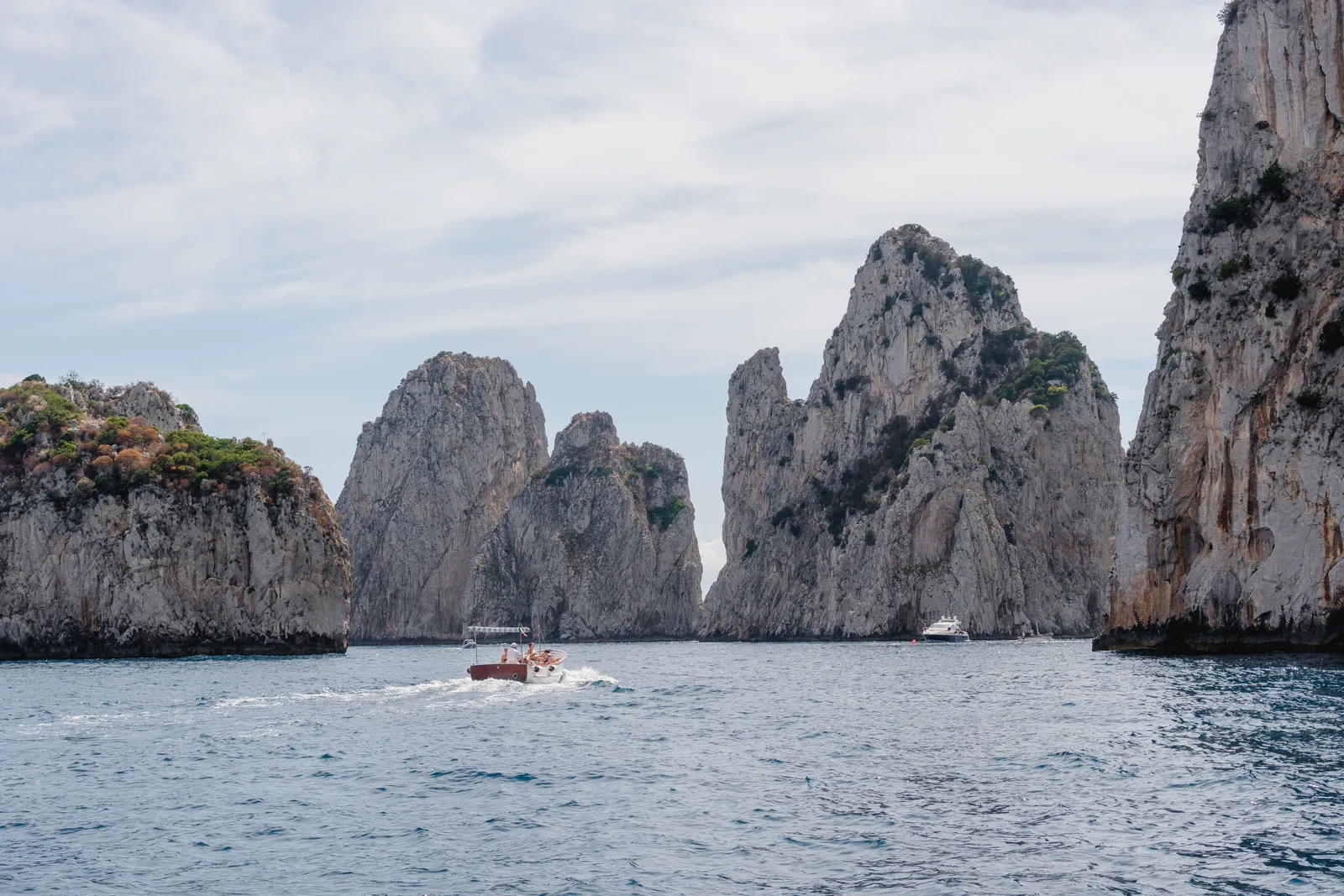
Below Capri town, a path winds down to Marina Piccola, a small bay with a genuinely good swimming spot for anyone who has packed a costume, and views out to the Faraglioni, the three dramatic rock stacks that appear on most photographs of the island. A short boat trip around them, arranged locally or as part of a wider tour, gets you close enough to sail through the largest arch.
Nearby, the Arco Naturale and the walk out to it offer a quieter, greener side of Capri away from the main shopping streets, with fewer people and a genuinely pleasant hour of walking through pine woods and past old villa ruins.
Over on the western side of the island, near Anacapri, the Via Krupp path zigzags dramatically down the cliff face towards the sea, though it is closed as often as it is open depending on rockfall checks, so treat it as a bonus rather than a certainty. The Faro di Punta Carena lighthouse, further along the same coast, is a good, much quieter spot to watch the sun go down if your return boat allows for it.
Eating without losing the afternoon
Capri’s prices climb the closer you sit to the main piazza, and a sensible approach is to eat lunch a short walk away from the busiest corner, where the same view of the coast comes at a gentler price. Ravioli capresi, a local speciality stuffed with cheese and herbs rather than meat, is worth seeking out, as is a simple plate of the island’s tomatoes, which have a genuine reputation among Italians rather than just among tourists.
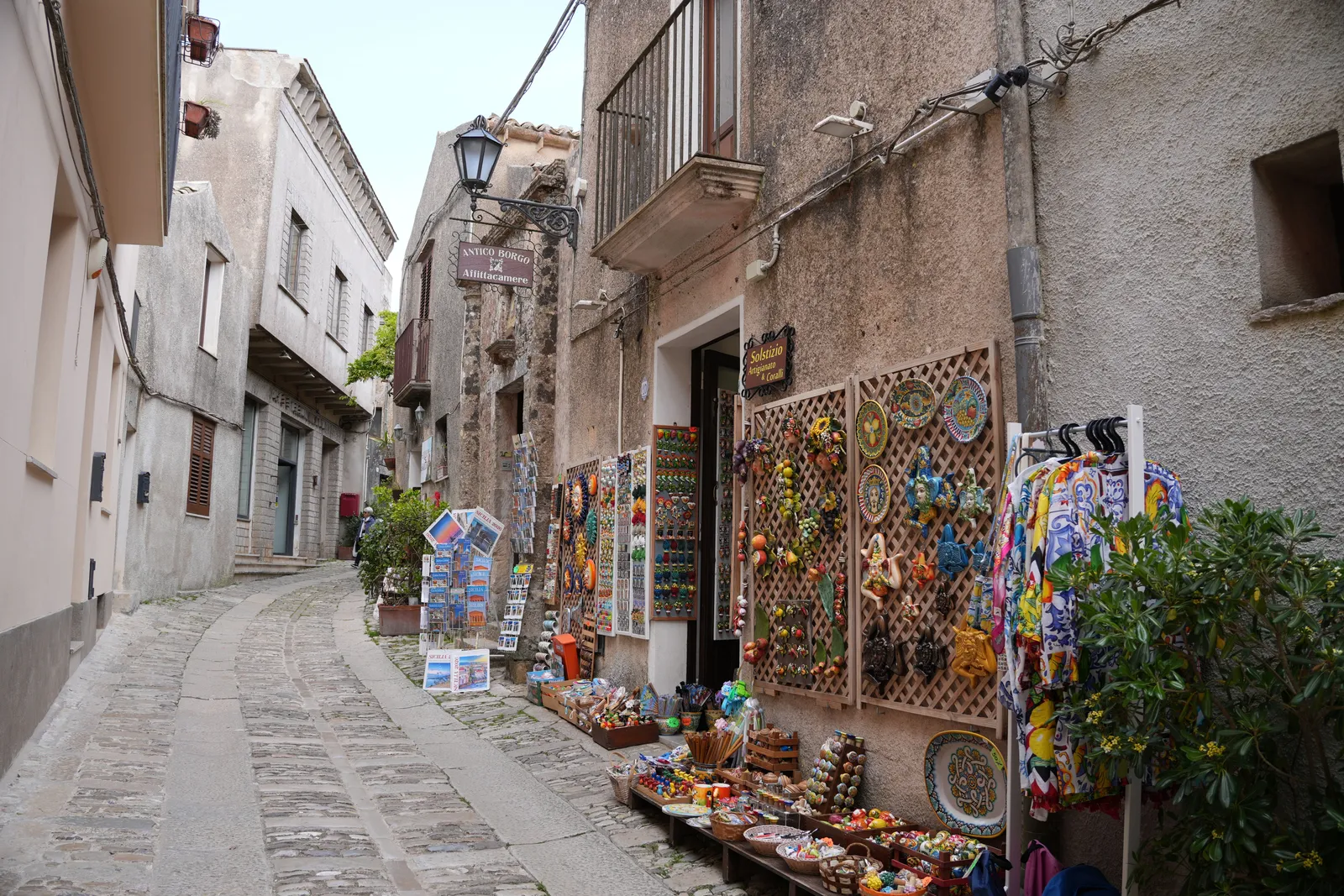
Shopping on Capri leans towards perfume, sandals made to order and lemon flavoured everything, and while browsing is enjoyable, it is easy to lose an hour without noticing. If your return boat is fixed, decide in advance roughly how long you are willing to spend in the shops and hold yourself to it.
Water on Capri is not cheap, and a refillable bottle is worth carrying, since the walk out to the Arco Naturale and the paths around Anacapri have very little shade once the morning cools off. A hat and sun cream matter here as much as on any beach, even on a trip built mostly around towns and viewpoints rather than swimming.
Should you stay the night instead
Everything above assumes a single day, because that is how most visitors experience Capri, arriving from Naples or from a base on the Amalfi Coast. But the island genuinely changes character once the last afternoon boats have left and the day trippers have gone. The piazza empties, the light softens, and Capri town becomes a small, quiet place rather than a busy one.
If your schedule has any flexibility, even one night on the island is worth weighing against a longer stay in Positano or elsewhere on the coast. You trade a day of moving between ports for an evening that most visitors never see.
The short version
Pick your port based on how far you are travelling and how calm you need the crossing to be, aim for one of the first boats of the day, and visit the grotto early with a backup plan already in mind. Leave the busiest streets for the afternoon, budget your shopping time honestly, and if you can stretch the trip to a night on the island, it earns every extra hour.